


Managing Employee Turnover Powerpoint Presentation Slides




Try Before you Buy Download Free Sample Product
 Impress Your
 Audience
 100%
100% Editable
 Save Hours
 of Time


Employee retention is the most significant objective for any organization, as it helps increase productivity by retaining employees and increasing overall organizational growth. Here is a competently designed Managing Employee Turnover template that focuses on such retention strategies that help organizations carefully plan to increase their retention rates. The following presentation is helpful for HR managers intending to decrease the attrition rate of their organization by implementing multiple systems in the organization. This presentation deck initially highlights the organizations key issues facing the human resource department. Once these issues have been highlighted, the organizations survey is analyzed to understand the critical points in the organization better. Identifying the essential retention strategy is a significant step as it helps in increasing the retention rate. After identifying the key strategies, developing an implementation plan plays a key role as it serves as a blueprint for the entire organization. Various KPIs or key performance indicators are used to measure the impact of these strategies on the organization. Get access now.
People who downloaded this PowerPoint presentation also viewed the following :
Content of this Powerpoint Presentation
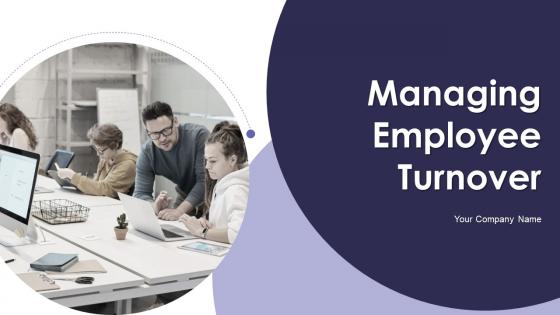
Slide 1: This slide introduces Managing Employee Turnover. State Your Company Name and begin.
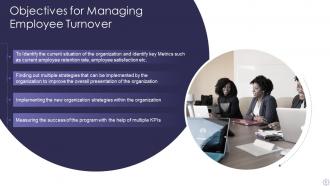
Slide 2: This slide shows Objectives for Managing Employee Turnover.
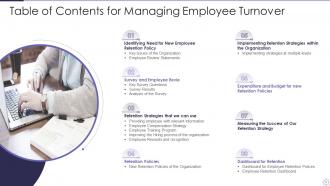
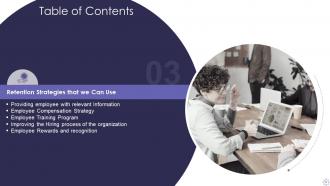
Slide 3: This slide presents Table of Content for the presentation.
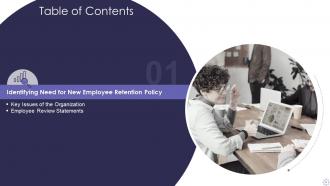
Slide 4: This slide shows title for topics that are to be covered next in the template.
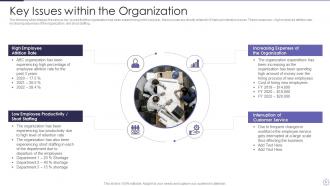
Slide 5: The following slide displays the various key issues that the organization has been experiencing in the last year.
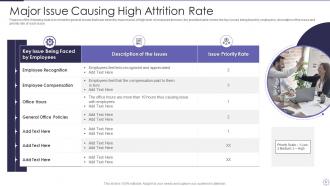
Slide 6: This slide displays general issues that have been the main reason of high level of employee turnover.
Slide 7: This slide shows title for topics that are to be covered next in the template.
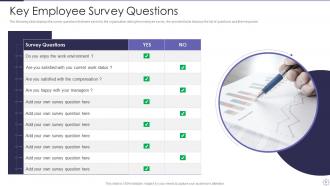
Slide 8: This slide presents survey questions that were asked by the organization during the employee survey.
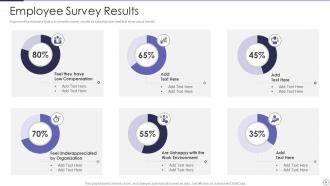
Slide 9: Purpose of the following slide is to show the survey results as it displays pie chart that show actual results.
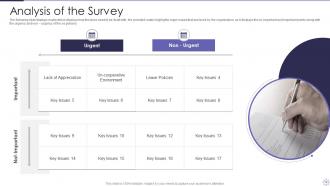
Slide 10: This slide represents matrix which displays how the tasks need to be dealt with.
Slide 11: This slide shows title for topics that are to be covered next in the template.
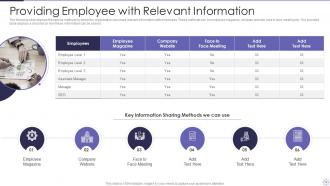
Slide 12: This slide showcases various methods by which the organization can share relevant information with employees.
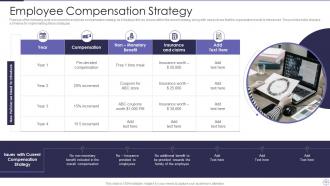
Slide 13: This slide shows employee compensation strategy as it displays the key issues within the current strategy.
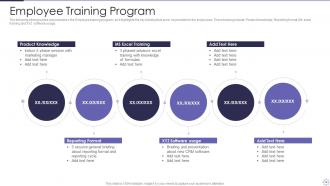
Slide 14: This slide presents overview of Employee training program, as it highlights the key training that are to be provided.
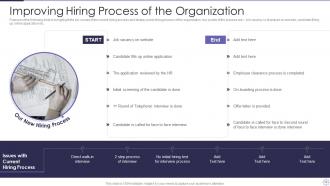
Slide 15: This slide showcases key issues of the current hiring process and display a new hiring process of the organization.
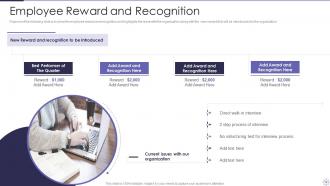
Slide 16: This slide shows employee reward and recognition as it highlights the issue with the organization.
Slide 17: This slide shows title for topics that are to be covered next in the template.
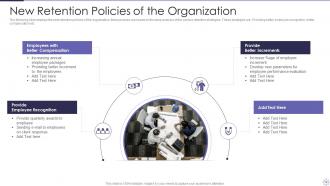
Slide 18: This slide presents new retention policies of the organization, these policies are based on the deep analysis.
Slide 19: This slide shows title for topics that are to be covered next in the template.
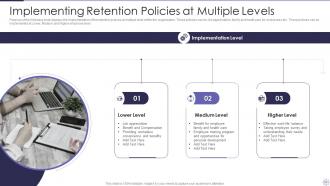
Slide 20: This slide presents implementation of the retention polices at multiple level within the organization.
Slide 21: This slide shows title for topics that are to be covered next in the template.
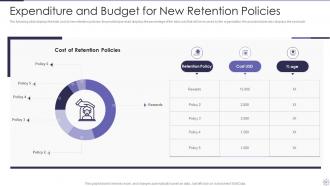
Slide 22: The following slide displays the total cost of new retention policies.
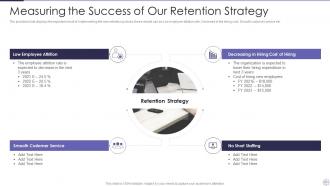
Slide 23: This slide represents measuring the success of our retention strategy.
Slide 24: This slide shows title for topics that are to be covered next in the template.
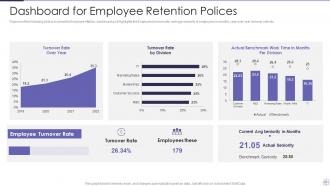
Slide 25: This slide represents employee attrition dashboard as it highlights the employee turnover rate.
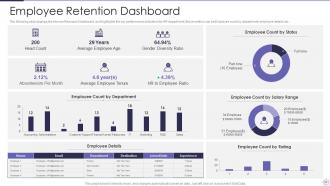
Slide 26: This slide showcases Human Resource Dashboard, as it highlights the key performance indicators for HR department.
Slide 27: This slide displays Icons for Managing Employee Turnover.
Slide 28: This slide is titled as Additional Slides for moving forward.
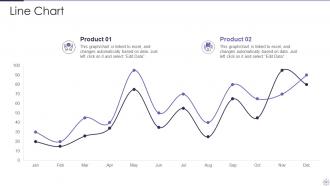
Slide 29: This slide describes Line chart with two products comparison.
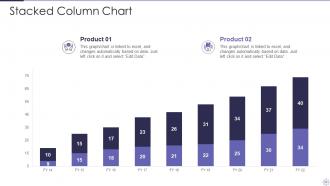
Slide 30: This slide represents Stacked Column chart with two products comparison.
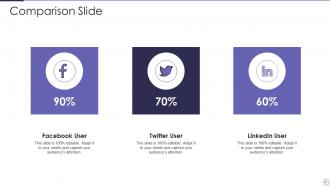
Slide 31: This is a Comparison slide to state comparison between commodities, entities etc.
Slide 32: This slide provides 30 60 90 Days Plan with text boxes.
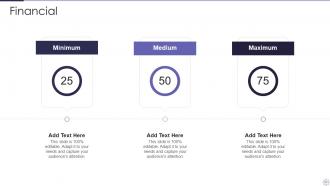
Slide 33: This is a Financial slide. Show your finance related stuff here.
Slide 34: This is a Timeline slide. Show data related to time intervals here.
Slide 35: This slide shows Post It Notes. Post your important notes here.
Slide 36: This is Our Team slide with names and designation.
Slide 37: This slide presents Roadmap for Process Flow.
Slide 38: This slide showcases Magnifying Glass to highlight information, specifications, etc.
Slide 39: This is Our Target slide. State your targets here.
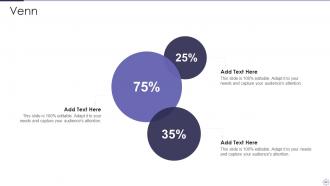
Slide 40: This slide depicts Venn diagram with text boxes.
Slide 41: This is a Thank You slide with address, contact numbers and email address.
Managing Employee Turnover Powerpoint Presentation Slides with all 46 slides:
Use our Managing Employee Turnover Powerpoint Presentation Slides to effectively help you save your valuable time. They are readymade to fit into any presentation structure.







FAQs for Managing Employee Turnover
Honestly, it's usually bad managers or feeling stuck with zero growth opportunities. Money talks too - if you're underpaying compared to other companies, people will bounce. Work-life balance is huge now, especially after COVID. Nobody wants to be micromanaged back into the office when they've proven they can work from home. Oh, and here's the thing - actual respect matters way more than those weird office perks like free snacks. Culture isn't about having a foosball table, it's about not making people miserable every day. You should definitely do an anonymous survey to find out what's really going on.
Look, good onboarding is honestly a game-changer for keeping people around. New hires need to feel welcome and actually understand what they're supposed to do - otherwise they'll bail pretty quick. Bad onboarding? That's just painful for everyone. You want them building connections with the team and getting the right tools from the start. I've seen companies nail it with 30-90 days of real support (not just boring paperwork, though there's always some of that). Map out what they actually need to know and when. Trust me, it's worth the effort upfront.
Dude, culture is HUGE for retention. Like, I've seen people leave decent jobs just because their boss was a control freak or the vibe was totally off. Most folks will actually take less money to work somewhere they don't hate going to every day - which honestly makes sense when you think about it. People need to feel like their opinions matter and they're not just cogs in a machine. Even simple stuff like having coworkers you can actually stand makes a difference. Oh, and don't wait for exit interviews to figure out what's broken. Check in with your team regularly about how things are going culture-wise.
Honestly, trust your gut when something feels off with someone you work with regularly. Look for changes in their normal patterns - are they suddenly missing deadlines they'd usually nail? Less chatty in meetings? Body language tells a lot too. Someone who used to be super engaged but now seems mentally checked out during discussions... that's a red flag. I'd say the biggest thing is actually doing regular one-on-ones where you straight up ask how they're feeling about work. People rarely volunteer that stuff otherwise. Focus on shifts in behavior rather than one-off incidents though.
Look, start with exit interviews to figure out why people are actually bailing. Pay matters - make sure you're competitive there. But honestly? Most people quit bad managers, not jobs. Regular check-ins help tons, plus anonymous surveys so they can vent without fear. Growth opportunities are critical too - nobody wants to feel trapped in the same role forever. Flexible work stuff is pretty much expected now. Recognition goes way further than you'd think (like, way further). I'd tackle whatever's bleeding talent first, then build from there. Makes the biggest impact fastest.
Yeah, pay and benefits are definitely major reasons people quit, but it's super different depending on where you work. Tech and finance folks will literally bounce for better stock options or fat signing bonuses - it's honestly wild how fast they move. Healthcare and education workers though? They care way more about solid insurance and retirement stuff than just salary bumps. Retail and hospitality get hit the worst since the pay generally sucks across the board. You really gotta compare your whole package to what others in your industry are offering, not just what seems reasonable to your company internally.
Yeah, remote work definitely helps with retention. People love the flexibility - no commute, better work-life balance, all that good stuff. Turnover usually drops when companies offer it. But here's the thing - some folks actually get lonely working from home and end up leaving anyway. Weird, right? I'd say give people choices instead of making it all-or-nothing. Oh, and definitely ask your team what they actually want first. Way better than guessing based on some random article you read online.
Exit interviews are seriously underused - most companies just file them away instead of actually digging into the patterns. You'll want to track recurring complaints over time. Poor management always comes up, plus compensation issues and dead-end career paths. I get that it's easy to write off feedback from people who are already out the door, but honestly? They're giving you the most honest take you'll ever get. Once you spot trends, bring concrete data to leadership with specific fixes. If three people quit because of the same toxic manager, that's not a coincidence - it's your next action item.
Ugh, high turnover is the worst. Every time someone quits, you lose all their knowledge and everyone else gets dumped with extra work. Morale goes straight down the toilet because people are constantly training newbies instead of doing what they're actually paid for. Projects get delayed, quality drops - it's honestly a mess. The remaining folks start eyeing the exit too, which makes total sense when you think about it. I'd say figure out why people keep leaving (bad management? low pay?) and fix that before it snowballs into everyone bailing.
Honestly, mentorship is huge for keeping people around. Most folks leave because they're lonely or feel stuck - having someone in your corner changes everything. Pairing new hires with experienced people creates those relationships that actually matter. Your mentor becomes the person you text when work gets weird, helps map out your next career move, all that good stuff. The cool part? Those mentees usually end up mentoring others down the line. Don't overthink it though - even just grabbing coffee regularly between junior and senior staff makes people feel way more valued.
Okay so beyond basic turnover, you'll want to separate voluntary from involuntary departures first. Break it down by department and tenure too - that's where you'll spot the actual problem areas. Time-to-fill and cost-per-hire are clutch when you need to justify budget stuff to your boss. Exit interviews are honestly your best friend if people will actually be real with you (big if, I know). Oh, and definitely compare your numbers to industry benchmarks. Otherwise you're just sitting there wondering if your 15% turnover means you're doomed or totally normal.
Look, bad managers are basically retention poison. When you're constantly breathing down people's necks or creating drama, they'll bolt. Trust me on this one - I've seen it happen so many times. But here's the thing: give your team some breathing room, actually listen to them, and invest in helping them grow? They'll stick around. People really don't quit jobs, they quit crappy bosses. So just be the type of leader you'd want to work for. Communicate honestly, trust your people to do their thing, and watch your turnover drop.
Oof, high turnover is basically like bleeding money every single year. Each person who leaves costs you 20-200% of their salary to replace - recruitment fees, training someone new, lost productivity while they figure things out. Your remaining team gets stuck picking up the slack, which honestly just makes them want to quit too. It's this awful cycle that never ends. The whole thing is mentally draining for managers too, constantly hiring and rehiring. I'd start tracking exactly what you're spending on turnover right now - seeing those numbers usually makes it way easier to justify investing in keeping people around instead.
Honestly, regular check-ins are huge - but only if you actually listen and do something with their feedback. Mix up teams on projects so people aren't stuck in their usual bubbles all the time. Celebrate the random wins too, not just quarterly numbers. I mean, it does sound kinda corny but shared moments really do make people want to stick around. Oh, and train your managers to spot when someone's feeling left out. Some people won't speak up about feeling isolated, so managers need to catch those signs early and pull them back in.
Honestly, look at tech and healthcare - those industries get it right. They actually invest in people's growth and let them control their schedules. Clear promotion paths make a huge difference too. Plus their onboarding is intense (like months of training) but it works. Bad managers are usually the real problem though - people quit bosses, not jobs. Finance does this thing where they train managers constantly. Start with exit interviews first to figure out why people are bailing, then copy what these industries do. Flexible work isn't just a nice-to-have anymore.
-
Fantastic collection of visually appealing PowerPoint templates. They certainly uplift the look of the presentation.
-
Love the template collection they have! I have prepared for my meetings much faster without worrying about designing a whole presentation from scratch.