


Mckinsey 7s Strategic Management Powerpoint-Präsentationsfolien




Try Before you Buy Download Free Sample Product
 Impress Your
 Audience
 100%
100% Editable
 Save Hours
 of Time


Lassen Sie McKinsey 7s PowerPoint-Vorlagen Ihrem Unternehmen helfen, das beabsichtigte Ziel zu erreichen. Bewerten und bewerten Sie die internen Änderungen in einer Organisation mithilfe der PPT-Folien von Mckinsey 7s Strategic Management. Diese vorgefertigte Diashow basiert auf den Soft- und Hard-Key-Elementen, die den Unternehmenserfolg bestimmen. Verwenden Sie diese professionell gestalteten PowerPoint-Vorlagen für Mckinsey 7s-Modelle , um die organisatorische Leistung zu verbessern. Analysieren und bewerten Sie die Auswirkungen zukünftiger Änderungen auf die Organisation. Diese Vorlagen helfen Ihnen auch bei der Umsetzung des strategischen Aktionsplans. Die Präsentation zum strategischen Management von Mckinsey 7 bietet einen Weg, um vom aktuellen Status zum gewünschten Organisationsstatus zu gelangen. Vorlagen für sieben voneinander abhängige Elemente positionieren die Organisation, um den gewünschten zukünftigen Status zu erreichen. Bewerten Sie alle internen Änderungen Ihres Unternehmens mithilfe der PowerPoint-Präsentation zum strategischen Management von Mckinsey 7. Arbeiten Sie daran, einen gewünschten zukünftigen Zustand zu erreichen, indem Sie alle Elemente der 7er ausrichten. Erhalten Sie Zugriff auf diese vollständige Präsentation im Mckinsey 7s-Framework, um einen strategischen Aktionsplan zu erstellen, mit dem ein Unternehmen sein Ziel erreichen kann.
People who downloaded this PowerPoint presentation also viewed the following :
Inhalt dieser Powerpoint-Präsentation
Folie 1 : Diese Folie stellt das strategische Management von McKinsey 7S vor.
Folie 2 : Dies ist eine Agenda-Folie . Notieren Sie hier Ihre Agenda.
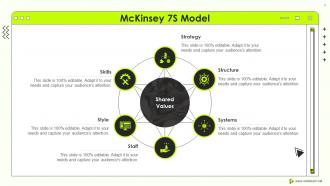
Folie 3 : Diese Folie zeigt das McKinsey 7S-Modell. Das Modell umfasst gemeinsame Werte, Mitarbeiter, Strategie, Struktur, Systeme, Stil, Fähigkeiten.
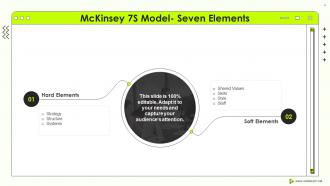
Folie 4 : Diese Folie zeigt das McKinsey 7S-Modell - Sieben Elemente Harte Elemente - Strategie, Struktur, Systeme Weiche Elemente - Gemeinsame Werte, Fähigkeiten, Stil, Mitarbeiter
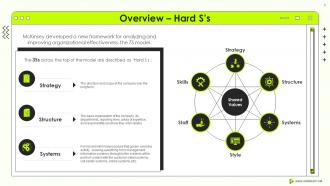
Folie 5 : Diese Folie gibt einen Überblick über Hard S. McKinsey hat ein neues Framework zur Analyse und Verbesserung der organisatorischen Effektivität entwickelt, das 7S-Modell. Die 3Ss oben im Modell werden als 'Hard S s: Strategie: Die Richtung und der Umfang des Unternehmens auf lange Sicht beschrieben. Struktur: Die grundlegende Organisation des Unternehmens, seiner Abteilungen, Berichtslinien, Fachgebiete und Verantwortlichkeiten (und wie sie miteinander zusammenhängen). Systeme: Formelles und informelles Verfahren, das die alltäglichen Aktivitäten regelt und alles von Managementinformationssystemen bis hin zu den Systemen am Kontaktpunkt mit dem Kunden (Einzelhandelssysteme, Call-Center-Systeme, Online-Systeme usw.) abdeckt. Gemeinsame Werte - Mitarbeiter, Strategie, Struktur, Systeme, Stil, Fähigkeiten.
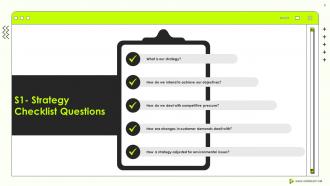
Folie 6 : Diese Folie enthält eine Strategie-CHECKLISTE. Die wichtigsten Punkte sind: Was ist unsere Strategie? Wie wollen wir unsere Ziele erreichen? Wie gehen wir mit Wettbewerbsdruck um? Wie wird mit Änderungen der Kundenanforderungen umgegangen? Wie wird die Strategie an Umweltprobleme angepasst?
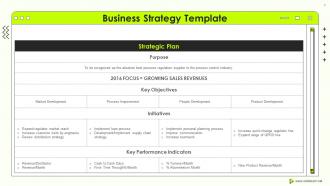
Folie 7 : Diese Folie zeigt die Geschäftsstrategie im Detail.
Folie 8 : Diese Folie setzt Fragen zur Struktur-Checkliste fort. Wie ist das Unternehmen / Team aufgeteilt? Wie ist die Hierarchie? Wie koordinieren die verschiedenen Abteilungen die Aktivitäten? Wie organisieren und richten sich die Teammitglieder aus? Ist die Entscheidungsfindung und Kontrolle zentral oder dezentral? Ist das so, wie es sein sollte, wenn man bedenkt, was wir tun? Wo sind die Kommunikationswege? Explizit und implizit?
Folie 9 : Diese Folie zeigt ein Organigramm. Mithilfe dieser Folie können Sie CEO, Editor, Vertriebsmarketing, Manager, Webdesigner, Assistant Manager usw. anzeigen.
Folie 10 : Diese Folie zeigt die CHECKLISTE für Systeme. Die wichtigsten Punkte sind: Betrachten Sie das Finanz- und HR-System sowie die Kommunikation und die Speicherung von Dokumenten. Wo sind die Kontrollen und wie werden sie überwacht und bewertet? Welche internen Regeln und Prozesse verwendet das Team, um den Überblick zu behalten?
Folie 11 : Auf dieser Folie werden Business Systems mit Textfeldern angezeigt.
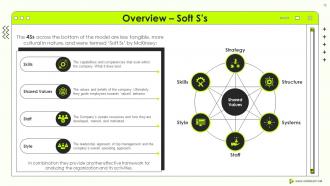
Folie 12 : Diese Folie zeigt eine Übersicht über Soft Ss. Zu den gemeinsamen Werten gehören: Mitarbeiter, Strategie, Struktur, Systeme, Stil, Fähigkeiten Die 4S im unteren Bereich des Modells sind weniger greifbar, eher kultureller Natur und wurden von McKinsey als „Soft Ss“ bezeichnet: Fähigkeiten: Die vorhandenen Fähigkeiten und Kompetenzen innerhalb der Firma. Was es am besten kann. Mitarbeiter: Die Personalressourcen des Unternehmens und wie sie entwickelt, geschult und motiviert werden. Stil: Der Führungsansatz des Top-Managements und der allgemeine Betriebsansatz des Unternehmens. In Kombination bieten sie einen weiteren effektiven Rahmen für die Analyse der Organisation und ihrer Aktivitäten. Gemeinsame Werte: Die Werte und Überzeugungen des Unternehmens. Letztendlich führen sie die Mitarbeiter zu einem „geschätzten“ Verhalten.
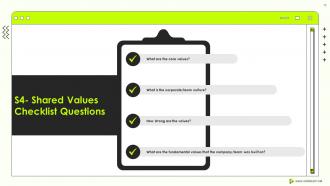
Folie 13 : Diese Folie zeigt die CHECKLISTE für gemeinsame Werte. Die Punkte umfassen: Was sind die Grundwerte? Was ist die Unternehmens- / Teamkultur? Wie stark sind die Werte? Auf welchen Grundwerten wurde das Unternehmen / Team aufgebaut?
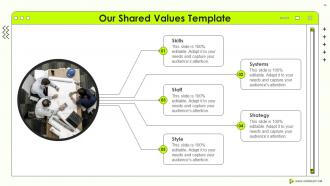
Folie 14 : Auf dieser Folie werden unsere gemeinsamen Werte mit den folgenden Unterüberschriften dargestellt: Systeme, Mitarbeiter, Fähigkeiten, Strategie, Stil.
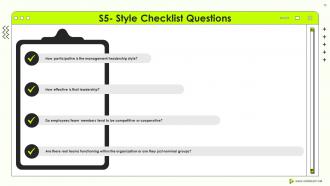
Folie 15 : Diese Folie zeigt die CHECKLISTE für den Stil. Die wichtigsten Orte sind: Wie partizipativ ist der Management- / Führungsstil? Wie effektiv ist diese Führung? Neigen Mitarbeiter / Teammitglieder dazu, wettbewerbsfähig oder kooperativ zu sein? Gibt es echte Teams innerhalb der Organisation oder sind es nur nominelle Gruppen?
Folie 16 : Diese Folie trägt den Titel Führungsstil. Fahren Sie mit dem Führungsstil für die nächsten Folien fort.
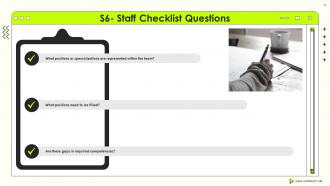
Folie 17 : Diese Folie enthält Fragen zur CHECKLISTE der Mitarbeiter. Die Hauptorte sind: Welche Positionen oder Spezialisierungen sind im Team vertreten? Welche Positionen müssen besetzt werden? Gibt es Lücken in den erforderlichen Kompetenzen?
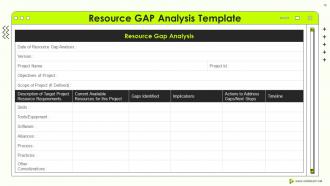
Folie 18 : Diese Folie zeigt die Ressourcen-GAP-Analyse im Detail.
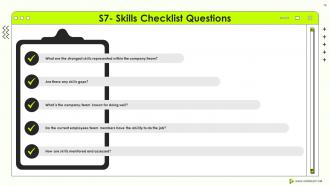
Folie 19 : Dies ist ein Skills CHECKLIST-Fragebogen. Die enthaltenen Punkte sind: Was sind die stärksten Fähigkeiten, die im Unternehmen / Team vertreten sind? Gibt es Qualifikationslücken? Wofür ist das Unternehmen / Team bekannt? Haben die aktuellen Mitarbeiter / Teammitglieder die Möglichkeit, die Arbeit zu erledigen? Wie werden Fähigkeiten überwacht und bewertet?
Folie 20 : Diese Folie befasst sich ausführlich mit der Skills GAP-Analyse.
Folie 21 : Dies ist eine Zusammenfassung der 7S-Werte, des Personals, der Fähigkeiten, der Strategie, des Stils, der Struktur und der Systeme des Unternehmens.
Folie 22 : Auf dieser Folie wird das 7-S-Framework mit allen abgedeckten S angezeigt.
Folie 23 : Diese Folie führt zu den weiteren Folien.
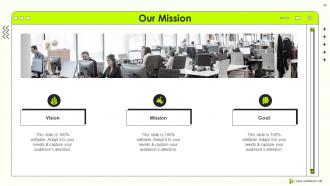
Folie 24 : Diese Folie zeigt Unsere Vision, Unsere Mission, die Sie angeben müssen.
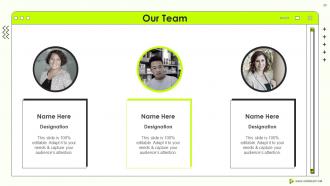
Folie 25 : Diese Folie zeigt Meet Our Team. Sie können auch Bezeichnungen wie Finanzmanager, Produktmanager, Grafikdesigner usw. anzeigen.
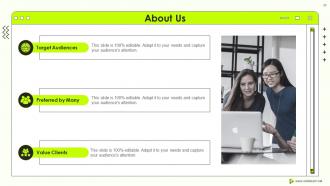
Folie 26 : Dies ist eine Folie über uns. Staatliche Firmen- / Teamspezifikationen usw. hier.
Folie 27 : Dies ist eine gestapelte Balkenfolie. Drücken Sie in Prozent% und Jahr Ihre finanzielle / Unternehmensbewertung aus.
Folie 28 : Diese Folie zeigt unser Hauptziel, das Sie angeben müssen.
Folie 29 : Dies ist eine Vergleichsfolie zur Darstellung eines Kontrasts, von Spezifikationen usw.
Folie 30 : Auf dieser Folie werden Finanzergebnisse usw. in Bezug auf Minimum, Mittel und Maximum angezeigt.
Folie 31 : Dies ist eine Anführungszeichen-Folie. Fügen Sie hier ein Angebot oder was auch immer Sie wünschen ein.
Folie 32 : Dies ist eine Dashboard-Folie mit Ziffern zur Darstellung von kpis, Metriken usw.
Folie 33 : Diese Folie zeigt ein Kreisdiagramm mit geteilten numerischen Werten für jedes Segment.
Folie 34 : Dies ist eine Grafikfolie mit glatten Linien und Markierungen. Zeigen Sie hier alles, was Sie präsentieren möchten.
Folie 35 : Dies ist eine Weltkartenfolie zum Fixieren / Präsentieren des Standorts zum Anzeigen der globalen Präsenz, des Wachstums usw.
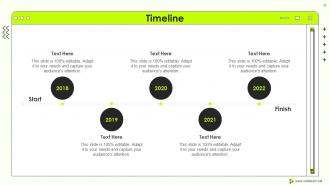
Folie 36 : Dies ist eine Zeitleistenfolie. Sie können damit jährliches Wachstum usw. präsentieren.
Folie 37 : Auf dieser Folie wird Post-It angezeigt, um wichtige Fakten, Hinweise usw. für das Unternehmen festzuhalten.
Folie 38 : Dies ist eine NEWS PAPER-Folie zur Darstellung von hervorgehobenem / zusammengefasstem Text.
Folie 39 : Diese Folie ist eine Puzzle-Folie mit Textfeldern.
Folie 40 : Mit dieser Folie können Sie Produkt 1 und Produkt 2 anhand einer gestapelten Spalte vergleichen.
Folie 41 : Dies ist eine Zielfolie. Nennen Sie hier wichtige Ziele der Zukunft.
Folie 42 : Diese Folie stellt ein kreisförmiges Bild mit Symbolbildern zum Füllen von Texten dar.
Folie 43 : Diese Folie ist eine Venn-Diagrammfolie. Informationen, Spezifikationen usw. hier anzeigen.
Folie 44 : Dies ist eine Mind Map-Folie zum Einfügen zufälliger Daten.
Folie 45 : Dies ist eine Boston Matrix-Folie, die bei Bedarf verwendet werden kann.
Folie 46 : Dies ist eine Lego-Folie, die nach Bedarf verwendet werden kann.
Folie 47 : Auf dieser Folie wird die abgesteckte Linie mit Markierungen angezeigt, um eine Einheit wie Produkt A oder B in Monaten und in Prozent darzustellen.
Folie 48 : Dies ist eine Silhouetten-Folie. Verwenden Sie es nach Bedarf.
Folie 49 : Dies ist eine Ideenfolie in Glühbirnenform mit kreativen Zahnrädern.
Folie 50 : Dies ist eine Folie für die hierarchische Darstellung. Legen Sie das Top-to-Bottom-Management über Director, Webdesigner, Manager, Editor, Assistant Manager, Vertriebsmarketing, CEO usw. fest.
Folie 51 : Dies ist eine Kaffeepause-Bildfolie. Sie können den Folieninhalt nach Bedarf ändern.
Folie 52 : Diese Folie zeigt ein prozentuales Liniendiagramm.
Folie 53 : Diese Folie zeigt eine Lupe mit Textfeldern zum Ausfüllen des erforderlichen Textes.
Folie 54 : Diese Folie zeigt ein Balkendiagramm mit Prozentsätzen zum Anzeigen des Produkt- / Entitätsvergleichs, der Spezifikationen usw.
Folie 55 : Dies ist eine Trichterfolie, um Fortschritt, Informationen usw. in Trichterform anzuzeigen.
Folie 56 : Auf dieser Folie werden Adresse # Straßennummer, Stadt, Bundesland, Kontaktnummern, E-Mail-Adresse angezeigt, die eingegeben und angezeigt werden soll.
Mckinsey 7s Strategic Management Powerpoint-Präsentationsfolien mit allen 56 Folien:
Stellen Sie eine Anfrage mit unseren Mckinsey 7s Strategic Management Powerpoint Präsentationsfolien. Formulieren Sie Richtlinien zur Feststellung der Fakten.
-
Mckinsey 7s Strategic Management
-
Agenda Slide
-
McKinsey 7S Model
-
McKinsey 7S Model Seven Elements
-
Overview Hard S s
-
S1 Strategy Checklist Questions
-
Business Strategy Template
-
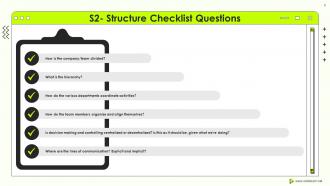
S2 Structure Checklist Questions
-
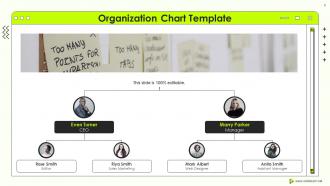
Organization Chart Template
-
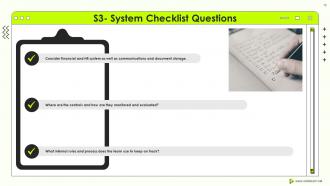
S3 System Checklist Questions
-
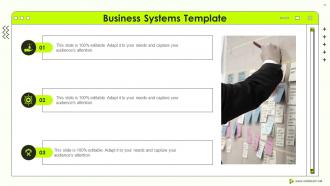
Business Systems Template
-
Overview Soft S s
-
S4 Shared Values Checklist Questions
-
Our Shared Values Template
-
S5 Style Checklist Questions
-
Leadership Style Template
-
S6 Staff Checklist Questions
-
Resource GAP Analysis Template
-
S7 Skills Checklist Questions
-
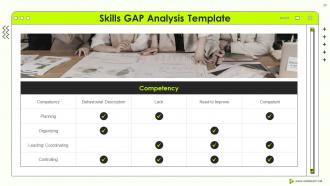
Skills GAP Analysis Template
-

Summary Your Company s 7Ss
-
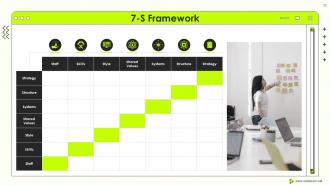
7 S Framework
-
Icons Slide for McKinsey 7s Strategic Management
-
Mckinsey 7s Strategic Management
-
About Us
-
Our Mission
-
30 60 90 Days Plan
-
Our Team
-
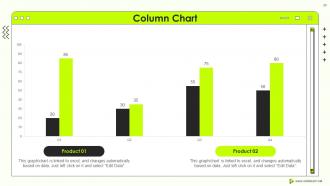
Column Chart
-
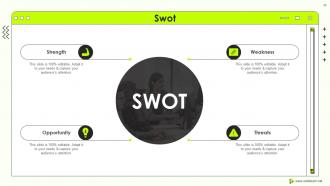
SWOT Analysis
-
Post It Notes
-
Timeline
-
Thanks for Watching
FAQs for Mckinsey 7s Strategic Management
So McKinsey's 7S Model breaks things into hard and soft elements. Hard stuff - Strategy, Structure, Systems - you can change pretty easily. Soft elements are trickier: Shared Values, Skills, Style, and Staff. Most companies totally bomb on the soft side, which is why transformations fail. The whole point? All seven need to work together. Can't just flip your strategy without thinking about whether your team has the right skills or if leadership style matches. It's like a web - mess with one part and everything else shifts. Oh, and always map out how changes hit all seven areas before you start anything major.
Start by figuring out where you actually stand on all seven elements - strategy, structure, systems, shared values, style, staff, and skills. Honestly, get an outside person to run surveys and interviews because people won't be brutally honest with their own bosses about what's broken. Look for those awkward gaps between what you claim to do and what really happens day-to-day. The disconnect between hard stuff (strategy, structure, systems) and soft stuff (values, style, people, skills) is usually where things fall apart. Map it all out visually so leadership can see which fires to put out first. Trust me, there'll be more gaps than you expect.
Dude, the Soft S's are where change projects actually crash and burn. Skills, leadership style, staff, shared values - it's all about whether people are actually on board. Perfect strategies mean nothing if your team doesn't have the right capabilities or if nobody believes in what you're doing. Leadership style has to match the moment too. I always tell people to honestly audit each Soft S first - like, brutally honest - before rolling anything out. Saves you so much pain later. The human stuff is what makes or breaks everything, not your fancy org charts.
So the 7S Model is like a health check for your company when you need to move fast. Map out where you are now across all seven areas - structure, strategy, systems, skills, staff, style, and shared values. Then see what's actually slowing you down. Maybe your hierarchy takes forever to make decisions, or your tech can't keep up with changes. Honestly, most companies think they know their weak spots but this forces you to look at everything systematically. Once you spot the bottlenecks, you'll know exactly what needs fixing to respond quicker to whatever the market throws at you.
So the 7S Model is like giving your company a full body scan. First, audit all seven pieces - strategy, structure, systems, shared values, style, staff, and skills. Then map how they connect to each other. You'll catch weird disconnects fast, like having an innovation strategy while your reward systems still favor playing it safe (which honestly happens way more than it should). Don't just look at each element alone though. The real insights come from seeing where they clash or support each other. Rate each S, then literally draw connections between them. Those broken links? That's where you're bleeding efficiency and missing your goals.
Honestly, the 7S Model can be painfully slow when everything's changing fast. Markets shift while you're still mapping out all seven elements - strategy, structure, systems, the whole thing. By the time you finish aligning everything, your competition has already pivoted twice. Focus on the "soft S's" first (skills, staff, shared values) since restructuring your entire org takes forever. The closet-during-an-earthquake analogy is pretty spot-on actually. Works great when things are stable, but who has that luxury anymore? I'd treat it more like a diagnostic tool than a step-by-step playbook.
So the 7S Model basically gives everyone the same language to work with during changes. No more vague complaints about "culture stuff" - you can actually point to specific things like Systems or Structure and explain what's shifting. Pretty smart, honestly. It cuts through all that usual mess when companies try to transform. People get way less freaked out when you clearly show what's staying put vs. what's changing. Oh, and here's a random tip - try making the 7S elements your section headers next time you write change communications. Makes everything so much clearer.
Oh man, IBM's transformation in the 90s is probably the best example - they went from hardware to services and had to realign literally everything. Southwest Airlines uses it too for keeping their low-cost thing consistent while growing like crazy. Toyota's another one with their lean manufacturing stuff. Honestly though? It works way better for big shake-ups than small changes. All seven pieces have to move at once or you're kinda screwed. I'd start with IBM's case since it shows how messy it gets when you're changing everything. Pretty fascinating read actually.
Honestly, if you're running a startup, the "soft stuff" is what really matters - shared values, skills, and leadership style are everything when you're small. Don't worry about fancy org charts or complex systems yet, keep it simple. But established companies? Totally different game. They've got the resources and complexity where solid structure and systems actually make sense. Oh, and hiring differs too - startups should go for culture fit and people who can wear multiple hats, while bigger companies can afford specialists. Just figure out where you actually are on the maturity scale first, then focus on what matters most for that stage.
SWOT analysis is clutch when you combine it with the 7S Model - catches all those external factors you'd otherwise miss. Balanced Scorecard helps track the actual numbers across each S. Stakeholder mapping is honestly underrated for understanding who gets affected by changes in each area. Oh, and culture surveys are perfect for digging into the soft stuff like shared values. Just don't go crazy with too many tools at once. I'd stick to 2-3 max or you'll end up drowning in data instead of actually doing anything useful with it.
Cultural assessment basically lives in that "Shared Values" box right at the heart of the McKinsey 7S thing. You're digging into what people actually believe and how they act - not the BS on the wall poster, you know? This stuff influences everything else: your strategy, structure, systems, all of it. I always think of it like getting your company's DNA tested, honestly. Here's the thing though - you can't just change your strategy or restructure without figuring out if your culture will fight you on it. So map out what your people really value first. That's where I'd start the whole 7S analysis.
Honestly, the 7S model is clutch for M&A work. It helps you dig into cultural fit instead of just staring at balance sheets all day. Map out both companies' systems, structures, and skills - but pay special attention to the soft stuff like values and leadership style. That's where deals actually blow up, not the financial projections. Run assessments on both orgs before you announce anything (learned that one the hard way). You'll spot integration headaches early and figure out what needs fixing immediately versus what can wait. The framework basically becomes your roadmap for not screwing up the merger.
Track the obvious stuff first - employee engagement, turnover, productivity numbers. That's your baseline. But honestly? The cultural piece is way harder to measure and probably more important. Send out surveys about values alignment, see if people actually use the new systems you rolled out. Communication flows better when things click - you'll notice it in meetings. The shared values thing is almost impossible to quantify, which is annoying but true. Just compare your metrics every quarter so you're not flying blind. Oh, and definitely measure before you change anything or you'll have no clue if it worked.
Don't just do the 7S thing once and forget about it. Check in quarterly to see if your strategy, structure, and systems still match up with your people, skills, leadership style, and company values. Honestly, I've seen too many teams skip this step and regret it later. Markets shift, new people join, priorities change - you get the idea. Give each "S" to a specific leader so someone's actually watching it. Build simple dashboards to track everything, and set up feedback loops so you catch problems early. Way better than dealing with major misalignments down the road.
Your leadership style hits the "Style" part of 7S obviously, but it doesn't stop there. It actually spreads into other areas too - like how you hire people (Staff) and what skills you focus on building. Think about it: a hands-off leader creates totally different systems than someone who micromanages everything. I've seen this play out so many times. Don't just check off the Style box when you're doing your 7S analysis. Map out how your leadership connects to the other elements. You'll get a way more complete picture of what's actually happening in your organization.
-
Good
-
VERY GOOD AND USEFULL
-
Simple and usefull
-
Nice presentation, very useful
-
Great slides
-
Presentation Design is very nice, good work with the content as well.
-
Innovative and attractive designs.