

Sales Strategy Secrets And Tips Powerpoint Presentation Slides






Try Before you Buy Download Free Sample Product
 Impress Your
 Audience
 100%
100% Editable
 Save Hours
 of Time


If you want to boost your company sales, then our content- ready sales strategy secrets and tips PowerPoint presentation slides are all you need. Our sales strategy PPT designs help you target potential buyers. Impress your colleagues and managers with the help of our marketing strategy presentation visuals. This sales force strategy PowerPoint illustration carries set of templates such as value proposition, product testimonials, product traction, key product offerings, product delivery timeline, action plan, and financial dashboard. These sales management PPT slides allow addressing the customer needs at every point. Additionally, our corporate sales plan presentation template is a key to success and growth. These sales outsourcing PowerPoint slides can be utilized for related topics such as marketing plan, sales management, personal selling, business model, market segmentation, pricing strategies, right-time marketing, product differentiation, and market positioning. Download our sales strategy secrets and tips PPT templates today and capture the audience’s attention. Attain the consent of your audience. Assure them with our Sales Strategy Secrets And Tips Powerpoint Presentation Slides.
People who downloaded this PowerPoint presentation also viewed the following :
Content of this Powerpoint Presentation
Slide 1: This slide introduces Sales Strategy Secrets and Tips. State Your Company Name and begin.
Slide 2: This slide showcases Agenda. State your company agenda and proceed.
Slide 3: This slide presents Company Overview with these of the four prospects you can take for - History, Locations, Values, Milestones.
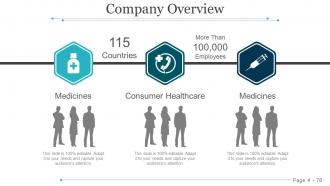
Slide 4: This slide shows Company Overview. Add the companies description and use it.
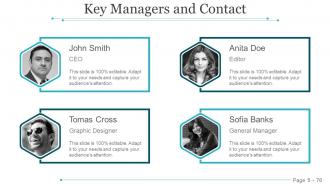
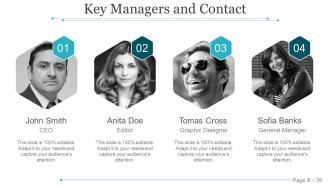
Slide 5: This slide presents Key Managers and Contact.
Slide 6: This slide showcases Key Managers and Contact. You can add the team members details.
Slide 7: This slide presents the Problem/ Challenges, Add the challenges and the programs.
Slide 8: This slide showcases the Problem/ Challenges. Use as per your need.
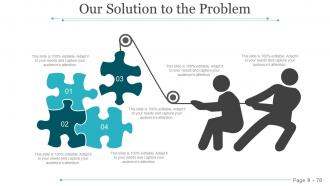
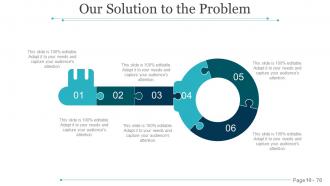
Slide 9: This slide shows Our Solution to the Problem.
Slide 10: This slide presents Our Solution to the Problem with a creative imaginery.
Slide 11: This slide showcases the Pitch. Add the company pitch and use it.
Slide 12: This slide presents the Pitch. You can use this slide to explain about your product.
Slide 13: This slide shows our Product with an imagery background.
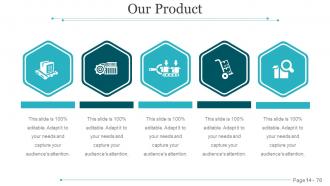
Slide 14: This slide showcases our product.
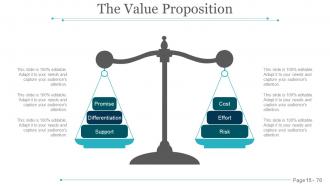
Slide 15: This slide presents the value proposition further showcases Cost, Effort, Risk, Promise, Differentiation, Support.
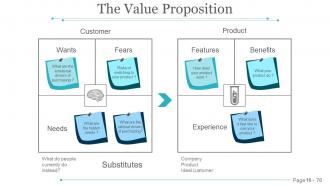
Slide 16: This slide showcases the Value Proposition which further presents- Customer, Substitutes, Wants, Fears, Needs, Product, Features, Benefits, Experience, Company, Product, Ideal customer.
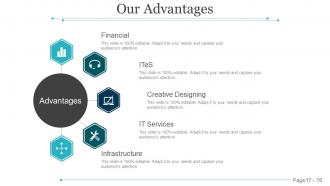
Slide 17: This slide presents our advantages with these six of the options- Financial, ITeS, Creative Designing, IT Services, Infrastructure, Advantages.
Slide 18: This slide showcases our advantages. Add the product advantages and use it.
Slide 19: This slide presents Product Testimonials with a product description and name .
Slide 20: This slide shows Coffee Break image.
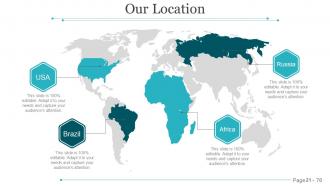
Slide 21: This slide showcases Global Project Locations with a World map and text boxes to make it explicit.
Slide 22: This slide presents Case Study.
Slide 23: This slide showcases Case Study . Add the description of the case study.
Slide 24: This slide presents Case Study with challenges and solution.
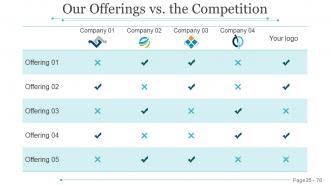
Slide 25: This slide showcases Our Offerings vs. the Competition.
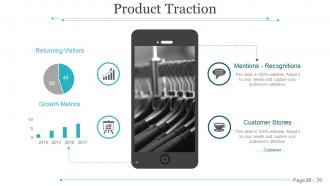
Slide 26: This slide presents Product Traction.
Slide 27: This slide shows Clients/Partners .
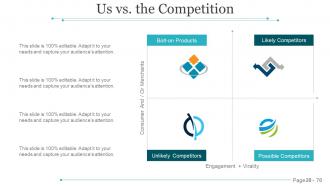
Slide 28: This slide showcases Us vs. the Competition. Add your own description and use it.
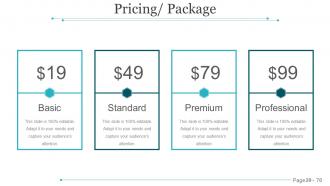
Slide 29: This slide presents Pricing/ Package.
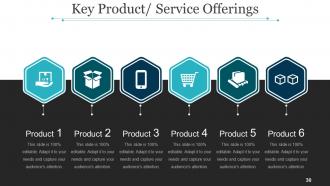
Slide 30: This slide showcases Key Product/ Service Offerings.
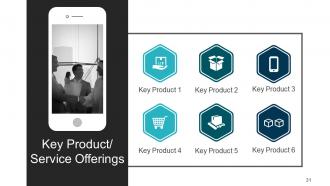
Slide 31: This slide presents Key Product/ Service Offerings.
Slide 32: This slide shows Service Level Agreement. Add/edit as per your use.
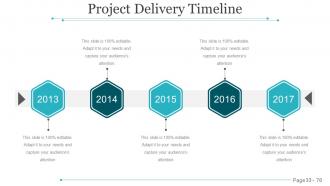
Slide 33: This slide presents Project Delivery Timeline.
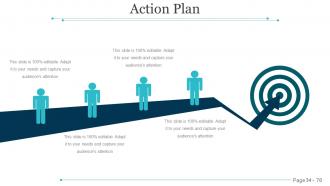
Slide 34: This slide showcases Action Plan.
Slide 35: This slide presents Action Plan.
Slide 36: This slide showcases Contact Details.
Slide 37: This slide presents Marketing and Sales Strategy Icons Set.
Slide 38: This slide is titled Additional slides to proceed forward.
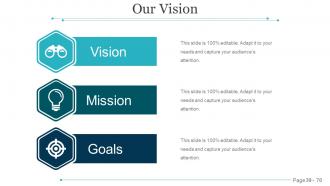
Slide 39: This is a Vision, Mission and Goals slide. State them here.
Slide 40: This is an Our Team slide with name, image &text boxes to put the required information.
Slide 41: This is an About Us slide showing Our Company, Value Client, and Premium services as examples.
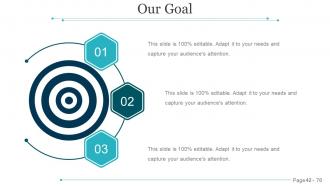
Slide 42: This is an Our Goal slide. State them here.
Slide 43: This slide shows Comparison of Positive Factors v/s Negative Factors with thumbs up and thumb down imagery.
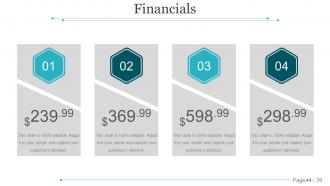
Slide 44: This slide is titled as Financials. Show finance related stuff here.
Slide 45: This is a Quotes slide to highlight, or state anything specific.
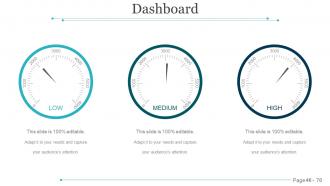
Slide 46: This is a Dashboard slide displaying- Revenue, Purchase Value, Units Sold.
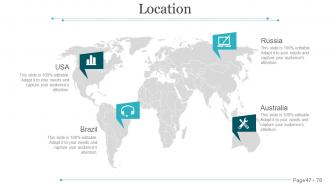
Slide 47: This is a Location slide of World map to show global presence, growth etc.
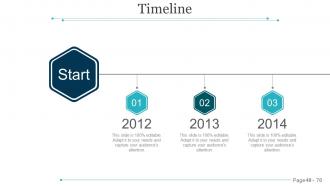
Slide 48: This is a Timelines slide to show- Plan, Budget, Schedule, Review.
Slide 49: This is a Timelines slide to show- Plan, Budget, Schedule, Review.
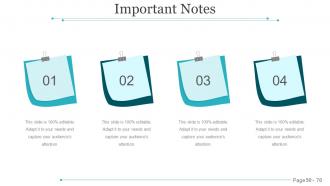
Slide 50: This slide displays Critical notes on Challenge, Positive Attitude, Balanced Lifestyle.
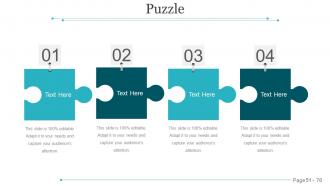
Slide 51: This slide presents a PUZZLE slide with the following subheadings- Integrity and Judgment, Critical and Decision Making, Leadership, Agility.
Slide 52: This is a Target slide. State your targets here.
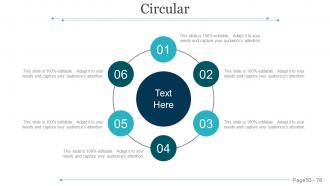
Slide 53: This is a Circular slide to show information, specification etc.
Slide 54: This slide presents a Newspaper image with text boxes to flash company news, position etc.
Slide 55: This is a Venn diagram image slide to show information, specifications etc.
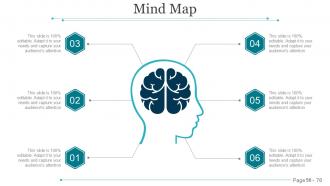
Slide 56: This slide shows a Mind map for representing entities.
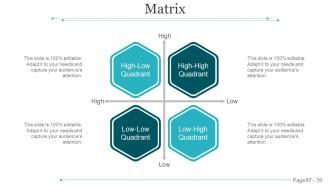
Slide 57: This slide shows a Matrix in terms of High and Low.
Slide 58: This is a LEGO slide with text boxes to show information.
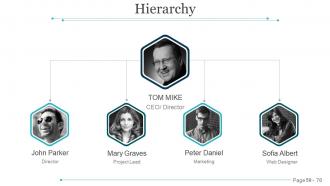
Slide 59: This is a Hierarchy slide showing- Supply Chain Manager, Supply Chain Council, Sourcing, Supplier Quality Engineer, Procurement, Logistics & Management, Supplier Management, Student, Contract Management.
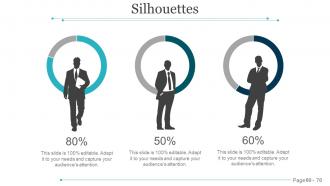
Slide 60: This is a Silhouettes slide to show people specific information etc.
Slide 61: This slide displays a Magnifying Glass with icon imagery.
Slide 62: This is a Bulb or Idea slide to state a new idea or highlight specifications/information etc.
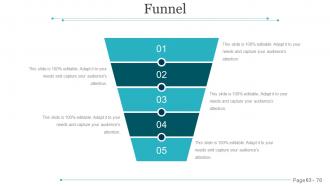
Slide 63: This slide presents a Funnel to show anything in funnel form
Slide 64: This slide is titled Charts & Graphs to move forward.
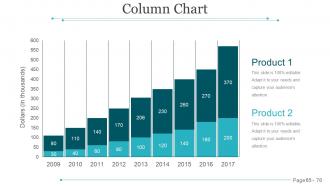
Slide 65: This slide shows Column Chart which further presents data representation.
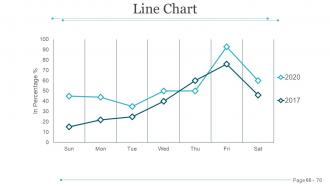
Slide 66: This is a Line Chart slide for product/entity comparison.
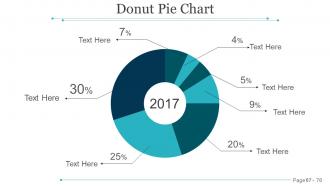
Slide 67: This slide showcases Donut Pie Chart.
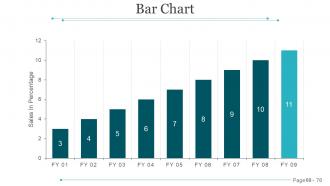
Slide 68: This slide presents Bar Chart.
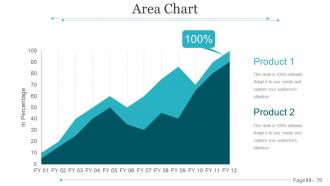
Slide 69: This is an Area Chart slide for product/entity comparison.
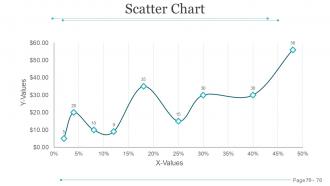
Slide 70: This slide showcases Scatter Chart.
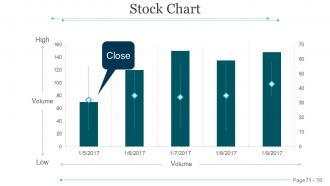
Slide 71: This slide presents Stock Chart.
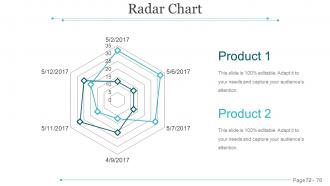
Slide 72: This slide showcases Radar Chart.
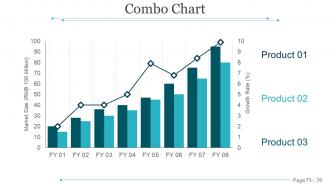
Slide 73: This slide presents Combo Chart.
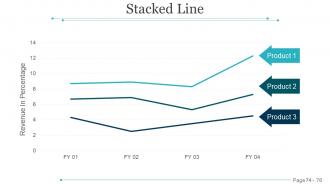
Slide 74: This slide showcases Stacked Line.
Slide 75: This slide showcases Contact Us.
Slide 76: This is a Thank You slide with Address# street number, city, state, Contact Numbers, Email Address.
Sales Strategy Secrets And Tips Powerpoint Presentation Slides with all 76 slides:
Face journalists in the correct direction with our Sales Strategy Secrets And Tips Powerpoint Presentation Slides. Give them in indication of how to go ahead.













FAQs for Sales Strategy Secrets And Tips
Okay so first things first - figure out exactly who you're selling to and why they'd pick you over everyone else. Map out your whole sales process from finding leads to actually closing deals. Most teams totally mess this up and then wonder why everything gets stuck halfway through. You'll also need solid criteria for qualifying leads and a pricing strategy that makes sense. Oh, and track everything with metrics because otherwise you're just guessing what's working. I'd start by writing down whatever process you have now, then spot the biggest problems from there.
Honestly, templates are a lifesaver because you're not starting from scratch every single time. They give you that proven structure - hit the problem, show your solution, handle objections, close the deal. The prep time you save is insane (and my lazy side loves that part). Here's the thing though - you gotta customize them for each prospect while keeping the framework that actually works. Your confidence goes through the roof when you know the flow is solid. Don't try to create five different templates right away. Just grab one good one and tweak it as you go.
Okay so customer segmentation is huge for sales - like, it's the difference between spray-and-pray vs actually knowing who you're talking to. A startup founder and some Fortune 500 exec? Totally different worlds, different problems. You can't pitch them the same way and expect it to work. Break your customers into 3-4 main types based on what they actually need or how they behave. Then craft your messaging for each group specifically. I swear, once you start speaking their language instead of generic sales-speak, your conversion rates will jump. Makes such a difference when people feel like you actually get their situation.
Dude, pull your last quarter's sales data and look at wins vs losses - you'll probably find 2-3 things to fix right away. Track which lead sources actually convert and figure out what your top reps are doing differently. Honestly, most teams just ignore this goldmine of info sitting right there. Check where deals get stuck, what messaging works, seasonal trends... all that stuff. Oh, and definitely analyze the deals you lost - understanding why people said no is huge. It's like having a roadmap for what not to do next time.
Honestly, the worst mistake is trying to sell to everyone instead of nailing down who actually wants your stuff. Teams always set these crazy revenue targets without doing basic research first - like, come on. Your product definitely won't sell itself, trust me on that one. Don't ignore follow-up either, and stop obsessing over vanity metrics that look good but don't mean anything. Sales and marketing need to actually talk to each other too. Start with figuring out your ideal customer, set realistic goals based on real numbers, then get everyone on the same page before you do anything else.
You gotta dig into each industry's quirks before jumping in. Tech moves fast - they want demos and quick decisions. Healthcare's the opposite, super slow because of all the compliance stuff. Manufacturing is obsessed with ROI (seriously, they'll want spreadsheets for everything). Financial services? Security and regulations trump everything else. Switch up your pitch deck and timeline based on who you're talking to - even your language needs to change. Oh, and definitely interview your current clients in each space first. They'll tell you what actually works versus what you think should work.
Track both sides - what's happening now and what already happened. Revenue and conversion rates tell you the results, but you need the early signals too. Pipeline velocity, lead quality, activity numbers. Those actually help you fix problems before they tank your numbers. Customer acquisition cost and lifetime value are huge - learned that one the hard way when I was celebrating growth that was basically bleeding money. Honestly, stick to 3-4 metrics tops. Check them weekly. Pick stuff that makes your team actually change what they're doing, not just pretty dashboard numbers.
Stories are like magic for sales - people actually remember them instead of tuning out during feature dumps. Your prospects can picture themselves getting the same results when you share how other customers succeeded. Honestly, I've watched so many reps crash and burn trying to memorize boring spec sheets. But give them a compelling story? They crush it every time. Plus your whole team stays on the same page when everyone's telling similar narratives. Collect maybe 3-4 solid customer wins that show different scenarios, then just practice telling them like you're chatting over coffee.
Start with a good CRM - Salesforce or HubSpot work great for tracking everything. LinkedIn Sales Navigator is pretty much mandatory now, honestly can't prospect without it anymore. For outreach, tools like Outreach or SalesLoft will automate your follow-ups which saves tons of time. Oh, and definitely get something like Gong or Chorus to record calls - you'd be surprised how much you miss in conversations. Your marketing team probably already has automation stuff running, so make sure whatever you pick plays nice with their setup. CRM first, then add the others when specific problems come up.
Oh man, cultural stuff makes SUCH a difference in sales - like night and day honestly. The direct approach that kills it here in the US? Total disaster in Japan. Germans want you to get straight to pricing, but in other places you'll seem rude if you don't spend months building relationships first. I remember this one guy who kept pushing quick closes in Southeast Asia and... yeah, that didn't go well. Research each market for sure, but honestly your best move is finding local sales people who actually get the nuances. They'll save you from looking like an idiot.
Honestly, ditch the PowerPoint death march and get them actually doing stuff. Role-play with real scenarios they'll hit on calls - that's where the magic happens. I've sat through way too many "training" sessions that were just theory dumps. Totally useless. Set up shadowing with your best performers, then do regular check-ins over the next few weeks. Repetition is everything. Oh, and make them a simple cheat sheet they can glance at during actual calls. You'll be surprised how much that helps when they're in the moment trying to remember what you taught them.
Honestly, if you're just starting out, forget fancy sales processes for now. You'll want to stay scrappy and talk to customers yourself - those early conversations teach you everything. Focus on finding product-market fit first, then worry about scaling later. Established companies? Totally different game. They can build structured teams and use proven playbooks because they already know their market inside out. The big difference is startups should chase learning over hitting numbers. Don't even think about hiring salespeople until you've done the dirty work yourself. Trust me, there's no shortcut here.
Honestly, competitor analysis is a game-changer for your sales game. It shows you exactly where you're winning and where you're getting crushed. You'll see their pricing, messaging, who they're going after hard. Think of it as your cheat sheet, basically. Use that info to highlight what makes you different, tweak your prices, and find those sweet market gaps nobody's touching. Your sales team needs to know this stuff cold - especially when prospects start comparing you to the competition (which they always do). I'd check your top 3-5 competitors every month or so.
Honestly? Monthly beats quarterly every time. I know it sounds like overkill, but markets move way too fast now to wait three months between check-ins. Just pull your conversion rates, pipeline speed, win/loss stuff once a month - first week works best before things get crazy. If numbers are tanking or buyers are acting weird, don't sit around waiting for your official quarterly thing. The teams crushing it right now are the ones pivoting faster than everyone else. Set a phone reminder and literally just ask yourself "what's broken?" Takes like 20 minutes max.
Dude, feedback is like getting the answers to a test you keep failing. Ask your recent prospects what almost made them bail – you'll be shocked at what you hear. Maybe your follow-up timing sucks, or your pitch confuses people (happens more than you'd think). I started tracking which objections kept coming up and realized I was creating half my own problems. Short version: use what they tell you to fix your messaging and process. Those three conversations will save you months of guessing what's wrong.
-
Informative presentations that are easily editable.
-
Illustrative design with editable content. Exceptional value for money. Highly pleased with the product.