

Share Of Wallet Powerpoint Presentation Slides





Try Before you Buy Download Free Sample Product
 Impress Your
 Audience
 100%
100% Editable
 Save Hours
 of Time


Demonstrate the importance of wallet share by employing Share Of Wallet PowerPoint Presentation Slides. You can showcase the wallet allocation rule by using these PPT themes. By utilizing our content-ready PPT slideshow you can compare and contrast wallet share and market share. Analyze customer profile and past spending summary of customers with the help of readily available PowerPoint templates. The strategies to increase wallet share can be easily showcased by using these thoroughly researched PPT templates. Take the assistance of our visually appealing SOW PPT slides and showcase wallet allocation optimizer. Depict the customer satisfaction dashboard, customer satisfaction survey, and customer retention tracking, the loyalty program for customer engagement by using this PowerPoint slideshow. You can also present mention challenges in wallet share management. The ways to improve brand ranking by downloading can also be discussed with the help of our professionally designed wallet share PPT presentation.
People who downloaded this PowerPoint presentation also viewed the following :
Content of this Powerpoint Presentation
Slide 1: This title slide introduces the Share of Wallet. Keeping a customer is always cheaper than acquiring a new one.
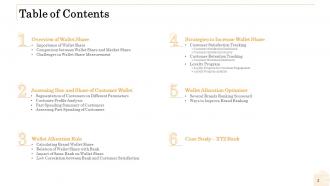
Slide 2: This slide contains the Table of Contents. It includes - Strategies to Increase Wallet Share, Wallet Allocation Optimizer, Case Study – XYZ Bank, etc.
Slide 3: This is a table of content slide showing the Overview of Wallet Share.
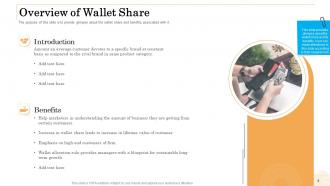
Slide 4: This slide presents the Overview of Wallet Share.
Slide 5: This slide presents the Importance of Wallet Share (1/2). A concrete measure of customer spending for a brand that is measured over a fixed time interval.
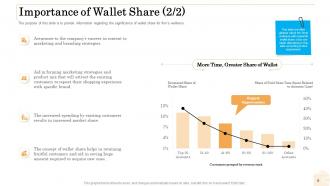
Slide 6: This slide presents the Importance of Wallet Share (2/2). It provides information regarding the significance of wallet share for a firm’s wellness.
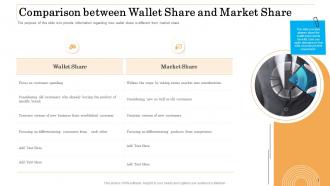
Slide 7: This slide presents the Comparison between Wallet Share and Market Share.
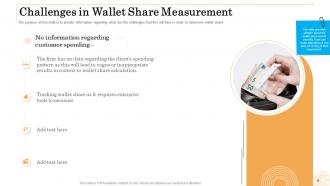
Slide 8: This slide presents the Challenges in Wallet Share Measurement.
Slide 9: This is a table of content slide showing the Assessing Size and Share of Customer Wallet.
Slide 10: This slide presents the Segmentation of Customers on Different Parameters (1/2). It provides information regarding segmentation on the basis of geographic, demographic, and behavioral.
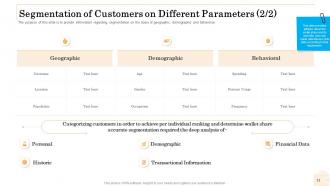
Slide 11: This slide presents the Segmentation of Customers on Different Parameters (2/2). It provides a glimpse of the wallet share and its benefits.
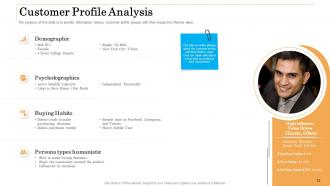
Slide 12: This slide presents the Customer Profile Analysis.
Slide 13: This slide presents the Past Spending Summary of Customers.
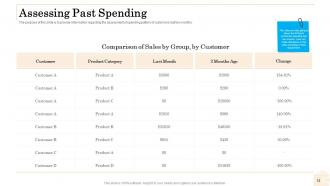
Slide 14: This slide presents the Assessing Past Spending.
Slide 15: This is a table of content slide showing the Wallet Allocation Rule.
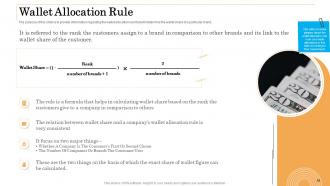
Slide 16: This slide presents the Wallet Allocation Rule.
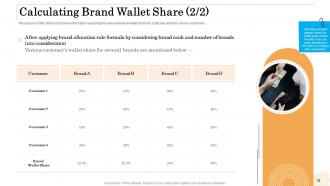
Slide 17: This slide presents the Calculating Brand Wallet Share (1/2). It provides information regarding the measurement of the wallet share of a particular brand for various customers.
Slide 18: This slide presents the Calculating Brand Wallet Share (2/2). It provides a glimpse of the wallet share and its benefits.
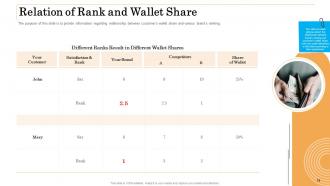
Slide 19: This slide presents the Relation of Rank and Wallet Share.
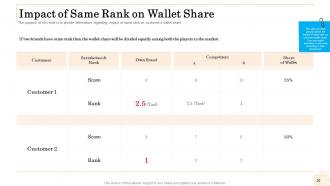
Slide 20: This slide presents the Impact of the Same Rank on Wallet Share.
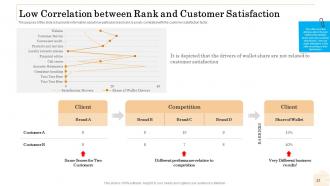
Slide 21: This slide presents the Low Correlation between Rank and Customer Satisfaction.
Slide 22: This is a table of content slide showing the Strategies to Increase Wallet Share.
Slide 23: This slide presents the Customer Satisfaction Dashboard (1/2). It provides information about the dashboard of customer satisfaction with net promoter score and customer retention.
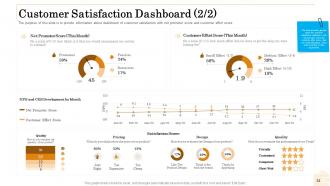
Slide 24: This slide presents the Customer Satisfaction Dashboard (2/2). It provides a glimpse of the customer satisfaction dashboard with net promoter score and customer effort score.
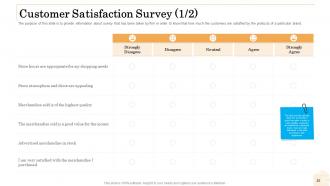
Slide 25: This slide presents the Customer Satisfaction Survey (1/2). It provides information about a survey that has been taken by the firm in order to know that how much the customers are satisfied by the products of a particular brand.
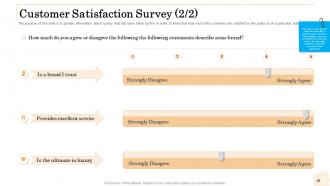
Slide 26: This slide presents the Customer Satisfaction Survey (2/2). It provides information about a survey that has been taken by the firm in order to know that how much the customers are satisfied by the products of a particular brand.
Slide 27: This slide presents the Customer Retention Dashboard.
Slide 28: This slide presents the Loyalty Program for Customer Engagement.
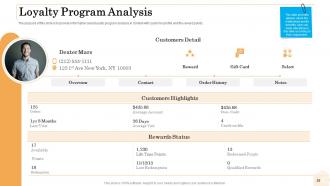
Slide 29: This slide presents the Loyalty Program Analysis.
Slide 30: This is a table of content slide showing the Wallet Allocation Optimizer.
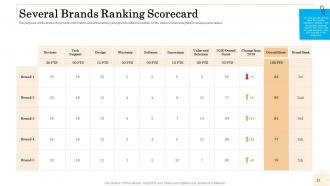
Slide 31: This slide presents the Several Brands Ranking Scorecard.
Slide 32: This slide presents the Ways to Improve Brand Ranking.
Slide 33: This is a table of content slide showing the Case Study – XYZ Bank.
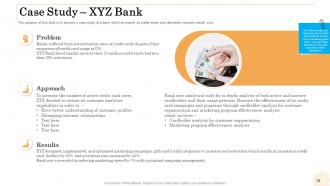
Slide 34: This slide presents the Case Study – XYZ Bank.
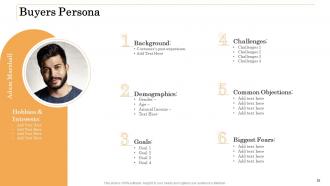
Slide 35: This slide presents the Buyer’s Persona.
Slide 36: This is the Share of Wallet - Icons Slide.
Slide 37: This slide introduces the Additional Slides.
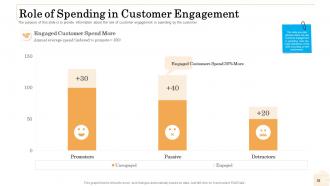
Slide 38: This slide presents the Role of Spending in Customer Engagement.
Slide 39: This slide provides the Mission for the entire company. This includes the vision, the mission, and the goal.
Slide 40: This slide shows the members of the company team with their name, designation, and photo.
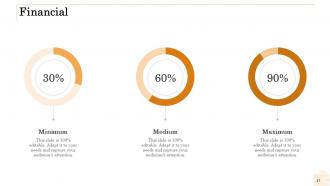
Slide 41: This slide presents the Financial data with the data’s numbers at minimum, medium, and maximum percentage.
Slide 42: This slide presents Our Goal.
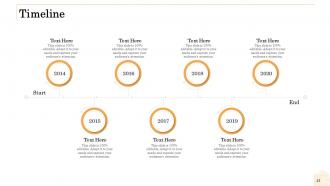
Slide 43: This slide is a Timeline template to showcase the progress of the steps of a project with time.
Slide 44: This slide contains the information about the company aka the ‘About Us’ section. This includes the Value Clients, the Target Audience, and Preferred by Many.
Slide 45: This slide presents the Comparison between the users of WhatsApp, Twitter, and Facebook.
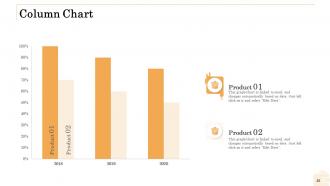
Slide 46: This slide shows a Column Chart that compares 2 products’ data over a timeline of years.
Slide 47: This slide shows a Stacked Bar that compares 2 products’ data over a timeline of years.
Slide 48: This is a Thank You slide where details such as the address, contact number, email address are added.
Share Of Wallet Powerpoint Presentation Slides with all 48 slides:
Use our Share Of Wallet Powerpoint Presentation Slides to effectively help you save your valuable time. They are readymade to fit into any presentation structure.












FAQs for Share Of Wallet
So basically, share of wallet is how much someone spends with YOU vs. their total spending in that category. Market share is your company's slice compared to everyone else. Like if I spend $1000 on coffee yearly and $200 goes to Starbucks, they've got 20% of my coffee wallet. But market share would be Starbucks vs. all coffee shops everywhere. Honestly, share of wallet is way more useful - it shows you exactly how much more you could get from customers you already have instead of burning money trying to find new ones.
Honestly, just survey your customers about their total spending in your category, then figure out what percentage comes to you. Customer interviews work well too - people are surprisingly honest about where they shop. The tricky bit? Getting accurate numbers since most people don't actually track their spending that closely. Look at your existing data for purchase frequency and basket sizes too. Some companies use third-party tools that estimate household spending, but those can get pricey. I'd start simple - ask customers about their monthly spending in a basic survey first.
Honestly, it comes down to a few key things. First, figure out which customers have the biggest upside potential - that's your starting point. Get personal with them, understand what else they need. Cross-selling and upselling are obvious but everyone does that badly. The real win? Make yourself so embedded in how they work that switching would be a nightmare for them. I'd focus hard on keeping them happy through proactive support too. Happy customers don't shop around as much. Oh, and loyalty programs help create some stickiness - though results vary depending on your industry. Map out the high-value relationships first, then go all-in on those.
Loyal customers basically hand you more of their spending - they'll buy way more stuff from you instead of your competitors. Makes total sense when you think about it. Once someone trusts your brand, they don't really want to shop around for every little thing. That's why I always tell people retention beats getting new customers every time. Plus these loyal folks care less about price, so your margins stay healthy. Honestly, deepening those existing relationships? That's your quickest win for growing wallet share. Way easier than starting from scratch.
Honestly, think of customer segmentation as your cheat sheet for figuring out who's gonna spend the most with you. You'll start seeing patterns everywhere - like how enterprise clients who buy your software almost always need consulting help later. Retail customers buying product X? Perfect targets for product Y. Way better than just blasting everyone with the same generic pitch (which never works anyway). The real magic happens when you use those insights to create offers that feel personal. People naturally want to buy more from companies that "get" them instead of splitting their budget between five different competitors.
Start with your customer data and look for buying patterns - what are they purchasing elsewhere that you could offer? RFM analysis is super helpful here (recency, frequency, monetary stuff). Check your top 20% of customers first since they're easiest to upsell. Their support tickets usually reveal what they actually need but can't find. Honestly, usage patterns tell you everything about upgrade opportunities. Segment people by where they are in their lifecycle with you. Sometimes I dig into customer feedback even though it's tedious - there's gold in there about unmet needs. Map out what complementary products your best customers haven't tried yet. That's your easiest win.
Look at your actual share percentage first - your revenue against their total spend in that category. Customer lifetime value matters too, plus how often they're buying from you. Transaction size is key though - you might be getting more visits but with tiny orders, which honestly isn't great. Track revenue per customer and see if you're selling more stuff to existing accounts. Cross-sell rates show if you're expanding or just treading water. Retention is obvious but critical since losing customers kills your share. Oh, and competitive displacement data if you can swing it. Start with share percentage and transaction metrics - they'll show you the real picture.
So personalized marketing works because it makes customers feel like you actually understand them - which honestly makes such a huge difference. They'll spend more with you instead of going to competitors. When you customize your recommendations and offers based on what people actually want, they're way more likely to buy from you again. Short sentences hit different sometimes. It's basically like being that friend who always nails gift-giving - people stick with brands that get them. I'd start simple though, maybe segment your customer data and test some personalized emails or product suggestions. You'll probably see people buying more frequently pretty quick.
Start with your CRM - Salesforce or HubSpot work great for tracking what customers actually buy from you. Qualtrics is solid for surveys if you want to ask them directly about their total spending. For the visual stuff, Tableau and Power BI are honestly game-changers when it comes to spotting patterns. Nielsen or Kantar can fill in those annoying gaps about market size and what competitors are doing. Look, even Excel works fine if you're bootstrapping this whole thing. The real trick is mixing your internal data with outside market research. Otherwise you're just guessing where customers spend the rest of their money.
Look, customer feedback is basically your cheat code for figuring out where their money's actually going. When they complain about gaps or tell you why they shop elsewhere, you're getting a free peek at what wallet share you're missing. Super valuable stuff. Ask them directly about their total spending in your category and what drives their decisions. Then map that back to where you could expand. Sometimes they need products you don't even offer, or there's something wrong with how you're positioning what you do have. I learned this the hard way - wish I'd started asking these questions way earlier!
So for retail, loyalty programs are huge - plus personalized recs and cross-selling at checkout. B2B's completely different though. You need to become their strategic partner through solid account management and bundling services that make switching a nightmare. Retail customers want instant gratification, so flash sales work great. B2B takes forever to build - think regular business reviews and custom solutions. Honestly, the patience required for B2B can be brutal sometimes. Start by mapping where you currently touch customers, then figure out natural spots to expand offerings. Just don't be that pushy salesperson nobody likes.
So basically, share of wallet shows you how much wiggle room you have with pricing. Got a tiny slice of what they're spending in your category? You can probably push prices up since they're dropping that cash elsewhere anyway. Already own 80% of their spend? Eh, aggressive increases might blow up in your face - they'll actually feel it. Short punchy approach works better. You can also identify which customers might pay premium rates for extra stuff. Oh and don't do blanket price hikes across everyone - segment based on their SOW instead.
You're gonna hit a wall fast if you only focus on existing customers. They can't buy infinitely from you, right? Even your most loyal ones have limits. Without bringing in new people, your growth just stops dead. Here's the thing - customers naturally drop off. People move, businesses close, stuff happens. So you're basically trying to fill a bucket with holes in it while the tap's turned off. Pretty dumb strategy if you ask me. I'd go with something like 80% retention, 20% acquisition. Maybe flip those numbers depending on your situation, but you definitely need both happening.
Okay so basically track how much of each customer's total spending you're actually getting in your category. If that percentage is going up with existing customers, you'll likely see solid revenue growth coming - honestly way better than just counting new signups. Also watch for customers where your share is dropping because you can jump on that before they bail completely. I'd start with your biggest customers first, maybe like the top 20%? Track it month to month and break it down by different customer segments. The consistency part is huge here.
Look at Amazon Prime - they basically made shipping so convenient that people just buy everything there by default. It's like they weaponized laziness, which honestly? Genius move. Starbucks does something similar with their rewards program. You go for coffee but end up buying sandwiches, mugs, whatever. Apple's the same way - get an iPhone and suddenly you "need" AirPods and a MacBook because everything syncs perfectly. The trick isn't selling more of your main thing. It's figuring out what other problems your customers have and solving those too.
-
Unique research projects to present in meeting.
-
Excellent design and quick turnaround.
-
Best way of representation of the topic.
-
Very unique and reliable designs.
-
Good research work and creative work done on every template.
-
Great designs, Easily Editable.
-
The Designed Graphic are very professional and classic.