

The 5s System Powerpoint Ppt Template Bundles




Try Before you Buy Download Free Sample Product
 Impress Your
 Audience
 100%
100% Editable
 Save Hours
 of Time


Our The 5s System Powerpoint Ppt Template Bundles are topically designed to provide an attractive backdrop to any subject. Use them to look like a presentation pro.
People who downloaded this PowerPoint presentation also viewed the following :
The 5s System Powerpoint Ppt Template Bundles with all 19 slides:
Use our The 5s System Powerpoint Ppt Template Bundles to effectively help you save your valuable time. They are readymade to fit into any presentation structure.






FAQs for The 5s System Powerpoint
So 5S is basically about making your workspace actually functional - like having a spot for everything so people aren't constantly searching for stuff. Think Marie Kondo but for offices/factories. It cuts down on waste and makes things way more efficient. Your team gets less frustrated when they can find what they need quickly. Safety improves too since there's less clutter to trip over. Honestly, the standardized processes part is probably the biggest game-changer. I'd suggest starting small though - pick one area and go through all five steps there first before tackling everything.
Honestly, 5S is a game-changer for office chaos. Start by sorting - toss what you don't need. Then organize everything left so it has a home. Keep things clean and functional too. My old team cut their "where the hell is that file" time by like 30%, which was huge. Make sure everyone follows the same process, otherwise it falls apart. Oh, and you gotta maintain it or you're back to square one in two weeks. I'd say start with just your desk area first. Once you see how much smoother everything runs, you'll want to expand it everywhere.
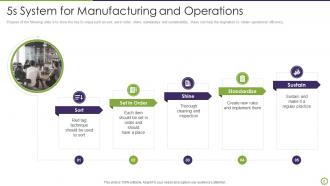
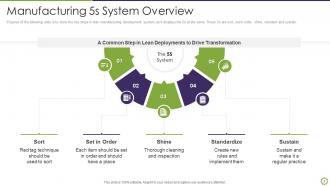
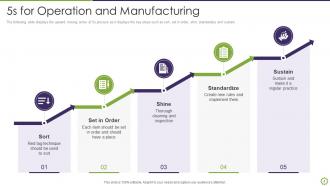
So the five S's are Sort, Set in Order, Shine, Standardize, and Sustain. First step - sort through everything and dump what you don't need. Trust me, you'll be horrified by how much junk you've been hoarding. Next, give everything that's left a proper home. Shine is just keeping things clean regularly (boring but necessary). Standardize means everyone follows the same procedures. Sustain keeps it all running long-term. Oh, and definitely do them in order - I learned this the hard way. Skip around and you'll just end up with really neat piles of chaos.
Yeah, totally works for remote work! Start by going through your computer files - delete the random screenshots and organize everything with clear folder names. Your physical desk matters too, so keep it clean and actually functional. Weekly maintenance is key: update software, wipe down your screen, clear out the inevitable snack wrappers (seriously, where do they all come from?). Create standard routines so you're not digging around for files every day. Just do quick 10-minute tidying sessions daily to keep it up. Pick one spot this week and go from there.
Honestly, the biggest pain will be getting people on board - nobody wants to change what they're already doing. Leadership might drag their feet too if they don't see immediate results. Most programs fizzle out after like 3 months when the novelty wears off. Don't try rolling it out everywhere at once (learned that the hard way). Your team needs proper training first, and you've gotta adapt it to how your workplace actually functions. Oh, and pick one small area to test it out - way easier to show it works than just talking about theory.
Honestly, 5S is one of those things that actually makes work less annoying. You know how frustrating it is when you can't find stuff? Gone. Everything has a spot, your workspace stays clean, and processes make sense. I swear there's something almost therapeutic about having everything organized - sounds nerdy but it's true. You'll feel way less stressed during crazy busy times. Management doing it right also means they're actually listening to your ideas for once. Just try organizing your immediate area first and see how it feels.
Honestly, without leadership buy-in, your 5S thing will crash and burn pretty fast. I've watched it happen - management talks a big game then disappears while expecting everyone else to make it work. Your leaders need to actually show up on the floor, get their hands dirty with the sorting stuff, and ask real questions. They can't just throw some training at people and call it good. Someone has to hold folks accountable for keeping up the standards, plus provide the resources you'll need. My advice? Get your leadership team to personally participate in at least one 5S event first.
Yeah, 5S works great with Lean and Six Sigma! It's basically the foundation you need before anything else makes sense. With Lean, 5S cuts waste and creates those visual systems that make problems obvious right away. For Six Sigma, having an organized workspace makes your data way more reliable - plus you'll catch process variations faster. Most Lean implementations I've seen actually start with 5S because, honestly, you can't improve chaos. My advice? Do 5S first to get that baseline organization, then add your other methods on top. Start with Sort and Set in Order - you'll be shocked how much clearer your improvement opportunities become. It's like cleaning your room before studying, if that makes sense.
Track your time savings when hunting for tools, plus safety incidents and inventory accuracy. Before/after photos work surprisingly well - way more convincing than spreadsheets when showing your boss. Monthly employee surveys matter too since people will just revert back if they're not bought in. Set up simple audit scorecards for each S. Honestly, don't overcomplicate this. Get your baseline numbers first, then check monthly progress. Pick maybe 3-4 metrics that actually matter for your workplace and stick with those instead of measuring everything under the sun.
Honestly, just build it into your regular routine instead of treating it like some big project. Do quick 15-minute checks weekly - catches problems before they get crazy. Your whole team needs to buy in though, because if it's just you caring about organization, good luck with that lol. Take photos of how workstations should look so everyone has the same standard. Call out the wins when people keep their areas clean! But here's the thing - don't let stuff slide even once. I've seen teams lose momentum super fast when they start making exceptions.
So yeah, tech can totally help with your 5S rollout. Mobile apps are clutch for digital checklists and tracking compliance - way better than paper forms scattered everywhere. QR codes on equipment give you instant access to maintenance info, which is pretty neat. Take before/after photos to document everything. Oh, and simple project management tools work great for assigning tasks instead of those messy whiteboards that somehow always get erased at the worst times. Don't overthink it though. Pick whatever your team will actually stick with long-term rather than some overcomplicated system they'll abandon after a week.
Toyota basically invented 5S and they're still crushing it. Hospitals have had crazy success with it too - makes sense when you think about how messy medical environments can get. Food processing companies are all over it because, well, cleanliness is literally everything there. Honestly though, I've seen it work in the weirdest places. Software teams, random office spaces, warehouses. The trick isn't copying what Toyota did exactly - you gotta tweak it for whatever chaos you're dealing with. Don't overthink it.
Yeah, 5S is actually pretty solid for environmental stuff. Sort and Set in Order cut down on excess inventory that would just become waste anyway. Shine is where things get interesting - you'll spot equipment wasting energy because it's gunky or badly maintained. Standardize helps you nail down consistent recycling and disposal habits. I'd say start tracking what you toss during the Sort phase. You'll be shocked how much waste disappears just from getting organized better. It's honestly a nice bonus since you're already improving operations.
Honestly, skip the fancy online training - total waste of money. Get your teams into their actual work areas and practice the 5S steps together. Visual stuff works way better - pocket guides, posters, those before/after photos that show what you're actually aiming for. Daily walks where supervisors coach people on the spot? That's where the magic happens. Pair newcomers with your 5S champions who already get it. Don't just teach the steps though - explain why each S matters. Oh, and start small with one area first. Build some wins people can actually see and get excited about.
Totally! Get your team involved in defining what each S actually means for your specific area. Manufacturing's version of "standardize" probably looks way different than yours. Some places even rename the whole thing - I've seen companies get creative with stuff like "Streamline, Simplify, Shine" whatever. The visual tools matter too. Maybe you need digital dashboards instead of color-coded boards, depends on what your people actually use. Just keep the core ideas but make the language feel natural. Oh, and definitely pilot it in one small area first - way easier to tweak things when you're not rolling it out everywhere at once.
-
Very unique, user-friendly presentation interface.
-
Best way of representation of the topic.