

Using Agile In Data Transformation Project It Kpi Dashboard Monitoring Project Progress





Try Before you Buy Download Free Sample Product
 Impress Your
Audience
 100%
Editable
 Save Hours
of Time


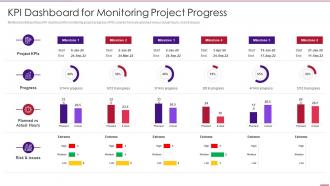
Mentioned slide portrays KPI dashboard for monitoring project progress. KPIS covered here are planned versus actual hours, risks and issues.
People who downloaded this PowerPoint presentation also viewed the following :
Using Agile In Data Transformation Project It Kpi Dashboard Monitoring Project Progress with all 7 slides:
Use our Using Agile In Data Transformation Project It Kpi Dashboard Monitoring Project Progress to effectively help you save your valuable time. They are readymade to fit into any presentation structure.





FAQs for Using Agile In Data Transformation Project It Kpi Dashboard
So basically, agile data transformation is all about small chunks instead of massive projects that take forever. You build something quick, get feedback, then tweak it. Way better than the old school approach where you'd plan for months and hope it works out (spoiler: it usually didn't). Teams work together way more, which actually makes things smoother. Requirements change? No problem - you roll with it. Think of data like a product you're constantly improving rather than just some afterthought. My advice? Pick one small use case first. See how it goes, then expand from there. It's honestly so much less painful this way.
Honestly, Agile's way better for data quality than most people think. You're testing stuff constantly in short sprints instead of crossing your fingers at the end. Problems get spotted early when they're actually fixable - not after you've built everything on top of bad data. The cool part? Stakeholders give you feedback throughout, and they'll catch weird data issues that us tech people totally miss. I'd definitely build validation checks right into each sprint. Set up some automated tests too - way less painful than the old waterfall approach where everything breaks at once.
Honestly, cross-functional collaboration can make or break your whole agile data thing. Get your data engineers, analysts, business people, and IT folks working together during those sprints - none of this throwing stuff over the fence nonsense. The real wins happen when business users actually sit down with tech teams and figure things out together. I've watched so many projects crash because everyone stayed in their little bubbles. You'll want regular cross-team meetings where people actually talk the same language about what success looks like. Oh, and make sure everyone's aligned on priorities from day one.
Make them feel like actual partners instead of just people you update. Demo the real data stuff - way better than slides. Regular sprint reviews where they can click around and see what you're building. Get them involved in deciding what to prioritize next. Honestly, I've watched so many projects crash because people just... lose interest halfway through. You gotta deliver small wins consistently so they stay engaged. Set up feedback loops where their thoughts actually change what you build next. Oh and create proper communication channels - not just email dumps. Treat them like they're helping steer the ship, not just sitting in the back seat.
Track your delivery speed first - cycle time, how often you're deploying, stakeholder satisfaction. That stuff matters. For business impact, focus on data quality improvements and whether people actually use what you build. Nothing worse than shipping something that sits there collecting dust. Also watch how adaptable your team is getting. Are you finishing retrospective action items? Cross-training happening? I'd honestly start with maybe 3-4 metrics max - don't go overboard trying to measure everything at once. The magic happens when your tech metrics start moving up alongside real business wins.
Honestly, just bake governance into your sprints instead of treating it like some separate thing. Make data quality checks and documentation part of your definition of done - way better than having it be this roadblock later. I've watched too many teams panic when audit season hits because they saved all the compliance stuff for the end. Automate whatever you can (lineage tracking, quality tests) and keep the manual parts simple. Oh, and call out any governance risks right at sprint planning - deal with them as you go. Trust me, you'll be so much happier when crunch time comes around.
So for agile data stuff, cloud platforms are your best bet - AWS, Azure, GCP, whatever. You can spin things up fast without burning cash upfront. I'd probably go with dbt for transformations, maybe Airflow for orchestration. Snowflake's solid for warehousing but BigQuery works too. Here's the thing though - pick tools your team actually knows how to use. Shiny new tech is cool but useless if everyone's googling basic tutorials all day. Look for stuff with decent APIs and version control that won't die under your data load. Honestly just start simple and add more tools as you figure out what's missing.
Look, instead of waiting forever for some perfect data setup, agile breaks everything into quick 2-week chunks. You'll actually see results in weeks instead of months. Think of it like getting rough drafts you can work with while tweaking things. When priorities shift (and they always do), your team can adjust fast. Plus stakeholders don't get impatient since they see progress early on. Honestly, the feedback loops alone make it worth it. Just pick one decision that desperately needs better data backing it up, then tackle that first.
Honestly, resistance to change is the worst part - people get so stuck in their waterfall ways. Don't try transforming everything at once though, that's where most companies mess up. Bad data will bite you in the ass when you're moving fast, so get that sorted first. I'd say start with small pilot projects that actually show results quickly. Oh, and expect things to be messy at first - that's totally normal. Your teams need time to adjust their mindset. Change management isn't sexy but you really need it. Those small wins? Celebrate them hard because skeptics will come around once they see success.
Dude, break those massive data projects into short sprints - like 2-3 weeks max. That way when priorities inevitably change (and they will), you're not stuck with some useless 18-month roadmap. I learned this the hard way on my last project, honestly. Getting feedback every few weeks means you'll spot shifting requirements before building totally wrong stuff. The cool part? You can reuse pieces for other projects later. Oh and start with whatever business areas change most - those need the agile approach first. Way better than discovering you built something nobody wants anymore.
Start by figuring out which data transformations actually matter to your business - like, what directly affects user stories or releases? Dependencies are huge too since some stuff has to happen first. Your product owner should definitely weigh in here (they know what actually matters, not what we think does). Use story points or t-shirt sizing for estimates, then balance quick wins with the bigger strategic stuff. Treat it like a regular feature backlog and review priorities each sprint. Oh, and watch out for data quality issues - those can totally mess up everything downstream if you're not careful.
So you're gonna need a mix of tech and people skills for this. Your team should know data modeling, ETL tools, cloud stuff, plus SQL or Python basics. But here's the thing - the collaboration part is honestly just as critical. Agile ceremonies, talking across teams, being flexible when things change. Oh and domain knowledge about your actual business data, obviously. The hardest part? Getting everyone to stop thinking waterfall and start doing iterative delivery instead. I'd actually get the team agile-certified first, then tackle the technical training based on whatever stack you're using.
Here's the thing - agile data transformation can actually boost your security if you handle it right. You're building security controls bit by bit and testing constantly instead of crossing your fingers at the end. Compliance gaps get caught early too, which saves you money later. But here's where teams mess up (and I've totally seen this happen) - they get sloppy with security reviews when they're in sprint mode. People start cutting corners. You need security checkpoints baked into every single iteration. Automate the compliance testing stuff wherever you can.
Netflix built their recommendation engine using agile data sprints - worked pretty well for them. ING Bank did something similar when they rebuilt their entire data setup. Target's probably the most impressive though, they transformed their whole customer analytics thing in 18 months which is crazy fast. Kaiser Permanente used it for patient data stuff too. They all did the same smart thing - started with small pilot projects instead of trying to change everything at once. Business people stayed involved the whole time. Honestly, just pick a company in your space and copy their sprint approach.
So basically you're creating this constant feedback loop where teams test stuff, learn from it, and pivot quickly based on actual data. No more waiting months for reports that sit in some warehouse collecting dust. Weekly sprints become your thing instead of those quarterly reports everyone ignores anyway. People get way more comfortable experimenting because you're failing fast and cheap. Fresh data drives decisions rather than someone's random gut feeling - which honestly should've happened years ago. Your org stops running on outdated info. Pick one team first and let them rack up some quick wins to get others interested.
-
Easily Understandable slides.
-
Great experience, I would definitely use your services further.