


Year based timeline for success milestones powerpoint slides





Try Before you Buy Download Free Sample Product
 Impress Your
 Audience
 100%
100% Editable
 Save Hours
 of Time


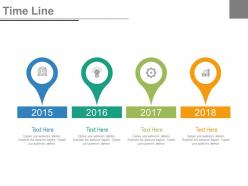
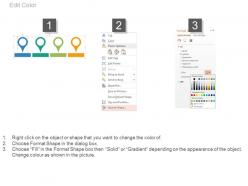
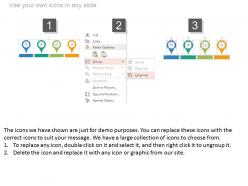
Presenting, "Year Based Timeline For Success Milestones Powerpoint Slides". This is a flat design which is created on the concept of linear timeline view. This PowerPoint template is a four staged process and the stages of this process are years 2015 to 2018. This power point template diagram has been crafted with the graphic of year based timeline diagram. This PPT icon slide contains the concept of success milestones representation, the business person can use this PPT diagram for business and finance related presentations. This spellbinding PPT template can easily portray any marketing strategy and sales plans to your team to make rapid growth in the corporate world and with the help of engaging icons which reflects its dedication it becomes impossible to miss. So Just click on the download button and our PPT design is bound to work for best of your business this PowerPoint template is created for long lasting impression and building a solid foundation. Never have your heart in your mouth with our Year Based Timeline For Success Milestones Powerpoint Slides. Be in complete control of every action.
People who downloaded this PowerPoint presentation also viewed the following :
Year based timeline for success milestones powerpoint slides with all 4 slides:
Brainwaves burst forth with our Year Based Timeline For Success Milestones Powerpoint Slides. They generate explosive ideas.
FAQs for Year based timeline for success
Success milestones include deliverable completion, budget adherence, quality benchmarks, stakeholder approval gates, and risk mitigation checkpoints. These components work together by providing measurable progress indicators, ensuring resource allocation efficiency, and maintaining project momentum, with many organizations finding that well-defined milestones ultimately deliver enhanced accountability and competitive project completion rates.
Visual presentation templates enhance success milestone communication by standardizing formats, ensuring consistency across teams, and creating compelling narratives that stakeholders can easily follow. These templates streamline complex achievement data into digestible formats, with many organizations finding that visual milestone presentations increase stakeholder engagement, accelerate decision-making processes, and ultimately deliver stronger project support and continued investment.
Stakeholders play a crucial role in defining success milestones by providing requirements, setting expectations, and establishing measurable outcomes that align with business objectives. Through collaborative input from clients, sponsors, and end-users, project managers can create realistic timelines with meaningful checkpoints, ultimately ensuring stakeholder buy-in and project success across organizations.
Success milestones differ significantly across industries, with technology sectors focusing on user acquisition and product launches, healthcare emphasizing regulatory approvals and patient outcomes, manufacturing tracking production efficiency and quality certifications, and financial services measuring compliance achievements and customer growth. These industry-specific benchmarks reflect unique operational requirements, regulatory environments, and competitive landscapes, with organizations increasingly tailoring milestone frameworks to sector demands, ultimately delivering more relevant performance indicators and strategic alignment.
Common pitfalls include setting unrealistic timelines, focusing solely on financial metrics, lacking specific measurability, ignoring stakeholder input, and creating too many simultaneous milestones. These missteps often result in team demotivation, missed strategic opportunities, and poor resource allocation, with many organizations finding that balanced, achievable milestones ultimately drive sustainable growth and competitive advantage.
A well-structured success milestones timeline improves project outcomes by establishing clear checkpoints, enabling proactive risk management, and maintaining team alignment throughout execution. These structured approaches streamline progress tracking, enhance resource allocation, and facilitate stakeholder communication, with many organizations finding that milestone-driven projects deliver 30% better completion rates and significantly reduced scope creep.
**INPUT**: What metrics should be used to measure the achievement of each success milestone? **OUTPUT**: Success milestone metrics include revenue targets, customer acquisition rates, operational efficiency indicators, market share percentages, and quality performance benchmarks. These measurements enable organizations to track progress systematically, with many businesses finding that combining quantitative data like conversion rates with qualitative assessments ultimately delivers comprehensive insights and competitive advantage. [Word count: 51 words]
Success milestones should be reviewed monthly during active project phases, with quarterly assessments for longer initiatives, alongside trigger-based reviews when significant changes occur. This strategic combination enables project managers to maintain momentum while adapting to evolving requirements, with many organizations finding that regular milestone evaluation enhances delivery timelines and stakeholder alignment.
Celebrating success milestones can involve team recognition events, performance bonuses, public acknowledgments, milestone certificates, and strategic communication to stakeholders highlighting achievements. These approaches enhance team morale, reinforce goal-oriented culture, and demonstrate organizational progress, with many companies finding that consistent celebration strategies improve employee retention, boost productivity, and ultimately strengthen competitive positioning in their markets.
Success milestones integrate into agile frameworks through sprint reviews, retrospectives, quarterly business reviews, and release planning sessions. These checkpoints enable teams to validate progress against business objectives, adjust priorities based on stakeholder feedback, and maintain strategic alignment, with many organizations finding that milestone-driven sprints deliver enhanced transparency and stakeholder confidence.
**INPUT**: What tools or software are most effective for tracking success milestones visually? **OUTPUT**: Effective milestone tracking tools include Gantt chart software like Microsoft Project, visual dashboards through Tableau, project management platforms like Asana, roadmap tools such as Roadmunk, and presentation software like PowerPoint. These technologies streamline progress monitoring by providing real-time updates, automated reporting, and stakeholder visibility, with many organizations finding that visual tracking enhances accountability and accelerates decision-making processes.
Cultural differences significantly impact success milestone perception through varying communication styles, relationship priorities, time orientations, and achievement definitions across international project teams. While Western cultures often emphasize individual accomplishments and strict deadlines, many Asian and Latin cultures prioritize collective harmony and relationship-building phases, with organizations increasingly finding that incorporating diverse cultural milestone frameworks enhances project outcomes and stakeholder engagement.
Recognizing and celebrating success milestones delivers significant psychological benefits including enhanced motivation, increased confidence, improved team morale, reduced burnout, and stronger sense of achievement. These practices boost employee engagement and retention by creating positive reinforcement cycles, with many organizations finding that milestone recognition ultimately drives higher performance and fosters a more resilient workplace culture.
Success milestones serve as powerful motivational tools by providing clear progress markers, celebrating incremental achievements, and maintaining team momentum throughout lengthy projects. These checkpoints enable project managers to recognize contributions, boost morale through visible accomplishments, and sustain engagement, with many organizations finding that milestone-based recognition significantly enhances team performance and project completion rates.
Data analytics plays a crucial role in evaluating success milestones by providing objective measurement, trend identification, predictive insights, and performance benchmarking across different timeframes. Through advanced analytics platforms, organizations can track key performance indicators, identify patterns in milestone achievement, and adjust strategies proactively, with many companies finding that data-driven milestone evaluation enhances decision-making and accelerates goal attainment.
-
Informative presentations that are easily editable.
-
Out of the box and creative design.