


Year over year growth comparison effective brand building strategy




Try Before you Buy Download Free Sample Product
 Impress Your
 Audience
 100%
100% Editable
 Save Hours
 of Time


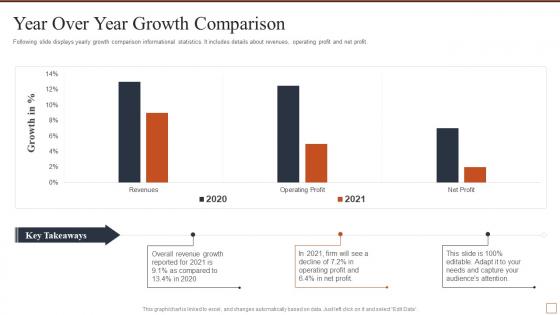
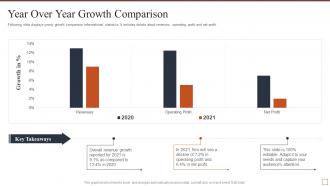
Following slide displays yearly growth comparison informational statistics. It includes details about revenues, operating profit and net profit.
People who downloaded this PowerPoint presentation also viewed the following :
Year over year growth comparison effective brand building strategy with all 7 slides:
Use our Year Over Year Growth Comparison Effective Brand Building Strategy to effectively help you save your valuable time. They are readymade to fit into any presentation structure.
-
Year over year growth comparison effective brand building strategy
-

Year over year growth comparison effective brand building strategy
-

Year over year growth comparison effective brand building strategy
-

Year over year growth comparison effective brand building strategy
-

Year over year growth comparison effective brand building strategy
-

Year over year growth comparison effective brand building strategy
-

Year over year growth comparison effective brand building strategy
FAQs for Year over year growth comparison effective
Look, it really comes down to knowing your customers inside and out - like, what they actually need versus what you assume they need. Do solid research first. Then figure out what makes you different and stick to that message everywhere. Most brands totally blow it during execution though, which is frustrating to watch. You'll want a strong online presence and track everything with data so you know what's actually working. Oh, and customer experience matters way more than people think. Start by checking out where you stand compared to competitors, then tackle the biggest gaps first. That's honestly the fastest way to see real results.
Dude, you really need market research - it's like the difference between having a map vs wandering around blind. Customer interviews will show you who's actually buying your stuff (spoiler: probably not who you think). Look at your competitors too, see what they're doing wrong. Honestly, I used to skip this step and just wing it, but that gets expensive fast. The data tells you which people to focus on, what messages actually work, and where to spend your marketing budget. Just those two things - talking to customers and checking out competitors - will totally change how you see growth opportunities.
Think of customer feedback like your brand's reality check - it tells you what's actually working versus what you *think* is working. People using your stuff daily? They'll spot problems way faster than you will. It's honestly the best way to find gaps before your competitors beat you to the fix. I always tell people to stop guessing what customers want and just ask them directly. The trick is being consistent about it though. Pick one way you'll gather feedback - surveys, reviews, whatever - and actually check it every week. Then do something with what you hear.
Honestly, just pick 1-2 platforms where your people actually hang out instead of spreading yourself thin everywhere. For B2B stuff, Instagram and LinkedIn are solid choices. Consumer brands? TikTok and Instagram are where it's at. Post consistently and actually engage with people – don't just dump content and disappear (we've all done it though, no judgment). Check your analytics regularly so you can do more of what's working and stop wasting time on what isn't. Oh, and make sure everything sounds like your actual brand, not some corporate robot. Pick one platform this week and see how you're really doing.
Honestly, the worst thing you can do is try to please everyone - you'll just end up with a watered-down mess. Growing too fast without getting your basics right first is brutal too. I see so many people jump on every shiny trend and completely lose what made them special in the first place. Also, most folks seriously underestimate how much time and money real growth actually costs. Oh, and don't assume your existing customers will automatically be into whatever new stuff you launch - that's a big one. Focus on one thing, absolutely crush it, then move on. Way better than spreading yourself thin across ten half-baked ideas.
So basically you're borrowing each other's audiences and splitting the bill - which honestly saves you from having to build everything yourself. Find companies that match your vibe but aren't competing directly with you. Like, don't partner with another coffee shop if you sell coffee, but maybe team up with a local bakery? That actually makes sense for both customers. You'll get access to their people, they get yours. Just make sure there's real value for everyone involved, not just some random collab that doesn't fit. Oh and splitting marketing costs is clutch when money's tight.
Track both the hard numbers and the softer stuff to see if your brand strategy's actually working. Brand awareness surveys are solid for measuring recognition. Check your share of voice against competitors too. Social sentiment and engagement show how people really feel - though don't get too caught up in vanity metrics, they're addictive but not always meaningful. Website traffic and conversion rates matter more since they prove awareness is driving real business. Customer lifetime value and repeat purchases are gold. Honestly, set up a monthly dashboard so you can catch trends before they become problems.
You know how some brands just stick with you while others are totally forgettable? That's storytelling at work. People connect with stories way more than they do with boring feature lists or prices. Your brand needs that one core story - like why you started, what you believe in, or how you've helped customers. Then just tell that story everywhere consistently. Honestly, our brains are just hardwired to respond to good narratives. It's what makes people actually give a damn about your brand instead of seeing you as another random company trying to sell them stuff. Way more powerful than regular ads.
Honestly, dive deep into research first - figure out what actually bugs this new audience and what they care about. Don't just assume your current stuff will work (learned that the hard way). Maybe try some targeted ads or a small pilot to test things out? Partnering with local influencers who already have street cred with that group is clutch. You might need to tweak your pricing, features, or even how you distribute based on what they value. Oh, and measure literally everything so you know what's actually working before you scale up.
Figure out what you actually stand for first - like your non-negotiables that won't change no matter how big you get. Everything else can evolve. New products? Sure. Different markets? Go for it. But your core personality stays the same. Honestly, I've watched so many brands completely lose their identity because they said yes to everything. Before any big move, just ask "does this actually feel like us?" If you're unsure... well, that's probably your answer right there. You might need to get clearer on who "us" even is first.
Dude, social media completely changed the game for brands. Small startups can actually compete with huge companies now, which is wild. You get to build real relationships with people and create those crazy viral moments that old-school ads never could. Algorithms can be annoying (don't even get me started on Instagram's latest changes), but the reach is still incredible. Here's the thing though - you can't just spam people with sales pitches anymore. Pick one or two platforms where your people actually are, then focus on posting stuff they'll genuinely care about. Be consistent and you'll see results.
Dude, competitor analysis is basically your secret weapon for not making dumb business mistakes. Look at what's actually working for them - their pricing, how they talk to customers, what features people love or hate. I usually set up Google alerts for my main competitors (takes like 2 minutes) and stalk their socials monthly. You'll start noticing where they're screwing up, which is perfect because those weak spots are your golden opportunities. Honestly, some companies make it so obvious what they're missing. Just don't copy everything blindly - adapt their winning tactics to fit your brand instead.
Honestly, innovation is what makes brands stand out and gets people talking. Fresh products or experiences give customers actual reasons to pick you over everyone else. Your existing fans stay interested too - nobody wants their go-to brand feeling outdated, you know? The trick is solving real problems instead of just doing flashy stuff for attention (I've seen too many brands fail at this). Short sentences work. But you want innovations that actually match what your customers need and what your brand represents. That's where the magic happens.
Honestly, don't mess with what's already working for your core customers - test changes with them first before rolling anything out. I've seen too many brands tank because they got obsessed with attracting new people and forgot about the ones paying their bills. Refresh your visuals and messaging, sure, but build on what people already love about you. Try small rollouts in new markets instead of going nuclear with a complete rebrand. Take notes on what bombs and what clicks so you can adjust fast. Your loyal customers chose you for a reason, so don't accidentally throw that away while chasing shiny new markets.
So content marketing is basically about helping people before you try to sell them anything. Figure out what problems your audience actually deals with, then make stuff that helps - tutorials, industry tips, whatever shows you know your stuff. Don't stress about making everything perfect though, just be consistent. Map different content to where people are in their buying process. Like, someone just discovering you needs different info than someone ready to purchase. I know it sounds obvious, but most companies skip the "actually helpful" part and wonder why nobody cares about their content.
-
Commendable slides with attractive designs. Extremely pleased with the fact that they are easy to modify. Great work!
-
Excellent design and quick turnaround.