


Kostenschätzung Präsentationsfolien




Try Before you Buy Download Free Sample Product
 Impress Your
 Audience
 100%
100% Editable
 Save Hours
 of Time


Schätzen Sie die Kosten des Projekts unter Verwendung der Kostenschätzungs-PowerPoint-Präsentationsfolie ab. Verwenden Sie die Kostenstrategie-PPT-Vorlagen und bieten Sie Ihren Kunden relativ niedrige Preise an, um die Nachfrage anzuregen und Marktanteile zu gewinnen. Untersuchen Sie alle vernünftigen Alternativen, bevor Sie eine Entscheidung treffen, indem Sie die Gelegenheitskostenfolie der PPT-Präsentation verwenden. Bestimmen Sie alle Geschäftsausgaben in Bezug auf die Erstellung von Unternehmensprodukten, indem Sie die Unterstützung der Produktkostengrafiken der PowerPoint-Präsentation in Anspruch nehmen. Identifizieren und bewerten Sie Aktivitäten, die ein Unternehmen unter Verwendung der aktivitätsbasierten Kostengrafiken der PPT-Präsentation durchführt. Nehmen Sie die Unterstützung der Kundenprofitabilitätsanalyse-PPT-Layouts in Anspruch, um den Haushalt am Anfang von Projekten aufzustellen. Prognostizieren Sie die finanziellen und sonstigen Ressourcen, die zur Fertigstellung eines Projekts innerhalb eines definierten Umfangs erforderlich sind. Präsentieren Sie Kostenabschätzungsstrategien, indem Sie unsere einsatzbereite Budgetprognose-PPT-Präsentation herunterladen.
People who downloaded this PowerPoint presentation also viewed the following :
Inhalt dieser Powerpoint-Präsentation
Folie 1: Diese Folie führt in die Kostenschätzung ein. Nennen Sie Ihren Firmennamen und beginnen Sie.
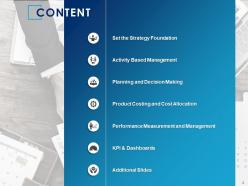
Folie 2: Auf dieser Folie wird der Inhalt der Präsentation angezeigt.
Folie 3: Auf dieser Folie wird die Strategie-Grundlage beschrieben, die Folgendes enthält: Kostenstrategie, Begründung für die Auswahl der Kostenstrategie, Opportunitätskosten, Produktkalkulation, Kostenschätzung.
Folie 4: Auf dieser Folie wird die Kostenstrategie mit folgenden Punkten angezeigt: Differenzierung, Differenzierungsfokus, Kosten, Fokus, Kostenführerschaft, Breite, Schmal, Differenzierung, Kosten, Umfang.
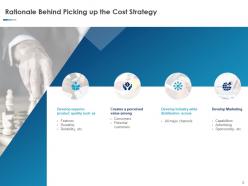
Folie 5: Diese Folie zeigt die Begründung für die Auswahl der Kostenstrategie.
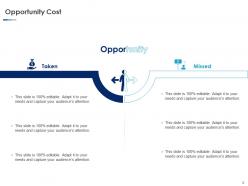
Folie 6: Diese Folie stellt die Opportunitätskosten dar.
Folie 7: Auf dieser Folie werden die Opportunitätskosten beschrieben.
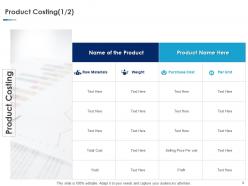
Folie 8: Diese Folie stellt die Produktkalkulation dar.
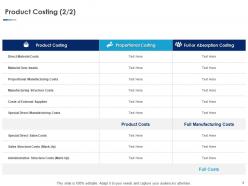
Folie 9: Auf dieser Folie wird ebenfalls die Produktkalkulation dargestellt.
Folie 10: Auf dieser Folie wird die Kostenschätzung angezeigt.
Folie 11: Diese Folie zeigt das Activity Based Management mit folgenden Punkten: Activity-Based Costing-Systeme, Qualitäts- und Zeitmanagement zur Wertschöpfung, Kundenprofitabilität, Kunden-Produkt-Profitabilitätsanalyse, Kundenprofitabilitätsanalyse.
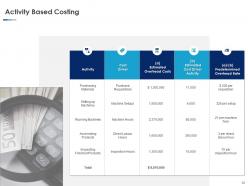
Folie 12: Auf dieser Folie wird die Activity Based Costing vorgestellt.
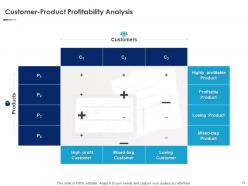
Folie 13: Diese Folie zeigt die Kunden-Produkt-Profitabilitätsanalyse mit den Punkten Kunden und Produkte.
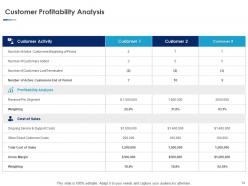
Folie 14: Auf dieser Folie wird die Kundenprofitabilitätsanalyse beschrieben.
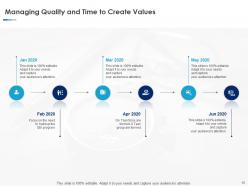
Folie 15: Diese Folie zeigt das Qualitäts- und Zeitmanagement zur Wertschöpfung.
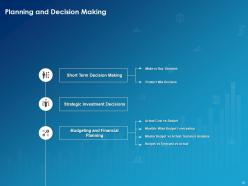
Folie 16: Auf dieser Folie wird die Planung und Entscheidungsfindung vorgestellt.
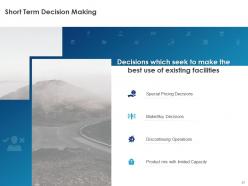
Folie 17: Diese Folie stellt die kurzfristige Entscheidungsfindung mit folgenden Punkten dar: Entscheidungen zur bestmöglichen Nutzung der vorhandenen Einrichtungen, Sonderpreisgestaltung, Produktmix bei begrenzter Kapazität, Einstellung des Betriebs.
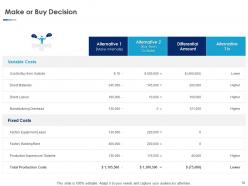
Folie 18: Auf dieser Folie wird die Make-or-Buy-Entscheidung beschrieben.
Folie 19: Diese Folie befasst sich mit der Produktmix-Entscheidung.
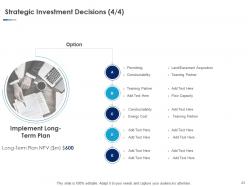
Folie 20: Auf dieser Folie werden strategische Investitionsentscheidungen präsentiert.
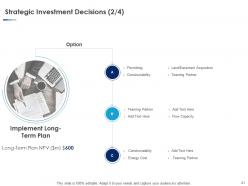
Folie 21: Diese Folie zeigt strategische Investitionsentscheidungen.
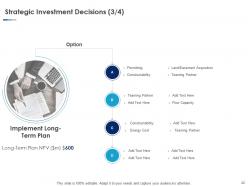
Folie 22: Auf dieser Folie werden strategische Investitionsentscheidungen beschrieben.
Folie 23: Diese Folie stellt strategische Investitionsentscheidungen dar.
Folie 24: Auf dieser Folie werden die tatsächlichen Kosten im Vergleich zum Budget angezeigt.
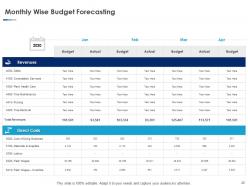
Folie 25: Diese Folie zeigt die monatliche Budgetprognose.
Folie 26: Auf dieser Folie wird die Abweichungsanalyse zwischen Hauptbudget und Ist-Werten dargestellt.
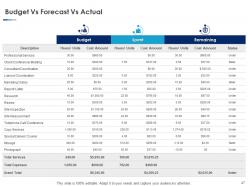
Folie 27: Auf dieser Folie werden Budget, Prognose und Ist-Werte beschrieben.
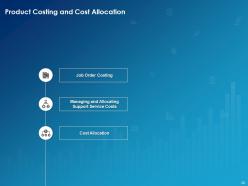
Folie 28: Diese Folie präsentiert die Produktkalkulation und Kostenzuordnung mit folgenden Punkten: Auftragsfertigung, Verwaltung und Zuweisung von Supportdienstkosten, Kostenzuordnung.
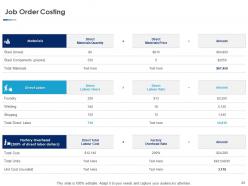
Folie 29: Auf dieser Folie wird die Auftragsfertigung vorgestellt.
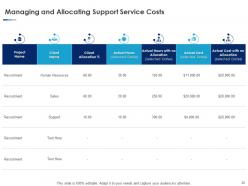
Folie 30: Diese Folie stellt die Verwaltung und Zuweisung von Supportdienstkosten dar.
Folie 31: Auf dieser Folie wird die Kostenzuordnung angezeigt.
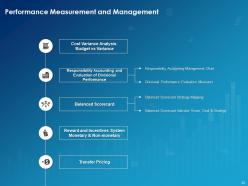
Folie 32: Diese Folie zeigt die Leistungsmessung und -steuerung.
Folie 33: Auf dieser Folie wird die Kostenabweichungsanalyse zwischen Budget und Abweichung dargestellt.
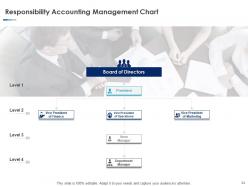
Folie 34: Diese Folie zeigt das Verantwortlichkeitsrechnungsmanagementsystem.
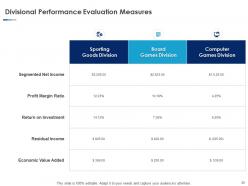
Folie 35: Auf dieser Folie werden die Kennzahlen zur Bewertung der Unternehmensbereichsleistung dargestellt.
Folie 36: Diese Folie zeigt die Strategie-Mapping der Balanced Scorecard.
Folie 37: Auf dieser Folie wird die Vision, das Ziel und die Strategie der Balanced Scorecard-Indikatoren dargestellt.
Folie 38: Diese Folie zeigt das monetäre und nicht-monetäre Vergütungs- und Anreizsystem.
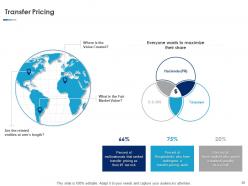
Folie 39: Auf dieser Folie wird die Transferpreisgestaltung vorgestellt.
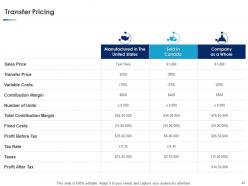
Folie 40: Diese Folie zeigt die Transferpreisgestaltung.
Folie 41: Auf dieser Folie werden KPIs und Dashboards angezeigt.
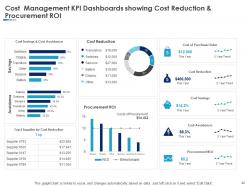
Folie 42: Diese Folie zeigt Kostenmanagement-KPI-Dashboards mit Kostensenkung und Beschaffungs-ROI.
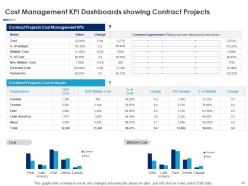
Folie 43: Auf dieser Folie werden die KPIs für das Kostenmanagement bei Auftragsprojekten beschrieben.
Folie 44: Diese Folie stellt Kostenmanagement-KPI-Dashboards mit Rendite auf Vermögenswerte und Kapitalbindungsquote dar.
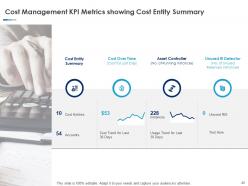
Folie 45: Auf dieser Folie werden Kostenmanagement-KPI-Metriken mit Kosteneinheiten-Übersicht vorgestellt.
Folie 46: Diese Folie zeigt Kostenmanagement-KPI-Metriken mit Kapitalrendite.
Folie 47: Diese Folie trägt den Titel "Zusätzliche Folien für den weiteren Fortschritt".
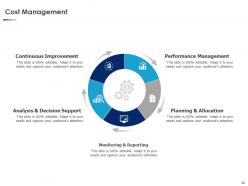
Folie 48: Auf dieser Folie wird das Kostenmanagement mit folgenden Punkten dargestellt: Kontinuierliche Verbesserung, Leistungsmanagement, Planung und Zuweisung, Überwachung und Berichterstattung, Analyse und Entscheidungsunterstützung.
Folie 49: Diese Folie zeigt die Schritte des Kostenmanagements wie Kostenplanung, Bewertung und Entscheidungsfindung, Kostenanalyse, Kostenverfolgung.
Folie 50: Auf dieser Folie wird das Kostenmanagement mit folgenden Punkten dargestellt: Schätzung, Projektplanung, Projektkostenkontrolle, Finanzmanagement.
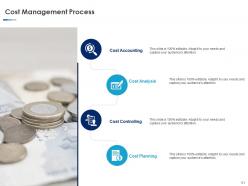
Folie 51: Diese Folie zeigt den Kostenmanagementprozess.
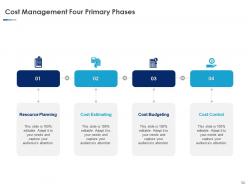
Folie 52: Auf dieser Folie werden die vier Hauptphasen des Kostenmanagements beschrieben: Ressourcenplanung, Kostenschätzung, Kostenbudgetierung, Kostenkontrolle.
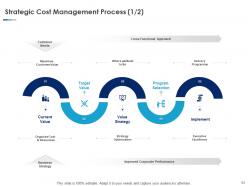
Folie 53: Diese Folie zeigt den strategischen Kostenmanagementprozess mit folgenden Punkten: Bereichsübergreifender Ansatz, Verbesserte Unternehmensleistung, Aktueller Wert, Zielwert, Wertstrategie, Programmauswahl, Implementierung, Lieferprogramm.
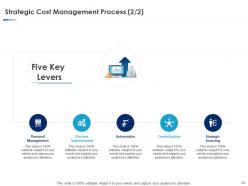
Folie 54: Auf dieser Folie wird der strategische Kostenmanagementprozess mit folgenden Punkten beschrieben: Nachfragemanagement, Prozessverbesserung, Zentralisierung, Automatisierung, Strategisches Sourcing, Haupthebel.
Kostenschätzung Präsentationsfolien: 1. Deckblatt 2. Inhaltsverzeichnis 3. Einführung 4. Projektübersicht 5. Projektphasen 6. Zeitplan 7. Meilensteine 8. Ressourcenplanung 9. Personalkosten 10. Materialkosten 11. Unteraufträge 12. Reisekosten 13. Sonstige Kosten 14. Gesamtkosten 15. Kostenkontrolle 16. Risiken und Annahmen 17. Zusammenfassung 18-66. (weitere 49 Folien)
Ablehnungen verschwinden mit unseren Kostenschätzungs-PowerPoint-Präsentationsfolien. Sie führen immer zu Genehmigungen.























FAQs for Cost estimate
So for your cost template, definitely break out direct stuff like materials, labor, and equipment from the indirect things - overhead, admin costs, that kind of thing. I always add 10-20% contingency because projects never go as planned, trust me on that one. List out labor by specific roles and hours rather than just "labor costs." Don't forget permits, any subcontractor fees, travel if you need it. Timeline matters too since prices change. Oh and separate line items are your friend - makes it so much easier to figure out where you screwed up later when you're comparing what actually happened versus what you thought would happen.
Break projects down into smaller pieces first - way easier to estimate that way. I always use historical data from similar work and get input from people who've actually done this stuff before. Honestly, those high-level "ballpark" guesses are disasters waiting to happen. Build in buffer time for the weird stuff that'll pop up (it always does). Write down your assumptions so you can figure out later what you got wrong or right. Oh, and don't treat your first estimate like it's set in stone - you'll learn more as the project goes on and should adjust accordingly.
Ugh, the classic mistakes are timeline optimism and scope creep. Tasks literally multiply overnight - I swear it's project management black magic. You'll underestimate everything, so pad your estimates by like 20-30% minimum. Don't forget the sneaky indirect costs either (testing, deployment, all that fun stuff). Dependencies kill timelines too - other teams move at their own pace, not yours. Oh, and write down your assumptions! When everything goes sideways (and it will), you'll actually know what changed instead of just panicking.
Yeah, it's crazy how different industries handle this stuff. Construction breaks everything down super detailed - materials, labor, equipment costs, the whole nine yards. Software teams? They're doing story points and looking at how fast they moved on past projects, which is way more abstract. Manufacturing sticks to standard costs and material lists, while consulting is usually just hours times rates. Healthcare and pharma are nuts though - they've got all these regulatory costs that nobody else even thinks about. Honestly, your best move is just digging into whatever methods your specific industry actually uses instead of trying some generic approach.
You absolutely need to look at your old projects - seriously, it's the best way to predict what'll happen next time. Find similar stuff you've done before (same complexity, team size, whatever) and see where you always go over budget. There's usually a pattern if you actually pay attention. Most teams just wing it every time, then act shocked when they blow past their estimates lol. Track your actual costs vs what you guessed, then use that info to get better at estimating. Even if you start doing this now, you'll have solid data for next project. Trust me on this one.
Dude, get yourself some digital tools - they'll change your life. CostX and Bluebeam are solid for automating takeoffs from plans. Way better than measuring stuff by hand for hours. Cloud-based platforms let your whole team work together and keep material costs updated. The AI stuff is actually pretty cool too - it looks at old projects and warns you about potential overruns before you're screwed. Oh, and don't try to switch everything at once. Pick one tool first, then add more as you get comfortable with it.
So top-down means you start with your whole budget and just divvy it up - big picture stuff. With bottom-up, you're doing the grunt work of estimating every single task first, then adding it all together. Top-down's super quick but kinda sloppy since you're basically winging it at a high level. Bottom-up is a total pain (seriously, who has time for that?) but you'll get way better numbers. Most project managers I've worked with complain about how long bottom-up takes, but it really does prevent those "oh crap" moments when costs spiral. My take? Use top-down for rough estimates, bottom-up when stakeholders want details.
Start with business impact, not tech details - executives care about what it means for their goals. Charts work way better than spreadsheets full of line items. I always compare costs to stuff they know, like "this equals two full-time hires for six months." Give them ranges, not fake precision down to the dollar. Be honest about what you're confident in and what's just educated guessing. Oh, and budget extra time for questions - they'll have tons once they actually digest the numbers. The whole point is helping them decide what to do next.
Honestly, most people screw this up by waiting way too long to update their estimates. Don't be that person. Hit those major milestones? Time to revise. Big scope change? Definitely revise. I'd say monthly reviews work well - reassess what's left based on what you've actually learned. Track your real costs against the original baseline like your life depends on it. Document why things changed too, not just the numbers. Oh, and don't do this stuff alone in a corner somewhere. Get your stakeholders involved or you'll just be updating spreadsheets nobody cares about.
Ugh, scope changes are seriously the worst for budgets. You think you're just adding one little feature, but then boom - suddenly you need extra people, more time, and half the stuff you already built needs redoing. It's like that domino effect where everything just keeps getting messier and more expensive. Honestly, even tiny changes can spiral way beyond what you'd guess. I learned this the hard way on a project last year. Always pad your budget by at least 10-20% for scope creep, and write down every single change so you can actually track where all your money's going when things go sideways.
Honestly, the biggest thing is just being straight up about your numbers - don't lowball to win work or inflate stuff unnecessarily. Be real about what you don't know and your assumptions, especially when people are making major decisions off your estimates. I've watched whole teams crash and burn because they weren't honest about the risks upfront. Also think about who's getting helped or screwed by your numbers. Are you being fair to everyone? Oh, and document how you got there so people can actually check your work later. Keeps things legit.
So basically you want to figure out which parts of your cost estimate actually matter. Pick your biggest expenses - labor, materials, timeline stuff - and mess around with them in a spreadsheet. Bump each one up or down by like 10-20% and see what happens to your total. The surprising thing? What you think will break your budget usually isn't the real culprit. I'd honestly just stick with Excel unless you're doing something massive that needs Monte Carlo analysis (which sounds way cooler than it is). Once you know what variables actually move the needle, those are the ones you'll want to watch like a hawk during the project.
So basically you want to track a few things. Estimate accuracy is huge - just compare what you predicted vs what actually happened, percentage-wise. Hit rate matters too (how many estimates actually get approved). Cycle time is worth watching since you don't want to spend ages on these things. Oh and track how often you're revising mid-project - that's usually a red flag that your upfront planning was off. Honestly though? Start with accuracy first. If your estimates are wildly wrong, nothing else really matters until you fix that part.
Honestly, good cost estimation is what separates realistic budgets from total disasters. You're working with actual data instead of just winging it. Break your project into smaller chunks and estimate each piece - way more accurate that way. Then you can actually predict when you'll need cash, spot problems before they blow up your budget, and figure out where to put your resources. I learned this the hard way on a project last year! Your forecasts become way more flexible too. You can adjust as things change instead of getting completely blindsided by overruns.
Honestly, you'll be living in Excel 24/7 so get comfortable with that first. Breaking down big projects into smaller pieces is huge - that's where the real skill comes in. You gotta understand your industry inside and out because estimating stuff you don't know is impossible. Communication matters way more than you'd think since you're always explaining your numbers to people who question everything. Oh, and pay attention to the tiny details - I've seen estimates completely tank over small oversights. Risk assessment helps too for building in buffers. Best move? Find an experienced estimator to shadow and dig into historical cost patterns.
No Reviews