

Cost Reduction Plans Powerpoint Presentation Slides





Try Before you Buy Download Free Sample Product
 Impress Your
 Audience
 100%
100% Editable
 Save Hours
 of Time


Strategize your company’s cost reduction plan using Cost Reduction Plans PowerPoint Presentation Slides. Reduce cost of the production of the product and increase the profit by using cost reduction plans PPT templates. Apply various techniques and tools to reduce the costs such as budgetary control, standard costing, cost benefit analysis, value analysis, contribution analysis, and more. Go step by step to reduce expenditure and continuously analyse costs, functions, etc. This deck covers various topics to help you strategize your cost reduction plan such as key levers to cost management, levers to achieve successful cost optimization, levels of strategic cost optimization, detailed levels within strategic cost optimization framework, prioritizing IT cost optimization, IT cost optimization, cost optimization techniques, cost optimization planning, stages in cost reduction, cost design, comparison of stages, etc. You can use price optimization PowerPoint presentation templates for better cost reduction plan. Create more demand for the product, increase sales and revenue, increase competitive strength and more using cost reduction plan PPT presentation slideshow. Assess the fallout of emerging circumstances with our Cost Reduction Plans Powerpoint Presentation Slides. It helps decipher the implications.
People who downloaded this PowerPoint presentation also viewed the following :
Content of this Powerpoint Presentation
Slide 1: This slide introduces Cost Reduction Plans. State Your Company Name and begin.
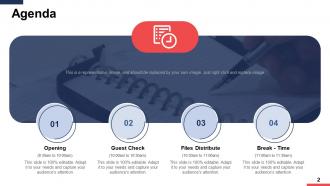
Slide 2: This is an Agenda slide. State company agendas here.
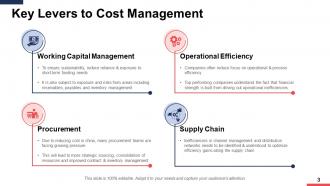
Slide 3: This slide presents Key Levers to Cost Management with the following subheadings- Procurement (Due to reducing cost in china, many procurement teams are facing growing pressure. This will lead to more strategic sourcing, consolidation of resources and improved contract & inventory management). Operational Efficiency (Companies often reduce focus on operational & process efficiency. Top performing companies understand the fact that financial strength is built from driving out operational inefficiencies). Supply Chain (Inefficiencies in channel management and distribution networks needs to be identified & understood to optimize efficiency gains along the supply chain). Working Capital Management (To ensure sustainability, reduce reliance & exposure to short-term funding needs It is also subject to exposure and risks from areas including receivables, payables and inventory management).
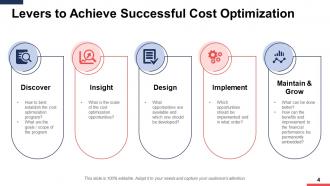
Slide 4: This slide presents Levers to Achieve Successful Cost Optimization with the following subheadings- Discover, Insight, Design, Implement, Maintain & Grow.
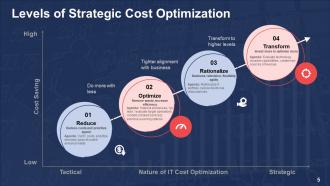
Slide 5: This slide presents Levels of Strategic Cost Optimization in graph form with the following points- Reduce (Reduce costs and prioritize spend) Optimize (Remove waste, increase efficiency) Rationalize (Business relevance, flexibility, agility) Transform (Invest more to optimize more).
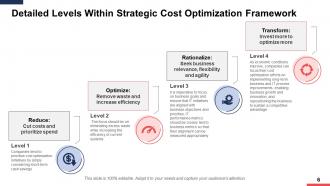
Slide 6: This slide presents Detailed Levels Within Strategic Cost Optimization Framework with the following subheadings- Reduce: Cut costs and prioritize spend, Optimize: Remove waste and increase efficiency, Rationalize: Seek business relevance, flexibility and agility, Transform: Invest more to optimize more.
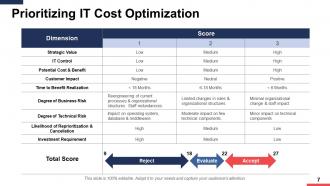
Slide 7: This slide showcases Prioritizing IT Cost Optimization table on the scale of - Reject, Accept, Evaluate.
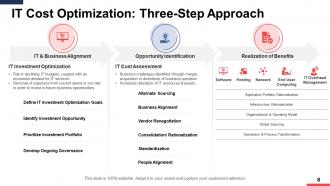
Slide 8: This slide shows IT Cost Optimization: Three-Step Approach- IT Investment Optimization: Flat or declining IT budgets, coupled with an increased demand for IT services Removal of expenses from current spend or run rate in order to invest in future business opportunities. Define IT investment Optimization Goals, Identify Investment Opportunity, Prioritize Investment Portfolio, Develop Ongoing Governance. IT Cost Assessment: Business challenges identified through merger, acquisition or divestiture of business operation Increased utilization of IT resources & assets Alternate Sourcing, Business Alignment, Vendor Renegotiation, Consolidation/ Rationalization, Standardization, People Alignment. IT & Business Alignment: Opportunity Identification Realization of Benefits: Software, Hosting, Network, End User Computing, IT Overhead Management.
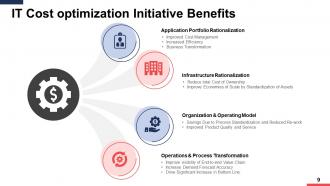
Slide 9: This slide presents IT Cost optimization Initiative Benefits with the following subheadings- Application Portfolio Rationalization: Improved Cost Management, Increased Efficiency, Business Transformation. Infrastructure Rationalization: Reduce total Cost of Ownership, Improve Economies of Scale by Standardization of Assets. Organization & Operating Model: Savings Due to Process Standardization and Reduced Re-work, Improved Product Quality and Service. Operations & Process Transformation: Improve visibility of End-to-end Value Chain, Increase Demand Forecast Accuracy, Drive Significant Increase in Bottom Line.
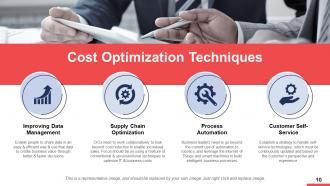
Slide 10: This slide shows Cost Optimization Techniques such as- Improving Data Management: Enable people to share data in an easy & efficient way & use that data to create business value through better & faster decisions. Supply Chain Optimization: CIOs need to work collaboratively to look beyond cost reduction to enable increased sales. Focus should be on using a mixture of conventional & unconventional techniques to optimize IT & business costs. Process Automation: Business leaders need to go beyond the current use of automation to robotics, and leverage the Internet of Things and smart machines to build intelligent business processes. Customer Self-Service: Establish a strategy to handle self-service technologies, which must be continuously updated and based on the customer’s perspective and experience.
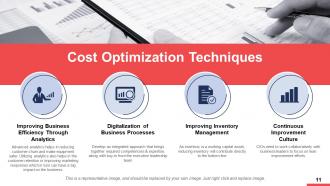
Slide 11: This slide also presents Cost Optimization Techniques such as- Improving Business Efficiency Through Analytics: Advanced analytics helps in reducing customer churn and make equipment safer. Utilizing analytics also helps in the customer retention or improving marketing responses which in turn can have a big impact on the business. Digitalization of Business Processes: Develop an integrated approach that brings together required competencies & expertise, along with buy-in from the executive leadership team. Improving Inventory Management: As inventory is a working capital asset, reducing inventory will contribute directly to the bottom line. Continuous Improvement Culture: CIOs need to work collaboratively with business leaders to focus on lean improvement efforts.
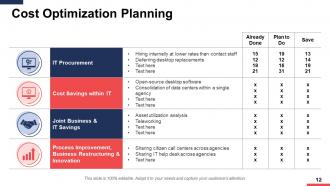
Slide 12: This slide showcases Cost Optimization Planning. Present planning aspects here.
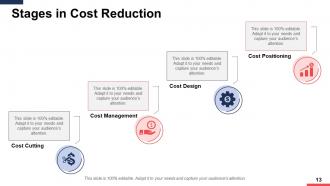
Slide 13: This slide presents Stages in Cost Reduction- Cost Cutting, Cost Management, Cost Design, Cost Positioning.
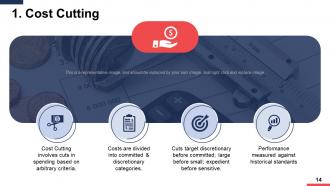
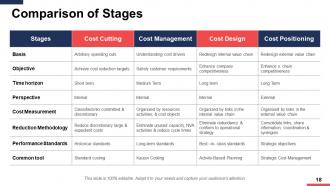
Slide 14: This slide presents Cost Cutting with the following content- Cost Cutting involves cuts in spending based on arbitrary criteria, Costs are divided into committed & discretionary categories, Cuts target discretionary before committed; large before small; expedient before sensitive, Performance measured against historical standards.
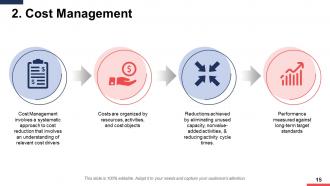
Slide 15: This slide presents Cost Management with the following content- Cost Management involves a systematic approach to cost reduction that involves an understanding of relevant cost drivers. Costs are organized by resources, activities, and cost objects. Reductions achieved by eliminating unused capacity, nonvalue-added activities, & reducing activity cycle times. Performance measured against long-term target standards.
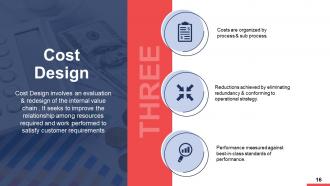
Slide 16: This slide showcases Cost Design with the following content- Cost Design involves an evaluation & redesign of the internal value chain . It seeks to improve the relationship among resources required and work performed to satisfy customer requirements. Costs are organized by process & sub process. Reductions achieved by eliminating redundancy & conforming to operational strategy. Performance measured against best-in-class standards of performance.
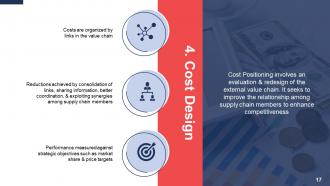
Slide 17: This slide showcases Cost Design with the following points- Cost Positioning involves an evaluation & redesign of the external value chain. It seeks to improve the relationship among supply chain members to enhance competitiveness. Costs are organized by links in the value chain. Reductions achieved by consolidation of links, sharing information, better coordination, & exploiting synergies among supply chain members. Performance measured against strategic objectives such as market share & price targets.
Slide 18: This slide presents Comparison of Stages in tabular form.
Slide 19: This is a Coffee break slide. You can change the slide content as per need.
Slide 20: This is a Cost Optimization Strategy Icons Slide. Use the icons as per need.
Slide 21: This slide is titled Additional Slides to move forward. You may change the slide content as per requirement.
Slide 22: This is Meet Our Team slide to display names, designation with image boxes.
Slide 23: This is an About Us slide. You can shows company/team specifications etc. here.
Slide 24: This is an Our Target slide. Show targets, goals etc. here.
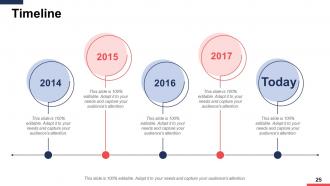
Slide 25: This is a Timeline slide to show company growth, evolution, milestones etc.
Slide 26: This is a Puzzle image slide to show information, specifications etc.
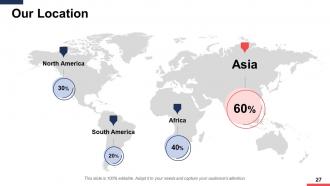
Slide 27: This is Our Location slide with a world map imag to show global presence, growth etc. here.
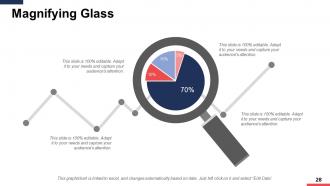
Slide 28: This is a Magnifying glass image slide to show information, specifications etc.
Slide 29: This slide is titled Charts & Graphs to move forward. You may change the slide content as per need.
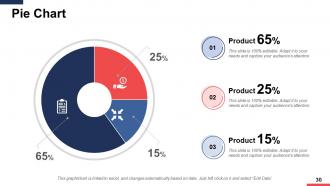
Slide 30: This is a Pie Chart slide to show product/entity comparison, specifications etc.
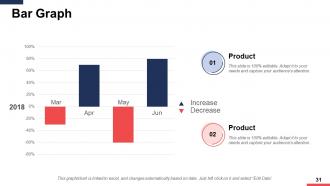
Slide 31: This is a Bar Graph slide to show product/entity comparison, specifications etc.
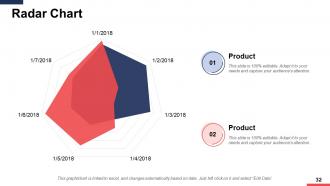
Slide 32: This is a Radar Chart slide to show product/entity comparison, specifications etc.
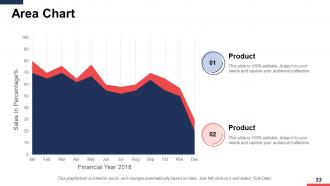
Slide 33: This is an Area Chart slide to show product/entity comparison, specifications etc.
Slide 34: This is a Thank You slide with Contact Numbers, Address# Street number, city, state, Email Address.
Cost Reduction Plans Powerpoint Presentation Slides with all 34 slides:
Dig it out with our Cost Reduction Plans Powerpoint Presentation Slides. They will locate your best thoughts.
-
Cost Reduction Plans
-
Agenda
-
Key Levers to Cost Management
-
Levers to Achieve Successful Cost Optimization
-
Levels of Strategic Cost Optimization
-
Detailed Levels Within Strategic Cost Optimization Framework
-
Prioritizing IT Cost Optimization
-
IT Cost Optimization Three Step Approach
-
IT Cost Optimization Initiative Benefits
-
Cost Optimization Techniques
-
Cost Optimization Techniques
-
Cost Optimization Planning
-
Stages in Cost Reduction
-
Cost Cutting
-
Cost Management
-
Cost Design
-
Cost Design
-
Comparison of Stages
-

Coffee Break
-
Cost Optimization Strategy Icons Slide
-
Additional Slides
-

Meet Our Team
-
About Us
-
Our Target
-
Timeline
-
Puzzle
-
Our Location
-
Magnifying Glass
-
Charts Graphs
-
Pie Chart
-
Bar Graph
-
Radar Chart
-
Area Chart
-
Thank You
FAQs for Cost Reduction Plans
Hit your big three first - payroll, rent, suppliers. That's where the real money is. Go through everything with a fine tooth comb (yeah it's tedious but whatever). Look for those random subscriptions you forgot about or vendors you can squeeze for better rates. Don't gut anything that'll piss off customers or make your team miserable though. Actually, get your people involved in finding waste - they see stuff you totally miss. Pick like 3-5 things this month instead of going crazy trying to fix everything. Way more manageable that way.
Track the obvious stuff first - actual savings vs targets, profit margins, expense ratios month over month. But honestly, most people mess up by ignoring the warning signs. Customer retention dropping? Employee satisfaction tanking? Quality metrics going south? That means you're cutting too deep and it'll bite you later. I learned this the hard way at my last job - we celebrated hitting our cost targets right before losing three major clients. Set up a simple dashboard tracking both the financial wins AND these red flags. Check it monthly or you'll miss the early warnings.
Tech is honestly a game-changer for cutting costs. Start with analytics tools - they'll catch spending patterns you'd miss otherwise. Automation cuts down on manual work (and labor costs). Cloud stuff reduces what you spend on infrastructure. The real win? You get data in real-time instead of waiting for those monthly reports everyone ignores. Don't go crazy trying to digitize everything though - that's where people mess up. Pick your biggest money drain first and find tech that fixes that specific problem. Once you prove it works and saves money, then move to the next thing.
Your employees are honestly your secret weapon here. They spot the daily waste you totally miss from up top. Getting them involved means better ideas AND they'll actually stick to changes instead of sabotaging them behind your back. I've watched managers announce cuts without asking anyone first - disaster every time. People get pissy and nothing works. Set up suggestion boxes or whatever, maybe some mixed teams from different departments. The key part though? You gotta actually use their ideas when they're good ones, or they'll stop caring.
Don't go nuclear on the budget all at once - you'll kill morale and mess up operations before you save a dime. Across-the-board cuts are honestly just lazy management. Your high-performing departments get screwed just as much as the money pits. Communication is huge too. Keep people in the dark and they'll invent way worse scenarios than reality. Roll out changes gradually so you can fix things if they backfire. Be upfront about why you're making cuts. Oh, and target the actual waste instead of just hitting everything equally - seems obvious but you'd be surprised how many companies skip this step.
Look at your processes, not your products. That's where you'll find the real savings without screwing up quality. Map out everything you do and hunt for bottlenecks or stupid redundant steps. Renegotiate with suppliers - you'd be surprised how much wiggle room there is. Cut administrative bloat, reduce energy waste, streamline workflows. I swear, companies always go straight to cheapening materials or rushing timelines. Bad move. You'll just piss off customers later. Focus on HOW you make things instead of cutting corners on WHAT you make them with. Way smarter approach that actually pays off long-term.
Honestly, it depends on your industry. Manufacturing companies usually save the most money by streamlining production and fixing their supply chains - inventory costs are brutal if you mess that up. Tech businesses? Automate the boring stuff and stop paying for redundant software subscriptions. Retail is mostly about predicting demand better and cutting down on theft/waste. Service companies should optimize staffing levels first, then maybe go digital with paperwork (though that's kind of obvious these days). Don't just copy what everyone else does. Figure out where your specific industry burns through cash, then hit those problem areas hard.
Look, external economic stuff will totally mess with your cost reduction plans. Inflation hits, supply chains go crazy, interest rates spike - suddenly your original strategy is useless. I've watched so many teams stubbornly stick to their plans and just get wrecked. You've got to build wiggle room right from the start instead of locking into rigid targets. Market volatility, currency swings, vendor price hikes - factor all that chaos in. Create different scenarios for various economic conditions. That way you can actually pivot fast when things inevitably go sideways. Trust me on this one.
Hit the backend stuff first - supply chain, boring admin tasks, vendor deals. That's where the real money bleeds without customers noticing. Don't touch anything they actually see or use. Honestly, I've watched companies gut customer service then wonder why everyone's pissed. Instead, maybe build better self-help options? Always think "does this screw over my customers?" If yeah, find something else to cut. Oh, and tell people what you're doing - transparency helps when you're making changes. Focus on the invisible money pits first.
Start with spend analysis tools like Coupa or Ariba - they'll show you where your money's actually disappearing. Excel works great for quick wins too, don't overthink it. Process mapping software catches inefficiencies you didn't even know were there. But honestly? Just ask your team where they see waste happening. They always know stuff that never makes it up the chain. Financial dashboards help you spot the weird outliers too. I'd tackle spend analysis first since it gives you that big picture view, then you can dig into specifics. Sometimes the obvious solutions are right there waiting.
Dude, supply chain stuff is where the real money is. You can renegotiate with suppliers, cut inventory costs, make shipping way cheaper. When you actually map everything out, you'll find waste you had no clue about - it's wild how much gets overlooked. Most teams I know save like 15-20% just from getting organized. Bulk deals and better payment terms usually follow once you build those supplier relationships. Oh, and inventory turnover rates - definitely check those first along with your current contracts. Those are honestly the easiest places to start and see quick results.
Oof, yeah aggressive cost cutting can really mess with your company culture. Trust takes a hit. Morale drops. The people left behind get that weird survivor's guilt thing going on - honestly it's kind of brutal to watch. Everyone starts feeling expendable instead of valued, you know? Then you get more turnover, less innovation, people constantly looking over their shoulders wondering if they're next. Sometimes it feels like slapping a bandage on something that needs surgery. Try being upfront about why it's happening and don't gut the stuff that actually matters - training, communication, recognition programs.
Look, financial forecasting basically stops you from making dumb cuts just because you're panicking about money. Pull your expenses from the last year first - that's your starting point. Then you can actually model stuff out, like "what if we cut 10% of staff vs slashing the marketing budget?" and see how each hits your profits down the road. Honestly, it's way better than just crossing your fingers and hoping. The forecasts show you which expenses are actually worth it and which ones are just money pits. I learned this the hard way at my last job - wish we'd done this sooner.
Dude, first thing - get legal and HR involved before you do ANYTHING. Employment laws are super specific about layoffs, wage cuts, notice periods, all that stuff. If you're unionized, obviously that's a whole other mess to deal with. One time we almost axed our quality team without thinking about FDA compliance - would've been a disaster! Compliance costs can bite you if you cut the wrong people. Also worth checking if you have supplier contracts or customer agreements that might tie your hands. Honestly, the legal stuff is way more complicated than it seems on the surface.
Training your people saves serious money - they'll work faster and screw up less. Honestly, the productivity boost alone is worth it. Replacing employees costs a fortune compared to just training the ones you have. I've seen companies hemorrhage cash from high turnover. Your team will need way less hand-holding too. Look for where you're bleeding money from mistakes or slow processes first. Oh, and fewer accidents means lower insurance costs - that adds up quick. Target those problem areas and you'll see the impact pretty fast.
-
Easy to edit slides with easy to understand instructions.
-
The content is very helpful from business point of view.
-
GREAT PRESENTATION TEMPLATE
-
good