


Costing Structure Powerpoint Presentation Slides




Try Before you Buy Download Free Sample Product
 Impress Your
 Audience
 100%
100% Editable
 Save Hours
 of Time


If you want to understand the relationship between revenues and expenses and how this relationship affects cost structure, here is our specially designed template of costing structure PowerPoint presentation slides. This PowerPoint template of cost formation will help you understand the underlying fixed and variable expenses to understand the profitability of your enterprise. This PPT slideshow can be of great help for your enterprise to select pricing strategies, determine demand, estimate cost, and analyze competitors cost and pricing strategies. This Costing Structure PPT templates can be used to showcase how your business can maximize profits and minimize cost to run business smoothly. The presentation slide of price structure will help you analyse in-depth firms cost structure to see how goods are manufactured and how profits are directly relative to sales and expenses to running a successful business. Download this Costing Structure presentation deck and showcase your management the cost structure to maintain your company's profitability. Explain causes of inflammation with our Costing Structure Powerpoint Presentation Slides. Caution folks about the conditions to avoid.
People who downloaded this PowerPoint presentation also viewed the following :
Content of this Powerpoint Presentation
Slide 1: This is an introductory slide to Costing Structure. State your company name and begin.
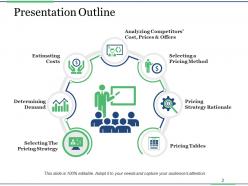
Slide 2: This slide shows Presentation Outline with the following points- Selecting The Pricing Strategy, Determining Demand, Estimating Costs, Analyzing Competitors’ Cost, Prices & Offers, Pricing, Strategy Rationale, Selecting a Pricing Method, Pricing Tables.
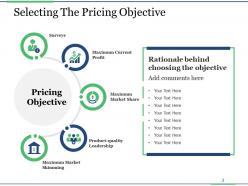
Slide 3: This is Selecting The Pricing Objective slide showing Pricing Objective with- Surveys, Maximum Market Share, Maximum Current Profit, Maximum Market Skimming, Product-Quality Leadership.
Slide 4: This is Determining Demand slide showing- Surveys, Price Experiments, Statistical Analysis.
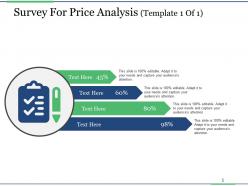
Slide 5: This slide presents Survey For Price Analysis (Template 1 Of 1) with imagery and text boxes.
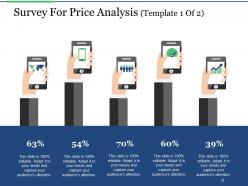
Slide 6: This slide shows Survey For Price Analysis (Template 1 Of 2) percentage.
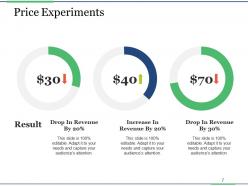
Slide 7: This slide shows Price Experiments with the following points as examples- Drop In Revenue By 20%, Increase In Revenue By 20%, Drop In Revenue By 30%. Use it as per your requirement.
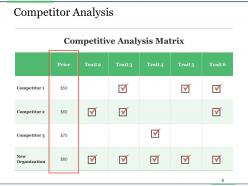
Slide 8: This is Competitor Analysis slide showing Competitive Analysis Matrix.
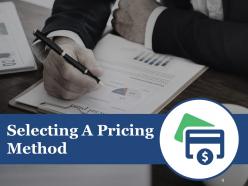
Slide 9: This is Selecting A Pricing Method slide with imagery.
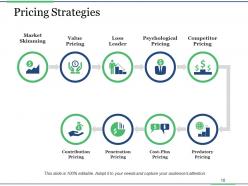
Slide 10: This slide shows Pricing Strategies with the following constituents- Market Skimming, Loss Leader, Value Pricing, Competitor Pricing, Predatory Pricing, Cost-Plus Pricing, Penetration Pricing, Contribution Pricing, Psychological Pricing.
Slide 11: This slide shows Pricing Strategy Rationale with magnifying glass imagery.
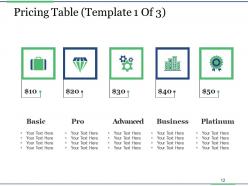
Slide 12: This slide displays Pricing Table (Template 1 Of 3) with the following five parameters- Basic, Advanced, Pro, Business, Platinum.
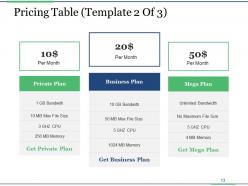
Slide 13: This is another slide showing Pricing Table (Template 2 Of 3). We have mentioned three plans for reference. You can choose as per your requirement.
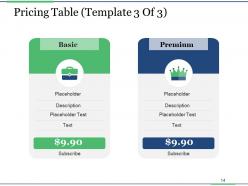
Slide 14: This slide also shows Pricing Table (Template 3 Of 3) with- Basic, Premium.
Slide 15: This slide is titled Coffee Break to halt and then proceed further. You may change the slide content as desired.
Slide 16: This is Costing Structure For Icon Slide. Use/ add icons an per your requirement.
Slide 17: This slide is titled Charts & Graphs. Alter/ modify content as per need.
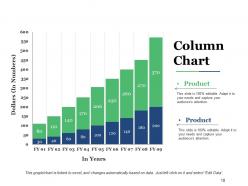
Slide 18: This is Column Chart slide to showcase comparison, information, specifications etc.
Slide 19: This slide shows a Line Chart for two product comparison.
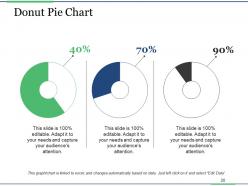
Slide 20: This is a Donut Pie Chart slide to present product/ entity comparison, specifications etc.
Slide 21: This slide is titled Additional Slides. You can change the slide content as per your needs.
Slide 22: This is Our Mission slide. State your vision, mission etc. here.
Slide 23: This is an Our Team slide with name, image and text boxes to put the required information.
Slide 24: This is an About Us slide. State company or team specifications here.
Slide 25: This slide is titled as Financials. Show finance related stuff here.
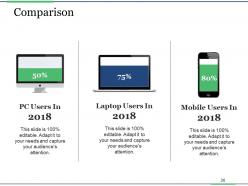
Slide 26: This is a Comparison slide to show comparison of entities/ products etc.
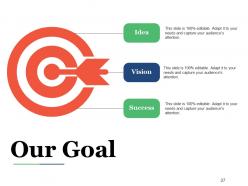
Slide 27: This is Our Goal slide with taget and arrow imagery. State your idea, vision and success here.
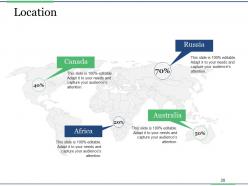
Slide 28: This is a Location slide to show global growth, presence etc. on a world map image.
Slide 29: This is a Quotes slide to convey company/ organization message, beliefs etc. You may change the slide content as per need.
Slide 30: This slide shows Our Target with relevant imagery.
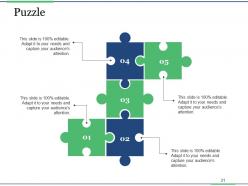
Slide 31: This is a Puzzle pieces image slide to show information, specifications etc.
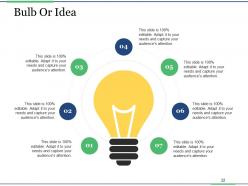
Slide 32: This is a Bulb or Idea image slide to show ideas, innovative information etc.
Slide 33: This is a Thank You slide with Address# street number, city, state, Contact Numbers, Email Address.
Costing Structure Powerpoint Presentation Slides with all 33 slides:
Estimate the intentions of your competitors with our Costing Structure Powerpoint Presentation Slides. Calculate the extent they can go to.














FAQs for Costing Structure
So you've got direct costs first - stuff like materials and labor that actually goes into making your product. Then there's indirect costs, which is basically all the overhead crap like rent and utilities. Fixed vs variable costs matter too. Honestly, the allocation methods part is where most people mess up if they're not paying attention. Don't forget to build in your profit margin when you're setting prices. The tricky thing is catching ALL your costs, not just the obvious ones. I'd start by listing out literally every expense that touches your product, even the weird indirect stuff.
Basically, you want to see which costs move when your production changes. Fixed costs don't budge - think rent, insurance, salaries for permanent staff. Variable costs go up and down with how much you're making - raw materials, shipping, hourly workers. Here's what I do: imagine doubling your output tomorrow. What expenses would spike? Those are variables. Watch out for sneaky ones like utilities though - they're part fixed fee, part usage. Just list everything you spend money on, then ask "does this cost more when we produce more?" The pattern becomes pretty obvious once you start sorting them.
So overhead allocation is just spreading your indirect costs (rent, utilities, admin stuff) across all your products so you actually know what everything costs to make. Otherwise you're only looking at materials and labor - which honestly doesn't tell you much. It's like splitting a restaurant bill where everyone pays for their own meal plus their share of the apps and drinks we all had. You can divide it up based on labor hours, machine time, whatever makes sense. Just pick something that reflects how each product actually uses your resources, or your pricing's gonna be totally screwed.
Look, knowing your real costs is what separates smart pricing from just throwing darts at a board. Track everything for like 3 months - materials, labor, overhead, all of it. You'll finally see which products actually make money vs. the ones secretly killing your margins. So many people price on gut feeling then act shocked when they're broke. Once you have solid numbers, you can price to cover costs AND make profit. Honestly, it's kind of wild how many businesses skip this step. The data will also show you exactly where to focus your energy instead of wasting time on losers.
So there's basically two ways to handle this - traditional costing and activity-based costing (ABC). Traditional just uses simple stuff like labor hours or machine hours to split up overhead costs. Super easy but honestly kinda sloppy for complex businesses. ABC actually tracks costs back to what's causing them - like quality checks, equipment setup, customer calls, that kind of thing. Way more accurate but definitely more of a pain to set up. My old manager was obsessed with ABC and it really did help with pricing decisions. I'd probably go traditional first if your business is straightforward, but ABC's worth the hassle if you've got complicated operations.
So first thing - map out your fixed costs (rent, equipment, whatever) versus your variable ones. Then run some scenarios at like 25%, 50%, 100% higher volumes and see how your per-unit costs change. Fixed costs get spread thinner as you scale up, which is honestly pretty cool to watch happen. Short sentences work here. Model where those diminishing returns start hitting you. I'd also peek at what competitors your size are doing - are you actually getting the efficiencies you should be? Run this every quarter so you'll know when it's time to expand capacity or tweak your processes. The math really does get interesting once you see those cost curves flatten out.
Honestly, Excel's probably your best bet to start - you can do way more with pivot tables than people think. QuickBooks or Xero work great for service stuff, basic job costing. Manufacturing? That's where you'd need something like NetSuite or SAP, but SAP's massive overkill unless you're running a huge operation. I've watched so many companies burn cash on expensive software when they could've just built a decent spreadsheet first. Figure out your cost categories, test it out simple, then upgrade when you actually need to. Way better than dropping thousands on features you'll never use.
Ugh yeah competition totally changes the game with costs. You can't just wing it with pricing anymore - gotta be super strategic about where you're spending. Look at what your competitors are doing first, that's key. Sometimes you'll need to switch things up, like going more variable instead of fixed costs so you're not locked in. Or maybe dump money upfront to get those economies of scale going (though that's risky if you don't have the cash flow). The whole thing is honestly exhausting but you've gotta find ways to be more efficient than everyone else or you're screwed.
Don't overcomplicate your costing structure - that's the biggest mistake I see. You'll waste more time tracking than actually using the info. I watched a whole team build this fancy system that was abandoned by month three (classic). Skip trying to allocate every tiny overhead cost too. Some expenses are fine to leave at the company level instead of forcing weird allocations that don't make sense. Build in regular check-ins since your business shifts faster than you'd expect. Start with costs that actually impact your decisions, then layer on complexity later if you really need it.
Honestly, most companies are way too slow at updating their cost structure - like, they'll stick with the same setup for years even when it's clearly not working. Start by figuring out what's actually making you money right now vs what's just burning cash. Then move resources around accordingly. Maybe that means renegotiating with suppliers, automating the boring stuff, or even reshuffling teams. Don't wait for your annual review either - check in monthly with finance so you can pivot quick when things shift. I learned this the hard way, but quarterly reviews are your friend here.
Honestly, start with the basics - gross margin by product and contribution margin per unit. Compare your actual costs to what you budgeted. Big variances there? Red flag. Most companies go overboard tracking everything and just create chaos. Focus on cost per customer acquisition versus lifetime value - that's where the magic happens. Also watch your fixed vs variable cost ratios, especially when volume changes. Set up monthly reviews to catch trends early. I learned this the hard way, but spotting problems before they tank your profits is everything. Don't overthink it.
First thing - get everyone on the same page with how you're calculating costs. No more department doing their own weird thing. Monthly audits if possible, quarterly at bare minimum. Document everything so people can actually see the breakdown instead of getting some random number thrown at them (which honestly drives me crazy). You'll want clear cost centers that connect back to what your business actually does day-to-day. Set up those processes consistently, audit them, and make sure anyone who needs to understand the numbers can follow your logic. Sounds boring but it saves so many headaches later.
Here's the thing - labor costs can absolutely destroy your margins if you're not careful. They're usually your biggest expense after materials, sometimes even bigger. What makes them tricky is they don't scale up smoothly with production like you'd think. You've got direct labor (the people actually making your product) and indirect labor (managers, support crew), and honestly, you need to track these separately because they act totally different. I learned this the hard way at my last job. Get your labor cost per unit nailed down so you can price things right and catch problems early.
Honestly, pull your last 2-3 years of data first - that's your goldmine. Seasonal stuff will mess you up every time if you're not watching for it. Break down your major cost drivers and see where you keep getting burned. Material costs, labor hours, overhead weirdness - track all of it. Compare what you actually spent vs what you budgeted. You'll probably find you're always low on certain things (I swear everyone underestimates labor). Once you spot these patterns, your future budgets won't be such wild guesses. It's honestly pretty eye-opening when you see it all laid out.
Ugh, external costs like regulations and taxes are such a pain - they completely mess with your pricing structure. You've got compliance fees, environmental rules, payroll taxes, import duties... all this stuff you can't really control or cut down. Policy changes happen and boom, your costs shift overnight. What I've learned is you need to track these separately in your costing model. That way when things change (and they will), you can see exactly how it hits your margins. Honestly feels like playing financial whack-a-mole sometimes, but at least you'll be ready for it.
-
Much better than the original! Thanks for the quick turnaround.
-
Attractive design and informative presentation.