


Slides de apresentação do PowerPoint de Gerenciamento de Custos





Try Before you Buy Download Free Sample Product
 Impress Your
 Audience
 100%
100% Editable
 Save Hours
 of Time


Planeje e controle o orçamento do negócio usando os Slides de Apresentação de PowerPoint de Gerenciamento de Custos. Desenvolva capacidades de marketing, publicidade, patrocínio, etc. com a ajuda do projeto de gerenciamento de custos PPT slideshow. Represente o custo de alternativas renunciadas com a ajuda da tabela de custo de oportunidade. Determine todas as despesas de negócios relacionadas à criação de produtos da empresa com a ajuda dos visuals de custos de produtos PPT. Utilize nossos gráficos de orçamento em PowerPoint e discuta todos os custos aplicáveis, como equipamentos e peças, materiais e suprimentos, mão de obra, financiamento, taxas e licenciamento, transporte e custos de aquisição. Identifique atividades em uma organização e atribua o custo de cada atividade a todos os produtos e serviços com a ajuda dos layouts de gerenciamento baseado em atividades PPT. Você também pode avaliar lucros usando o conjunto de slides de gerenciamento financeiro profissionalmente projetado. Portanto, controle eficientemente o custo do seu projeto de negócios e fortaleça a posição da sua empresa baixando nossa apresentação de gerenciamento de custos de projeto PPT visualmente atraente.
People who downloaded this PowerPoint presentation also viewed the following :
Conteúdo desta apresentação em PowerPoint
Slide 1: Esta slide introduz a Gestão de Custos.
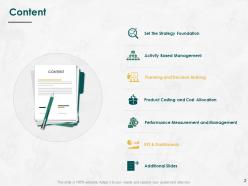
Slide 2: Esta slide exibe o Conteúdo da apresentação.
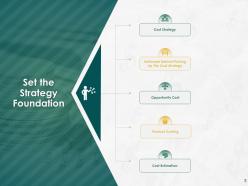
Slide 3: Esta slide descreve Definir a Fundação Estratégica contendo - Estratégia de Custos, Racional por trás da escolha da estratégia de custos, Custo de Oportunidade, Custeio de Produtos, Estimativa de Custos.
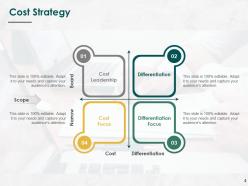
Slide 4: Esta slide exibe a Estratégia de Custos com - Diferenciação, Foco de Diferenciação, Custo, Foco, Liderança de Custos, Amplo, Estreito, Diferenciação, Custo, Escopo.
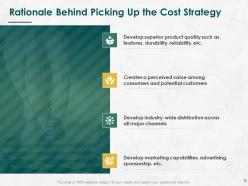
Slide 5: Esta slide representa o Racional por trás da escolha da Estratégia de Custos.
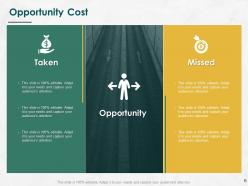
Slide 6: Esta slide representa o Custo de Oportunidade.
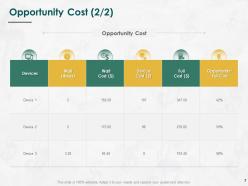
Slide 7: Esta slide descreve o Custo de Oportunidade.
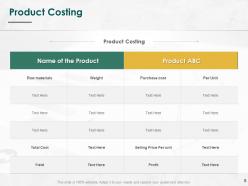
Slide 8: Esta slide representa o Custeio de Produtos.
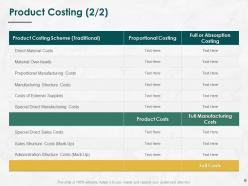
Slide 9: Esta slide também representa o Custeio de Produtos.
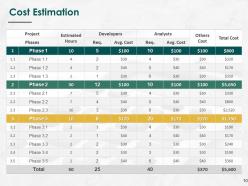
Slide 10: Esta slide exibe a Estimativa de Custos.
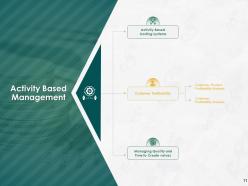
Slide 11: Esta slide representa a Gestão Baseada em Atividades com - Sistemas de Custeio Baseado em Atividades, Gerenciando Qualidade e Tempo para Criar Valores, Rentabilidade do Cliente, Análise de Rentabilidade de Cliente-Produto, Análise de Rentabilidade do Cliente.
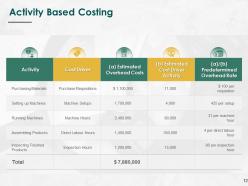
Slide 12: Esta slide apresenta o Custeio Baseado em Atividades.
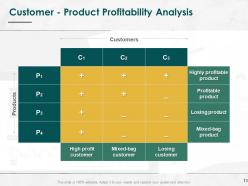
Slide 13: Esta slide apresenta a Análise de Rentabilidade de Cliente-Produto com - Clientes, Produtos.
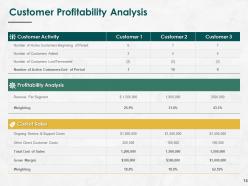
Slide 14: Esta slide descreve a Análise de Rentabilidade do Cliente.
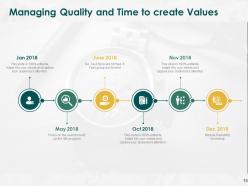
Slide 15: Esta slide exibe Gerenciando Qualidade e Tempo para Criar Valores.
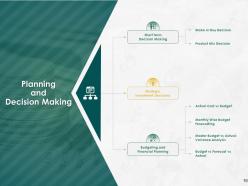
Slide 16: Esta slide apresenta Planejamento e Tomada de Decisão.
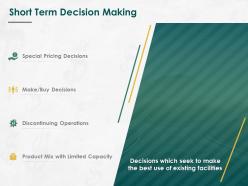
Slide 17: Esta slide representa a Tomada de Decisão de Curto Prazo contendo - Decisões que buscam fazer o melhor uso das instalações existentes, Decisões de Precificação Especial, Mix de Produtos com Capacidade Limitada, Descontinuação de Operações.
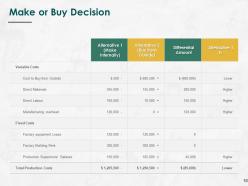
Slide 18: Esta slide descreve a Decisão de Fazer ou Comprar.
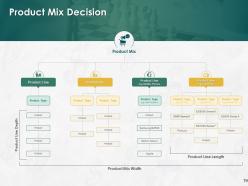
Slide 19: Esta slide discute sobre a Decisão de Mix de Produtos.
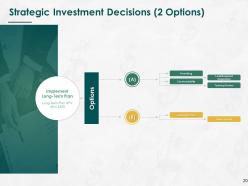
Slide 20: Esta slide apresenta Decisões de Investimento Estratégico.
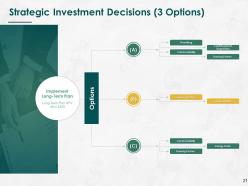
Slide 21: Esta slide exibe Decisões de Investimento Estratégico.
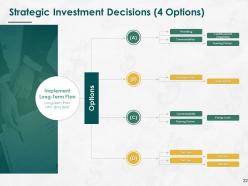
Slide 22: Esta slide descreve Decisões de Investimento Estratégico.
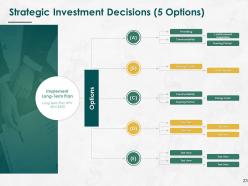
Slide 23: Esta slide representa Decisões de Investimento Estratégico.
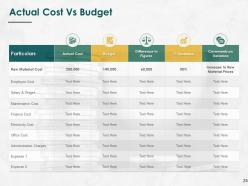
Slide 24: Esta slide exibe Custo Real Vs Orçamento.
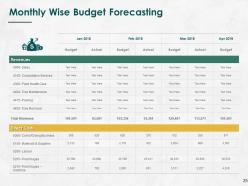
Slide 25: Esta slide apresenta Previsão Orçamentária Mensal.
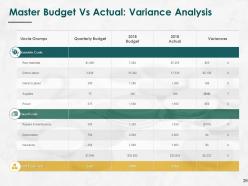
Slide 26: Esta slide representa Orçamento Mestre Vs Real: Análise de Variância.
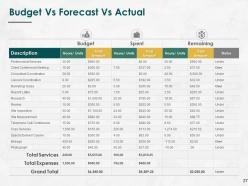
Slide 27: Esta slide descreve Orçamento Vs Previsão Vs Real.
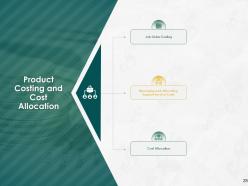
Slide 28: Esta slide apresenta Custeio de Produtos e Alocação de Custos com - Custeio por Ordem de Produção, Gerenciando e Alocando Custos de Serviços de Apoio, Alocação de Custos.
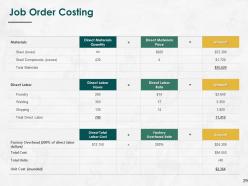
Slide 29: Esta slide apresenta o Custeio por Ordem de Produção.
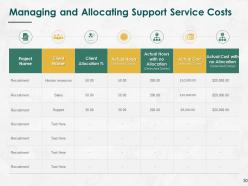
Slide 30: Esta slide representa Gerenciando e Alocando Custos de Serviços de Apoio.
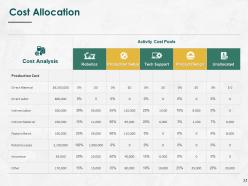
Slide 31: Esta slide exibe Alocação de Custos.
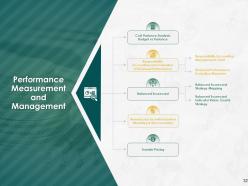
Slide 32: Esta slide exibe Medição e Gestão de Desempenho.
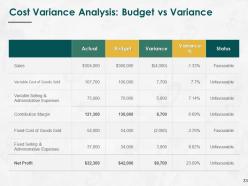
Slide 33: Esta slide representa Análise de Variância de Custos: Orçamento Vs Variância.
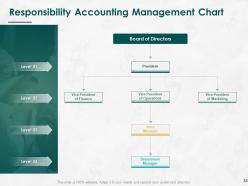
Slide 34: Esta slide exibe o Organograma de Contabilidade por Responsabilidade.
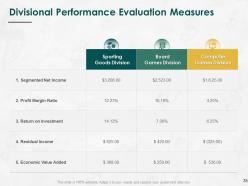
Slide 35: Esta slide representa Medidas de Avaliação de Desempenho Divisional.
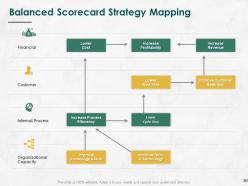
Slide 36: Esta slide representa o Mapeamento Estratégico do Balanced Scorecard.
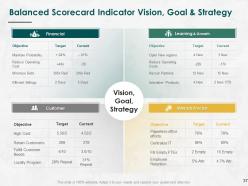
Slide 37: Esta slide representa o Balanced Scorecard Indicador Visão, Meta e Estratégia.
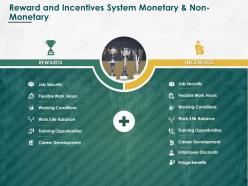
Slide 38: Esta slide apresenta o Sistema de Recompensas e Incentivos Monetários e Não Monetários.
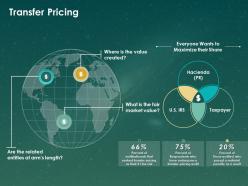
Slide 39: Esta slide apresenta o Preço de Transferência.
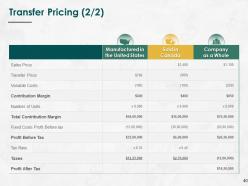
Slide 40: Esta slide exibe o Preço de Transferência.
Slide 41: Esta slide exibe KPIs e Painéis.
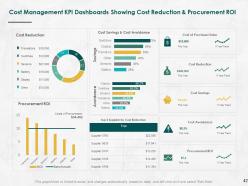
Slide 42: Esta slide representa Painéis de KPIs de Gestão de Custos mostrando Redução de Custos e ROI de Aquisições.
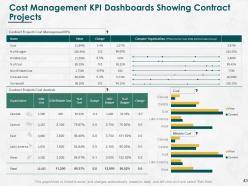
Slide 43: Esta slide descreve KPIs de Gestão de Custos de Projetos Contratuais.
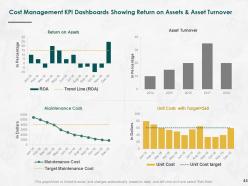
Slide 44: Esta slide representa Painéis de KPIs de Gestão de Custos mostrando Retorno sobre Ativos e Giro de Ativos.
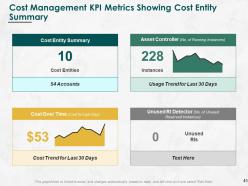
Slide 45: Esta slide apresenta Métricas de KPIs de Gestão de Custos mostrando Resumo de Entidade de Custos.
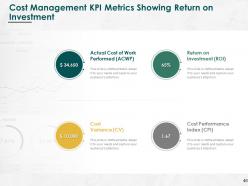
Slide 46: Esta slide apresenta Métricas de KPIs de Gestão de Custos mostrando Retorno sobre o Investimento.
Slide 47: Esta slide é intitulada como Slides Adicionais para Avançar.
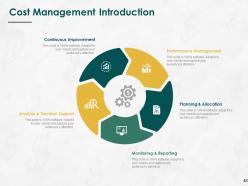
Slide 48: Esta slide exibe a Introdução à Gestão de Custos com - Gestão de Desempenho, Melhoria Contínua, Planejamento e Alocação, Monitoramento e Relatórios, Análise e Suporte à Decisão.
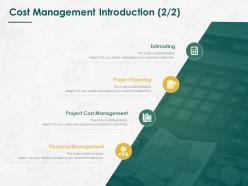
Slide 49: Esta slide exibe a Introdução à Gestão de Custos com - Estimativa, Planejamento de Projetos, Gestão de Custos de Projetos, Gestão Financeira.
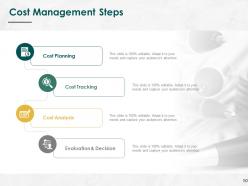
Slide 50: Esta slide descreve as Etapas da Gestão de Custos contendo - Planejamento de Custos, Rastreamento de Custos, Análise de Custos, Avaliação e Decisão.
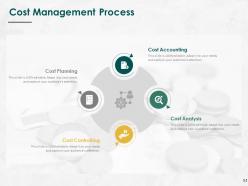
Slide 51: Esta slide descreve o Processo de Gestão de Custos exibindo - Contabilidade de Custos, Controle de Custos, Análise de Custos, Planejamento de Custos.
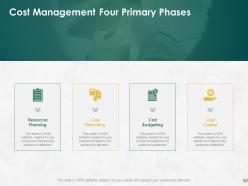
Slide 52: Esta slide exibe as Quatro Fases Primárias da Gestão de Custos com - Planejamento de Recursos, Estimativa de Custos, Orçamento de Custos, Controle de Custos.
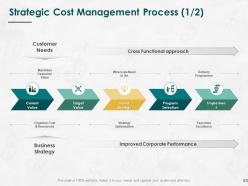
Slide 53: Esta slide apresenta o Processo de Gestão Estratégica de Custos.
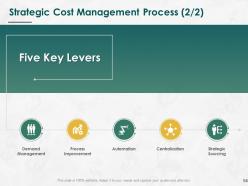
Slide 54: Esta slide apresenta o Processo de Gestão Estratégica de Custos com - Gestão da Demanda, Melhoria de Processos, Automação, Centralização, Aquisição Estratégica. Cinco Alavancas Principais
Slide 55: Esta é a Slide de Ícones de Gestão de Custos.
Slide 56: Esta é a Slide de Ícones de Gestão de Custos.
Slide 57: Esta é a Slide Nossa Equipe com nomes e designações.
Slide 58: Esta é a Slide Nossa Missão com imagens relacionadas.
Slide 59: Esta slide é intitulada Post It. Poste suas anotações importantes aqui.
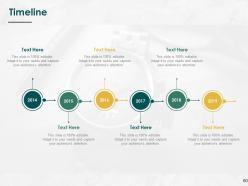
Slide 60: Esta é a Slide de Linha do Tempo de seis anos.
Slide 61: Esta é a Slide de Citações para transmitir mensagens, crenças, etc.
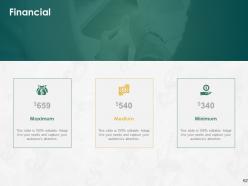
Slide 62: Esta é a Slide Financeira. Mostre coisas relacionadas a finanças aqui.
Slide 63: Esta é a Slide de Quebra-cabeça com ícones e caixas de texto.
Slide 64: Esta é a Slide Gerar Ideia com ideias, informações, etc.
Slide 65: Esta é a Slide de Agradecimento com endereço, número de contato e endereço de e-mail.
Apresentação de slides em PowerPoint de Gerenciamento de Custos com todas as 65 slides:
Utilize nossos slides de apresentação em PowerPoint de Gerenciamento de Custos para economizar seu tempo valioso de maneira eficaz. Eles estão prontos para se encaixar em qualquer estrutura de apresentação.



FAQs for Cost Management
Okay so first thing - nail down your cost estimates before anything else starts. Most people totally slack off on tracking once the project gets rolling, which is where everything goes sideways. Set up weekly budget reviews (trust me on this one), track your burn rate religiously, and don't let scope changes slip through without proper approval. Honestly the whole thing comes down to catching problems early when you can actually fix them instead of panicking at the end. Oh and establish clear baselines from day one - you'll thank yourself later when you're not scrambling to figure out where all the money went.
Dude, get yourself some automated expense tracking software - the AI stuff is crazy good at catching spending patterns you'd totally miss. Real-time budgeting platforms are clutch for seeing where money's going across teams. The reporting dashboards will literally save you from spreadsheet nightmare (trust me on this one). Digital invoice processing cuts out those annoying manual errors too. Oh, and procurement tools help you actually negotiate better deals with vendors. Honestly? Just pick one thing to start with, maybe expense reports. Once you see how much time it saves, you'll be hooked and want to automate everything else.
Think of budgeting as your financial GPS - it tells you where your money should go and keeps you from getting lost. You set spending limits upfront, then track what you're actually spending to see if you're on track. Without one, you're basically driving around with no clue where you're headed. The trick is being realistic when you make it (don't lowball everything just to look good). Then use it to catch problems early before they blow up. Honestly, I've seen too many people skip this step and wonder why they can't control costs later.
Okay so basically fixed costs don't change no matter what - rent, insurance, that kind of stuff. Variable costs go up and down with how much you're producing, like materials and labor. Then there's semi-variable which is honestly the annoying middle ground - think your electric bill with a base charge plus whatever you actually use. Why does this matter? Well, once you hit your fixed cost breakeven, extra sales become way more profitable. Variable costs give you flexibility but they'll chip away at your margins every time. I'd start by just sorting your expenses into these three categories - it'll make pricing and budgeting so much clearer.
Don't just slash costs randomly - you'll regret it later. Monthly reviews are key since everything changes so fast these days. Get different departments involved because they know where cuts actually hurt vs. help. Honestly, the "set and forget" approach with budgets is a disaster waiting to happen. Watch those sneaky indirect costs too, they pile up. And here's what I've learned - never go too hard on employee training or customer service cuts. That stuff always comes back to bite you. Before any big decision, just ask yourself what the real impact will be, not just the immediate savings.
Check your actual spending against what you budgeted every month - that's honestly the biggest game changer. I always flag anything that's off by 5% or more, then dig into those numbers. Don't worry about random one-time spikes though. What you really want to catch are the patterns that keep showing up month after month. Focus on stuff you can actually control first (no point stressing over things outside your hands). Set up some kind of alert system so you're not caught off guard, then jump on fixing the root cause right away before it gets worse.
Honestly, I'd start by digging into your last 12-18 months of spending - the patterns and seasonal stuff will tell you a lot. Build up from there by estimating costs department by department. Rolling forecasts are where it's at though, way better than those rigid annual budgets nobody sticks to anyway. You should definitely run some best/worst case scenarios too. Oh, and don't forget the obvious stuff like contract renewals coming up or if you're planning to hire. The real trick is updating everything monthly - old forecasts are pretty much garbage.
Look, procurement is basically your biggest weapon for cutting costs. Better supplier deals, fewer vendors, smarter sourcing - all that stuff hits your bottom line hard. Your decisions affect everything downstream too, like how much inventory you're stuck holding or dealing with quality disasters that cost you twice. Don't just go for the cheapest option though, that's amateur hour. Map out where you're spending the most money first - that's where the real savings are hiding. The whole point is making sure your buying strategy actually matches what you're trying to accomplish financially.
Start with budget variance - that's the most straightforward one. Cost per unit and tracking trends over time are solid basics too. Department/project breakdowns show you where the money's actually disappearing, which honestly can be pretty eye-opening sometimes. ROI and cost-to-revenue ratios matter a lot, but they're kind of a pain to calculate consistently. Forecasting accuracy is worth tracking since it tells you how good you are at predicting costs. Don't try to do everything at once though - get comfortable with the simple stuff first, then add the fancier metrics later.
So lean management is basically about cutting out all the pointless stuff that wastes money - like when departments overproduce things nobody needs or keep tons of inventory just sitting there. Instead of randomly slashing budgets, you figure out what actually matters to customers and ditch the rest. Honestly, most places have so much unnecessary junk in their processes it's ridiculous. Try mapping out just one workflow in your area and look for time-wasters. I bet you'll find at least three things to fix immediately. The cool part? You usually end up with better quality too, not just lower costs.
Okay so cost-benefit analysis is just a fancy way of saying "is this actually worth it?" You list out everything it'll cost you - money, time, whatever - then compare that to what you'll get back. Honestly, most people skip this step and just go with their gut, which is why so many projects blow up later. Put real numbers on stuff instead of guessing. Oh and definitely use it for anything expensive - learned that one the hard way! It helps you spot those sneaky costs that always pop up halfway through.
Honestly, the economy keeps throwing curveballs at cost management. Inflation hits? Time to renegotiate supplier deals and hunt for savings everywhere. Recession mode means cutting costs hard, but growth periods let you actually invest in automation or better people. Currency swings are the worst though - tracking international costs is such a pain. I learned the hard way that rigid annual budgets don't work anymore. You've got to stay flexible and do quarterly check-ins to adjust your priorities. Otherwise you're always playing catch-up with whatever economic mess is happening that month.
Track every single expense - I use spreadsheets but QuickBooks works too. Check your cash flow weekly, not monthly. Set budgets for different parts of your business and actually stick to them. Here's something most people don't do: ask suppliers for better payment terms. They'll usually say yes if you just ask nicely. Get multiple quotes for big purchases, obviously. Also, go through your subscriptions every month - all those random software tools add up fast. Keep business and personal money separate from the start (trust me on this one). Set up alerts so you know before you blow your budget.
Good training actually saves you money - your team gets way more efficient and stops making those brutal costly mistakes. People work faster with less hand-holding once they're properly skilled up. Honestly, the retention boost alone pays for itself since replacing someone is ridiculously expensive. Your staff will also spot process improvements you'd never think of. I'd track which training actually improves productivity though. Some programs are total duds, but when you find the ones that work? Double down hard on those.
Be upfront about your real costs - don't dump them on customers or employees unfairly. Cutting corners on safety or worker conditions might save money now, but it'll bite you later (trust me on this one). Think about how your decisions affect everyone, not just the board. Document why you made big cost cuts so you can defend them if things go sideways. Short-term savings that trash your company values? Bad move. I've watched businesses tank because they prioritized quarterly numbers over doing the right thing.
-
Awesomely designed templates, Easy to understand.
-
Unique research projects to present in meeting.
-
Awesomely designed templates, Easy to understand.
-
Perfect template with attractive color combination.