


Flow Diagram For Enterprise Fixed Asset Optimization Of Fixed Asset Techniques To Enhance




Try Before you Buy Download Free Sample Product
 Impress Your
 Audience
 100%
100% Editable
 Save Hours
 of Time


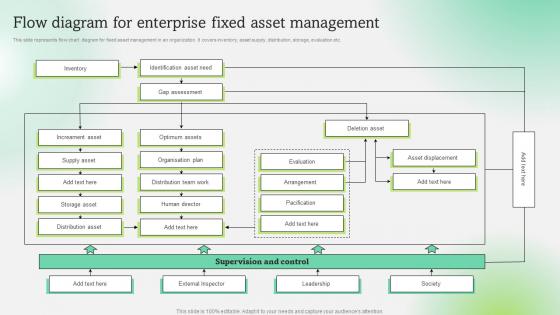
This slide represents flow chart diagram for fixed asset management in an organization. It covers inventory, asset supply, distribution, storage, evaluation etc.
People who downloaded this PowerPoint presentation also viewed the following :
Flow Diagram For Enterprise Fixed Asset Optimization Of Fixed Asset Techniques To Enhance with all 6 slides:
Use our Flow Diagram For Enterprise Fixed Asset Optimization Of Fixed Asset Techniques To Enhance to effectively help you save your valuable time. They are readymade to fit into any presentation structure.





FAQs for Flow Diagram For Enterprise Fixed Asset Optimization Of Fixed Asset
For tracking asset performance, focus on asset utilization rates and ROA first - those tell you if your stuff is actually making money. Asset turnover ratios are solid too. I'd also watch maintenance costs versus asset value, plus how often things break down. OEE is honestly where it's at for manufacturing gear, though it can be a pain to calculate at first. Oh, and compare your depreciation rates to real performance drops - sometimes equipment holds up way better than the books suggest. Start with maybe 2-3 metrics that fit your assets and check monthly. Catches issues early.
Honestly, ditch the spreadsheets and get some RFID tags or barcode scanners - they'll track everything automatically. GPS is a lifesaver for mobile stuff too. We lost a whole generator last month because nobody updated the damn spreadsheet. Software like IBM Maximo shows you maintenance schedules and depreciation in real dashboards, which is way better than manually calculating everything. IoT sensors are cool but maybe overkill at first? I'd start with one type of equipment, learn the system, then add more. The trick is making sure all your data talks to each other instead of living in separate silos.
So basically you want to nail three things: keeping up with maintenance, timing your replacements right, and actually using your stuff efficiently. Regular upkeep obviously keeps things running longer and saves you from those nightmare repair bills. Track your equipment's performance so you're not replacing things too early (waste of money) or too late (when repair costs go crazy). Also - and this one's huge - look at how you're actually using everything. Sometimes just moving equipment around between departments or tweaking your workflow can get way more life out of what you've got. I'd start by checking your current maintenance schedule first.
So depreciation basically tracks how your stuff loses value over time, but it's actually pretty useful for taxes. You get deductions even though you're not spending cash right then - weird but cool, right? When you're figuring out your asset strategy, those depreciation schedules matter a ton. They help you time when to replace equipment and calculate your actual returns. Here's the thing though - don't wait until something completely dies on you. Track the depreciation closely so you can plan ahead and maximize both the tax benefits and keep operations running smooth.
Dude, don't skip maintenance - I learned this the hard way. Emergency repairs cost like 3-4x more than just doing regular upkeep. Your equipment will actually run better too, use less energy and last way longer. I watched my old company blow thousands because they thought they could just ignore routine servicing. Honestly, it's such a false economy. Set up some kind of schedule and stick to it. Trust me, you'll be so glad when everything's still working instead of dying right when you need it most.
Yeah, totally doable! Better maintenance and refurb programs will stretch out how long your stuff lasts - way cheaper than buying new all the time. Energy upgrades are where the real money is though. Try leasing instead of owning, or find suppliers who'll take equipment back when you're done with it. Companies I know have dropped costs like 20% doing this circular economy thing. Track your green metrics alongside the financials so you can actually prove to your boss that it's working. Oh and honestly? Leadership loves when you can show them numbers that make sense.
Poor data accuracy is probably your biggest nightmare. Most places are still tracking million-dollar equipment on freaking spreadsheets - makes no sense. Manual processes? Nobody follows them consistently anyway. Start with RFID or barcodes for automated tracking. Pick your most expensive stuff first, then expand from there. Clean ownership responsibilities help too - someone needs to actually own each category of assets. Regular audits will save you headaches later. Oh, and set up monthly reviews to catch problems before they spiral. Trust me on this one.
Honestly, running the numbers on your equipment usage is pretty eye-opening - you'll probably find stuff sitting around way more than you realized. The data shows you which assets actually make money and when things are about to break down before they do. I'd start simple, maybe just track usage hours and maintenance costs in a spreadsheet. Sounds boring but you'll spot patterns fast. You can figure out the sweet spot for replacing equipment based on actual performance, not just how old it is. Plus scheduling gets way better when you know what's actually productive. Trust me, even basic analysis reveals opportunities you're totally missing right now.
Honestly, just start by walking around and tagging everything you see - yeah it's boring but you'll be amazed at what doesn't match your records. Then dig into which stuff actually gets used vs. what's collecting dust, plus look at maintenance costs because some equipment is just a money pit. Get your department heads involved since they know way better than anyone what's actually useful. Oh and check your depreciation schedules too - might find some gems ready for disposal. I'd do this every quarter if you can swing it, but even twice a year helps.
For fixed asset capex ROI, I usually run three calculations. Payback period first - super simple, just tells you when you'll recover the initial cash. NPV comes next and factors in time value of money, so you know if it actually creates value. Then IRR gives you the percentage return. Honestly, payback period is kinda limited since it ignores what happens after you break even, but it's a good sanity check. The real story comes from looking at all three together. NPV will tell you if it's worth doing, IRR shows how good the return is compared to other options.
Dude, training your people is seriously where the magic happens with asset management. Your equipment lasts way longer when operators actually know what they're doing. Downtime drops like crazy too. I've watched companies slash maintenance costs by 20-30% just from teaching their crews the right way to handle stuff - it's wild how much difference it makes. Don't just show them the "how," explain the reasoning behind it. Oh, and start with your priciest equipment first. That's where you'll see results fastest and can prove it's worth the investment.
So basically, you've gotta track and report on your assets because regulations aren't optional - they'll cost you big time if you screw up. Tax depreciation needs detailed records. Environmental rules are huge for IT disposal (learned that one the hard way). SOX compliance if you're in finance. Total headache but way cheaper than the fines. Here's what actually works: build the compliance stuff right into your workflow from the start. Don't wait until audit season to figure it out - you'll be pulling all-nighters and probably miss something important anyway.
Figure out which equipment is constantly breaking down or draining your budget first. Those squeaky machines everyone complains about? Half the time they're not even your real problem - trust me on that one. Do the math on each upgrade: repair costs, downtime, energy savings, the whole deal. Focus on stuff that'll either stop the endless breakdowns or actually boost your output. Oh, and check if you've got any compliance deadlines breathing down your neck. Make a simple scoring system with all these factors. Then just work your way down the list, highest scores first.
Track your asset utilization rates and maintenance costs per asset first - those tell you the most. Downtime percentages are huge too. ROI and payback periods show if stuff is actually making money. Lifecycle costs are honestly my favorite metric because everyone ignores it, but it'll tell you when you're being stubborn about replacing old equipment. Don't buy new gear until you check capacity utilization on what you already have. Monthly dashboards work great, then dig deeper quarterly. Just start with whatever data you can grab easily - perfect systems are overrated.
Honestly, you just need three things: asset tags (barcodes work fine), a database to track everything, and regular check-ups. Tag your valuable stuff first and get it into whatever asset management software fits your budget. The scanning part is weirdly satisfying once you get going - maybe that's just me though. Train everyone on the check-in/check-out process because people will definitely try to wing it otherwise. Set up maintenance alerts and do physical counts every few months. But here's the real deal: make one person actually responsible for this stuff. I've seen too many "everyone's job" situations turn into nobody's job real quick.
-
Excellent Designs.
-
Great quality slides in rapid time.