

Operational performance metrics powerpoint presentation slides




Try Before you Buy Download Free Sample Product
 Impress Your
 Audience
 100%
100% Editable
 Save Hours
 of Time


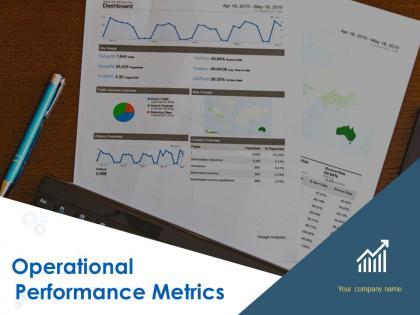
Measure company’s performance against given indicators of effectiveness with the help of content-ready Operational Performance Metrics PowerPoint Presentation Slides. Evaluate quality, speed, dependability, flexibility, and cost of the project that are of utmost importance in business. Use ready-made operational performance PPT presentation slideshow to assess whether the delivered products and services to the customers are of high quality. Ensure best of the products are provided to the consumers in the most cost-effective manner by incorporating operational performance metrics PowerPoint templates. This deck comprises of various templates that will help you measure your firm’s operational performance. These templates are completely customizable. Edit color, text, icon and font size as per your need. Add the numbers and check the operational performance. Align all business units within an organization and achieve core business goals. Use operational performance metrics to assess data. Measure waste reduction, productivity, etc with operational performance metrics PowerPoint presentation slides. Honour your audience with a grand parade of your thoughts. Shower on them the confetti of our Operational Performance Metrics Powerpoint Presentation Slides.
People who downloaded this PowerPoint presentation also viewed the following :
Content of this Powerpoint Presentation
Slide 1: This slide introduces Operational Performance Management. State Your Company Name and begin.
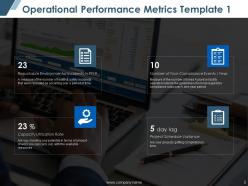
Slide 2: This slide presents Operational Performance Metrics Template 1. You can use it as per your choice.
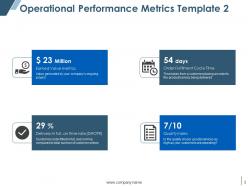
Slide 3: This slide showcases Operational Performance Metrics Template 2.
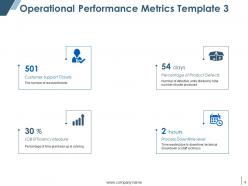
Slide 4: This slide shows Operational Performance Metrics Template 3. You can add the details and use it.
Slide 5: This slide presents Operational Performance Management Icon Slide.
Slide 6: This slide is titled Additional Slides to move forward.
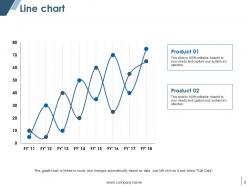
Slide 7: This slide forwards to Charts & Graphs.
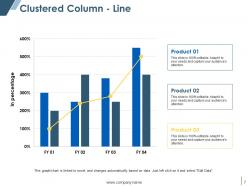
Slide 8: This slide shows a Stacked bar in terms of percentage and years for comparison of Products.
Slide 9: This slide presents Bubble Chart. You can use it for comparing.
Slide 10: This slide represents Our Mission. State your mission, goals etc.
Slide 11: This slide showcases Our Team with Name and Designation to fill.
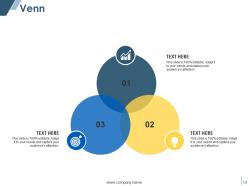
Slide 12: This is a Venn diagram image slide to show information, specifications etc.
Slide 13: This is a Bulb Or Idea image slide to show information, innovative aspects etc.
Slide 14: This is a Thank You slide for acknowledgement.
Operational performance metrics powerpoint presentation slides with all 15 slides:
Bask in the glory with our Operational Performance Metrics Powerpoint Presentation Slides. You will earn every bit of the admiration.





FAQs for Operational performance metrics
Stick to the big four: efficiency, quality, cost, and time. Track things like resource use and throughput for efficiency. Quality means error rates and customer satisfaction - the usual suspects. Cost per unit and budget variance will keep your finance people happy (trust me on this one). Don't forget cycle times and delivery performance either. Here's the thing though - resist the urge to measure everything. Pick maybe 5-7 metrics that actually move the needle for your business. Start with whatever hits your customers and profit margins hardest. Way better than drowning in data you'll never use.
Figure out what metrics actually move the needle in your space - stuff like revenue per employee or customer acquisition costs. Trade association reports are honestly your best bet for this data, or you could try IBISWorld if you've got the budget. Just don't fall into the trap of comparing your startup to Apple, you know? Stick to similar company sizes. I'd track these quarterly - the gaps will basically tell you exactly where to focus your energy. Way more useful than just guessing what's broken.
Honestly, data analytics is a game changer for figuring out what's actually broken in your operations. Instead of just guessing why stuff isn't working, you get real answers. Your delivery times are trash? The data will show you which routes are the problem. It helps you catch issues before they blow up into expensive disasters too. Plus you can see if the changes you're making are actually doing anything - which is huge because most people just implement stuff and hope for the best. I'd say pick one thing that's really bugging you and start tracking that first.
Look, here's what works: track the stuff customers actually feel - response times, how often you mess up orders, delivery speed, how fast you fix problems. Most companies get obsessed with internal numbers while totally ignoring what matters to customers (honestly drives me crazy). Connect your operational data to what customers experience. So like, if your fulfillment slows down, you should see satisfaction tank too. Build dashboards showing both sides and set alerts when customer-facing metrics start going south. That way you're not flying blind when things get rough.
Honestly, most people measure way too much random stuff instead of focusing on what actually moves the needle. Don't get sucked into vanity metrics that look cool but mean nothing. Also - and I see this all the time - looking at things in isolation is pointless. Sure, your customer satisfaction might be perfect, but you're probably bleeding money to get there. Pick maybe 3-5 metrics that actually tie to your main goals. Check them regularly too, because what mattered six months ago might not matter now. Your business changes, so your metrics should change with it.
You can't just copy-paste metrics across industries - they're totally different animals. Manufacturing cares about defect rates and machine downtime. Retail? All about inventory turnover and same-store sales. Meanwhile healthcare tracks patient wait times and readmissions (which honestly makes sense when you think about it). Financial services gets obsessed with processing accuracy and compliance stuff that would bore anyone else to tears. The trick is figuring out what actually drives value in your space. Don't just grab generic KPIs from some business book. Check what your biggest competitors are reporting publicly, then dig into the operational stuff behind those flashy numbers.
Dashboard tools like Tableau or Power BI are great starting points - they'll connect to multiple data sources and visualize your KPIs really well. Google Data Studio's actually pretty decent if budget's an issue. Grafana works better for real-time monitoring stuff. Honestly, Excel still does the trick for simpler datasets (I know, I know, but it works). The thing is, your team needs to actually want to use whatever you pick. No point getting the flashiest tool if everyone ignores it. Start with something straightforward, then upgrade when things get more complex.
Honestly, just start with whatever spreadsheet you've got lying around. Google Sheets works fine for the basics - track maybe 2-3 things that actually matter to your bottom line, like how fast you respond to customers or your conversion rates. Don't go crazy trying to measure everything (learned that one the hard way). You can make simple charts right in Sheets to spot trends. The real trick? Block out like 30 minutes each week to actually look at the numbers and do something about it. Consistency beats fancy tools every time.
So basically, leading metrics show you what's coming while lagging ones just confirm what already went down. Leading stuff is like tracking employee training hours or how fast you respond to complaints - things you can actually control right now. Lagging metrics? That's your revenue, downtime, customer satisfaction scores after the fact. Here's what drives me crazy though - everyone gets obsessed with the lagging numbers when they should be watching the leading ones way more closely. I mean, you can't change last quarter's results, but you can definitely fix what's happening today. Focus on those early warning signs and you won't be scrambling when the quarterly reports come out looking terrible.
Stop treating your operational metrics like some separate thing from planning - that's where teams screw up. Bring your cycle times, quality scores, all that stuff right into your strategy meetings. I've watched so many teams keep these worlds apart and it's just dumb. Your operational data should tell you if your strategic goals are even doable, plus it'll show you gaps before they bite you. Pick maybe 3-4 metrics that actually matter for your priorities and review them monthly. Oh, and build dashboards so everyone can see how daily work connects to bigger objectives.
Metrics can totally backfire if you're not careful about it. Sure, they create accountability and people like seeing their progress, but I've watched teams get super stressed when it feels like micromanaging. The trick is picking ones that actually matter - not just stuff that's easy to measure. Get your team involved in choosing what to track, honestly that's half the battle right there. When people understand how their numbers connect to the bigger picture, they buy in way more. Don't just dump a dashboard on them and expect magic. Ask them first what they think good work looks like.
Quarterly reviews are the bare minimum, but monthly's way better if you can manage it. Things change so fast now - I've watched teams waste months tracking stuff that stopped mattering ages ago because no one bothered checking. Really depends on your situation though. Startups probably need monthly pivots, but established companies can cruise with quarterly check-ins. Just set those calendar reminders and don't blow them off like I always do with my dentist appointments. Block out 2 hours next month to actually look at what you're measuring right now.
Ugh, the main issue is everyone's using totally different systems. Sales lives in Salesforce, ops is stuck in Excel hell, and engineering built their own thing. It's chaos honestly. People also get weird and territorial about their data - nobody wants to look bad when numbers get compared. Then you've got all the boring technical stuff like file formats not matching up and permission issues. My advice? Pick like 3-5 metrics that actually matter to everyone and just focus on those first. Don't try to boil the ocean right away.
Dude, turning those boring spreadsheets into actual visuals is a game changer. You'll spot problems way faster when you can see trends and weird spikes at a glance instead of staring at endless rows of numbers. Your team won't need PhD's in data science to figure out what's going on either. Charts make it super obvious when you're crushing targets or when things are going sideways - honestly, I wish I'd started doing this sooner. Just begin with basic line charts for your main metrics. Raw data dumps are the worst for making quick decisions.
Look at Toyota - they nailed lean manufacturing by obsessing over OEE and takt time metrics. Everyone basically copies their homework now. Amazon dominates delivery because they track fulfillment accuracy and cycle times religiously. GE uses predictive maintenance metrics with digital twins to avoid expensive breakdowns. The key? Pick metrics that actually affect your bottom line, not vanity numbers. I'd say stick to 3-5 max - more than that and your team gets overwhelmed trying to chase everything at once. Focus on what directly connects to business results.
-
Presentation Design is very nice, good work with the content as well.
-
Appreciate the research and its presentable format.