


Diapositives de présentation PowerPoint pour le coaching professionnel




Try Before you Buy Download Free Sample Product
 Impress Your
 Audience
 100%
100% Editable
 Save Hours
 of Time


Aidez à atteindre des objectifs personnels et professionnels grâce à nos diapositives de présentation PowerPoint de coaching professionnel conçues de manière professionnelle. Ce jeu de diapositives PowerPoint de coaching de vie comprend une analyse du roulement de la main-d'œuvre, une tendance du roulement des employés, les moteurs du roulement des employés, le mode de ciblage des domaines. Les différents moteurs du roulement des employés peuvent être présentés à l'aide de ces modèles de formation professionnelle PowerPoint. Déterminez les domaines à cibler qui doivent être abordés lors des séances de coaching. Donnez un aperçu du coaching de carrière en mentionnant différents processus tels que la découverte, l'évaluation, les opportunités et l'exécution. Fournissez un plan de travail de coaching en incluant les détails des séances et des évaluations avec ce jeu de diapositives de formation PowerPoint. Vous pouvez également mentionner les moyens d'apporter un encouragement constant lors des séances de coaching en utilisant nos modèles de mentorat PPT. Tirez pleinement parti d'icônes de haute qualité et d'images époustouflantes pour rendre votre présentation plus informative et attrayante. Par conséquent, fournissez des conseils à travers un cours d'action approprié en téléchargeant cette présentation PPT de coaching professionnel prête à l'emploi.
People who downloaded this PowerPoint presentation also viewed the following :
Contenu de cette présentation Powerpoint
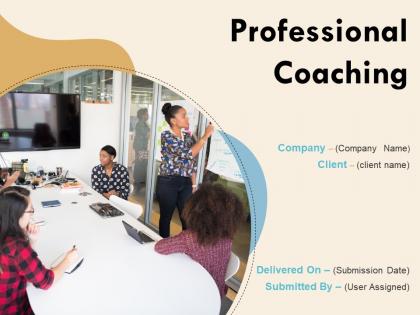
Diapositive 1 : Cette diapositive présente le coaching professionnel. Indiquez le nom de l'entreprise, le nom du client, la date de soumission et l'utilisateur assigné.
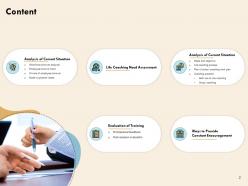
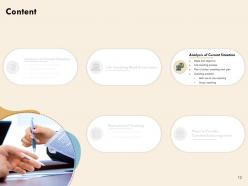
Diapositive 2 : Cette diapositive affiche le contenu
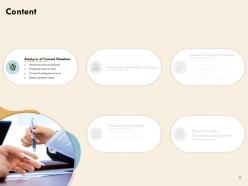
Diapositive 3 : Cette diapositive présente l'analyse de la situation actuelle.
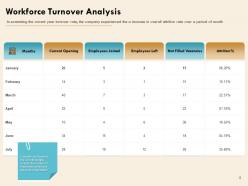
Diapositive 4 : Cette diapositive présente l'analyse du roulement de la main-d'œuvre
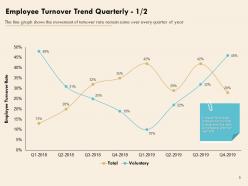
Diapositive 5 : Cette diapositive présente la tendance trimestrielle du roulement des employés.
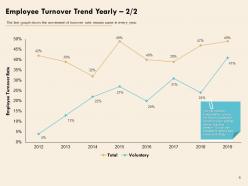
Diapositive 6 : Cette diapositive affiche la tendance annuelle du roulement des employés.
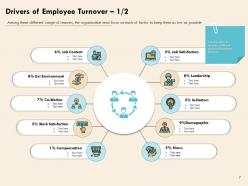
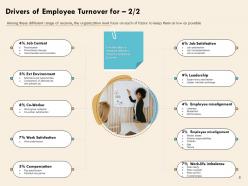
Diapositive 7 : Cette diapositive montre les facteurs du roulement des employés
Diapositive 8 : Cette diapositive présente les facteurs du roulement des employés
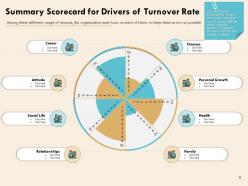
Diapositive 9 : Cette diapositive présente le tableau de bord récapitulatif
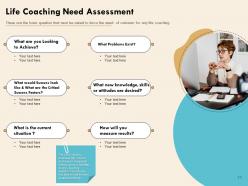
Diapositive 10 : Cette diapositive affiche l'évaluation des besoins en coaching de vie
Diapositive 11 : Cette diapositive montre l'évaluation des besoins en coaching de vie
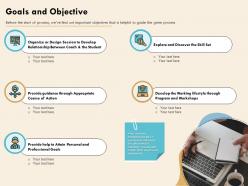
Diapositive 12 : Cette diapositive présente les objectifs et les buts
Diapositive 13 : Cette diapositive montre les objectifs et les buts
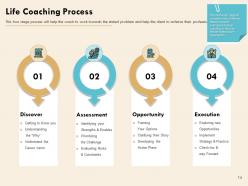
Diapositive 14 : Cette diapositive montre le processus de coaching de vie pour le coaching professionnel. Le diagramme mentionné comprend quatre étapes différentes pour donner un aperçu du coaching de carrière. Les utilisateurs peuvent modifier les étapes selon les besoins
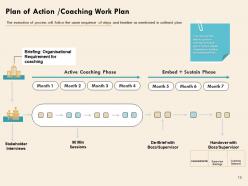
Diapositive 15 : Cette diapositive affiche le plan d'action/d'affaires. Vous pouvez utiliser cette diapositive pour donner un aperçu du plan de travail comprenant les détails des sessions, des briefings et des évaluations
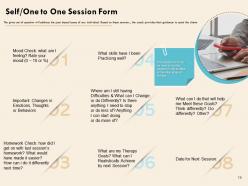
Diapositive 16 : Cette diapositive montre le formulaire de session individuelle/en tête-à-tête
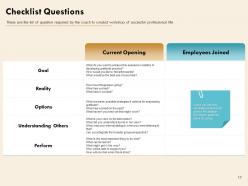
Diapositive 17 : Cette diapositive affiche la liste des questions
Diapositive 18 : Cette diapositive présente les commentaires professionnels
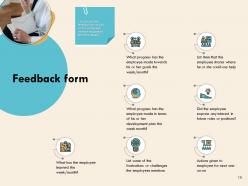
Diapositive 19 : Cette diapositive représente le formulaire de commentaires pour les employés/clients
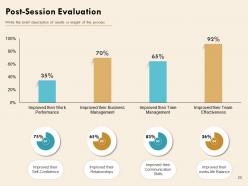
Diapositive 20 : Cette diapositive montre l'évaluation post-session. Rédigez une brève description des résultats ou des perspectives du processus
Diapositive 21 : Cette diapositive montre les moyens d'encourager constamment
Diapositive 22 : Cette diapositive présente les moyens d'encourager constamment.
Diapositive 23 : C'est la diapositive des icônes pour le coaching de vie professionnelle.
Diapositive 24 : Cette diapositive est intitulée Diapositives supplémentaires pour aller de l'avant.
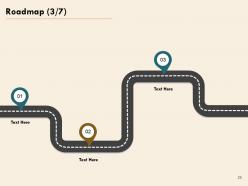
Diapositive 25 : Cette diapositive montre le processus de la feuille de route.
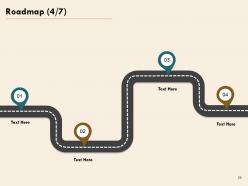
Diapositive 26 : Cette diapositive présente un processus de feuille de route en 4 étapes.
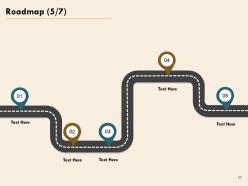
Diapositive 27 : Cette diapositive affiche un processus de feuille de route en 5 étapes.
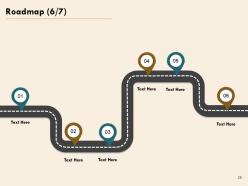
Diapositive 28 : Cette diapositive affiche un processus de feuille de route en 6 étapes.
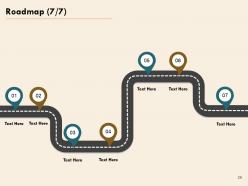
Diapositive 29 : Cette diapositive montre un processus de feuille de route en 7 étapes.
Diapositive 30 : C'est la diapositive du plan sur 30 60 90 jours.
Diapositive 31 : Cette diapositive affiche le processus de carte heuristique.
Diapositive 32 : Cette diapositive présente les objectifs.
Diapositive 33 : Cette diapositive montre un espace pour afficher les notes importantes
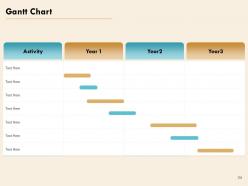
Diapositive 34 : Cette diapositive affiche le diagramme de Gantt.
Coaching Professionnel Présentation PowerPoint Diapositives avec les 34 diapositives :
Utilisez nos diapositives de présentation PowerPoint de coaching professionnel pour vous aider efficacement à gagner du temps précieux. Elles sont prêtes à s'intégrer dans n'importe quelle structure de présentation.
-
Professional Coaching Powerpoint Presentation Slides
-
Professional Coaching Powerpoint Presentation Slides
-
Professional Coaching Powerpoint Presentation Slides
-
Professional Coaching Powerpoint Presentation Slides
-
Professional Coaching Powerpoint Presentation Slides
-
Professional Coaching Powerpoint Presentation Slides
-
Professional Coaching Powerpoint Presentation Slides
-
Professional Coaching Powerpoint Presentation Slides
-
Professional Coaching Powerpoint Presentation Slides
-
Professional Coaching Powerpoint Presentation Slides
-
Professional Coaching Powerpoint Presentation Slides
-
Professional Coaching Powerpoint Presentation Slides
-
Professional Coaching Powerpoint Presentation Slides
-
Professional Coaching Powerpoint Presentation Slides
-
Professional Coaching Powerpoint Presentation Slides
-
Professional Coaching Powerpoint Presentation Slides
-
Professional Coaching Powerpoint Presentation Slides
-
Professional Coaching Powerpoint Presentation Slides
-
Professional Coaching Powerpoint Presentation Slides
-
Professional Coaching Powerpoint Presentation Slides
-
Professional Coaching Powerpoint Presentation Slides
-

Professional Coaching Powerpoint Presentation Slides
-

Professional Coaching Powerpoint Presentation Slides
-
Professional Coaching Powerpoint Presentation Slides
-
Professional Coaching Powerpoint Presentation Slides
-
Professional Coaching Powerpoint Presentation Slides
-
Professional Coaching Powerpoint Presentation Slides
-
Professional Coaching Powerpoint Presentation Slides
-
Professional Coaching Powerpoint Presentation Slides
-
Professional Coaching Powerpoint Presentation Slides
-
Professional Coaching Powerpoint Presentation Slides
-

Professional Coaching Powerpoint Presentation Slides
-

Professional Coaching Powerpoint Presentation Slides
-
Professional Coaching Powerpoint Presentation Slides
FAQs for Professional Coaching
Honestly, start with listening - like *really* listening, not just waiting for your turn to talk. That's the foundation everything else builds on. You'll need to get good at asking questions that make people think (way harder than it sounds). Goal-setting and accountability are obvious ones, but emotional intelligence? That's probably the secret sauce most people overlook. Oh, and here's the thing - resist the urge to give advice. Stay curious instead. It's what separates amazing coaches from the meh ones. The ICF has eight official competencies if you want the formal breakdown, but building trust from day one matters more than checking boxes.
So coaching basically gives you structured time to figure your shit out and set real goals. It's huge for spotting your blind spots and handling career changes. Companies use it too - better leaders, smoother teams, all that. Actually, I've noticed people just argue less after going through it, which is kind of interesting. The trick is finding someone who actually understands your situation, not just some generic advice-giver. Oh, and definitely know what you're trying to fix before you start shopping around for coaches.
Most coaches kick things off with some paperwork and then dive into discovery sessions to figure out where you're at. They'll grill you about current struggles, what's happened before, your vision for the future - that sort of thing. Assessment tools are pretty common too (personality tests, feedback surveys, values stuff). Some of those results can be genuinely surprising, not gonna lie. The good coaches also pick up on how you communicate and your energy during talks. Oh, and they're great at helping nail down fuzzy goals. Just be ready to get real about what's actually blocking you - that's honestly where things get interesting.
So coaching works because it gives leaders real feedback they'd never get otherwise - who's gonna tell their boss they suck at something, right? It's like having a safe practice space where they can mess up without consequences. Your high-potential people get personalized help with their actual day-to-day challenges instead of generic leadership training. They'll spot their own blind spots and work on emotional intelligence stuff. Honestly, most leaders are kinda flying blind without it. I'd start with the ones who actually want to improve - you can't force growth on people who aren't ready.
So with individual coaching, you're really digging into someone's personal goals and blind spots through those deep one-on-one conversations. Team stuff is totally different though - you're dealing with group dynamics and collective problems like communication mess-ups or when everyone's pulling in different directions. Honestly, individual sessions can feel weirdly therapeutic sometimes (but in a good way!). Team coaching is more about managing productive conflict and getting people on the same page. Your questioning style stays pretty much the same, but with groups you're constantly reading the room and making sure the quiet ones actually speak up. First thing - figure out if you're dealing with personal issues or bigger systemic problems. That'll shape everything else.
Honestly, EQ is everything in coaching - way more important than people realize. You've got to read between the lines with clients, catch what they're NOT saying through their tone or how they're sitting. Managing your own stuff is critical too because trust me, your emotional baggage will leak into sessions if you're not careful. The whole thing falls apart without that human connection. I mean, otherwise you're just some person giving random advice, right? Self-awareness is probably the hardest part though. Next time you're with a client, really watch their body language - you'll be surprised what you pick up.
Oh man, cultural stuff totally changes the game in coaching. Direct feedback works great for some people, but others think you're being a complete asshole - learned that one the hard way! Time perception is wild too - some clients show up exactly on time, others treat it more like a suggestion. Authority dynamics get tricky since not everyone's comfortable challenging their "coach." Success means different things to different people, obviously. I always ask upfront now about communication style and cultural background. Saves so much awkwardness later when you accidentally offend someone by being too blunt.
Oh man, limiting beliefs are tricky but there's some solid stuff that works. Get them to list evidence for AND against what they're thinking - usually shows how weak these beliefs really are. The "what would you tell your best friend?" trick is honestly my favorite because we're all so much harder on ourselves, right? Reframing helps too, just finding different angles on their situation. Scaling questions work well ("rate this belief 1-10") since it proves these aren't set in stone. I usually mix 2-3 techniques in one session - seems to stick better that way.
Okay so the big three are confidentiality, boundaries, and staying in your lane. Never share client stuff - that's non-negotiable. Be super clear about what you can actually do vs what a therapist does. Don't pretend you're qualified for things you're not! Informed consent matters too - clients need to know your process, what they're paying for, all that. Always put their needs first and avoid messy dual relationships. Honestly? If you're not the right fit, say so. Get proper training, maybe join a coaching association for guidelines. When you're unsure, refer them to someone else.
Honestly, tech can be a total game-changer for coaching. Video calls let you work with clients anywhere, and progress tracking apps keep them accountable between sessions. Some of the new assessment tools are pretty mind-blowing - way better than the clunky stuff from a few years ago. Digital journals help clients stay engaged daily instead of just showing up for your weekly call. Oh, and automated scheduling? Life saver. No more email ping-pong trying to find a time that works. My advice: don't go overboard at first. Pick one tool that'll solve your biggest headache, get comfortable with it, then slowly add more.
Honestly, you gotta track the concrete stuff AND how you actually feel. Set measurable goals upfront with your coach - like how fast you make decisions or how often you're dealing with team drama. Check in monthly, not at the very end. But here's what I think matters most: that Sunday night feeling. Are you still dreading Monday? Also watch if you're delegating better and getting different feedback from your team. Oh, and track your goal hit rate obviously. The trick is having those baselines from day one so you're not just guessing if it's working.
You gotta learn their world first - like, really understand what makes each industry tick. Healthcare execs deal with life-or-death stuff while tech people move fast and break things, you know? I totally bombed this early on by treating everyone the same. Do your homework on their challenges and what success actually looks like for them. Then switch up everything - your examples, how you talk, the whole approach. Startup folks want quick solutions yesterday. Manufacturing leaders? They love processes and structure. Oh, and always ask what you're missing about their industry because there's always something.
ICF credentials are basically required at this point - they're what everyone expects. After that, keep doing CEUs through workshops or webinars. The field changes so fast it's ridiculous. I'd also look into niche stuff like executive coaching or mindfulness training, depending on your clients. Oh, and don't just pile on random certifications. Figure out what your ideal clients actually need first, then get certified in that. Leadership coaching's huge right now if you're targeting corporate folks. Mix the foundational stuff with specialized knowledge - that's where you'll stand out.
Honestly, when clients push back, getting curious works way better than doubling down. I'll ask stuff like "what's making this feel hard?" or "what would help this work better for you?" Used to take it so personally - huge mistake lol. Now I see resistance as intel about what's actually going on. Most times it's fear or they feel unheard, not them being difficult. Slow down and acknowledge their concerns. Sometimes that actually speeds things up. Oh and flip the script - talk about their goals instead of what you think they should do.
Think of a coaching agreement like your GPS and insurance policy combined. You need clear boundaries - what you're tackling, meeting frequency, success metrics. Otherwise sessions just... drift. I've watched coaching relationships crash because nobody set ground rules from day one. Plus it covers your ass legally and keeps both people honest. Way harder to flake when everything's documented, you know? Honestly, some coaches skip this step and regret it later. Just hammer out these details before you dive into the real work.
-
Appreciate the research and its presentable format.
-
Use of different colors is good. It's simple and attractive.
-
Excellent design and quick turnaround.