

Performance Coaching Powerpoint Presentation Slides






Try Before you Buy Download Free Sample Product
 Impress Your
 Audience
 100%
100% Editable
 Save Hours
 of Time


Performance Coaching PowerPoint Presentation Slides are designed to showcase performance management process and practices. The performance planning PowerPoint complete deck displays creative and professional looking slides such as performance management program, core performance criteria, performance planning, guidelines, goal setting process types of goals and priorities, performance coaching, employees’ responsibilities, supervisors responsibilities, do’s and don’ts, performance feedback, multiple sources of feedback, feedback forms, performance review and development, performance assessment, ratings, improvement plan, supervisors comments, employee development program, performance management KPIs and dashboard etc. It has professionally designed templates with relevant visuals and subject driven content. Managers can use performance management PPT visuals to align company goals with goals of employees and teams in order to improve the efficiency, productivity, and profitability. Download performance measurement presentation layout to create transparency in the achievement of company goals.
People who downloaded this PowerPoint presentation also viewed the following :
Content of this Powerpoint Presentation
Slide 1: This slide introduces Performance Coaching. State Your Company Name and begin.
Slide 2: This slide shows Content of the presentation.
Slide 3: This is an Introduction slide describing- Project Background, Performance Management Program, Core Performance Criteria & Categories.
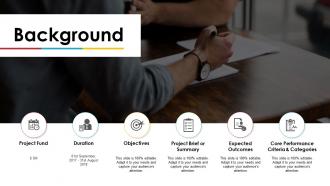
Slide 4: This slide showcases Background with- Project Fund, Duration, Objectives, Project Brief or Summary, Expected Outcomes, Core Performance Criteria & Categories.
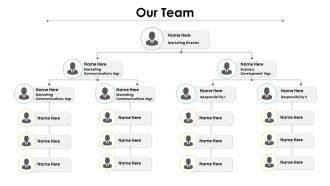
Slide 5: This is Our Team slide with names and designation.
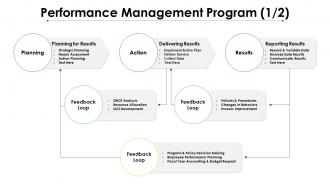
Slide 6: This slide shows Performance Management Program with- Planning, Action, Results, Feedback Loop.
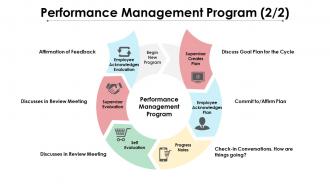
Slide 7: This is another slide describing Performance Management Program.
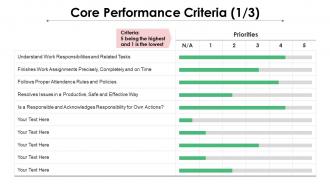
Slide 8: This slide presents Core Performance Criteria priority wise.
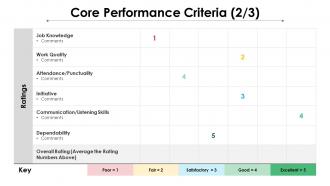
Slide 9: This slide displays Core Performance Criteria rating wise.
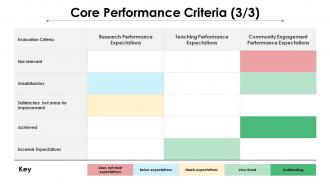
Slide 10: This is another slide on Core Performance Criteria. You can add or edit data as per requirements.
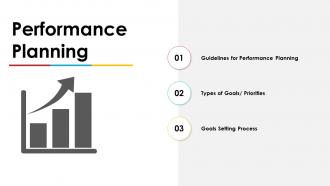
Slide 11: This slide represents Performance Planning describing- Guidelines for Performance Planning, Types of Goals/ Priorities, Goals Setting Process.
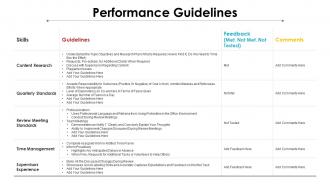
Slide 12: This slide shows Performance Guidelines in a tabular form.
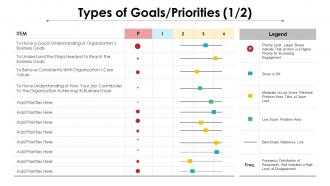
Slide 13: This slide presents Types of Goals/Priorities. You can add or edit goals and their priorities as per requirements.
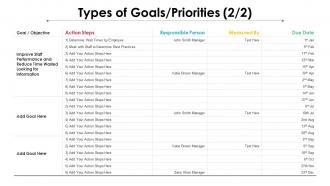
Slide 14: This is another slide describing Types of Goals/Priorities.
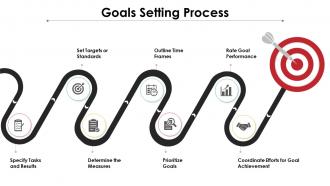
Slide 15: This slide displays Goals Setting Process describing- Specify Tasks and Results, Set Targets or Standards, Determine the Measures, Outline Time Frames, Rate Goal Performance, Coordinate Efforts for Goal Achievement, Prioritize Goals.
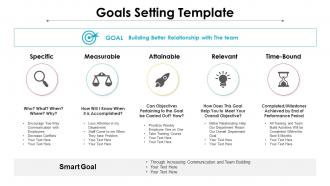
Slide 16: This slide represents Goals Setting Template describing- Specific, Measurable, Attainable, Relevant, Time-Bound.
Slide 17: This slide displays Performance Coaching with related imagery.
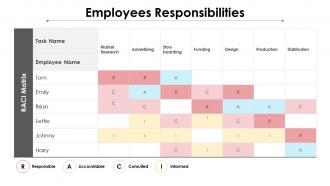
Slide 18: This slide represents Employees Responsibilities in a matrix form.
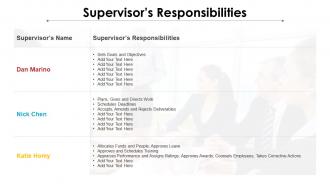
Slide 19: This slide showcases Supervisor’s Responsibilities in tabular form.
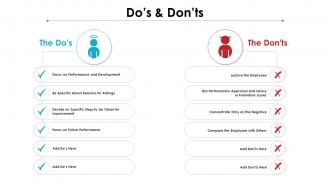
Slide 20: This slide shows Do’s & Don’ts. You can add or edit data as per requirements.
Slide 21: This slide presents Performance Feedback with related imagery.
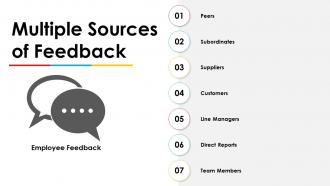
Slide 22: This slide displays Multiple Sources of Feedback as- Peers, Subordinates, Suppliers, Customers, Team Members, Line Managers, Direct Reports.
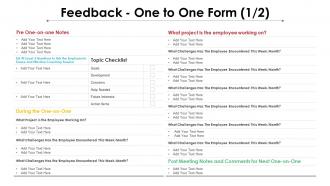
Slide 23: This slide represents Feedback - One to One Form. You can add or edit data as per requirements.
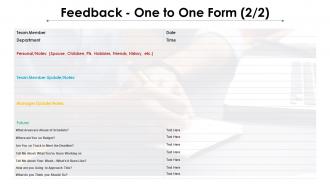
Slide 24: This is another slide for Feedback - One to One Form.
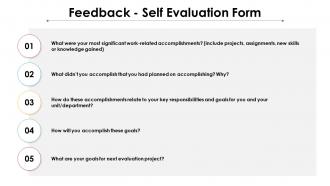
Slide 25: This slide showcases Feedback - Self Evaluation Form.
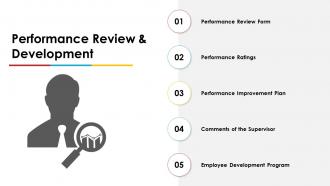
Slide 26: This slide displays Performance Review & Development with related imagery.
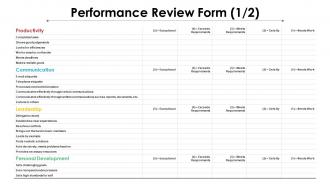
Slide 27: This slide shows Performance Review Form with categories as Productivity, Communication, Leadership and Personal development.
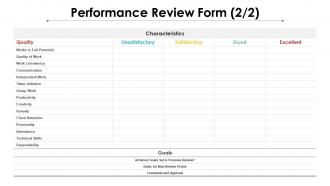
Slide 28: This is another slide with Performance Review Form describing characteristics.
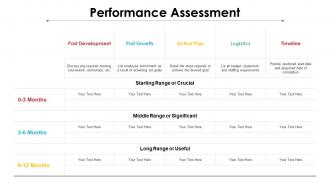
Slide 29: This slide presents Performance Assessment in a tabular form.
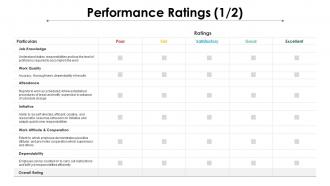
Slide 30: This slide displays Performance Ratings in a tabular form with rating scale from poor to excellent.
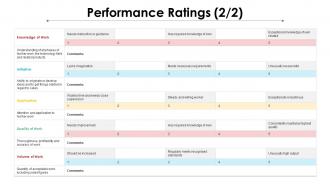
Slide 31: This is another slide on Performance Ratings. You can add or edit text as per requirements.
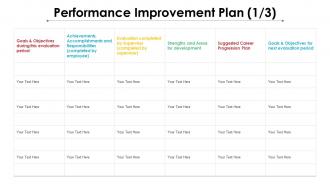
Slide 32: This slide represents Performance Improvement Plan in tabular form with additional text boxes.
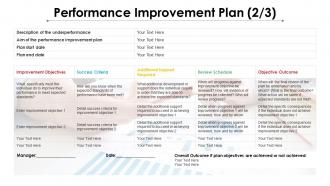
Slide 33: This slide showcases Performance Improvement Plan describing Improvement objectives, Success Criteria, Additional support required, review schedule and objective outcome.
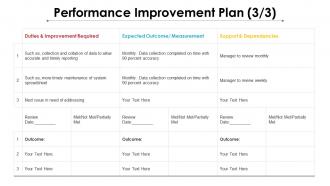
Slide 34: This slide shows Performance Improvement Plan with duties and improvement required, expected outcome/measurement, support and dependencies.
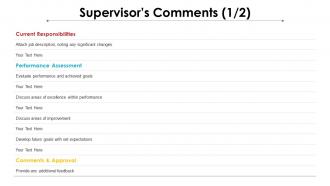
Slide 35: This slide presents Supervisor’s Comments with categories as Current responsibilities, Performance assessment. Comments & approval.
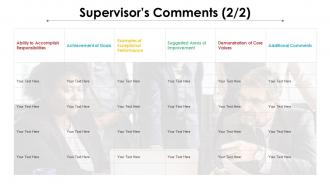
Slide 36: This is another slide on Supervisor’s Comments in tabular form.
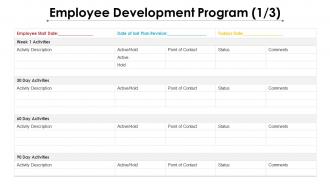
Slide 37: This slide displays Employee Development Program with weekly, 30 day, 60 day, and 90 day activities.
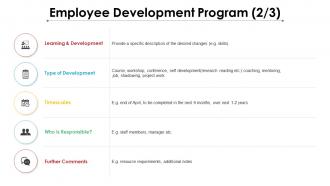
Slide 38: This is another slide on Employee Development Program with categories as Learning & development, Type of development, Timescales, person responsible, Comments.
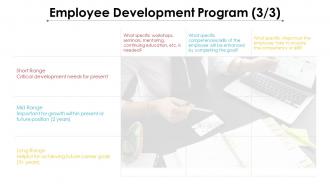
Slide 39: This is another slide on Employee Development Program in a matrix form.
Slide 40: This slide displays Performance Management KPIs & Dashboard with related imagery.
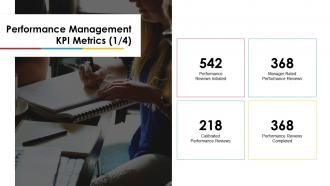
Slide 41: This slide shows Performance Management KPI Metrics with imagery and text.
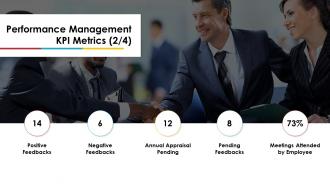
Slide 42: This slide presents Performance Management KPI Metrics describing- Positive Feedbacks, Negative Feedbacks, Annual Appraisal Pending, Pending Feedbacks, Meetings Attended by Employee.
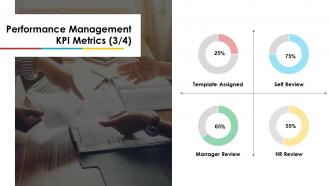
Slide 43: This is another slide on Performance Management KPI Metrics with donut pie chart.
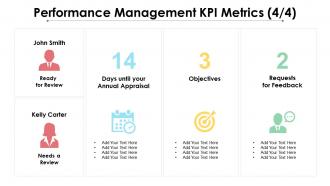
Slide 44: This slide represents Performance Management KPI Metrics with person for review and person who needs a review.
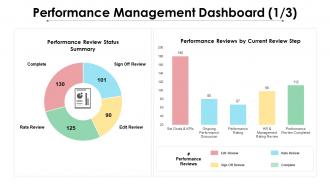
Slide 45: This slide showcases Performance Management Dashboard with donut pie chart and bar graph.
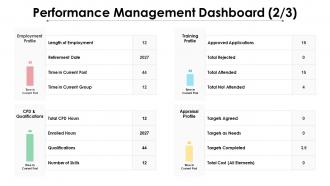
Slide 46: This slide shows Performance Management Dashboard with categories as- Employment Profile, Training Profile, CPD & Qualifications, Appraisal Profile.
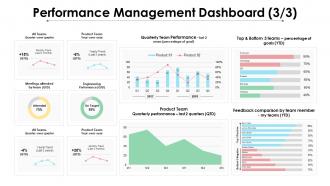
Slide 47: This slide presents Performance Management Dashboard with the help of graphs.
Slide 48: This slide displays Performance Coaching Icons.
Slide 49: This slide is a Coffee Break image for halt.
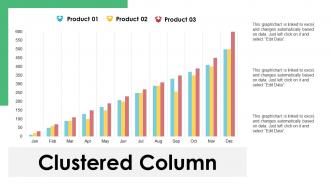
Slide 50: This slide shows Clustered Column chart with three products comparison.
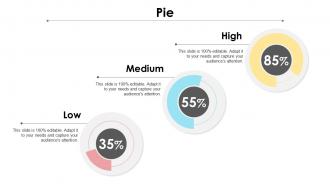
Slide 51: This slide displays Pie chart with high, medium and low volume.
Slide 52: This slide is titled as Additional Slides for moving forward.
Slide 53: This slide is titled as Post It Notes. Post your important notes here.
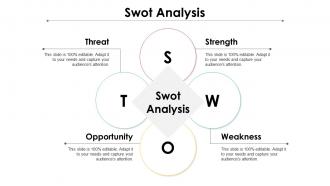
Slide 54: This slide shows Swot Analysis with additional text boxes.
Slide 55: This slide displays Newspaper with text boxes. Show your firm's news here.
Slide 56: This is a Target slide. State your targets here.
Slide 57: This slide shows Circular diagram with text boxes.
Slide 58: This is a Venn slide with text boxes to show information.
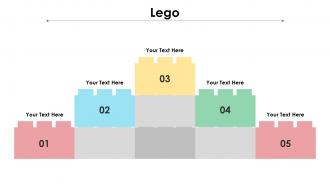
Slide 59: This is a Lego slide. Use as per requirements.
Slide 60: This is a Thank You slide with address, contact numbers and email address.
Performance Coaching Powerpoint Presentation Slides with all 60 slides:
Our Performance Coaching Powerpoint Presentation Slides are genuine assets. Your credits will grow exponentially.



FAQs for Performance Coaching
Honestly, start simple with clear goals and regular check-ins. Weekly 30-minute one-on-ones beat monthly hour-long meetings every time - people just forget stuff otherwise. Ask open-ended questions instead of lecturing them. Way more powerful when they figure out solutions themselves, you know? Document everything though (learned that the hard way). Focus on what they're good at while tackling problem areas. Don't try changing everything at once - pick one thing and nail it first. Oh, and make sure your goals are actually measurable, not just wishful thinking.
Talk to each person first - figure out their goals and what's tripping them up. Some people love data and numbers, others just need someone cheering them on (which honestly can be exhausting but whatever). Think about where they're at too. A new hire probably needs confidence more than anything, while your veteran manager might want help with bigger picture stuff. I'm always switching up my approach depending on the person. Check in with them regularly though - what works for one person totally bombs with another. Just stay flexible and actually listen to their feedback.
Honestly, feedback is what makes coaching actually work - without it you're just having nice chats that go nowhere. Make sure it flows both ways though, not just you talking at them. I've learned the hard way that vague stuff like "nice work" is useless. Be specific about what they should keep doing and what needs tweaking. Your coachee needs to leave knowing exactly where they stand. Try setting up quick weekly check-ins, even if it's just 10 minutes. Those short conversations can be game-changers for keeping momentum going.
Honestly, SMART goals are your best bet here - specific, measurable, achievable, relevant, time-bound. Ask them what success actually looks like first. Then break those big dreams into real steps. I'm always bugging my clients to get super specific with numbers, like "15% more sales calls in 30 days" instead of vague stuff like "call more people." Find that sweet spot where it pushes them but won't crush their confidence. Deadlines are huge - and regular check-ins so you can pivot when things get weird.
Honestly, you gotta build trust first before jumping into what they're doing wrong. Most resistance comes from fear or getting burned before. Ask them what's really going on and actually listen - don't just wait for your turn to talk. Getting them to set their own goals is huge. Nobody wants to feel like a project someone else is trying to fix, you know? Be upfront about what coaching actually looks like. If they're still being weird about it, just call it out and dig into why. The whole thing falls apart if they think you're there to judge them instead of help.
Look, emotional intelligence literally makes or breaks coaching relationships. You've gotta read the room - pick up on when someone's shutting down or getting defensive. Managing your own reactions is huge too, especially when conversations get messy (which they will). I've noticed the best coaches know exactly when to push and when to back off. They're watching body language, tone shifts, all that subtle stuff. Honestly, without solid EQ you'll just end up damaging trust instead of building it. Next time you're coaching someone, really pay attention to their nonverbals - it's like having a roadmap.
Honestly, you've gotta balance quick wins with the big picture stuff. Break their goals into smaller chunks so they're not waiting forever to feel accomplished. Those little celebrations? They're actually huge for keeping people going - way more than most coaches realize. When motivation tanks (which it definitely will), shift focus to building systems instead of just grinding on willpower. Connect what they're doing today back to their real "why" - like, what's actually driving them? Oh, and pick one tiny daily habit to track this week. Something stupidly simple that moves the needle forward.
So performance coaching is actually pretty great for team dynamics. Your people develop better self-awareness through individual sessions, which naturally improves how they interact with each other. The whole feedback thing becomes way less awkward too - everyone's already in that growth mindset, you know? Plus they learn to actually listen instead of just waiting for their turn to talk (guilty as charged lol). Conflicts don't spiral into drama anymore since people handle disagreements more professionally. I'd start small with maybe one or two people who seem interested. The positive vibes usually spread to the rest of the team pretty fast.
Oh man, the worst thing is being super vague with your feedback. Like saying "work on communication" - what does that even mean? Give actual examples! Also don't just dump on their weaknesses the whole time. That's brutal and doesn't help anyone. You gotta listen to their side too instead of just lecturing them about what's wrong. I've seen coaches totally bomb because they forget to set clear expectations from the start. Make it collaborative - get them involved in figuring out solutions. Way more effective than just pointing fingers.
Honestly, tech can totally transform your coaching game. Video analysis tools are amazing for breaking down specific behaviors - I'm kind of obsessed with how much detail you can catch. Apps help track progress and send those little nudge reminders that actually work. VR simulations let people practice tricky scenarios without real-world consequences, which is pretty wild when you think about it. The data visualization stuff shows patterns you'd never notice otherwise. AI platforms can even suggest personalized development plans based on assessment results. My advice? Pick one tool that tackles your biggest pain point first. Don't go crazy trying to use everything at once - you'll just overwhelm yourself and your clients.
Track the obvious stuff first - are they hitting goals, getting more productive, improving on whatever metrics matter for their job? But honestly, the softer changes are where you'll see the real wins. Better confidence, clearer communication, that kind of thing. I always tell people to set up some basic tracking system right from the start because trying to piece together progress after the fact is a nightmare. Regular check-ins help too - maybe throw in some 360 feedback if you can swing it. The key thing is watching whether they're actually using what you've taught them day-to-day.
Oh man, this is so true - culture changes everything with coaching. Direct feedback works great in some places but can totally blow up in others. Like, telling someone they're "failing to meet expectations" might be fine in the US but could be super disrespectful in Japan or other high-context cultures. You've got to think about power dynamics too - some people aren't comfortable questioning authority at all. Then there's the whole individual vs. team mentality thing. Honestly, what kills it in Silicon Valley might be a disaster in Tokyo. Best bet? Just ask people upfront how they prefer feedback. Way easier than guessing.
Stop jumping straight to solutions - ask questions instead. Like "what's your take?" or "what worked last time?" Honestly, the hardest part is just shutting up and letting them think. I try the 80/20 thing where they do most of the talking. Those awkward silences? They're actually good - people need time to process. Practice asking "how can I help?" instead of giving advice right away. Even one coaching conversation daily makes a difference. You'll get way better results when you're genuinely curious rather than trying to fix everything immediately.
Okay so here's what actually works - make coaching part of regular one-on-ones instead of those awkward formal sessions nobody likes. Your managers need to weave it into normal conversations, not treat it like some separate HR thing. Also? Put "develops others" in your promotion criteria so people actually care about doing it. The magic happens in those random moments after meetings anyway, not scheduled coaching blocks. I swear the best feedback I ever got was just walking back from a client call. Focus on building it into stuff you're already doing rather than creating more meetings. Trust me on this one.
Honestly, trust is everything in coaching. Without it, people won't open up about what they're actually struggling with - and you can't help someone who's not being real with you. I've seen coaches wonder why their advice gets ignored, but it's usually because there's no foundation there. When someone trusts you, they'll actually try your suggestions instead of just saying "sure, sounds good" and doing nothing. Plus they'll bring problems to you early instead of letting stuff blow up. My advice? Be consistent from day one, keep your mouth shut about personal stuff they share, and genuinely care about their wins - not just the numbers.
No Reviews