


Project Report For Bank Loan Powerpoint Presentation Slides






Try Before you Buy Download Free Sample Product
 Impress Your
 Audience
 100%
100% Editable
 Save Hours
 of Time


A feasibility study is one of the most vital steps before starting a new business or project. Its analysis assists managers in determining the economic viability of the proposed project. Check out our professionally designed Project Report for Bank Loan presentation that will help real estate professionals showcase the projects feasibility to the lenders for successful mortgage approval. Our Economic viability analysis PPT helps the project managers to get the necessary details about project objectives, deliverables, location, layout, cost, and means of finance. This Economic feasibility PowerPoint presentation will assist the project managers in performing a market, technical, legal, and staffing study, along with financial projections and ratios. Slides such as marketing objectives, perceived risk impact, and mitigation plans will help the managers successfully execute the project. Lastly, about the firm and providing business performance glimpse sections will assist the managers in providing an overview of their organization along with the performance highlights of the project. Get access to this powerful template now
People who downloaded this PowerPoint presentation also viewed the following :
Content of this Powerpoint Presentation
Slide 1: This slide introduces Project Report for Bank Loan. Begin by stating Your Company Name.
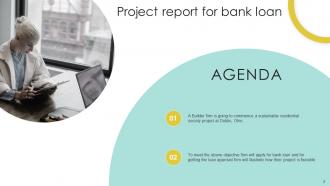
Slide 2: This slide depicts the Agenda of the presentation.
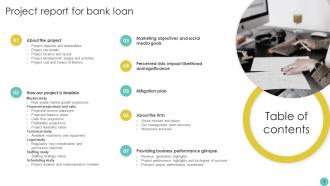
Slide 3: This slide includes the Table of contents.
Slide 4: This slide highlights the Title for the Topics to be covered in the next template.
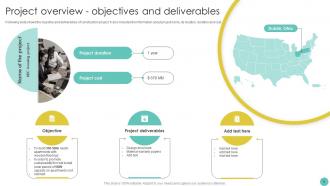
Slide 5: This slide presents the Project overview with objectives and deliverables.
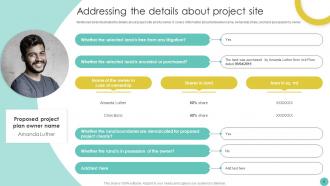
Slide 6: This slide Addresses the details about project site.
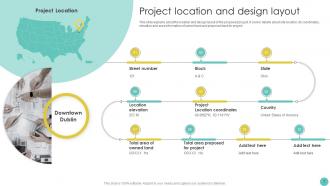
Slide 7: This slide reveals the Project location and design layout.
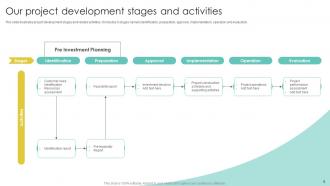
Slide 8: This slide elucidates the Company's project development stages and activities.
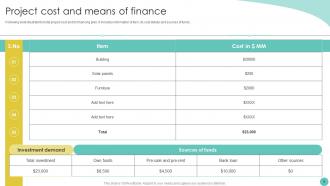
Slide 9: This slide illustrates the Project cost and means of finance.
Slide 10: This slide includes the Heading for the Contents to be covered further.
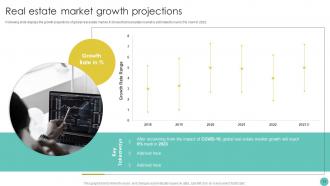
Slide 11: This slide represents the Real estate market growth projections.
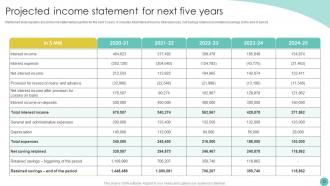
Slide 12: This slide highlights the Projected income statement for next five years.
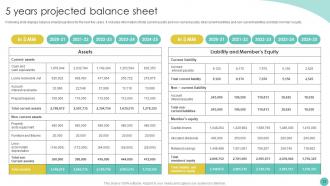
Slide 13: This slide presents the 5 years projected balance sheet.
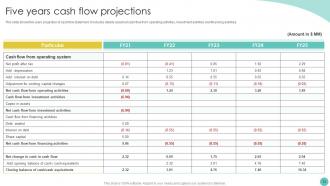
Slide 14: This slide exhibits the Five years cash flow projections.
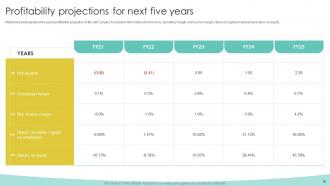
Slide 15: This slide incorporates the Profitability projections for next five years.
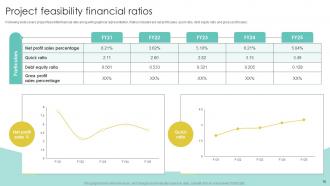
Slide 16: This slide elucidates the Project feasibility financial ratios.
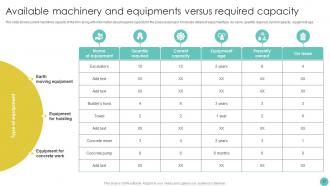
Slide 17: This slide depicts the Available machinery and equipments versus required capacity.
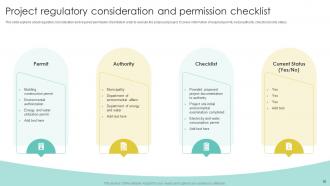
Slide 18: This slide provides information about the Project regulatory consideration and permission checklist.
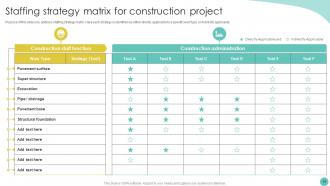
Slide 19: This slide indicates the Staffing strategy matrix for construction project.
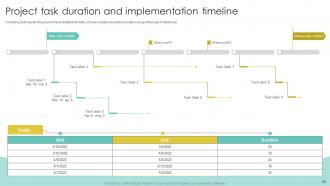
Slide 20: This slide mentions the Project task duration and implementation timeline.
Slide 21: This slide incorporates the Heading for the Contents to be discussed further.
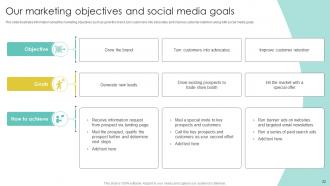
Slide 22: This slide highlights the Organization's marketing objectives and social media goals.
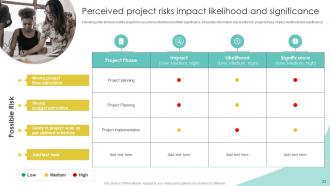
Slide 23: This slide depicts the Perceived project risks impact likelihood and significance.
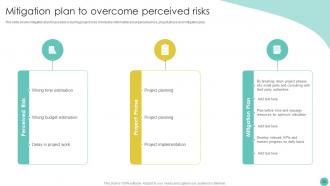
Slide 24: This slide reveals the Mitigation plan to overcome perceived risks.
Slide 25: This slide presents the Title for the Topics to be covered in the upcoming template.
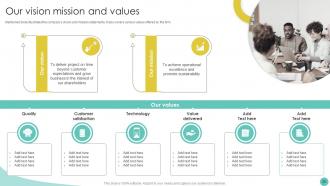
Slide 26: This is Our vision mission and values slide. Write your Company's core-values and long-term goals here.
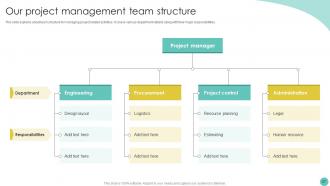
Slide 27: This slide exhibits the Organization's project management team structure.
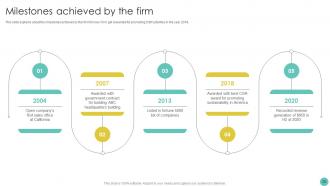
Slide 28: This slide lists the Milestones achieved by the firm.
Slide 29: This slide incorporates the Heading for the Ideas to be discussed further.
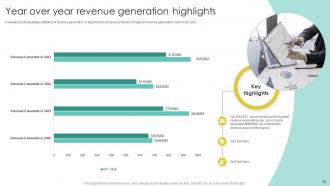
Slide 30: This slide illustrates the Year over year revenue generation highlights.
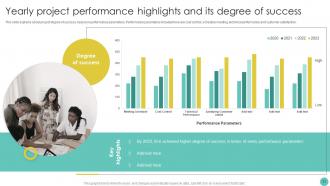
Slide 31: This slide elucidates the Yearly project performance highlights and its degree of success.
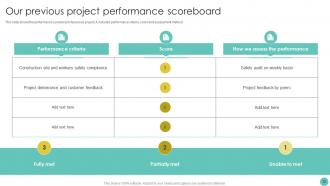
Slide 32: This slide showcases the Firm's previous project performance scoreboard.
Slide 33: This is the Icons slide for Project report for Bank loan.
Slide 34: This slide is used for depicting some Additional company related information.
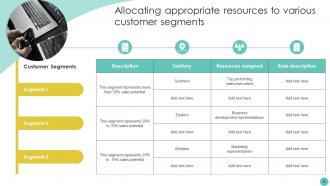
Slide 35: This slide presents the Allocation of appropriate resources to various customer segments.
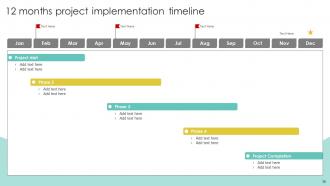
Slide 36: This slide displays the 12 months project implementation timeline.
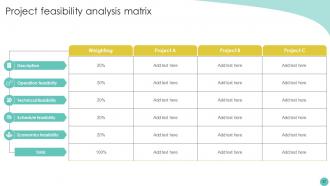
Slide 37: This slide focuses on the Project feasibility analysis matrix.
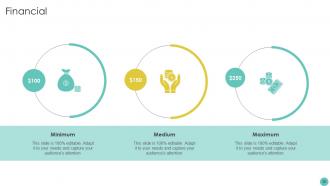
Slide 38: This slide deals with the Financial topic.
Slide 39: This slide includes the 36 60 90 days plan for efficient planning.
Slide 40: This is the Puzzle slide with related imagery.
Slide 41: This is Our vision, mission, goal slide for listing the Organization's targets and mission.
Slide 42: This is the Venn diagram slide for some vital Company information.
Slide 43: This is the Thank you slide for acknowledgement.
Project Report For Bank Loan Powerpoint Presentation Slides with all 48 slides:
Use our Project Report For Bank Loan Powerpoint Presentation Slides to effectively help you save your valuable time. They are readymade to fit into any presentation structure.







FAQs for Project Report For Bank Loan
Okay so for your bank loan report, start with an executive summary - that's your hook. Then you'll want project description, market analysis, and honestly the financial projections are where they'll spend most of their time scrutinizing everything. Include your management team info, risk assessment, and don't bury the actual loan amount somewhere random (seriously, I've seen people do this). Business background and competitive analysis too. Oh, and realistic cash flow for 3-5 years minimum. Double-check your math actually works together - banks hate when numbers don't align with your story.
Honestly, banks want to see you've actually thought this through instead of just throwing ideas at the wall. Your report needs solid financial projections - especially cash flow since that's literally how they'll get paid back. Market research, timelines, how you'll handle risks when stuff goes sideways. The whole thing should look professional too because loan officers probably see like 50 of these things a week. Make yours easy to read and organized. Don't half-ass the financial section either - that's what they really care about. Takes some work but it's worth doing right.
So you're gonna need cash flow projections, balance sheets, and P&L forecasts - usually 3-5 years out. Break-even analysis too, plus ROI calculations. If you've got any historical financials, definitely include those since banks way prefer real numbers over pie-in-the-sky projections. Oh, and spell out exactly where the loan money's going with a funding breakdown. The key thing is making sure everything actually adds up and makes sense together. Seriously though, triple-check your math because one stupid calculation error will kill your credibility instantly.
Banks want to see you actually know your stuff before they hand over money. Solid market research proves you're not just guessing about demand and competition. Show them real data on pricing, customer needs, market size - that kind of thing. It makes your financial projections look legit instead of like numbers you pulled out of thin air. Honestly, I've watched so many people tank their applications with obviously fake stats. Use recent sources and connect the dots between your research and why your business will work. It's basically proof you did your homework.
Look, your business plan is basically everything when you're going for a bank loan. Banks need to see you've actually thought this through - like your market research, who you're competing against, realistic money projections. It's honestly like showing your work in math class, except way more stressful. Without a decent plan, lenders think you're just winging it with their cash. They want proof you can pay them back and that your idea isn't totally crazy. Seriously though, don't rush this part. Make sure your numbers make sense and you sound like you know what you're talking about.
Charts and graphs are your best friend here - banks want to see trends without squinting at numbers. Do monthly cash flow for year one, then quarterly after that. Don't overwhelm them with crazy spreadsheets though. Focus on the big stuff: revenue growth, when you'll break even, debt coverage ratios. Show three scenarios - conservative, realistic, optimistic. That proves you're not just winging it. State your assumptions clearly and make sure they actually make sense. Oh, and always back everything up with real market data or your own historical numbers. Banks can smell BS from miles away, so keep it straightforward but thorough.
Dude, biggest thing is don't be vague with your numbers - banks absolutely hate that. Your projections need to be realistic too, not some pie-in-the-sky nonsense. I learned this the hard way lol. Make sure you actually do the market research section even though it's boring as hell. Generic templates are terrible because loan officers can tell immediately when you've just copy-pasted everything. Your cash flow numbers have to add up correctly - simple math mistakes will torpedo your whole application. Oh, and be honest about the risks. Banks aren't stupid.
Look, your executive summary is everything - seriously. Lenders basically decide in the first few minutes if they're even gonna bother with the rest of your application. Lead with your best numbers right away and make your value prop crystal clear. I've seen decent businesses get rejected just because their summary was boring as hell. You want them hooked immediately - strong financials, solid repayment plan, the whole pitch in two pages max. Don't be vague or they'll just move on to the next application. Make those opening pages absolutely count.
Put your biggest risks right at the top - nobody's flipping to page 15. A simple probability vs impact matrix works great, and yeah, color-coding actually helps even though it feels kinda basic. Each major risk needs specific mitigation plans with deadlines and assigned owners. Banks will roll their eyes at stuff like "we'll monitor market conditions" - they want real action items. Throw in sensitivity analysis showing how changes in key variables mess with your numbers. Oh, and definitely include a summary table that busy executives can scan in like 30 seconds. Trust me on this one.
Get all your paperwork together first - property deeds, car titles, investment statements, whatever you've got. Current appraisals are huge. Banks go crazy for liquid stuff like CDs or stocks since they can cash those out fast if things go south. Take photos of physical assets too. I'd throw together a simple summary sheet showing your total collateral value against the loan amount - honestly makes you look way more organized than most people walking in there. Oh, and double-check everything's insured properly. The more documentation you bring, the less they'll hassle you about it.
Look, the repayment plan is basically your way of proving to the bank you're not just going to disappear with their money. Map out your monthly payments and show how your project will actually make enough cash to cover everything. Banks want to see realistic timelines - nobody's expecting perfection, but throw in some buffer periods for when things get messy. Don't forget about seasonal stuff or market slowdowns either. Oh, and definitely include a small contingency fund. Honestly, it's the difference between getting approved and getting laughed out of the building.
Look, banks are gonna tear apart your feasibility study first - that's where they decide if you're worth their time. Weak revenue projections or sketchy market analysis? You're done before you even meet anyone. But honestly, I've seen mediocre projects get approved just because their feasibility reports were really well put together. Cash flow projections need to show you can actually pay them back. Market research has to be thorough, not some half-baked Google search situation. Get this part right and everything else becomes way easier. Don't even bother applying until your numbers are rock solid.
Honestly, banks are super picky about industry analysis - it can totally tank your loan if you mess it up. You need to show market size, growth trends, who you're competing against, stuff like that. Current numbers from legit sources only (no sketchy websites). If your industry is dying, you're in trouble unless you've got an amazing explanation for how you'll still make money. I learned this the hard way when my cousin applied for his restaurant loan right after the whole ghost kitchen trend started hurting traditional dining. Basically, prove you know what you're doing and tie it back to loan repayment.
Dude, definitely throw in some charts with your loan docs. Banks hate sifting through endless spreadsheet rows - I've literally watched loan officers zone out. Bar charts work great for showing revenue growth, pie charts break down expenses nicely. Line graphs are perfect for cash flow projections too. You'll spot weird patterns way easier than staring at raw numbers. Keep it simple though - maybe 3 or 4 solid visuals that actually back up why you need the money. Clean charts tell a story that dense data just can't match.
Dude, lenders are totally obsessed with your DSCR - whether you can actually pay them back from cash flow. They'll dig into loan-to-value ratios and your IRR projections too. Cash flow timing is massive. Like when money's coming in vs going out matters more than people think. Your contingency planning? They get super picky about that stuff - gotta show you're ready for things to go wrong. Track record helps obviously. But honestly, nail those cash flow numbers first. Conservative projections beat overly rosy ones every time. Lenders smell BS from miles away.
-
I have been using SlideTeam for the past six months. Very happy and satisfied!
-
Colors used are bright and distinctive.