


Thesis proposal template thesis proposal outline and structure powerpoint presentation slides





Try Before you Buy Download Free Sample Product
 Impress Your
 Audience
 100%
100% Editable
 Save Hours
 of Time


Creating a proposal thesis deck that is very professional and visually appealing? To help you with this daunting task, we have provided 29 slides content-ready Thesis Proposal Template Thesis Proposal Outline And Structure Powerpoint Presentation Slides. These sample templates will aid you with presenting the right thesis. This sample PPt deck carries many slides like abstract, introduction, thesis statement, methods or approach, preliminary discussion & results, work plan, implication of research, list of references/bibliography and many more. These templates will save to time and effort, that you must put in if you need to create a presentation from start. These templates will not pixelate while you project your PPT on wide screens. There are additional slides too like vision, goals and objectives, comparison, financial, quote, dashboard, location, timeline, post it, mind map etc. This sample PPT deck will help you to present your topic in a very professional and impactful way Download this Thesis Proposal Template Thesis Proposal Outline And Structure Powerpoint Presentation Slides right now and attract your viewers attention. Demonstrate expertise at the helm with our thesis presentation ppt Slides. Always adhere to the correct course.
People who downloaded this PowerPoint presentation also viewed the following :
Content of this Powerpoint Presentation
Slide 1: This is Thesis Proposal Outline and Structure Slide. You can enter your name of University/organisation and get started.
Slide 2: This slide is a title page. You can enter your own title and topic name.
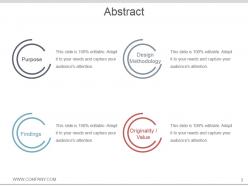
Slide 3: This is an abstract slide based on 4 important factors i.e. Originality / Value, Design Methodology, Purpose, Findings.
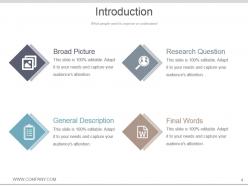
Slide 4: This is an introduction slide based on 4 important major factors. Broad Picture, Research Question, General Description, Final Words, What people want to improve or understand.
Slide 5: This slide is about thesis statement. You can state the thesis and clarify the hypothesis (or theory) that you are going to attempt to prove with the thesis. This is going to be the focus of your work and give the reader a chance to understand the scope of your overall thesis paper.
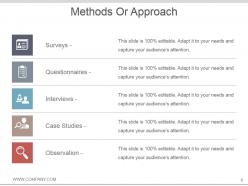
Slide 6: This slide is about methods Or approach with 5 different approaches. Surveys, Questionnaires, Interviews, Case Studies, Observation.
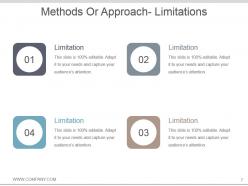
Slide 7: This slide is about methods Or approach-Limitations. You can enter your own text here.
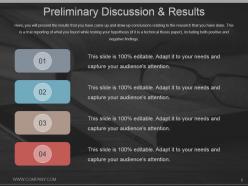
Slide 8: This slide is about preliminary discussion & results. Here, you will present the results that you have come up and draw up conclusions relating to the research that you have done. This is a true reporting of what you found while testing your hypothesis, including both positive and negative findings.
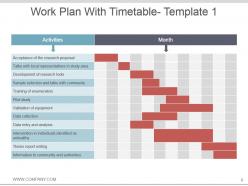
Slide 9: This slide is about work plan with timetable represented in a timeline format.
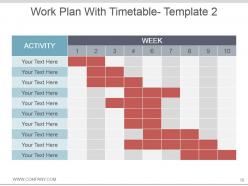
Slide 10: This slide is about work plan with timetable represented in a timeline format.
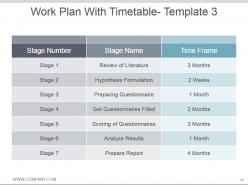
Slide 11: This slide is about work plan with timetable represented in a timeline format.
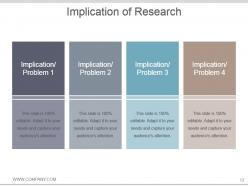
Slide 12: This slide is about implication of research. You can write in these simple 4 boxes.
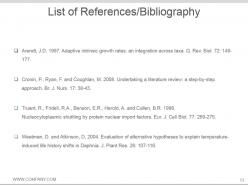
Slide 13: This slide is about list of references/bibliography. You can write your own references.
Slide 14: This slide states that further slides are additional slides. You can change the title.
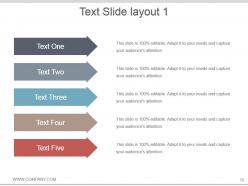
Slide 15: This is a text slide layout designed using arrow style. You can enter your text here.
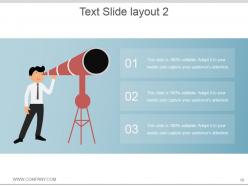
Slide 16: This is again text slide represented using nice image. You can enter your text here.
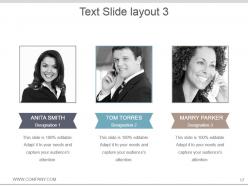
Slide 17: This is again text slide where you can put name, image and designation of concerned people.
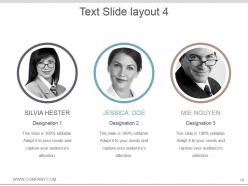
Slide 18: This is again text slide where you can out name, image and designation of concerned people.
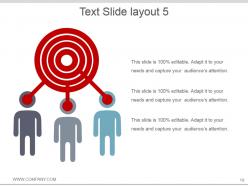
Slide 19: This is text slide represented using nice diagram.
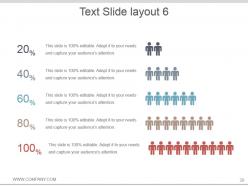
Slide 20: This is text slide represented using nice icons.
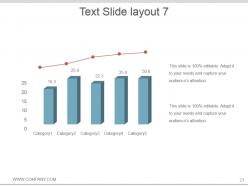
Slide 21: This is text slide represented using nice graph.
Slide 22: This is a text slide. You can enter important qoutes here.
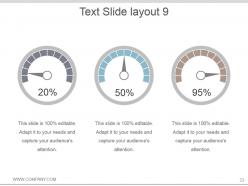
Slide 23: This is text slide represented using speedometers.
Slide 24: This is text slide represented using nice diagram.
Slide 25: This is text slide represented using nice diagram.
Slide 26: This is text slide represented using circular puzzle diagram.
Slide 27: This is text slide represented using grid style.
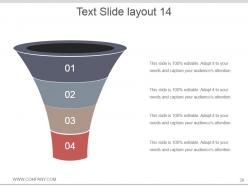
Slide 28: This is text slide represented using funnel diagram.
Slide 29: This is Thank you slide. You can enter your contact details.
Thesis proposal template thesis proposal outline and structure powerpoint presentation slides with all 29 slides:
Get them to assemble with our Thesis Proposal Template Thesis Proposal Outline And Structure Powerpoint Presentation Slides. Encourage them to gather around.
FAQs for Thesis proposal template thesis proposal outline and structure
So you'll want these main sections: problem statement, lit review, research questions, methodology, timeline, and expected outcomes. Oh and abstract plus bibliography - people always forget those until the end lol. Make sure everything connects well between sections. Honestly, spend extra time on your methodology because that's what committees will grill you on the most. I'd throw in a quick bit about potential limitations too. Having a good template from the start will save you so much pain later when you're doing revisions.
Honestly, templates are lifesavers because they stop you from staring at that terrifying blank page. You'll have a clear roadmap - intro, lit review, methods, timeline - instead of wondering what the hell comes next. Reviewers can actually follow your argument too since they know where to find stuff. I've watched so many proposals completely derail halfway through because people just wing it. The structure keeps your research question front and center. Don't reinvent the wheel - grab a solid template from your field and tweak it. Trust me on this one.
Definitely go with the usual suspects: double-spaced, 12pt Times New Roman, 1-inch margins. For sections, use clear headings like "Research Question" and "Methodology" so your committee can jump around easily. Oh, and whatever citation style your department wants - APA, MLA, whatever - just stick to it religiously. The bibliography matters too. Honestly though? Don't stress the formatting as much as your actual content. Most schools have templates on their grad website anyway, which saves you from starting from scratch. I spent way too much time obsessing over margins my first year!
Look, you've gotta totally switch up your approach depending on the field. Sciences want your methodology super detailed - lab procedures, stats, experimental design, all that concrete stuff. Humanities? Way more theoretical. You're talking frameworks, primary sources, interpretive methods. Their lit reviews get super philosophical too, which honestly can be kind of overwhelming. Timeline's different as well - lab work moves nothing like digging through archives. Sciences expect hypothesis-driven writing that's tight and focused. Humanities lets you be more exploratory with your questions. Grab a basic template first, then check out what successful proposals in your department actually look like.
Biggest mistake? Treating it like some rigid fill-in-the-blanks thing. Adapt those sections to actually fit your research - don't torture your perfectly good ideas just to squeeze them into random headings. I've watched people completely butcher their research questions for this reason, it's painful. Also, customize everything instead of copy-pasting examples. Those "optional" sections aren't really optional either. Check what your specific department wants too since they might override the template anyway. Oh, and sentence structures matter more than you'd think. Use it as your foundation, then make it yours.
Honestly, thesis proposal templates are lifesavers because they force you to actually connect your research questions to your methods. Like, you can't just randomly pick surveys when you have dedicated sections for objectives and methodology - the template makes you justify why your approach works. I learned this the hard way my first time around. Most templates have prompts that walk you through matching qualitative vs quantitative methods to your goals. The methodology justification section is clutch - that's where you'll figure out if your methods actually make sense for what you're trying to prove.
Your lit review is basically you proving you know your stuff and showing there's actually a gap worth filling. It's where you lay out what's already been researched, then point to what's missing - that's your opening. Honestly, it'll probably be one of your longest sections because your committee wants to see you've really dug into the field. The key is connecting all that existing research to what you're planning to do and why it matters. Don't just summarize studies randomly - make it tell a story that leads straight to your research question. Think of it like building an argument for why your project needs to exist.
Honestly, visuals are a game-changer for thesis proposals. Reviewers don't want to wade through walls of text trying to decode your methodology. A clean flowchart or timeline? That's instant clarity. I remember this one proposal where the entire research framework clicked because of one simple diagram - made the whole thing feel way more doable. Charts help people see the bigger picture without getting lost in academic jargon. Just don't get carried away with flashy graphics that look pretty but say nothing. Keep it relevant and tied to your actual research goals.
Your timeline matters because it shows the committee you've actually mapped out how long everything will take. They want proof your project won't drag on forever - honestly, nobody wants to approve something totally unrealistic. It's also your personal roadmap from now until defense. Build in extra time for when stuff goes wrong (and it will). I learned this the hard way during my lit review phase. Your timeline keeps you honest about what you're signing up for and helps track progress as you go.
Get super detailed with your budget - seriously, write down everything. Equipment, software, travel, paying participants, materials, printing costs. I once forgot to budget for parking when I had to drive to interviews and it was so annoying! Don't just make up numbers either. Also list what resources you already have vs what you need to get. Time-wise, be realistic about how many hours per week and which months will be crazy busy. Your advisor needs to know exactly what kind of support you'll need from them.
So first thing - read through their guidelines super carefully and see how they want stuff formatted. Budget layout, timeline, evaluation methods, all that. Most funders have weirdly specific preferences about this. Swap out your generic terms for whatever language they use, and really play up the outcomes they care about. Your lit review and methods need to match their research focus too. Basically you want it to feel custom-made for them without changing your actual research idea. Oh and definitely save each version with the funder's name - I learned that one the hard way after mixing up two proposals last year.
Okay so first thing - sort the feedback by big picture stuff vs tiny edits. Handle the major changes first (like if they want you to completely restructure a section). Keep a little list of comments because trust me, you'll forget half of them otherwise. I usually redo my outline before jumping into actual writing - saves time later. Here's the thing though: you don't have to take every single suggestion. Some reviewers just love to comment on everything. If something feels wrong for your project, push back a bit. Oh and definitely track what you've changed so you can prove you actually listened to their feedback!
Ditch the vague "what is the nature of..." questions - they're research death traps. Go for something concrete like "How does X affect Y?" instead. Honestly, I've watched so many people get stuck trying to sound profound when simple works way better. Your question should connect to a real gap in the literature, and here's the test: can you explain it to your roommate in one sentence? If not, it's probably too broad. Break big questions into 2-3 smaller ones you can actually tackle with whatever methods you're using. Trust me on this one.
Oh man, templates are a lifesaver for group thesis proposals! Basically you can split up sections between people but still keep everything looking consistent - same fonts, citations, all that boring stuff. Google Docs works pretty well for this, though honestly things get chaotic when everyone's editing at once. What I'd do is give each person their own sections upfront, then pick one unlucky soul to handle the final formatting. Otherwise you'll end up with like three different citation styles and it'll look terrible. Set deadlines for each part and use those comment bubbles constantly - way better than trying to coordinate over text.
Definitely add an ethics section if you're dealing with human subjects or sensitive data - anything needing IRB approval basically. Limitations are super important too since they show you actually get what your study can and can't do. Timeline stuff should go in if it's not covered already. Oh, and budget breakdown if there's funding involved - professors seem to love seeing those numbers laid out. Some programs want preliminary lit review sections or what you expect to contribute to the field. Honestly though, each department has their own weird preferences about format, so definitely double-check their specific requirements first.
-
Design layout is very impressive.
-
Design layout is very impressive.