


Brand Portfolio Strategy And Brand Architecture Branding CD V





Try Before you Buy Download Free Sample Product
 Impress Your
 Audience
 100%
100% Editable
 Save Hours
 of Time


Brand portfolio strategy entails designing, deploying, and managing multiple brands as a coordinated portfolio of meaning-based assets that address the needs of diverse customers in a marketplace and maximize return while minimizing risk. This PowerPoint presentation Brand Portfolio Strategy and Brand Architecture covers details related to brand portfolio strategy, beginning with a brief introduction to the concept of the brand portfolio, including its benefits, elements, structure, and roles such as flaker brand, cash cow brand, low-end, entry-level brand, and high-end prestige brand. This PPT deck also covers the introduction of brand portfolio strategy, its components, needs, 3Cs, guiding principles, and steps for creating a successful brand portfolio strategy. It also illustrates some common brand portfolio strategies such as a branded house, house of brands, hybrid brand, stages of brand portfolio management, best practices, and a checklist for creating a portfolio strategy. This deck also covers various brand portfolio management steps, such as analyzing customer need states, mapping future profits, and portfolio management through different brand scenarios. The slide of this complete deck also represents the introduction to the concept of brand architecture and its relationship with the brand portfolio. Get to know more by downloading our 100 percent editable and customizable template, which is also compatible with Google Slides.
People who downloaded this PowerPoint presentation also viewed the following :
Content of this Powerpoint Presentation
Slide 1: This slide introduces Brand Portfolio Strategy and Brand Architecture. State your company name and begin.
Slide 2: This slide states Agenda of the presentation.
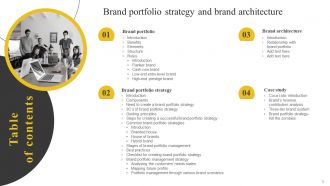
Slide 3: This slide shows Table of Content for the presentation.
Slide 4: This slide highlights title for topics that are to be covered next in the template.
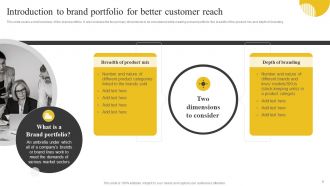
Slide 5: This slide covers a brief overview of the brand portfolio.
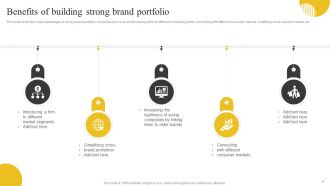
Slide 6: This slide covers the major advantages of using a brand portfolio.
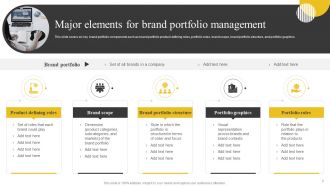
Slide 7: This slide covers six key brand portfolio components.
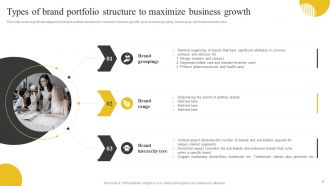
Slide 8: This slide covers significant categories of brand portfolio structure for maximum business growth.
Slide 9: This slide highlights title for topics that are to be covered next in the template.
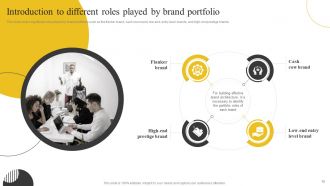
Slide 10: This slide covers significant roles played by brand portfolios.
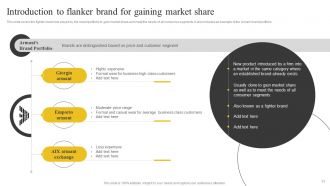
Slide 11: This slide covers the fighter brand role played by the brand portfolio to gain market share and meet the needs of all consumer segments.
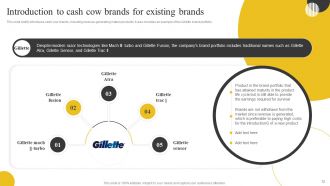
Slide 12: This slide briefly introduces cash cow brands, including revenue-generating mature products.
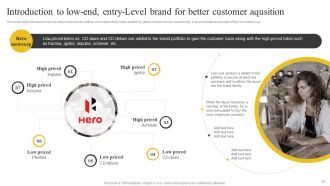
Slide 13: This slide briefly introduces low-end, entry-level brands adding Low-cost products to the portfolio to attract buyers into the brand family.
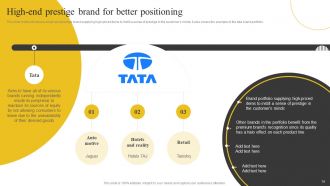
Slide 14: This slide briefly introduces a high-end prestige brand supplying high-priced items to instill a sense of prestige in the customer's minds.
Slide 15: This slide highlights title for topics that are to be covered next in the template.
Slide 16: This slide covers a brief overview of brand communication strategy.
Slide 17: This slide covers the fundamental principles of creating an effective brand communication strategy.
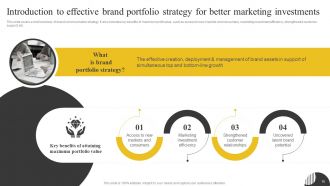
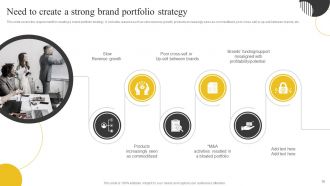
Slide 18: This slide covers the requirement for creating a brand portfolio strategy.
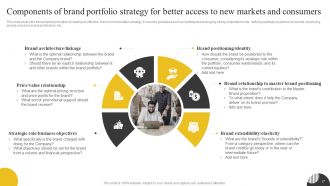
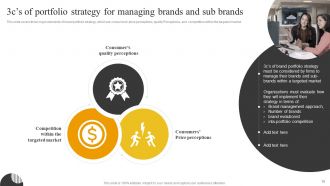
Slide 19: This slide covers three major elements of brand portfolio strategy.
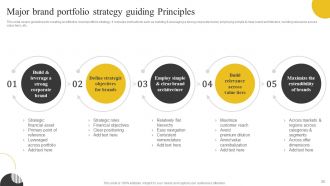
Slide 20: This slide covers guidelines for creating an effective brand portfolio strategy.
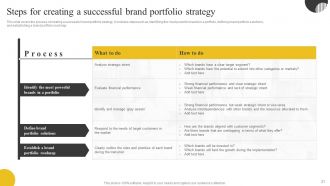
Slide 21: This slide covers the process of creating a successful brand portfolio strategy.
Slide 22: This slide covers main brand portfolio management strategies to organize brands and their offerings.
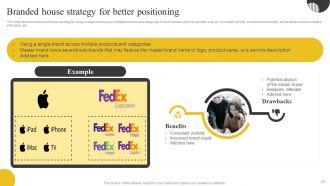
Slide 23: This slide introduces the brand house strategy for using a single brand across multiple products and categories.
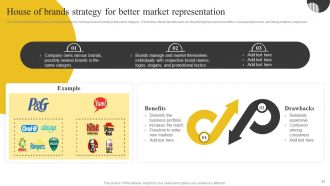
Slide 24: This slide introduces the house of brand strategy for owning several brands in the same category.
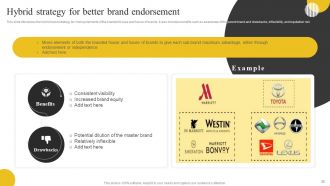
Slide 25: This slide introduces the hybrid brand strategy for mixing elements of the branded house and house of brands.
Slide 26: This slide talks about further topics that are to be disccused.
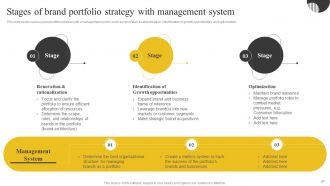
Slide 27: This slide covers various brand portfolio phases with a management system.
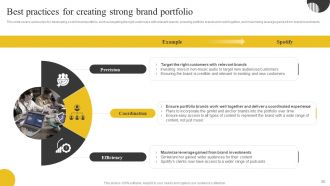
Slide 28: This Slide covers various tips for developing a solid brand portfolio.
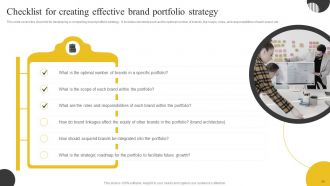
Slide 29: This slide covers the checklist for developing a compelling brand portfolio strategy.
Slide 30: This slide talks about further topics that are to be disccused.
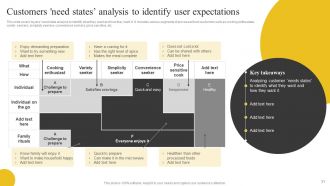
Slide 31: This slide covers buyers’ need state analysis to identify what they want and how they want it.
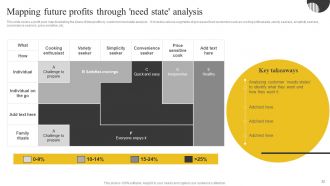
Slide 32: This slide covers a profit pool map illustrating the share of total profits by customer need state analysis.
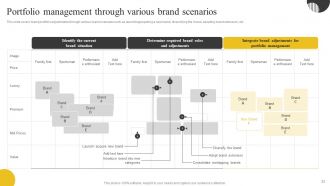
Slide 33: This slide covers brand portfolio adjustments through various brand scenarios.
Slide 34: This slide highlights title for topics that are to be covered next in the template.
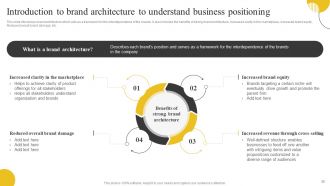
Slide 35: This slide introduces brand architecture which acts as a framework for the interdependence of the brands.
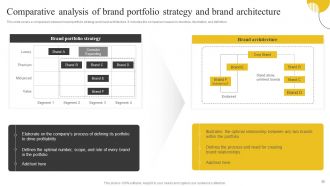
Slide 36: This slide covers a comparison between brand portfolio strategy and brand architecture.
Slide 37: This slide highlights title for topics that are to be covered next in the template.
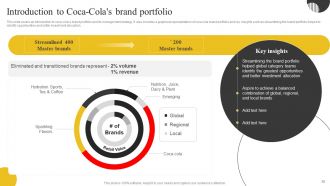
Slide 38: This slide covers an introduction to coca cola’s brand portfolio and its management strategy.
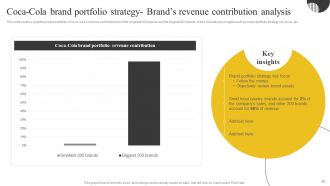
Slide 39: This slide covers a graphical representation of coca- cola’s revenue contribution from the smallest 200 brands and the biggest 200 brands.
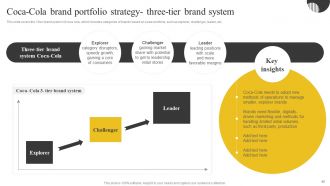
Slide 40: This slide covers the 3 tier brand system of coca cola, which includes categories of brands based on scale and time, such as explorer, challenger, leader, etc.
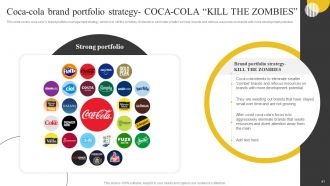
Slide 41: This slide covers coca cola’ s brand portfolio management strategy, which is to kill the zombies.
Slide 42: This slide contains all the icons used in this presentation.
Slide 43: This slide is titled as Additional Slides for moving forward.
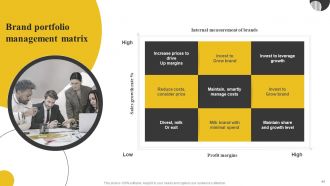
Slide 44: This slide shows Brand portfolio management matrix.
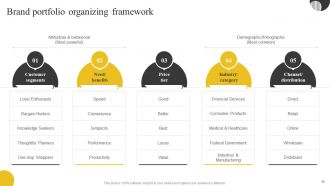
Slide 45: This slide presents Brand portfolio organizing framework.
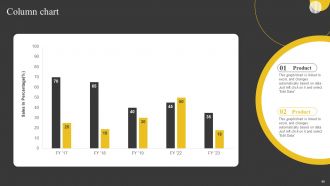
Slide 46: This slide displays Column chart with two products comparison.
Slide 47: This is About Us slide to show company specifications etc.
Slide 48: This is Our Mission slide with related imagery and text.
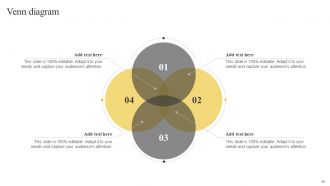
Slide 49: This slide depicts Venn diagram with text boxes.
Slide 50: This slide provides 30 60 90 Days Plan with text boxes.
Slide 51: This is Our Target slide. State your targets here.
Slide 52: This is Our Team slide with names and designation.
Slide 53: This slide shows SWOT describing- Strength, Weakness, Opportunity, and Threat.
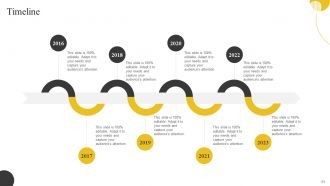
Slide 54: This is a Timeline slide. Show data related to time intervals here.
Slide 55: This slide contains Puzzle with related icons and text.
Slide 56: This is a Thank You slide with address, contact numbers and email address.
Brand Portfolio Strategy And Brand Architecture Branding CD V with all 61 slides:
Use our Brand Portfolio Strategy And Brand Architecture Powerpoint Presentation Slides Branding CD to effectively help you save your valuable time. They are readymade to fit into any presentation structure.
-

Brand Portfolio Strategy And Brand Architecture Branding CD V
-

Brand Portfolio Strategy And Brand Architecture Branding CD V
-
Brand Portfolio Strategy And Brand Architecture Branding CD V
-

Brand Portfolio Strategy And Brand Architecture Branding CD V
-
Brand Portfolio Strategy And Brand Architecture Branding CD V
-
Brand Portfolio Strategy And Brand Architecture Branding CD V
-
Brand Portfolio Strategy And Brand Architecture Branding CD V
-
Brand Portfolio Strategy And Brand Architecture Branding CD V
-

Brand Portfolio Strategy And Brand Architecture Branding CD V
-
Brand Portfolio Strategy And Brand Architecture Branding CD V
-
Brand Portfolio Strategy And Brand Architecture Branding CD V
-
Brand Portfolio Strategy And Brand Architecture Branding CD V
-
Brand Portfolio Strategy And Brand Architecture Branding CD V
-
Brand Portfolio Strategy And Brand Architecture Branding CD V
-

Brand Portfolio Strategy And Brand Architecture Branding CD V
-
Brand Portfolio Strategy And Brand Architecture Branding CD V
-
Brand Portfolio Strategy And Brand Architecture Branding CD V
-
Brand Portfolio Strategy And Brand Architecture Branding CD V
-
Brand Portfolio Strategy And Brand Architecture Branding CD V
-
Brand Portfolio Strategy And Brand Architecture Branding CD V
-
Brand Portfolio Strategy And Brand Architecture Branding CD V
-

Brand Portfolio Strategy And Brand Architecture Branding CD V
-
Brand Portfolio Strategy And Brand Architecture Branding CD V
-
Brand Portfolio Strategy And Brand Architecture Branding CD V
-
Brand Portfolio Strategy And Brand Architecture Branding CD V
-
Brand Portfolio Strategy And Brand Architecture Branding CD V
-
Brand Portfolio Strategy And Brand Architecture Branding CD V
-
Brand Portfolio Strategy And Brand Architecture Branding CD V
-
Brand Portfolio Strategy And Brand Architecture Branding CD V
-

Brand Portfolio Strategy And Brand Architecture Branding CD V
-
Brand Portfolio Strategy And Brand Architecture Branding CD V
-
Brand Portfolio Strategy And Brand Architecture Branding CD V
-
Brand Portfolio Strategy And Brand Architecture Branding CD V
-

Brand Portfolio Strategy And Brand Architecture Branding CD V
-
Brand Portfolio Strategy And Brand Architecture Branding CD V
-
Brand Portfolio Strategy And Brand Architecture Branding CD V
-

Brand Portfolio Strategy And Brand Architecture Branding CD V
-
Brand Portfolio Strategy And Brand Architecture Branding CD V
-
Brand Portfolio Strategy And Brand Architecture Branding CD V
-
Brand Portfolio Strategy And Brand Architecture Branding CD V
-
Brand Portfolio Strategy And Brand Architecture Branding CD V
-

Brand Portfolio Strategy And Brand Architecture Branding CD V
-

Brand Portfolio Strategy And Brand Architecture Branding CD V
-
Brand Portfolio Strategy And Brand Architecture Branding CD V
-
Brand Portfolio Strategy And Brand Architecture Branding CD V
-
Brand Portfolio Strategy And Brand Architecture Branding CD V
-

Brand Portfolio Strategy And Brand Architecture Branding CD V
-

Brand Portfolio Strategy And Brand Architecture Branding CD V
-
Brand Portfolio Strategy And Brand Architecture Branding CD V
-

Brand Portfolio Strategy And Brand Architecture Branding CD V
-
Brand Portfolio Strategy And Brand Architecture Branding CD V
-

Brand Portfolio Strategy And Brand Architecture Branding CD V
-
Brand Portfolio Strategy And Brand Architecture Branding CD V
-
Brand Portfolio Strategy And Brand Architecture Branding CD V
-
Brand Portfolio Strategy And Brand Architecture Branding CD V
-

Brand Portfolio Strategy And Brand Architecture Branding CD V
-

Brand Portfolio Strategy And Brand Architecture Branding CD V
-

Brand Portfolio Strategy And Brand Architecture Branding CD V
-

Brand Portfolio Strategy And Brand Architecture Branding CD V
-

Brand Portfolio Strategy And Brand Architecture Branding CD V
-

Brand Portfolio Strategy And Brand Architecture Branding CD V
FAQs for Brand Portfolio Strategy And Brand Architecture
You basically need three things: clear brand structure, specific roles for each brand, and positioning that doesn't have them competing against each other. Map out who they're targeting - different segments, price points, whatever. This stuff gets complicated super quickly without a good framework, trust me. Each brand needs its own value prop and customer base. Also, don't spread your marketing budget too thin trying to support everything at once. I'd start with auditing what you have now to spot overlaps and gaps. Way easier to build from there than trying to fix it later.
Honestly, start backwards from your strategy - figure out what you want each brand to actually *do*. Map them to different customer segments or price points. Way too many companies just collect brands without thinking it through. Do quarterly check-ins on which ones are actually making money vs. just burning cash. The dead weight? Cut it loose if it's not serving a real purpose. Each brand should either drive revenue, protect your turf, or block competitors from getting in. Your whole portfolio needs to make sense together - not just be a random collection of names.
Track each brand's revenue growth and market share first. Then dig into customer acquisition costs - that's where you'll see the real story. Watch for cannibalization between brands because honestly, that's usually where things get messy. Cross-brand customer migration is gold if you can measure it properly. Portfolio efficiency matters too - total brand management costs versus what you're actually bringing in. Set up monthly tracking so you catch problems early. Oh, and brand equity scores help but they're kind of fluffy compared to the hard numbers.
Honestly, the biggest mistake I see is brands going after the exact same customers. Map out who each brand is really for first - different ages, income levels, whatever makes sense. Your marketing teams need to stay in their lanes too, because that's usually where the mess starts. I'd run some overlap analysis every few months just to catch problems early. Each brand needs its own clear territory and you can't let them blur together when you're making product calls. Short version: if they're fighting over the same people, you've already lost.
Look, brand positioning is literally the backbone of your whole portfolio strategy. Map out where each brand sits in customers' heads first - otherwise they'll just cannibalize each other. P&G nailed this with Tide vs Gain (same product category, completely different vibes). You don't want your brands competing against themselves instead of actually growing market share. That's just dumb business honestly. Start by auditing what positions you currently own, then fix any weird overlaps. Short sentences work here. The goal is making sure each brand has its own lane so customers aren't confused about what to pick.
Honestly, market research is like having a GPS for your brand decisions. First thing I'd do is map out where competitors are falling short - those gaps are gold. You'll want to dig into which customer segments actually have money to spend, plus check if your brands are cannibalizing each other (happens more than you'd think). The purchase behavior data gets really juicy when you combine it with how people actually perceive your brands. Maybe you need a premium option, or maybe you're missing the budget crowd entirely. Just start by comparing what you currently offer against what the market actually wants.
Honestly, brand dilution is your biggest enemy here. You'll confuse customers about what you actually represent if you move too fast. Each new brand eats up marketing dollars and management time - I've watched companies try launching three at once and completely bomb because they couldn't focus on any of them properly. Resource strain is brutal. Also watch out for cannibalizing your own stuff if the positioning gets too similar. My take? Nail one extension first, then maybe consider your next move. Way less risky that way.
Honestly, the biggest thing is making sure your sub-brands aren't stepping on each other's toes. Map out who each one targets and what makes them different - they need their own space to breathe. I'd audit which ones actually add value vs just confusing customers (some might be dead weight tbh). Keep some DNA from your main brand but let the subs have personality. Oh, and get your marketing teams talking so they're not accidentally competing against themselves. Start by figuring out where each brand sits in the market and with customers. You'll probably find some overlap that needs fixing.
Honestly, I'd start by figuring out what's actually broken before you do anything drastic. Run some focus groups or surveys - could be your positioning is off, maybe you're targeting the wrong people, or your value prop just isn't hitting. Rebranding is tempting but it's expensive as hell and risky. Product refresh might work better - new features, better quality, that kind of thing. Sometimes though it's literally just crappy marketing execution with a decent strategy underneath. My cousin's company went through this exact thing last year. Don't jump to solutions until you know if it's the product itself or just how you're selling it.
Look, you gotta stay on top of what people actually want - trends change fast. Do regular consumer research and don't get attached to brands that aren't working anymore. I've watched companies cling to legacy stuff way too long, honestly it's painful to see. Think of your portfolio like it's alive. Some brands need a refresh, others can expand into new areas, sometimes you need something totally new. Oh and definitely audit what feels stale right now - that's your starting point. Then just prioritize by where you see the biggest opportunities.
Honestly, digital changes everything about how your brand portfolio has to work. Customers bounce between your brands and channels like crazy now, so you can't think of each one separately anymore. The cool part? You actually get real data on how they interact instead of just guessing. Smaller brands in your portfolio can blow up way faster digitally too - I've seen it happen. Map out where you're showing up online first, then figure out which brands are fighting each other vs working together. That'll give you a solid starting point.
Oh man, M&A is such a headache for brand stuff. You're suddenly dealing with double the brands and half of them probably overlap or confuse customers. The smart move is mapping everything first - figure out which brands actually matter to customers and which ones are just dead weight. Then build out like a year-long plan instead of rushing it. I've watched companies completely tank their brand equity because they moved too fast and merged things that shouldn't have been touched. Take your time with this one.
Look, most companies way overcomplicate this stuff. Break down your customers by demographics and behavior - who buys what, when, and why. Each brand should target a different group without stepping on each other's toes. Sharp positioning is everything here. I always do this test: would someone shopping for Brand A ever consider Brand B? If they would, you've got a problem. Your differentiation isn't clear enough. Also, don't get stuck in analysis paralysis mode - sometimes you just need to pick segments and see what sticks.
Honestly, start with basic consumer surveys to track brand awareness and preference across your whole portfolio. Financial stuff matters too - look at price premiums, market share, customer lifetime value for each brand. Social listening is where it gets interesting though, you'll see what people really think when they're not being surveyed. The trick is keeping your measurement methods consistent so you can actually compare brands fairly. I'd set up a quarterly dashboard to track everything side by side. Makes it super obvious which brands are crushing it versus the ones that need help.
Look, transparency is huge here - don't mislead people about what they're buying or create fake competition between your own brands. That's just sketchy. You've also got to think about how different brands might affect various communities (some choices accidentally exclude people). Honestly? I've seen companies screw this up so easily. Regular check-ins help - just ask yourself if you're being straight with customers. Oh, and make sure your brand values actually match what you're doing, not just what sounds good on paper.
-
Every time I ask for something out-of-the-box from them and they never fail in delivering that. No words for their excellence!
-
I discovered some really original and instructive business slides here. I found that they suited me well.