


Complete Personal Branding Guide Branding CD V
Personal branding is a process of creating, maintaining, and marketing an individuals reputation as a brand. It is essential for any influencer, individual, or enterprise who wishes to share their story with the target audience. Check out our insightfully designed presentation on a Complete personal branding guide that will guide individuals who want to develop their own distinct identity to stand out from the crowd. The Brand building deck portrays the general information about personal branding, its importance, and the elements five-dimension framework. Individuals can use the slides, such as building a personal brand on social media, tools, habits, and techniques, Strategic brand management, development costs, and communication plans to meet their goal of brand awareness. Metrics and dashboard slides will assist them in effectively tracking their brand performance. Finally, the ultimate guide to personal branding and sample profile will help individuals create an impactful personal brand. Get access to this powerful template now.
Personal branding is a process of creating, maintaining, and marketing an individuals reputation as a brand. It is essentia..



















-

- Google Slides is a new FREE Presentation software from Google.
- All our content is 100% compatible with Google Slides.
- Just download our designs, and upload them to Google Slides and they will work automatically.
- Amaze your audience with SlideTeam and Google Slides.
-

Want Changes to This PPT Slide? Check out our Presentation Design Services
-

- WideScreen Aspect ratio is becoming a very popular format. When you download this product, the downloaded ZIP will contain this product in both standard and widescreen format.
-

- Some older products that we have may only be in standard format, but they can easily be converted to widescreen.
- To do this, please open the SlideTeam product in Powerpoint, and go to
- Design ( On the top bar) -> Page Setup -> and select "On-screen Show (16:9)” in the drop down for "Slides Sized for".
- The slide or theme will change to widescreen, and all graphics will adjust automatically. You can similarly convert our content to any other desired screen aspect ratio.
Compatible With Google Slides

Get This In WideScreen
You must be logged in to download this presentation.


Do you want to remove this product from your favourites?
PowerPoint presentation slides
This complete deck covers various topics and highlights important concepts. It has PPT slides which cater to your business needs. This complete deck presentation emphasizes Complete Personal Branding Guide Branding CD and has templates with professional background images and relevant content. This deck consists of total of seventy two slides. Our designers have created customizable templates, keeping your convenience in mind. You can edit the color, text and font size with ease. Not just this, you can also add or delete the content if needed. Get access to this fully editable complete presentation by clicking the download button below.

People who downloaded this PowerPoint presentation also viewed the following :
Content of this Powerpoint Presentation
Slide 1: This slide introduces Complete Personal Branding Guide. Commence by stating Your Company Name.
Slide 2: This slide depicts the Agenda of the presentation.
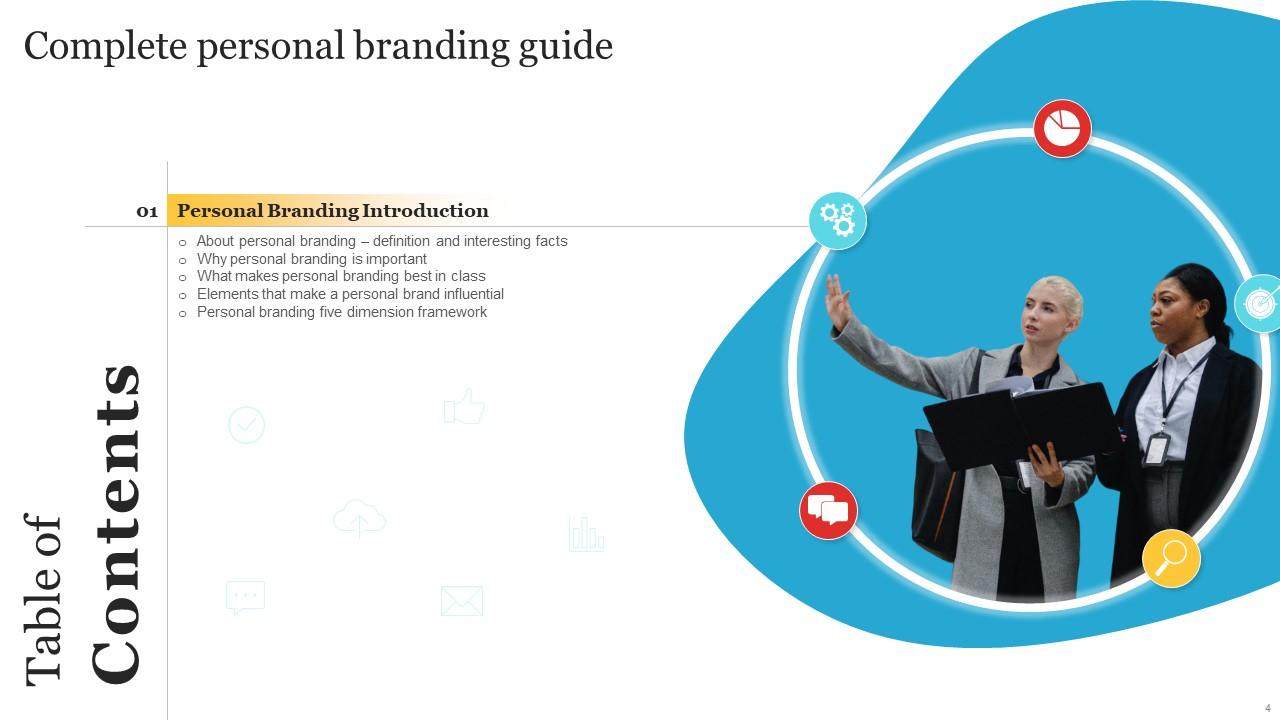
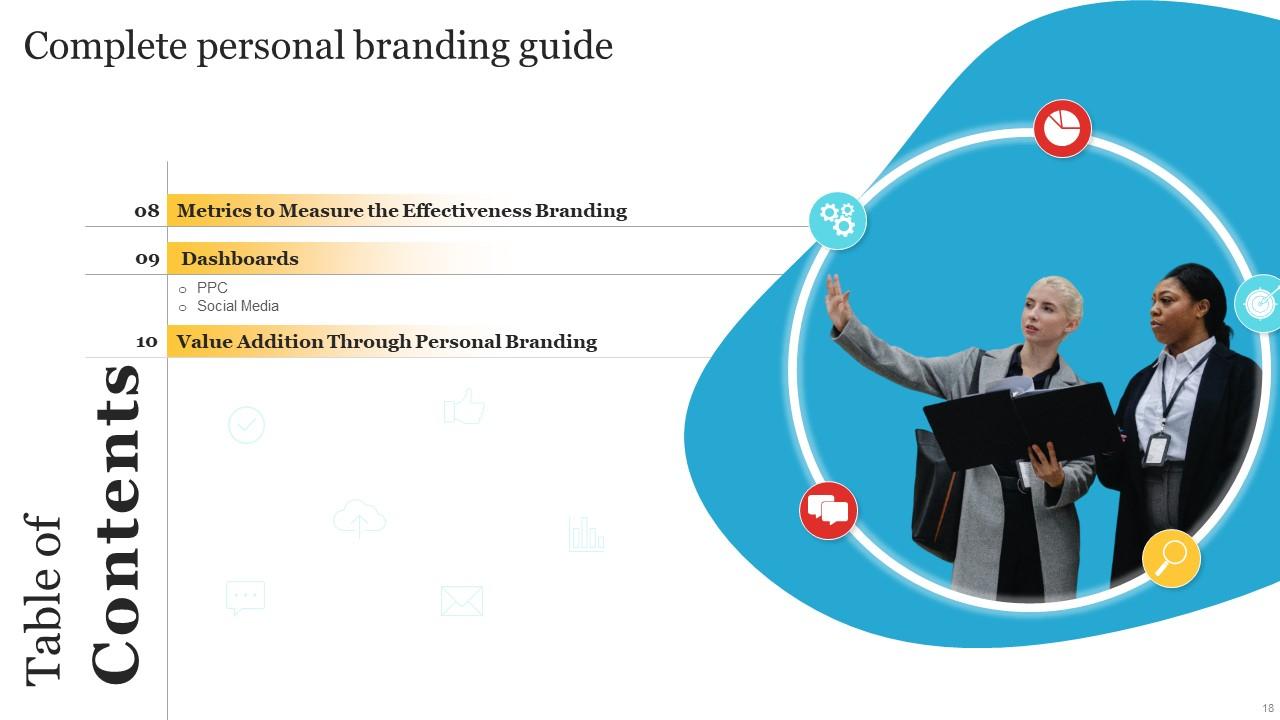
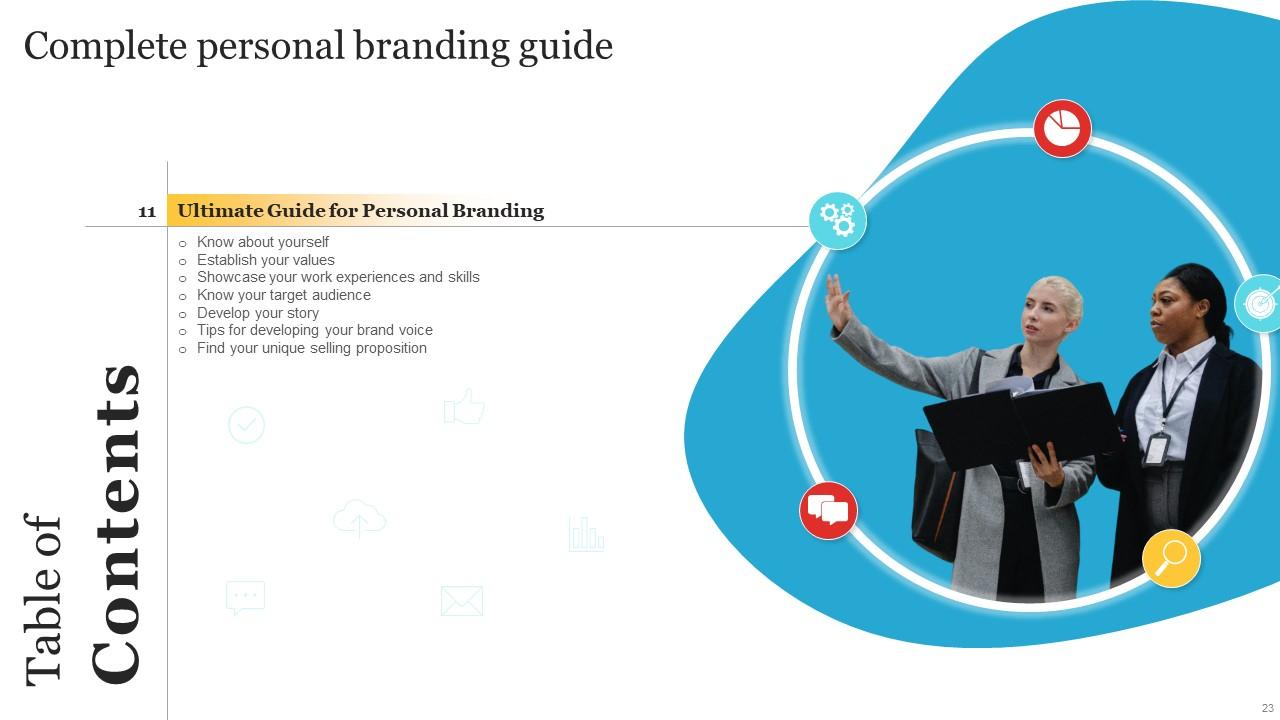
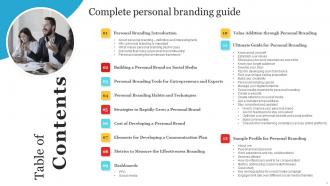
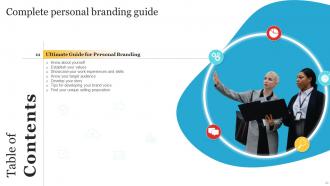
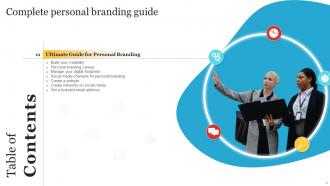
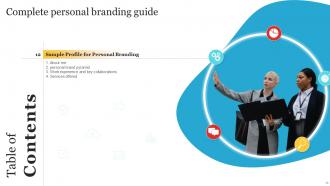
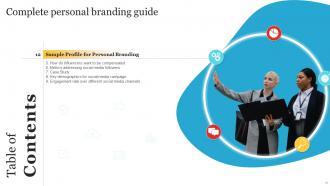
Slide 3: This slide includes the Table of Contents.
Slide 4: This slide mentions the Title for the Topics to be covered in the next template.
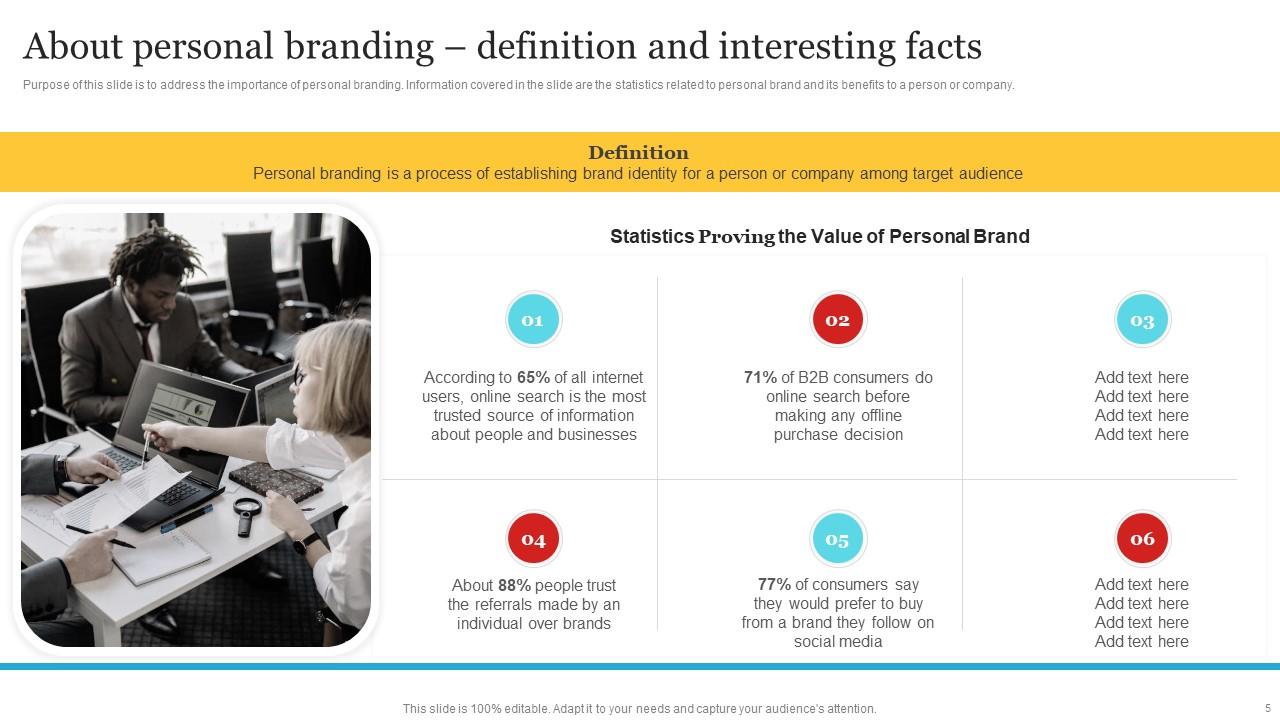
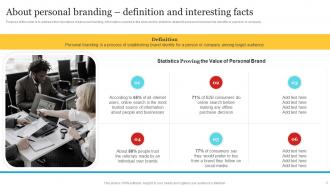
Slide 5: Purpose of this slide is to address the importance of personal branding.
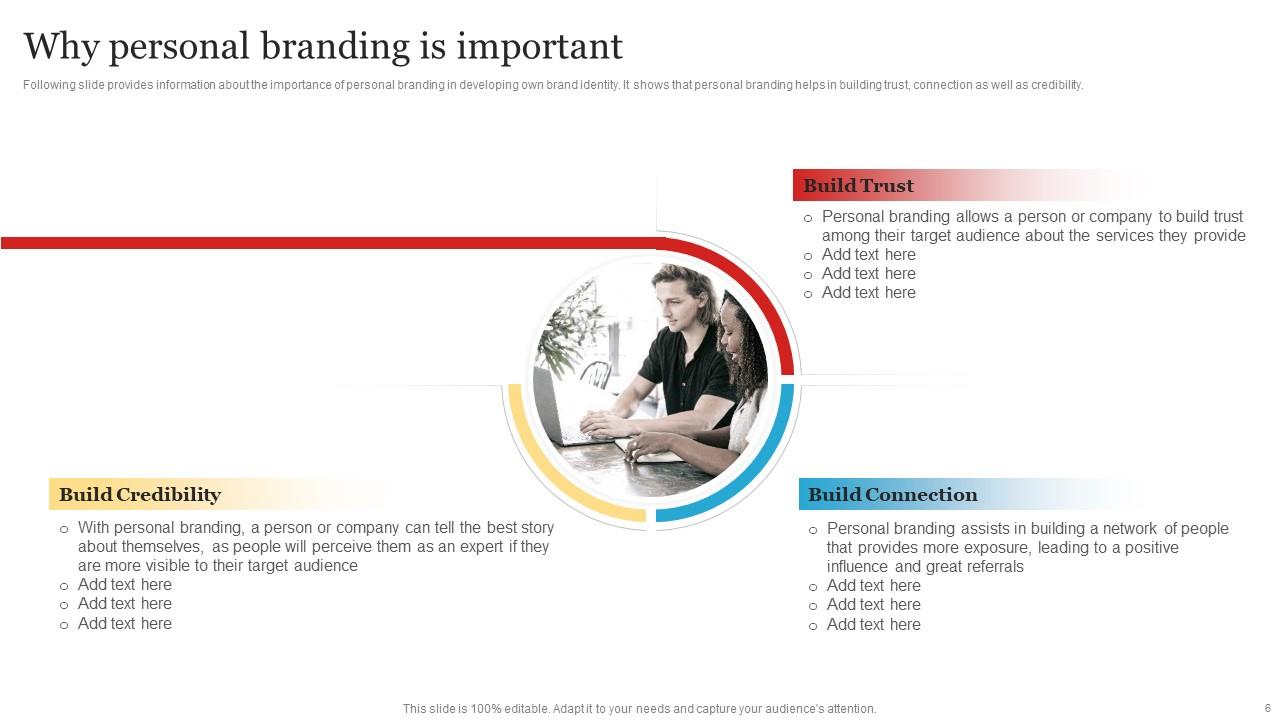
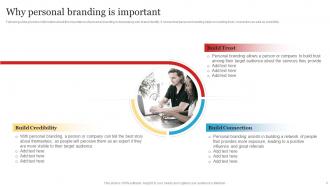
Slide 6: The Following slide provides information about the importance of personal branding in developing own brand identity.
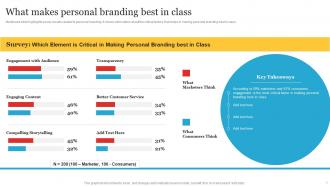
Slide 7: This slide highlights survey results related to personal branding.
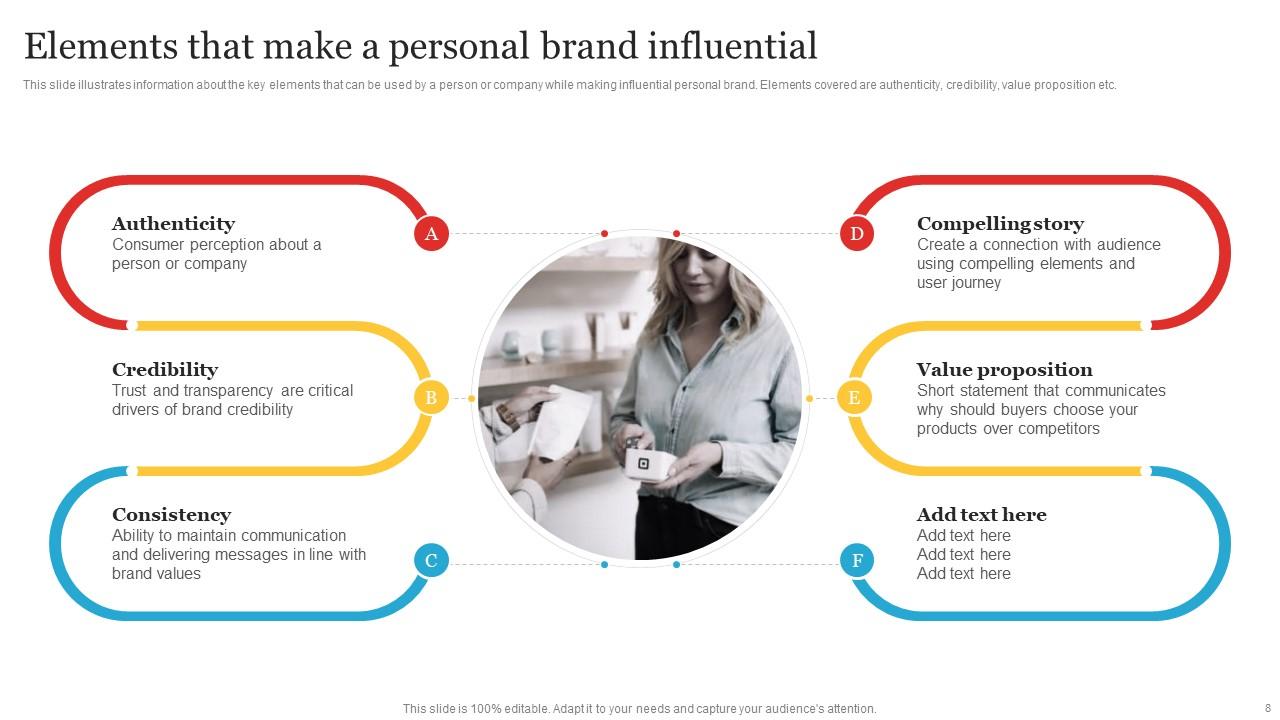
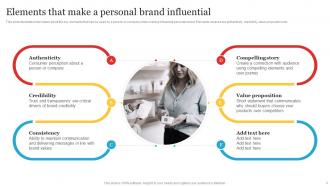
Slide 8: This slide illustrates information about the key elements that can be used by a person or company while making influential personal brand.
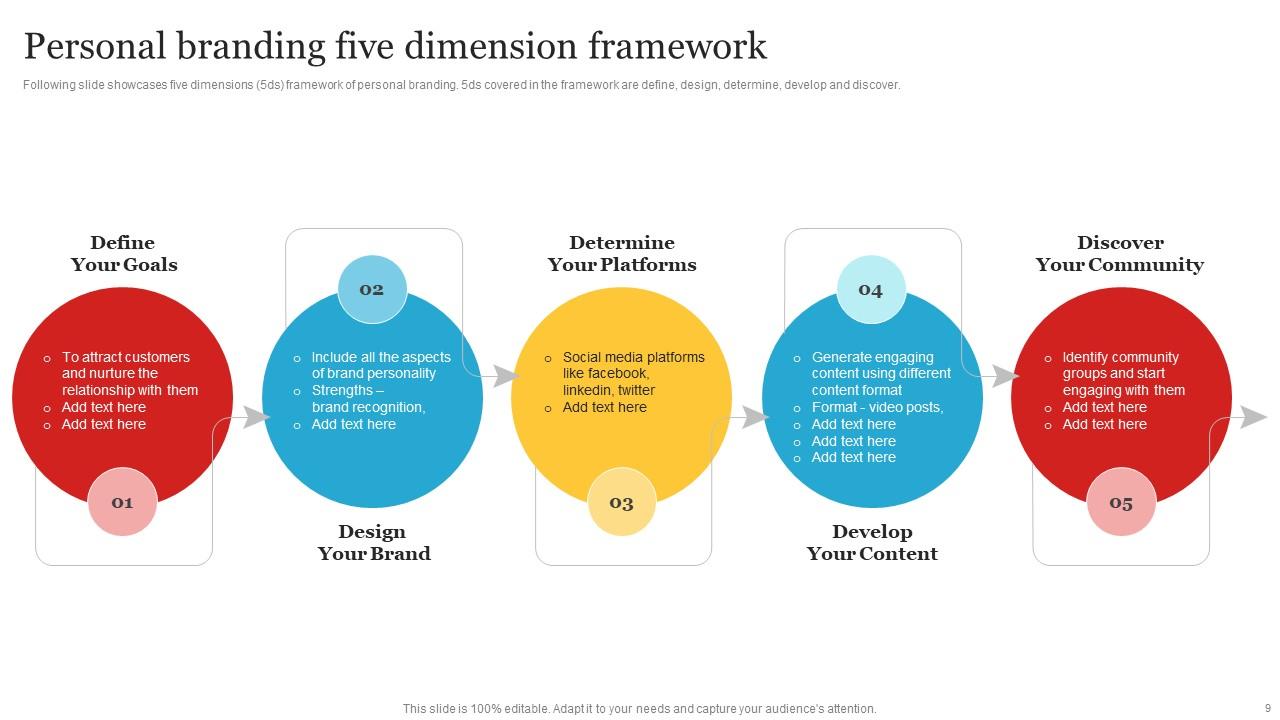
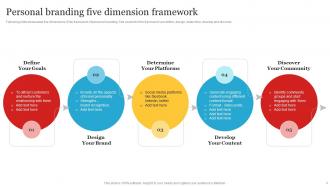
Slide 9: The Following slide showcases five dimensions (5ds) framework of personal branding.
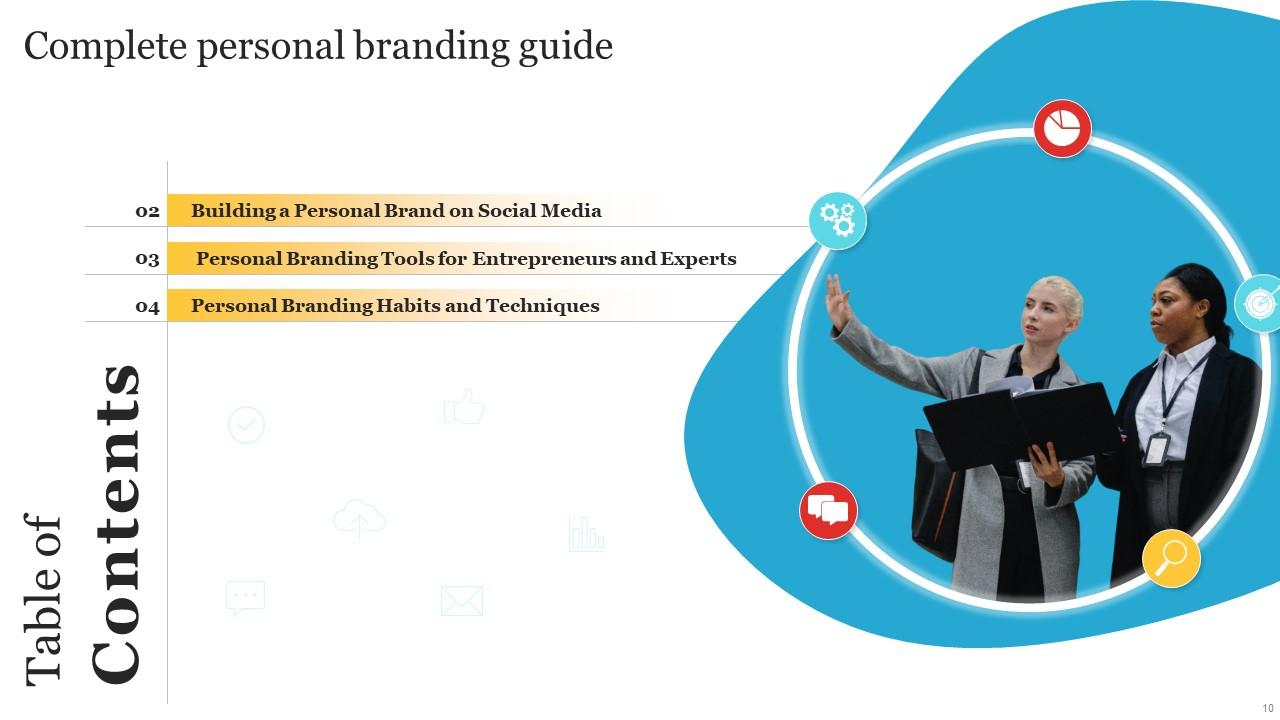
Slide 10: This slide incorporates the Heading for the Contents to be discussed further.
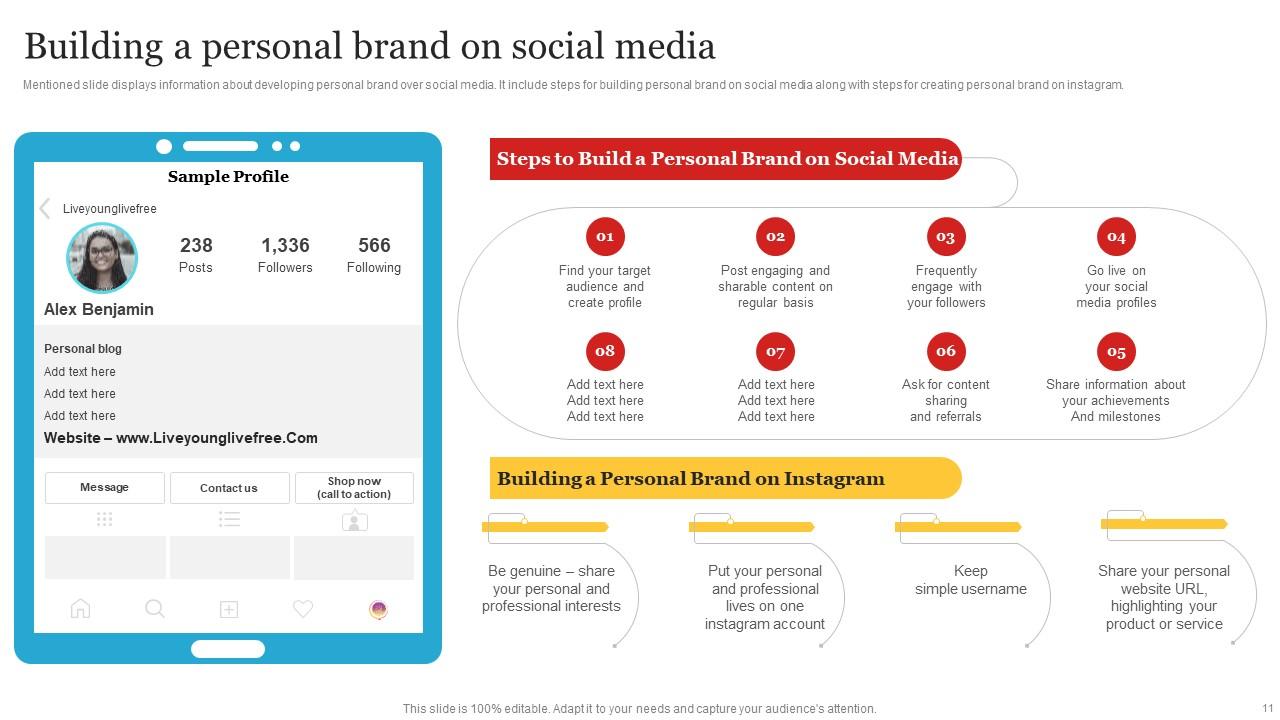
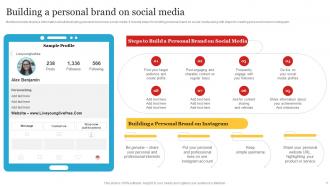
Slide 11: This slide displays information about developing personal brand over social media.
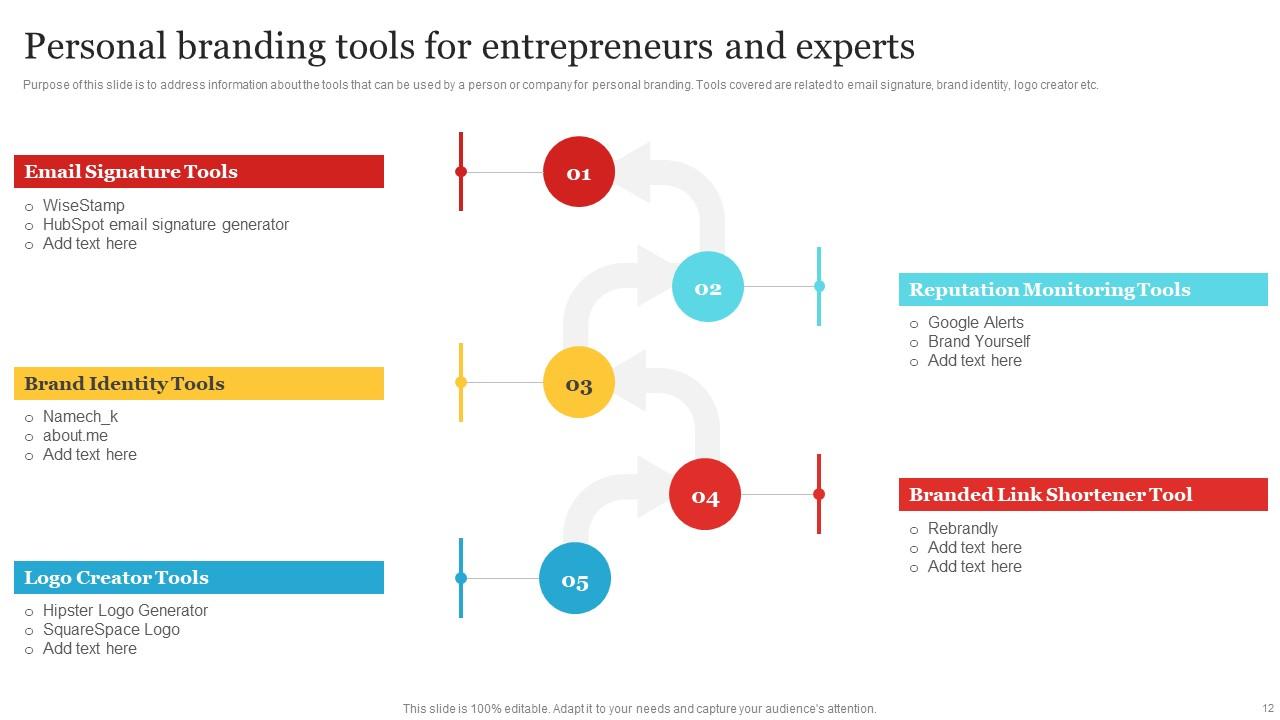
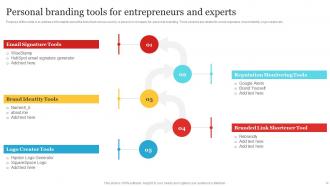
Slide 12: The Purpose of this slide is to address information about the tools that can be used by a person or company for personal branding.
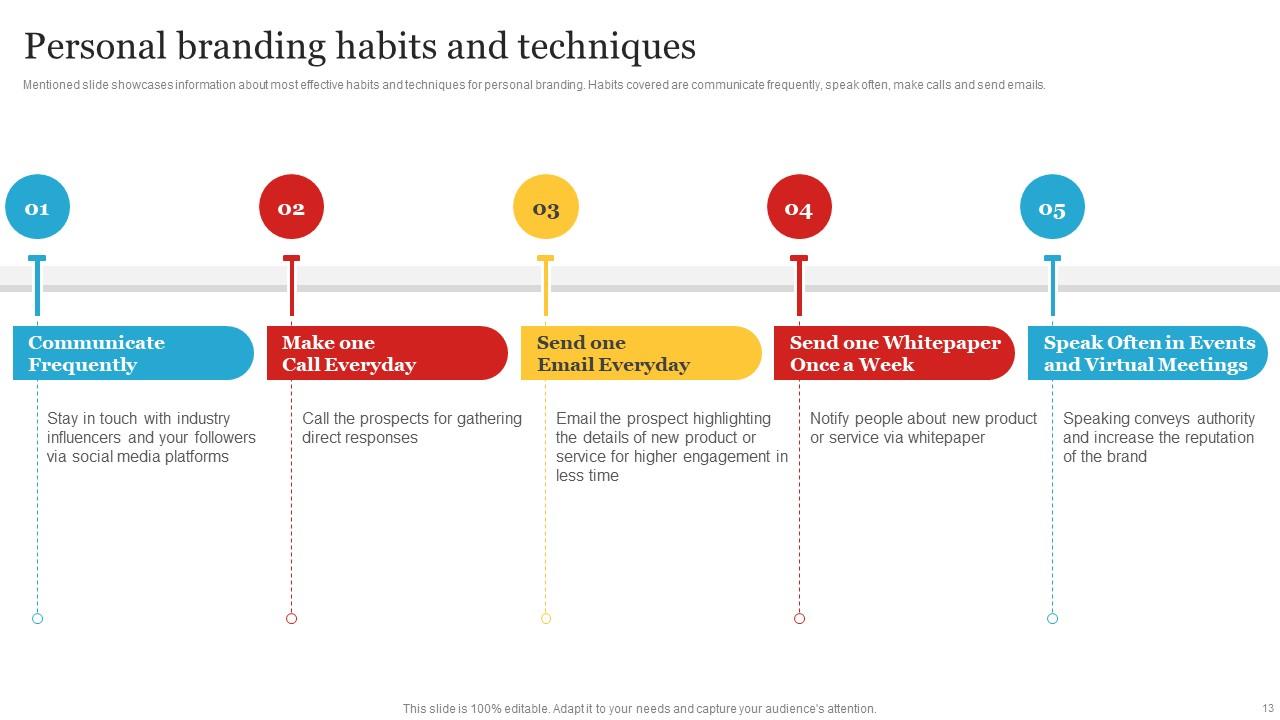
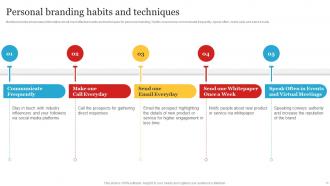
Slide 13: This slide showcases information about most effective habits and techniques for personal branding.
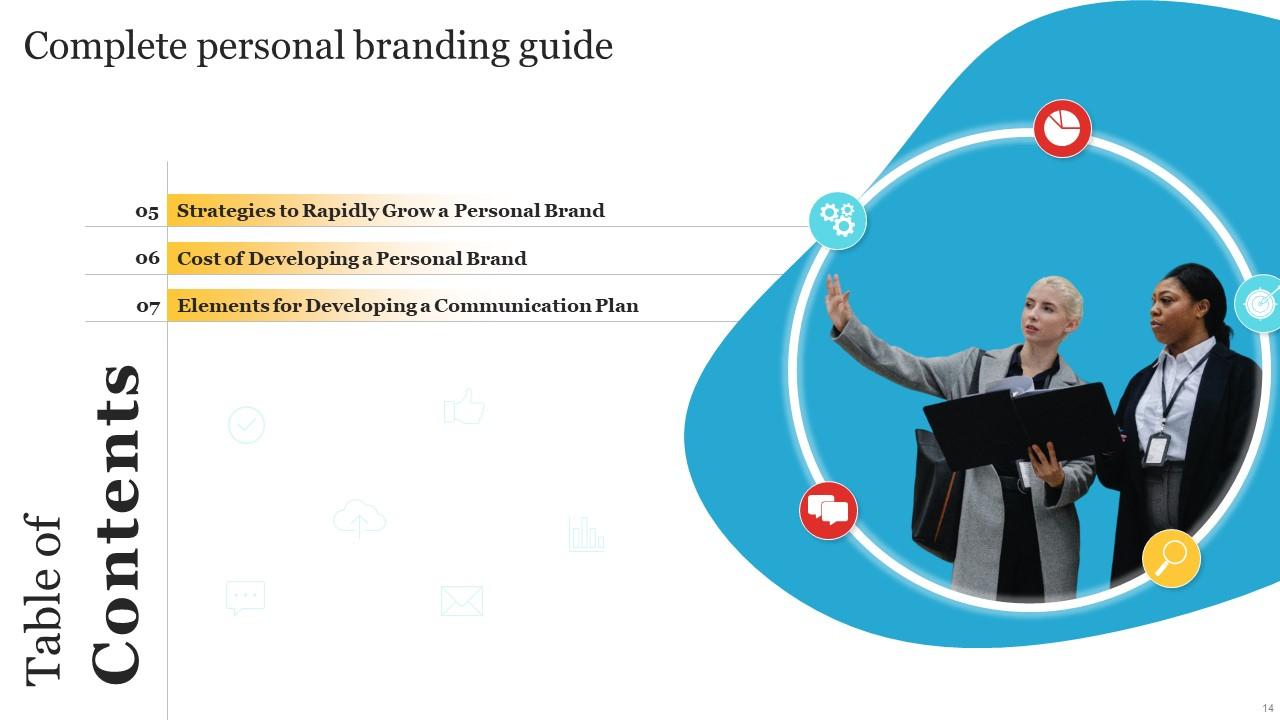
Slide 14: This slide elucidates the Title for the Topics to be covered further.
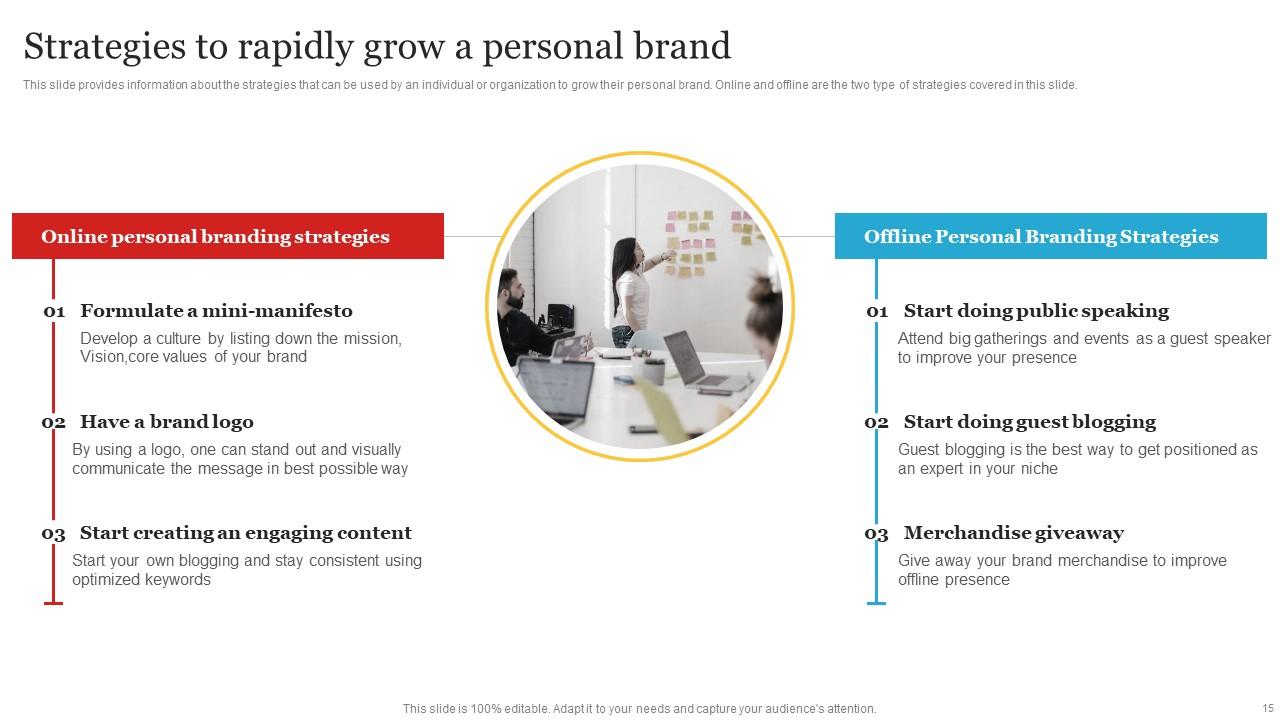
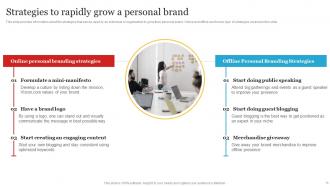
Slide 15: This slide provides information about the strategies that can be used by an individual or organization to grow their personal brand.
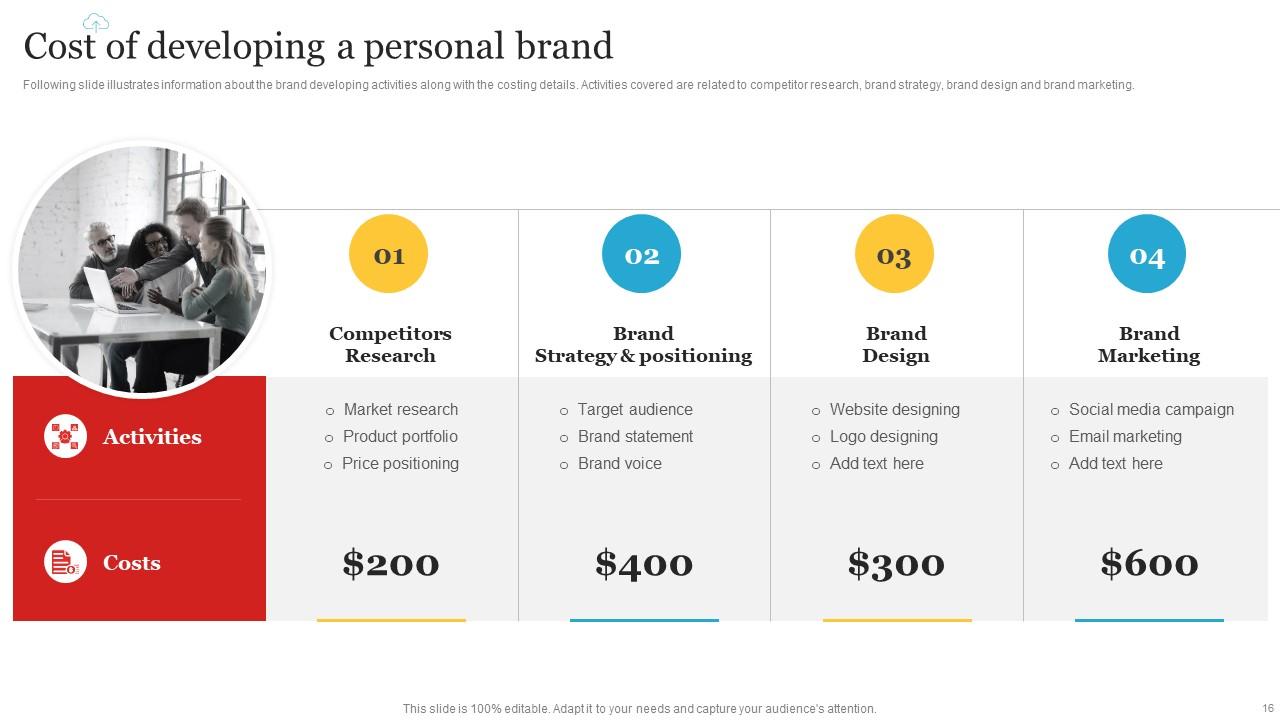
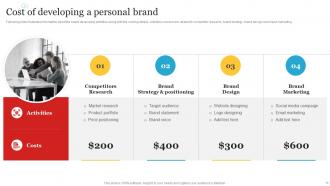
Slide 16: The Following slide illustrates information about the brand developing activities along with the costing details.
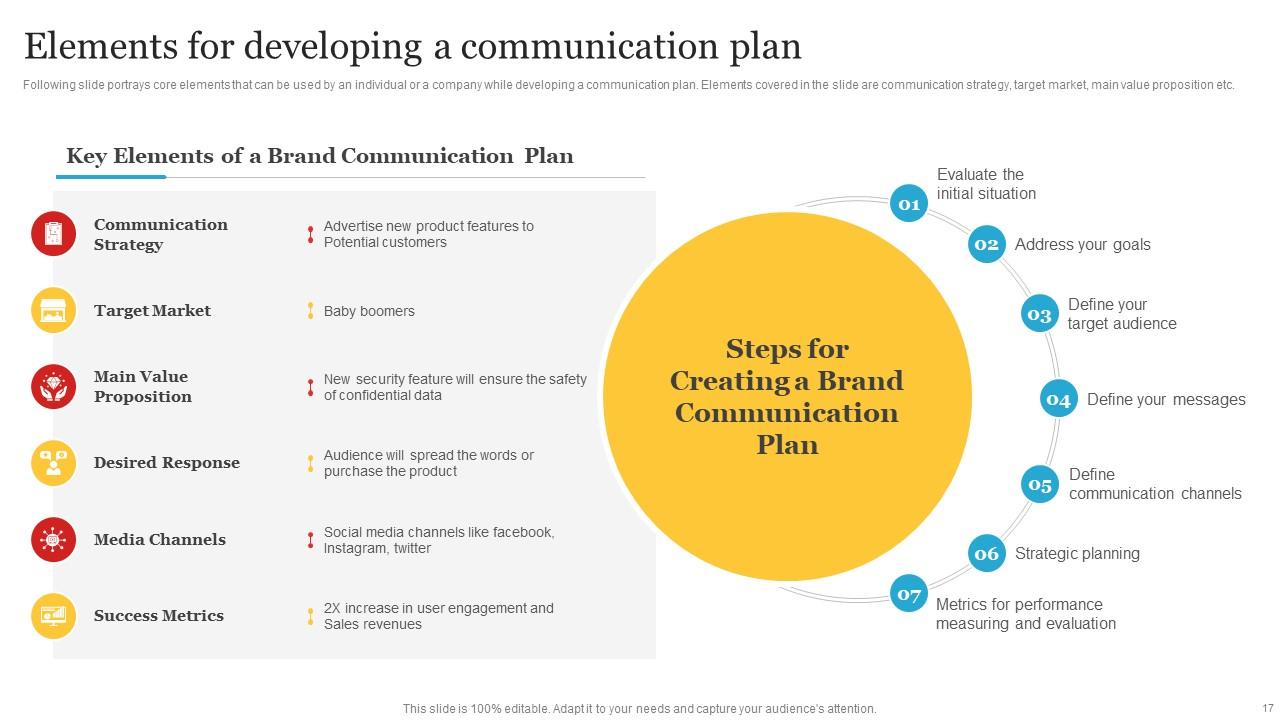
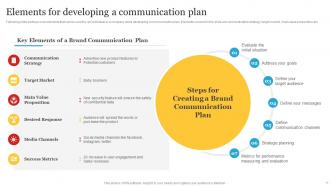
Slide 17: This slide portrays core elements that can be used by an individual or a company while developing a communication plan.
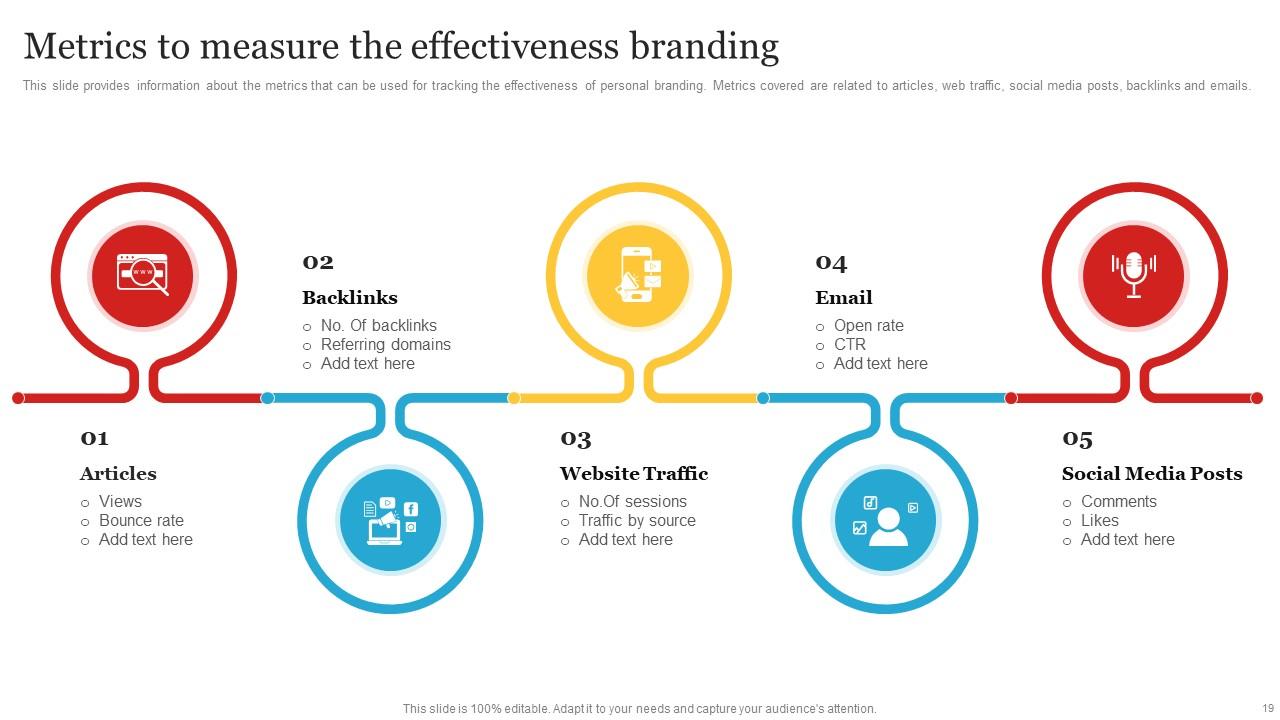
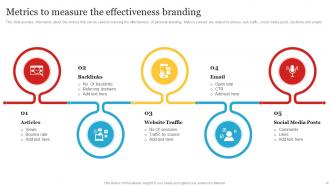
Slide 19: This slide provides information about the metrics that can be used for tracking the effectiveness of personal branding.
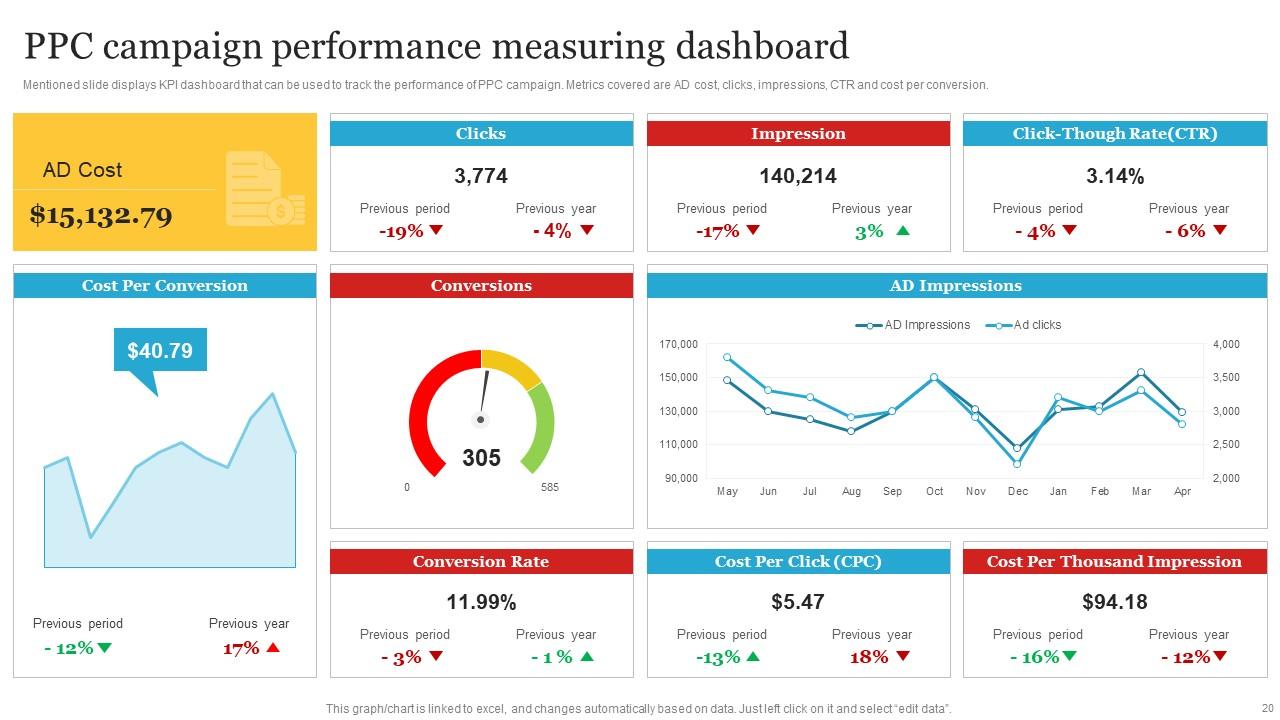
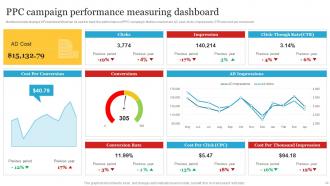
Slide 20: This slide displays KPI dashboard that can be used to track the performance of PPC campaign.
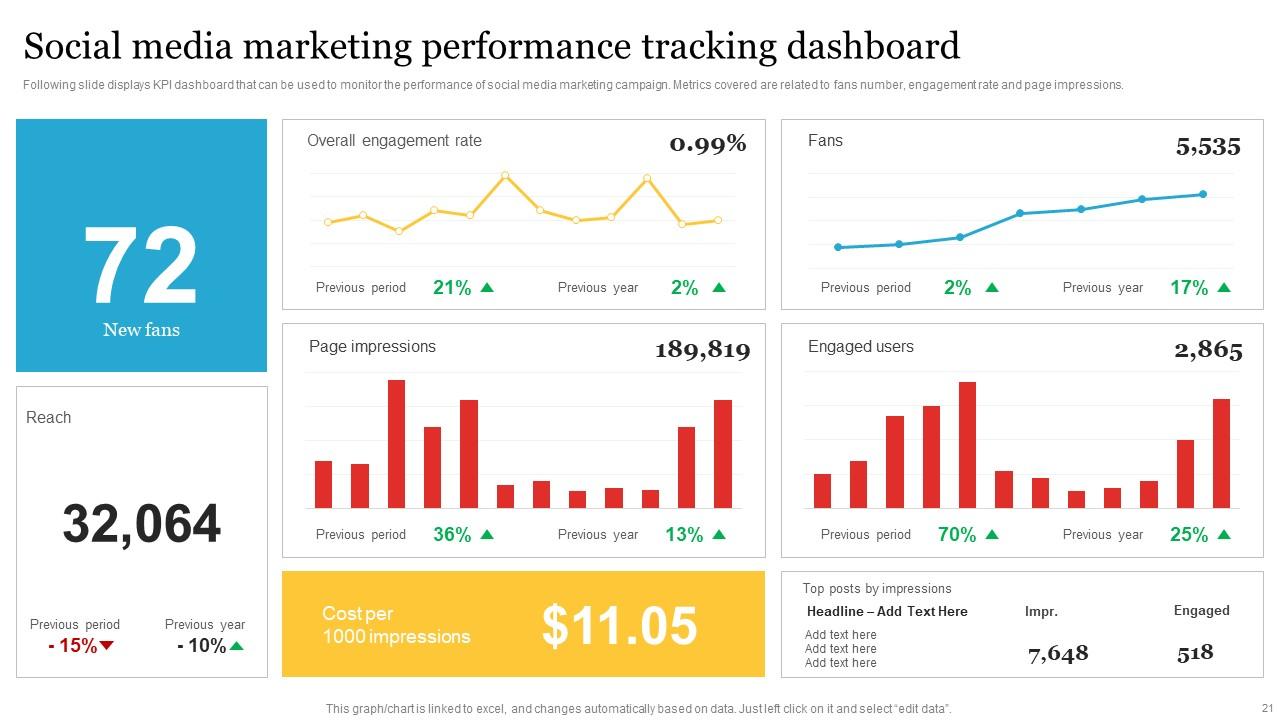
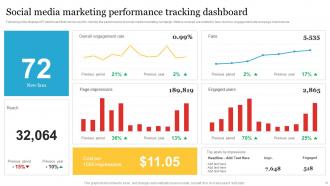
Slide 21: The following slide displays KPI dashboard that can be used to monitor the performance of social media marketing campaign.
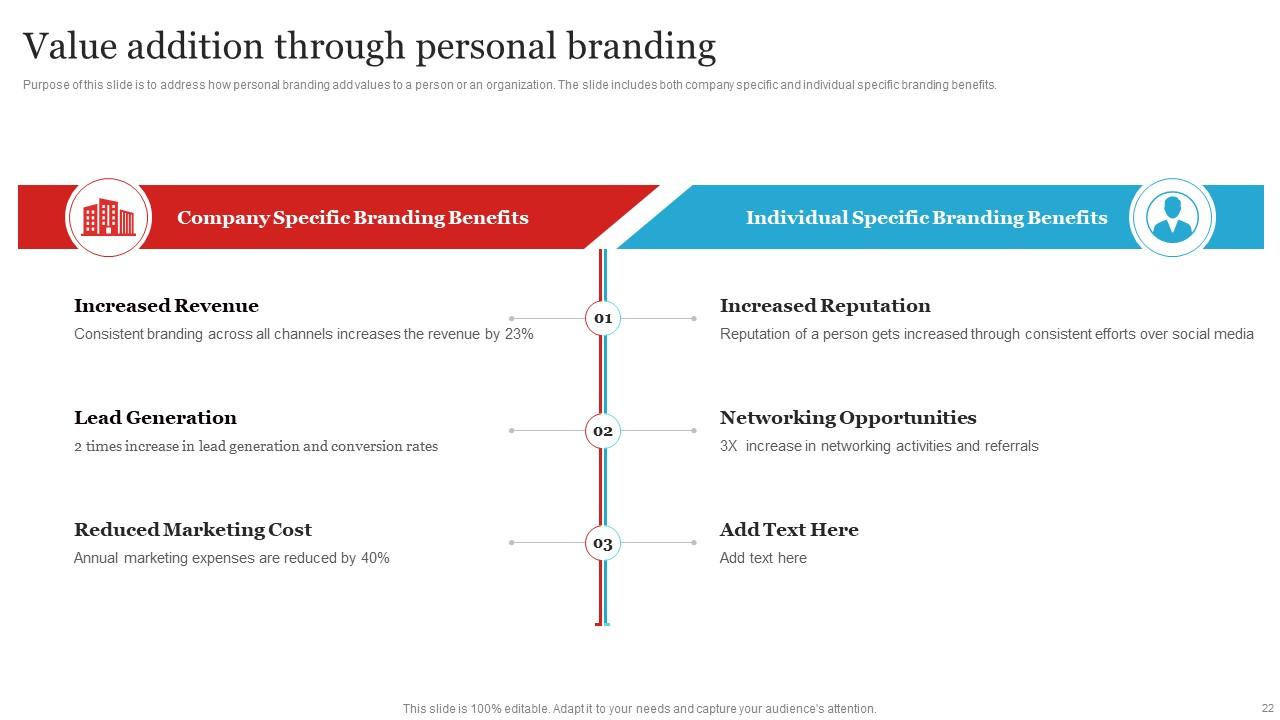
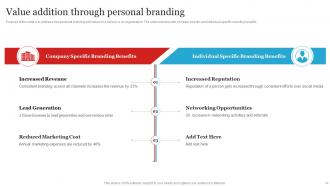
Slide 22: The Purpose of this slide is to address how personal branding add values to a person or an organization.
Slide 23: This slide highlights the Title for the Topics to be coveerd further.
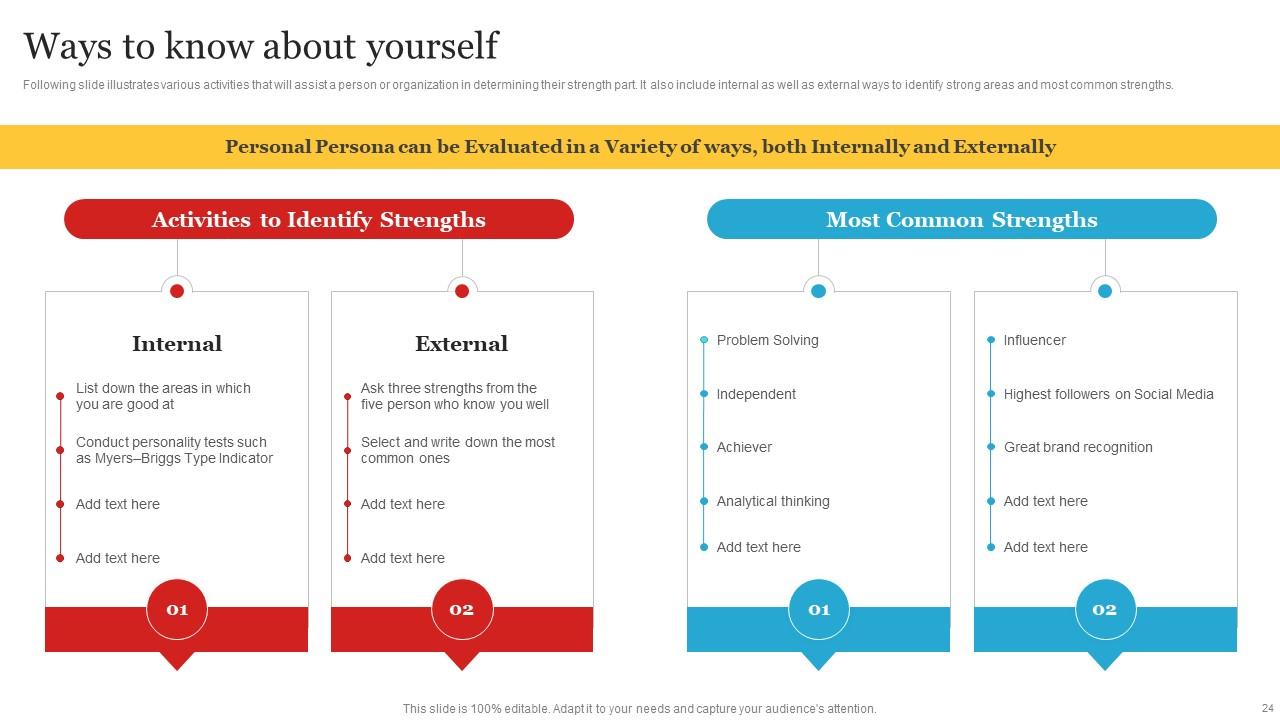
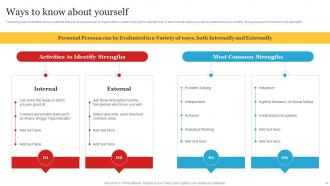
Slide 24: The Following slide illustrates various activities that will assist a person or organization in determining their strength part.
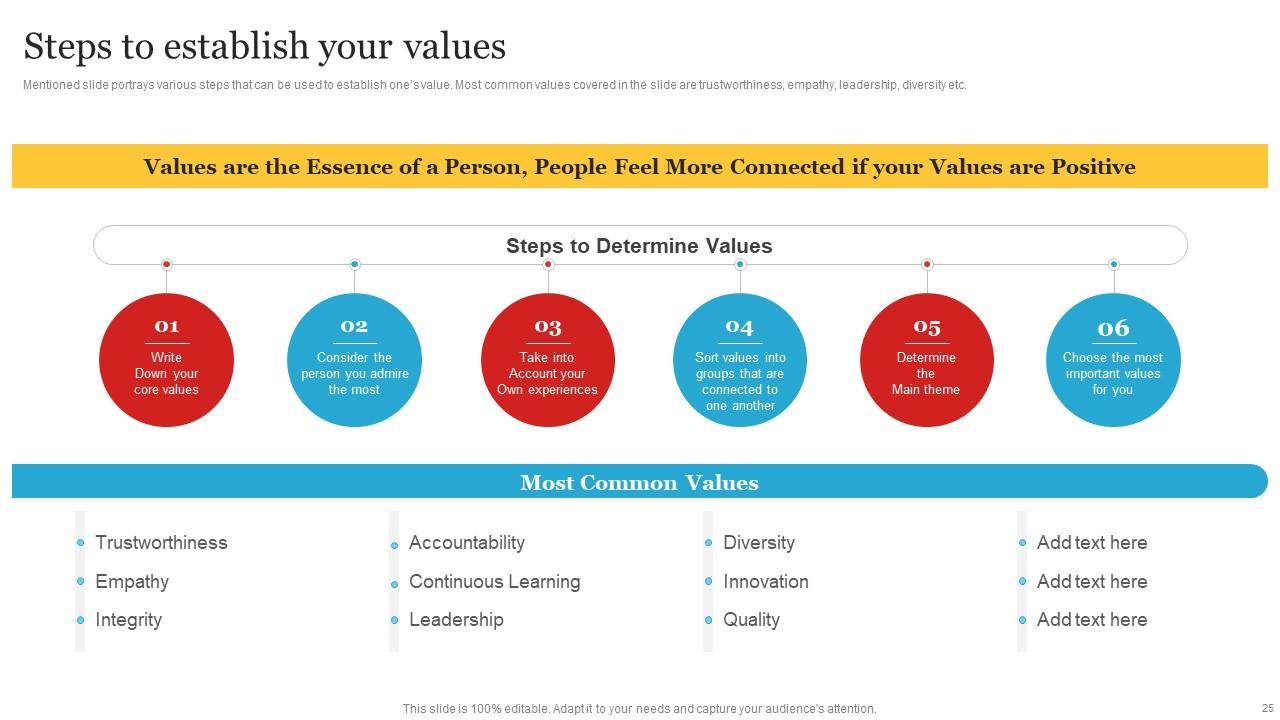
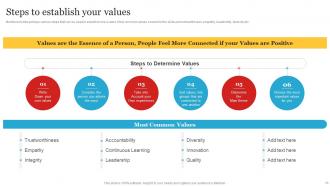
Slide 25: This slide portrays various steps that can be used to establish one’s value.
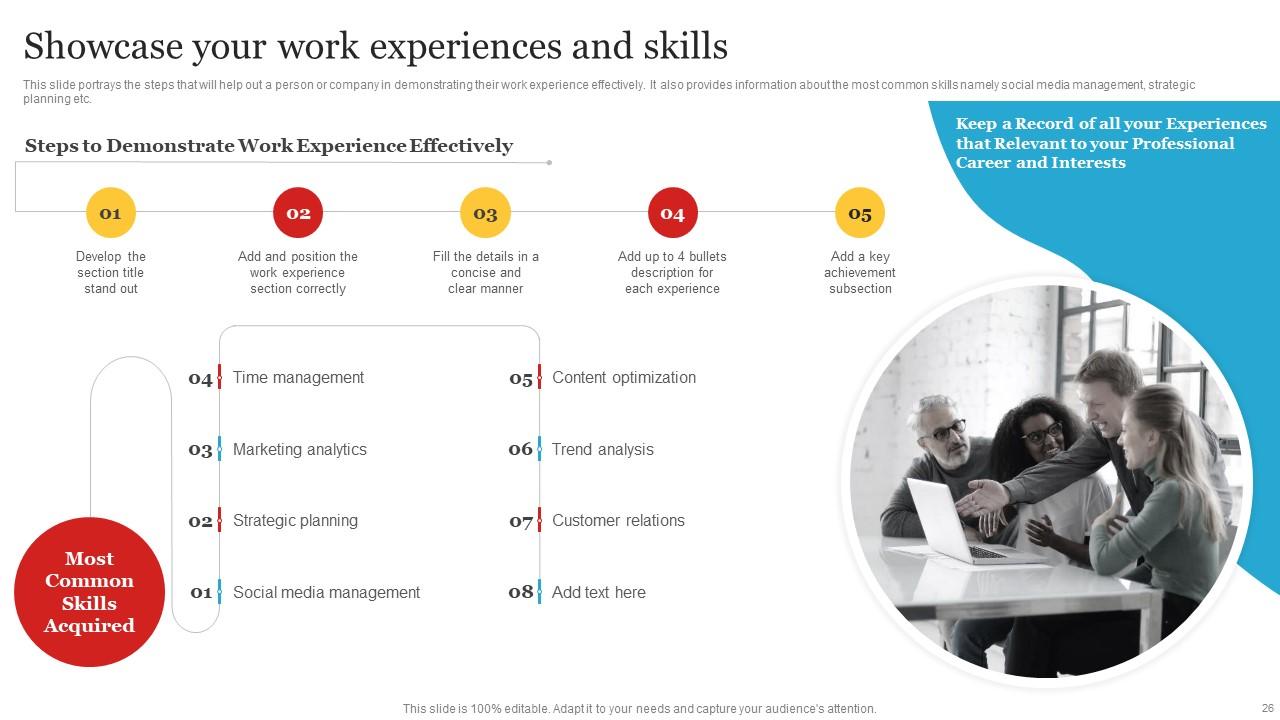
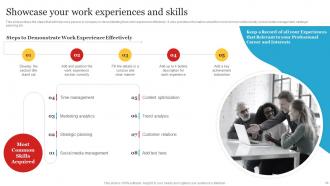
Slide 26: This slide states the steps that will help out a person or company in demonstrating their work experience effectively.
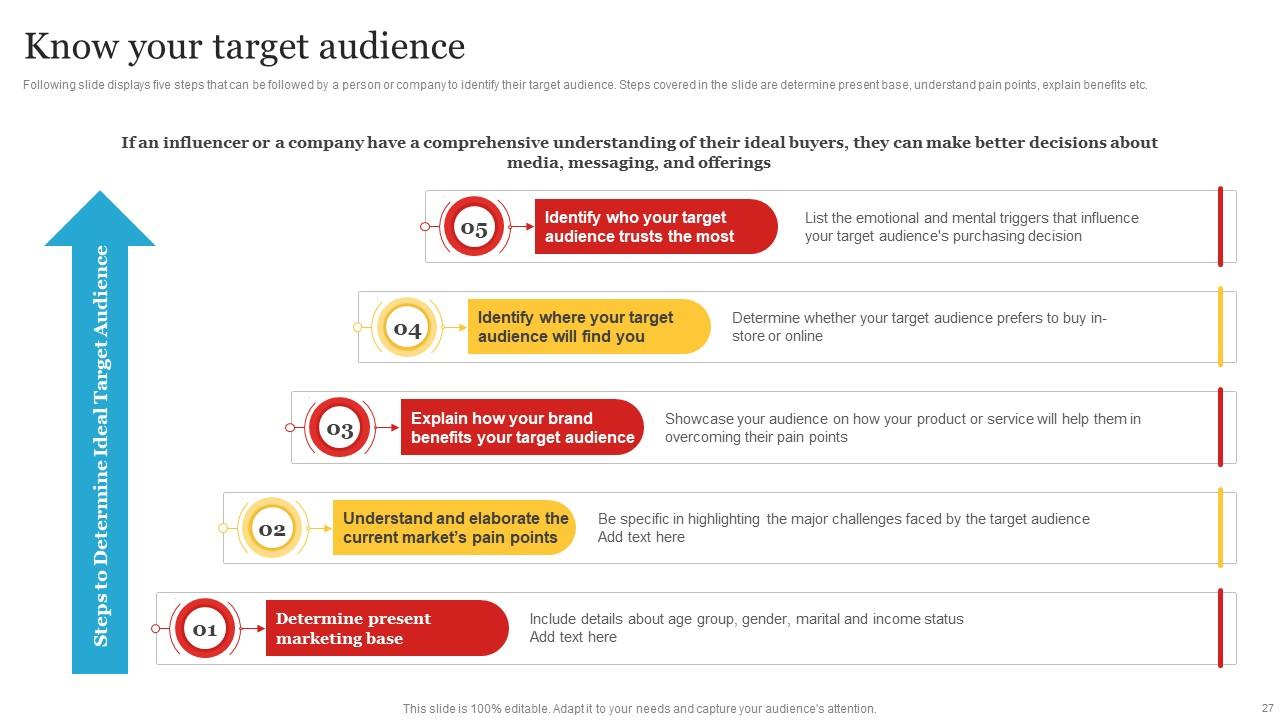
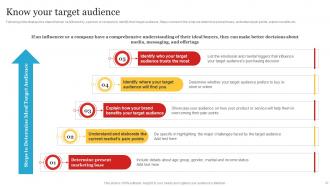
Slide 27: The Following slide displays five steps that can be followed by a person or company to identify their target audience.
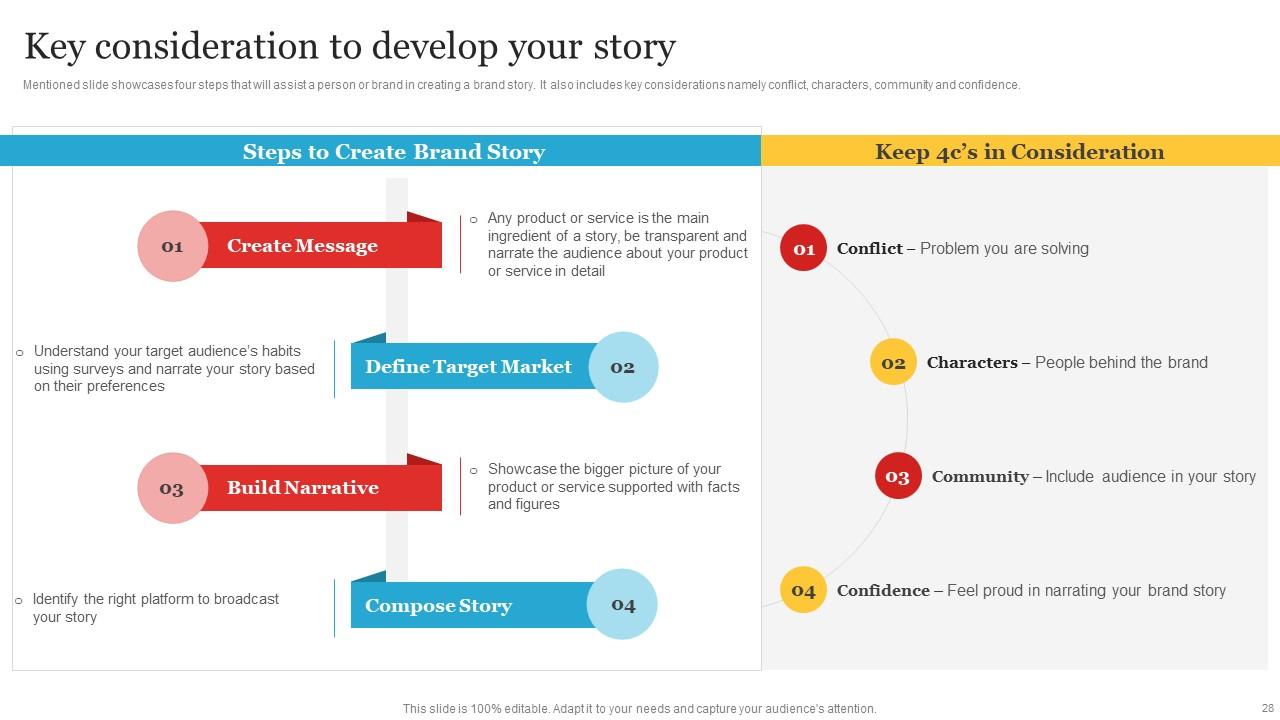
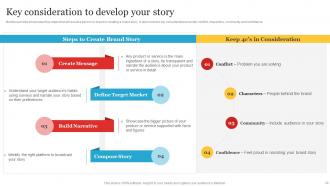
Slide 28: This slide showcases four steps that will assist a person or brand in creating a brand story.
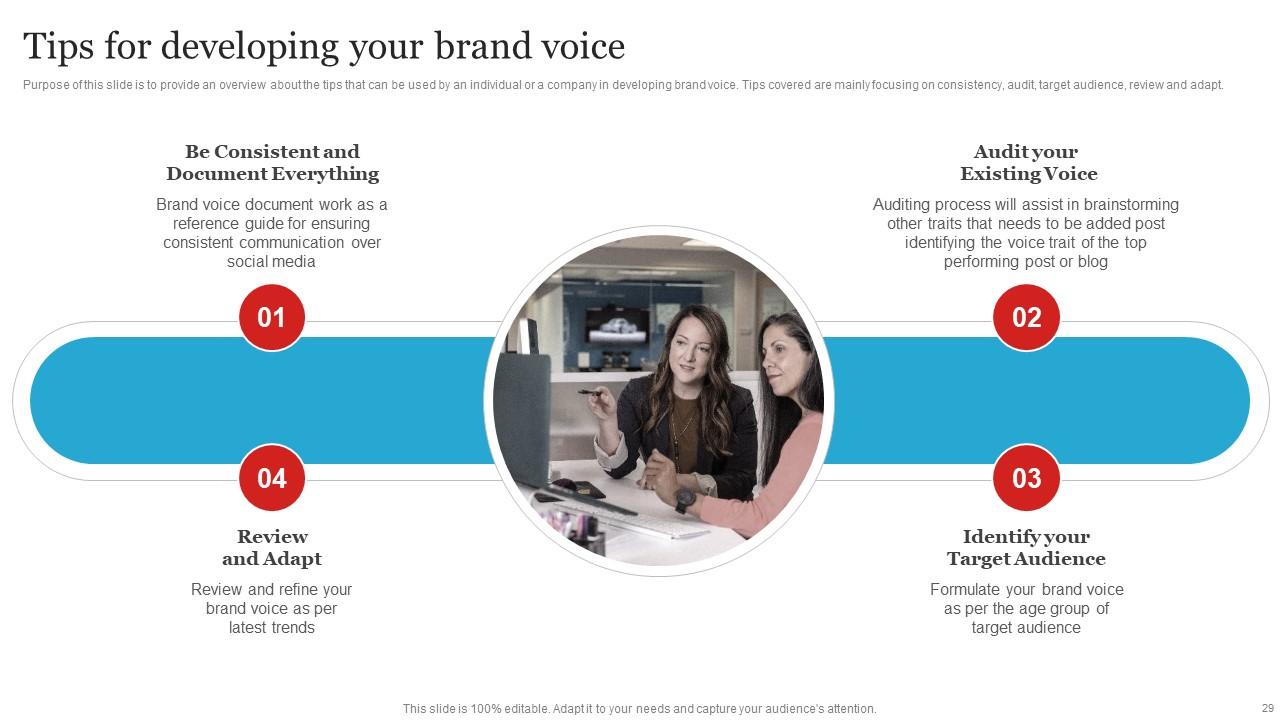
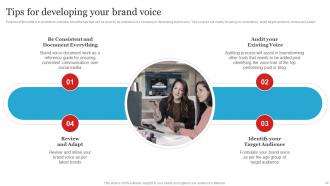
Slide 29: Purpose of this slide is to provide an overview about the tips that can be used by an individual or a company in developing brand voice.
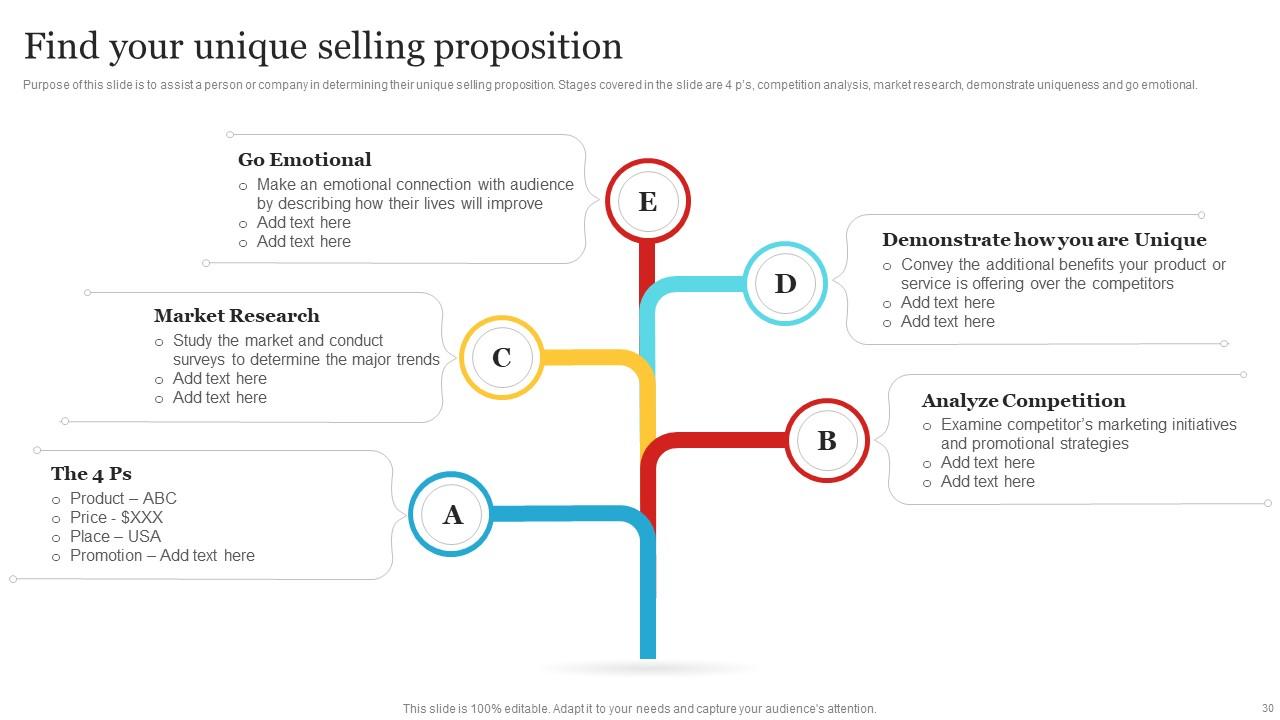
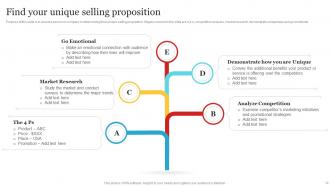
Slide 30: This slide assists a person or company in determining their unique selling proposition.
Slide 31: This slide highlights the Title for the Topics to be covered further.
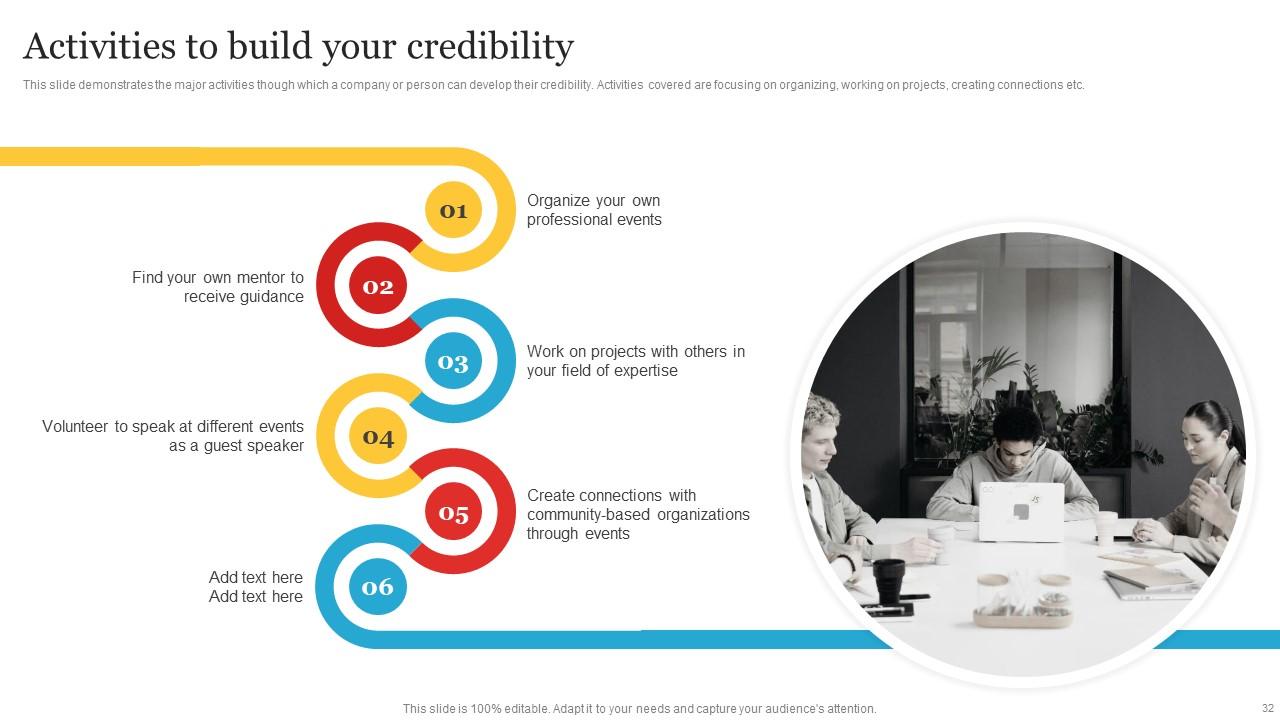
Slide 32: This slide demonstrates the major activities though which a company or person can develop their credibility.
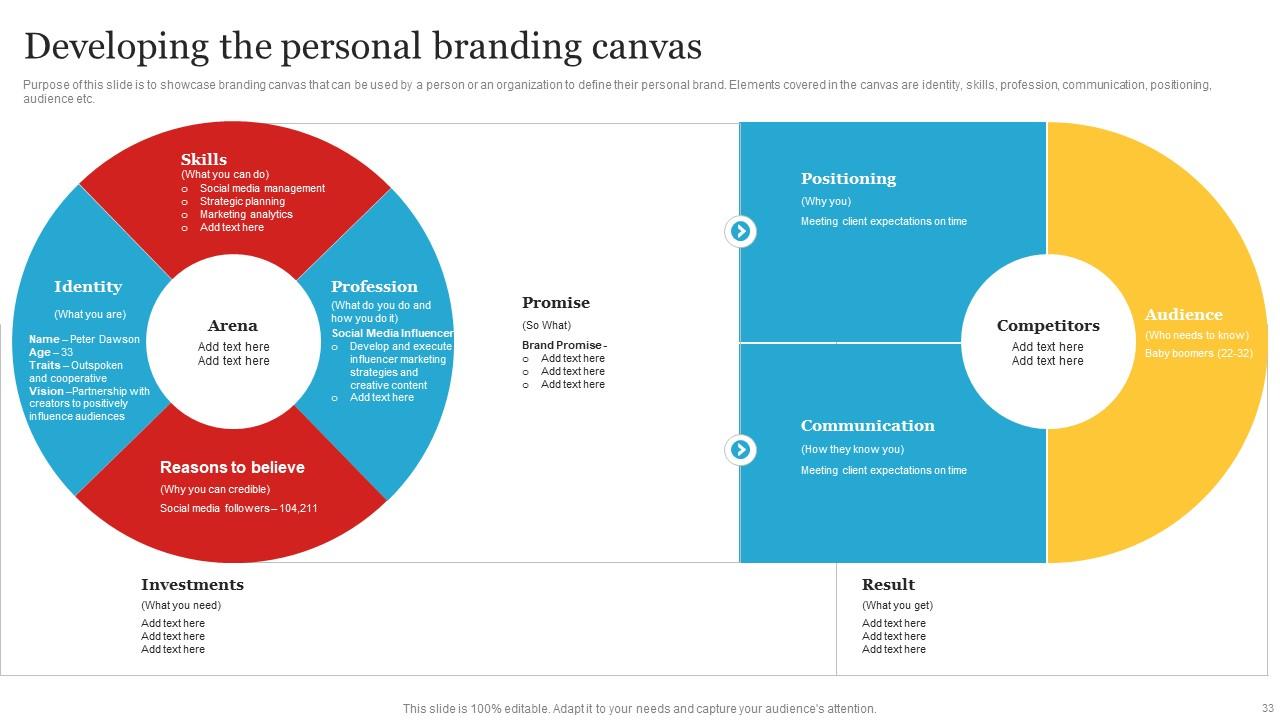
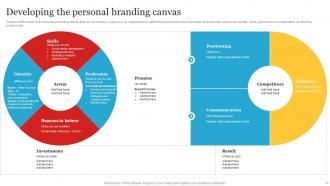
Slide 33: Purpose of this slide is to showcase branding canvas that can be used by a person or an organization to define their personal brand.
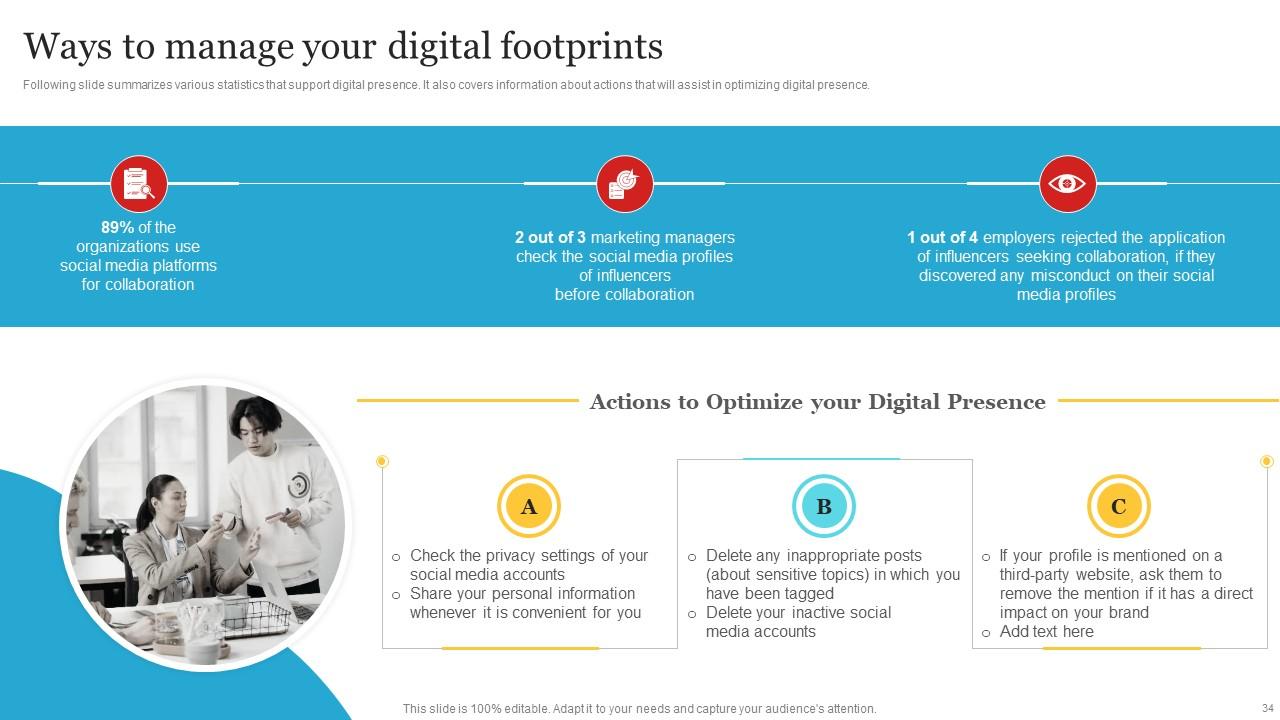
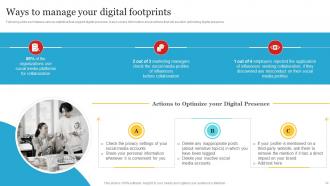
Slide 34: This slide summarizes various statistics that support digital presence.
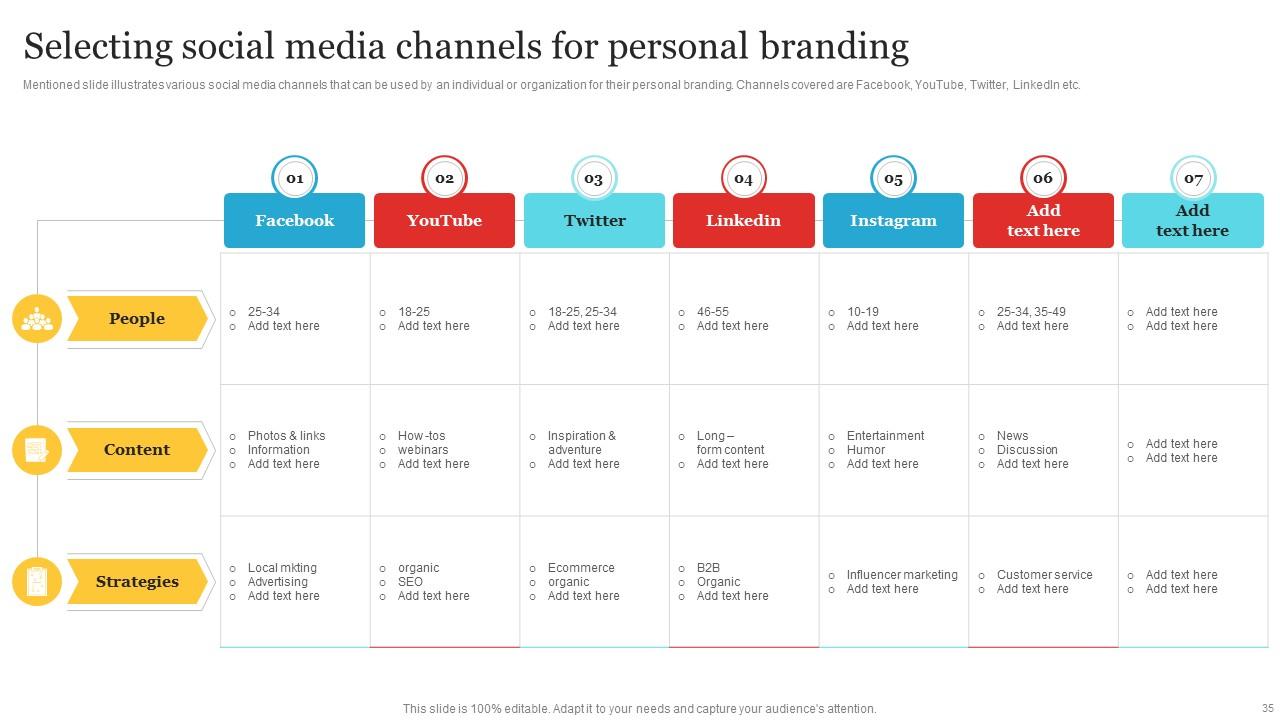
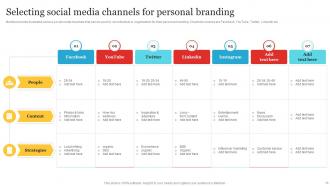
Slide 35: The mentioned slide illustrates various social media channels that can be used by an individual or organization for their personal branding.
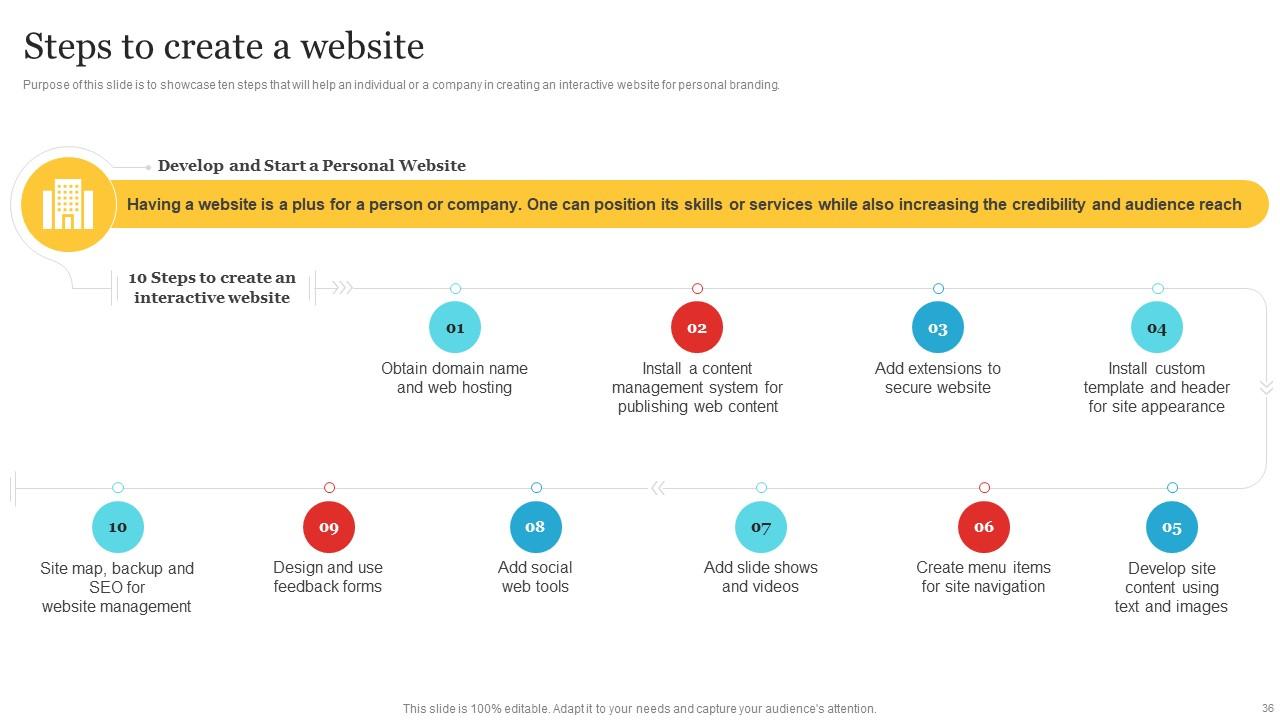
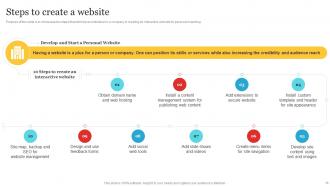
Slide 36: Purpose of this slide is to showcase ten steps that will help an individual or a company in creating an interactive website for personal branding.
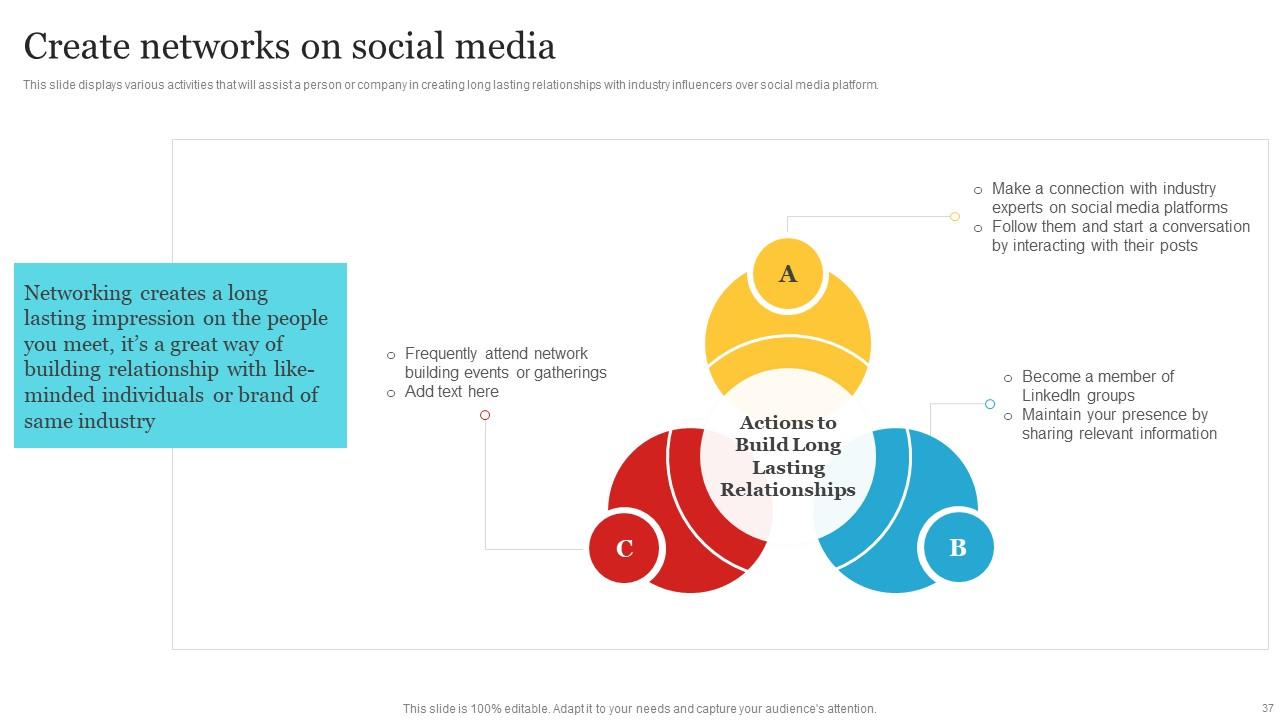
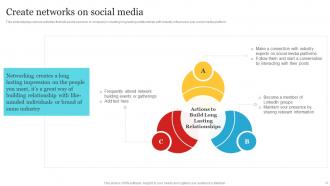
Slide 37: This slide displays various activities that will assist a person or company in creating long lasting relationships with industry influencers over social media platform.
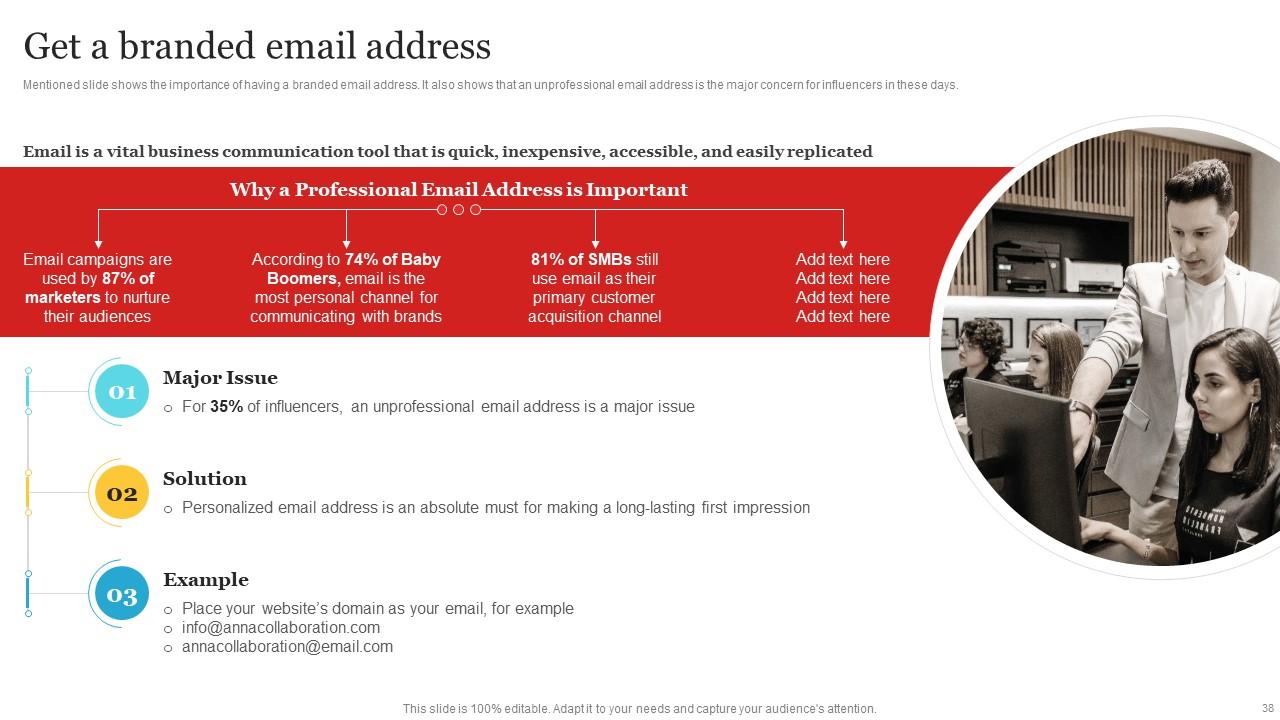
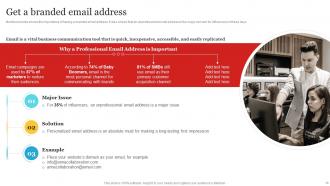
Slide 38: This slide shows the importance of having a branded email address.
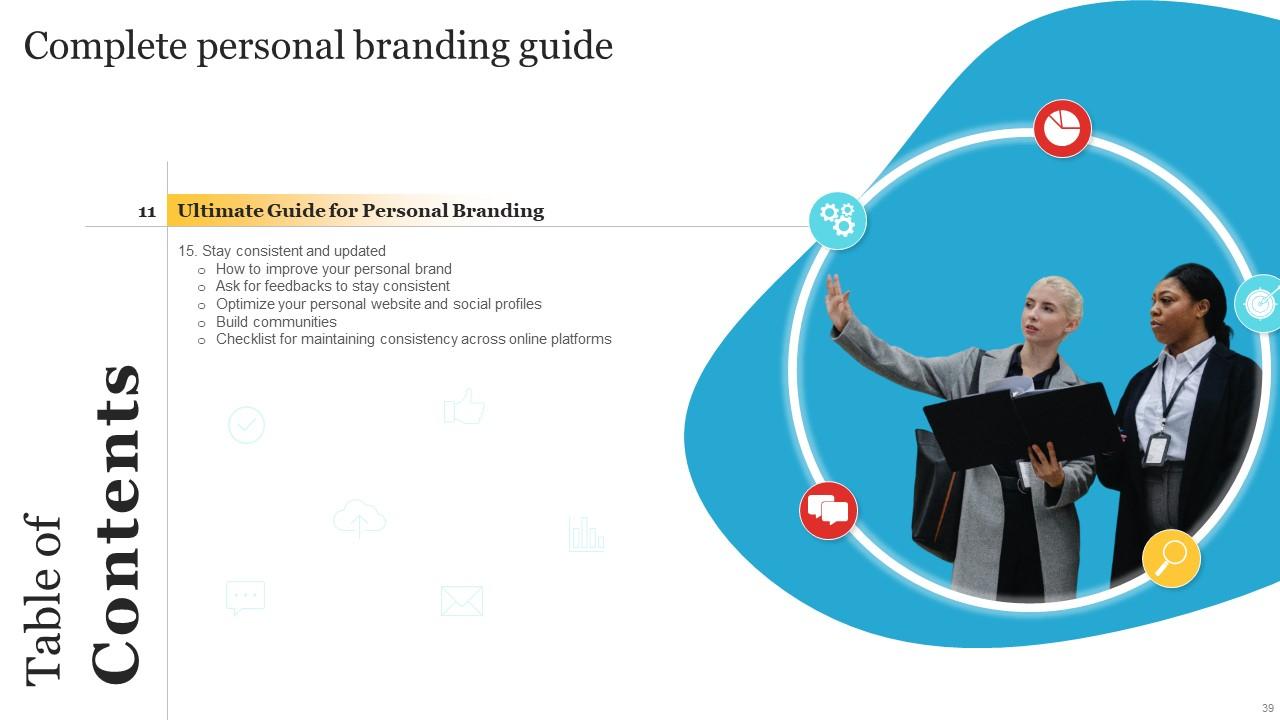
Slide 39: This slide exhibits information about the Heading for the Contents to be discussed further.
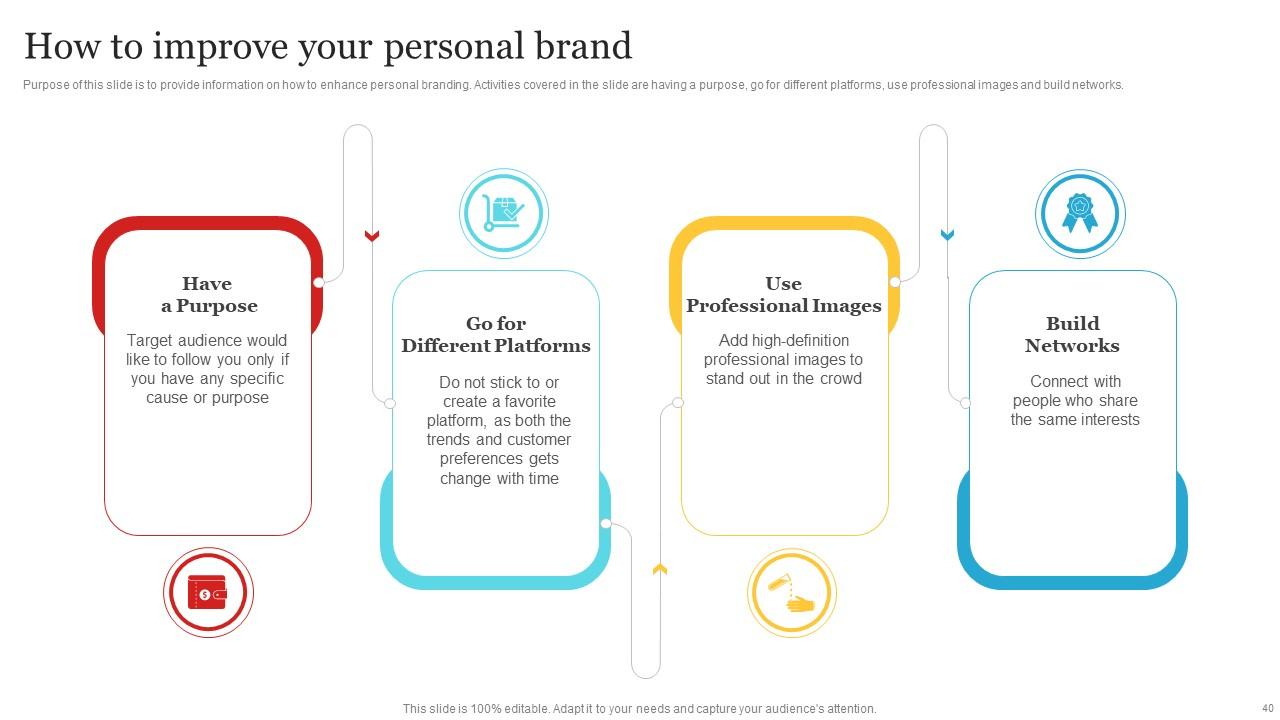
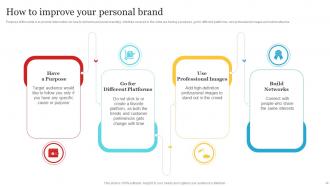
Slide 40: Purpose of this slide is to provide information on how to enhance personal branding.
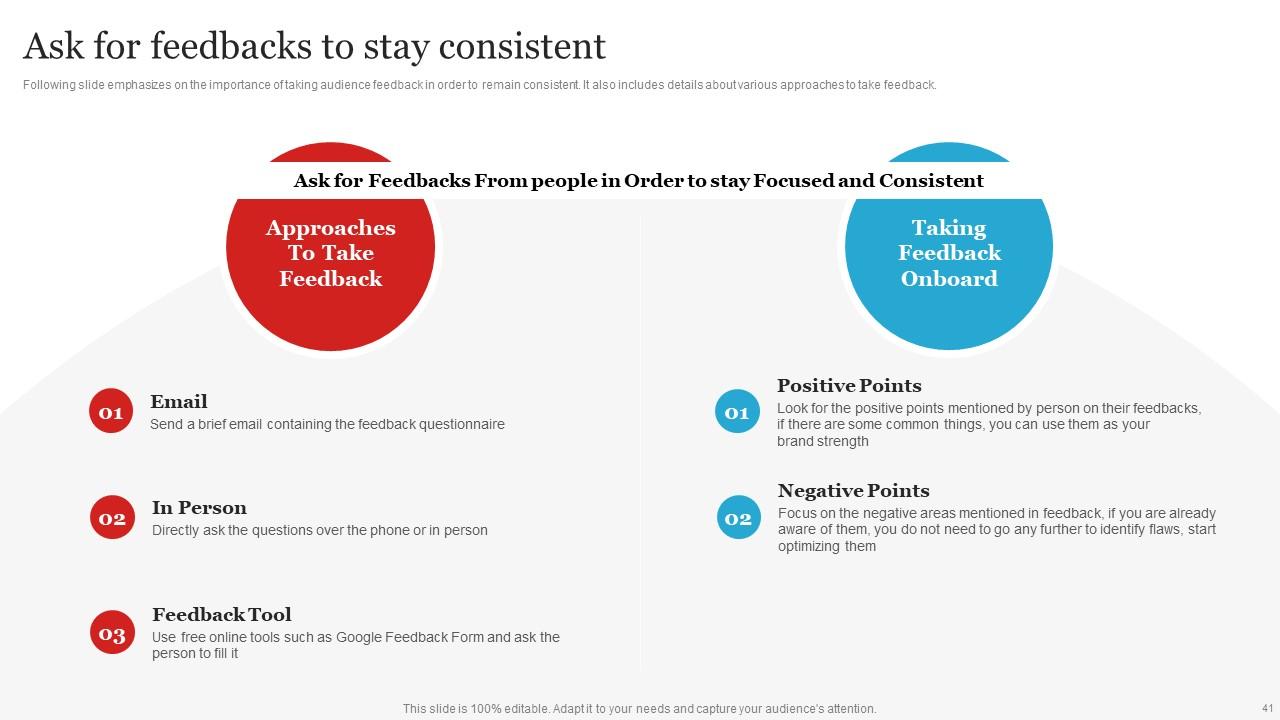
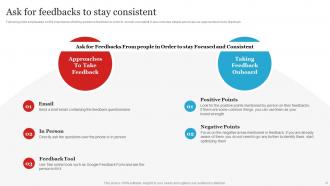
Slide 41: The following slide emphasizes on the importance of taking audience feedback in order to remain consistent.
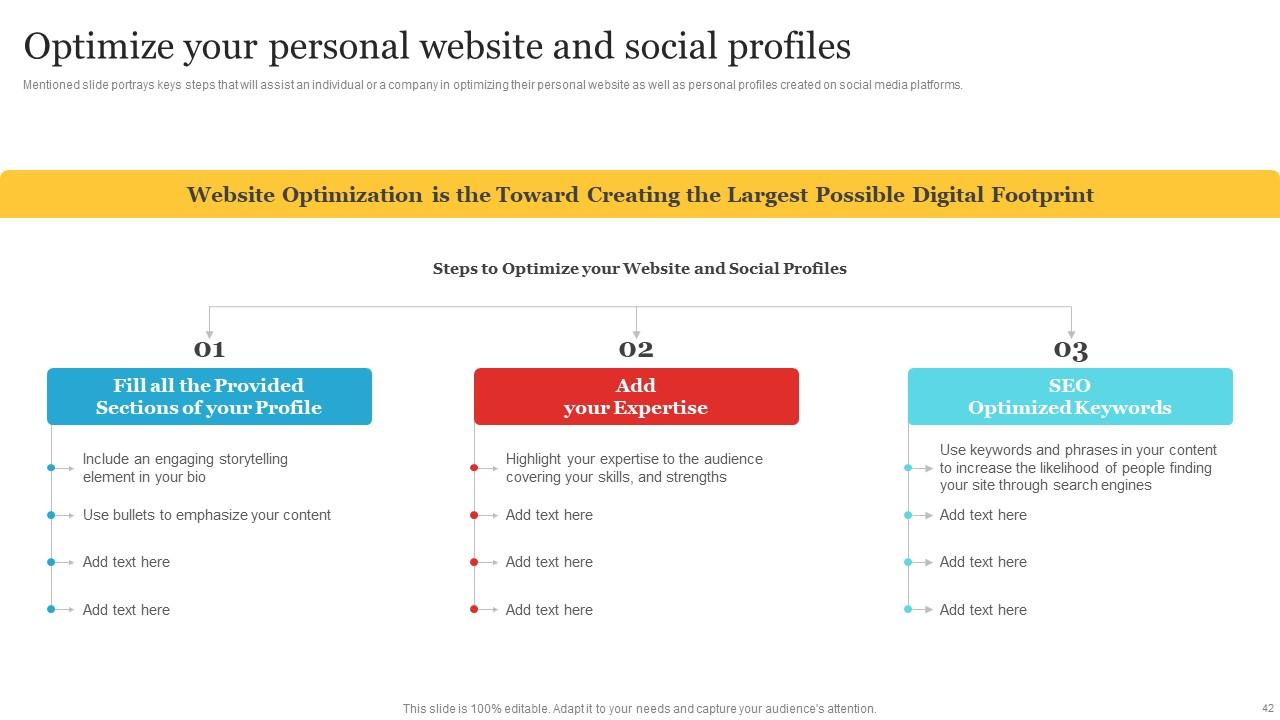
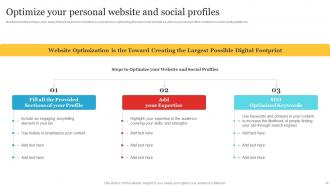
Slide 42: This slide portrays keys steps that will assist an individual or a company in optimizing their personal website as well as personal profiles created on social media platforms.
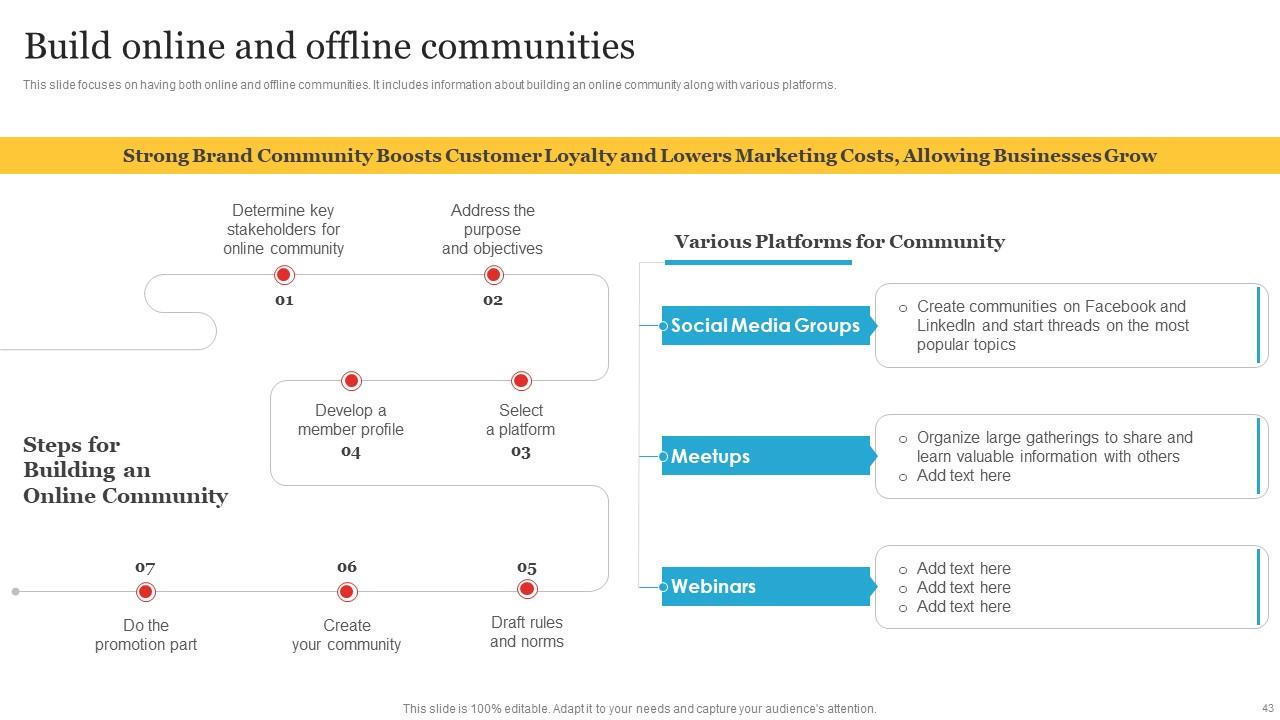
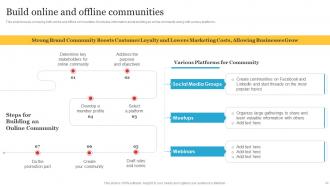
Slide 43: This slide focuses on having both online and offline communities.
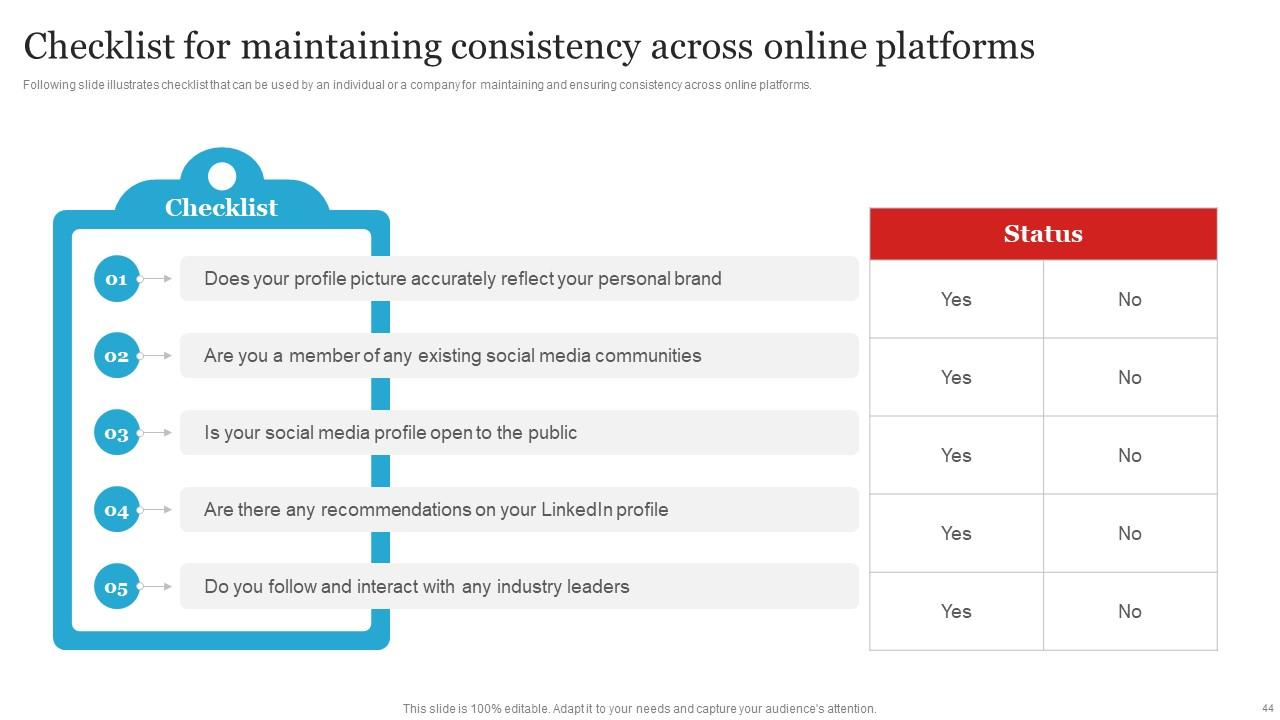
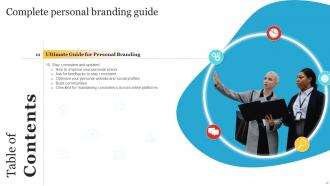
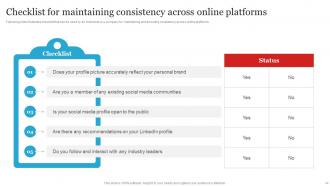
Slide 44: The Following slide illustrates checklist that can be used by an individual or a company for maintaining and ensuring consistency across online platforms.
Slide 45: This sldie includes the Title for the Topics to be discussed in the forth-coming template.
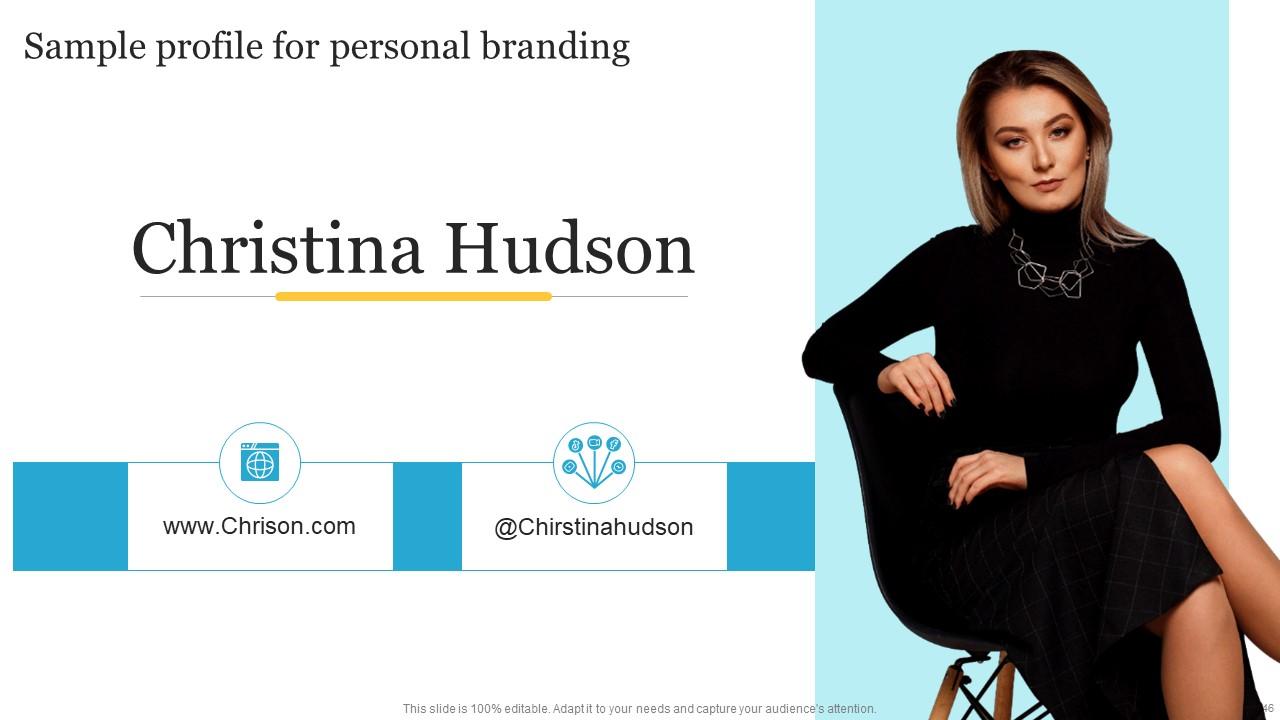
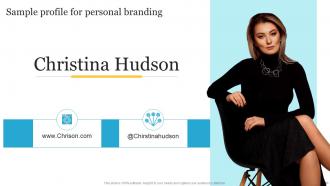
Slide 46: This slide presents the Sample profile for personal branding.
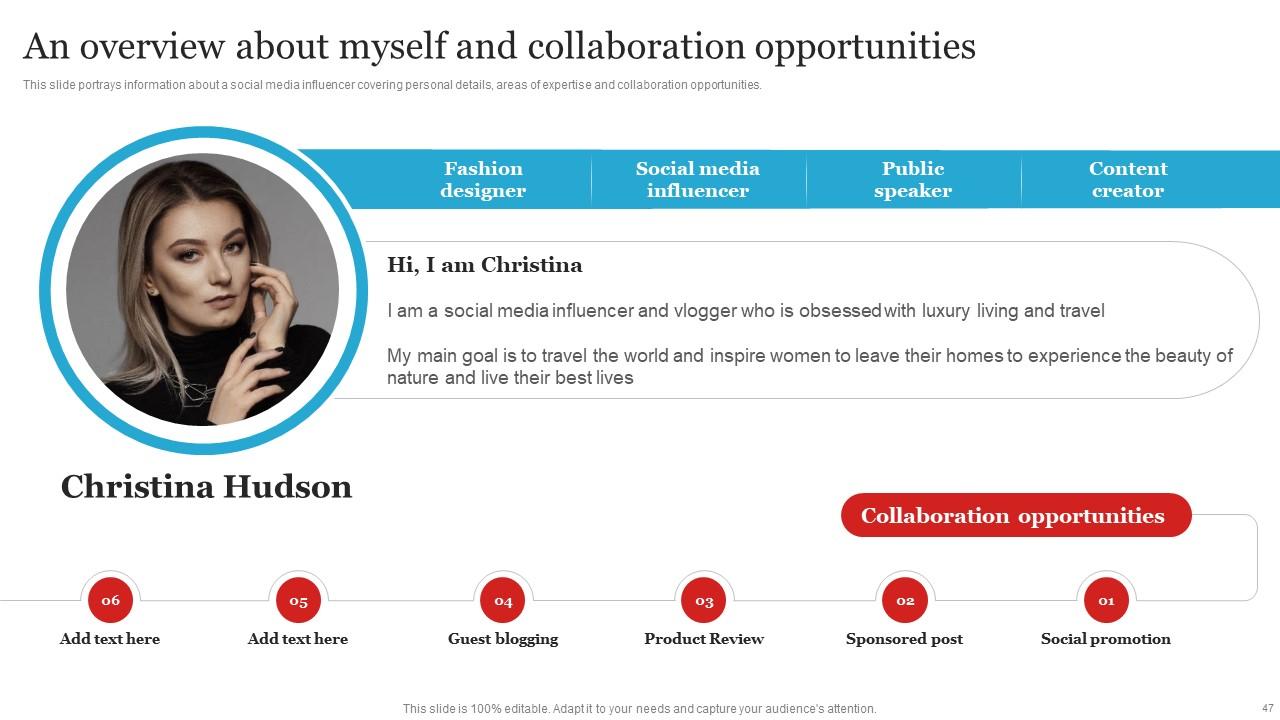
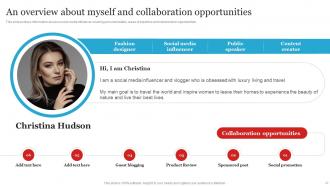
Slide 47: This slide portrays information about a social media influencer covering personal details, areas of expertise and collaboration opportunities.
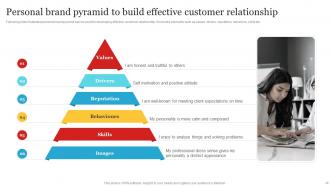
Slide 48: The Following slide illustrates personal brand pyramid can be used for developing effective customer relationship.
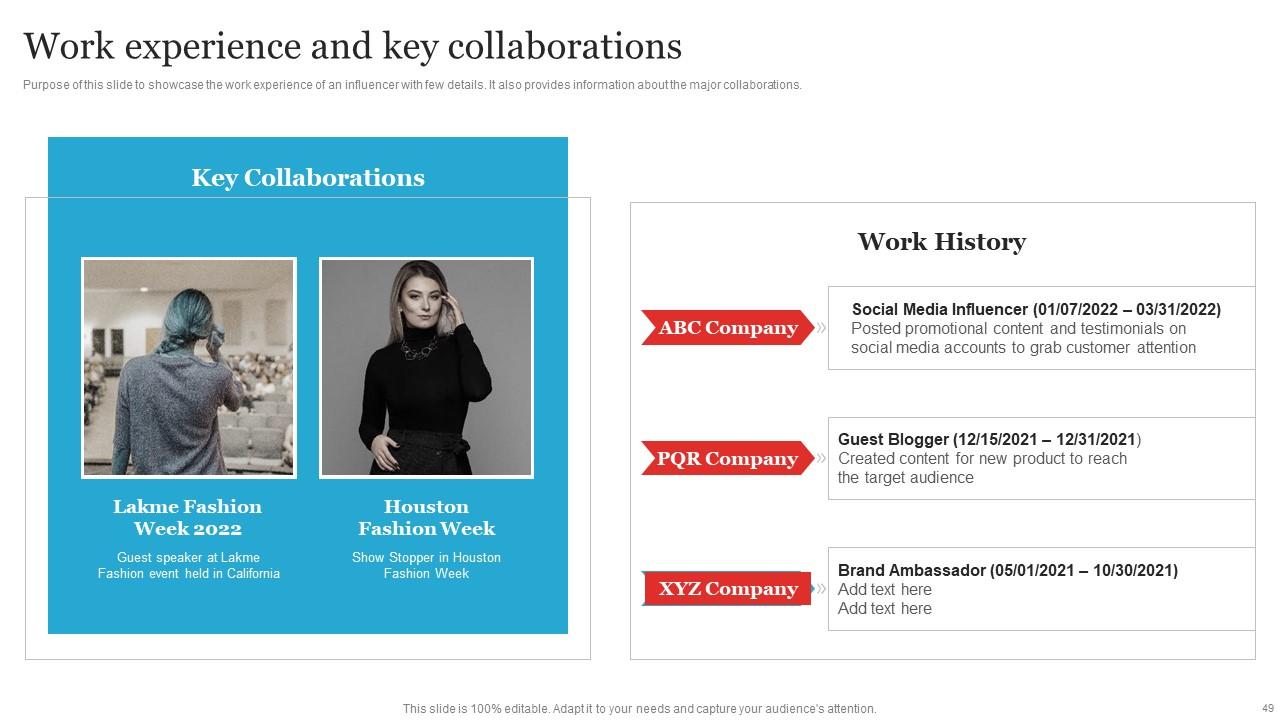
Slide 49: The Purpose of this slide to showcase the work experience of an influencer with few details.
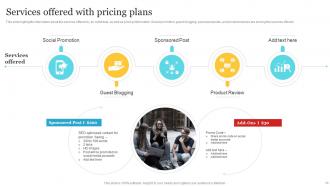
Slide 50: This slide highlights information about the services offered by an individual, as well as pricing information.
Slide 51: This slide incorporates the Heading for the Contents to be discussed further.
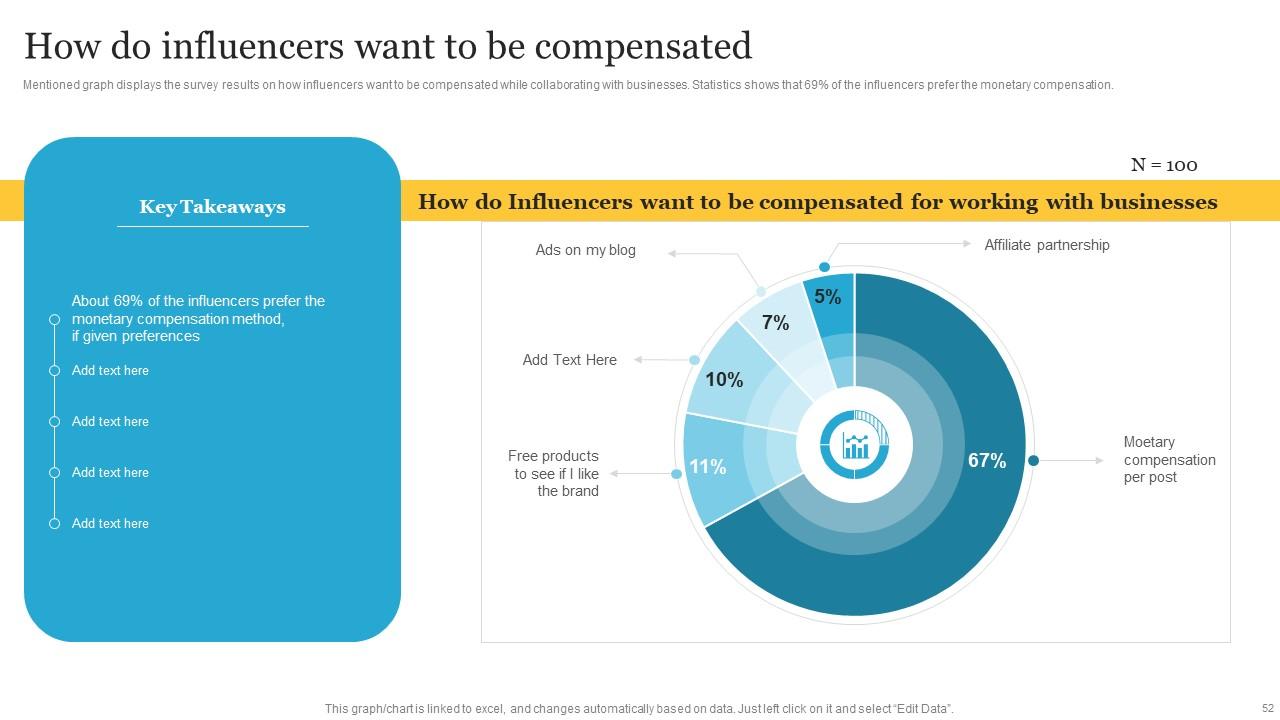
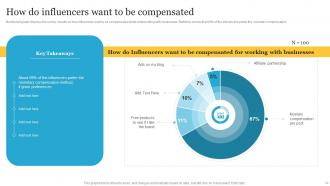
Slide 52: The Mentioned graph displays the survey results on how influencers want to be compensated while collaborating with businesses.
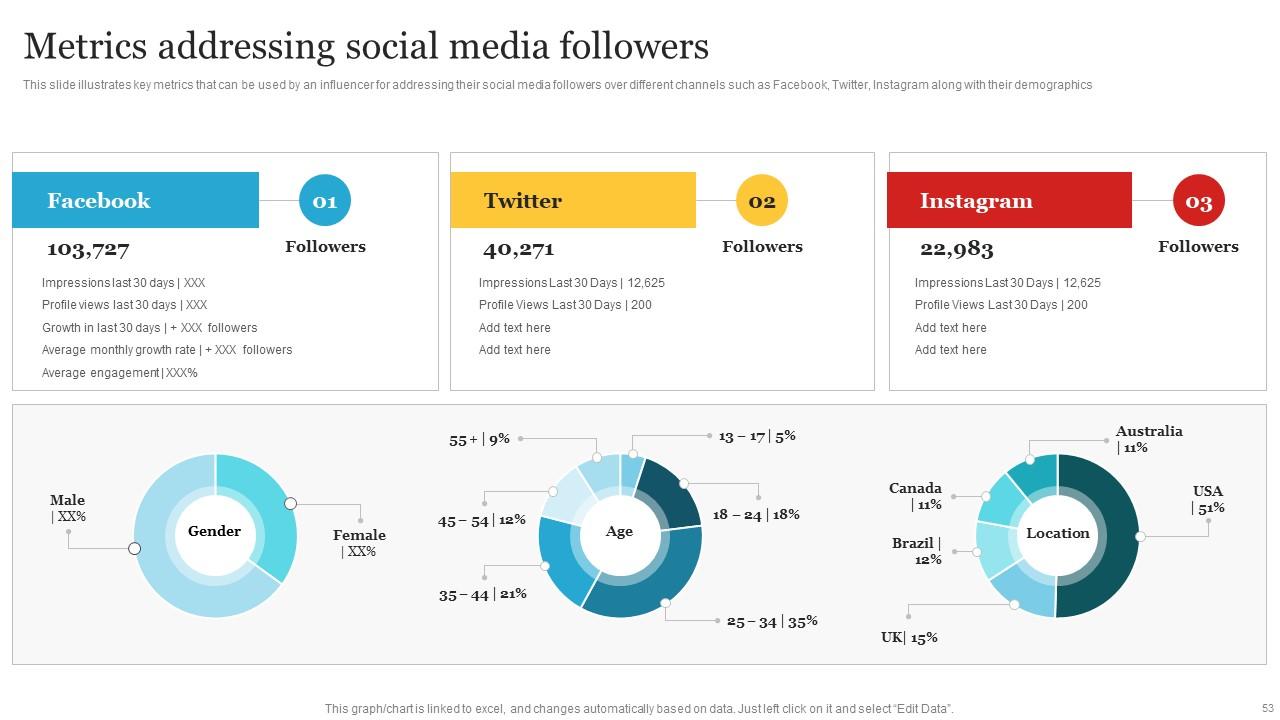
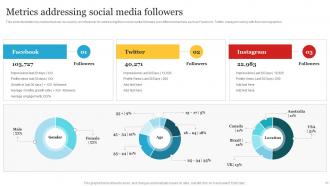
Slide 53: This slide illustrates key metrics that can be used by an influencer for addressing their social media followers over different channels.
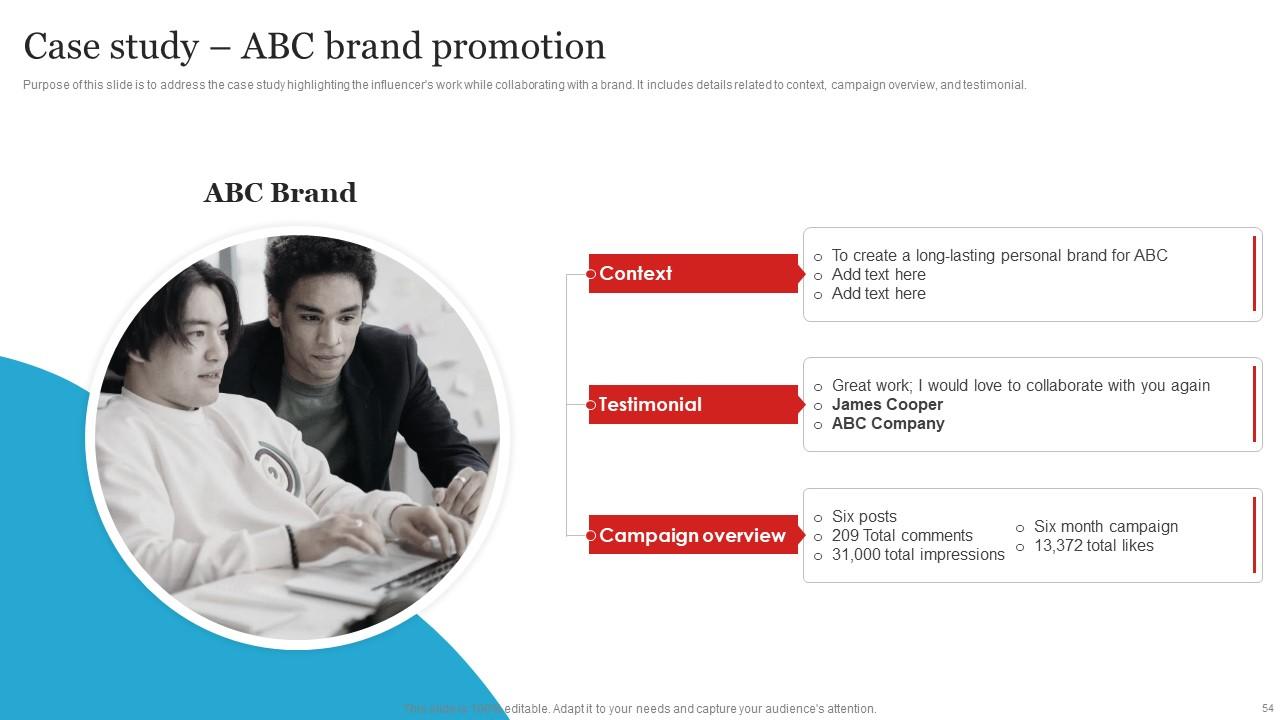
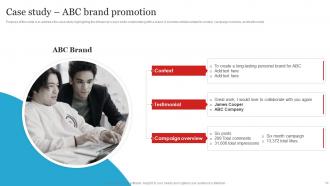
Slide 54: The Purpose of this slide is to address the case study highlighting the influencer's work while collaborating with a brand.
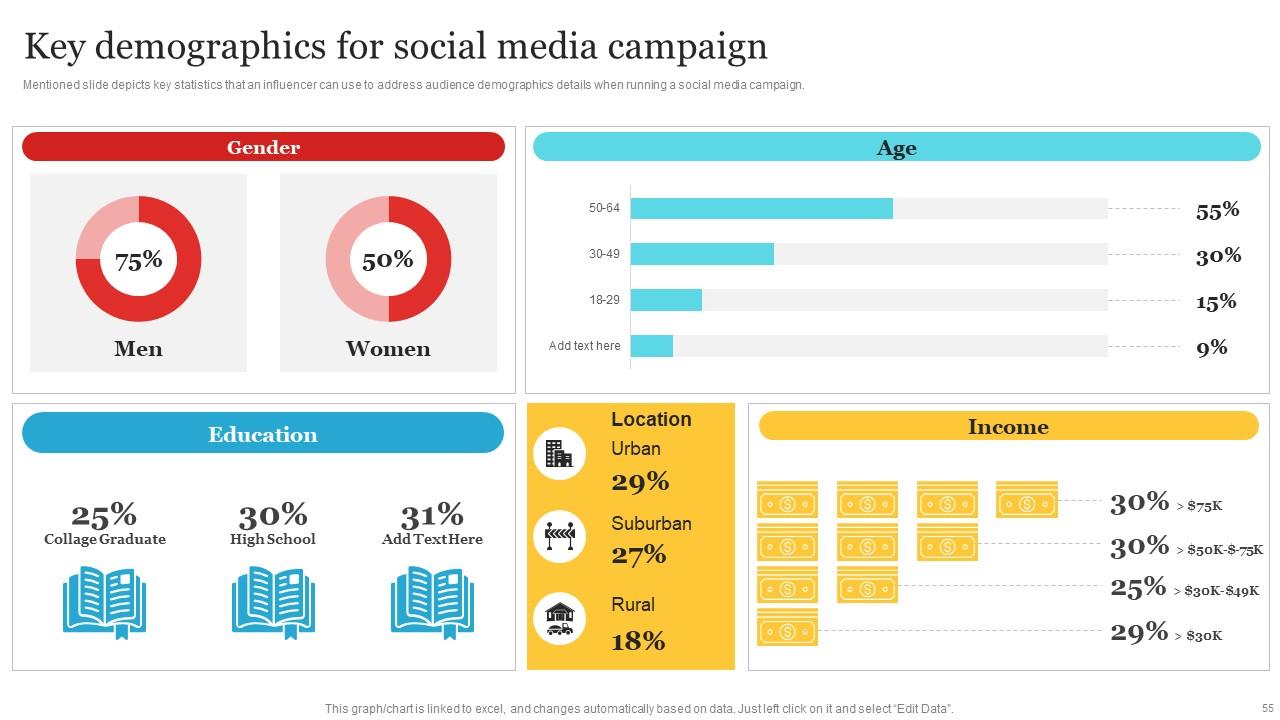
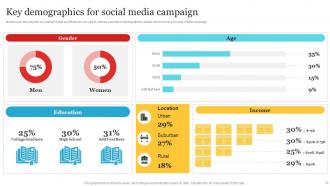
Slide 55: This slide depicts key statistics that an influencer can use to address audience demographics details when running a social media campaign.
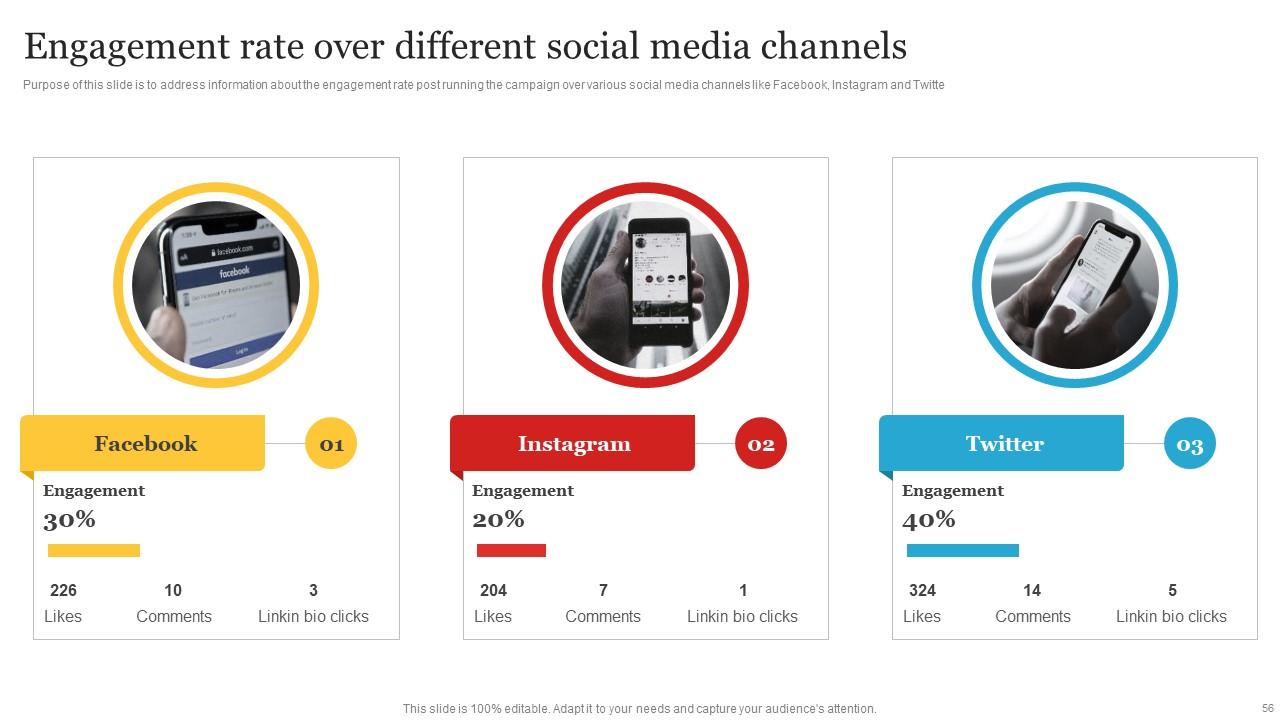
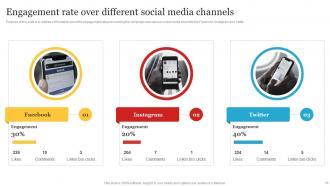
Slide 56: The Purpose of this slide is to address information about the engagement rate post running the campaign over various social media channels.
Slide 57: This is the Icons slide containing all the Icons used in the plan.
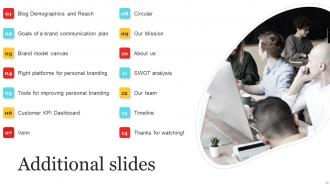
Slide 58: This slide depicts the Additional information.
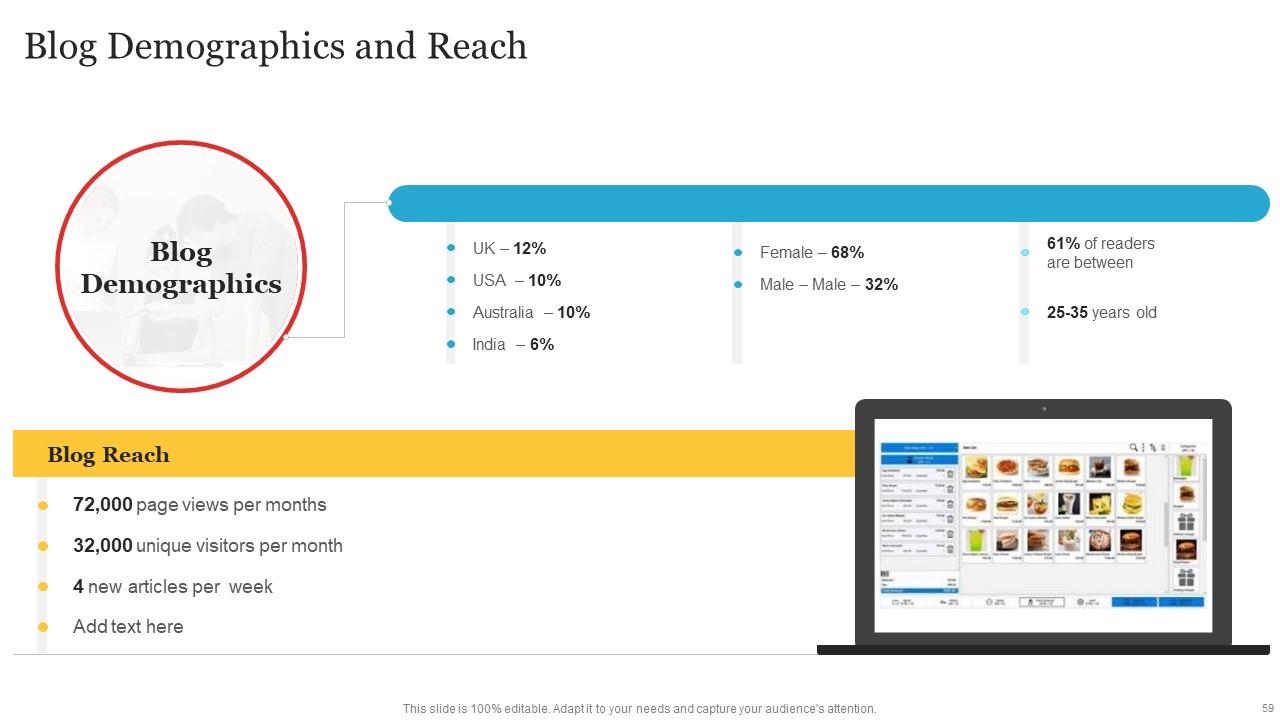
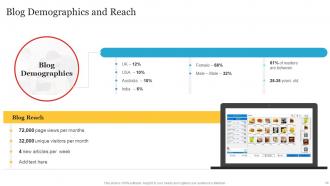
Slide 59: This slide elucidates information about the Blog Demographics.
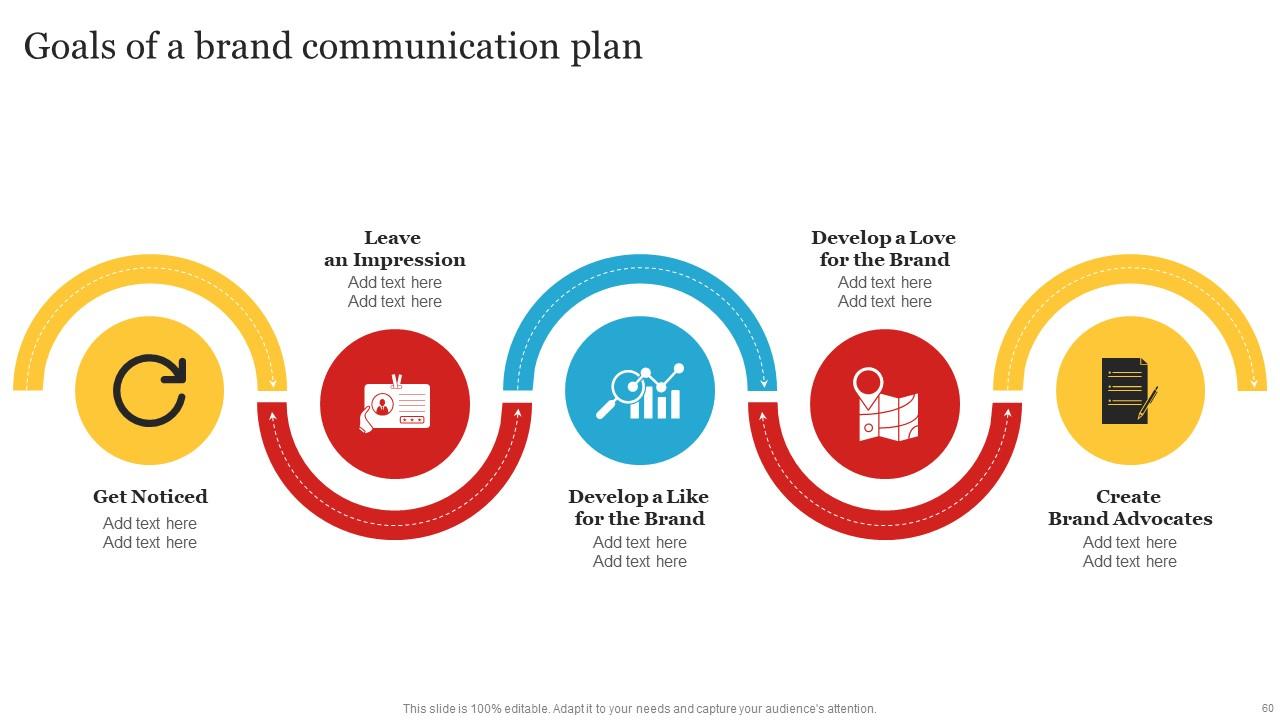
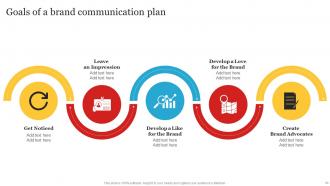
Slide 60: This slide highlights the Goals of a brand communication plan.
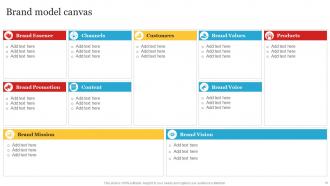
Slide 61: This slide presents the Brand model canvas.
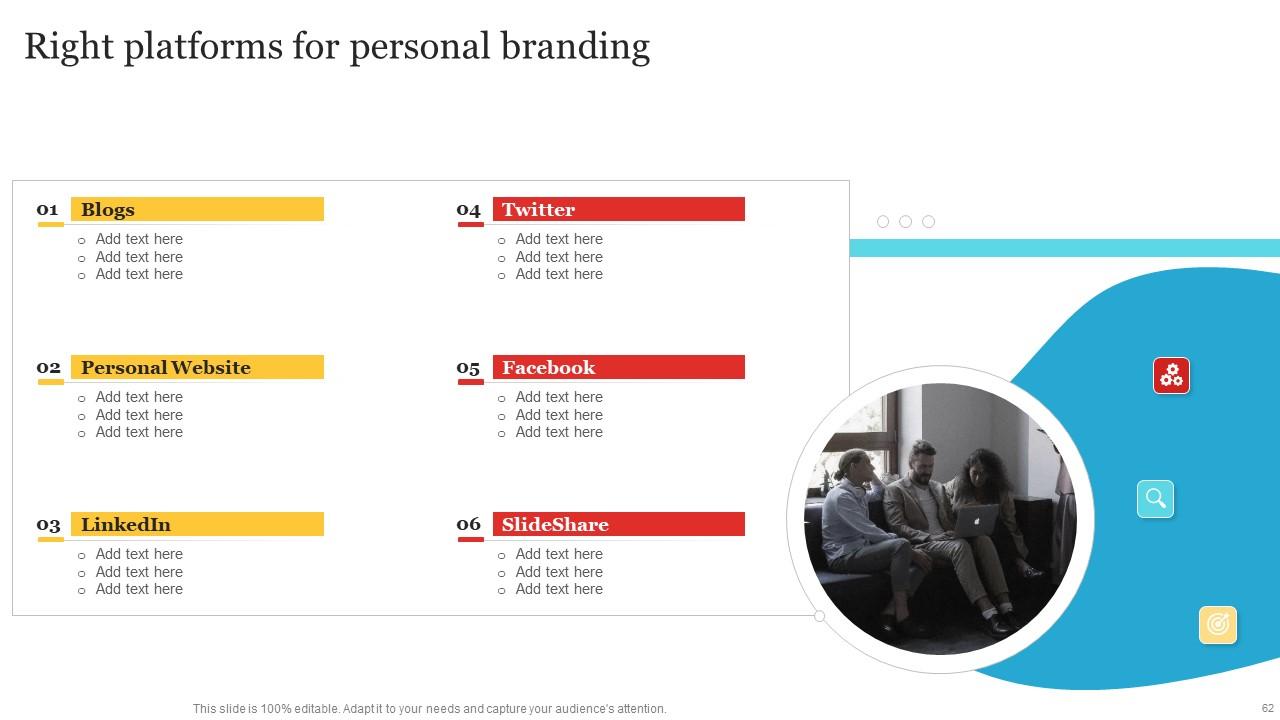
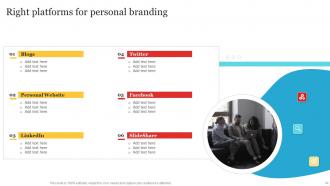
Slide 62: This slide showcases information about the Right platforms for personal branding.
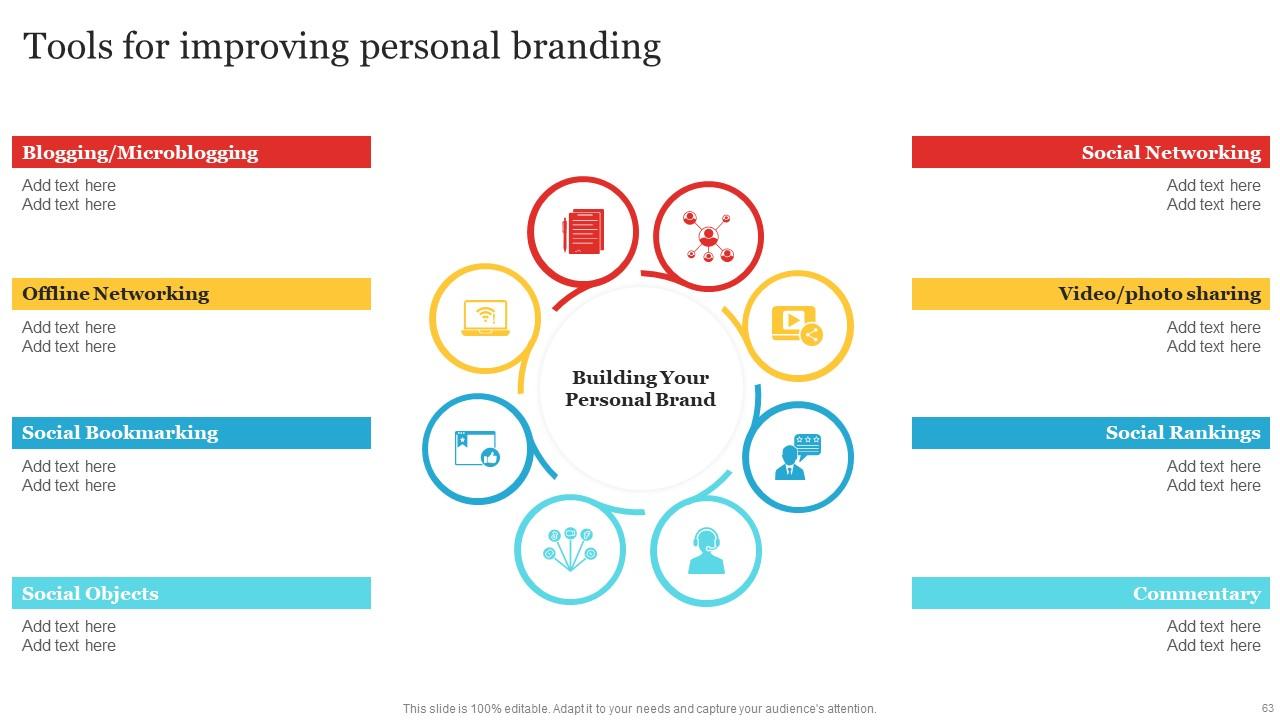
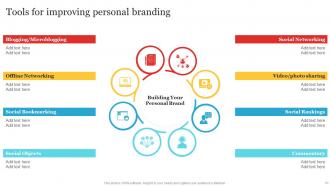
Slide 63: This slide mentions the Tools for improving personal branding.
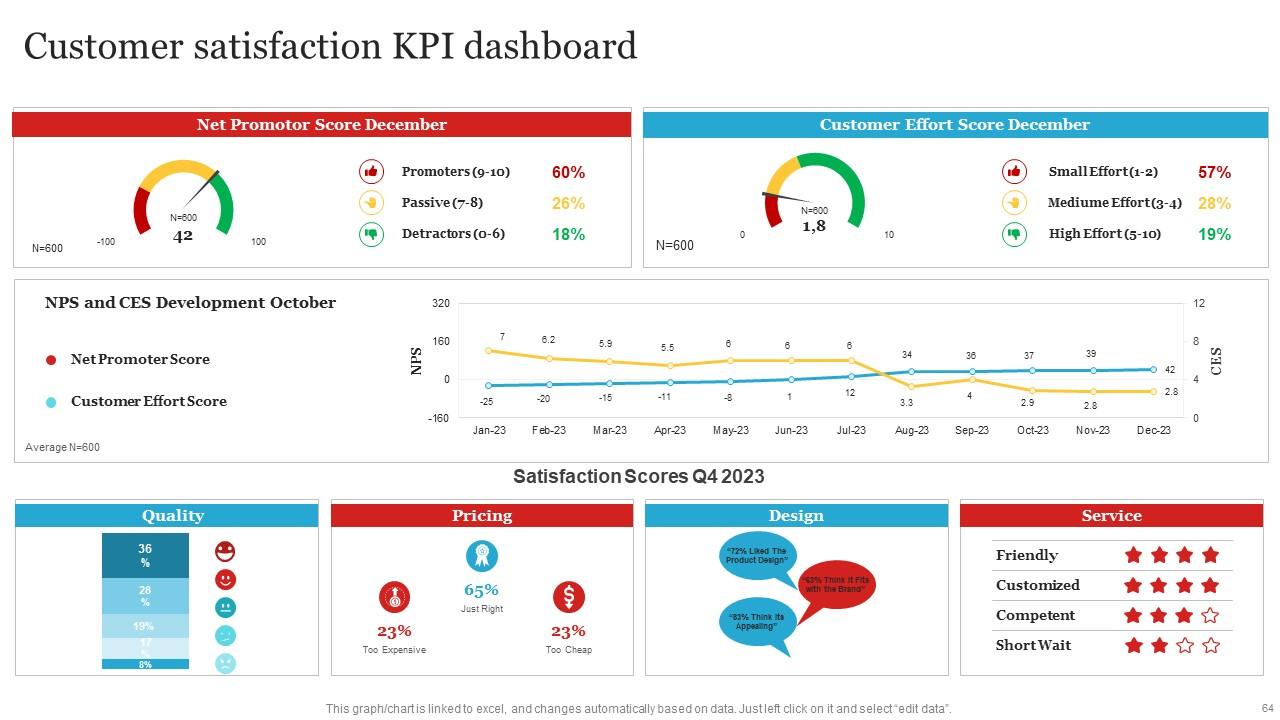
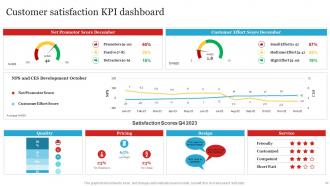
Slide 64: This slide displays the Customer satisfaction KPI dashboard.
Slide 65: This is Our goal slide. State your Company goals here.
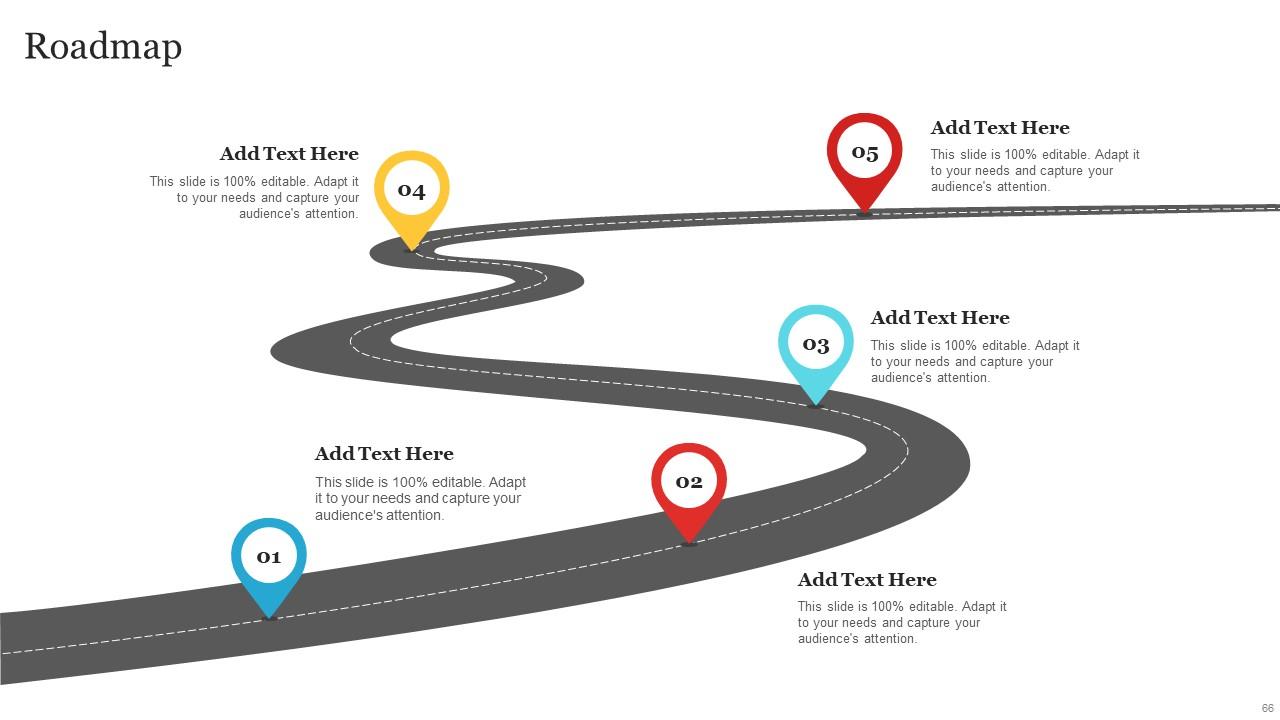
Slide 66: This slide elucidates the Organization's Roadmap.
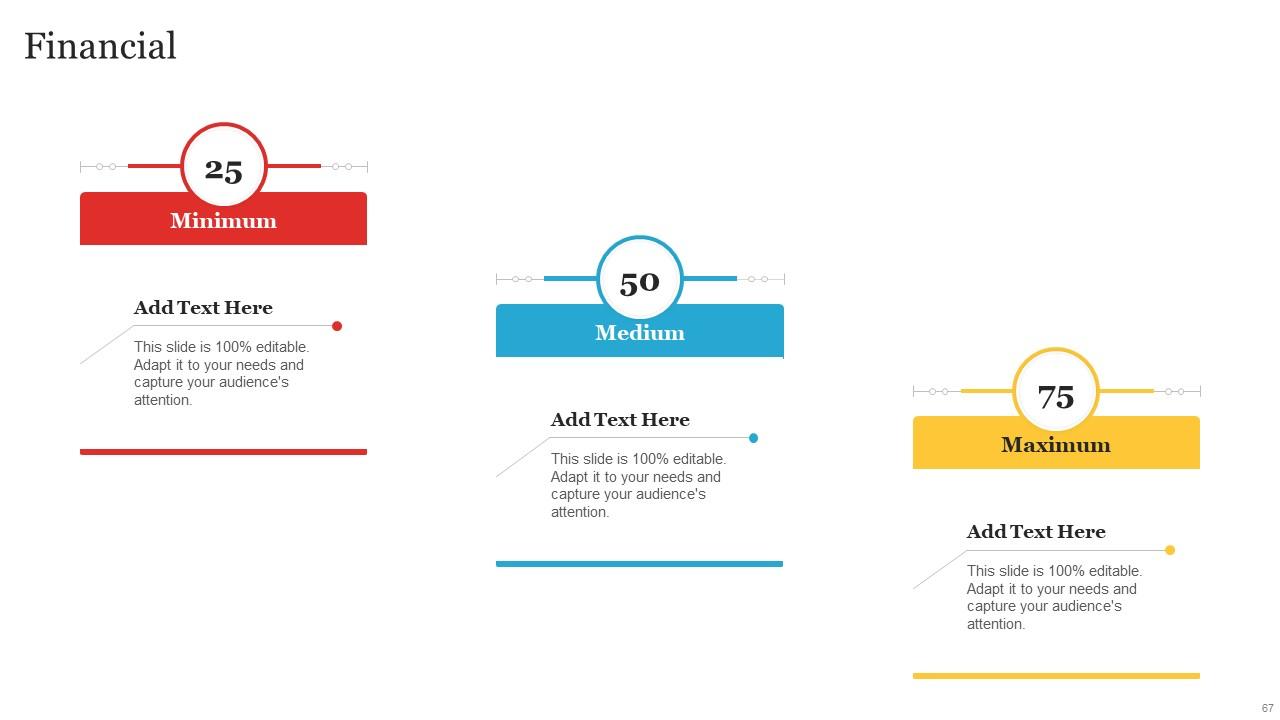
Slide 67: This slide reveals information related to the Financial topic.
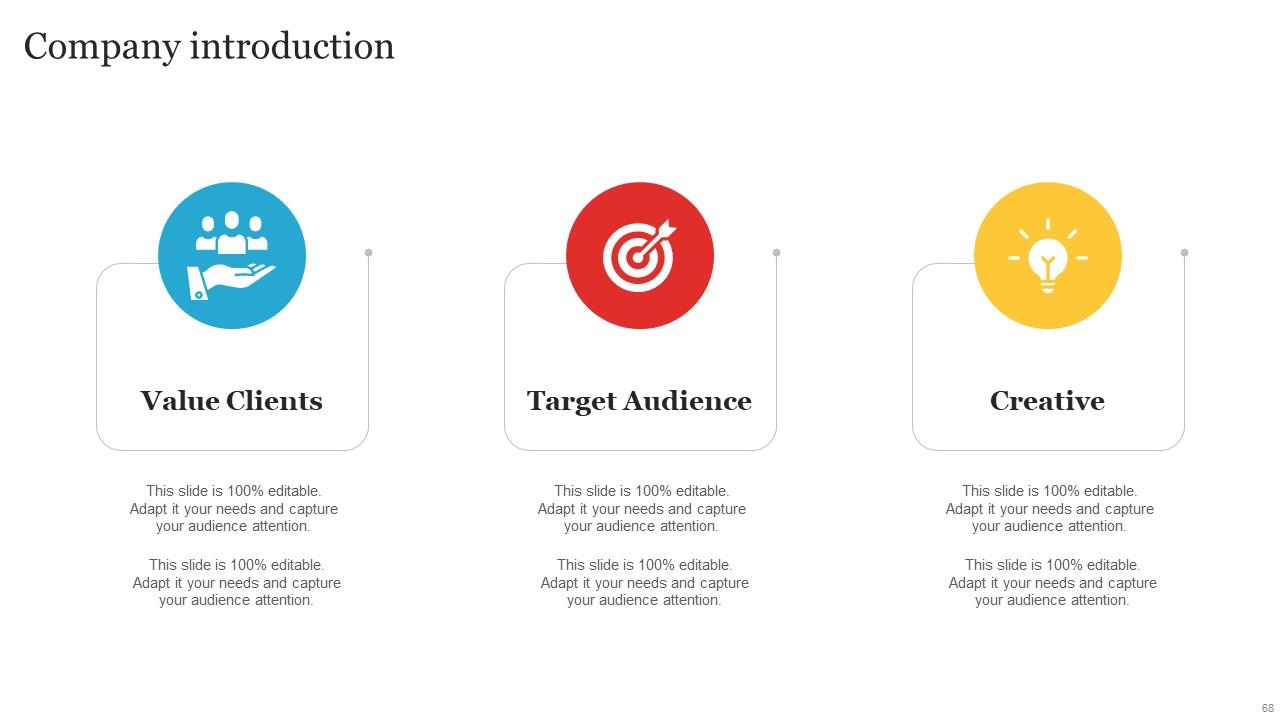
Slide 68: This slide covers details about the Company introduction.
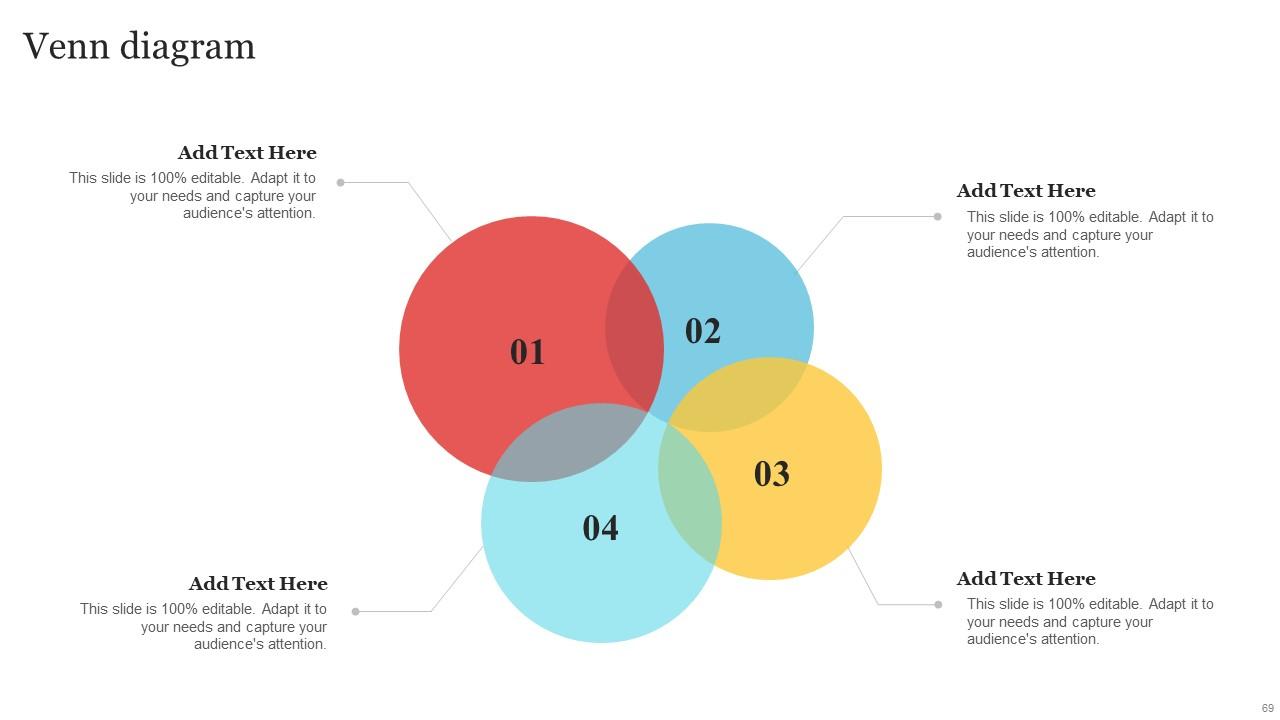
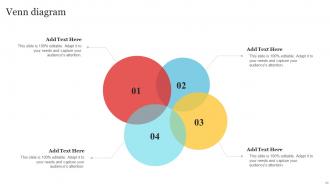
Slide 69: This is the Venn Diagram slide for more relevant information.
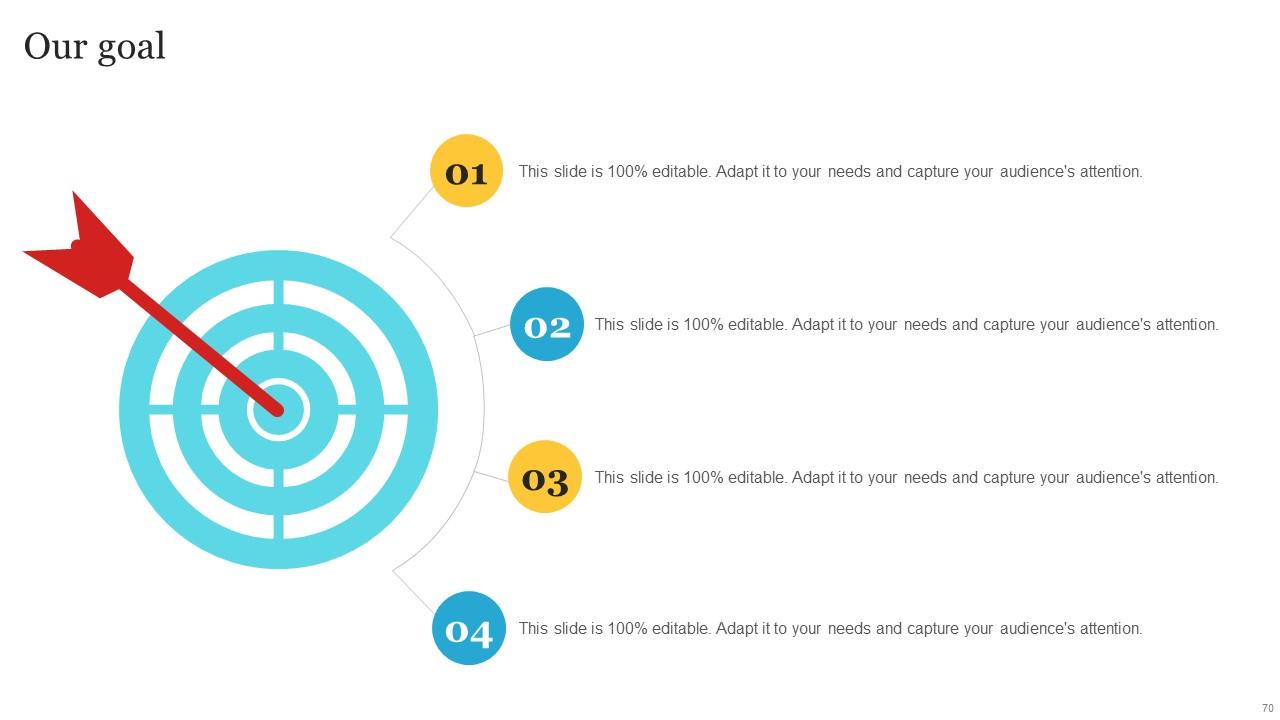
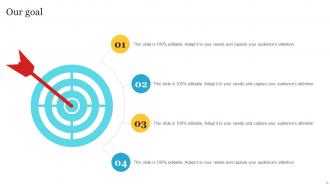
Slide 70: This is Our goal slide. List your Company goals here.
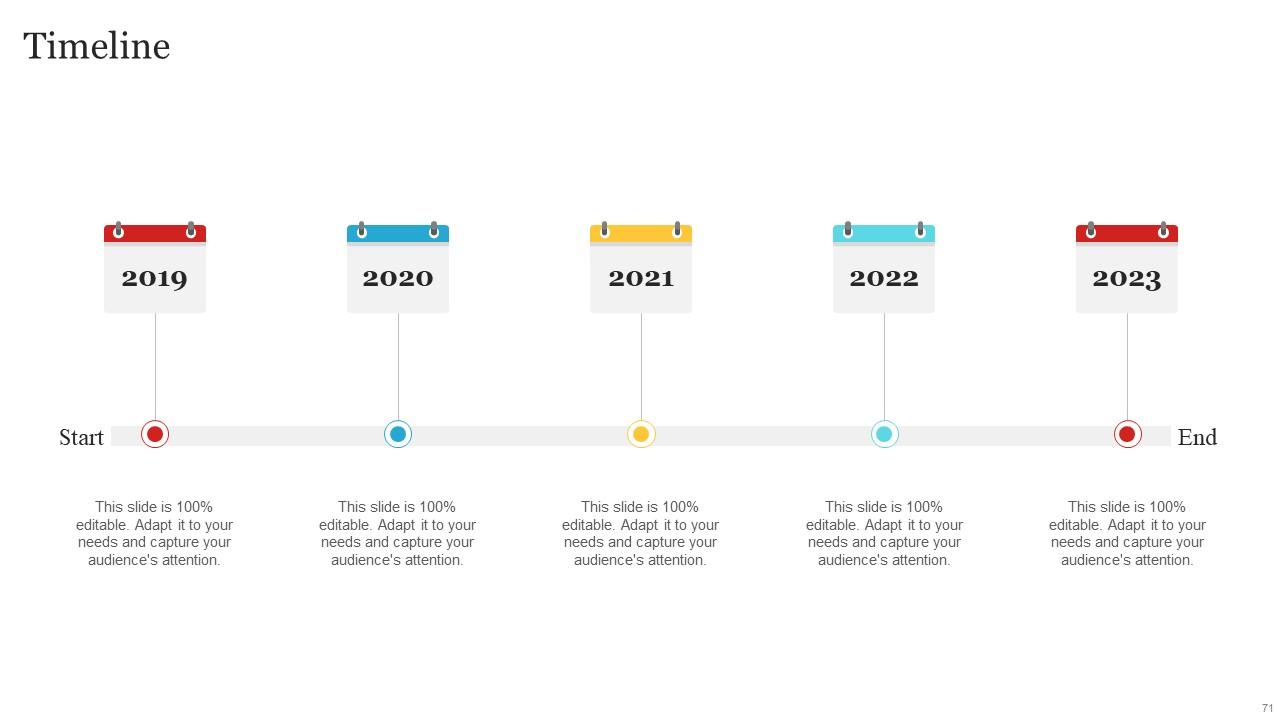
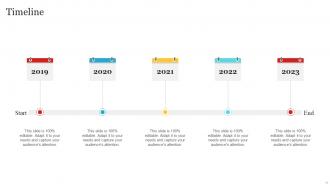
Slide 71: This slide elucidates the Organization's timeline.
Slide 72: This is the Thank you slide for acknowldegement.
Complete Personal Branding Guide Branding CD V with all 77 slides:
Use our Complete Personal Branding Guide Branding CD to effectively help you save your valuable time. They are readymade to fit into any presentation structure.
-
I discovered some really original and instructive business slides here. I found that they suited me well.
-
Love how there are no boring templates here! The design is fresh and creative, just the way I like it. Can't wait to edit and use them for my extended projects!
