

Logistics Strategy To Enhance Operations Powerpoint Presentation Slides




Try Before you Buy Download Free Sample Product
 Impress Your
 Audience
 100%
100% Editable
 Save Hours
 of Time


Enhance your operations with our comprehensive Logistics Strategy template, a crucial set of principles for efficient supply chain coordination. This Logistics strategy to enhance the operations PPT empowers you to optimize your supply chain management process, increasing overall efficiency. Moreover, the Logistics Management System deck delves into analyzing the implementation of your logistics strategy, leading to improved operational and financial performance for your company. Furthermore, in the Inventory Management module, you will find a well-structured workflow chart, roles, and responsibilities of the HR manager and team. Also, this Logistics management system section includes a cost analysis and a comparative software assessment to enhance overall performance. Lastly, the Warehouse management strategy Powerpoint ensures the effectiveness of your plans with KPI dashboards and impactful analysis for social media initiatives. Access this powerful template now to streamline your logistics operations, manage inventory efficiently, and optimize your supply chain for tremendous success.
People who downloaded this PowerPoint presentation also viewed the following :
Content of this Powerpoint Presentation
Slide 1: This slide introduces Logistics strategy to enhance operations.
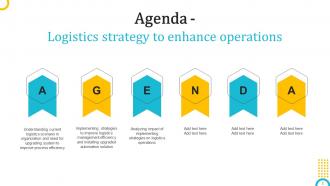
Slide 2: This slide depicts the Agenda of the presentation.
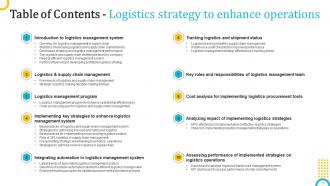
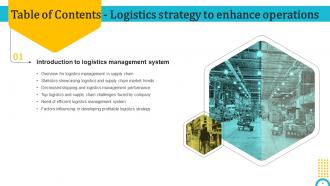
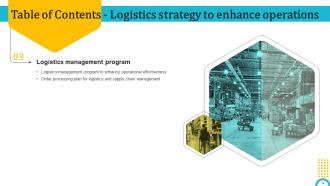
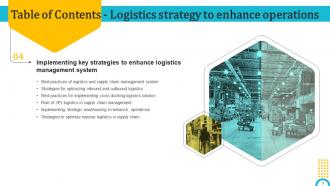
Slide 3: This slide incorporates the Table of Contents.
Slide 4: This slide highlights the Title for the Topics to be further discussed.
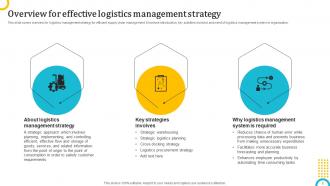
Slide 5: This slide covers the overview for logistics management strategy for efficient supply chain management.
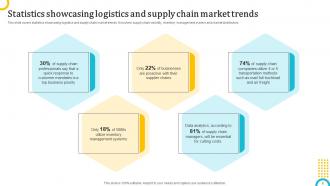
Slide 6: This slide highlights the Statistics showcasing logistics and supply chain market trends.
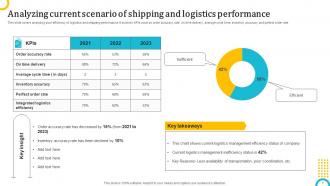
Slide 7: This slide deals with Analyzing current scenario of shipping and logistics performance.
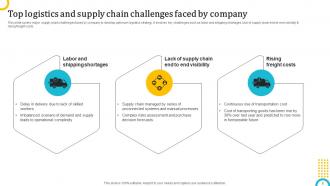
Slide 8: This slide talks about the Top logistics and supply chain challenges faced by company.
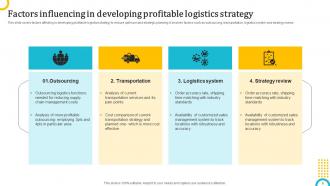
Slide 9: This slide states the Factors influencing in developing profitable logistics strategy.
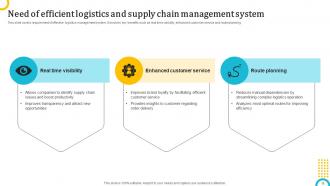
Slide 10: This slide presents the Need of efficient logistics and supply chain management system.
Slide 11: This slide portrays the Heading for the Components to be discussed next.
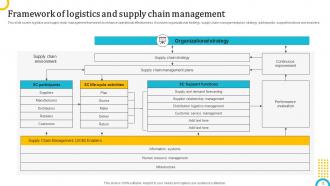
Slide 12: This slide showcases the Framework of logistics and supply chain management.
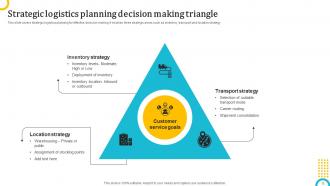
Slide 13: This slide covers strategic logistics planning for effective decision making.
Slide 14: This slide elucidates the Title for the Ideas to be further discussed.
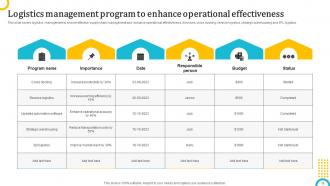
Slide 15: This slide talks about the Logistics management program to enhance operational effectiveness.
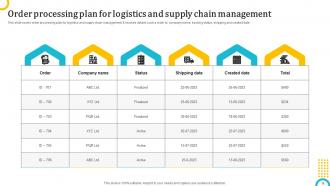
Slide 16: This slide focuses on Order processing plan for logistics and supply chain management.
Slide 17: This slide depicts the Heading for the Ideas to be covered in the forth-coming template.
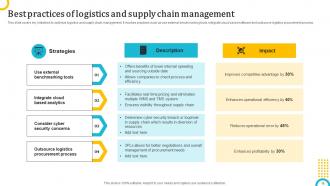
Slide 18: This slide reveals the Best practices of logistics and supply chain management.
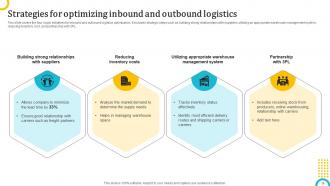
Slide 19: This slide incorporates the four major initiatives for inbound and outbound logistics optimization.
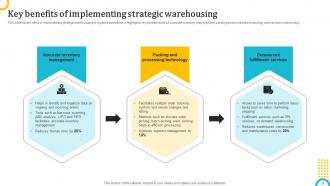
Slide 20: This slide states the Key benefits of implementing strategic warehousing.
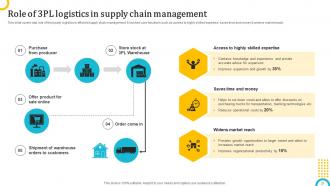
Slide 21: This slide mentions about the Role of 3PL logistics in supply chain management.
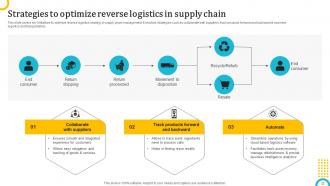
Slide 22: This slide covers key initiatives to optimize reverse logistics strategy in supply chain management.
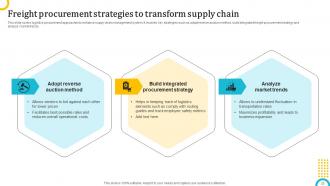
Slide 23: This slide indicates the Freight procurement strategies to transform supply chain.
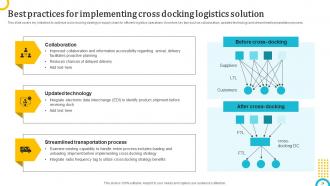
Slide 24: This slide highlights the Best practices for implementing cross docking logistics solution.
Slide 25: This slide showcases the Title for the Components to be further discussed.
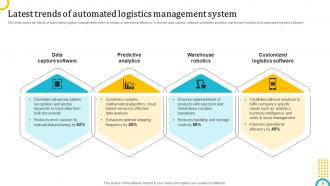
Slide 26: This slide talks about the Latest trends of automated logistics management system.
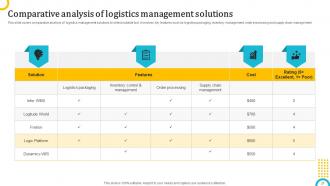
Slide 27: This slide elucidates the Comparative analysis of logistics management solutions.
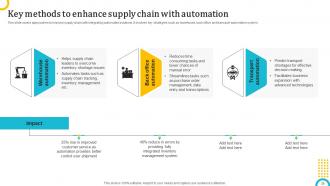
Slide 28: This slide represents the Key methods to enhance supply chain with automation.
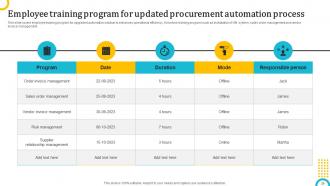
Slide 29: This slide depicts the Employee training program for updated procurement automation process.
Slide 30: This slide indicates the Heading for the Topics to be discussed in the forth-coming template.
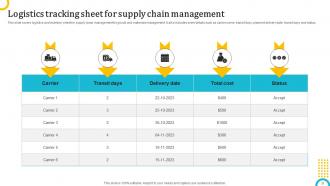
Slide 31: This slide covers logistics and inventory sheet for supply chain management for goods and materials management.
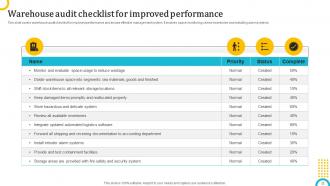
Slide 32: This slide deals with the Warehouse audit checklist for improved performance.
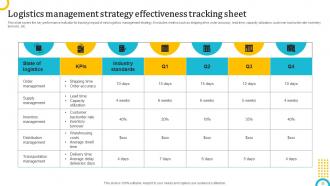
Slide 33: This slide emphasizes on the Logistics management strategy effectiveness tracking sheet.
Slide 34: This slide displays the Title for the Ideas to be discussed further.
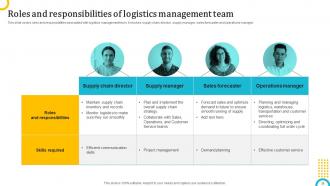
Slide 35: This slide portrays the Roles and responsibilities of logistics management team.
Slide 36: This slide shows the Heading for the Ideas to be covered in the next template.
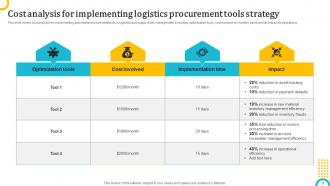
Slide 37: This slide talks about the Cost analysis for implementing logistics procurement tools strategy.
Slide 38: This slide exhibits the Title for the Contents to be discussed further.
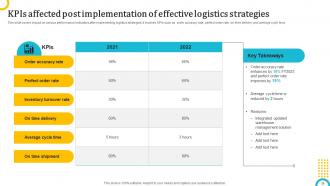
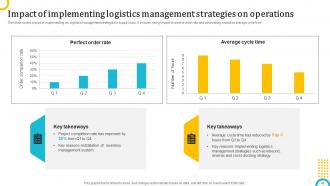
Slide 39: This slide mentions the KPIs affected post implementation of effective logistics strategies.
Slide 40: This slide covers impact of implementing key logistics management strategies in supply chain.
Slide 41: This slide elucidates the Heading for the Topics to be covered in the forth-coming template.
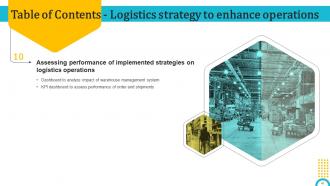
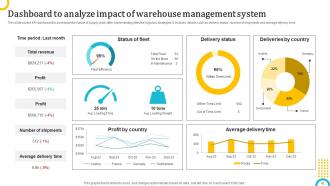
Slide 42: This slide illustrates the Dashboard to analyze impact of warehouse management system.
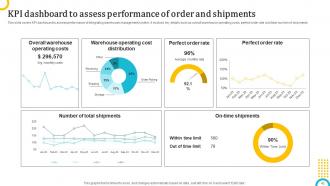
Slide 43: This slide reveals the KPI dashboard to assess performance of order and shipments.
Slide 44: This is the Icons slide containing all the Icons used in the plan.
Slide 45: This slide is used for depicting Additional information.
Slide 46: This is the 30 60 90 days plan sldie for effective planning.
Slide 47: This is Our team slide for stating the team-related information.
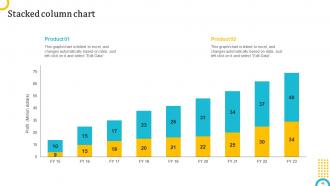
Slide 48: This slide shows he Clustered bar.
Slide 49: This is the Puzzle slide with related imagery.
Slide 50: This slide presents the Company Roadmap.
Slide 51: This is the Venn diagram slide.
Slide 52: This slide contains the Post it notes for reminders and deadlines.
Slide 53: This slide illsutrates the Organization's Timeline.
Slide 54: This is Our goal slide. State your firm's goals here.
Slide 55: This is the Thank You slide for acknowledgement.
Logistics Strategy To Enhance Operations Powerpoint Presentation Slides with all 60 slides:
Use our Logistics Strategy To Enhance Operations Powerpoint Presentation Slides to effectively help you save your valuable time. They are readymade to fit into any presentation structure.











FAQs for Logistics Strategy To Enhance Operations
Honestly, you'll want to focus on four main things. First, figure out where to put your warehouses - location makes or breaks your delivery times and costs. Then there's inventory management, which is basically that sweet spot between not tying up all your cash in stock but also not running out of stuff. Transportation planning is about picking the right carriers and routes (this one can get pretty complex). Oh, and you need tech that connects everything so you can actually see what's happening in real time. I'd start by looking at what you've got now, then tackle whatever's causing you the biggest headaches first.
Hey! So IoT sensors are clutch for tracking shipments and monitoring temps on sensitive stuff. AI handles route optimization (seriously saves a fortune on gas), demand forecasting, and can automate warehouse tasks. You'll get real-time visibility into everything, plus predictive maintenance so equipment doesn't randomly die on you. Customers love it too since you can actually tell them what's happening with their orders. My buddy started with just basic shipment tracking - worked great. The route optimization piece alone made it worth it. I'd probably start there and build out slowly.
Look, you can't fix what you can't see - that's the whole thing with supply chain visibility. Real-time data on inventory, shipments, bottlenecks... it lets you actually plan ahead instead of constantly putting out fires. I swear half the job used to be crisis management before we got decent tracking. You'll spot cost savings, catch delays before customers freak out, and figure out the best shipping routes. Map out where you're currently blind first though. Without visibility you're just guessing, and honestly that never ends well in logistics.
Honestly, just focus on the basics first - cost per shipment, on-time delivery, and inventory turnover. Those three will tell you most of what you need to know. Customer satisfaction scores are huge too because who cares if you're efficient if people are pissed off? Order accuracy and damage claims are worth tracking as well. Don't go crazy measuring everything though - pick like 4 or 5 metrics max that actually matter for your goals. I made that mistake before and ended up drowning in data. Figure out where you're at now, then set some realistic targets for the next quarter or so.
Honestly, the worst part is always people resisting change - your team will fight you on everything at first. Then you've got integration hell between systems that hate talking to each other. Budget becomes this constant headache, and don't even get me started on stakeholders who think you can transform everything in like 3 weeks. Communication between departments? Total mess. Oh, and half the time your tech stack is so outdated it can't handle what you're trying to do anyway. My take is start small with just one department, grab some easy wins first, then expand from there.
Trade regs are honestly such a pain - they make you build flexibility into everything. Different countries want different docs, tariffs change constantly, customs procedures vary everywhere. I'd set up multiple shipping routes and always pad your timeline for delays. Include compliance costs when you're calculating what stuff actually costs to land somewhere. Oh and definitely keep good relationships with customs brokers in your main markets - they're lifesavers. Having backup suppliers in different regions saves your butt when new restrictions drop out of nowhere.
Honestly, route optimization software is where I'd start - cuts fuel costs and you'll see savings immediately. Pretty much pays for itself. Switch to greener packaging when you can, and try consolidating shipments instead of sending stuff piecemeal. Find carriers using electric or hybrid trucks if possible. Oh, and don't sleep on warehouse stuff like LED lighting - sounds boring but it adds up. The real wins come from cutting transportation distances and avoiding empty return trips. My advice? Pick one thing and test it out first. Don't go crazy trying to change everything.
Honestly, forecasting is a total game-changer for avoiding supply chain chaos. Start with whatever historical data you've got - even rough predictions beat winging it completely. You'll be able to plan inventory levels ahead of time instead of constantly scrambling when demand spikes. Plus you can actually schedule transportation efficiently and avoid those brutal rush shipping costs that eat into profits. I mean, my cousin's company cut their carrying costs by like 30% just from better demand planning. The warehouse capacity stuff becomes way easier too when you're not firefighting every week. Just build up your models gradually as you get better data flowing.
Look at what your customers actually want first - that's gonna shape everything else. Map out when they order, how much, seasonal spikes, all that stuff. Next-day delivery expectations? Your whole distribution setup needs to change. Predictable high volume might mean you can invest in fancy automation (honestly worth it if the numbers work). But if demand's all over the place, stay flexible. Start with your current patterns and figure out where you're missing the mark. Sometimes the gaps are obvious once you actually look at the data instead of guessing.
Honestly, 3PLs are pretty solid if you're looking to avoid the nightmare of building your own logistics setup. They've already got the warehouses, trucks, tech systems - all that expensive stuff you'd otherwise have to figure out yourself. Most companies I know dropped their logistics costs like 15-20% after switching, which is wild. You can scale up during busy seasons without being locked into crazy overhead costs year-round. Oh, and they usually handle customs too if you're shipping internationally. Just don't rush into it - spend time checking their track record and nail down your expectations upfront. Otherwise you'll be dealing with finger-pointing later when something goes sideways.
Start with demand forecasting - that's what drives everything else anyway. Big data lets you analyze customer patterns, shipping routes, inventory levels, all that stuff. Honestly the amount of info available is kind of crazy - traffic data, weather, delivery times. But don't get overwhelmed by it all. Just collect data from your current operations first, then use analytics tools to find trends. Even simple insights can cut thousands from inventory and shipping waste. The whole point is predicting when and where you'll actually need products instead of just guessing.
Look, it's really about not tying up all your cash in stuff that just sits there. Do ABC analysis first - figure out which items actually matter money-wise. Set your safety stock based on how long suppliers take and how crazy your demand gets. Most people make this way harder than it needs to be, honestly. Get some forecasting going so you're not just guessing. Oh and skip those massive annual counts - doing smaller cycle counts regularly works so much better. For your fast movers, just automate the reordering. But seriously, start by actually knowing what you've got first, then worry about getting fancy with it.
Dude, seasonal changes will mess with your head - it's like running three different companies depending on the month. Black Friday nearly killed me my first year because I didn't prep enough! You're looking at scaling warehouse space and staff by 200-300% sometimes. Can't just magically appear overnight either, so timing is everything. Map out your historical data to see exactly when volumes go crazy. Get flexible contracts with carriers and have backup plans ready. Also position inventory differently throughout the year - what works in January definitely won't cut it in December.
Training your people makes a huge difference - seriously can't overstate this. Proper warehouse procedures, safety stuff, knowing the tech systems... all that cuts down on mistakes and speeds things up. I've watched places completely turn around just from WMS training alone. Confident workers make better calls without waiting for approval, which is massive for flow. Oh and customers notice the improvement too. Figure out what's driving you crazy first, then train specifically around those issues. You'll probably see changes within a few weeks honestly.
First thing - map out your whole supply chain so you can spot the weak links. Supplier dependencies, shipping routes, where your warehouses are located. Create a risk matrix ranking stuff by how likely it is vs how badly it'd mess you up. Natural disasters, political chaos, suppliers going under, strikes... honestly there's way too much to worry about if you think about it. Just focus on what could actually kill your business. Run some "what if" scenarios and test your backup plans - do they even work? Oh, and build redundancy into anything critical. Have clear protocols ready so your team knows exactly what to do when everything hits the fan.
-
Content of slide is easy to understand and edit.
-
The PPT layout is great and it has an effective design that helps in presenting corporate presentations. It's easy to edit and the stunning visuals make it an absolute steal!