


Micro Environment Powerpoint Presentation Slides





Try Before you Buy Download Free Sample Product
 Impress Your
 Audience
 100%
100% Editable
 Save Hours
 of Time


Evaluate numerous factors affecting your industry using these Micro Environment PowerPoint Presentation Slides PPT. Take the assistance of these environmental analysis PPT slides to depict the micro factors including competitors, customers, suppliers, public, marketing intermediaries, and trade unions. Take advantage of these environmental assessment PPT templates to show economic, political, legal, social, and technological factors that impact your business. Further, represent the sub-components of various factors like legislation, stakeholders, local community, employees, research & development, government agencies amongst others. Demonstrate the relevance of each of the factors and ignore trivial issues, if any, using these business factors PowerPoint infographics. Portray the threats that are beyond the control of management and uncover the strategies to counter such issues using this environmental assessment PowerPoint deck. Moreover, you can also undertake a SWOT analysis using information contained in this business environment PPT slideshow. Download these business climate analysis PPT visuals to get the first-mover advantage over your rival firms.
People who downloaded this PowerPoint presentation also viewed the following :
Content of this Powerpoint Presentation
Slide 1: This slide introduces Micro- Environment. State your company name and begin.
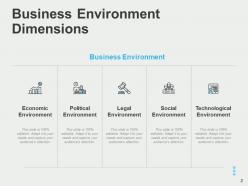
Slide 2: This slide showcases the dimensions of Business Environment.
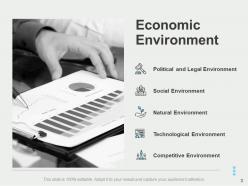
Slide 3: This slide depicts the Economic Environment describing- Social Environment, Political and Legal Environment, Technological Environment, Natural Environment, Competitive Environment.
Slide 4: This slide depicts Political Environment.
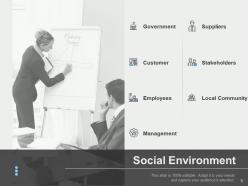
Slide 5: This slide showcases the Social Environment such as- Customer, Government, Employees, Suppliers, Stakeholders, Management, Local Community.
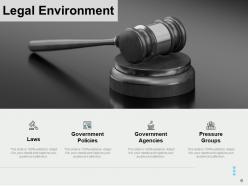
Slide 6: This slide describes the Legal Environment showcasing- Government Policies, Government Agencies, Pressure Groups.
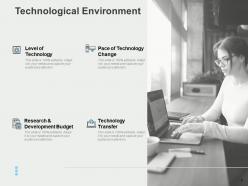
Slide 7: This slide showcases the Technological Environment describing- Level of Technology, Research & Development Budget, Pace of Technology Change, Technology Transfer.
Slide 8: This is Micro-environment Icons Slide.
Slide 9: This slide displays Graphs & Charts.
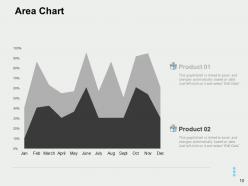
Slide 10: This is Area Chart slide with different products comparison.
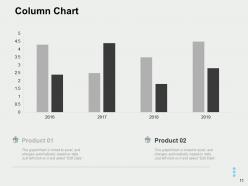
Slide 11: This slide displays Column Chart with product comparison.
Slide 12: This slide is titled as Additional Slides for moving forward.
Slide 13: This is Our Mission slide showcasing mission, vision and values.
Slide 14: This is Our Team slide with names and designations.
Slide 15: This is About Us slide to showcase company specifications.
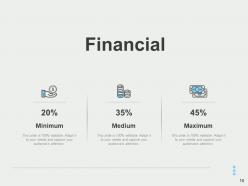
Slide 16: This is Financial slide.
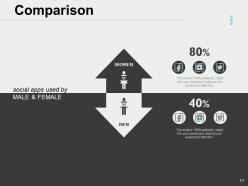
Slide 17: This slide displays Comparison of social apps used by MALE & FEMALE.
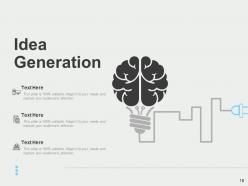
Slide 18: This is Idea Generation slide to highlight information, ideas etc.
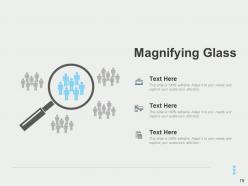
Slide 19: This slide displays Magnifying Glass to highlight the important content under it.
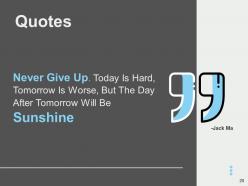
Slide 20: This is Quotes slide.
Slide 21: This slide is titled as Post it Notes. Post your important notes.
Slide 22: This is Our Goal slide to showcase the important goals.
Slide 23: This is Thank You slide with address, contact number and email address.
Micro Environment Powerpoint Presentation Slides with all 23 slides:
Use our Micro Environment Powerpoint Presentation Slides to effectively help you save your valuable time. They are readymade to fit into any presentation structure.




FAQs for Micro Environment
Your micro environment is basically everyone you deal with directly - customers, competitors, suppliers, distributors, and the public. Customers are obvious since they're literally paying you. Competitors? Yeah, they're trying to steal your business every day (such is life). Suppliers control your costs and product quality, which can make or break you. Distributors help you actually reach people, and don't forget about media and community groups - they can trash your reputation if you're not careful. The cool thing is you can actually influence these relationships, unlike macro stuff you can't control.
Your micro environment totally controls how you position and promote stuff. Think about it - customers, competitors, suppliers, distributors are all breathing down your neck daily. When a competitor slashes prices, you're scrambling to respond. Unreliable suppliers? Good luck making promises you can't keep. And don't get me started on nightmare distributors who can torpedo your whole regional strategy. Your customer segments basically dictate everything from your tone to which channels actually matter. Map out these relationships regularly and build in flexibility so you can pivot when (not if) these players shake things up.
Dude, suppliers can totally mess with your business if you let them. They control what you pay, when stuff arrives, and how good it is. One supplier? Bad move - they'll jack up prices or delay your orders whenever they feel like it. I learned this the hard way lol. You gotta spread things around with multiple suppliers. Don't put all your eggs in one basket, you know? Also check if they're actually stable companies that won't randomly go bankrupt. Bottom line: diversify and keep your good suppliers happy. They literally control whether your business runs smoothly or crashes.
Honestly, knowing your customer demographics is like having cheat codes for your business. You can pick suppliers and distributors who actually get your target market instead of just guessing. Plus it helps you figure out how to compete better - like, why waste time going after the wrong people? I'd start by looking at your current customer data first. Age, income, lifestyle stuff - once you see the patterns, everything else falls into place way easier. Your whole operation just... works better together, you know? It's not rocket science but most people skip this step for some reason.
So basically, competitors force you to actually think about pricing instead of just slapping on whatever markup you want. Price too high? Customers bail for cheaper options. Go too low and you'll start a price war - trust me, nobody wins those. You've gotta watch what everyone else is charging and decide if you're the fancy premium choice or if you need to match their prices somehow. Oh, and definitely scope out your main 3-5 competitors this week. It's honestly kind of annoying but you can't ignore what they're doing.
Look, your internal people basically control everything you decide. Employees will push back on stuff that screws with their day-to-day work. Shareholders? They just want money, obviously. Management sets the big picture while your board calls the shots on strategy - and honestly, company culture probably matters more than people think. The real game is figuring out who can kill your ideas before you even pitch them. Build support early or you'll get shot down later. Map out the power players first, then work backwards from there.
Honestly, you gotta get tight with your key people - suppliers, customers, competitors, distributors. Don't put all your eggs in one supplier basket because that'll bite you later. Customer feedback is gold, so actually listen to what they're saying. I'm always creeping on competitors' social media (probably too much lol). Your distributors basically control whether you succeed or fail, so keep them happy. The whole thing is about being ahead of problems instead of scrambling when stuff hits the fan. Have backup plans ready because something always goes sideways.
Your company culture is basically the vibe that drives how people act, make choices, and treat customers. Good culture? Your team stays motivated and productive. Bad one drives talent away fast. Here's the thing - you actually have control over this unlike dealing with competitors or suppliers. I've seen toxic workplaces tank customer relationships while positive ones create real advantages. The cool part is culture directly hits employee retention and how fast you innovate. If you want to boost your market position, honestly I'd start by fixing whatever's broken internally first. Way more impact than you'd think.
So here's the thing - tech basically rewires how you deal with everyone around your business. CRM systems let you really understand your customers better. Automation makes working with suppliers way smoother and you won't be as dependent on specific ones. Then there's social media and digital marketing, which honestly levels the playing field in crazy ways. A tiny startup can suddenly go head-to-head with big companies if they know what they're doing online. AI helps you predict what customers want and catch opportunities faster too. I'd start by figuring out which tech could fix your rockiest relationships first.
Dude, customer feedback is like having a cheat code for your business. Your customers literally tell you what's broken before you even notice - pricing issues, product problems, whatever. I've watched so many small businesses just ignore this stuff and then act shocked when sales tank. It's wild. Listen to what they're saying and actually respond to it. Builds loyalty too since people feel heard. Oh, and collect it regularly - maybe weekly? Gives you a huge advantage over competitors who aren't paying attention. It's basically free market research handed to you on a silver platter.
Local laws basically control everything you do - hiring, safety standards, zoning, all that stuff. Employment rules in your city might be totally different than the next town over, which is honestly such a pain. Your suppliers and customers are dealing with the same regulations though, so at least you're all in it together. Health codes and tax requirements change constantly too. The tricky part? Staying updated on what's actually changing in your area. What works here might get you in trouble somewhere else. It's like playing by house rules that keep shifting.
Honestly, most companies mess up in three big ways. First, they get way too comfortable with one supplier - then boom, prices jump or shipments get delayed and they're screwed. Second thing is they become obsessed with their own product and completely ignore what competitors are doing. Like, why wouldn't you keep tabs on that? And the customer part kills me - everyone thinks they know what customers want but they're usually just making stuff up in their heads. My advice? Spread your suppliers around, actually watch your competition, and talk to real customers instead of guessing. Sounds obvious but apparently it's not.
Keep tabs on your main people - customers, suppliers, competitors, distributors. Google alerts work great for competitor stuff. Do customer surveys every few months. Stay tight with suppliers so you hear about changes early. Monthly competitor analysis is actually pretty addictive once you start (their pricing moves, new products, all that). Oh, and don't ignore how your distributors are doing relationship-wise. Make it routine though - like a simple monthly tracker. Otherwise you'll just do it randomly when you remember. Catch problems while they're still small, you know?
Porter's Five Forces is where I'd start - covers competitors, suppliers, buyers, substitutes, and new entrants. SWOT analysis works great too for that quick internal/external overview. Those are my go-to frameworks because they're simple and people actually get them without tons of explanation. If you need deeper competitor stuff, competitive benchmarking helps, or mystery shopping if you're retail. Social listening tools give you real-time insights into customer/competitor chatter - though honestly some of that data gets pretty noisy. Start with Porter's first. It'll show you exactly which areas need more digging.
Look, happy employees make everything run smoother - better teamwork, less people quitting, higher quality work. It's like a domino effect through your whole company. But when people are miserable? That's when everything falls apart. They'll be rude to customers, create drama with suppliers, and honestly other departments will just avoid working with you. I learned this the hard way at my old job - one toxic team member made everyone else's life hell. Your internal environment is basically everything, so satisfied workers become your secret weapon. Just keep tabs on how people are feeling and fix problems before they blow up.
-
Great designs, Easily Editable.
-
Nice and innovative design.
-
Great quality slides in rapid time.
-
Great designs, Easily Editable.
-
Great designs, really helpful.