


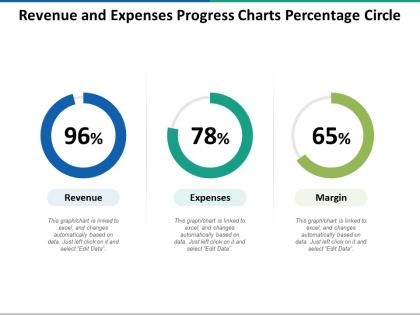
Revenue and expenses progress charts percentage circle




Try Before you Buy Download Free Sample Product
 Impress Your
 Audience
 100%
100% Editable
 Save Hours
 of Time


Inform folks of your decision with our Revenue And Expenses Progress Charts Percentage Circle. Elaborate on the factors that influenced it.
People who downloaded this PowerPoint presentation also viewed the following :
Revenue and expenses progress charts percentage circle with all 6 slides:
Disarm them with our Revenue And Expenses Progress Charts Percentage Circle. Charm them with your thoughts.



FAQs for Revenue and expenses progress
So basically personal finance is just you managing your own money - budgeting, saving for retirement, that kind of stuff. Corporate finance though? That's businesses dealing with way bigger decisions about capital, funding, mergers and all that complex shit. Personal finance is mostly common sense like not spending more than you make. But companies have to worry about dividend policies, cash flow for huge operations, capital structure... the math gets insane honestly. Way higher stakes too. I'd definitely start with personal finance basics first - once you get those down, the corporate side makes more sense.
Look, budgeting basically shows you where your cash is *actually* going - and trust me, it's never what you expect. I was floored when I first tracked mine for a month. You'll catch yourself wasting money on random stuff and figure out how to save more or tackle debt faster. Same deal for businesses, just with fancier spreadsheets and cash flow planning. Start simple though - grab any budgeting app or throw together a basic spreadsheet. Track everything for 30 days, then tweak it. The hardest part is just getting started, but once you see those patterns it's kind of addictive.
So basically diversification is just not putting everything in one place, you know? Mix up your investments - stocks, bonds, maybe some international stuff. That way if tech tanks (which honestly happens more than people think), your healthcare or whatever else you own can keep you afloat. You're only getting hit partially instead of losing everything. The tricky part is figuring out how much risk you can actually handle without freaking out. Start simple with a basic mix, then tweak it based on whether market swings make you lose sleep or not.
Think of interest rates like a big economic dial. Low rates? Everyone borrows more, stocks go up, people spend like crazy because saving barely pays anything. Flip it around - high rates make loans expensive so people hold back on buying houses or cars. Your savings account actually earns something decent though, which is nice for once. Money flows from stocks into bonds. It's pretty straightforward once you get it. I always pay attention to Fed announcements now since they help me figure out timing for big purchases. Cheap money inflates everything including your grocery bill.
Okay so basically financial ratios let you compare companies even when they're totally different sizes or industries. Spot trends before things go sideways. I use them to look smart in meetings lol - way easier than reading through endless financial statements. You can benchmark against competitors without your brain melting from data overload. Short ones work best for quick checks. Don't just use one ratio though, that's rookie stuff. Each one only shows part of the picture, so you need a few together to actually understand what's happening with a company's health.
Honestly, fintech is just fixing all the annoying stuff banks made way too complicated. Mobile payments are killing cash, those AI chat things handle questions 24/7, and you can literally deposit checks by snapping a pic - which still blows my mind sometimes. The real heavy hitters? Blockchain makes transactions super secure, robo-advisors do your investing automatically, and peer-to-peer lending just cuts banks out completely. People want everything instant now. Transfers, approvals, account stuff - everything. If you're working in banking, seriously start playing around with this tech ASAP or you'll be scrambling to catch up later.
Dude, the scariest part is you can lose way more than you put in. Say your investment tanks 20% - you still owe the full loan plus interest. Margin calls are the worst because they force you to sell right when everything's crashing. Interest rates jumping up out of nowhere will kill any profits too. Honestly, the stress alone isn't worth it half the time. You're sitting there watching your money disappear while knowing you owe even more. Only do it with money you can completely kiss goodbye, and figure out your exit plan first.
Dude, behavioral finance is basically proof that we're all idiots with money lol. Your brain tricks you into panic selling when markets crash or holding onto garbage stocks forever because admitting you're wrong sucks. Overconfidence makes people trade way too much - I've definitely been guilty of that. Then there's loss aversion where you get too scared to take any real gains. It's actually pretty fascinating how predictable our stupidity is! Best thing you can do is recognize when you're being emotional and maybe set up some automatic investing so you don't sabotage yourself.
Dude, seriously start NOW if you haven't already. Get that 401k match first - literally free money sitting there. I'd aim for 10-15% total if you can swing it. Index funds are your friend here, not individual stocks (unless you enjoy gambling lol). The automatic thing is huge - I bumped mine up every time I got a raise and honestly forgot about it. Whatever you do, don't cash out early even when life gets messy. That compound interest over 20-30 years? It's actually wild how much it adds up.
Think of economic indicators like the economy's pulse - they show what's brewing before stocks react. GDP growth, unemployment, inflation, consumer spending - these tell the real story. I usually ignore single data points though, they're pretty useless. What matters is spotting trends over months. It's basically having a heads-up on market moves, just with way more boring spreadsheets involved. Pick a few indicators and track them regularly. You'll start seeing how they connect to what stocks actually do. Not exactly a crystal ball, but close enough.
Look into ESG stuff first - environmental impact, how they treat workers, basic corporate governance. Don't put money into companies with garbage labor practices or ones trashing the planet. Research is actually pretty simple now with all the ESG ratings out there. Think about what matters to you personally too, like maybe you hate tobacco or weapons companies. I used to think ethical investing meant worse returns but honestly that's not really true anymore. Oh, and definitely check ESG scores on your biggest holdings first since those'll have the most impact.
Your money literally buys less stuff as prices go up - that's the whole inflation thing. So yeah, your investments might grow, but if they're not beating inflation, you're actually losing ground. Like if you make 5% but inflation's at 3%, you only gained 2% in real buying power. Real estate and stocks sometimes keep up since their values can rise with everything else. Honestly though, most people don't think about this enough when picking investments. TIPS and commodities are decent hedges if you're worried about it. Just don't let your returns get eaten alive while you're sleeping on it.
So basically when people actually know how to handle money, the whole economy does better. You get more savings, smarter investing, more people starting businesses. It's wild how much of a difference it makes. Countries where people understand finance have way stronger markets and less poverty - the whole thing just snowballs. Plus when economic stuff hits the fan, those populations bounce back faster because they're not making panicked money decisions. Honestly if I was running development programs, I'd throw money at financial education first. The returns are insane compared to other interventions.
Honestly, government stuff hits your wallet way more than you think. Fed changes interest rates? Your mortgage and credit cards adjust right away. New tax laws can completely mess with your investment plans or business strategy overnight. Banking fees, company earnings reports - all that gets tweaked by corporate regulations, which then affects where you put your money. The annoying thing is some policies take forever to actually impact you. Something tiny today might smack your budget next year. I'd just keep an eye on policy news and tweak your financial plans as things change.
ESG is everywhere now - like, my parents are even asking about it when they never cared before. Climate risk stuff is basically required for big investors at this point. Impact investing is huge too, but people want actual numbers now, not just feel-good marketing BS. The reporting is finally getting better so you can actually compare funds without pulling your hair out. If you're thinking about this space, just watch out for greenwashing. Look for third-party ratings and clear metrics. Some funds are legit, others are just slapping "sustainable" on regular investments and calling it a day.
No Reviews