0314 questions for business quiz
Try Before you Buy Download Free Sample Product
Audience
Editable
of Time
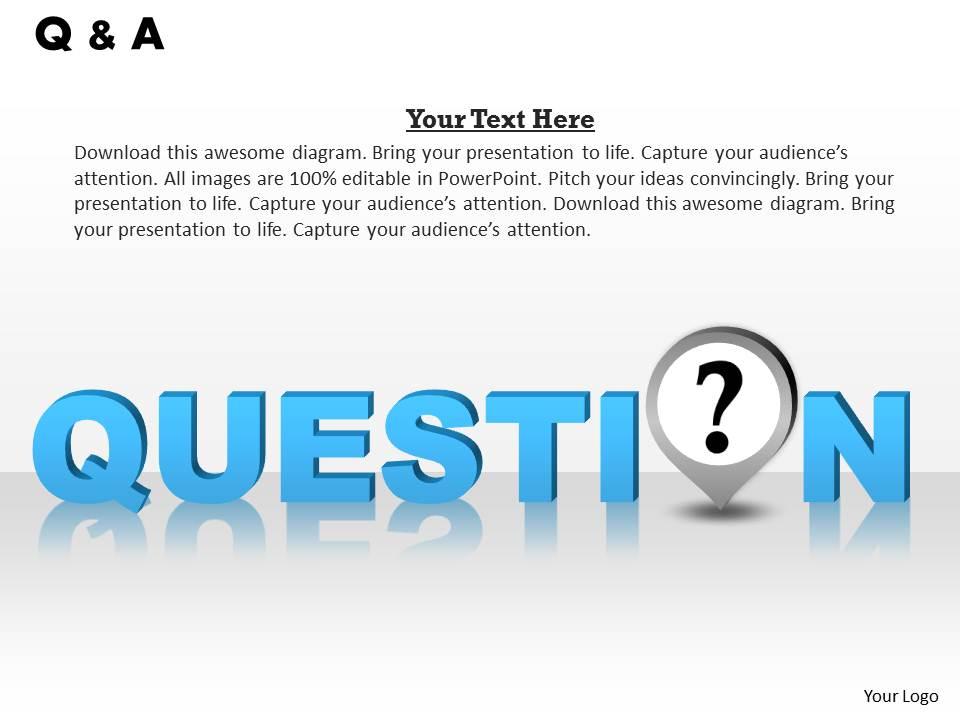
If you are a part of research and development team and looking to create presentation on business intelligence then the questions for business quiz PowerPoint design is ideal for you. A quiz is a form of sport where the people try to answer questions correctly at an individual level or as a team. In some nations, it is also a short assessment used in education and business industry to determine growth in knowledge, abilities as well as in skills. The presentation slide design is also helpful to ask questions after ending the session. It is the responsibility of the presenter that the session not just ends it with the open statement and if any individual has any concerns then that needs to be answered at the same time. This PPT template designed to display the concept of clearing the doubts and check the mindset and understanding of the business professional related to their field. Download and then share when required. Address complex issues with our 0314 Questions For Business Quiz. They care enough to help you out.
People who downloaded this PowerPoint presentation also viewed the following :
0314 questions for business quiz with all 5 slides:
Embellish your thoughts beautifully with our 0314 Questions For Business Quiz. They will keep heads turning your way.
FAQs for 0314 questions
Honestly, just tackle it piece by piece or you'll go crazy. Start with an executive summary - everyone reads that first anyway. Then hit market analysis (prove you know your customers), competitive landscape, business model, marketing strategy, operational stuff, team bios, and financial projections. Don't make your numbers stupidly optimistic either - investors see right through that. Oh, and if you need funding, spell out exactly how much and what for. I'd probably write the exec summary last though, even though it goes first. Makes it easier when you know what you're actually summarizing.
SWOT's pretty straightforward - map your strengths/weaknesses first, then spot the external opportunities and threats. But here's the thing most people miss: you can't just draw those four boxes and walk away. The good stuff happens when you connect them, like matching your strengths with opportunities or patching up weaknesses before threats hit you. Honestly, I've watched so many teams waste time making pretty charts instead of building actual strategies. What works is creating specific action items for each combo - that's where you'll dig up insights you can actually use.
So there are four main types you should focus on. Current ratio and quick ratio show if they can actually pay their bills - that's liquidity stuff. Then check profitability ratios like ROE, ROA, and profit margins because duh, you want companies that make money. Debt-to-equity tells you if they're buried in debt, which is never fun. Oh and don't skip efficiency ratios - inventory turnover and how fast they collect money from customers. Honestly these basics will catch most disasters before you waste time digging into fancy metrics.
Look, CSR totally makes or breaks how people see your brand. Customers these days really care about supporting ethical companies - they'll stick with you if you're genuine about social causes. But honestly? People have incredible BS detectors now. Half-ass your CSR efforts and it'll blow up in your face worse than doing nothing at all. You've got to pick causes that actually connect to what your company does, not just whatever's trending. Then - and this is crucial - your actions need to match whatever you're putting out there. Otherwise you just look like another company trying to cash in on good vibes.
Think of market research as your GPS before building anything. It shows you what people actually want instead of what you think they want. I'd start with quick surveys or just talking to potential customers - saves you from that awkward moment when your "genius" idea tanks. Use it to figure out pain points, find market gaps, pricing sweet spots, all that stuff. Way too many teams I know just wing it and then act shocked when nobody buys their product. Quick interviews beat expensive mistakes every time.
Okay so first thing - explain WHY this is happening because people freak out when they don't get it. Make sure leadership is actually on board too, mixed messages from executives will torpedo everything. Find your allies in different departments and arm them with what they need to help their teams. Communication is honestly like 70% of this whole thing, maybe more. Set up ways for people to give you feedback so you can pivot when stuff isn't working. Oh and celebrate the small wins! Sounds cheesy but it really does build momentum. I'd start by figuring out who your key players are and what they're worried about.
Look, it comes down to who you're selling to and how they buy stuff. B2B targets small groups of decision-makers - these people take forever to purchase anything and want all the nitty-gritty details about ROI. B2C is totally different. You're hitting massive audiences who buy fast based on emotions and what they personally want. Content-wise, B2B loves whitepapers and case studies (honestly, sometimes I think they collect them for fun). B2C? Pure lifestyle and instant gratification. Both need trust though. Just figure out if your buyers are thinking business or personal first.
Your leadership style literally makes or breaks everything. Micromanage people and watch creativity die - they'll just check out completely. Give them space and trust though? Performance goes through the roof. I've watched entire teams flip around just because they got a new manager who actually believed in them. The way you lead determines if people work together or backstab each other, take smart risks or hide behind safe choices. Culture flows from the top, and honestly, good people will leave bad leaders every time. Maybe start by just asking your team what they actually need from you instead of guessing.
Honestly, focus on conversion rate and cost per acquisition first - those tell you if you're actually making money or just burning cash. Customer lifetime value and return on ad spend are solid too. Traffic numbers are kind of a vanity metric tbh, looks good in screenshots but doesn't mean much if nobody's buying. I'd also watch your email open rates and where you're ranking in search. Social engagement's worth tracking but don't get obsessed with it. Pick maybe 3-5 things max that actually matter for your business goals. Way too easy to get lost in all the data otherwise.
So sole proprietorship is dead simple - just start working and claim it on your taxes. Problem is you're on the hook for literally everything that goes wrong, which honestly keeps me up at night sometimes. LLCs cost more upfront and there's paperwork, but your personal stuff stays protected. Plus clients take you more seriously with an LLC. Oh and if you ever want a business partner down the road, it's way easier. I'd probably go LLC if there's any chance someone could sue you. The peace of mind is worth the extra hassle.
Honestly, good communication is like the magic fix for team drama. It stops people from doing the same work twice or missing important stuff. When everyone knows what's happening and who's responsible for what, things just flow better. Trust builds up too - people actually want to share ideas when they're not worried about being shut down. I've literally watched dysfunctional teams completely flip just from doing quick weekly check-ins. Nothing fancy, just everyone sharing what they're working on and what's blocking them. Sounds boring but it works. You should try it with your team.
Look, business ethics basically comes down to thinking beyond just profits. Who gets hurt or helped by what you're doing? Employees, customers, your community - they all matter. I've seen companies crash because they ignored this stuff. Be honest in how you communicate, treat people fairly, and don't trash the environment if you can help it. Consumers actually care about that now, which is kinda refreshing honestly. Here's my test: would you cringe seeing your decision splashed across social media? If yes, probably rethink it. The whole "front page" thing sounds old school but it works.
Dude, the tech stuff happening right now is crazy. AI handles all the boring repetitive work, cloud lets everyone work from their couch, and analytics shows you patterns you'd never spot otherwise. Companies are throwing chatbots at customer service, using blockchain for payments, IoT tracking literally everything. But here's the thing - don't just chase shiny objects. Pick what actually fixes your headaches first. I'd start with one thing that bugs you most, then build from there. My cousin's company went overboard trying everything at once and it was a mess.
Honestly, it's all about doing your homework first and then actually listening when you sit down to talk. Research what they need and what's holding them back. Too many people just wait for their turn to speak instead of hearing what's being said - drives me crazy. Figure out your walk-away point before you even start. Don't be afraid to use it either. The magic happens when you find what both sides really want. Sometimes that's not even about money - could be timing, specific terms, whatever. I've watched deals blow up because someone got obsessed with "beating" the other person instead of finding something that works for everyone.
Honestly, globalization is a mixed bag for local businesses. You'll get access to way more suppliers and markets, which is great. New tech becomes available faster too. But the competition? Brutal. International companies with deeper pockets and lower costs will be breathing down your neck. Economic drama in some random country can mess with your supply chain overnight - learned that one the hard way during COVID. Your best bet is doubling down on local stuff. Personal service, knowing your customers' names, community ties. Big corporations suck at that personal touch.
-
I discovered this website through a google search, the services matched my needs perfectly and the pricing was very reasonable. I was thrilled with the product and the customer service. I will definitely use their slides again for my presentations and recommend them to other colleagues.
-
Appreciate the research and its presentable format.