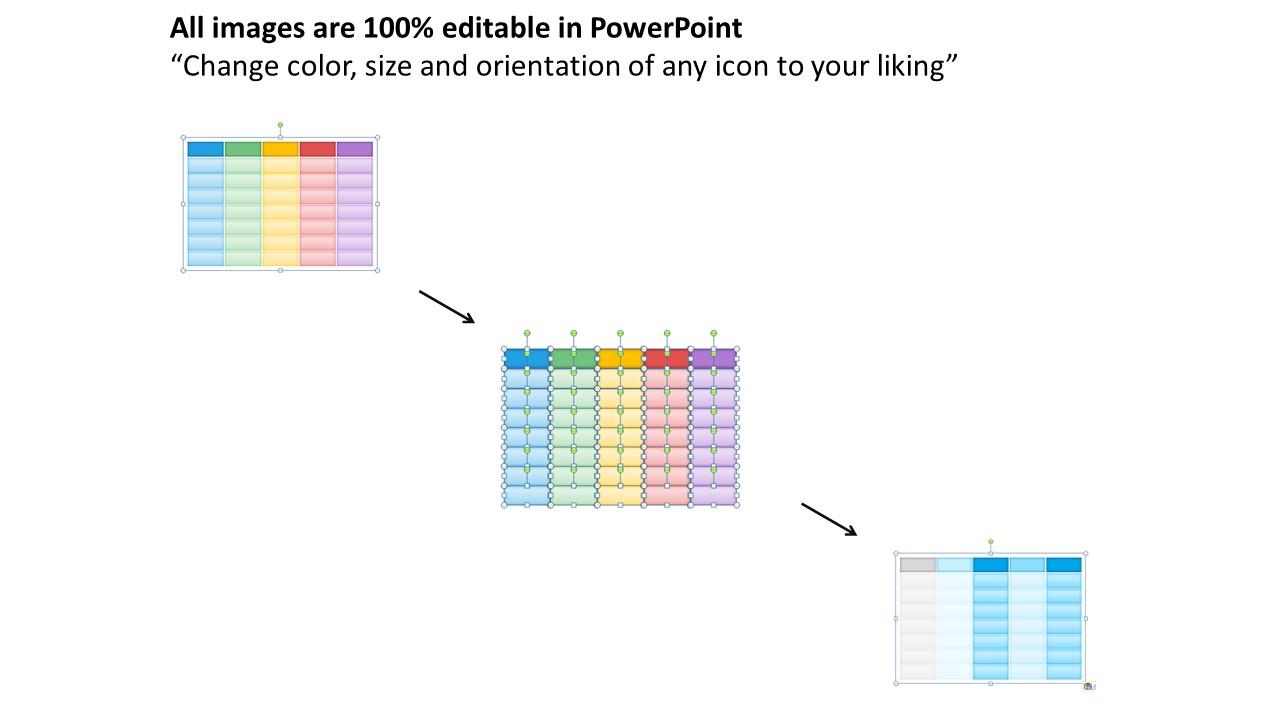
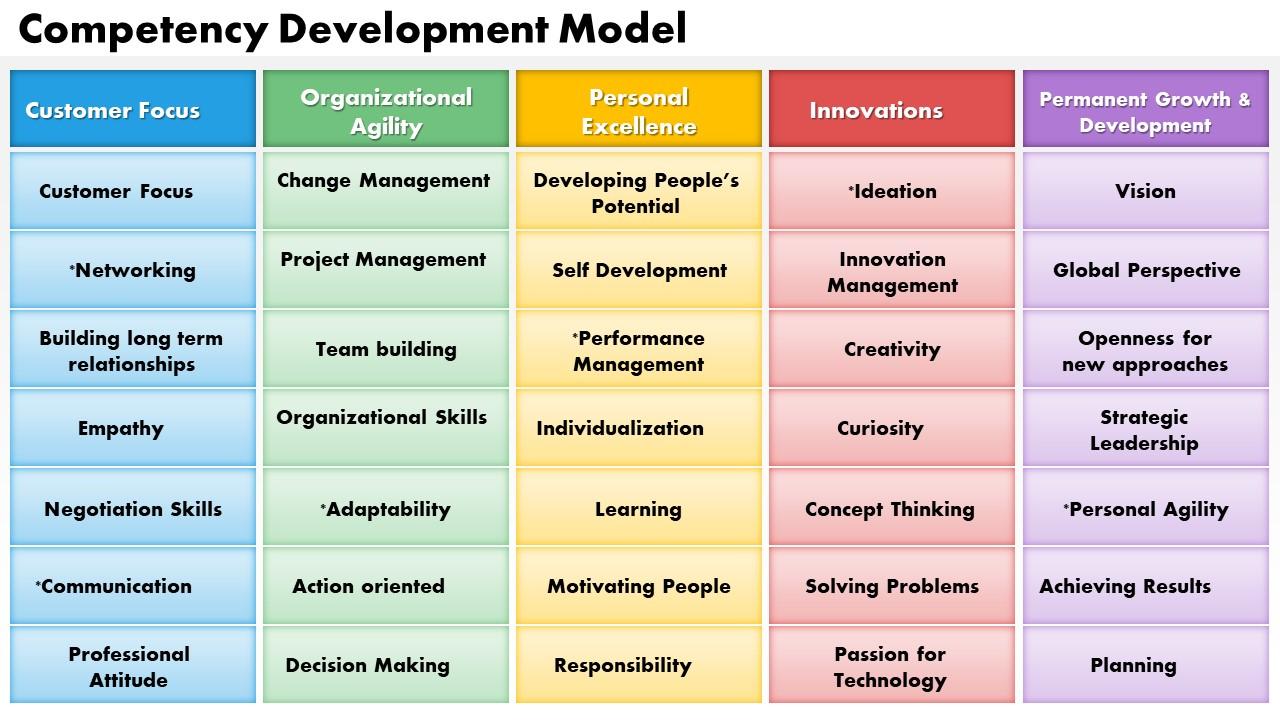
0514 Modèle de développement des compétences Présentation Powerpoint
Try Before you Buy Download Free Sample Product
Audience
Editable
of Time
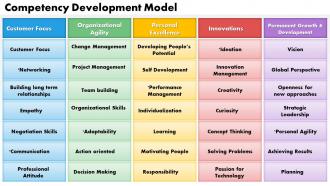
Un bref ensemble de compétences fait des merveilles lorsqu'il est organisé dans une séquence logique dans une conception PPT qui offre une haute résolution et des effets de combinaison de couleurs. Les informations divisées en sections sont celles qui aident à donner un bref aperçu de chaque section, ajoutant ainsi à la beauté du travail compilé dans une présentation PowerPoint qui utilise un modèle de développement des compétences. Attirer l'attention des points de vue ou impliquer activement chaque participant dans la discussion est la pierre angulaire de l'idée de chaque présentation d'entreprise. Ainsi, la gestion des performances peut être améliorée grâce à l'utilisation d'un meilleur outil pour assimiler les informations. Mise en page PPT préconçue, qui offre une haute résolution dans les effets de couleur et les diagrammes, créant ainsi une base pour comprendre et discuter facilement des informations afin d'atteindre des objectifs à court et à long terme, en veillant à ce que votre travail soit professionnel et créatif. Les compétences de base et le fonctionnement peuvent être modélisés avec le diaporama de présentation d'aide qui permet de recueillir l'appréciation de votre travail avec moins d'effort. De toutes les présentations qu'ils voient cette année, faites ressortir la vôtre grâce à un design convaincant. 0514 Modèle de développement des compétences Présentation Powerpoint pour aider à rendre votre message unique.
Caractéristiques de ces diapositives de présentation PowerPoint :
Les hommes d'affaires, les micro, petites et moyennes entreprises peuvent utiliser le visuel PPT comme diapositive clé. La présentation PowerPoint prend en charge le remplissage de l'arrière-plan dans une couleur différente du texte. Toutes les images sont 100% modifiables dans la diapositive de présentation. Le texte peut être différencié de l'arrière-plan par les fonctionnalités pratiques fournies par la mise en page PPT. Il n'y a pas de contrainte d'espace dans la conception PowerPoint, permettant ainsi un ajout ou une édition facile des données. Le bon fonctionnement est assuré par le diaporama de présentation sur tous les logiciels.
People who downloaded this PowerPoint presentation also viewed the following :
0514 Présentation PowerPoint du modèle de développement des compétences avec les 5 diapositives :
Nous comprenons l'effet de supériorité des images, c'est pourquoi notre présentation PowerPoint du modèle de développement des compétences 0514 associe des images à des mots. Vous pouvez être sûr que votre auditoire se souviendra de ce que vous avez dit des semaines plus tard.
FAQs for 0514 competency development
Start with mapping out what skills actually matter for each role - that's your foundation. Then you need ways to assess where people are now (the tricky bit is making sure these actually work). Most systems use beginner-to-expert scales which honestly makes sense. For development, mix it up - training, mentoring, stretch projects, whatever fits. Progress tracking keeps everyone honest about growth. Oh, and clear learning objectives are key so people aren't just wandering around hoping they'll improve. The assessment piece should come after you've nailed down your critical competencies.
Skills tests work great for technical stuff, and 360-degree feedback gives you the full picture from everyone around them. Performance reviews help but honestly depend on whether your managers actually know what they're doing. I'd throw in self-assessments too since people buy in more when they're part of it. Don't forget to look at their actual work - sometimes that tells you more than any formal review. Mix a few of these methods so you're not relying on just one thing. Oh, and test it with a small group first before you roll it out everywhere.
Honestly, feedback is like your GPS for getting better at stuff - without it you're just driving around hoping you'll magically arrive somewhere good. You need to know if you're actually improving or just fooling yourself, you know? Ask your boss, coworkers, even people who report to you what they think. I always throw in "what's one thing I could do better?" after big projects. Sounds cheesy but it works. The thing is, we all have blind spots we can't see ourselves. Getting multiple perspectives helps you spot the gaps and adjust before you waste time going down the wrong path.
Start with what actually matters in your specific industry - healthcare needs patient safety focus, tech wants innovation and quick learning. The basic framework works everywhere, but you've got to customize the competencies and how you measure them. I've watched so many companies just steal generic models and then act shocked when nothing improves. Really drives me crazy. Look at your industry's career paths and required certifications too. Map out what actually drives success in your sector, then turn those into specific competencies you can measure. Otherwise you're just checking boxes that don't mean anything.
Honestly, 360-degree feedback surveys are probably your best bet - they'll show you exactly where the gaps are. Skills assessments work great too. People are terrible at self-rating though (either way too harsh or think they're amazing). Performance reviews can catch stuff in action, and skills matrices are super helpful for mapping what you have vs. what you actually need. If it's technical roles, just have them do the work - demonstrations beat talking about it any day. Pick whatever feels right for your team first. You can always add more methods later once you figure out what works.
Okay so first thing - figure out what your company actually needs to win, then work backwards from there. Like if you're all about innovation, hire for people who take risks and think outside the box. Don't just pick random skills that sound good on paper (trust me, I've seen companies waste so much time on this). Map everything back to real business goals. Your hiring, training, performance reviews - all of it should connect to these specific competencies. Gets pretty detailed but that's honestly where you'll see the biggest impact. Skip the generic "team player" stuff and focus on what actually moves the needle.
Honestly, tech has been a total game-changer for skill development. AI can spot your weak areas and build custom learning paths for you. Real-time tracking through dashboards is huge too. Microlearning's everywhere now - makes sense since who has time for week-long courses? VR and AR let you practice tricky stuff without real consequences, which is pretty cool. The best part though? You get continuous feedback instead of waiting for those awful yearly reviews. Oh, and definitely check what tech you're already using - you might be able to automate way more than you think.
Honestly, mentorship is like having a cheat code for skill development. You get someone who's already figured out what you're struggling with, and they can spot your blind spots way better than any online course. The real magic happens when you set specific goals upfront - like "I want to get better at presenting" instead of just "help me grow." Meet regularly, maybe monthly? I learned this the hard way, but consistency matters more than you'd think. Find someone who's actually good at what you want to improve. Sounds obvious, but you'd be surprised how many people don't do this.
Honestly, the secret is showing people what's in it for them personally. Connect skill-building to promotions, raises, or cool new projects they actually want. Public recognition works wonders too - celebrate wins where everyone can see. Let them pick which skills to tackle first (choice = buy-in). Oh, and remove the stupid barriers. Give learning stipends, flexible training time, maybe bring in someone who doesn't bore them to tears. I mean, nobody gets excited about "mandatory professional development." Make it feel like an opportunity they're lucky to have, not another checkbox to tick off.
Oh man, cultural stuff makes this way trickier than you'd think! Leadership in Germany vs Japan vs Brazil? Totally different beasts. Germans might want direct communication while Japanese teams expect more hierarchy respect. I bombed this once trying to use the same framework everywhere - yikes. You gotta get regional leaders involved in defining what each competency actually means for their area. Don't just copy-paste your model globally. Keep some core elements the same but let them adapt the rest. Honestly, the one-size-fits-all approach is a recipe for disaster.
First thing - map your competency model right into the review criteria from the start. When you're rating competencies, use real behavioral examples instead of just throwing out random scores. Honestly, I've watched so many reviews turn into meaningless box-checking exercises. Keep those competency conversations going all year long, not just during official review season. Train managers to give feedback that actually connects to specific competencies. Then build development plans targeting real skill gaps. The whole point is making this feel like a growth opportunity rather than another corporate hoop to jump through.
So here's the thing - succession planning works way better when you map out what skills people actually need for key roles. Then you can see who's close to being ready vs who needs more development. Honestly, it beats the hell out of panicking when someone quits unexpectedly! I'd start with your most critical positions first. Once you have those competencies figured out, career talks with your team get so much easier because you can literally show them what they need to work on to move up. It's like having a clear path instead of just hoping for the best.
Track engagement rates and completion percentages first - that's your baseline stuff. But honestly, the real gold is in performance improvements and whether people actually use what they learned on the job. I'd add 360 feedback because managers often spot changes before any formal data shows up. Promotion rates matter too if that's relevant for your program. Don't go crazy with metrics though - pick like 4 or 5 max and check them quarterly. Otherwise you'll get buried in spreadsheets and lose sight of what's actually moving the needle for your business.
You basically bake them right into your competency framework as actual behaviors you can measure. Like instead of just saying "project management," you'd spell out the communication, conflict resolution, and leadership stuff that goes with it. Way better than the old days when soft skills were just this vague afterthought, honestly. Most places use levels now - so you define what good teamwork looks like for entry level vs senior roles. Pick the soft skills that actually matter for your specific jobs first. Then figure out what those behaviors look like in real life. Makes the whole thing way more concrete.
Honestly, the hardest part is getting leadership to actually care - they love talking about "developing talent" until they see the budget. You'll also spend forever trying to define competencies that aren't just meaningless corporate speak. People will roll their eyes if it feels like another pointless HR thing to check off. Measuring this stuff objectively? Good luck with that. Plus roles change so fast now that your fancy model might be outdated in six months. And when will people actually have time to develop these skills between their regular work? Start with just one team though - prove it works there first, then expand. Way less messy that way.
-
Great experience, I would definitely use your services further.
-
Great product with highly impressive and engaging designs.