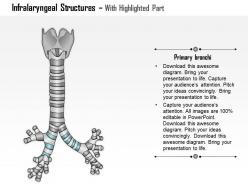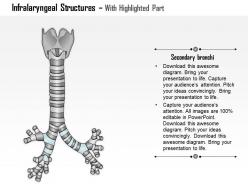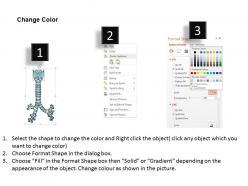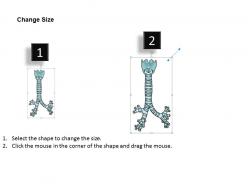
0514 infralaryngeal structures respiratory tree medical images for powerpoint

Rating:
90%
0514 infralaryngeal structures respiratory tree medical images for powerpoint
Slide 1 of 9
Favourites Favourites

Try Before you Buy Download Free Sample Product

Audience Impress Your
Audience
Editable 100%
Editable
Time Save Hours
of Time
The Biggest Sale is ending soon in
0
0
:
0
0
:
0
0
Rating:
90%
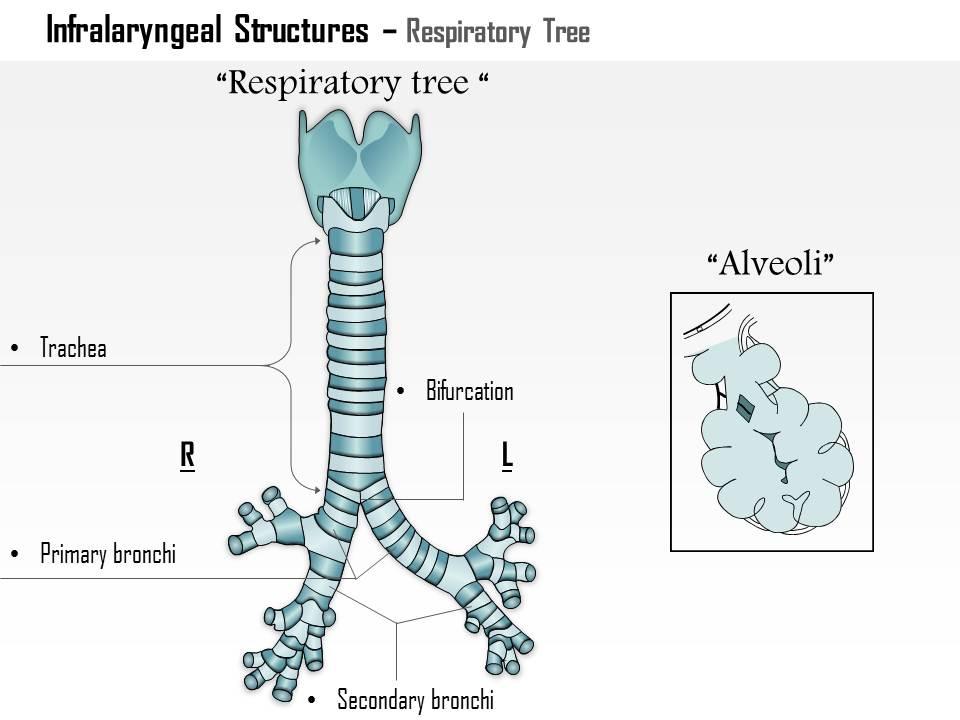
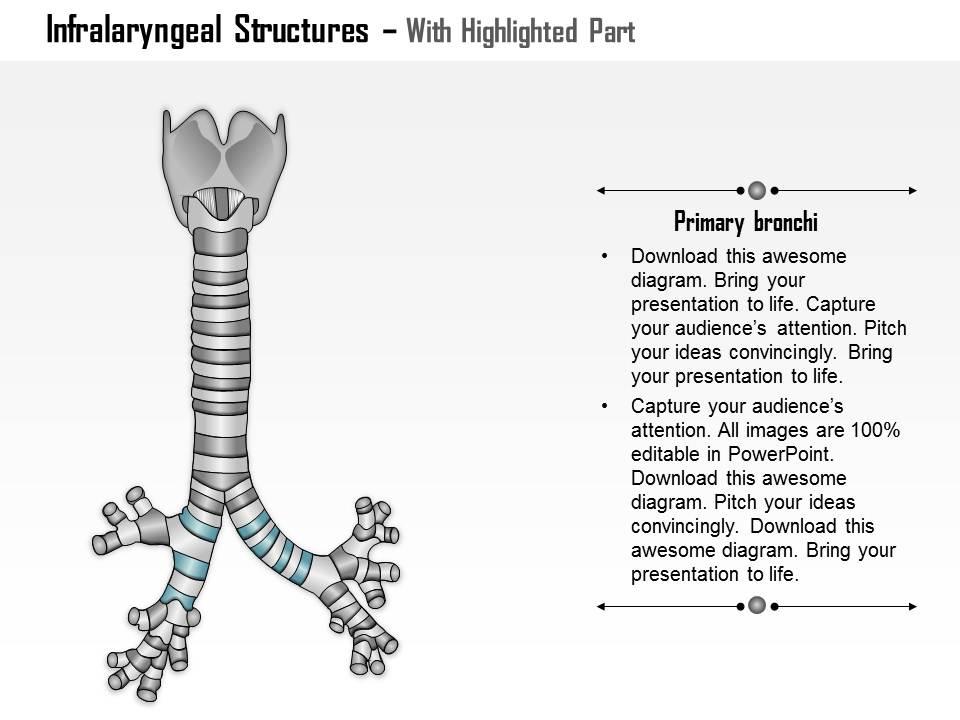
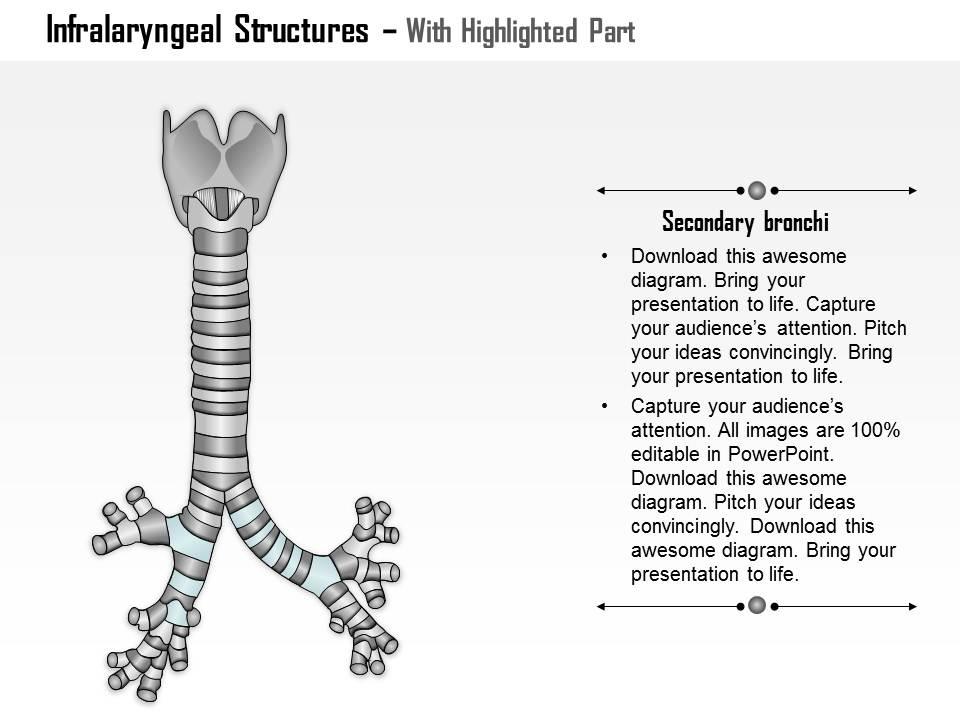
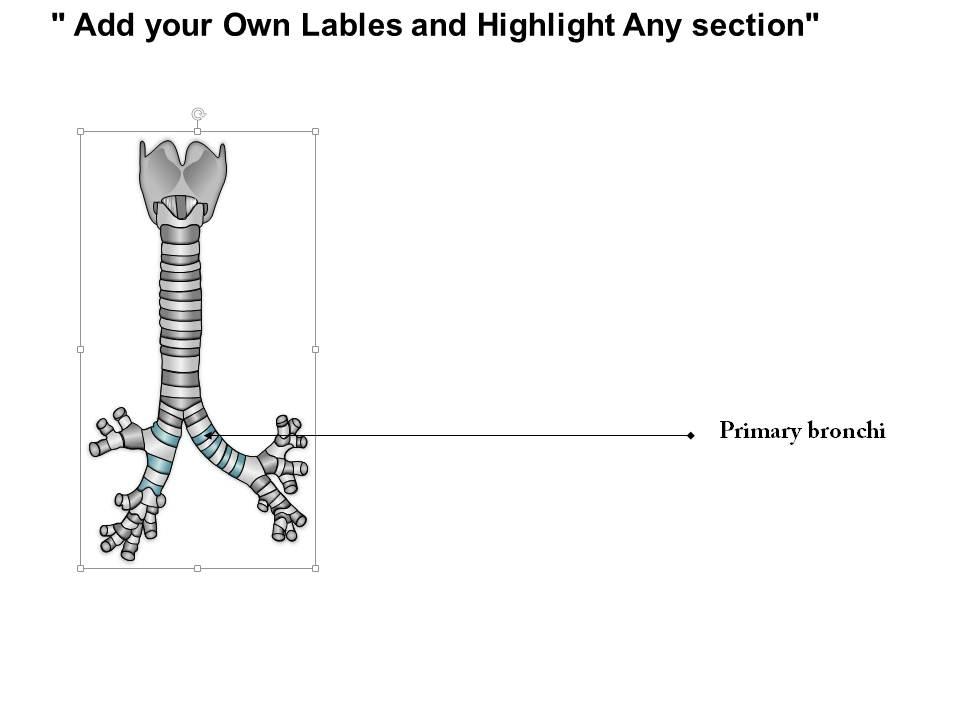
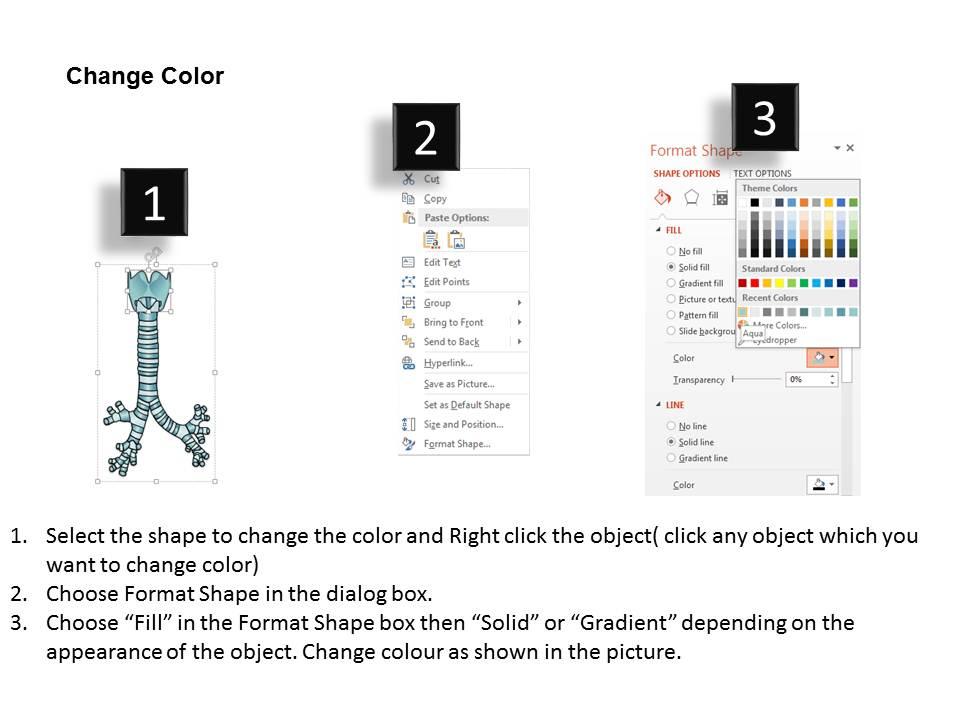
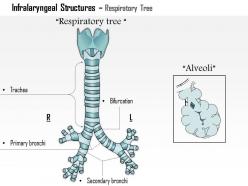
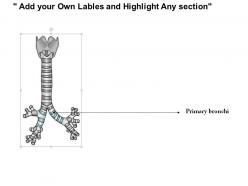
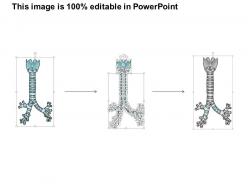
We are proud to present our 0514 infralaryngeal structures respiratory tree medical images for powerpoint. This Medical diagram power point template is designed with 3d graphic of human Infralaryngeal system. Use it to explain human respiratory structure tree in your presentation.

People who downloaded this PowerPoint presentation also viewed the following :

FAQs for 0514 infralaryngeal structures respiratory tree medical

Infralaryngeal structures primarily facilitate breathing, voice production, and airway protection through the trachea, bronchi, and lung tissues. These anatomical components work together by filtering air, enabling gas exchange, and supporting respiratory mechanics, with healthcare professionals and speech therapists finding that understanding these functions enhances patient care and treatment outcomes.

Infralaryngeal structures contribute to voice production by providing respiratory support through the lungs, trachea, bronchi, and diaphragm, which generate controlled airflow essential for vocal fold vibration. These anatomical components enable precise breath control, sustained phonation, and dynamic volume modulation, with professional speakers, singers, and vocalists finding that strengthened respiratory coordination enhances vocal endurance, projection quality, and overall performance consistency.

The infralaryngeal region comprises the trachea, bronchi, bronchioles, alveolar ducts, and alveolar sacs, forming the lower respiratory tract below the larynx. These interconnected structures facilitate airflow and gas exchange by conducting air through progressively smaller passages, filtering particles, and enabling oxygen-carbon dioxide transfer, ultimately delivering efficient respiratory function essential for sustained physiological performance.

Infralaryngeal anatomy varies significantly across species through differences in tracheal length, syringeal complexity, bronchial branching patterns, and air sac configurations. Birds demonstrate the most dramatic variations, with songbirds possessing highly developed syringes for complex vocalizations, while mammals show adaptations in tracheal structure and lung capacity, ultimately enabling species-specific respiratory efficiency and communication capabilities.

Infralaryngeal structures coordinate swallowing and breathing by managing airway protection, vocal fold closure, and tracheal positioning during these vital functions. These anatomical components work together through laryngeal elevation, epiglottal deflection, and synchronized muscular contractions, ultimately ensuring safe passage of food while maintaining respiratory efficiency and preventing aspiration complications.

Inflammation or disease of infralaryngeal structures significantly impacts vocal quality by reducing airflow support, creating irregular pressure patterns, and compromising respiratory control needed for clear phonation. These conditions affect the trachea, bronchi, and lung tissues that provide the foundational airstream for voice production, with many speech pathologists finding that addressing underlying respiratory health ultimately enhances vocal rehabilitation outcomes and long-term voice stability.

Common diagnostic methods for infralaryngeal structures include flexible laryngoscopy, CT scans, MRI imaging, barium swallow studies, and stroboscopy examinations. These techniques enable healthcare professionals to enhance diagnostic accuracy, streamline patient assessments, and deliver comprehensive evaluations, with many medical institutions finding that combining multiple methods ultimately provides better treatment outcomes and more precise therapeutic planning.

Surgical intervention in infralaryngeal structures significantly impacts vocal health by altering airflow dynamics, respiratory support, and subglottic pressure regulation that directly affect voice production quality and endurance. These procedures can enhance vocal outcomes for conditions like tracheal stenosis or subglottic lesions, while requiring careful post-operative voice therapy and monitoring, ultimately delivering improved respiratory-vocal coordination and long-term vocal stability.

Infralaryngeal structures significantly impact voice production, respiratory support, and overall speech quality, making them crucial considerations in speech-language pathology assessments and interventions. These anatomical components influence airflow regulation, vocal fold coordination, and resonance patterns, with many speech-language pathologists finding that addressing infralaryngeal dysfunction enhances treatment outcomes for voice disorders, breathing difficulties, and speech clarity issues.

Aging affects infralaryngeal organs through reduced muscle elasticity, decreased cartilage flexibility, and diminished respiratory capacity, leading to weakened voice projection and breathing efficiency. These structural changes impact professional voice users in sectors like broadcasting, education, and customer service, with many organizations finding that vocal training programs and ergonomic workplace adjustments help maintain communication effectiveness and employee performance.

Common disorders associated with infralaryngeal structures include tracheal stenosis, bronchitis, pneumonia, asthma, and chronic obstructive pulmonary disease. These conditions affect respiratory function by restricting airflow, causing inflammation, and reducing oxygen exchange efficiency, with healthcare organizations increasingly leveraging advanced diagnostic tools and treatment protocols to deliver faster patient outcomes and enhanced care quality.

External factors like smoking and pollution significantly damage infralaryngeal structures by causing inflammation, tissue scarring, reduced ciliary function, and impaired mucus clearance mechanisms. These environmental stressors compromise the trachea and bronchi's protective barriers, ultimately leading to chronic respiratory conditions, increased infection susceptibility, and long-term structural deterioration that affects overall respiratory efficiency.

Recent advancements include high-resolution CT imaging, fiber-optic bronchoscopy, ultrasound elastography, 3D reconstruction software, and AI-powered diagnostic tools. These technologies enhance medical training and patient care by delivering precise anatomical visualization, real-time assessment capabilities, and improved diagnostic accuracy, with many healthcare institutions finding that enhanced imaging streamlines treatment planning and ultimately improves patient outcomes.

Understanding infralaryngeal structures helps clinicians develop targeted therapies by revealing how tracheal inflammation, subglottic swelling, and airway narrowing impact vocal function and breathing patterns. This anatomical knowledge enables speech therapists and oncologists to design precise interventions, from anti-inflammatory treatments for laryngitis to strategic radiation planning for laryngeal cancer, ultimately delivering more effective patient outcomes.

Current research on infralaryngeal tissue regeneration focuses on stem cell therapies, bioengineered scaffolds, growth factor applications, tissue engineering approaches, and gene therapy interventions. These innovative methodologies enhance healing by promoting cellular repair, accelerating tissue reconstruction, and restoring functional capacity, with many medical institutions finding that combining multiple regenerative strategies ultimately delivers improved patient outcomes and faster recovery times.

Ratings and Reviews

90% of 100
Write a review
Most Relevant Reviews
  1. 80%

    by Eddie Sandoval

    Informative presentations that are easily editable.
  2. 100%

    by Chris Watson

    Helpful product design for delivering presentation.

2 Item(s)

per page: