1214 big data from descriptive to predictive powerpoint presentation

Rating:
90%
1214 big data from descriptive to predictive powerpoint presentation
Slide 1 of 5
Favourites Favourites

Try Before you Buy Download Free Sample Product

Audience Impress Your
Audience
Editable 100%
Editable
Time Save Hours
of Time
The Biggest Sale is ending soon in
0
0
:
0
0
:
0
0
Rating:
90%
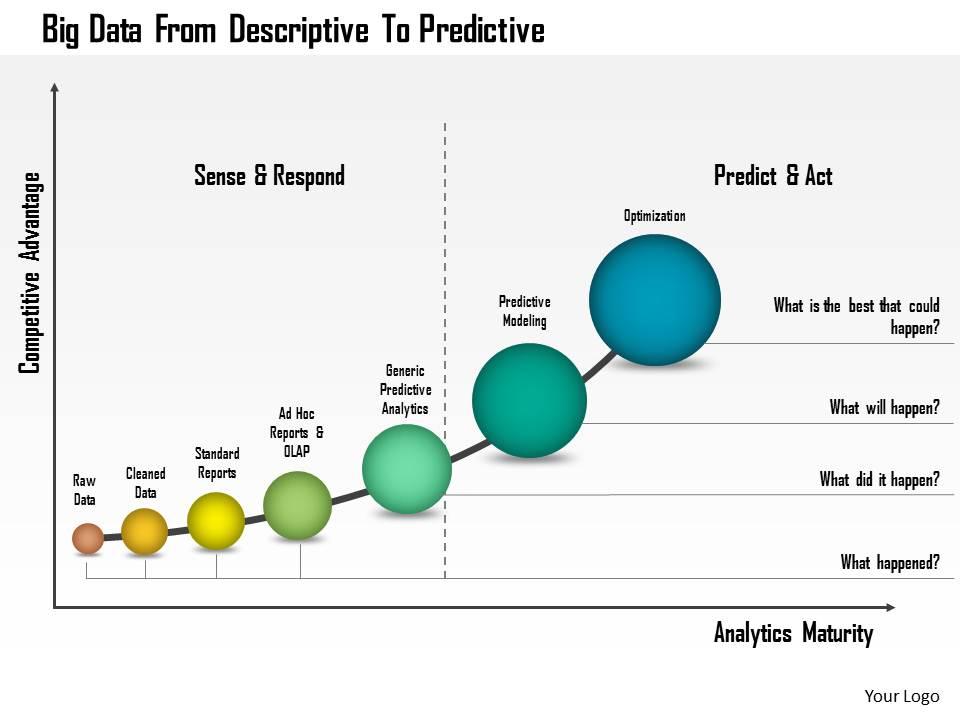
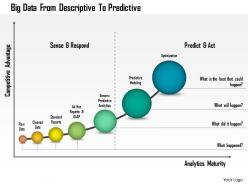
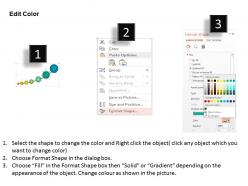
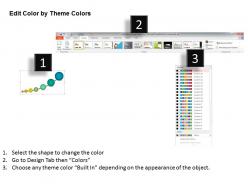
We are proud to present our 1214 big data from descriptive to predictive powerpoint presentation. This power point template has been designed with graphic of linear bar graph. This growing bar graph depicts the concept of big data analysis. Use this PPT for your data analysis related presentations.

People who downloaded this PowerPoint presentation also viewed the following :

FAQs for 1214 big data from descriptive to

So basically, structured data is the organized stuff - databases, spreadsheets, anything that fits into neat rows and columns. Super easy to work with using SQL. Unstructured data? That's your messy content like social media posts, videos, emails. Honestly, it's like 80% of everything out there which is kinda crazy when you think about it. You'll need totally different tools for each type. My advice? Always figure out what format you're dealing with first - saves you a ton of headaches later when you're trying to analyze it.

So ML basically finds patterns in your data that you'd never catch on your own - we're talking massive datasets processed in real-time. It's like having that one friend who's weirdly good at spotting trends, except it never gets tired or makes mistakes from being hangry. The cool part? These models actually learn as they go, getting better with more data. Honestly, I'd just start simple - try clustering or regression on whatever data you already have. You'll see improvements in both speed and accuracy pretty much immediately. Way better than manually digging through spreadsheets for hours.

Honestly, the big ones are consent, privacy, and making sure your algorithms aren't biased. Most people have no clue how their random data gets mashed together - you can figure out crazy stuff from what seems totally innocent. Get real consent first, strip out anything that identifies people, and check your models regularly for discrimination. Oh and data retention too - let people delete their stuff if they want. I always think "would I be okay with someone doing this to my data?" That usually keeps me on the right track.

So real-time analytics gives you data as it's happening - like watching live sports scores. Batch processing waits and crunches everything later, kind of like reading yesterday's newspaper. Real-time's great for stuff like fraud alerts or live dashboards, but honestly? It's way more expensive and complicated to build. Batch is cheaper and handles huge datasets better. You'll always be working with older data though. I'd go real-time if you absolutely need instant updates, otherwise batch works for most reporting stuff.

Start with Tableau or Power BI - both are really user-friendly for general dashboards. If you're dealing with huge datasets, D3.js is powerful but needs coding skills. Qlik Sense is great for interactive stuff. I personally love Python's Matplotlib and Plotly if you're already working in Python anyway. Honestly though, the specific tool doesn't matter as much as actually understanding your data first. My brother made that mistake and spent weeks on fancy charts that told him nothing useful. Pick one platform and get really good at it, then add other tools when you hit specific roadblocks.

Build validation checks straight into every step - ingestion, processing, storage. Real-time automated quality checks catch duplicates, missing values, all that stuff. Data lineage tracking is a lifesaver when you need to trace where problems started (and you will). Monitoring dashboards help spot issues before they get bad. Oh, and set up clear governance with dataset owners - someone's gotta be responsible, right? Way easier to build this quality stuff in from the start than fix garbage data later. Trust me on that one.

Honestly, cloud computing is what made big data analysis actually doable for most companies. You can suddenly access crazy amounts of storage and processing power without dropping a fortune on hardware upfront. Need to analyze a huge dataset? Spin up a bunch of instances, crunch your numbers, then scale back down. Way more cost-effective than the old way. The managed services are pretty sweet too - data warehouses, ML platforms, stuff that'd take your team months to build. I'd start by testing your current workloads and see how much faster things run.

Honestly, big data is a game-changer for getting to know your customers individually instead of treating them like one big blob. You're pulling info from everywhere - website clicks, purchases, social media stalking (kidding, but not really). Then algorithms find patterns in what people actually want. Product recommendations work crazy well once you nail it. Email personalization too. I'd start there since it's not overwhelming. The whole point is making each person feel like you "get" them rather than sending generic stuff that screams mass marketing. It's way more effective than the spray-and-pray approach most companies still use.

Ugh, data quality issues are the absolute worst - you'll spend forever cleaning up messy records and duplicate entries. Different formats are a nightmare too. Some systems spit out JSON, others use CSV or XML, and none of them want to cooperate. Volume's another beast entirely - I've seen massive datasets completely tank systems that weren't ready for them. Oh, and don't get me started on compliance headaches when you're pulling from multiple platforms. Honestly though, map everything out first. Set your quality standards early or you'll hate yourself later. Trust me on this one.

So predictive analytics trains algorithms on your old data to spot patterns for future forecasting. You dump in past sales, customer stuff, market conditions - whatever you've got. It learns how different variables connect. Like a super smart pattern-matcher, honestly. Weather affecting purchases, seasonal user trends - it catches correlations you'd totally miss. More quality historical data means better predictions. Oh, and clean up your historical data first before diving into forecasting models. That's probably the most boring but crucial step.

Honestly, big data in healthcare is pretty wild - you can spot patterns in patient info that would be impossible to catch otherwise. Like predicting who's gonna get sicker before it happens, or figuring out which treatments actually work for people like your patients. The amount of insight hiding in medical records and even fitbit data is crazy. Plus it helps with the boring stuff too - better staffing, fewer people coming back to the ER, cutting costs. I'd say start small though, maybe just focus on one annoying problem like wait times and see what pops up in your data first.

Python and SQL are your best starting points - seriously, SQL alone will get you pretty far since you're constantly pulling data from databases. R's good too but I'd focus on those first two. Statistical knowledge is obviously key, plus you'll want to pick up Tableau or Power BI for visualizations. The learning curve feels brutal initially, not gonna lie. But here's what surprised me - being able to explain your findings to executives and non-tech people is almost as important as the analysis itself. It's like being a translator between the data and business teams. Start small and build from there.

Look, you gotta track both the obvious stuff and the fuzzy benefits. Cost savings from automation? Easy. Revenue bumps from better targeting? Clear win. But don't ignore things like customer satisfaction scores - that's where the real money is, honestly. Hard part is the soft metrics take forever to show up properly. Set your baselines first (this is key), then give it like 6-12 months to actually see patterns. Oh and pro tip - executives don't care about your fancy analytics dashboard. They want to know how it affects the bottom line, so connect everything back to outcomes they're already obsessing over.

Dude, big data is seriously shaking things up everywhere. Healthcare's getting crazy with AI diagnostics - doctors are working totally differently now. Finance too - these fintech companies can approve loans instantly and give you investment advice that's actually tailored to you. Amazon's basically reading our minds at this point, predicting purchases before we even think about them. Ride-sharing apps optimize everything, plus there's all the self-driving car stuff happening. Oh, and manufacturers are using predictive maintenance so their equipment doesn't randomly break down and cost them a fortune. My advice? Don't go overboard - pick one small analytics project first.

So basically, big data can catch fraud patterns that would fly right over our heads - we're talking millions of transactions getting scanned simultaneously. It analyzes transaction histories and user behavior in real-time, then flags weird stuff before it becomes a nightmare. The system actually gets smarter by learning from past fraud cases, which is pretty neat. Each transaction gets a risk score, and sketchy ones get blocked automatically. Honestly, I'd start with whatever areas are getting hit the hardest, then build your models around those specific problems. Way more effective than trying to tackle everything at once.

Ratings and Reviews

90% of 100
Write a review
Most Relevant Reviews
  1. 80%

    by Roberts Roberts

    Thanks for all your great templates they have saved me lots of time and accelerate my presentations. Great product, keep them up!
  2. 100%

    by Dino Grant

    Use of different colors is good. It's simple and attractive.

2 Item(s)

per page: