1214 Process Chevron Diagram Presentación en Powerpoint

Rating:
90%
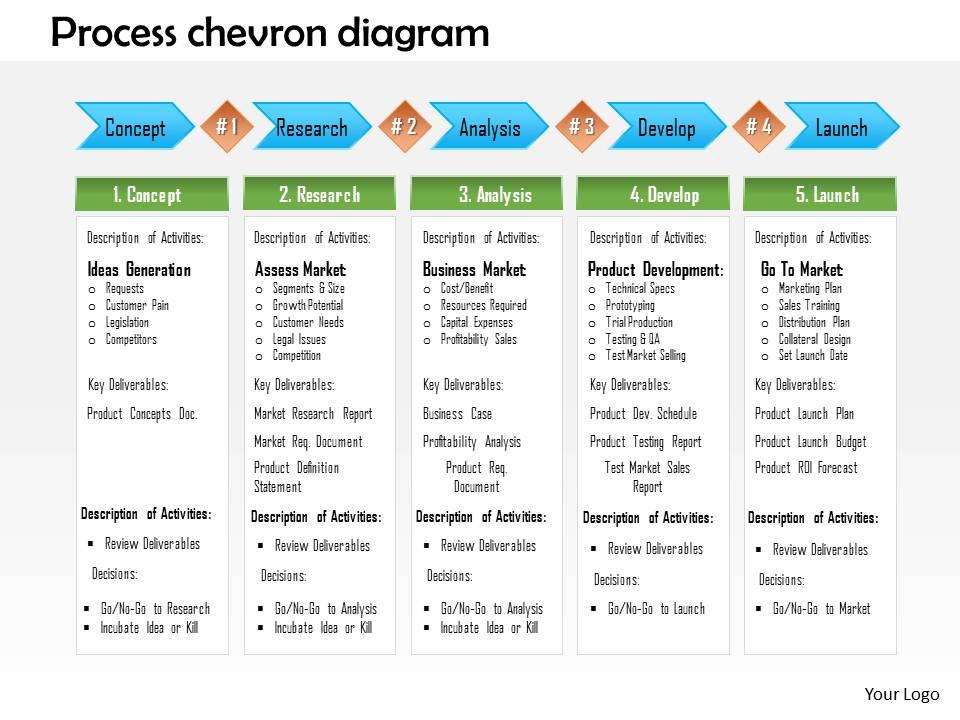
1214 process chevron diagram powerpoint presentation
Slide 1 of 5
Favourites Favourites

Try Before you Buy Download Free Sample Product

Audience Impress Your
Audience
Editable 100%
Editable
Time Save Hours
of Time
The Biggest Sale is ending soon in
0
0
:
0
0
:
0
0
Rating:
90%

Características de estas diapositivas de presentación de PowerPoint:

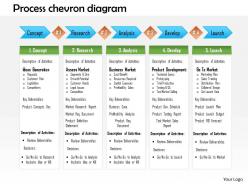
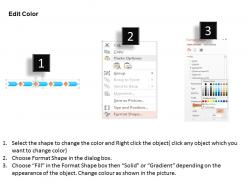
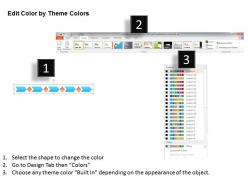
Permite una vista paso a paso de todo el proceso. Viene con instrucciones predefinidas que son fáciles de seguir por cualquier usuario. Garantice soporte al cliente las 24 horas para resolver cualquier problema. Cargado con patrones y gráficos de alta calidad para impresionar y atraer a los espectadores. Funciona bien con todos los programas. Marco bien adaptado con google. Permite insertar los logotipos, marcas comerciales y nombres comerciales.

FAQs for 1214 process chevron

The 1214 process provides a structured four-stage framework that enhances organizational workflows by streamlining task sequences, improving coordination between departments, establishing clear accountability checkpoints, and enabling systematic progress tracking. This methodology helps organizations minimize bottlenecks, reduce operational delays, and maintain consistent quality standards, with many companies finding that implementing structured process frameworks ultimately delivers faster project completion and improved resource allocation efficiency.

A chevron diagram visually enhances understanding of the 1214 process by creating clear directional flow, highlighting sequential dependencies, and emphasizing progression through interconnected stages. This visual approach enables teams to quickly identify bottlenecks, streamline handoffs between phases, and maintain process alignment, with many organizations finding that chevron presentations significantly improve stakeholder comprehension and project execution efficiency.

A 1214 process chevron diagram typically includes sequential process steps, decision points, inputs and outputs, timeline indicators, responsible parties or departments, quality checkpoints, feedback loops, and milestone markers. These components work together by creating visual clarity for complex workflows, enabling teams to identify bottlenecks and optimize operations, ultimately delivering streamlined processes and enhanced operational efficiency across organizations.

The 1214 process chevron diagram facilitates better decision-making by providing clear visual progression through project phases, establishing defined checkpoints, standardizing workflows, and creating accountability touchpoints at each stage. This structured approach enables project managers to identify bottlenecks early, allocate resources more strategically, and maintain timeline visibility, with many organizations finding that systematic process mapping ultimately delivers faster project completion and reduced decision delays.

Manufacturing, healthcare, financial services, retail, and logistics industries most commonly utilize the 1214 process for its systematic approach to workflow optimization, quality control, and resource allocation. These sectors find that the fourteen-step framework streamlines complex operations, enhances compliance tracking, and minimizes operational bottlenecks, ultimately delivering improved efficiency and competitive advantage in increasingly regulated business environments.

A chevron diagram improves 1214 process stakeholder communication by providing visual clarity of sequential steps, clearly defined roles and responsibilities, streamlined progress tracking, and enhanced transparency across all phases. This visual approach enables executives, project managers, and team members to quickly grasp complex workflows, identify potential bottlenecks, and maintain alignment, ultimately delivering faster decision-making and improved project outcomes.

Common challenges when implementing a 1214 process include unclear role definitions, inadequate resource allocation, insufficient stakeholder buy-in, communication gaps between departments, and resistance to workflow changes. These implementation hurdles can be streamlined through comprehensive training, strategic change management, and phased rollouts, with many organizations finding that early stakeholder engagement and clear documentation ultimately deliver smoother transitions and improved operational efficiency.

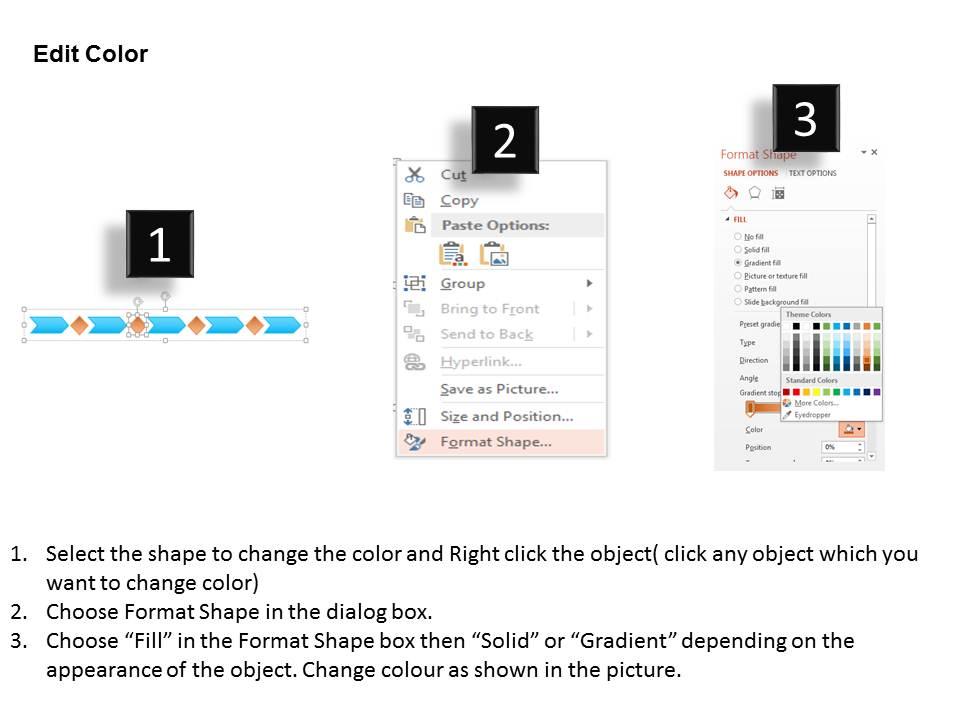
The 1214 process chevron diagram can be customized by modifying step labels, adjusting colors to match brand guidelines, incorporating industry-specific terminology, and adding relevant icons or symbols for each phase. Organizations across sectors like manufacturing, healthcare, and financial services frequently adapt these templates by restructuring the flow sequence, embedding department-specific metrics, and integrating compliance requirements, ultimately delivering streamlined communication and enhanced process clarity.

Recommended software tools for creating effective chevron diagrams include Microsoft PowerPoint, Visio, Lucidchart, SmartDraw, and Canva, each offering specialized templates and design capabilities. These platforms streamline diagram creation by providing pre-built chevron templates, drag-and-drop functionality, and collaborative features, with many organizations finding that PowerPoint delivers the most accessible balance of professional design options and user-friendly interface for business presentations.

Visual aids like chevron diagrams significantly enhance team collaboration during the 1214 process by creating shared understanding, clarifying sequential dependencies, and establishing clear accountability for each phase. These visual tools streamline communication across departments, minimize misalignment through transparent progress tracking, and enable faster decision-making, with many organizations finding that structured visual frameworks ultimately deliver improved project outcomes and stronger cross-functional coordination.

Effectiveness metrics for a 1214 process include completion time, error rates, resource utilization, cost per cycle, and stakeholder satisfaction scores. These measurements enable organizations to identify bottlenecks, streamline workflows, and optimize resource allocation across departments, with many companies finding that regular metric tracking ultimately delivers improved operational efficiency and competitive advantage.

The 1214 process complements agile methodologies by providing structured visualization for iterative workflows, sprint planning, milestone tracking, and continuous improvement cycles. Through its sequential chevron format, agile teams can map user stories, define acceptance criteria, monitor development phases, and facilitate stakeholder communication, ultimately delivering greater project transparency and faster iteration cycles while maintaining strategic alignment across cross-functional teams.

The 1214 process chevron diagram becomes less effective in highly dynamic environments requiring frequent adaptations, complex scenarios with numerous interdependencies, or situations demanding flexible, non-linear workflows. While structured processes enhance operational efficiency, organizations in rapidly changing sectors like tech startups, creative agencies, or crisis management often find that rigid sequential frameworks can slow decision-making and limit agile responses to emerging opportunities.

Best practices for presenting chevron diagrams include using consistent colors and fonts, maintaining clear spacing between chevron segments, limiting text to key phrases, ensuring logical left-to-right flow, and incorporating your brand colors strategically. These visual elements streamline audience comprehension by creating intuitive process navigation, minimizing cognitive load, and emphasizing critical decision points, with many organizations finding that well-designed chevrons significantly enhance stakeholder engagement during strategic presentations.

Stakeholder feedback enhances the 1214 process by identifying bottlenecks, revealing inefficiencies, and highlighting areas requiring additional clarity or resources. This continuous input enables organizations to refine workflows, streamline decision points, and optimize resource allocation, with many companies finding that regular feedback loops ultimately deliver improved operational efficiency and stronger stakeholder satisfaction across their processes.

Ratings and Reviews

90% of 100
Review Form
Write a review
Most Relevant Reviews
  1. 80%

    by John Walker

    Great product with effective design. Helped a lot in our corporate presentations. Easy to edit and stunning visuals.
  2. 100%

    by Devin Daniels

    The Designed Graphic are very professional and classic.

2 Item(s)

per page: