5 Year Strategic Business Plan Powerpoint PPT Template Bundles

Rating:
80%
5 Year Strategic Business Plan Powerpoint PPT Template Bundles
Slide 1 of 17
Favourites Favourites

Try Before you Buy Download Free Sample Product

Audience Impress Your
Audience
Editable 100%
Editable
Time Save Hours
of Time
The Biggest Sale is ending soon in
0
0
:
0
0
:
0
0
Rating:
80%
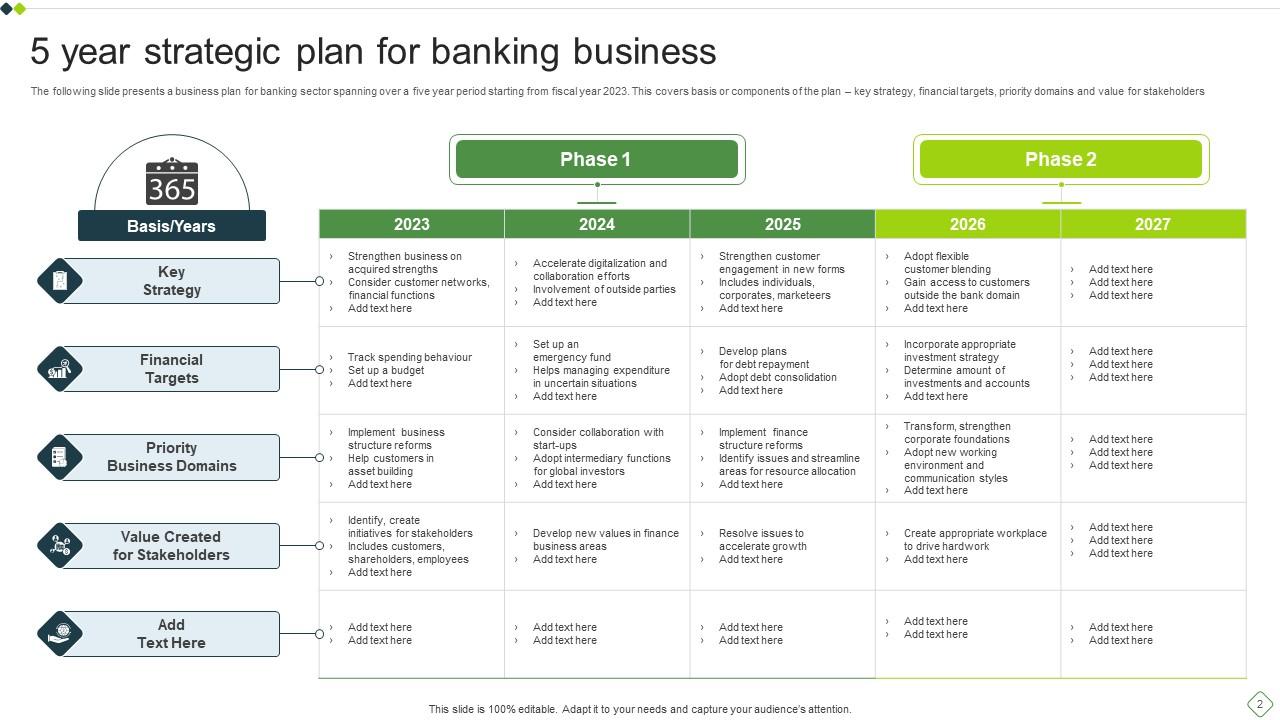
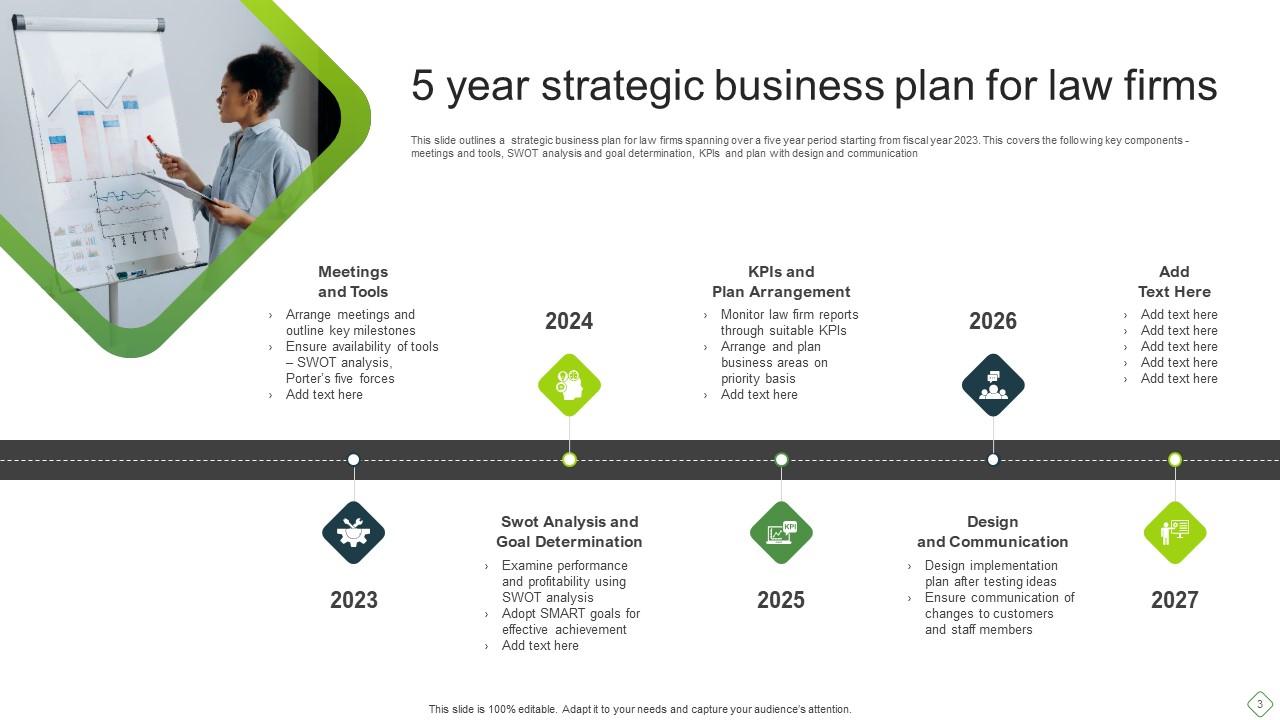
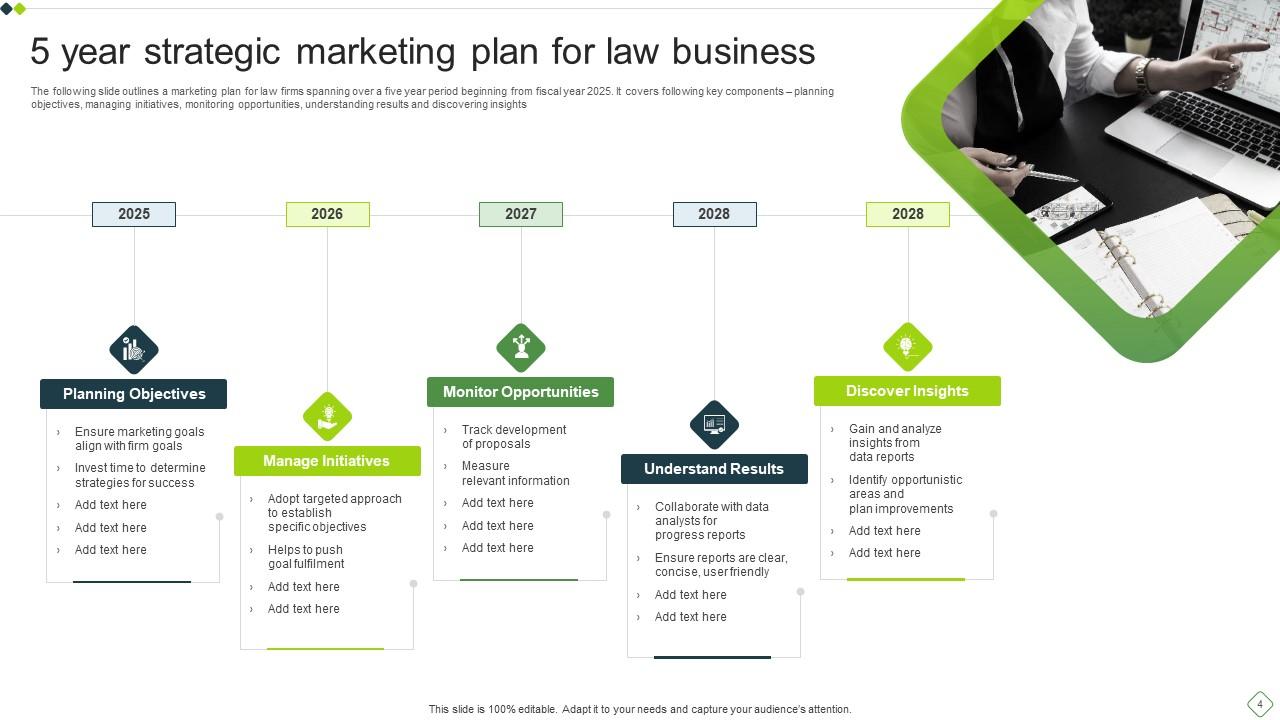
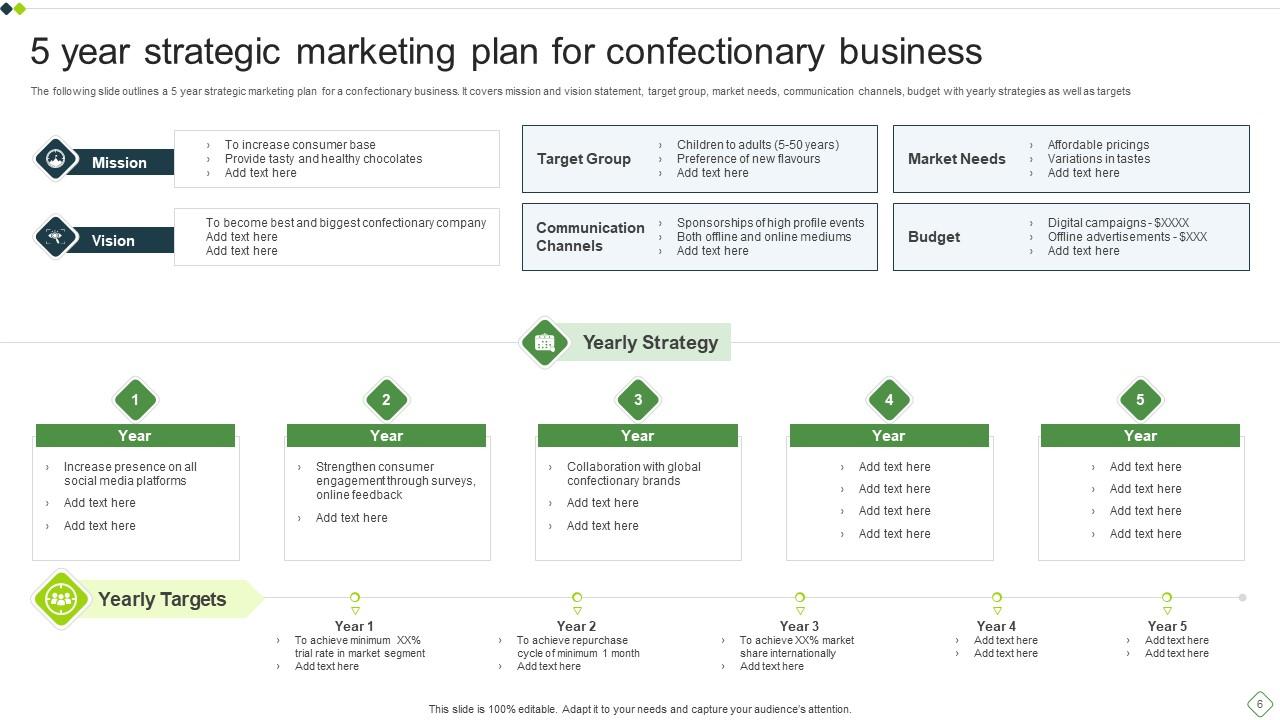
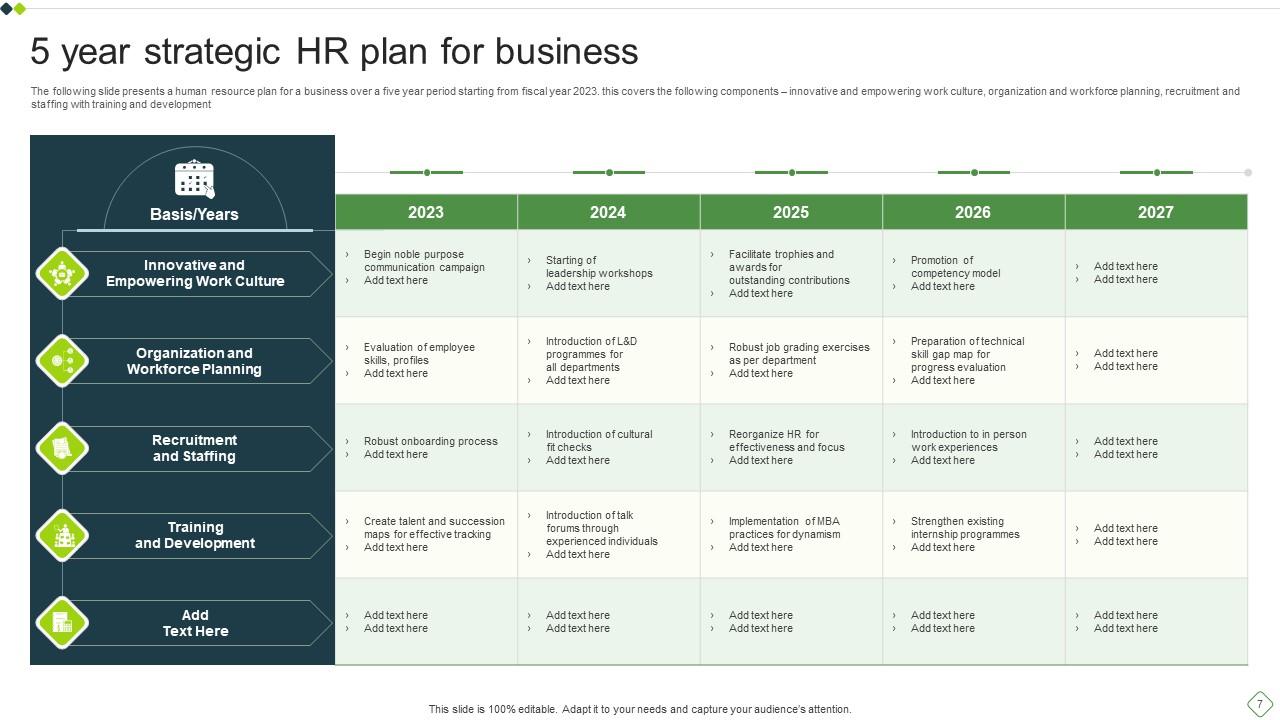
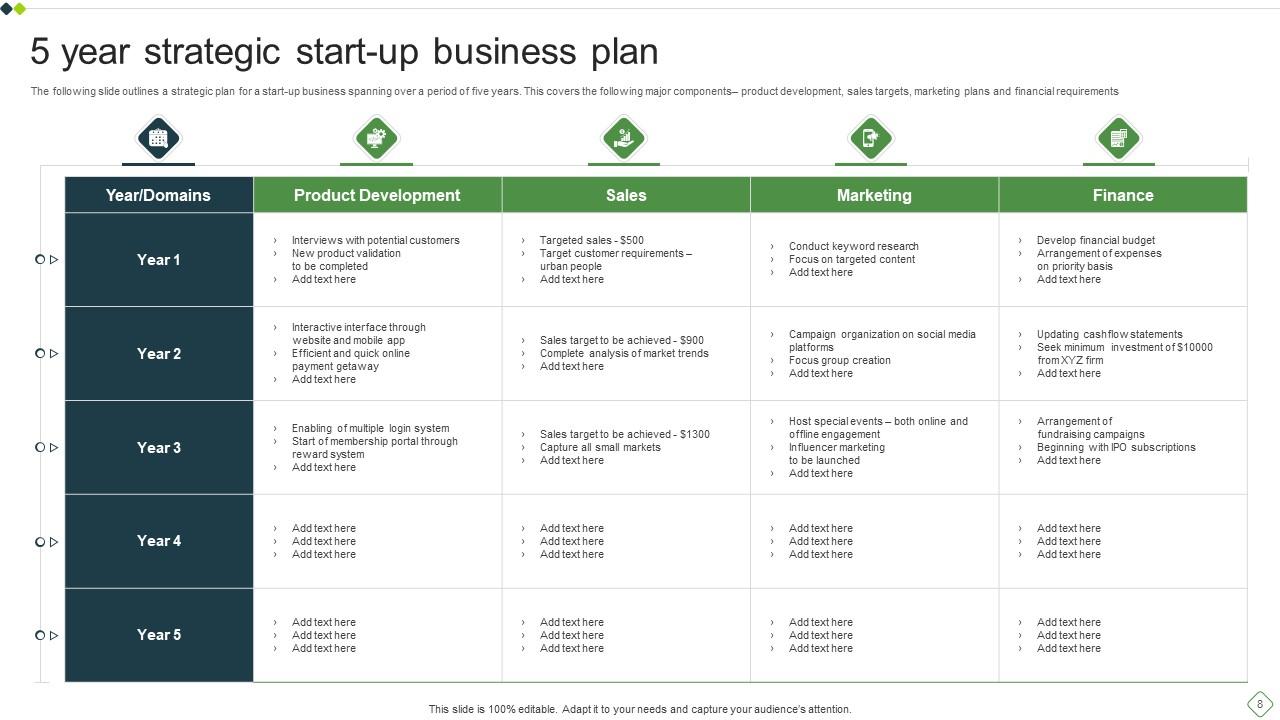
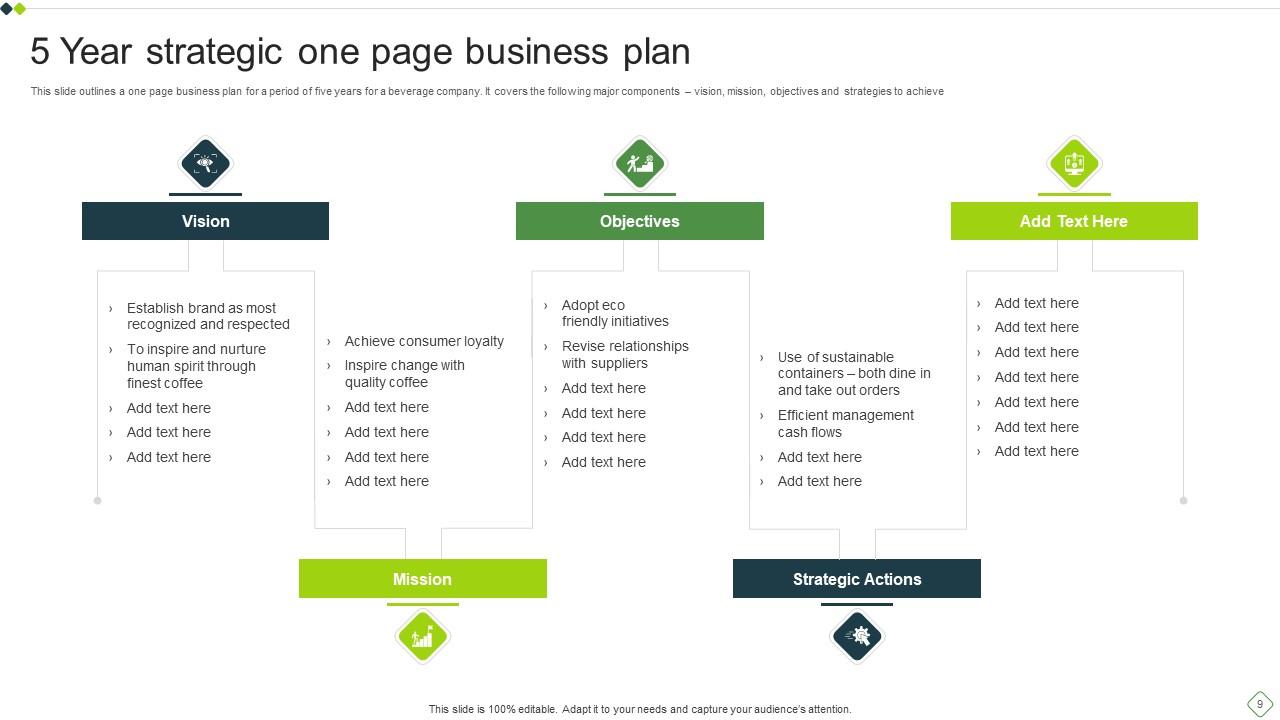
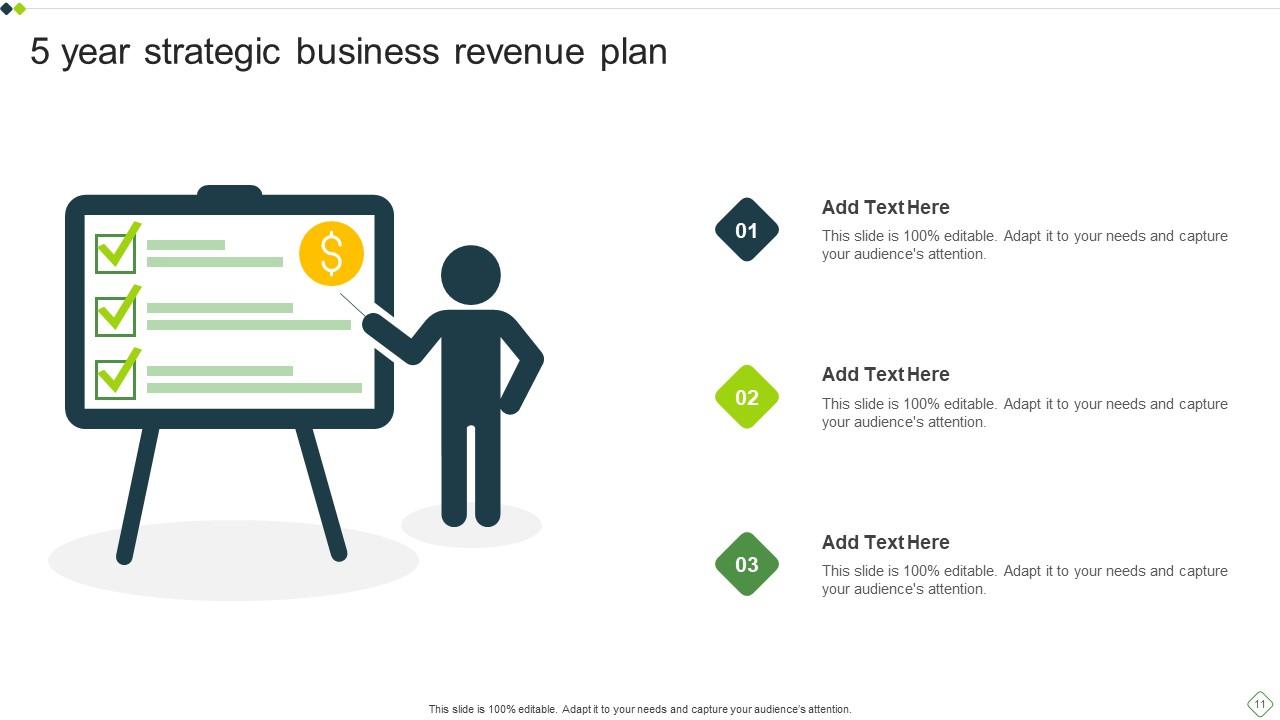
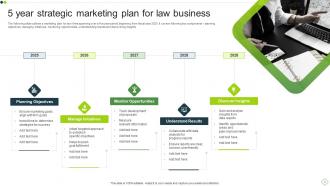
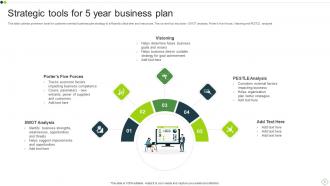
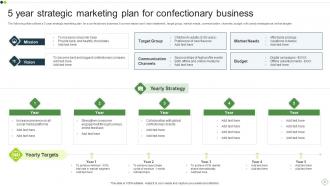
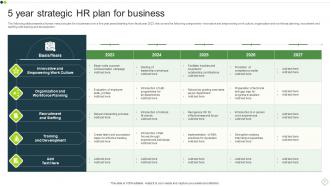
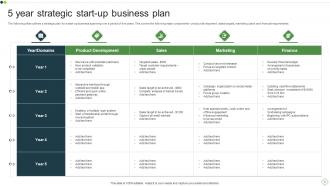
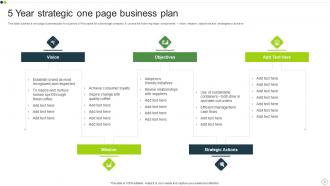
If you require a professional template with great design, then this 5 Year Strategic Business Plan Powerpoint PPT Template Bundles is an ideal fit for you. Deploy it to enthrall your audience and increase your presentation threshold with the right graphics, images, and structure. Portray your ideas and vision using twelve slides included in this complete deck. This template is suitable for expert discussion meetings presenting your views on the topic. With a variety of slides having the same thematic representation, this template can be regarded as a complete package. It employs some of the best design practices, so everything is well structured. Not only this, it responds to all your needs and requirements by quickly adapting itself to the changes you make. This PPT slideshow is available for immediate download in PNG, JPG, and PDF formats, further enhancing its usability. Grab it by clicking the download button.

FAQs for 5 Year Strategic Business Plan Powerpoint

Start with a killer executive summary that grabs attention. You'll need vision/mission statements, market analysis, and competitive positioning. SWOT analysis is basically mandatory - investors expect those quadrants! Financial projections are huge here. Show realistic revenue forecasts and cash flow, not fantasy numbers that'll make people roll their eyes. Don't forget target customer profiles, marketing strategy, and operational structure. Risk assessment matters too. Honestly, the trickiest part is making everything flow together logically instead of reading like random sections thrown together.

Market research is basically your roadmap for everything. Without it, you're just guessing what customers want and where your competition stands. I learned this the hard way at my last job - we thought we knew our market but were totally off. You'll need both hard data and customer feedback to spot real opportunities. This stuff directly drives which segments you target and how you spend your budget. Short bursts of research work better than massive studies that take forever. The insights help you set goals that aren't completely unrealistic and figure out timing for launches.

Look, financial forecasting is basically your strategic plan's reality check. You're mapping out revenue, expenses, and cash flow for the next few years based on what you actually want to do. Super helpful for figuring out if your big ideas will work or if you're just being overly optimistic (guilty as charged). It shows you what resources you'll need and when. Honestly, I've seen too many plans fall apart because nobody ran the numbers first. Use those forecasts to set milestones that make sense and pivot when things don't add up financially.

Here's what I'd do - map your business goals to actual strategic moves first. Sounds basic, right? But honestly, most companies mess this up completely. Take each goal and break it into stuff you can actually measure, then tie those to your main focus areas. Every big initiative should move at least one core objective forward. Otherwise what's the point? Create that clear connection between what people do daily and where you're headed long-term. Oh, and set quarterly reviews to make sure you're still on track - things change fast and you'll need to pivot.

Honestly, the worst thing you can do is make your plan super vague. Like saying "we'll boost revenue" - cool, but by how much and when? Teams do this all the time and it drives me crazy. Also don't plan everything in a bubble. Get input from people who actually know what's going on. Oh, and timelines - everyone's way too optimistic about those. Build in buffer time because stuff always takes longer than expected. Most plans just end up forgotten in some folder anyway, so set up regular check-ins to actually use the thing and tweak it when needed.

Quarterly reviews are where it's at - that's what I'd do. Check in every three months to see if the market's shifted or your goals still make sense. Then go deeper once a year. That's when you really question if your long-term vision is still realistic. I swear, most strategic plans just end up forgotten in some drawer somewhere. Don't let that happen! Put those quarterly meetings on your calendar right now and actually show up. Short, frequent check-ins beat letting things drift for months.

SWOT analysis is basically your strategy's bullshit detector. You map out strengths, weaknesses, opportunities, and threats all in one place. Then you can see where your strengths might help you grab opportunities, or figure out if your weak spots make you sitting ducks for threats. Honestly, most people skip the threats part but that's where the good stuff is. Cross-reference everything to find gaps you didn't notice before. I'd run one every quarter or so - keeps you from living in fantasy land about what's actually happening with your business and competitors.

Track your financials obviously - revenue, margins, ROI stuff. But those numbers are always behind what's actually happening, so watch leading indicators too. Customer acquisition, employee engagement, market share shifts. Pick maybe 5-7 metrics total or you'll drown in spreadsheets (learned that the hard way). Monthly dashboard reviews work well. Each metric should connect to your actual strategy goals. Otherwise you're just tracking random numbers that look impressive but don't tell you if things are really working.

Don't just slap sustainability onto your existing plan - build it right into your strategy from the start. Figure out how environmental stuff actually affects your operations, supply chain, and what customers expect. Honestly, this isn't just about looking good anymore - investors are really pushing for it. Pick sustainability goals that make financial sense too, like cutting waste to save money or better working conditions to keep employees around. Give specific teams ownership of this (otherwise nothing happens) and track it like any other metric. Maybe start with just one concrete sustainability goal this quarter?

You've gotta speak different languages to different people - execs want the big picture while your team needs the nitty-gritty details. Don't just blast one email and walk away. Mix it up with meetings, Q&As, maybe some visual stuff because honestly, nobody reads those long documents anyway. I'd probably throw in some dashboards or infographics. Keep circling back too - see if people actually get it and are doing what they're supposed to. The whole point isn't just dumping info on everyone. It's getting them to actually care about the plan and want to make it work.

Look, tech basically controls what you can actually pull off business-wise - can't build around stuff you don't have, right? Your competitors are probably using it to get ahead too, so you're either keeping up or falling behind. Plus it totally changes your costs and how much you can scale. I learned this the hard way when we ignored mobile for way too long at my last job. Anyway, before you write your next plan, just take a look at what tech you're working with now and figure out where the gaps might screw you over later.

Here's what I'd do for the executive summary - write it dead last even though it goes first in your plan. Sounds backwards, but trust me on this one. Pull your best stuff from the full document: mission, strategic goals for the next few years, who you're targeting, what makes you different, and the money projections. Honestly, most people won't read past page 2 anyway, so think of it like a movie trailer that hits all the good parts. Keep it under two pages and focus on what actually matters to whoever's writing the checks. Don't forget to mention how you'll track success.

So scenario planning is where you think through different "what if" situations that could mess with your business. Pick 3-4 realistic ones - maybe the economy tanks, a big competitor shows up, supply chains get wonky. Then you test how your current plan would actually hold up in each scenario. Honestly, it's pretty eye-opening because you'll spot weak points you didn't even know existed. The whole thing gives you backup plans instead of just winging it when stuff goes sideways. Start with whatever keeps you up at night - your biggest worries about the business - and build scenarios around those.

Look, your strategy is only as good as the people executing it. Seriously - I've seen amazing plans fail because nobody cared enough to make them work. People need to actually understand why their job matters to the big picture. When they get that connection, they'll go above and beyond instead of just phoning it in. Make sure everyone knows how their daily work ties into your goals. Oh, and check in with them regularly - not in an annoying way, but genuinely ask if they see how they fit. Engaged employees basically become your strategy's biggest cheerleaders and problem-solvers.

Look, a good business plan makes you think through everything that could screw you over before it actually does. During planning, you'll spot the big risks - market changes, new competitors, cash running dry, regulations shifting. Then you can build backup plans into your strategy instead of just crossing your fingers. Honestly, most people skip this part and regret it later. Think of it as insurance, but way more proactive. Just don't set it and forget it - you've got to keep updating your risk assessment as things change around you.

Ratings and Reviews

80% of 100
Review Form
Write a review
Most Relevant Reviews
  1. 80%

    by Evans Mitchell

    I am extremely pleased with these PPT slides that we used for our event. They were easy to modify and came out great in all aspects!
  2. 80%

    by Darrel Burns

    The PPT layout is great and it has an effective design that helps in presenting corporate presentations. It's easy to edit and the stunning visuals make it an absolute steal! 

2 Item(s)

per page: