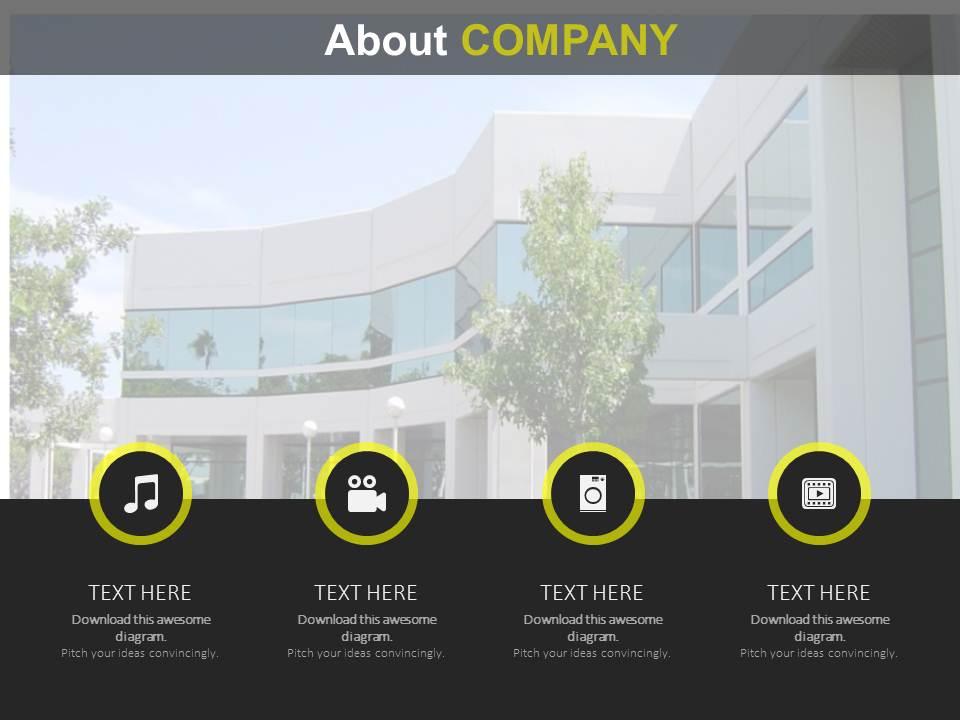
About company introduction strategy powerpoint slides

Rating:
90%
About company introduction strategy powerpoint slides
Slide 1 of 5
Favourites Favourites

Try Before you Buy Download Free Sample Product

Audience Impress Your
Audience
Editable 100%
Editable
Time Save Hours
of Time
The Biggest Sale is ending soon in
0
0
:
0
0
:
0
0
Rating:
90%
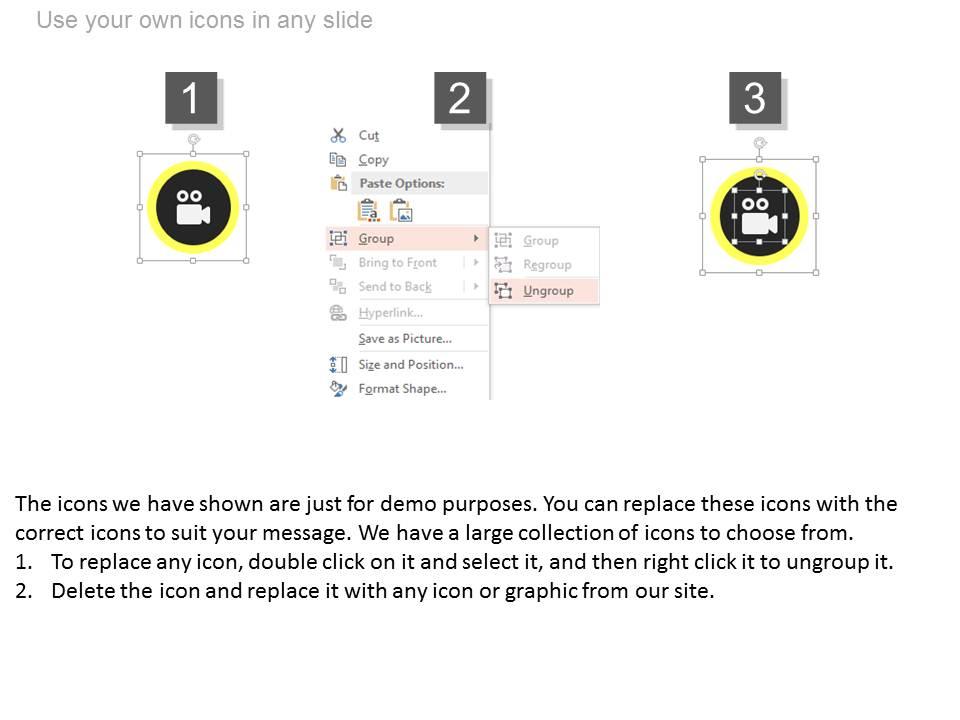
Creative and style based PPT icons which will help more audience engagement. Easy to download and simple formatting options. High resolution template, resolution is not affected by resizing. Helpful for business, corporate and marketing people. These PPT slides can be converted into different formats like JPEG and PDF. Vivid and clear slides that will attract attention of target people.

FAQs for About company introduction

Key components include clear value proposition, compelling company story, target audience alignment, consistent brand messaging, and strategic communication channels. These elements work together by establishing credibility, differentiating from competitors, and building meaningful connections, with many organizations finding that well-crafted introductions accelerate relationship building and ultimately drive business growth.

Visual elements enhance company introductions by improving information retention, creating emotional connections, and establishing professional credibility through infographics, brand-consistent graphics, and strategic imagery. These components streamline complex messaging while reinforcing brand identity, with many organizations finding that well-designed visuals significantly increase audience engagement and memorability, ultimately delivering stronger first impressions and competitive differentiation.

Storytelling transforms company introductions by creating emotional connections, making complex information memorable, and establishing authentic brand narratives that resonate with audiences. Through compelling stories about founders, challenges overcome, and customer successes, companies differentiate themselves in competitive markets, build trust with stakeholders, and ultimately drive engagement and business growth.

Understanding target audiences shapes company introduction strategies by identifying key demographics, preferred communication channels, pain points, and decision-making factors that influence messaging and positioning. Through audience analysis, companies can tailor their value propositions, select optimal marketing platforms, and craft compelling narratives that resonate with specific customer segments, ultimately delivering higher engagement rates and faster market penetration.

Common pitfalls include being overly generic, lacking specific value propositions, focusing too heavily on company history rather than client benefits, and failing to tailor messaging to the audience. These missteps often result in forgettable introductions that don't resonate, with successful organizations finding that clear differentiation, audience-specific messaging, and outcome-focused positioning ultimately deliver stronger engagement and competitive advantage.

A company's mission and values should be woven seamlessly throughout its introduction by connecting core principles to specific achievements, customer outcomes, and business practices rather than simply stating them. This strategic integration demonstrates authenticity through concrete examples, with organizations like Patagonia and Ben & Jerry's finding that mission-driven introductions build stronger stakeholder trust, enhance brand differentiation, and ultimately create deeper customer loyalty and employee engagement.

Memorable presentation openings include compelling statistics, thought-provoking questions, relevant anecdotes, bold statements, and interactive polls that immediately engage audiences. These techniques streamline audience attention by creating emotional connections, establishing credibility, and setting clear expectations, with many organizations finding that strategic opening combinations ultimately deliver enhanced engagement and stronger message retention throughout their presentations.

Data and statistics are crucial in company introductions as they provide credibility, demonstrate market position, and showcase concrete achievements through metrics like revenue growth, customer satisfaction scores, and market share. These quantifiable elements help potential clients, investors, and partners quickly assess company performance and reliability, with many organizations finding that data-driven introductions significantly enhance trust and competitive positioning.

Effective stakeholder-tailored introductions include emphasizing financial performance and growth metrics for investors, highlighting operational capabilities and partnership benefits for clients, showcasing culture and career development for employees, and demonstrating community impact for local stakeholders. These targeted approaches streamline communication by addressing each group's specific interests and priorities, with many organizations finding that customized messaging significantly enhances stakeholder engagement and strategic relationships.

Companies effectively convey their unique value proposition by clearly articulating their specific differentiators, target market focus, measurable outcomes they deliver, and competitive advantages within the first few moments of interaction. Through strategic messaging that combines concrete benefits with real client results, organizations across sectors like technology, healthcare, and financial services create compelling narratives that resonate with stakeholders, ultimately establishing credibility and driving engagement.

Digital tools for compelling company introductions include presentation software like PowerPoint or Canva, video creation platforms such as Loom or Animoto, social media management tools, website builders, and analytics dashboards. These technologies streamline content creation, enhance visual storytelling, and enable data-driven messaging optimization, with many organizations finding that integrated digital approaches deliver more engaging introductions and measurable audience engagement across multiple touchpoints.

Feedback from previous presentations informs future company introductions by identifying which messaging resonated most effectively, highlighting areas needing clarification, and revealing audience engagement patterns. Through systematic feedback analysis, organizations can refine their value propositions, adjust presentation flow, and strengthen key talking points, ultimately delivering more compelling introductions that better connect with stakeholders and drive desired business outcomes.

Company introductions can evolve by expanding from basic product descriptions to comprehensive value propositions, incorporating customer success stories, market positioning statements, competitive advantages, and strategic partnerships. As organizations scale across industries like technology, healthcare, and financial services, their introductions increasingly emphasize proven results, market leadership, and scalability, ultimately delivering enhanced credibility and competitive differentiation.

Cultural considerations for global company introduction strategies include language localization, cultural values alignment, communication styles, religious sensitivities, and local business etiquette. These factors enable organizations to build authentic connections across diverse markets, with many multinational companies finding that culturally-adapted approaches deliver stronger market penetration, enhanced brand acceptance, and ultimately sustainable competitive advantage in international expansion efforts.

**INPUT**: How can a company effectively integrate its team into the introduction of the business? **OUTPUT**: Companies can effectively integrate teams through comprehensive onboarding programs, clear role definitions, collaborative goal-setting sessions, and structured mentorship opportunities. These approaches streamline employee assimilation by fostering cross-departmental relationships, accelerating skill development, and enhancing organizational alignment, with many businesses finding that strategic team integration ultimately delivers improved productivity and stronger company culture. [Word count: 53 words]

Ratings and Reviews

90% of 100
Review Form
Write a review
Most Relevant Reviews
  1. 100%

    by Wilson Campbell

    Appreciate the research and its presentable format.
  2. 80%

    by David Snyder

    The Designed Graphic are very professional and classic.

2 Item(s)

per page: