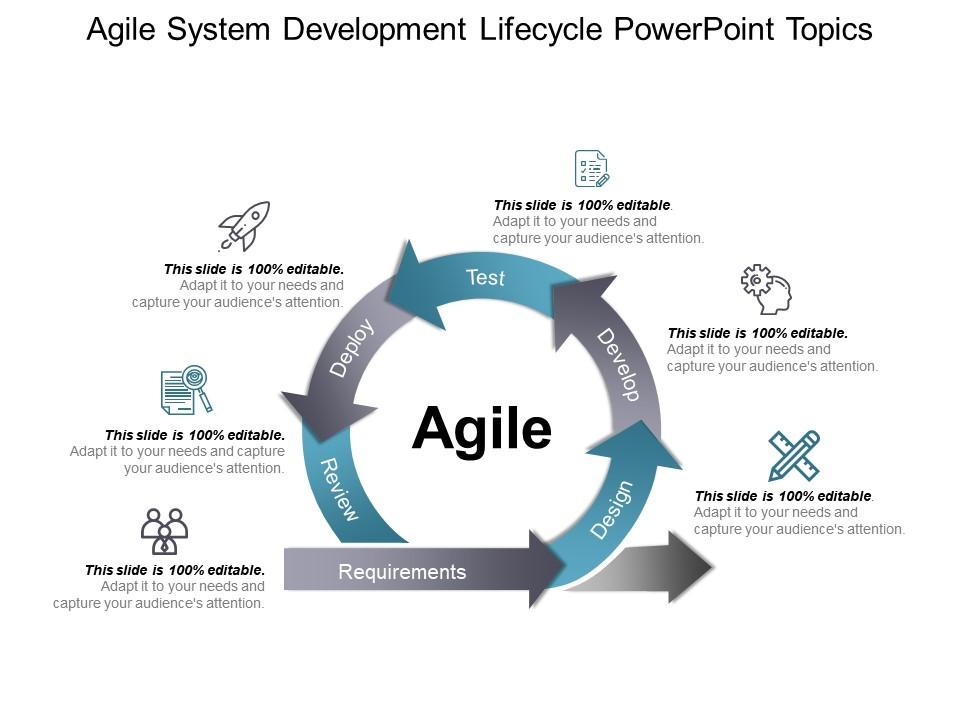
Tópicos do PowerPoint do ciclo de vida do desenvolvimento ágil do sistema

Rating:
87%
Slide 1 of 5
Favourites Favourites

Try Before you Buy Download Free Sample Product

Audience Impress Your
Audience
Editable 100%
Editable
Time Save Hours
of Time
The Biggest Sale is ending soon in
0
0
:
0
0
:
0
0
Rating:
87%

Recursos destes slides de apresentação do PowerPoint:

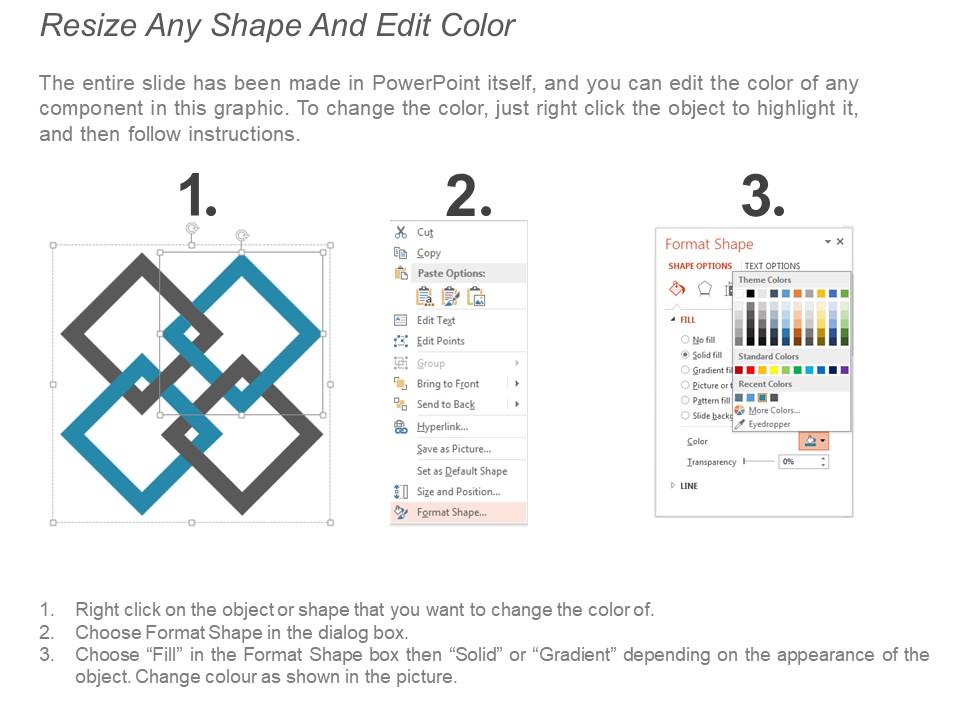
Apresentação e tópicos do PowerPoint do ciclo de vida de desenvolvimento ágil do sistema. Este layout PPT está disponível em formato 4: 3 padrão e formato widescreen 16: 9 após o download. Este slide PPT é uma maneira confiável de apresentar as idéias relacionadas ao desenvolvimento de sistemas da sua empresa. Converta facilmente este layout PPT em formato pdf ou jpeg de acordo com o requisito. As figuras envolventes mostradas neste modelo podem ser redimensionadas e suas cores podem ser alteradas de acordo com o seu gosto. Baixar rapidamente este slide dar-lhe-á acesso à sua versão completa. Você pode convertê-lo facilmente em formatos PDF ou jpg. Inclua o logotipo da sua empresa aqui no PPT para personalizar ainda mais.

FAQs for Agile system development

So Agile is basically about building stuff in small chunks instead of planning everything upfront like waterfall does. You work in these 2-4 week sprints and get feedback constantly - way better than guessing what people want months later, trust me. The whole thing revolves around adapting as you go, collaborating with customers, and actually shipping working software rather than getting stuck writing tons of docs. Traditional methods are super rigid with their phases. With Agile you can pivot when requirements change (and they always do). Just pick your tiniest valuable feature first and go from there.

So the Agile Manifesto is pretty straightforward - it's about putting people and collaboration first instead of drowning in paperwork and rigid processes. Working software beats endless documentation. Customer feedback trumps contract haggling. Being flexible matters more than sticking to some plan that's probably wrong anyway. Honestly, the old waterfall approach drove me crazy back in the day. Instead of big lengthy projects, you do short sprints and actually involve customers throughout. Success means shipping working features regularly, not just checking boxes on a timeline. Way less stressful once you get the hang of it.

Dude, Agile is honestly a game-changer for getting teams to actually talk to each other. Instead of developers just tossing stuff to testers who then blame designers (you know how it goes), everyone's forced into these short sprints together. Daily standups are only 15 minutes but they're clutch - suddenly your product manager knows what's actually happening in dev. The whole focus shifts from writing endless docs to just building stuff and figuring it out as you go. Sprint reviews let everyone give feedback instead of finding out problems way too late. Start with those daily check-ins if you're not doing it yet. Trust me, the difference is immediate.

User stories are just requirements but written from the user's angle - what they want and why they want it. Keeps everyone focused on real value instead of random tech stuff. Your backlog is where you dump all these stories and constantly shuffle them around based on what matters most. Think of it as a really strategic to-do list (though that sounds way less impressive). You'll have grooming sessions to break down the huge stories and figure out how much work they'll take. Oh, and don't treat your backlog like it's set in stone - you'll keep tweaking it as you learn what users actually care about.

So there's Scrum, Kanban, and XP mainly. Most people know Scrum - that's the one with sprints, daily standups, retrospectives, all that structure. Kanban's more about workflow and visual boards (like Trello but fancier). XP gets into the coding stuff - pair programming, test-driven development. Honestly though? Teams just cherry-pick what works. My last team called it "Scrum" but we were doing half Kanban anyway. Don't stress about doing any framework perfectly - just grab the pieces that fix your actual problems. Way better than forcing some textbook approach that doesn't fit.

So basically you set up automated pipelines that kick off every time someone pushes code. Jenkins or GitHub Actions work great for this - I've used both. Start with just automated testing first, don't try to do everything at once. Once your team's comfortable, add deployment stages. The cool thing is you can deploy multiple times a day if needed. Each user story gets tested automatically and pushed to staging. My old team was obsessed with this stuff and honestly, it made our sprints way smoother once we got the hang of it.

Focus on flow over output - that's the key. Velocity shows story points per sprint, while cycle time tracks work from start to finish. Burndown charts help you see sprint progress. Lead time's probably your most telling metric since it reveals true delivery speed. Don't sleep on team happiness and customer feedback though - miserable developers write crappy code, period. Sprint goal success rate matters too, plus how many defects slip through. Oh, and start small with maybe 3-4 metrics that actually fit your team's situation. You can always add more later once you've got the basics down.

Yeah, Agile's pretty solid for handling scope changes - way better than waterfall where you're basically stuck once you start. The whole sprint setup means you can shift priorities between cycles without everything falling apart. Your product owner can toss in new user stories or ditch old ones as things change. Honestly, the constant feedback loops are a game changer because you're not guessing what people want for months on end. Just don't forget to loop everyone in during sprint planning so nobody's working on outdated stuff. Most teams I know switched for exactly this reason.

Remote work totally changes the game for communication. Video calls are non-negotiable for standups - you miss so much with just audio. I'm obsessed with digital boards like Miro now, probably more than I should be. Over-communicate everything, even if it feels weird at first. You'll lose those random hallway chats, so create Slack channels for random stuff. Retrospectives help catch remote-specific problems early. The biggest thing though? Set clear overlap hours and actually stick to them. Otherwise your sprint planning becomes this nightmare of scheduling around three time zones. Trust me on that one.

Honestly? The hardest part is getting everyone's head in the right space. Your team has to get comfortable with not knowing exactly what's coming next - no more following some detailed plan from day one. Customer feedback becomes huge, which is weird if you're used to just handing over finished products. Testing gets flipped upside down too since it happens all the time now instead of at the end. Some devs hate the daily check-ins, but whatever. Documentation shrinks way down from those massive requirement docs. I'd say start small with a pilot project first - don't go all-in right away. And definitely budget for training because this stuff isn't intuitive.

Honestly, Agile ceremonies are worth it once you get past thinking they're just pointless meetings. Stand-ups catch problems early before they turn into disasters. Sprint planning gets everyone on the same page about what you're actually building. Retrospectives? They help you stop making the same dumb mistakes over and over. The trick is keeping them short and focused - otherwise yeah, they become time wasters. I was skeptical at first too (who isn't?), but they create regular checkpoints for communication. You'd be shocked how many fires get put out just because someone mentioned a blocker in standup.

Honestly, just start with Jira for your sprints and backlogs - everyone uses it for a reason. Confluence handles docs pretty well too. Slack's probably your best bet for daily standups unless you're already stuck with Teams (which isn't terrible). GitHub's obviously essential for version control, and Jenkins works fine for CI/CD stuff. Actually, if your team's small, Trello might be way less overwhelming than Jira's million features. The real trick is picking tools people won't hate using. I've seen teams buy expensive stuff that just sits there because it's too complicated. Keep it simple at first.

So basically your Product Owner ranks everything in the backlog by business value and how urgent stuff is. Most teams use MoSCoW or story points - though honestly MoSCoW feels kinda outdated to me. Sprint planning is where you actually pick what to work on. Just don't let those meetings go on forever! Pull the top items based on what your team can actually handle and any dependencies. Oh, and priorities will definitely change between sprints, so don't stress about getting it perfect. Make sure you've got clear acceptance criteria before anyone starts coding though.

Honestly, customer feedback is everything in Agile. You're showing demos and running testing sessions after every sprint to get real input from users. Don't just collect it though - actually use that feedback to shift your backlog around and tweak features on the fly. The goal is spotting problems before you waste months building something nobody wants (been there, done that). Oh, and don't wait until sprint end to check in with customers. Set up regular touchpoints throughout so you're not flying blind. It saves so much headache later.

Yeah totally! Agile isn't just for coding nerds anymore. Break your project into tiny chunks—like 1-2 week sprints—then get feedback constantly. Marketing teams do this all the time now. Construction crews too, which honestly surprised me at first. The magic happens when you can actually pivot without losing your mind. Daily check-ins keep everyone sane, and those retrospective meetings? Game changers for literally anything from HR stuff to event planning. Just figure out what your "mini-deliverables" look like for whatever you're working on and you're golden.

Ratings and Reviews

87% of 100
Review Form
Write a review
Most Relevant Reviews
  1. 100%

    by Dallas Medina

    Commendable slides with attractive designs. Extremely pleased with the fact that they are easy to modify. Great work!
  2. 80%

    by Smith Flores

    Informative design.
  3. 80%

    by Donte Duncan

    The Designed Graphic are very professional and classic.

3 Item(s)

per page: