


Manual da Abordagem de Transformação Ágil Slides de Apresentação em Powerpoint
O manual ágil permite que as equipes de desenvolvimento gerenciem o ciclo de vida do desenvolvimento de software e a avaliação do estado atual. Ele garante que as equipes e as partes interessadas estejam alinhadas com as metas associadas ao projeto piloto. Aqui está um Manual de Abordagem de Transformação Ágil projetado com eficiência, abrangendo as melhores práticas para implantação de métodos ágeis. O modelo abrange uma visão geral ágil em termos de princípios fundamentais do manifesto ágil, fases críticas no ciclo de vida de desenvolvimento ágil de produtos e fluxo de trabalho ágil de gerenciamento de projetos. As estratégias de desenvolvimento ágil incluem estrutura e práticas ágeis por meio de scrum e Kanban. Componentes essenciais do ágil, como quadro de visão do produto, priorização de trabalho, sprints ágeis, história do usuário, etc., são apresentados no deck. Eventos de projetos ágeis, como planejamento de lançamento, planejamento de iteração e reuniões valiosas associadas ao gerenciamento ágil de projetos, são capturados. O rastreamento de progresso ágil é gerenciado por meio de um roteiro de cronograma de desenvolvimento de software, planejamento de cronograma, estrutura de divisão de trabalho e rastreamento geral de progresso. O manual abrange informações sobre a equipe ágil, juntamente com as principais pessoas envolvidas. A análise de estimativa de custos é feita através do gerenciamento do orçamento ágil do projeto. O progresso ágil do projeto é rastreado por meio de painéis. Baixe agora.



























You must be logged in to download this presentation.


Do you want to remove this product from your favourites?
 Impress your
 audience
 100%
100% Editable
 Save Hours
 of Time
Características destes slides de apresentação do PowerPoint :
Entregue este deck completo aos membros de sua equipe e outros colaboradores. Abrangendo slides estilizados apresentando vários conceitos, este Slides de apresentação em Powerpoint do Manual de Abordagem de Transformação Ágil é a melhor ferramenta que você pode utilizar. Personalize seu conteúdo e gráficos para torná-lo único e instigante. Todos os cinquenta e cinco slides são editáveis e modificáveis, portanto, sinta-se à vontade para ajustá-los à sua configuração de negócios. A fonte, cor e outros componentes também vêm em um formato editável, tornando este design PPT a melhor escolha para sua próxima apresentação. Então, baixe agora.

People who downloaded this PowerPoint presentation also viewed the following :
Conteúdo desta apresentação em PowerPoint
Slide 1 : Este slide apresenta o Manual da Abordagem de Transformação Ágil. Indique o nome da sua empresa e comece.
Slide 2 : Este é um slide da Agenda. Declare suas agendas aqui.
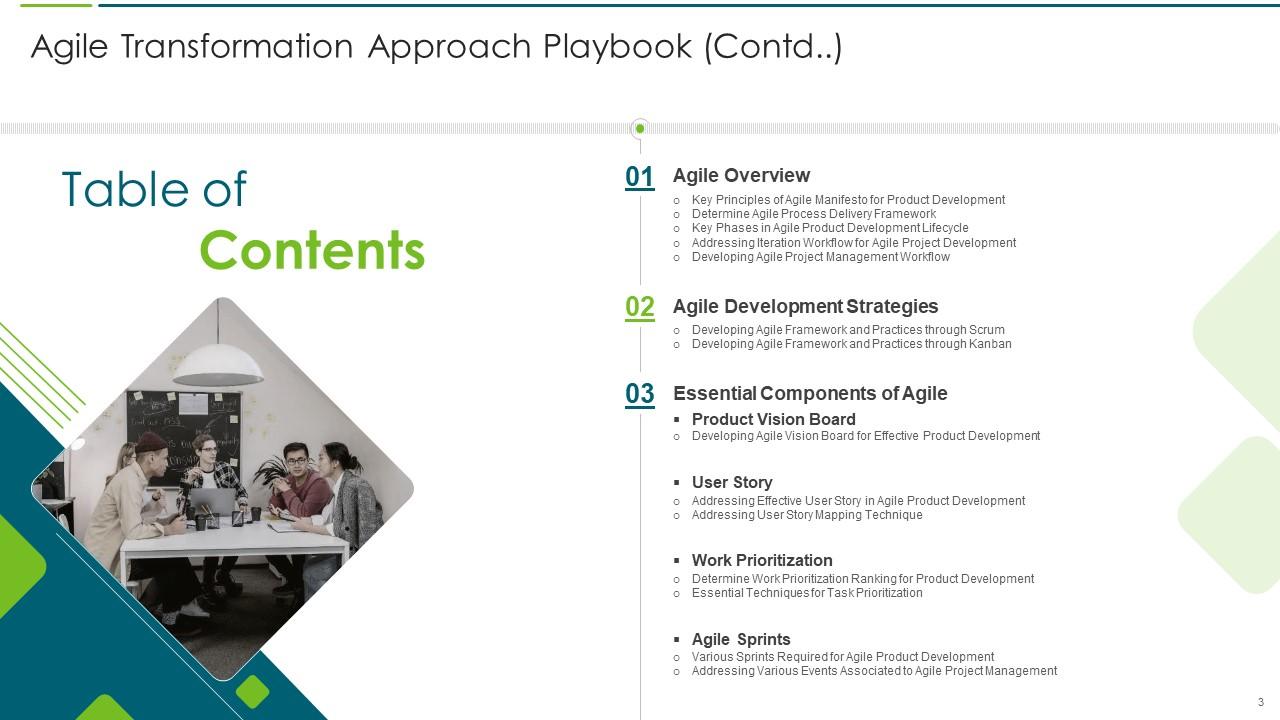
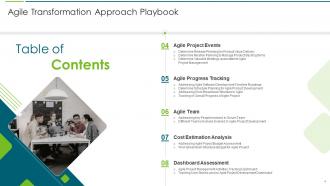
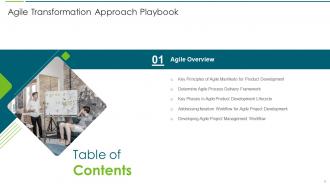
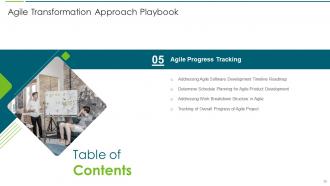
Slide 3 : Este slide apresenta o Índice da apresentação.
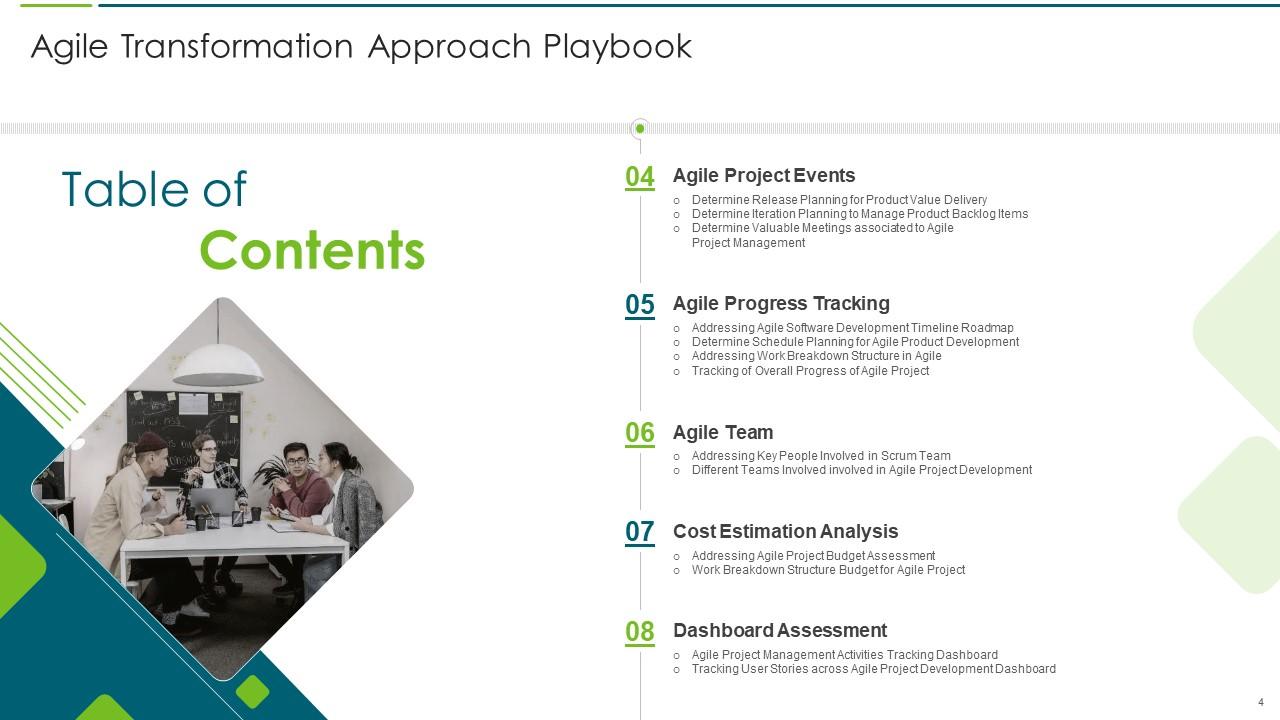
Slide 4 : Este é outro slide que continua o Índice da apresentação.
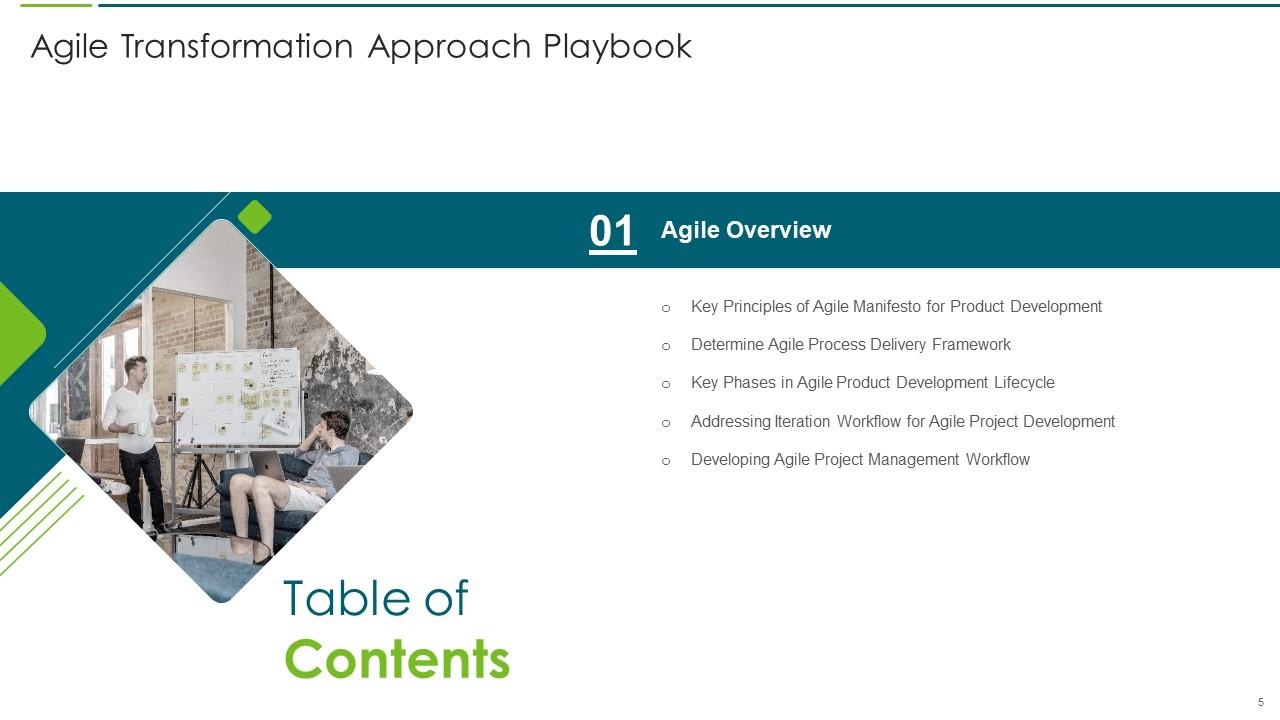
Slide 5 : Este slide destaca o título dos tópicos que serão abordados a seguir no modelo.
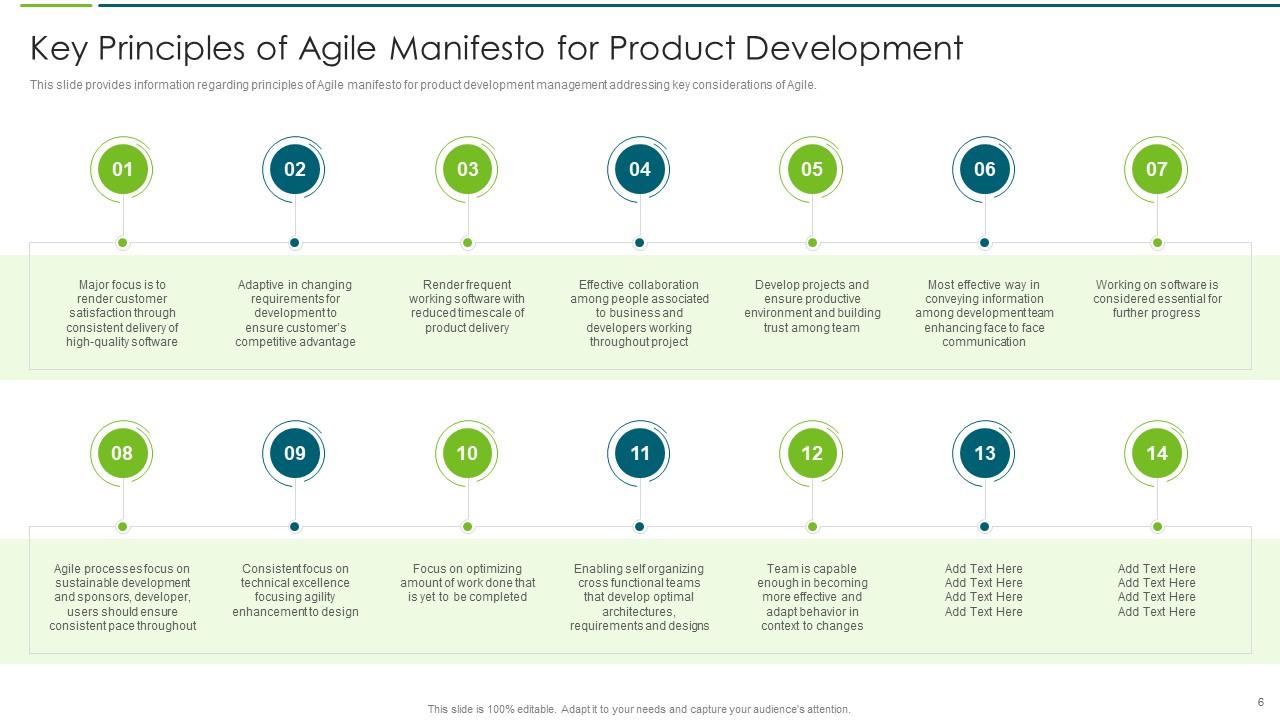
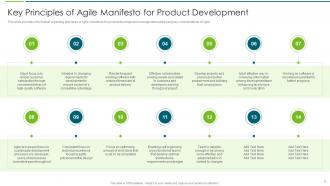
Slide 6 : Este slide mostra os Princípios Chave do Manifesto Ágil para Desenvolvimento de Produtos.
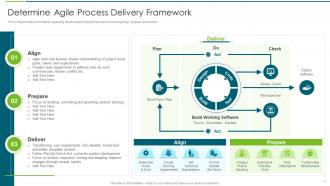
Slide 7 : Este slide apresenta Determinar a Estrutura de Entrega de Processos Ágeis.
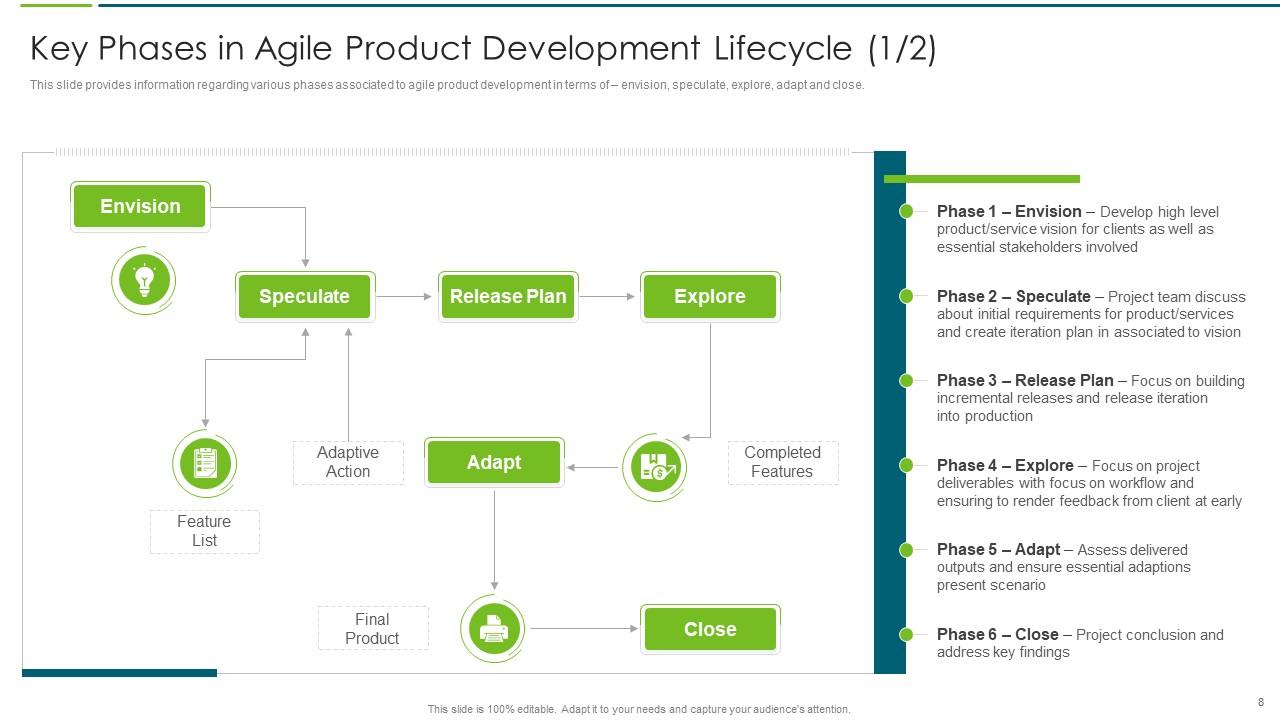
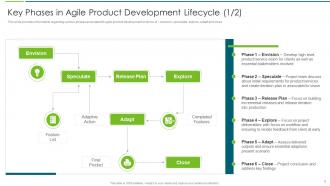
Slide 8 : Este slide mostra as principais fases do ciclo de vida do desenvolvimento ágil de produtos.
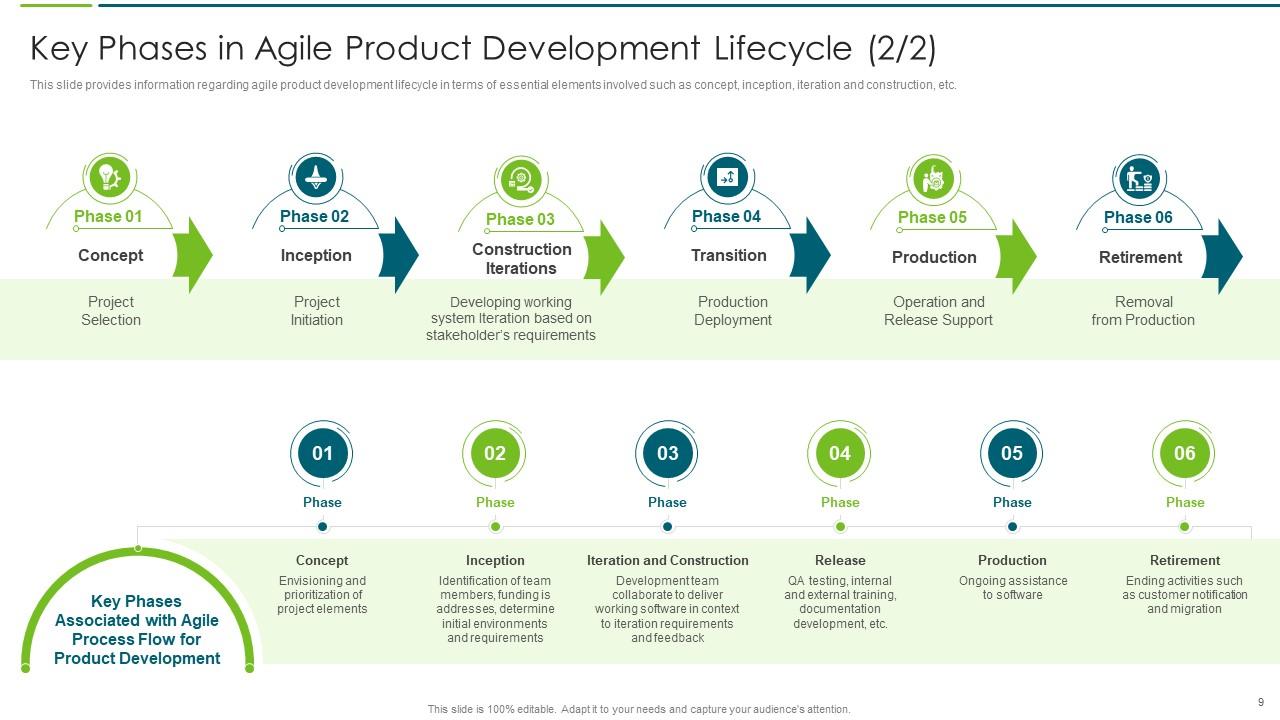
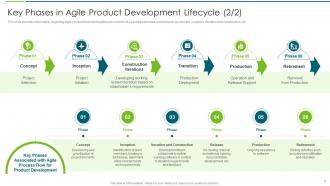
Slide 9 : Este é outro slide que continua as Fases-Chave do Ciclo de Vida do Desenvolvimento de Produtos Ágeis.
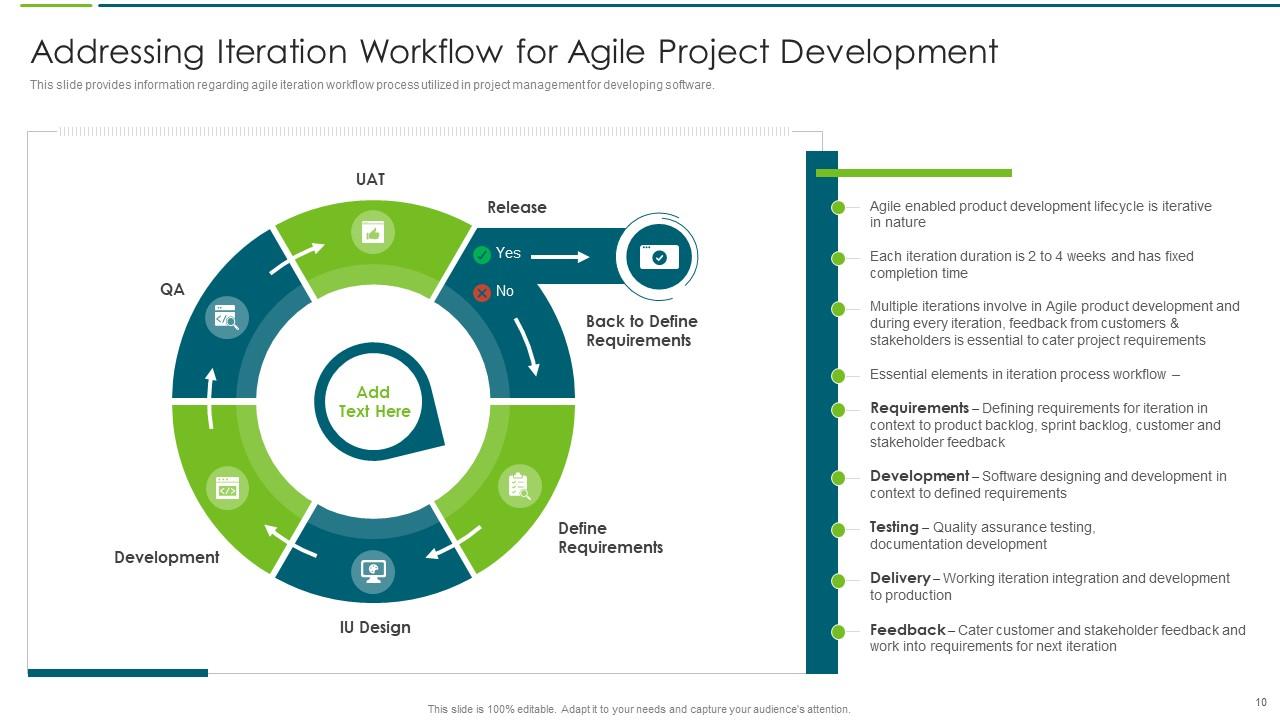
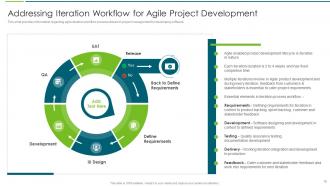
Slide 10 : Este slide representa Abordando o fluxo de trabalho de iteração para o desenvolvimento ágil de projetos.
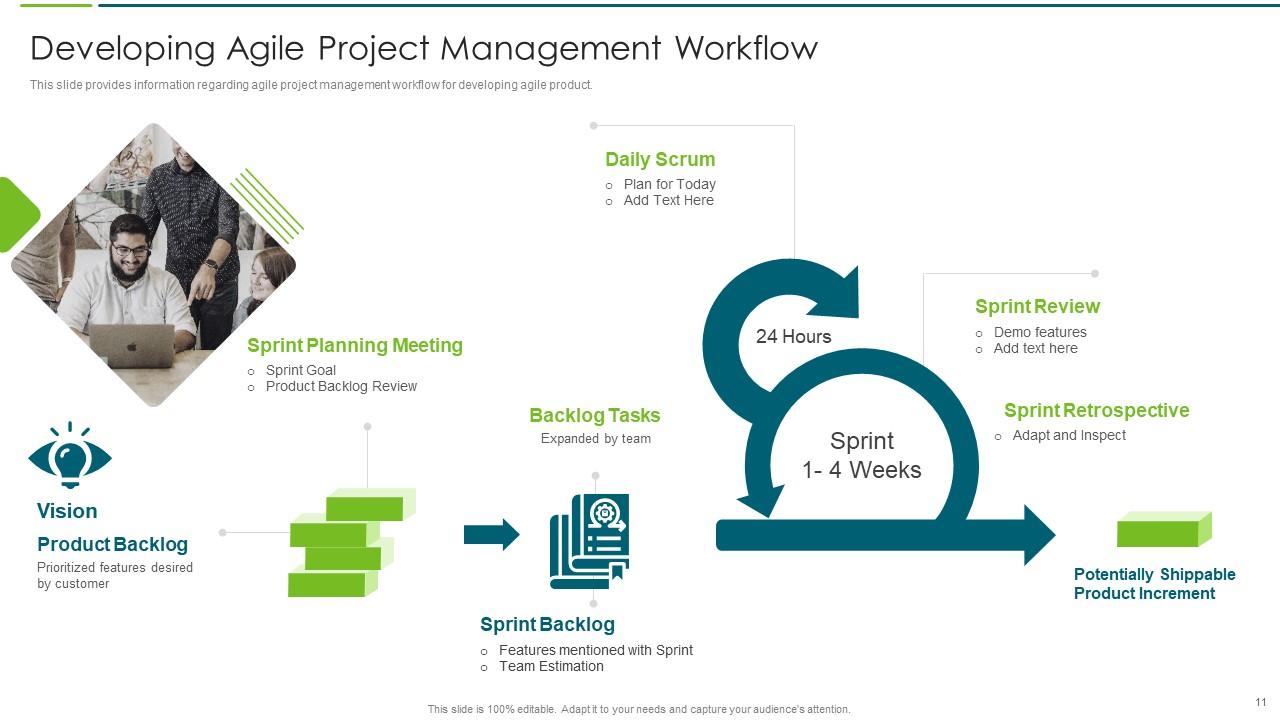
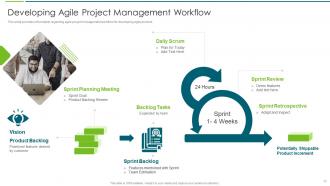
Slide 11 : Este slide mostra o desenvolvimento do fluxo de trabalho de gerenciamento de projetos ágil.
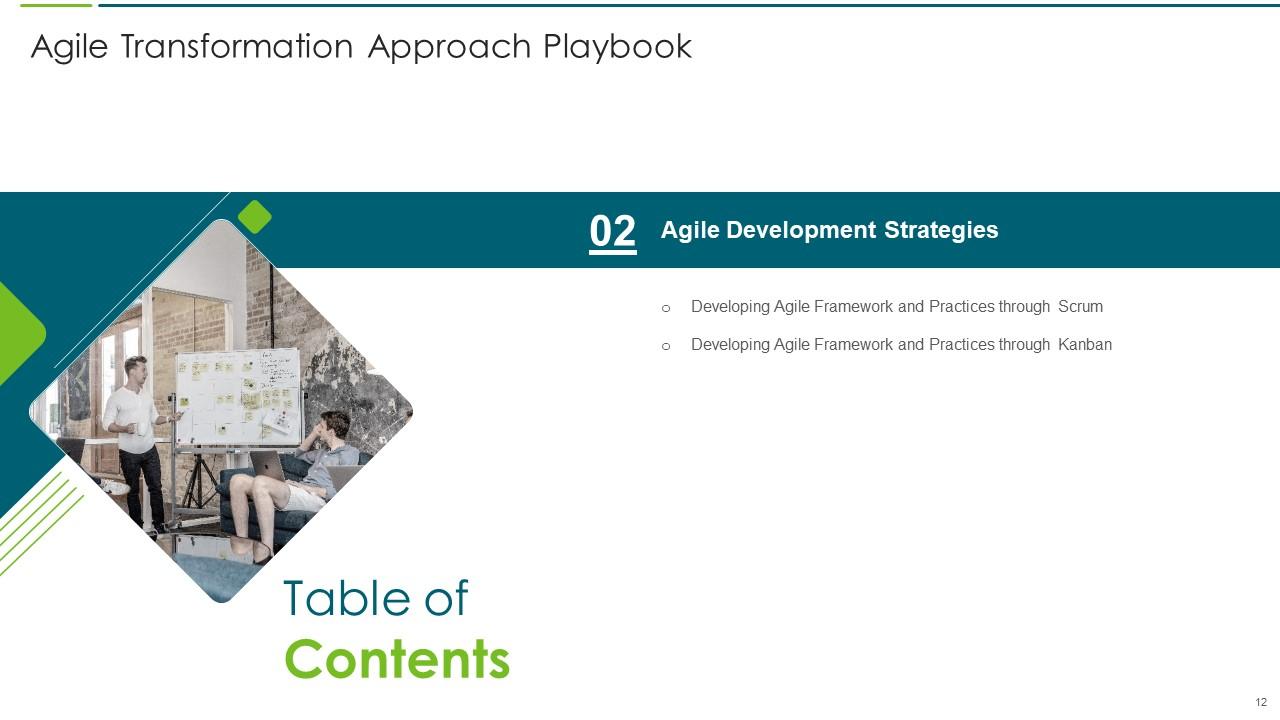
Slide 12 : Este slide destaca o título dos tópicos que serão abordados a seguir no modelo.
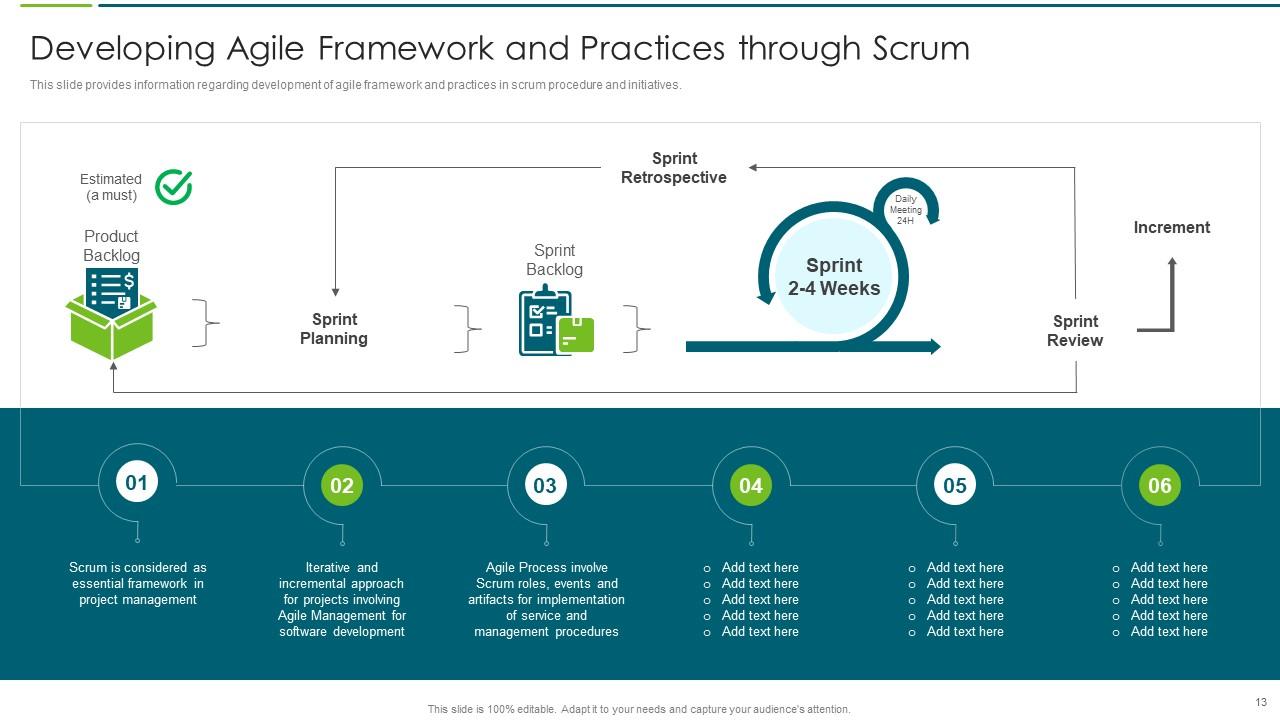
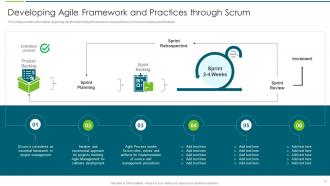
Slide 13 : Este slide mostra Desenvolvendo Estruturas e Práticas Ágeis por meio do Scrum.
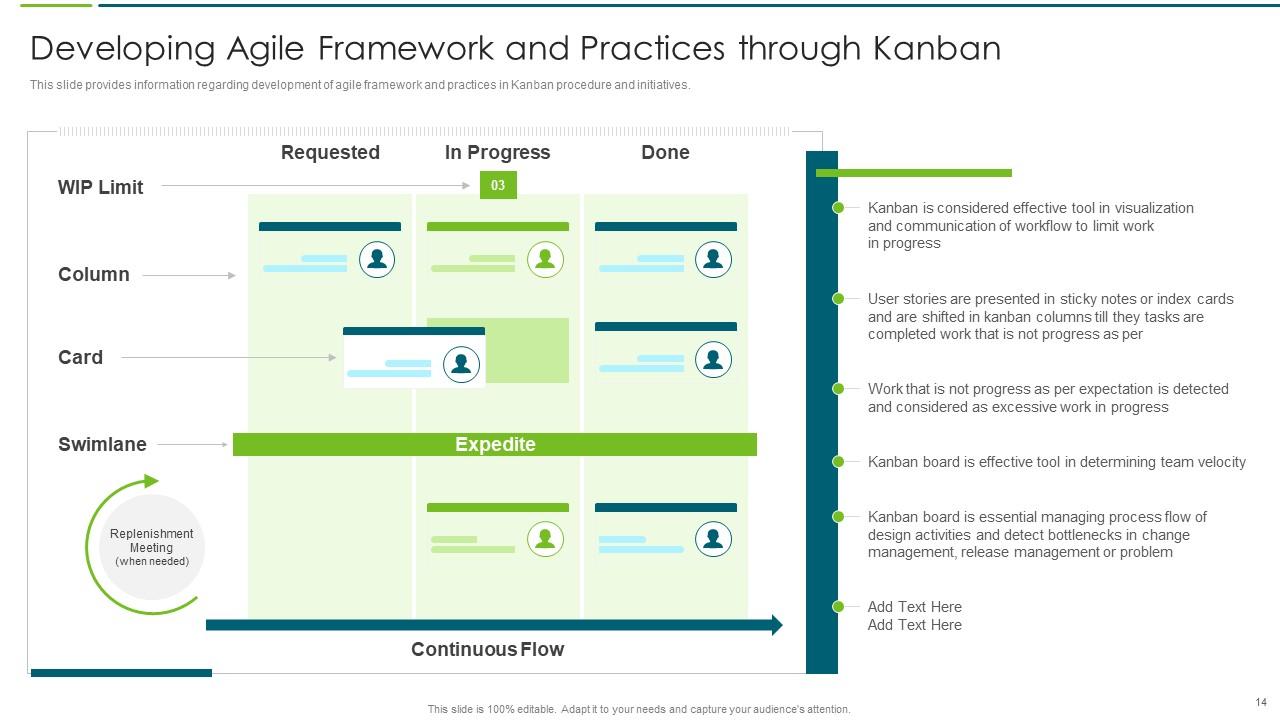
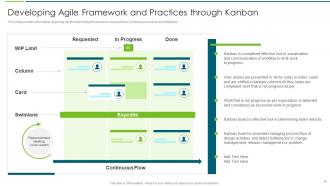
Slide 14 : Este slide apresenta o Desenvolvimento de Estruturas e Práticas Ágeis por meio do Kanban.
Slide 15 : Este slide destaca o título dos tópicos que serão abordados a seguir no modelo.
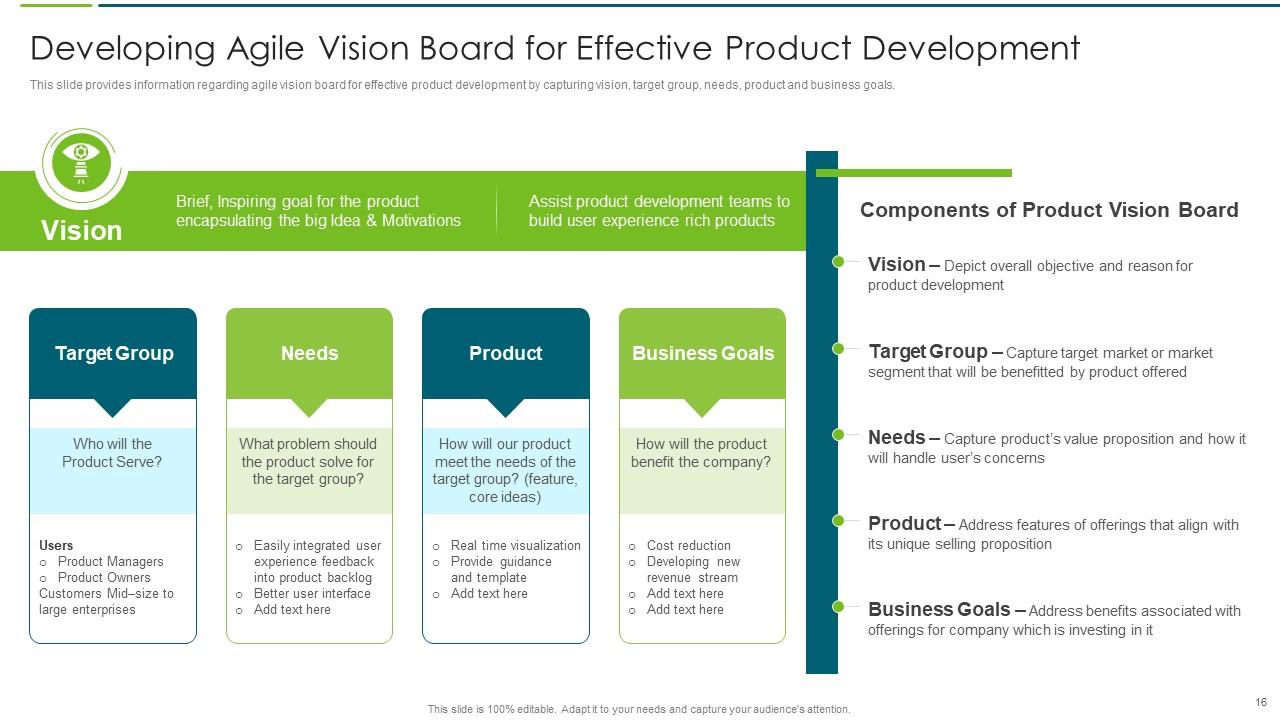
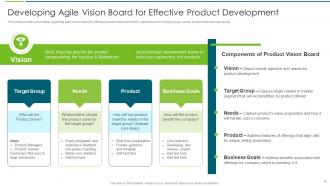
Slide 16 : Este slide mostra Desenvolvendo o Agile Vision Board para o Desenvolvimento Eficaz de Produtos.
Slide 17 : Este slide destaca o título dos tópicos que serão abordados a seguir no modelo.
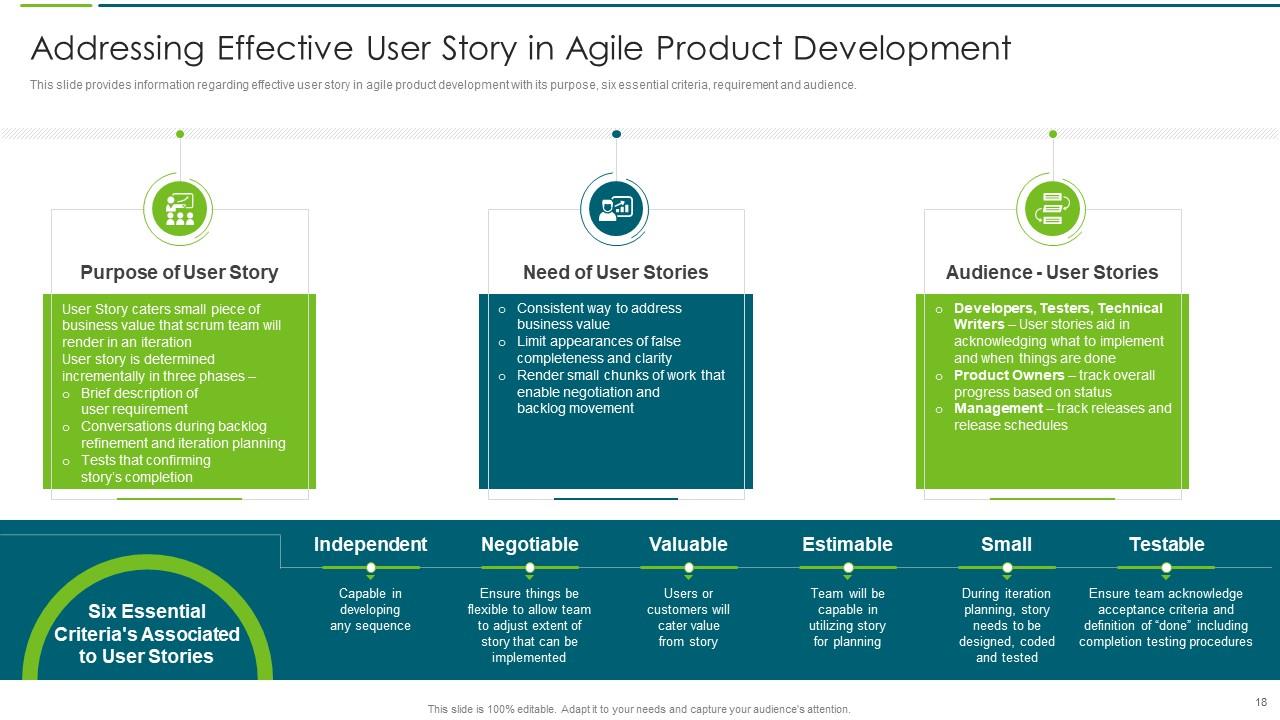
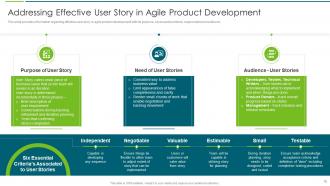
Slide 18 : Este slide representa Abordando a História de Usuário Eficaz no Desenvolvimento de Produtos Ágeis.
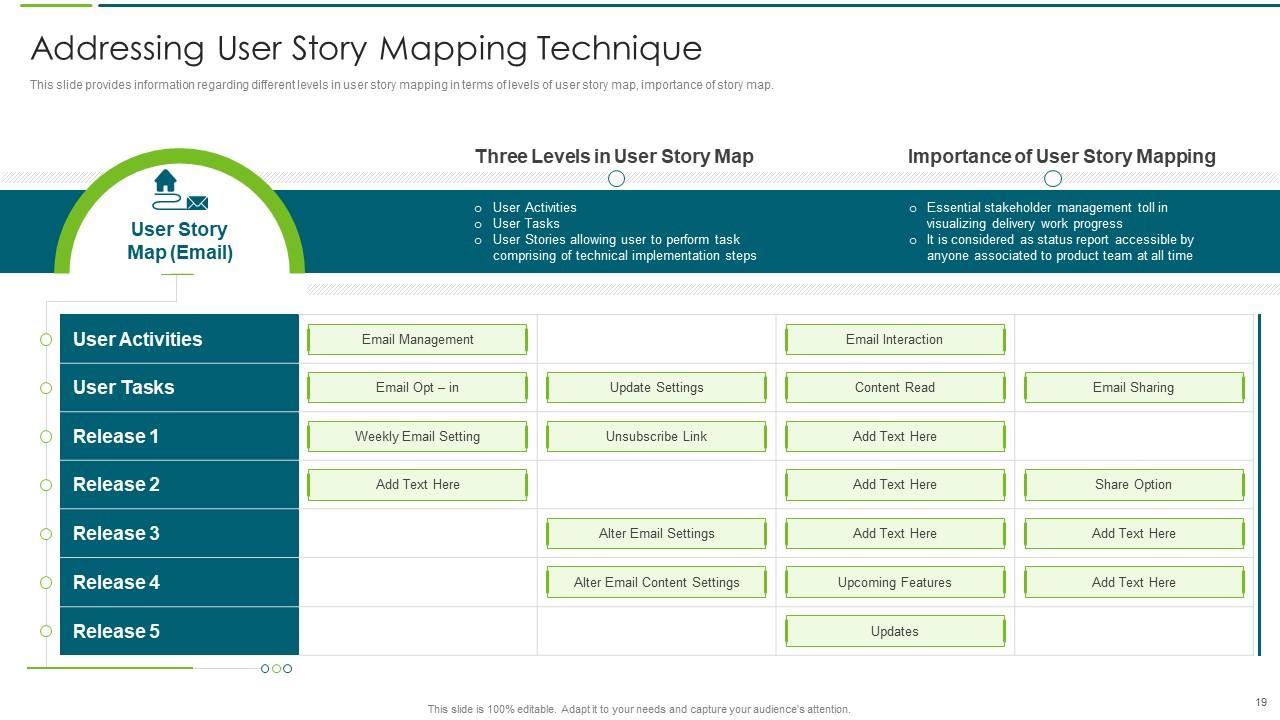
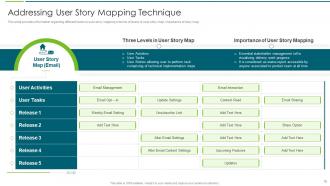
Slide 19 : Este slide fornece informações sobre os diferentes níveis de mapeamento de histórias de usuários em termos de níveis de histórias de usuários.
Slide 20 : Este slide destaca o título dos tópicos que serão abordados a seguir no modelo.
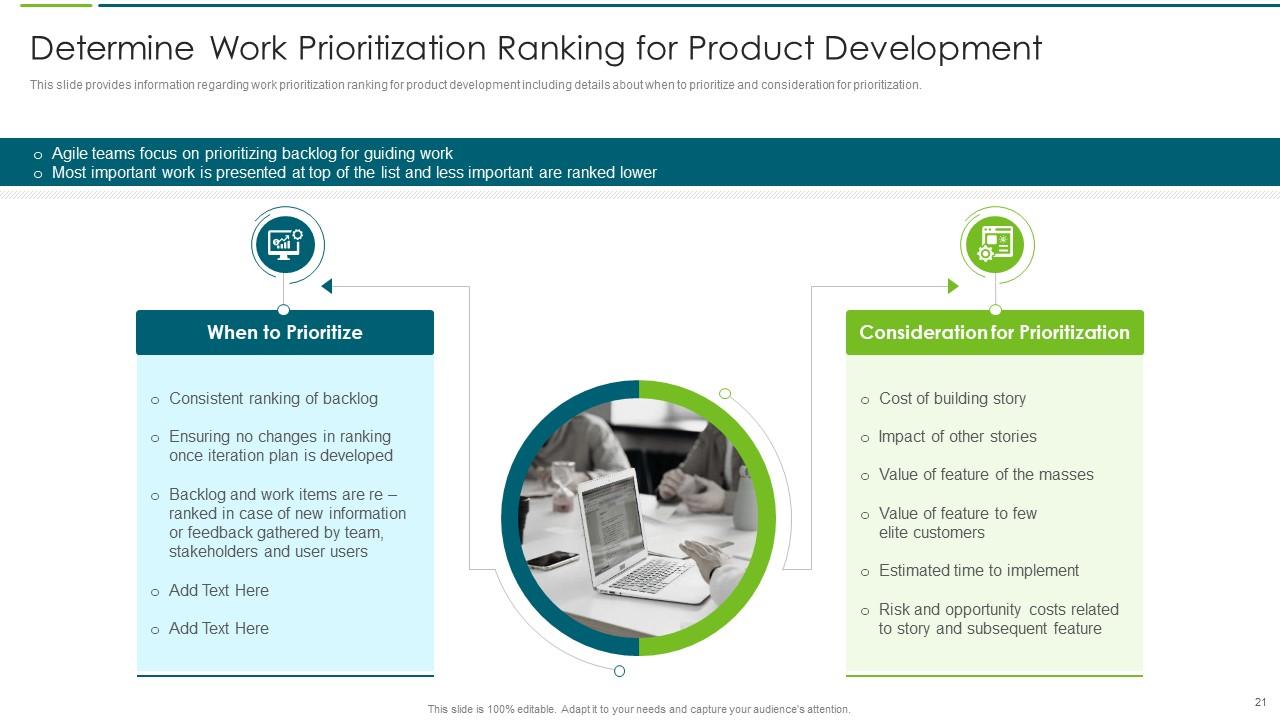
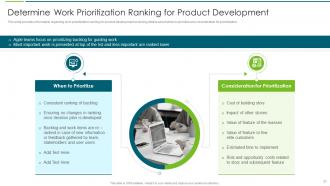
Slide 21 : Este slide representa Determinar a Classificação de Priorização de Trabalho para Desenvolvimento de Produto.
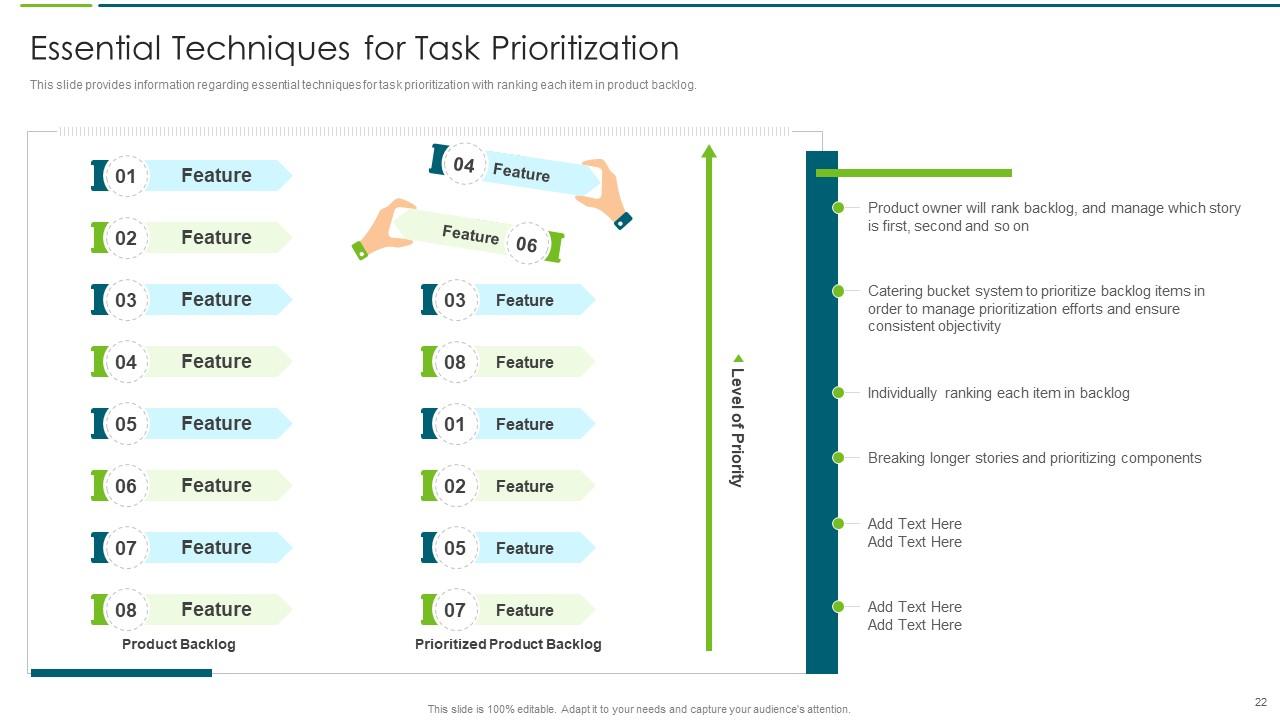
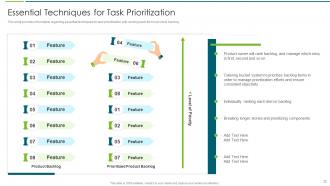
Slide 22 : Este slide fornece informações sobre técnicas essenciais para priorização de tarefas.
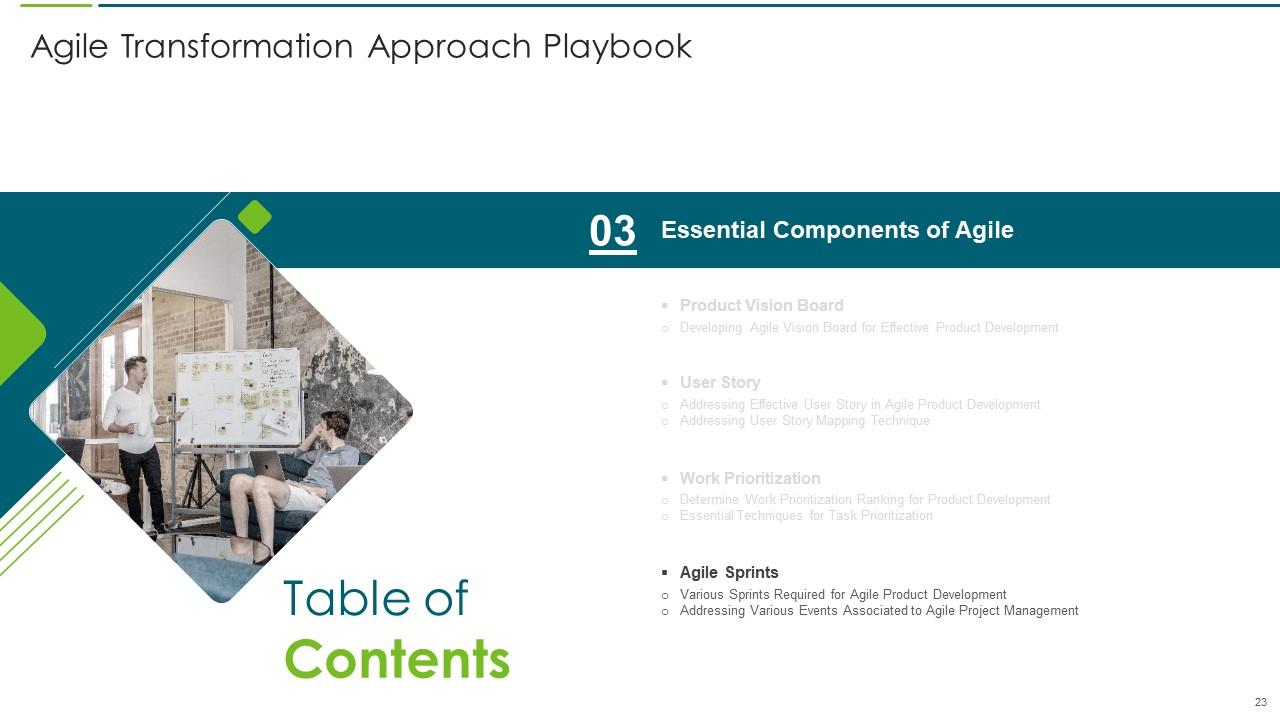
Slide 23 : Este slide destaca o título dos tópicos que serão abordados a seguir no modelo.
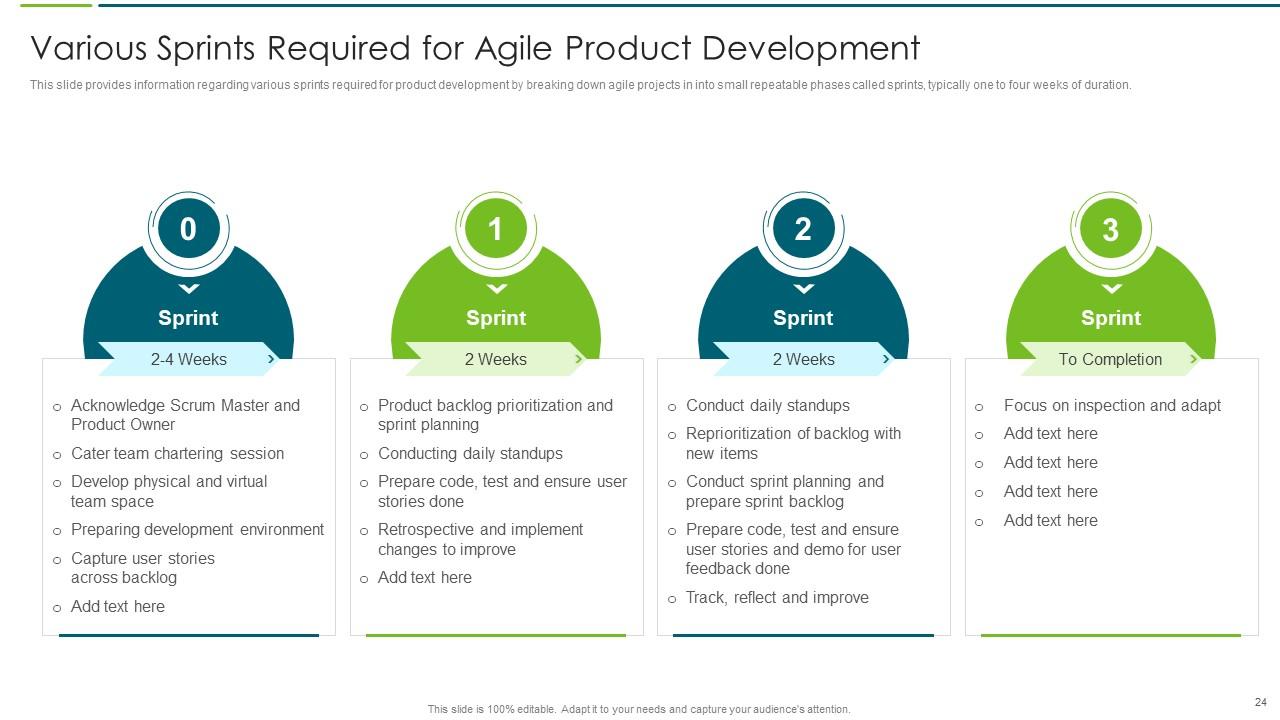
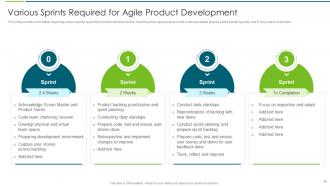
Slide 24 : Este slide mostra vários Sprints necessários para o desenvolvimento ágil de produtos.
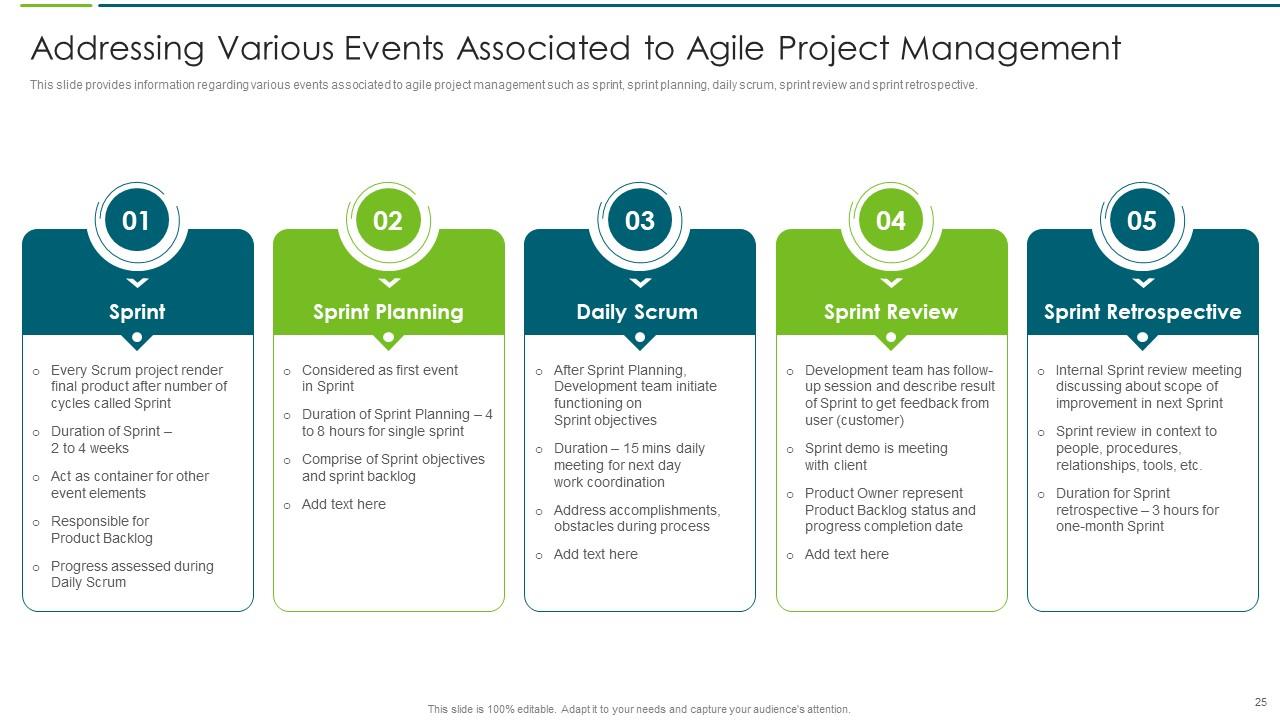
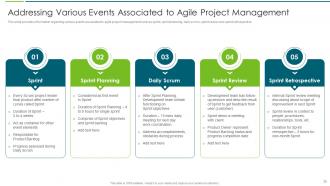
Slide 25 : Este slide mostra como abordar vários eventos associados ao gerenciamento ágil de projetos.
Slide 26 : Este slide destaca o título dos tópicos que serão abordados a seguir no modelo.
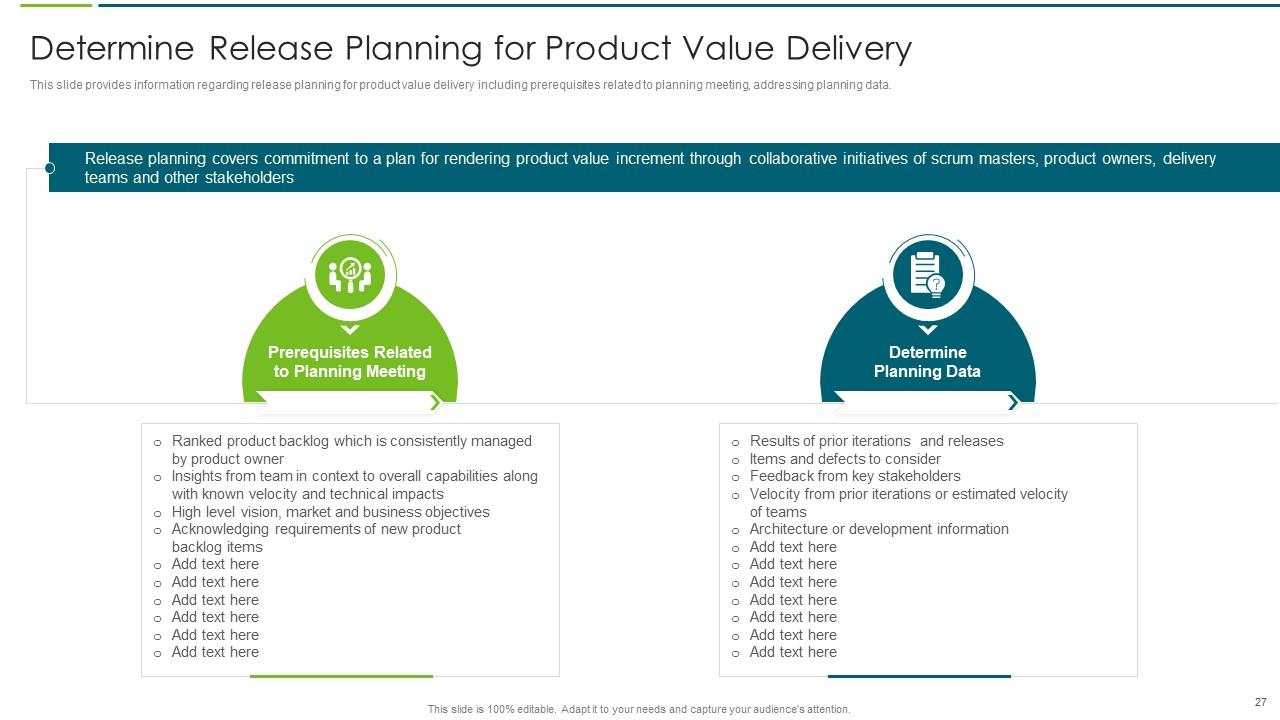
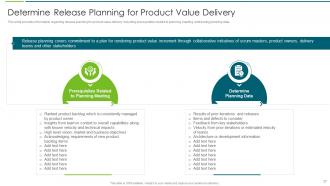
Slide 27 : Este slide apresenta Determinar o planejamento de lançamento para entrega de valor do produto.
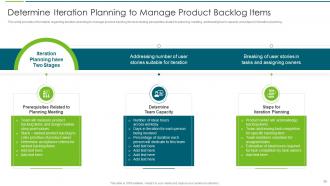
Slide 28 : Este slide exibe Determine o planejamento da iteração para gerenciar os itens do backlog do produto.
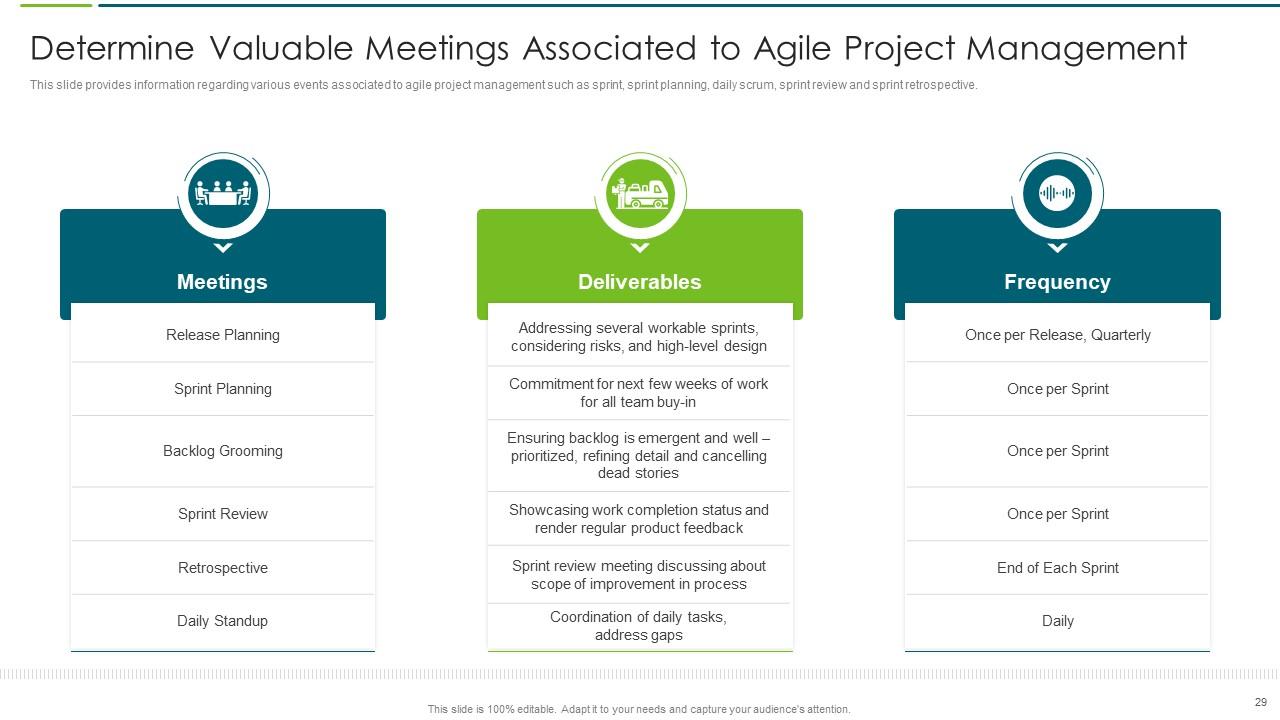
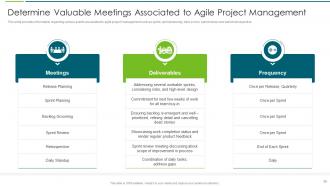
Slide 29 : Este slide representa Determinar Reuniões Valiosas Associadas ao Gerenciamento Ágil de Projetos.
Slide 30 : Este slide destaca o título dos tópicos que serão abordados a seguir no modelo.
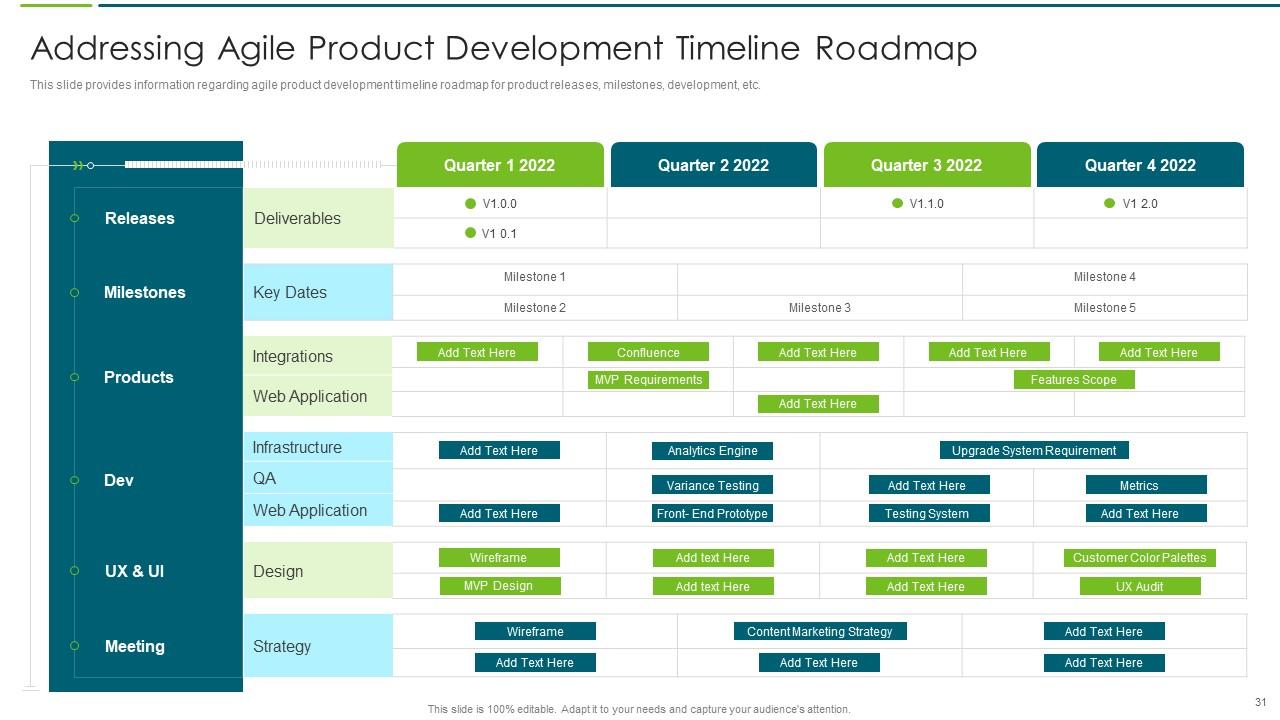
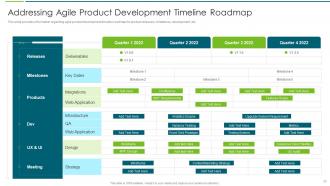
Slide 31 : Este slide mostra o roteiro do cronograma de desenvolvimento de produtos ágeis.
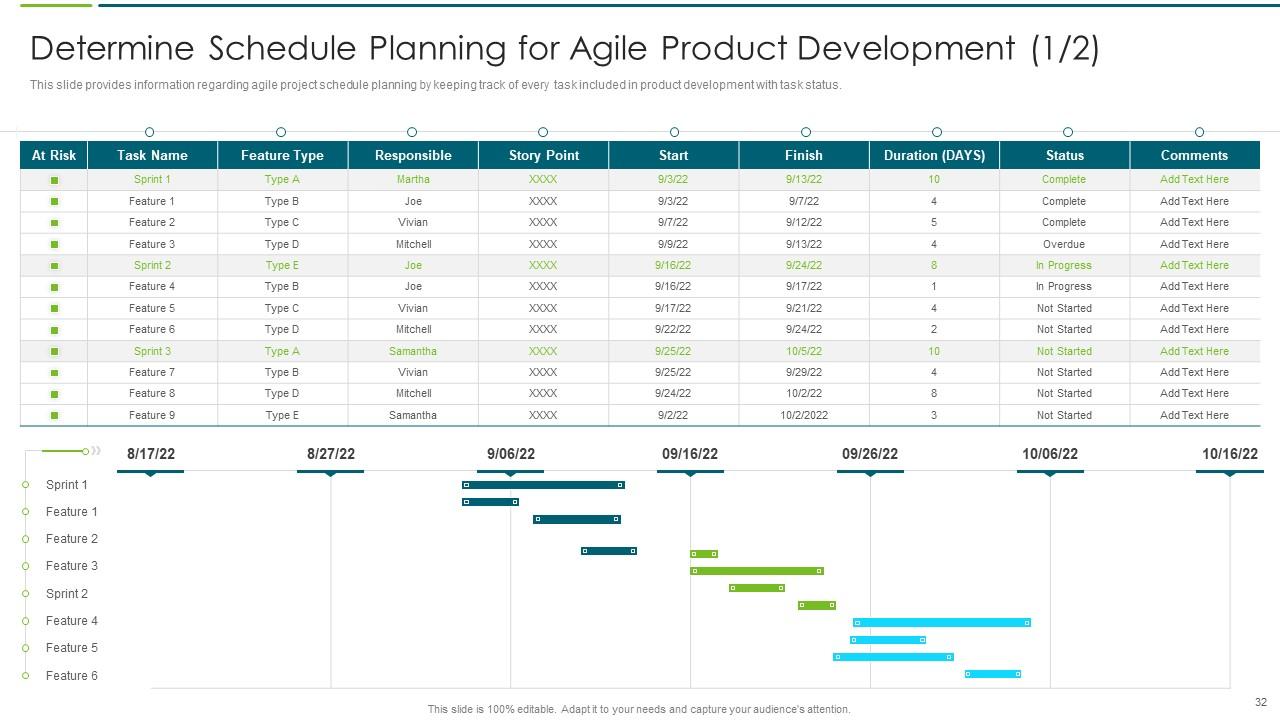
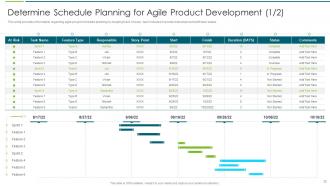
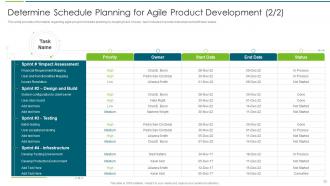
Slide 32 : Este slide mostra Determinar o planejamento do cronograma para o desenvolvimento ágil de produtos.
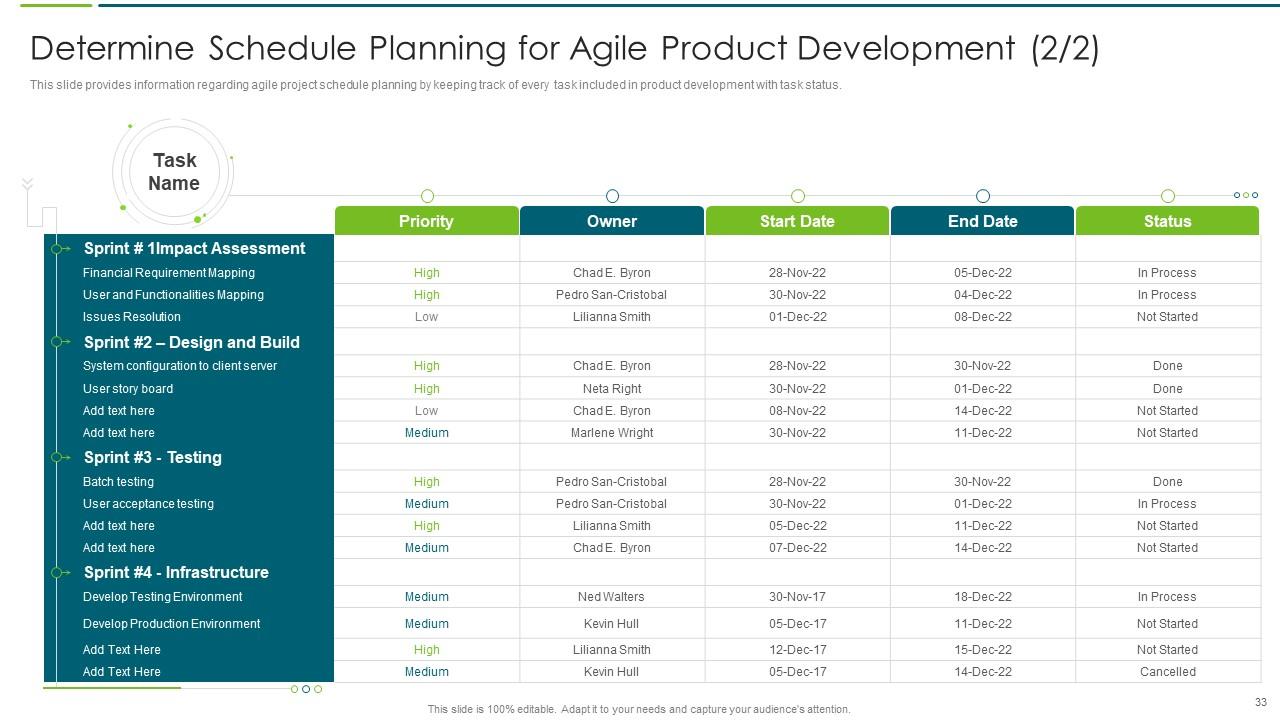
Slide 33 : Este é outro slide que continua Determinar o planejamento do cronograma para o desenvolvimento ágil de produtos.
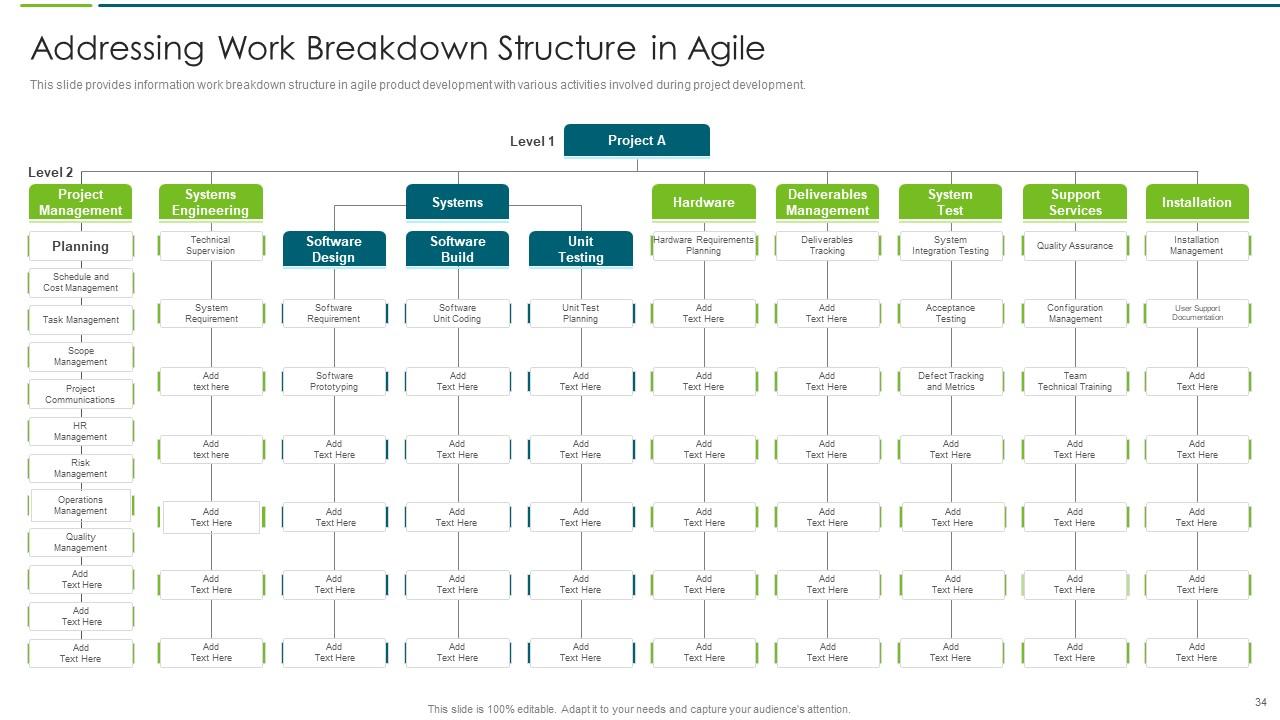
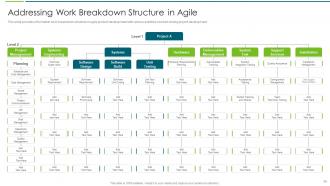
Slide 34 : Este slide apresenta como abordar a estrutura analítica do trabalho no Agile.
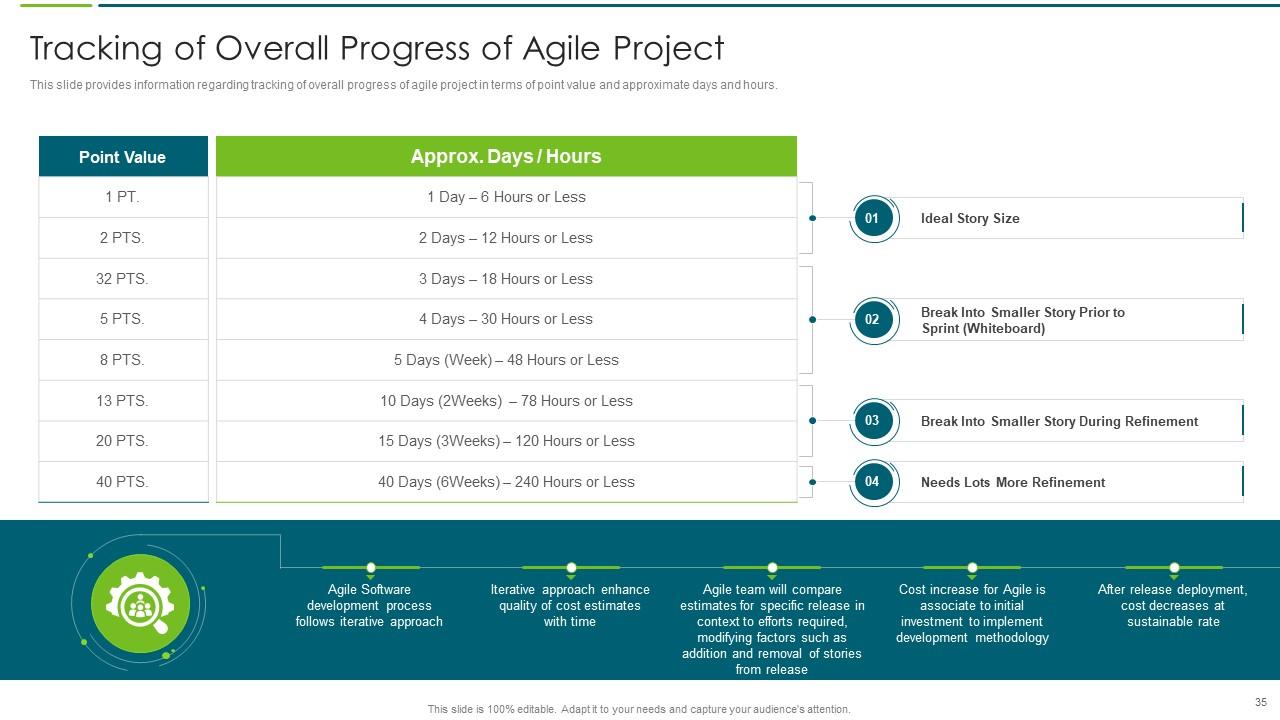
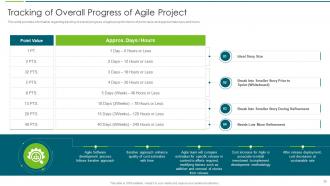
Slide 35 : Este slide mostra o Acompanhamento do Progresso Geral do Projeto Ágil.
Slide 36 : Este slide destaca o título dos tópicos que serão abordados a seguir no modelo.
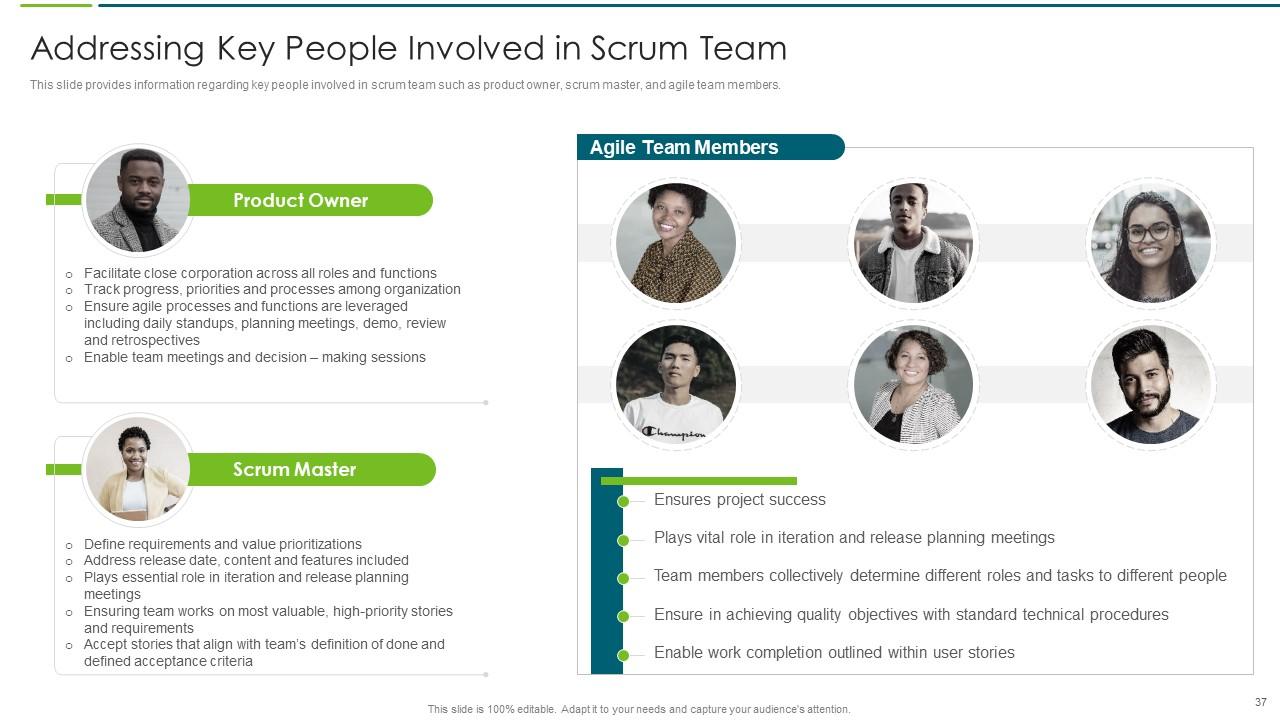
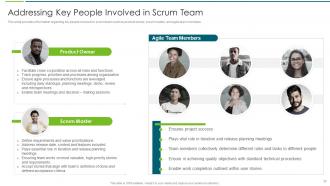
Slide 37 : Este slide apresenta Abordando as Pessoas-Chave Envolvidas no Time Scrum.
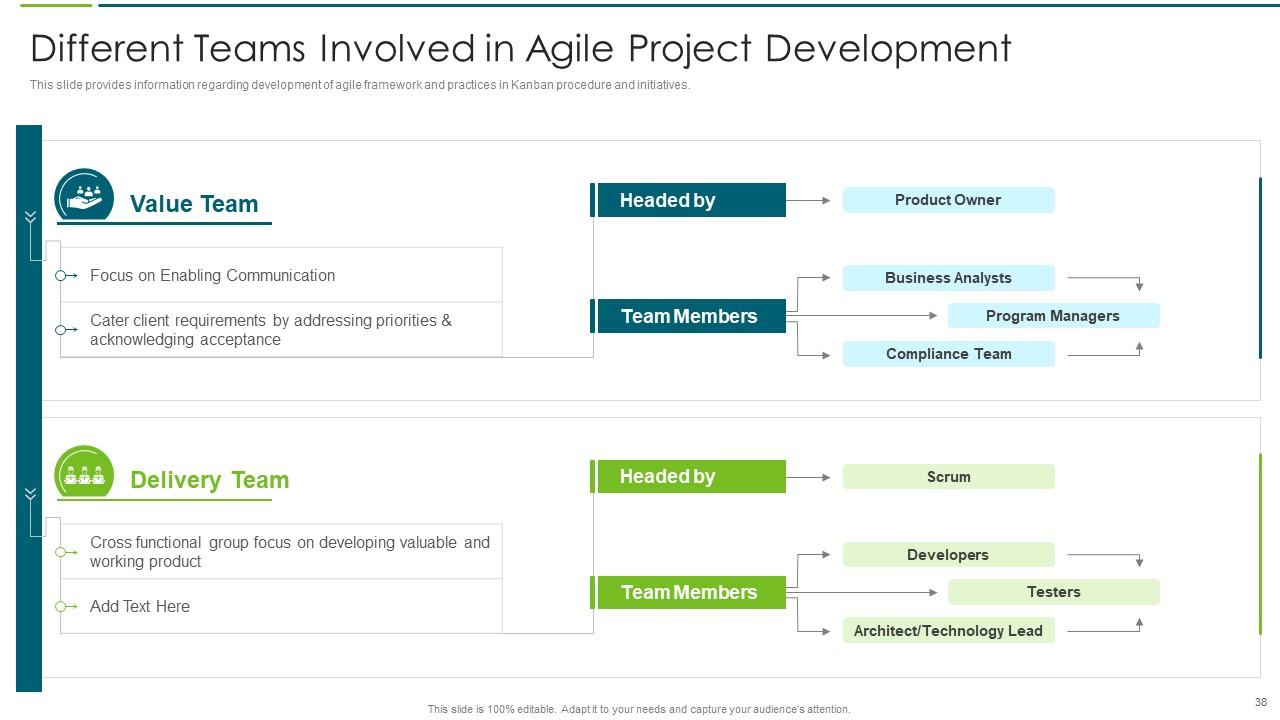
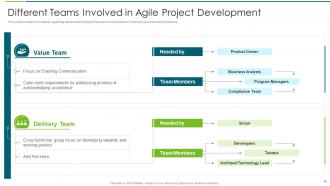
Slide 38 : Este slide representa diferentes equipes envolvidas no desenvolvimento ágil de projetos.
Slide 39 : Este slide destaca o título dos tópicos que serão abordados a seguir no modelo.
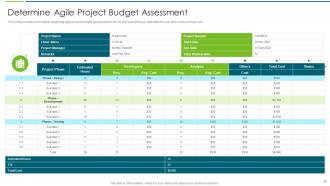
Slide 40 : Este slide mostra Determinar a avaliação ágil do orçamento do projeto.
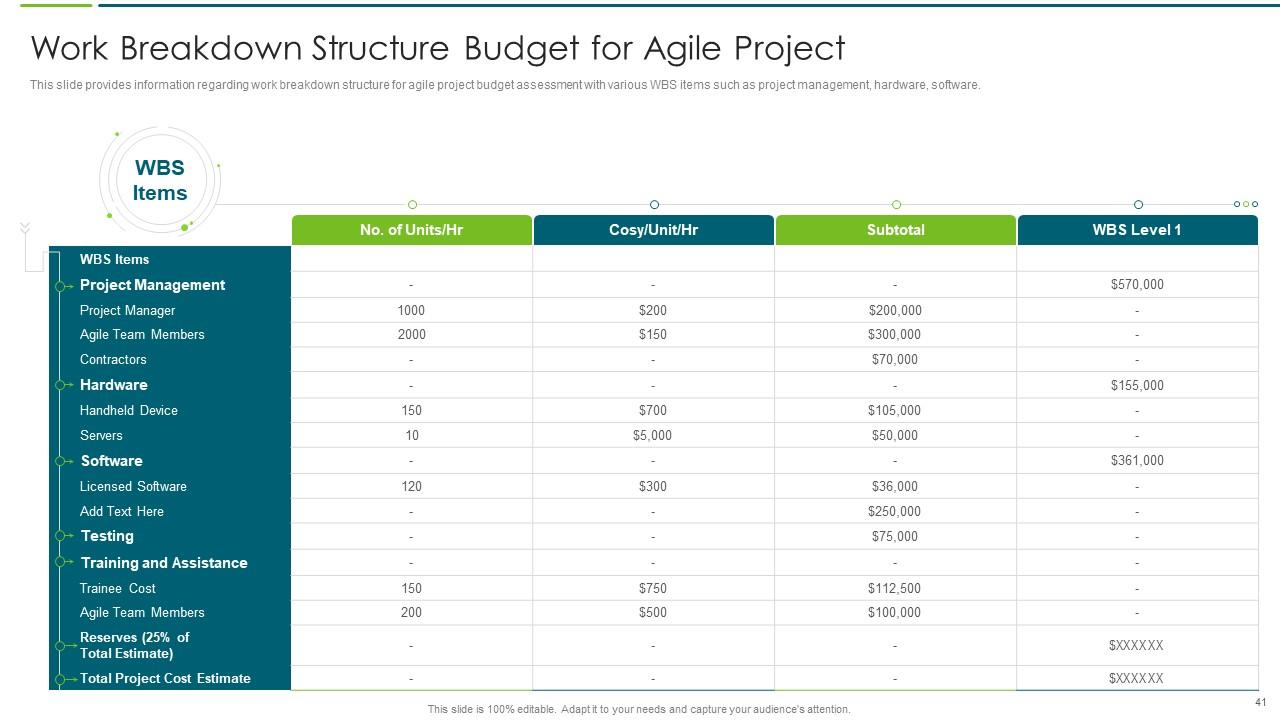
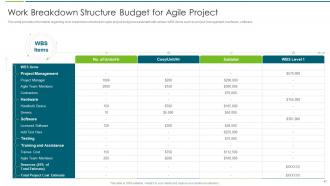
Slide 41 : Este slide mostra o Orçamento da Estrutura de Detalhamento do Trabalho para o Projeto Ágil.
Slide 42 : Este slide destaca o título dos tópicos que serão abordados a seguir no modelo.
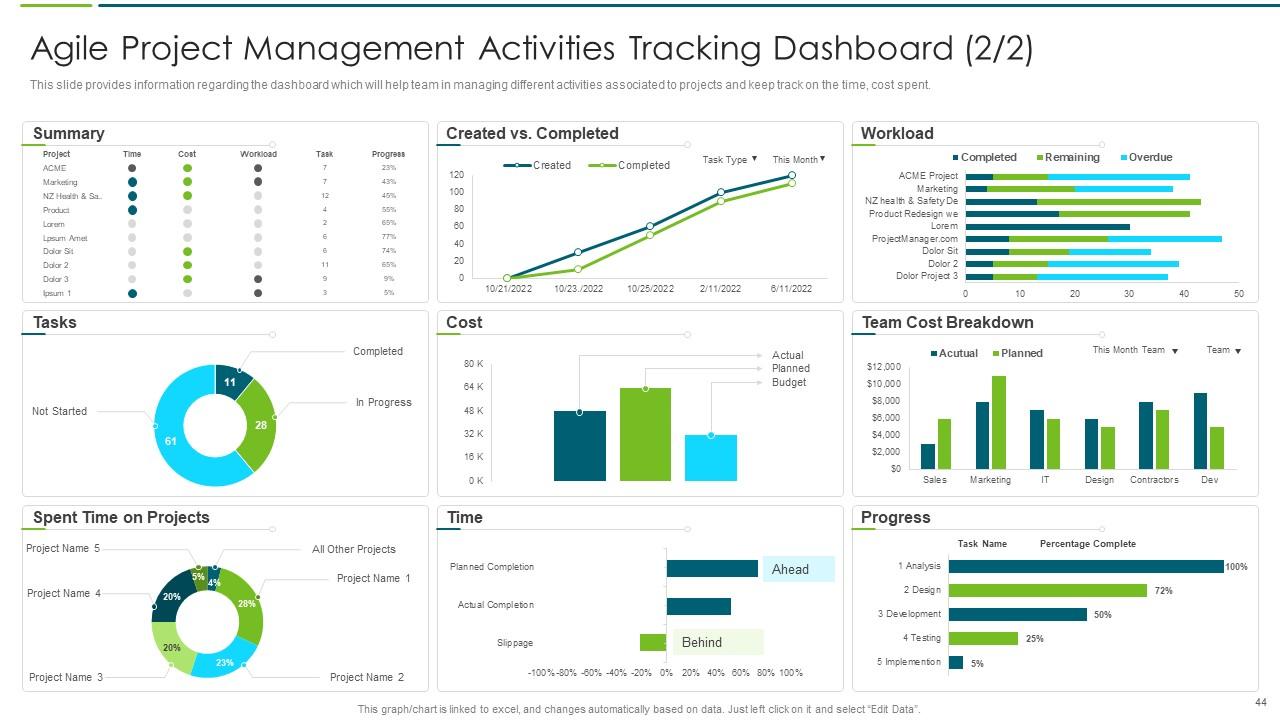
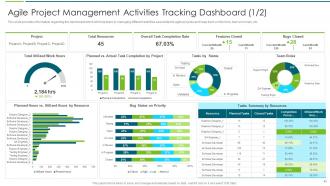
Slide 43 : Este slide apresenta o Painel de Rastreamento de Atividades de Gerenciamento de Projeto Ágil.
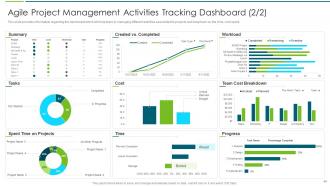
Slide 44 : Este é outro slide que continua o Painel de Rastreamento de Atividades de Gerenciamento de Projetos Ágeis.
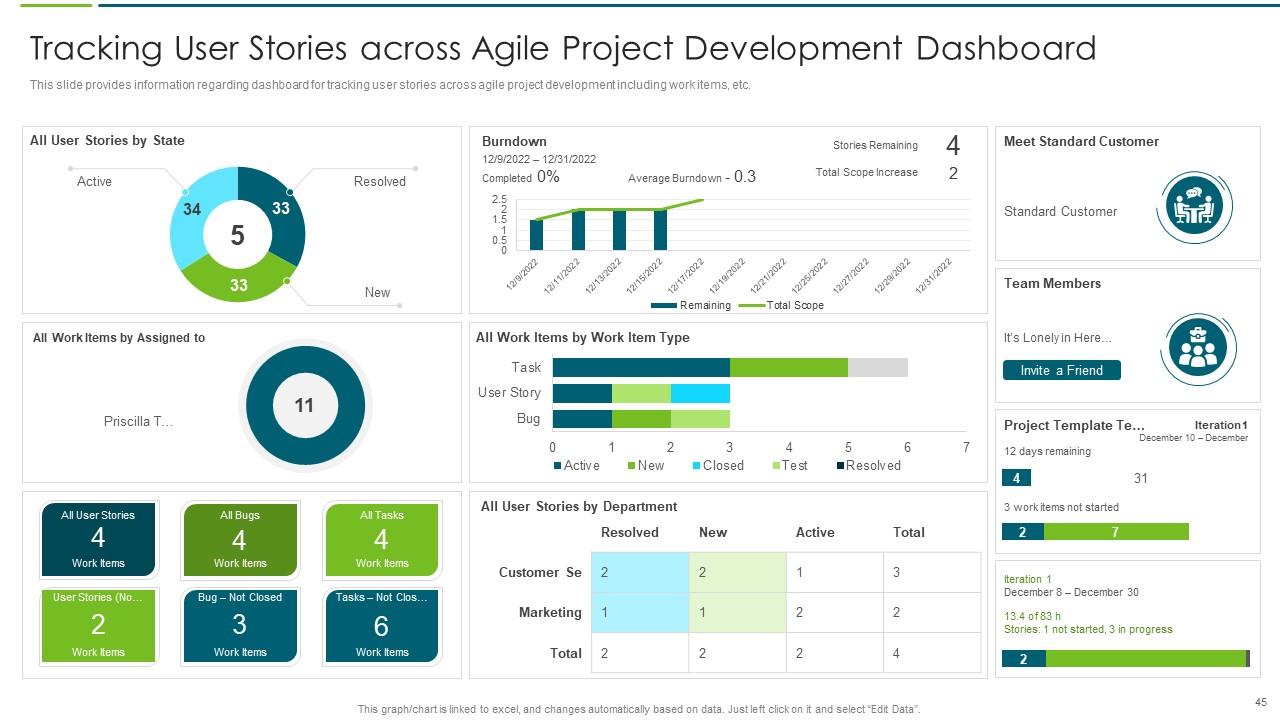
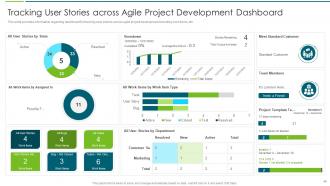
Slide 45 : Este slide exibe o rastreamento de histórias de usuários no painel de desenvolvimento de projetos ágeis.
Slide 46 : Este slide mostra Icons for Agile Transformation Approach Playbook.
Slide 47 : Este slide é intitulado como Slides Adicionais para avançar.
Slide 48 : Este é um slide sobre nós para mostrar as especificações da empresa etc.
Slide 49 : Este slide mostra Post It Notes. Poste suas notas importantes aqui.
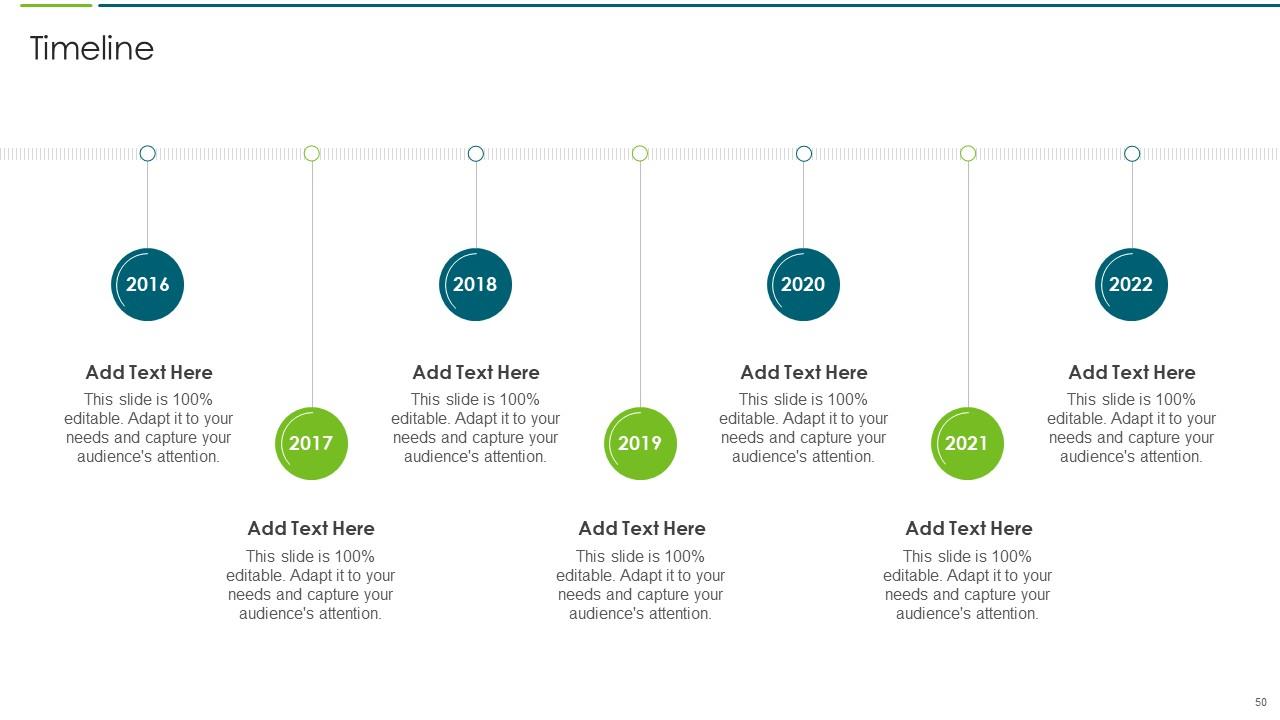
Slide 50 : Este é um slide de linha do tempo. Mostrar dados relacionados a intervalos de tempo aqui.
Slide 51 : Este slide mostra o diagrama de Venn com caixas de texto.
Slide 52 : Este slide apresenta o Plano de 30 60 90 Dias com caixas de texto.
Slide 53 : Este slide mostra o Diagrama Circular com caixas de texto adicionais.
Slide 54 : Este é o slide Nossa Meta. Indique os objetivos da sua empresa aqui.
Slide 55 : Este é um slide de agradecimento com endereço, números de contato e endereço de e-mail.
Slides de apresentação do Powerpoint do Manual da Abordagem de Transformação Ágil com todos os 60 slides:
Use nossos slides de apresentação em Powerpoint do Manual da Abordagem de Transformação Ágil para ajudá-lo a economizar seu valioso tempo. Eles são readymade para caber em qualquer estrutura de apresentação.
-
Time saving slide with creative ideas. Help a lot in quick presentations..
-
SlideTeam has helped me take my presentation to the next level. Everyone at the office is impressed! I’ll be using their designs for a long-long time.
