


Alinhando Portfólios de Produtos com Planos Estratégicos Slides da Apresentação do Powerpoint
A diversificação e a crescente demanda do consumidor levaram as empresas a ampliar seus portfólios de produtos, e as empresas estão investindo mais em atividades de desenvolvimento de novos produtos para atender às expectativas dos clientes. Confira nossa apresentação projetada profissionalmente sobre Alinhamento de Portfólios de Produtos com Planos Estratégicos que ajudará as empresas que desejam aumentar sua participação no mercado global e expandir seus serviços desenvolvendo e oferecendo produtos de acordo com a demanda do cliente. Em primeiro lugar, a apresentação começa com uma seção de visão geral do setor que as organizações podem usar para mostrar as tendências e atratividade significativas do setor. Seções como a análise da capacidade atual ajudarão a empresa a fornecer informações sobre o portfólio de produtos existente, a capacidade da empresa e a vida útil de vários produtos. A seção de desempenho de nossos concorrentes ajudará a empresa a abordar as características do portfólio de seus concorrentes, juntamente com as metodologias de desenvolvimento de produtos usadas por eles. Para desenvolver e gerenciar portfólios de produtos com eficiência, as organizações podem usar slides abordando objetivos de negócios, visão de produto e seções, ou seja, identificando e desenvolvendo listas de clientes-alvo, desenvolvimento de portfólio de produtos, alocação de recursos, roteiro de portfólio de produtos, etc. Finalmente, os painéis de avaliação de desempenho ajudarão organizações no monitoramento do desempenho de vários portfólios de produtos e dos negócios em geral. Obtenha acesso agora.













































-

- Google Slides is a new FREE Presentation software from Google.
- All our content is 100% compatible with Google Slides.
- Just download our designs, and upload them to Google Slides and they will work automatically.
- Amaze your audience with SlideTeam and Google Slides.
-

Want Changes to This PPT Slide? Check out our Presentation Design Services
-

- WideScreen Aspect ratio is becoming a very popular format. When you download this product, the downloaded ZIP will contain this product in both standard and widescreen format.
-

- Some older products that we have may only be in standard format, but they can easily be converted to widescreen.
- To do this, please open the SlideTeam product in Powerpoint, and go to
- Design ( On the top bar) -> Page Setup -> and select "On-screen Show (16:9)” in the drop down for "Slides Sized for".
- The slide or theme will change to widescreen, and all graphics will adjust automatically. You can similarly convert our content to any other desired screen aspect ratio.
Compatible With Google Slides

Get This In WideScreen
You must be logged in to download this presentation.


Do you want to remove this product from your favourites?
Recursos desses slides de apresentação em PowerPoint:
Entregue esta apresentação completa para os membros de sua equipe e outros colaboradores. Abrangendo slides estilizados apresentando vários conceitos, este Alinhamento de Portfólios de Produtos com Planos Estratégicos Slides de Apresentação em Powerpoint é a melhor ferramenta que você pode utilizar. Personalize seu conteúdo e gráficos para torná-lo único e instigante. Todos os quarenta e nove slides são editáveis e modificáveis, portanto, sinta-se à vontade para ajustá-los ao seu ambiente de negócios. A fonte, a cor e outros componentes também vêm em um formato editável, tornando este design PPT a melhor escolha para sua próxima apresentação. Então, baixe agora.

People who downloaded this PowerPoint presentation also viewed the following :
Conteúdo desta apresentação em Powerpoint
Slide 1 : Este slide apresenta o Alinhamento de Portfólios de Produtos com Planos Estratégicos. Indique o nome da sua empresa e comece.
Slide 2 : Este slide apresenta a Agenda da apresentação.
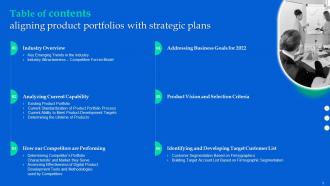
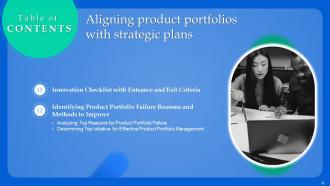
Slide 3 : Este slide apresenta o índice da apresentação.
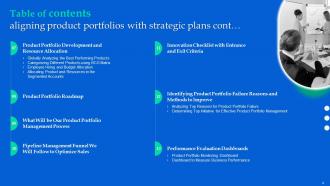
Slide 4 : Este é outro slide que continua o índice da apresentação.
Slide 5 : Este slide destaca o título dos tópicos que serão abordados a seguir no modelo.
Slide 6 : O slide a seguir retrata as principais tendências emergentes da indústria de TI.
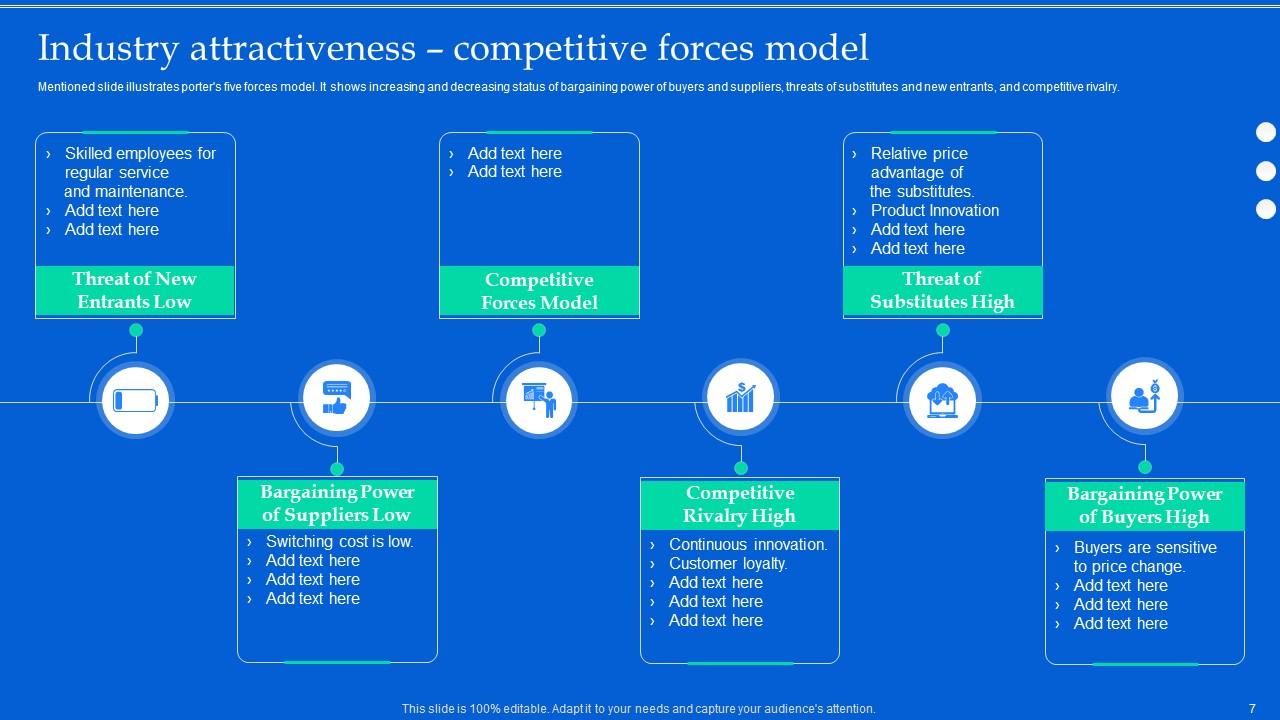
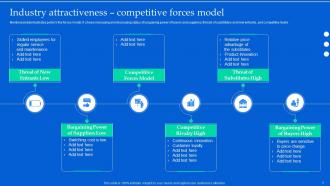
Slide 7 : O slide mencionado ilustra o modelo das cinco forças de Porter.
Slide 8 : Este slide destaca o título dos tópicos que serão abordados a seguir no modelo.
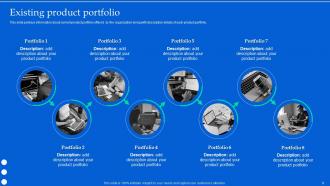
Slide 9 : Este slide apresenta informações sobre o atual portfólio de produtos oferecidos pela organização.
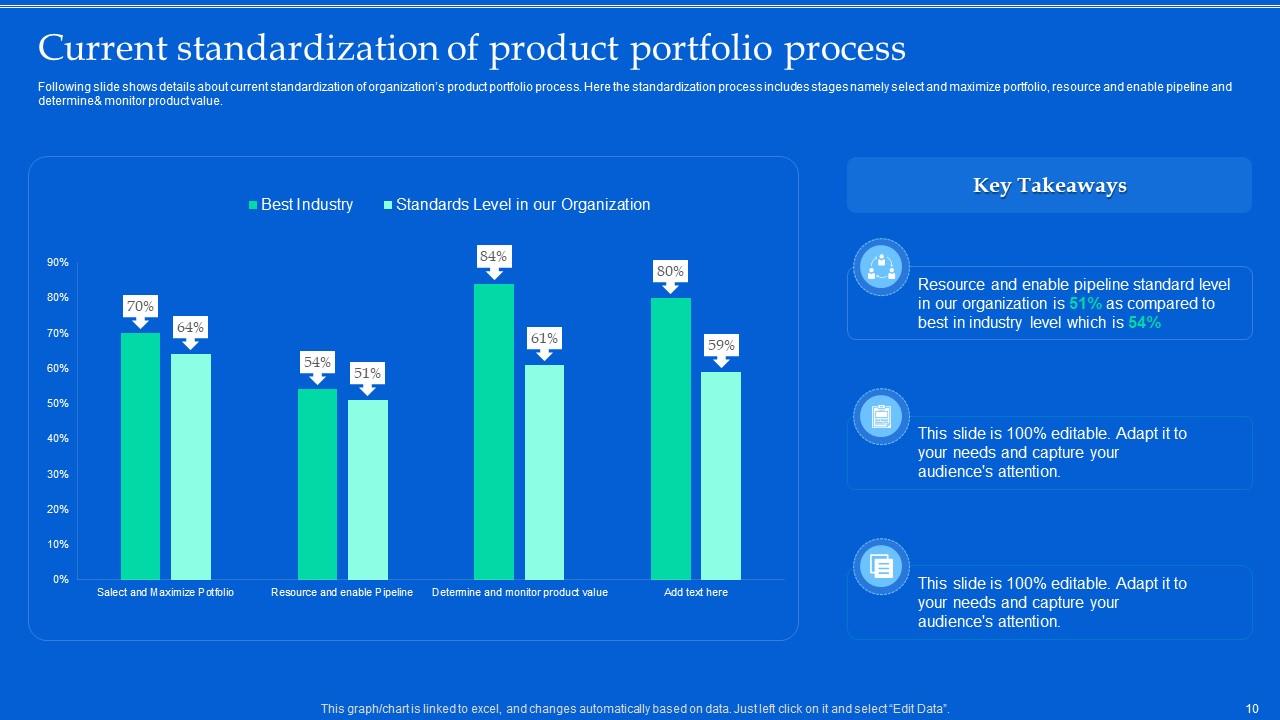
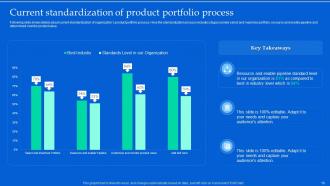
Slide 10 : Este slide mostra a padronização atual do processo de portfólio de produtos.
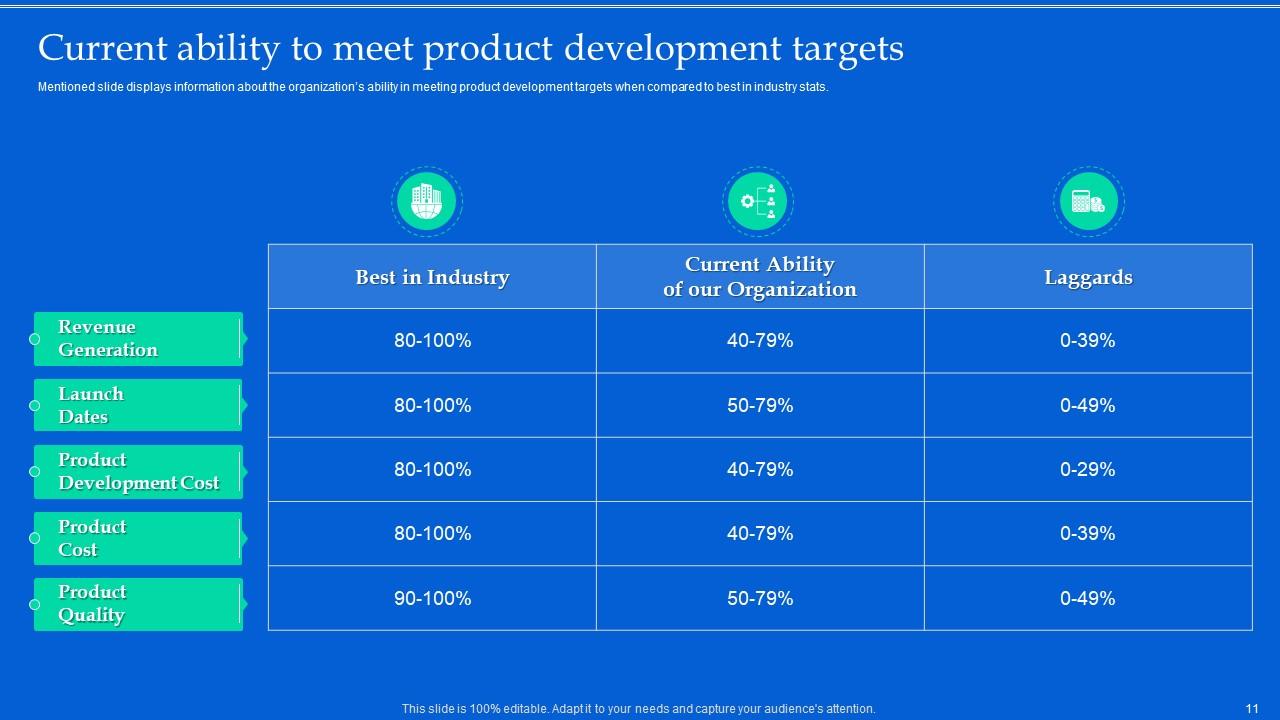
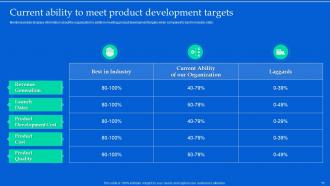
Slide 11 : Este slide representa a capacidade atual de atender às metas de desenvolvimento do produto.
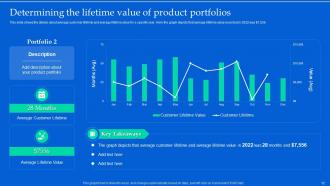
Slide 12 : Este slide mostra a determinação do valor vitalício de portfólios de produtos.
Slide 13 : Este slide destaca o título dos tópicos que serão abordados a seguir no modelo.
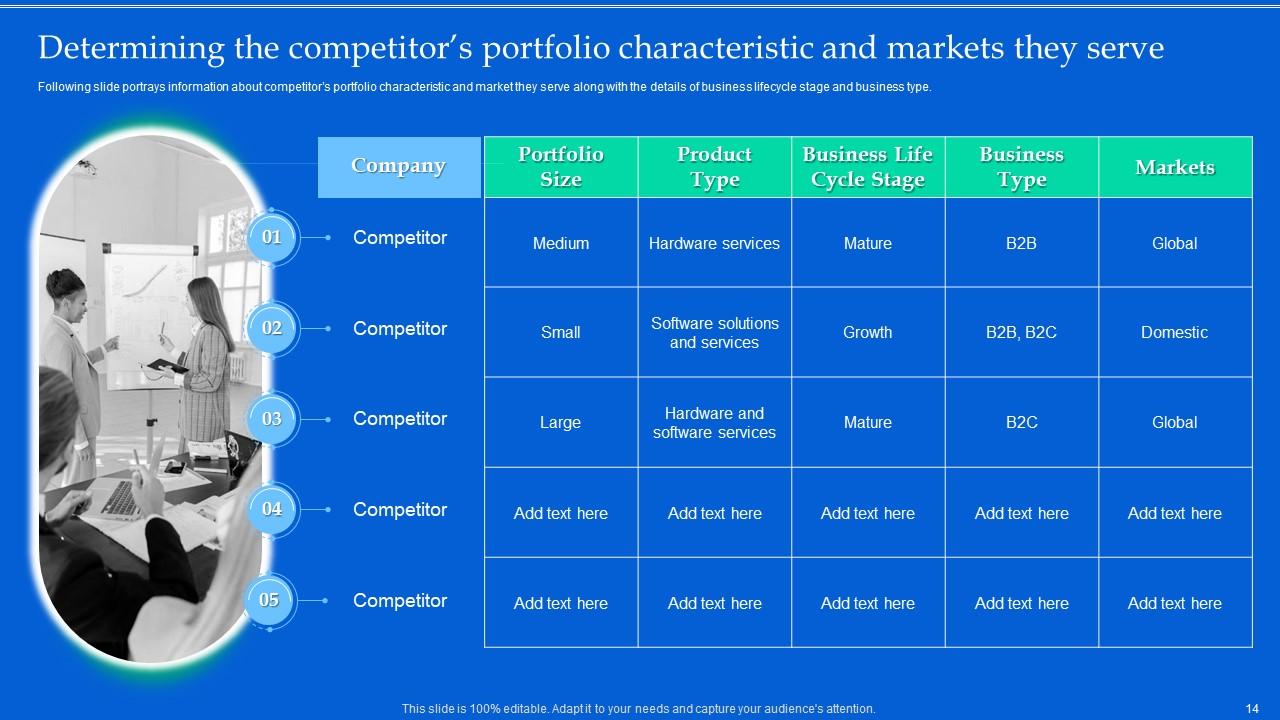
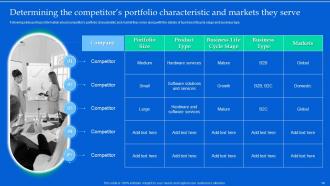
Slide 14 : Este slide mostra como determinar as características do portfólio do concorrente e os mercados que atendem.
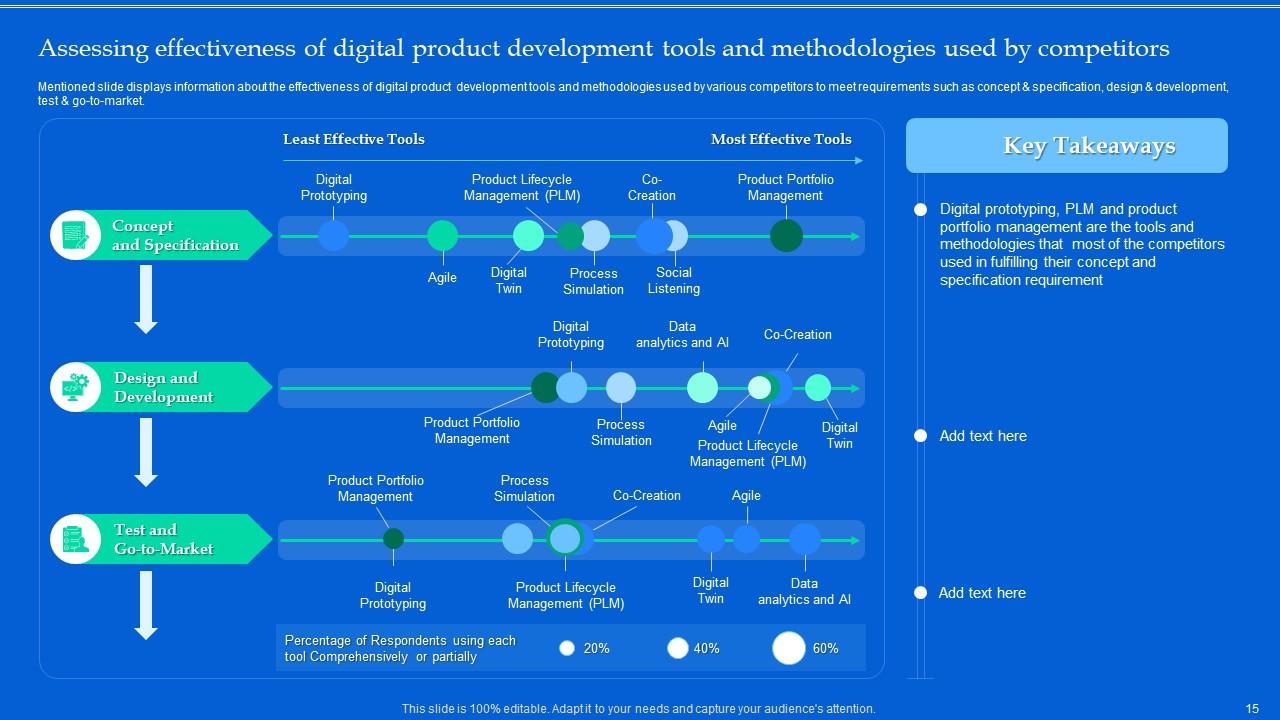
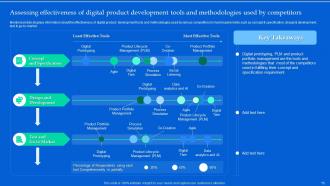
Slide 15 : Este slide apresenta a avaliação da eficácia das ferramentas e metodologias de desenvolvimento de produtos digitais usadas pelos concorrentes.
Slide 16 : Este slide destaca o título dos tópicos que serão abordados a seguir no modelo.
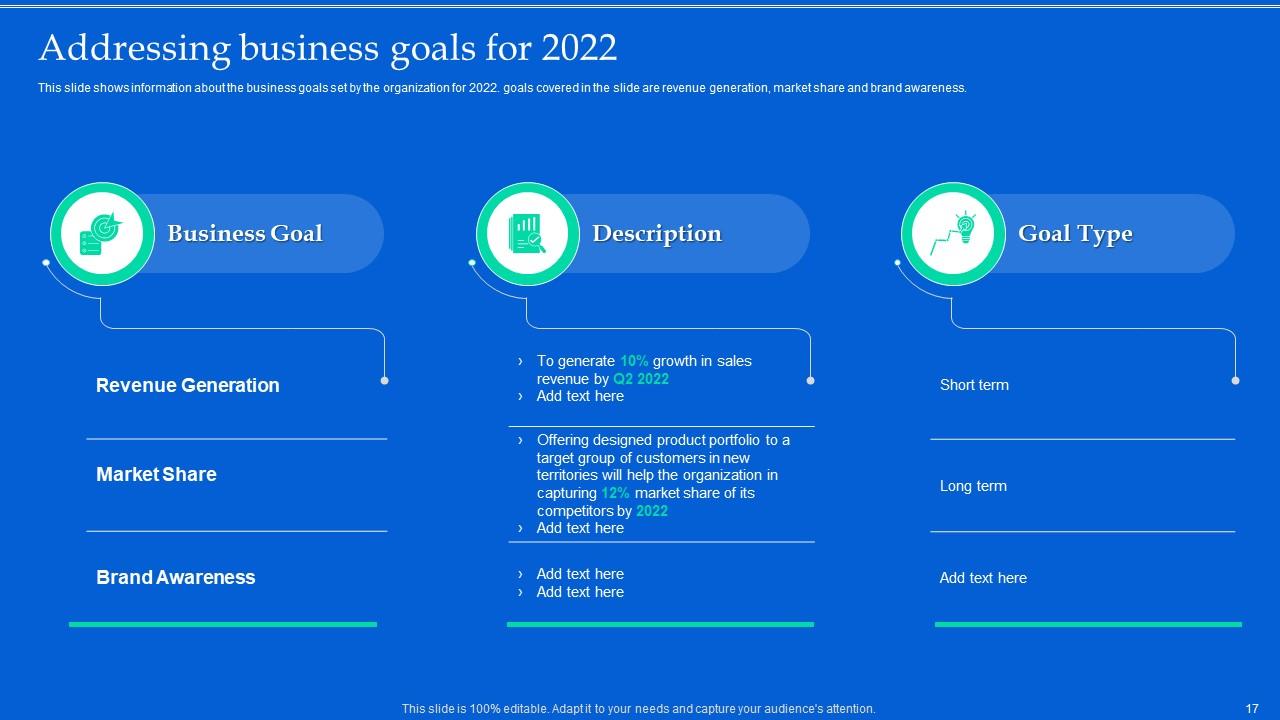
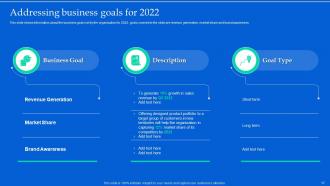
Slide 17 : Este slide apresenta informações sobre as metas de negócios definidas pela organização para 2021.
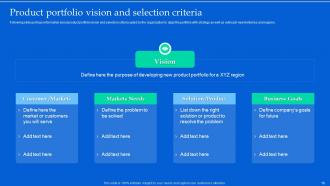
Slide 18 : Este slide apresenta a Visão do Portfólio de Produtos e os Critérios de Seleção.
Slide 19 : Este slide destaca o título dos tópicos que serão abordados a seguir no modelo.
Slide 20 : Este slide mostra a Segmentação de Clientes Baseada em Firmografia.
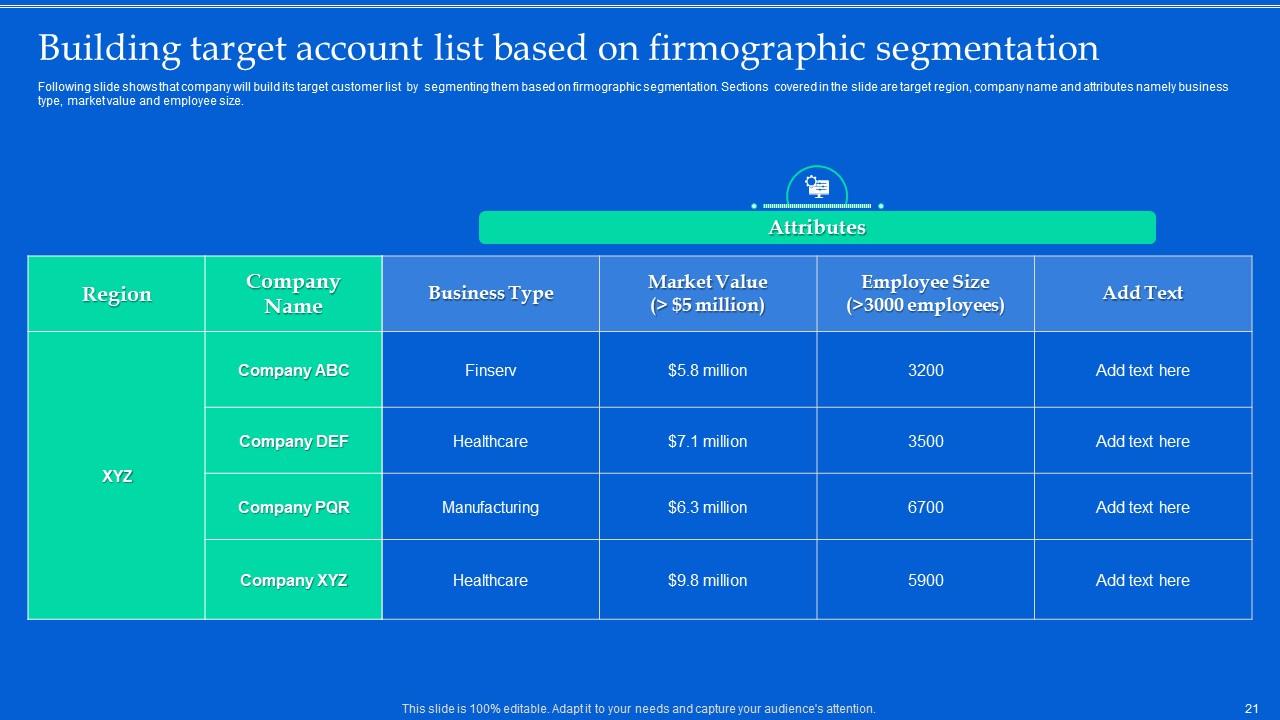
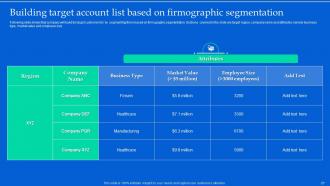
Slide 21 : Este slide representa a criação da lista de contas-alvo com base na segmentação firmográfica.
Slide 22 : Este slide destaca o título dos tópicos que serão abordados a seguir no modelo.
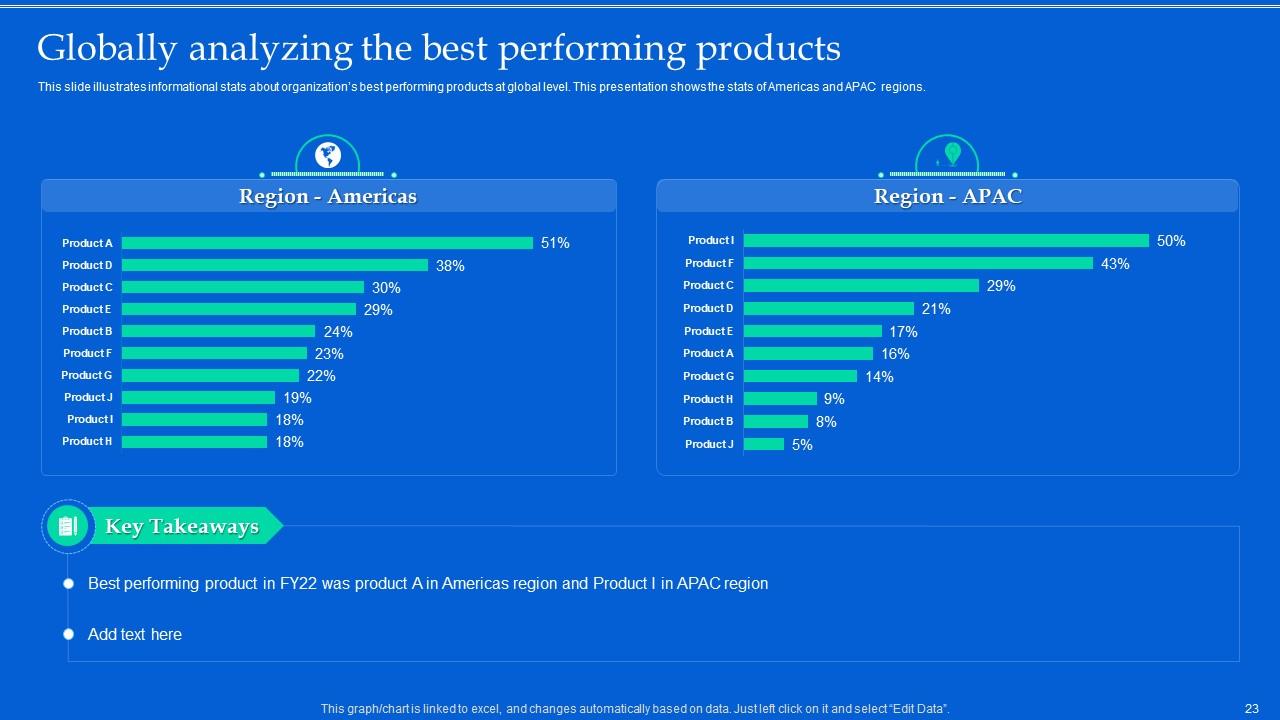
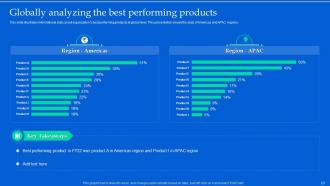
Slide 23 : Este slide mostra a análise global dos produtos com melhor desempenho.
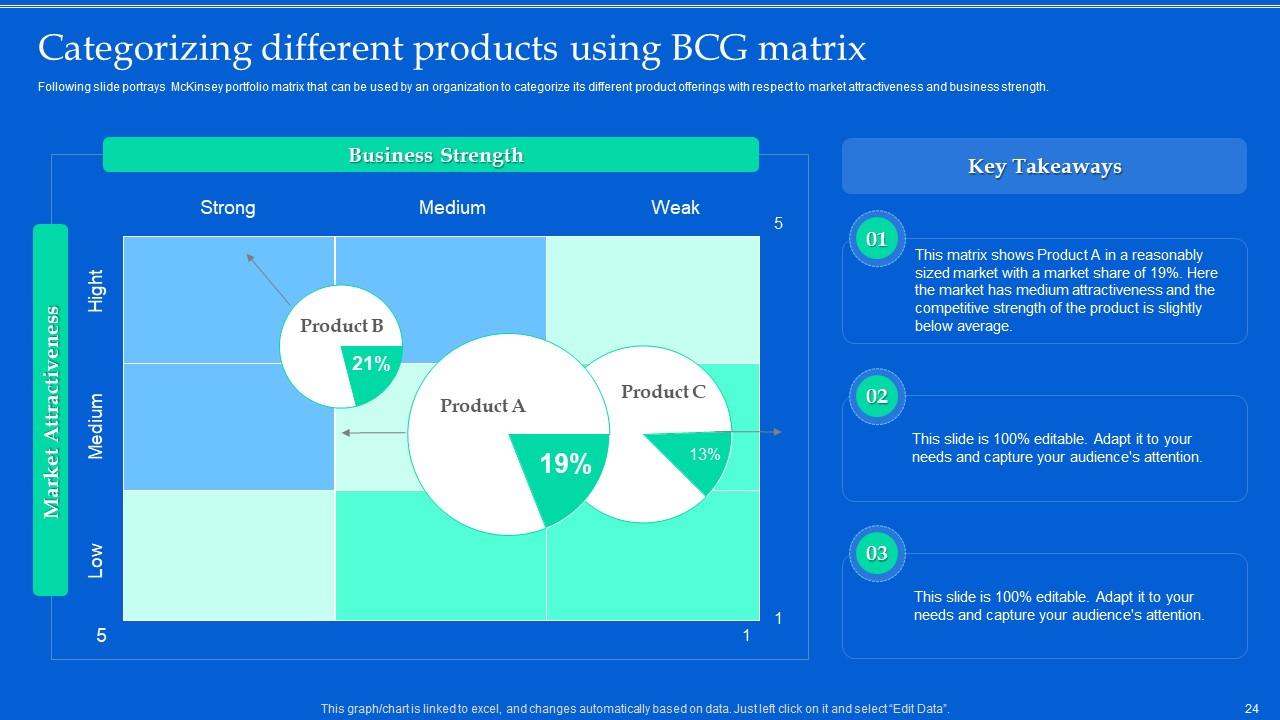
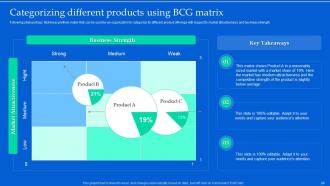
Slide 24 : Este slide mostra como categorizar diferentes produtos usando a Matriz BCG.
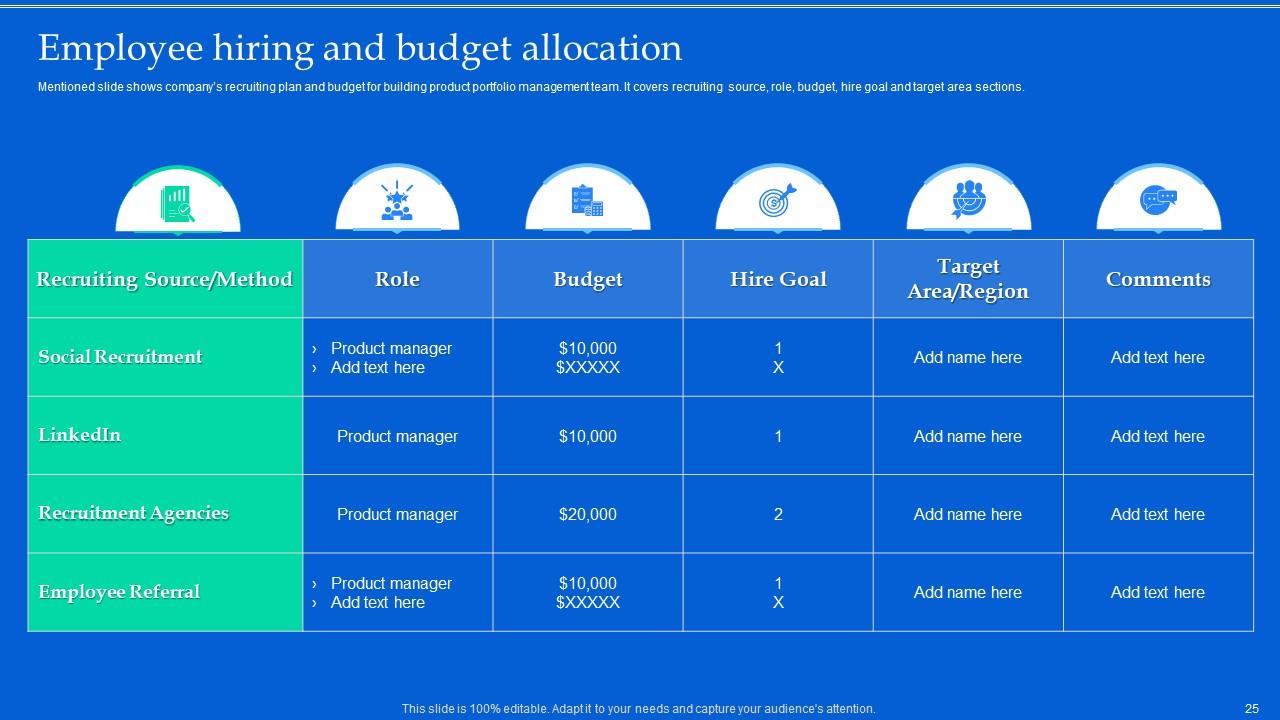
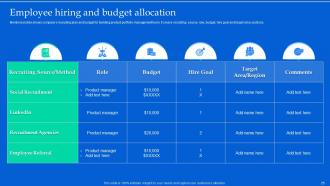
Slide 25 : Este slide apresenta a contratação de funcionários e a alocação do orçamento.
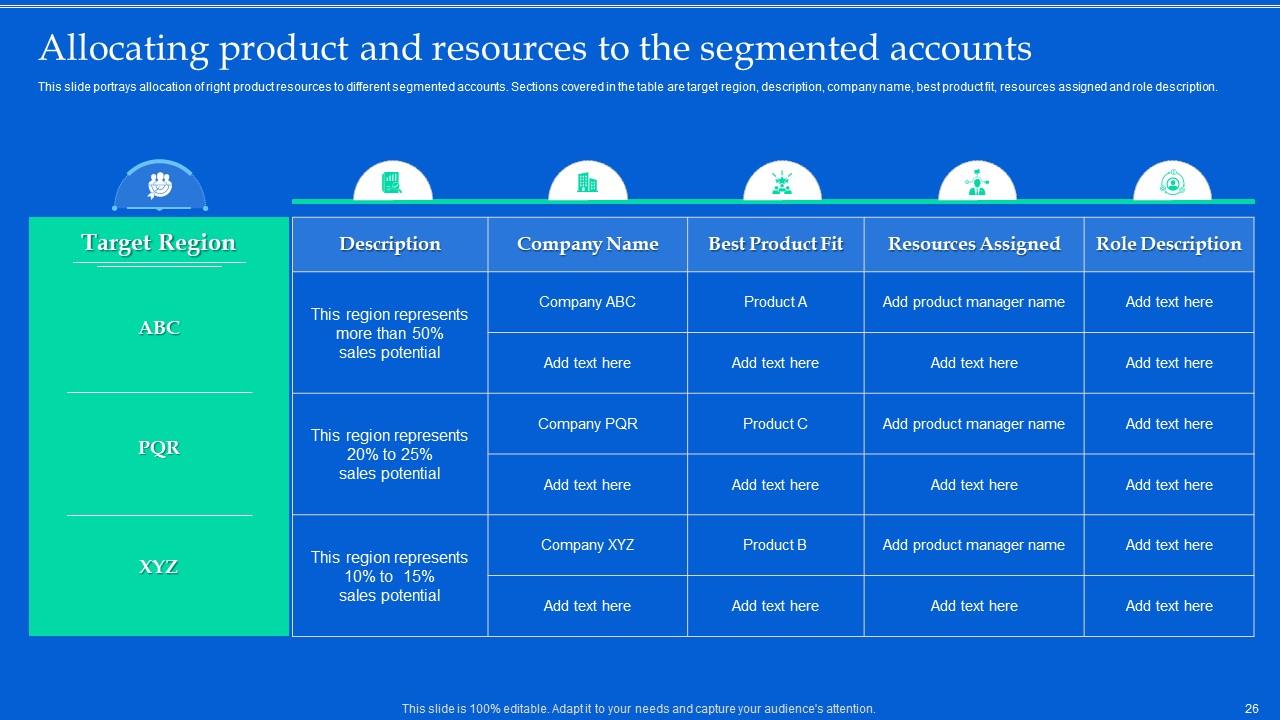
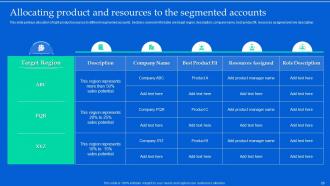
Slide 26 : Este slide mostra a Alocação de Produtos e Recursos para as Contas Segmentadas.
Slide 27 : Este slide destaca o título dos tópicos que serão abordados a seguir no modelo.
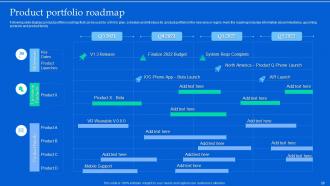
Slide 28 : O slide a seguir mostra o roteiro do portfólio de produtos que pode ser usado por uma empresa para planejar.
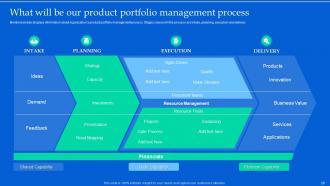
Slide 29 : O slide mencionado apresenta informações sobre o processo de gerenciamento de portfólio de produtos da organização.
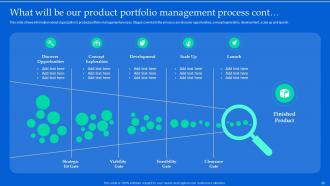
Slide 30 : Este é outro slide que dá continuidade ao processo de gerenciamento de portfólio de produtos da organização.
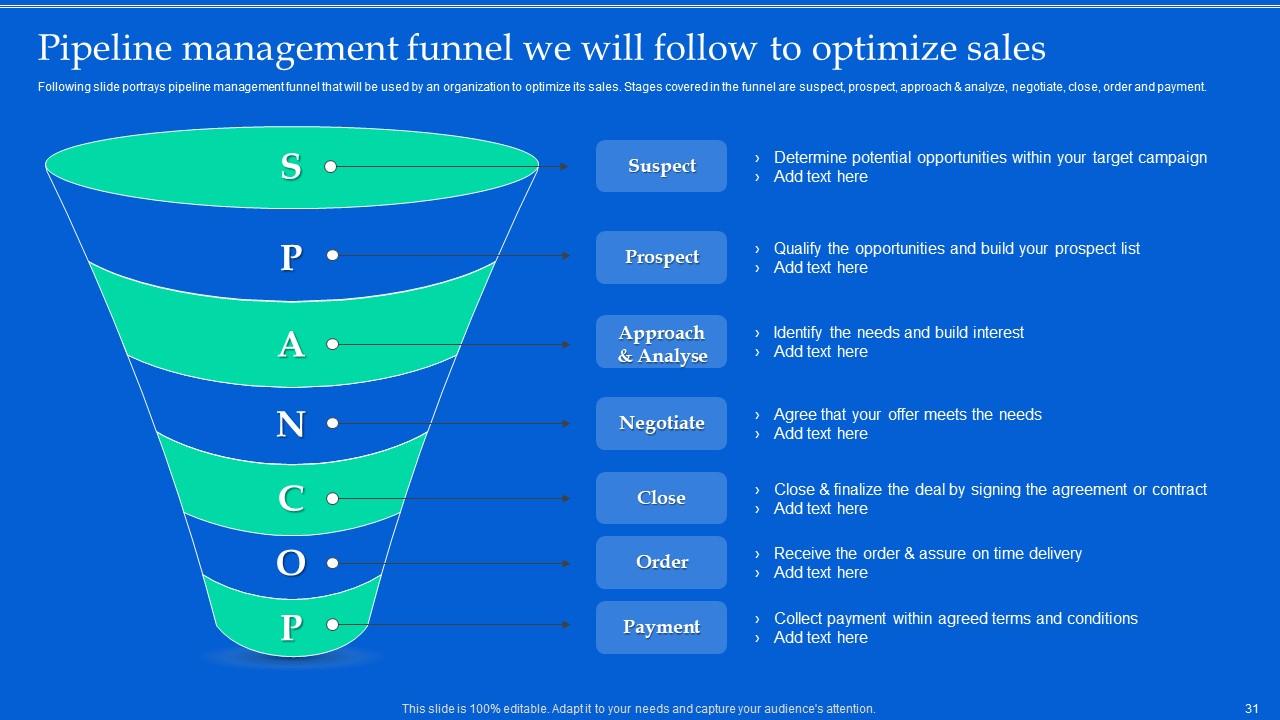
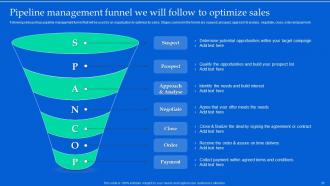
Slide 31 : Este slide apresenta o funil de gerenciamento de pipeline que seguiremos para otimizar as vendas.
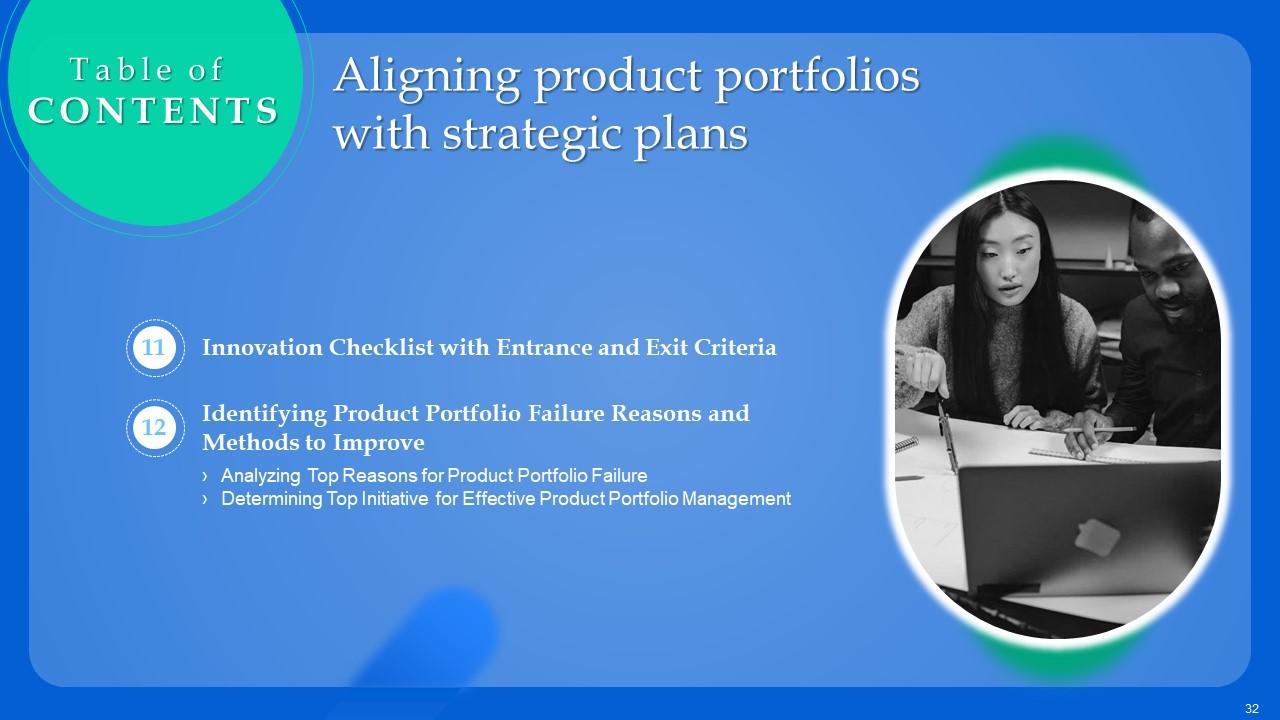
Slide 32 : Este slide destaca o título dos tópicos que serão abordados a seguir no modelo.
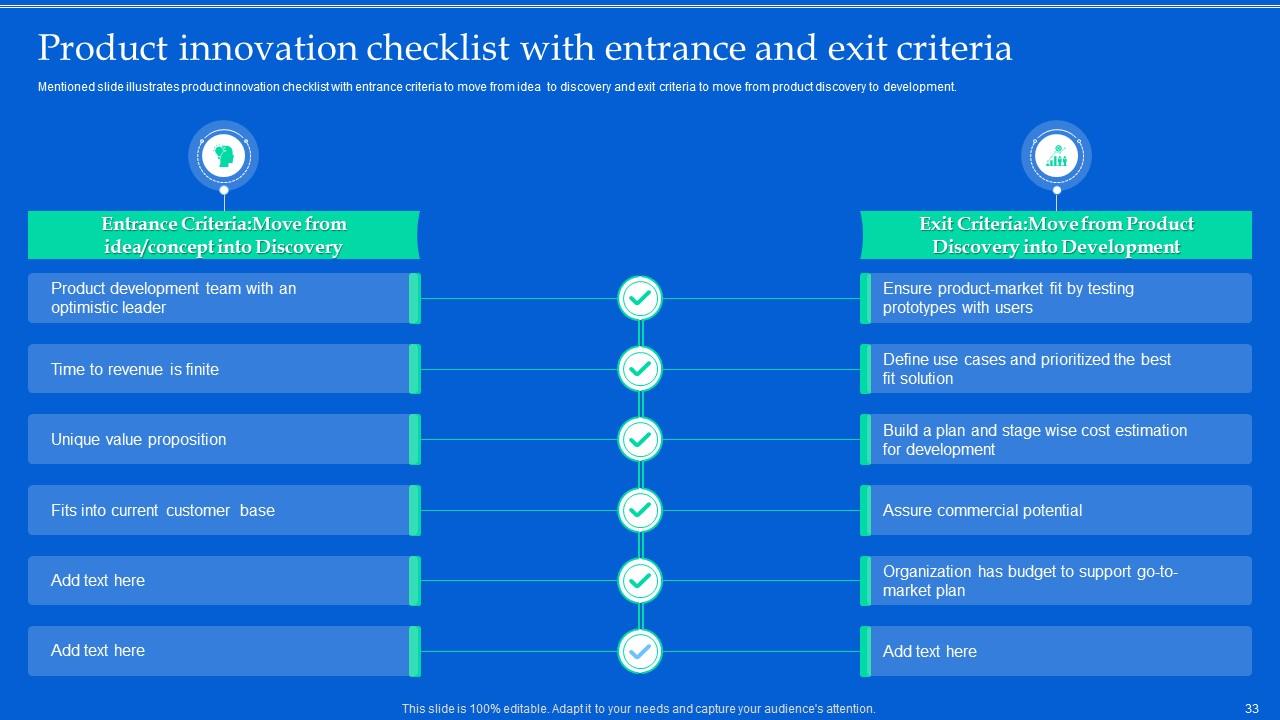
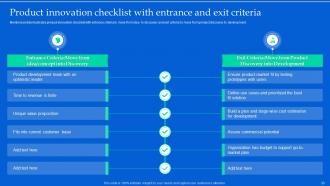
Slide 33 : Este slide exibe a lista de verificação de inovação de produto com critérios de entrada e saída.
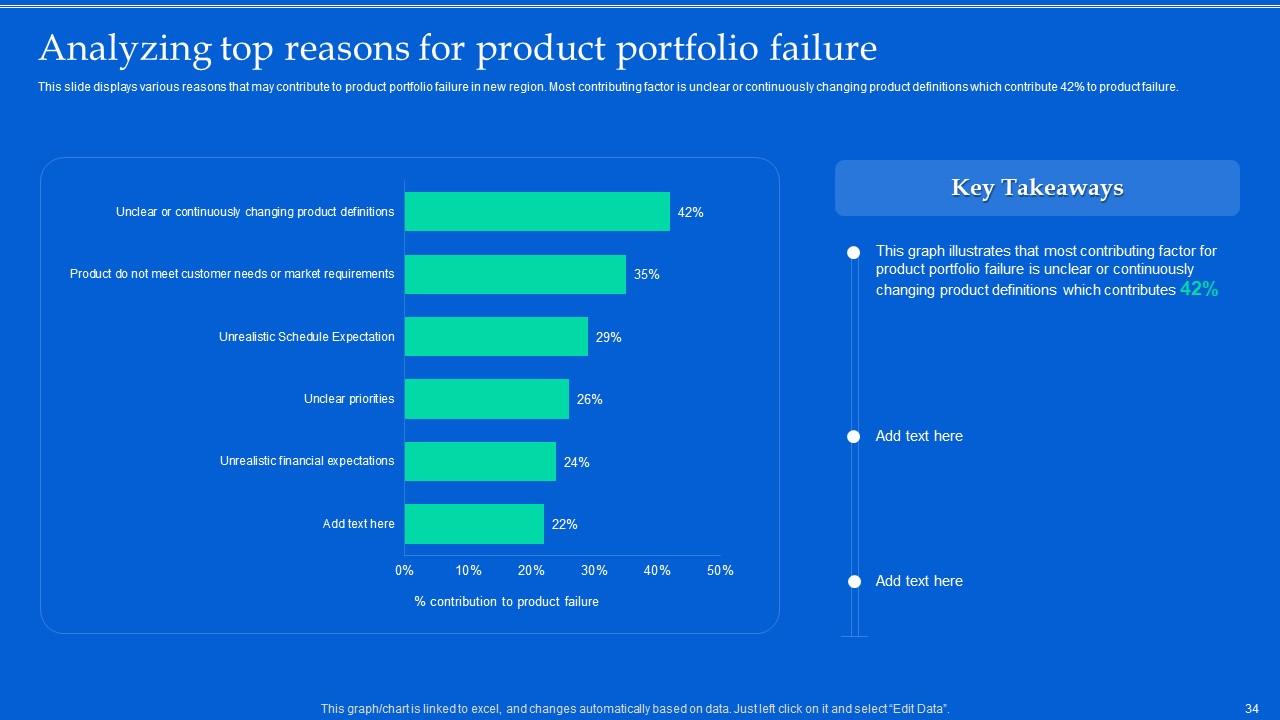
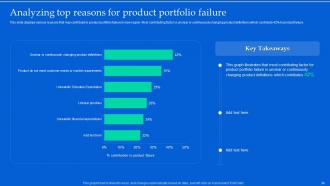
Slide 34 : Este slide representa a análise dos principais motivos para a falha do portfólio de produtos.
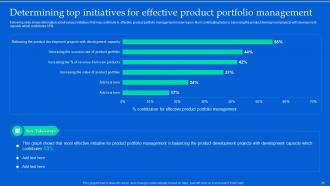
Slide 35 : Este slide mostra como determinar as principais iniciativas para o gerenciamento eficaz do portfólio de produtos.
Slide 36 : Este slide destaca o título dos tópicos que serão abordados a seguir no modelo.
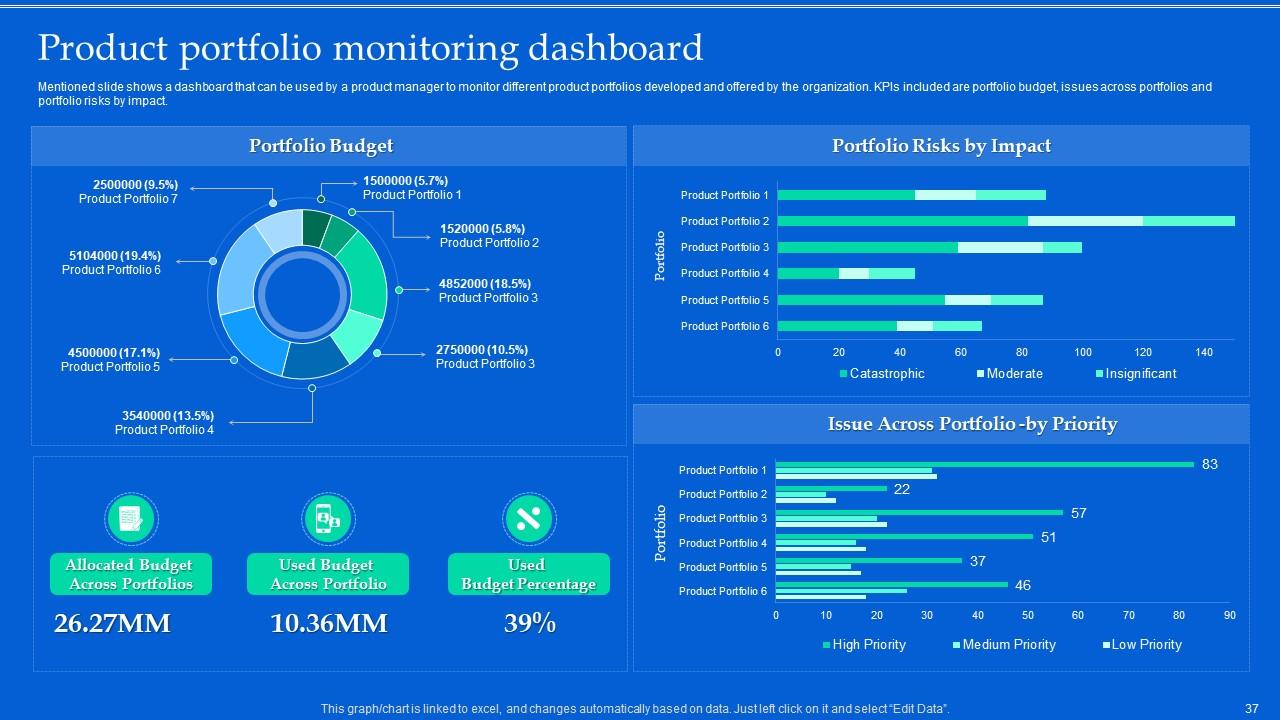
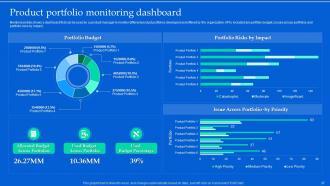
Slide 37 : Este slide mostra o Painel de Monitoramento de Portfólio de Produtos.
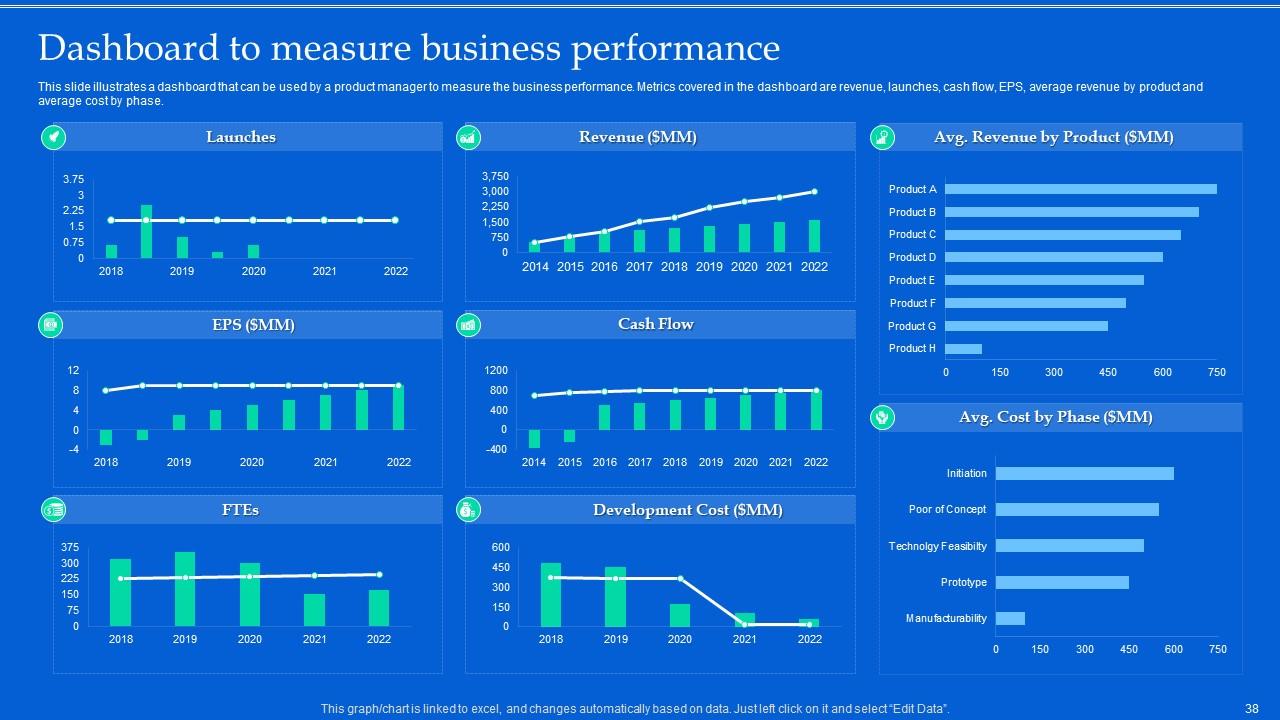
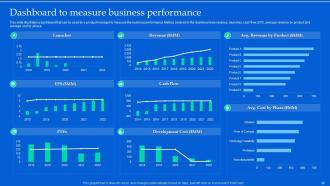
Slide 38 : Este slide apresenta o Dashboard para medir o desempenho dos negócios.
Slide 39 : Este slide contém todos os ícones usados nesta apresentação.
Slide 40 : Este slide é intitulado como Slides adicionais para avançar.
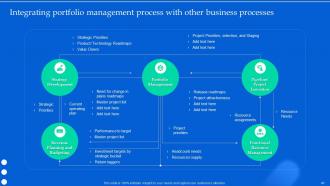
Slide 41 : Este slide mostra a integração do processo de gerenciamento de portfólio com outros processos de negócios.
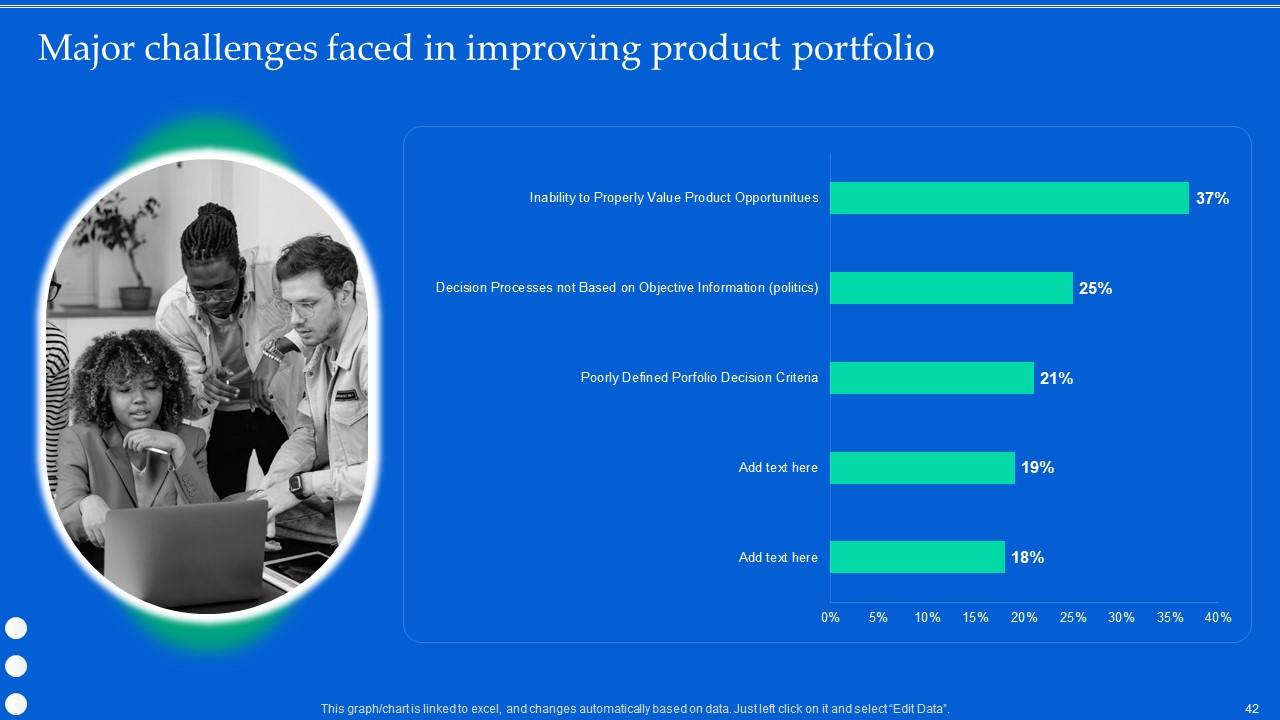
Slide 42 : Este slide apresenta os principais desafios enfrentados na melhoria do portfólio de produtos.
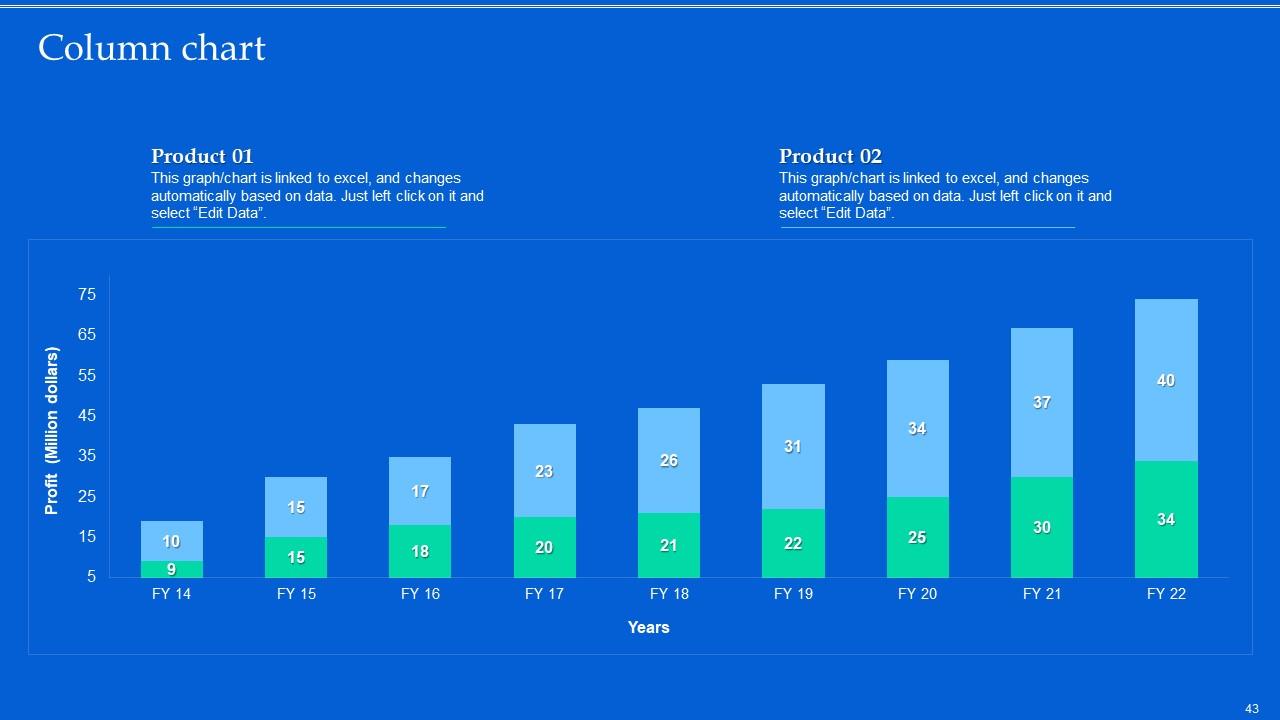
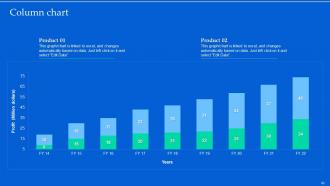
Slide 43 : Este slide exibe o gráfico de colunas com a comparação de dois produtos.
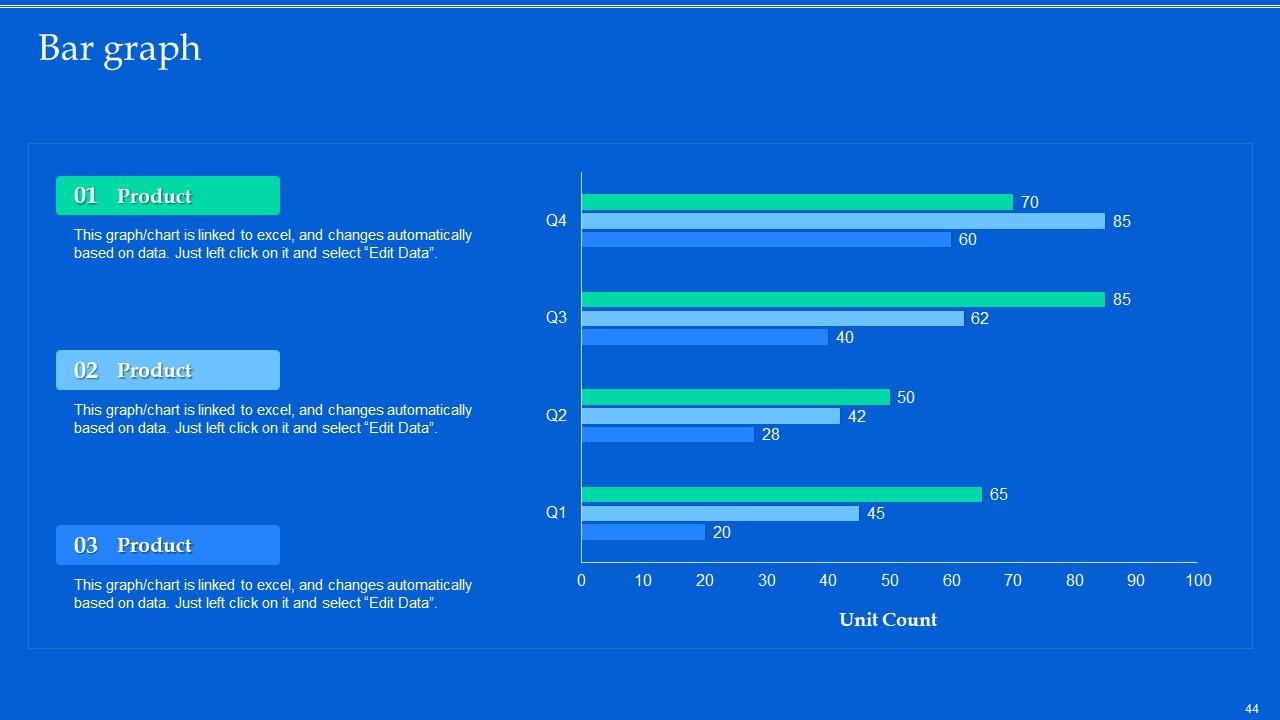
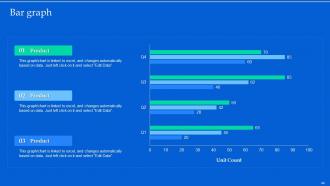
Slide 44 : Este slide apresenta o gráfico de barras com comparação de dois produtos.
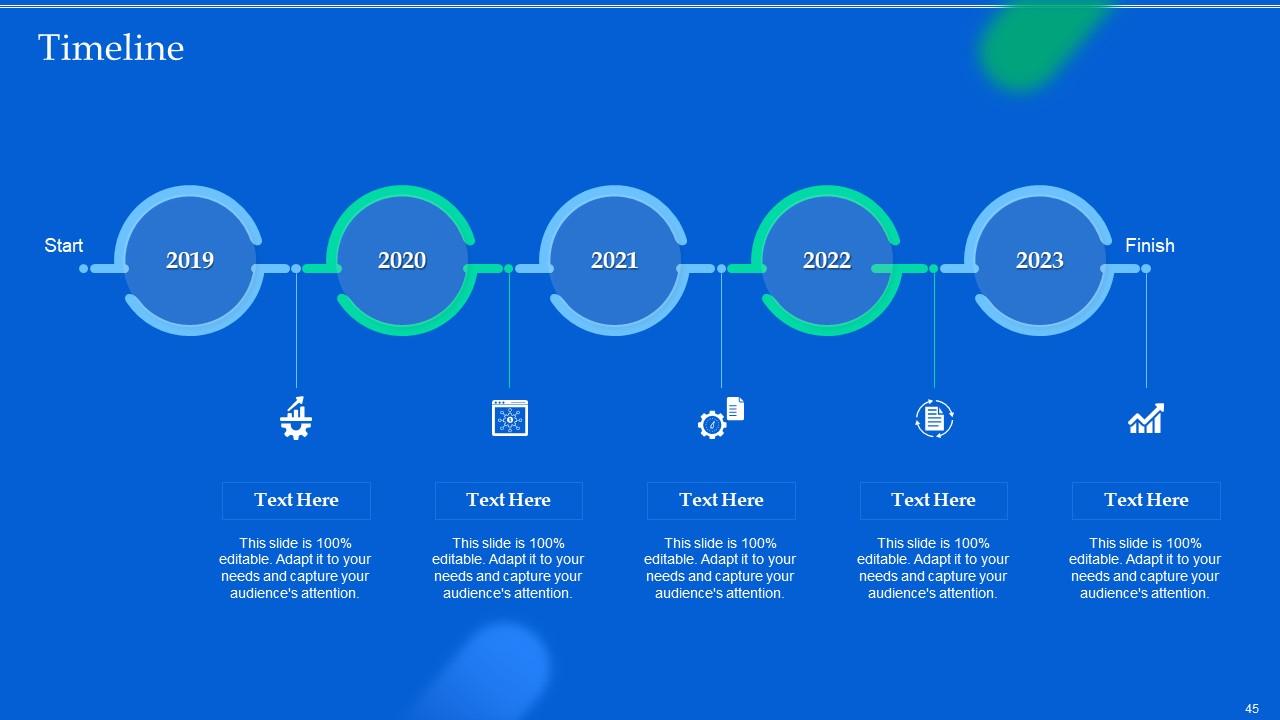
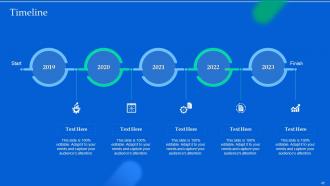
Slide 45 : Este é um slide da linha do tempo. Mostrar dados relacionados a intervalos de tempo aqui.
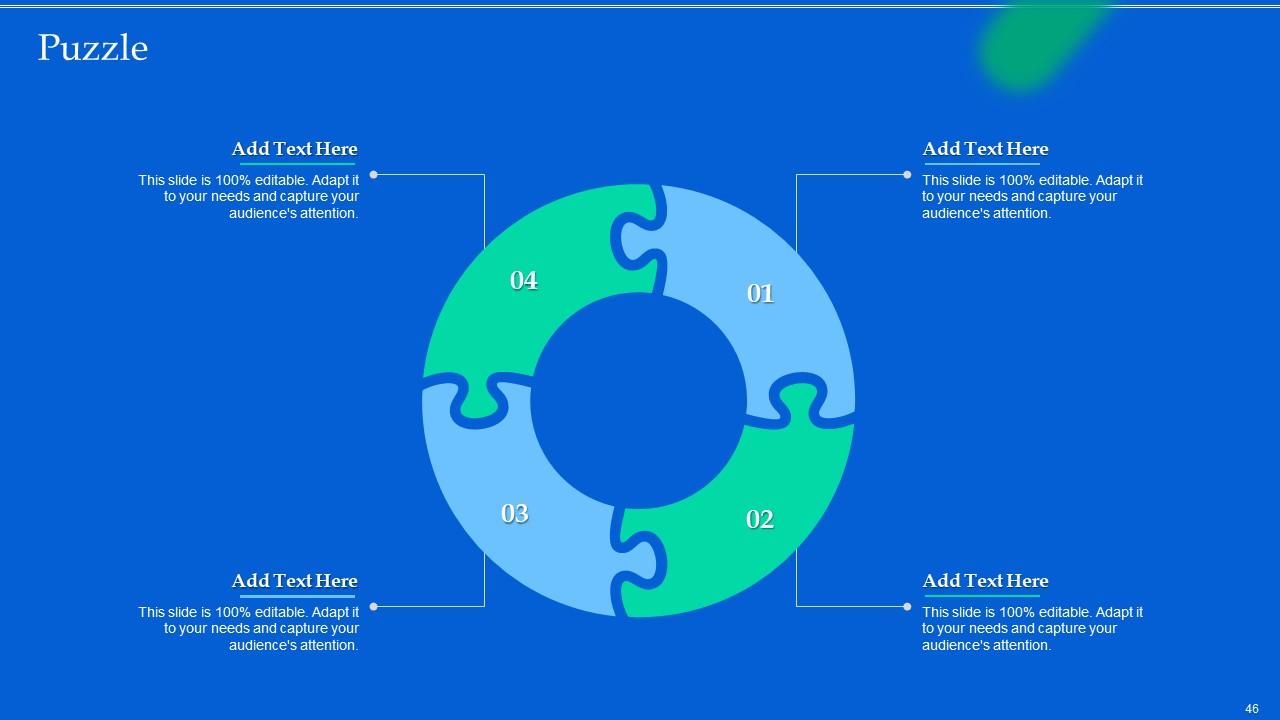
Slide 46 : Este slide contém um quebra-cabeça com ícones e texto relacionados.
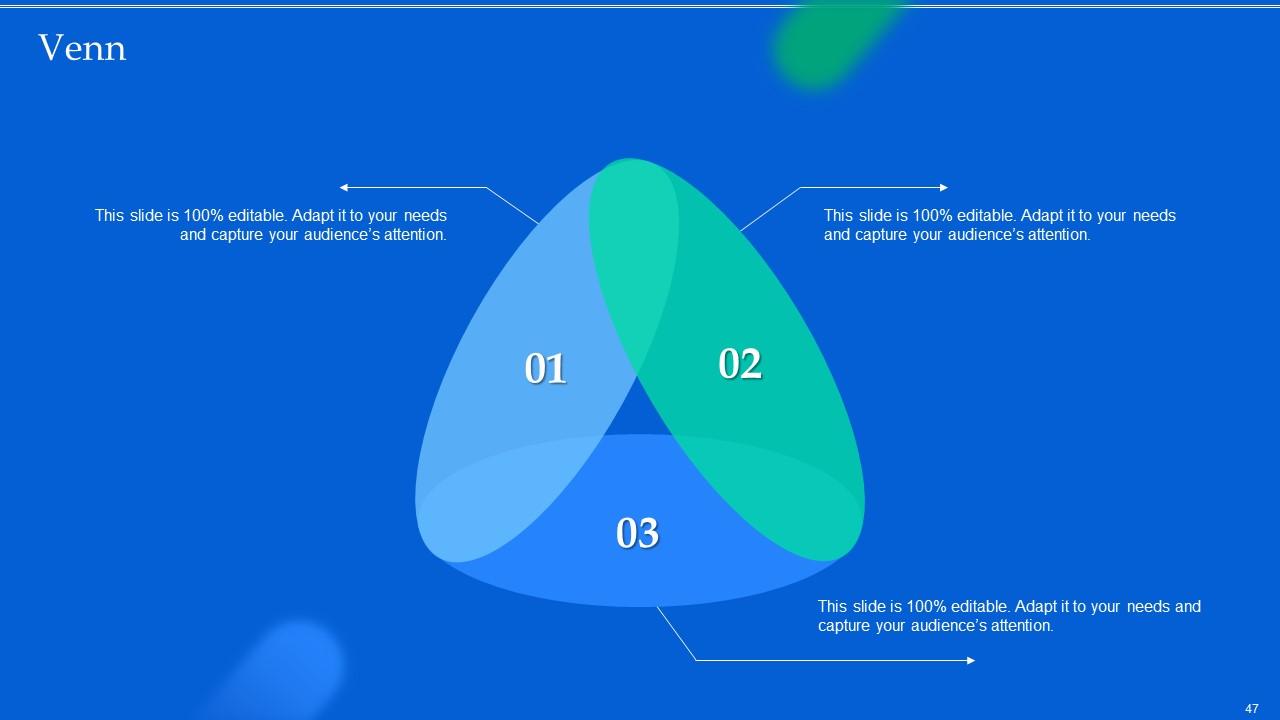
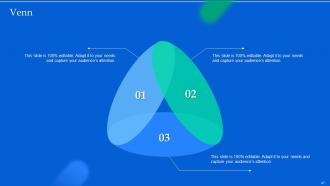
Slide 47 : Este slide mostra o diagrama de Venn com caixas de texto.
Slide 48 : Este slide mostra Post-Its. Poste suas notas importantes aqui.
Slide 49 : Este é um slide de agradecimento com endereço, números de contato e endereço de e-mail.
Alinhamento de Portfólios de Produtos com Planos Estratégicos Slides de apresentação em Powerpoint com todos os 54 slides:
Use nossos slides de apresentação do Powerpoint de alinhamento de produtos com planos estratégicos para ajudá-lo efetivamente a economizar seu valioso tempo. Eles estão prontos para caber em qualquer estrutura de apresentação.
-
“You have the structure in place that are easy to explore new opportunities.I will be recommending your services to other people.”
-
If you have visited their site and failed to find the products, try reaching the customer service because it will be the case that you didn't use the search bar well.
