


Applications Of RFID In Asset Tracking Powerpoint Presentation Slides
An asset tracking system is a technique to monitor an organizations assets more efficiently to enhance customer service and improve equipment longevity. Grab our Applications of RFID in asset tracking template. It is expertly crafted to keep track of purchases to strengthen security and IT safety. Our IT asset management deck provides the latest technology trends for keeping track of assets. It involves the current scenario of an organizations asset and inventory management systems. Additionally, our Inventory management system PPT offers essential methods of an asset tracking system such as RFID tags, barcode scanning, Bluetooth low energy, near-field communication, and more. It further showcases detailed working and key benefits of implementing these systems. Furthermore, our RFID integration module includes a workflow chart and the roles and responsibilities of the HR manager and team. It contains cost analysis and comparative software assessment for enhancing overall performance. Lastly, our Asset management template exhibits the KPI dashboards and impact analysis for measuring the effectiveness of implementing a tracking system. Get instant access.
An asset tracking system is a technique to monitor an organizations assets more efficiently to enhance customer service and..


















-

- Google Slides is a new FREE Presentation software from Google.
- All our content is 100% compatible with Google Slides.
- Just download our designs, and upload them to Google Slides and they will work automatically.
- Amaze your audience with SlideTeam and Google Slides.
-

Want Changes to This PPT Slide? Check out our Presentation Design Services
-

- WideScreen Aspect ratio is becoming a very popular format. When you download this product, the downloaded ZIP will contain this product in both standard and widescreen format.
-

- Some older products that we have may only be in standard format, but they can easily be converted to widescreen.
- To do this, please open the SlideTeam product in Powerpoint, and go to
- Design ( On the top bar) -> Page Setup -> and select "On-screen Show (16:9)” in the drop down for "Slides Sized for".
- The slide or theme will change to widescreen, and all graphics will adjust automatically. You can similarly convert our content to any other desired screen aspect ratio.
Compatible With Google Slides

Get This In WideScreen
You must be logged in to download this presentation.


Do you want to remove this product from your favourites?
PowerPoint presentation slides
Deliver this complete deck to your team members and other collaborators. Encompassed with stylized slides presenting various concepts, this Applications Of RFID In Asset Tracking Powerpoint Presentation Slides is the best tool you can utilize. Personalize its content and graphics to make it unique and thought-provoking. All the fifty eight slides are editable and modifiable, so feel free to adjust them to your business setting. The font, color, and other components also come in an editable format making this PPT design the best choice for your next presentation. So, download now.

People who downloaded this PowerPoint presentation also viewed the following :
Content of this Powerpoint Presentation
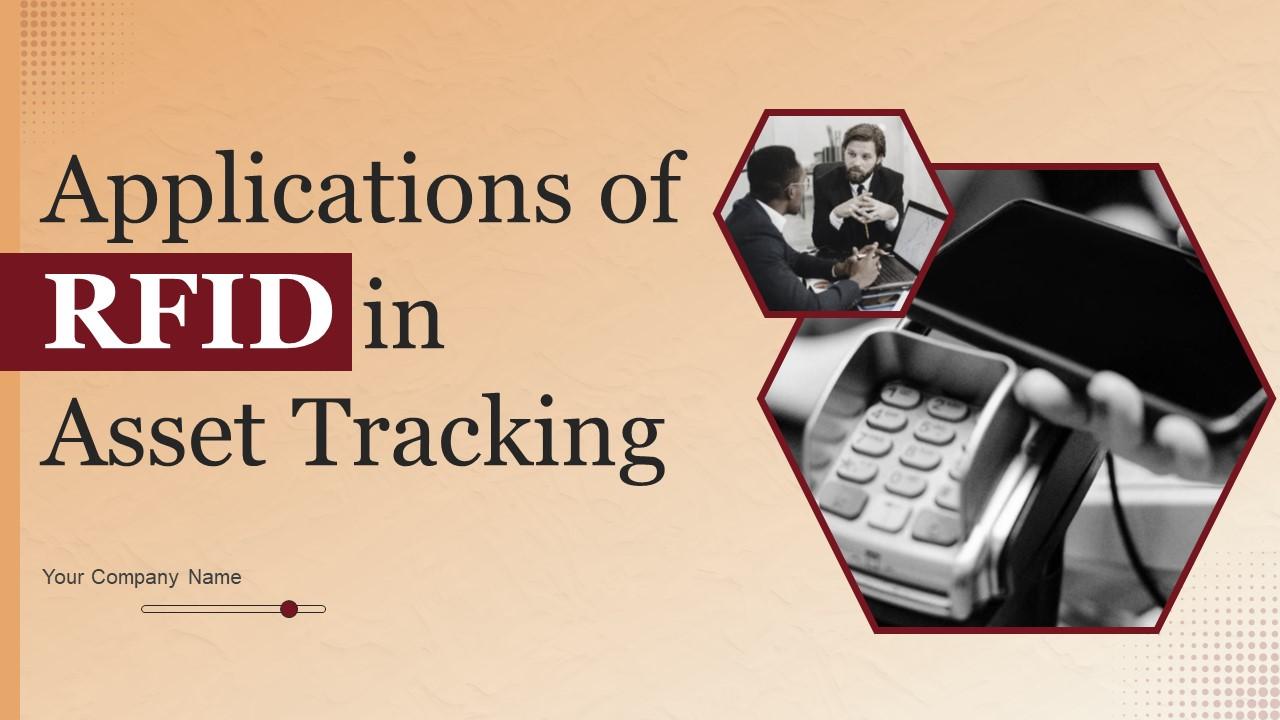
Slide 1: This slide introduces Applications of RFID in asset tracking. Commence by stating Your Company Name.
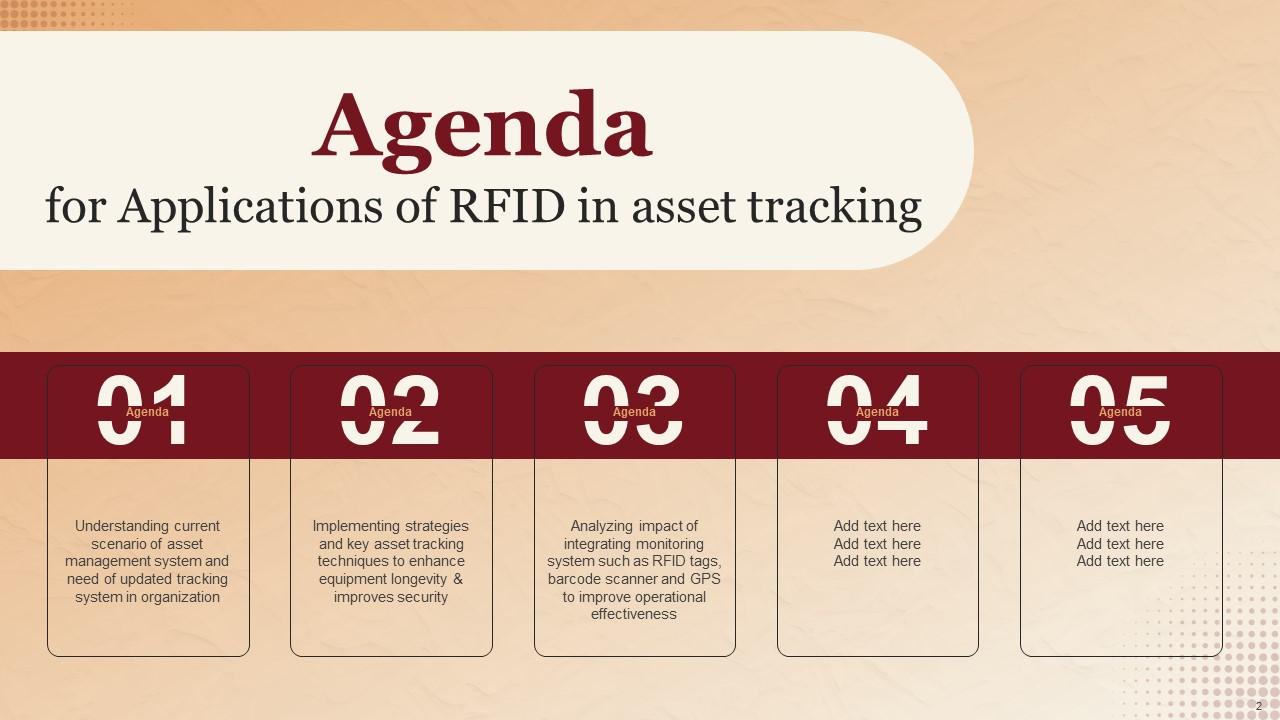
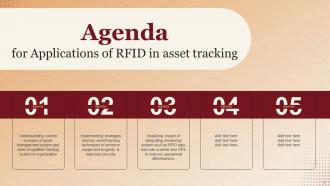
Slide 2: This slide depicts the Agenda of the presentation.
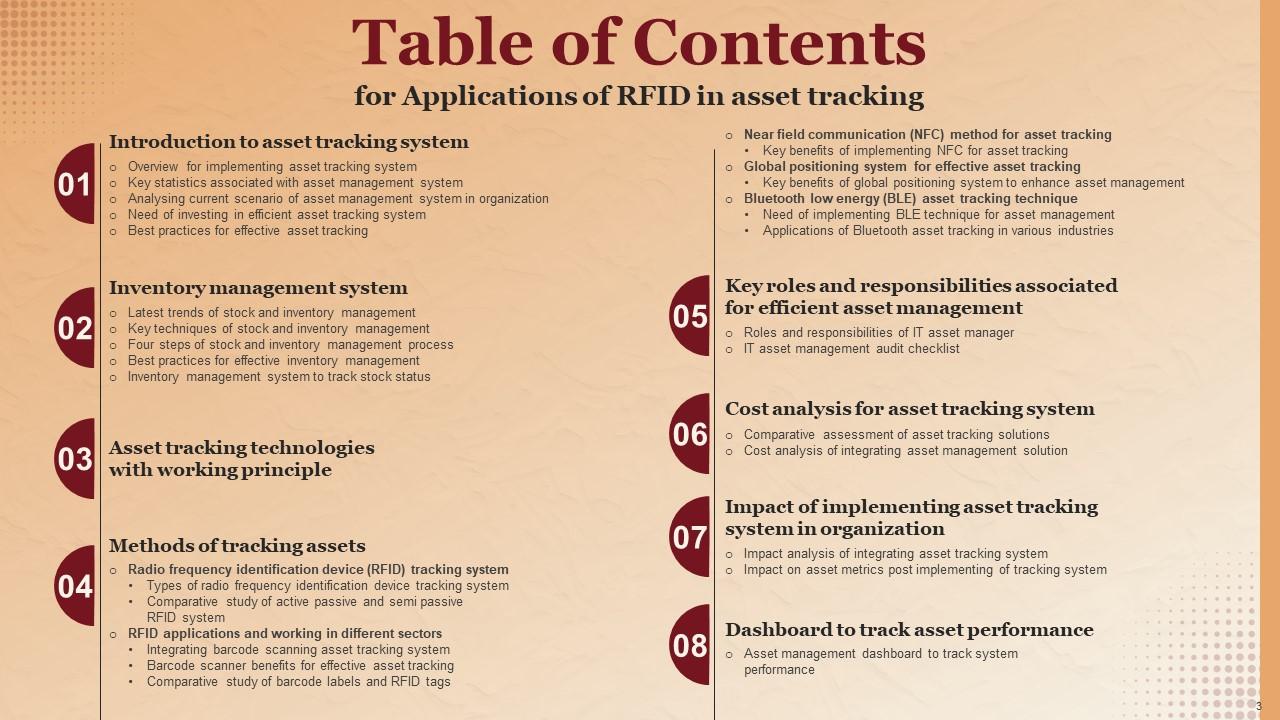
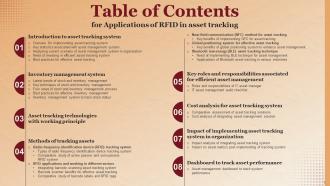
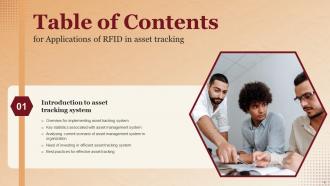
Slide 3: This slide incorporates the Table of Contents.
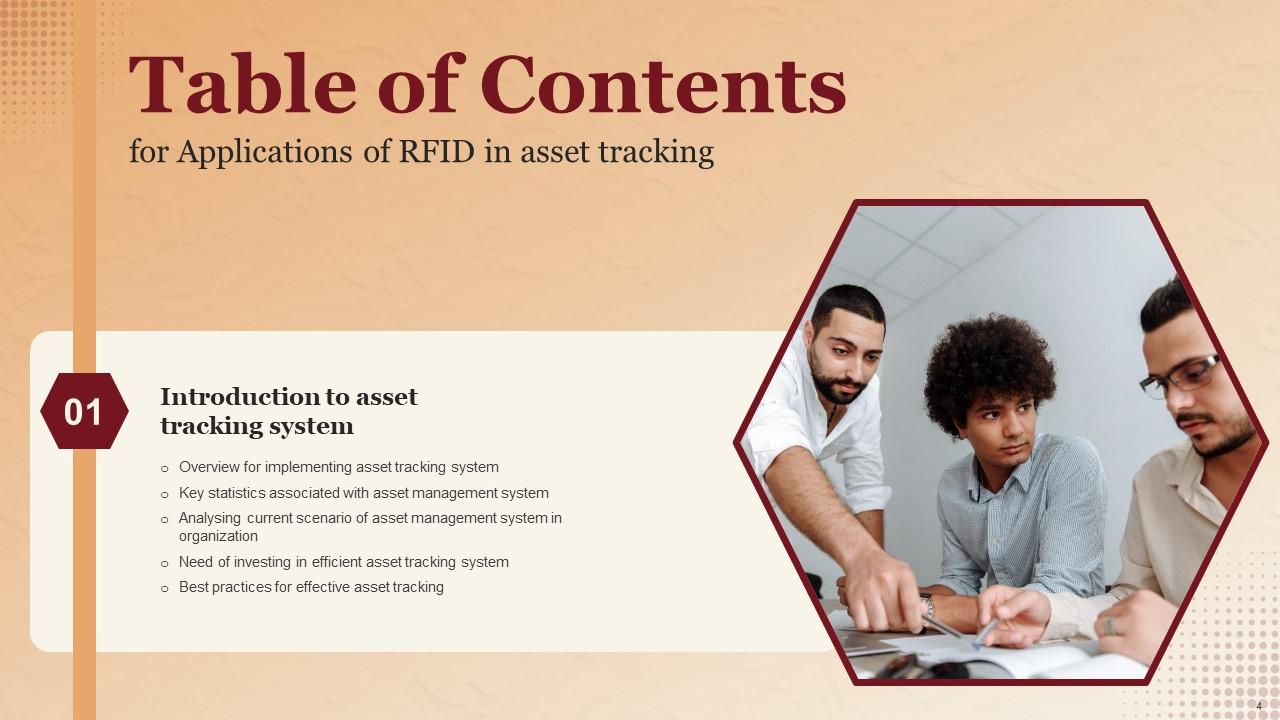
Slide 4: This slide highlights the Title for the Topics to be covered further.
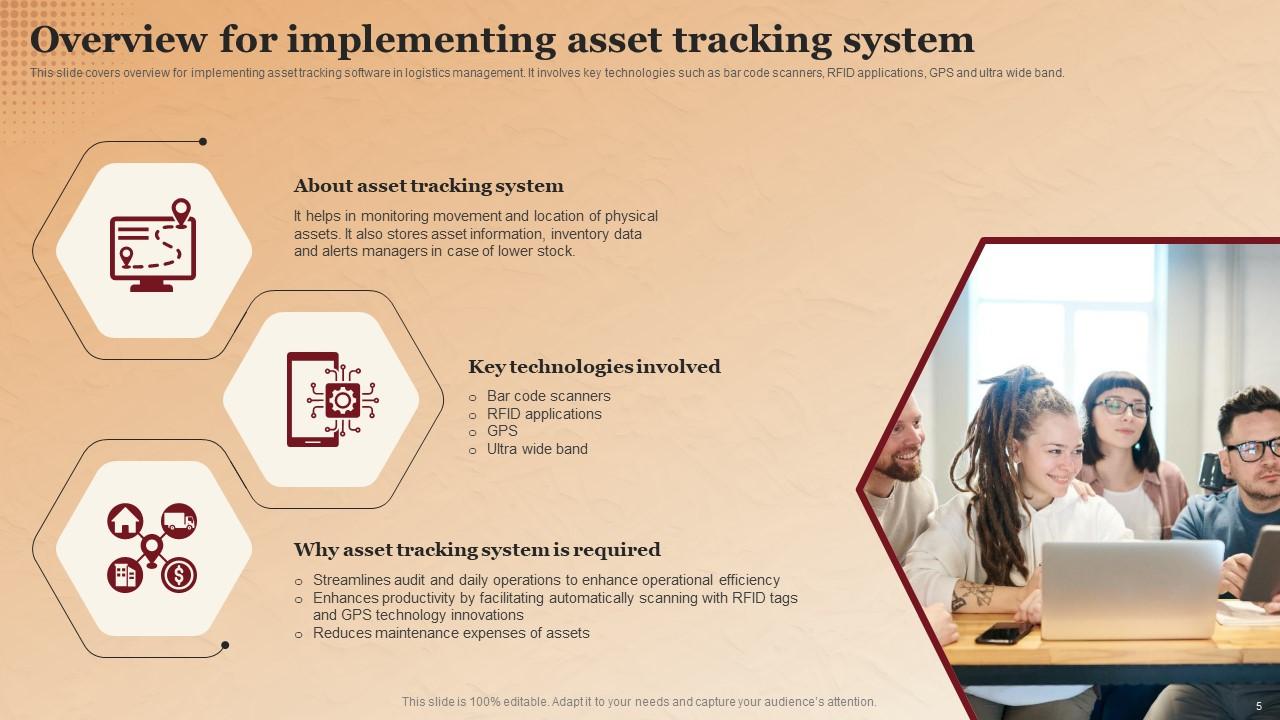
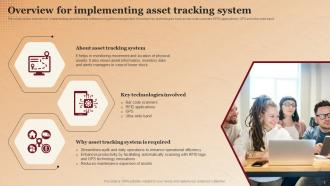
Slide 5: This slide presents an Overview for implementing asset tracking system.
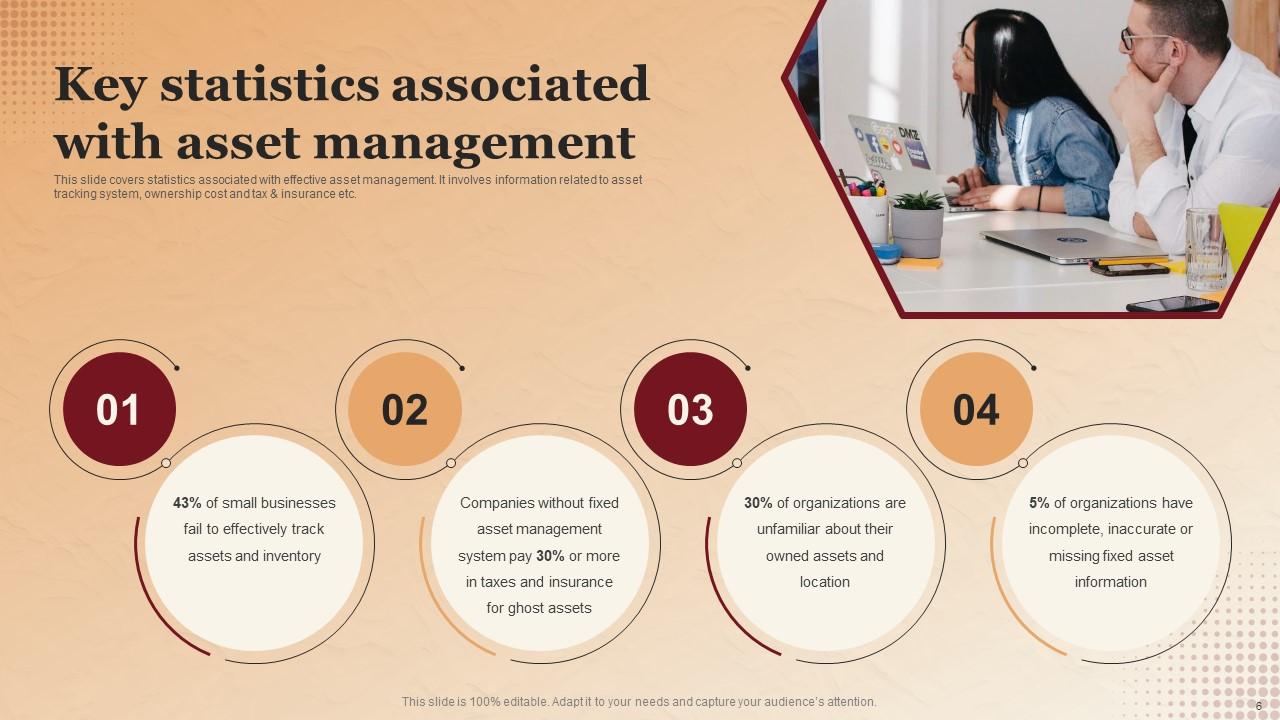
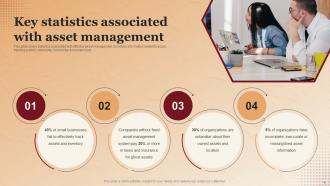
Slide 6: This slide exhibits the Key statistics associated with asset management.
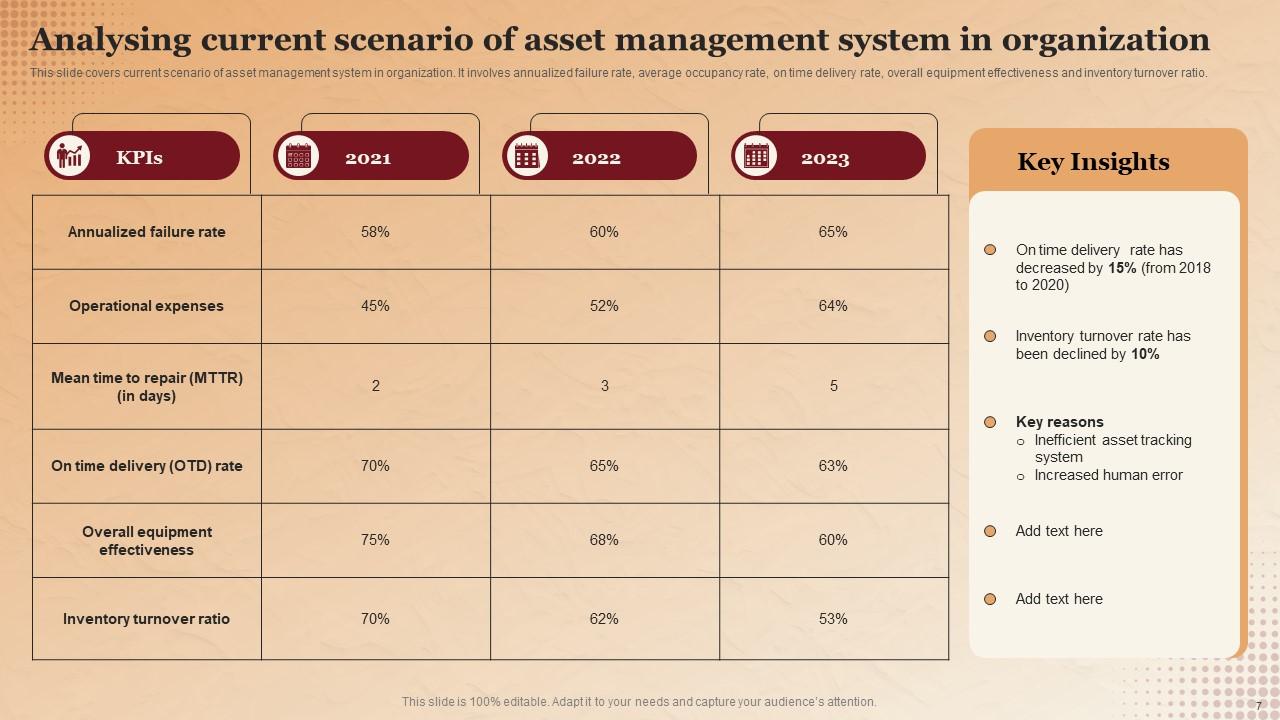
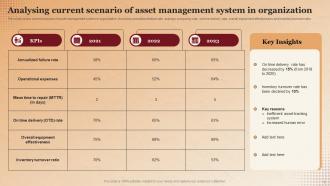
Slide 7: This slide deals with Analysing current scenario of asset management system in organization.
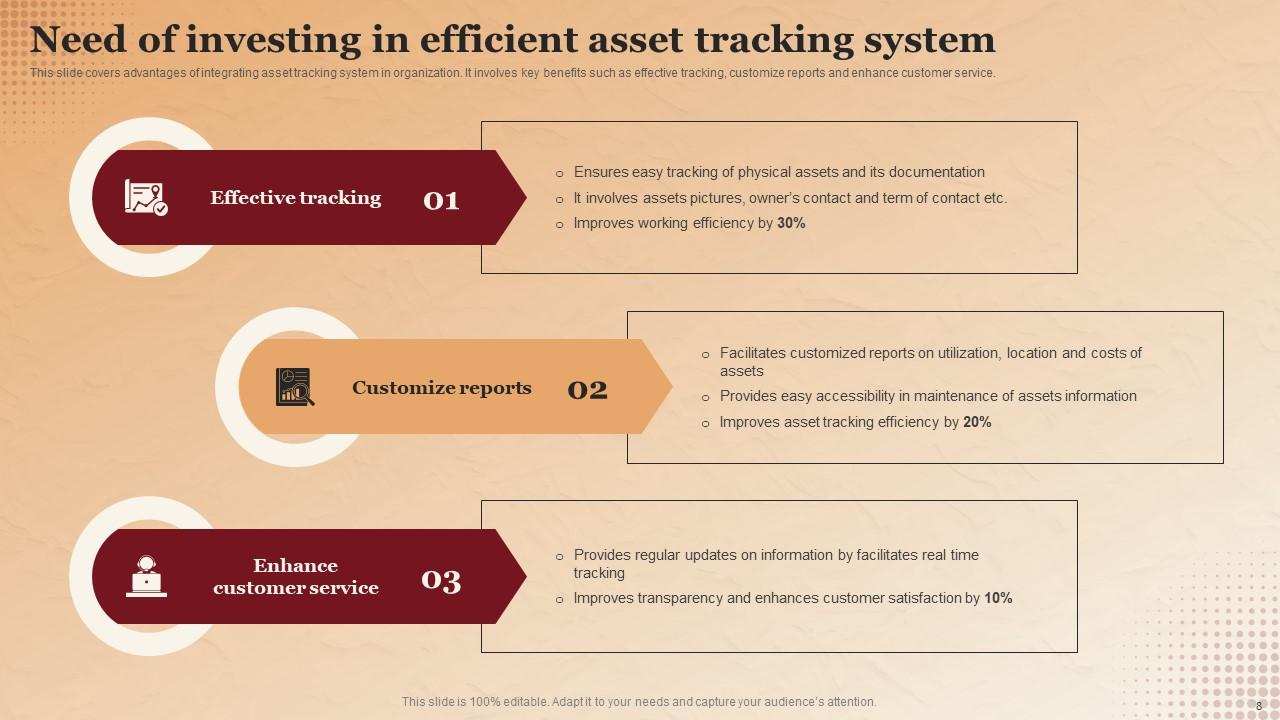
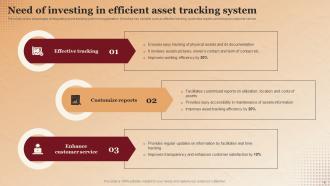
Slide 8: This slide portrays the Need of investing in efficient asset tracking system.
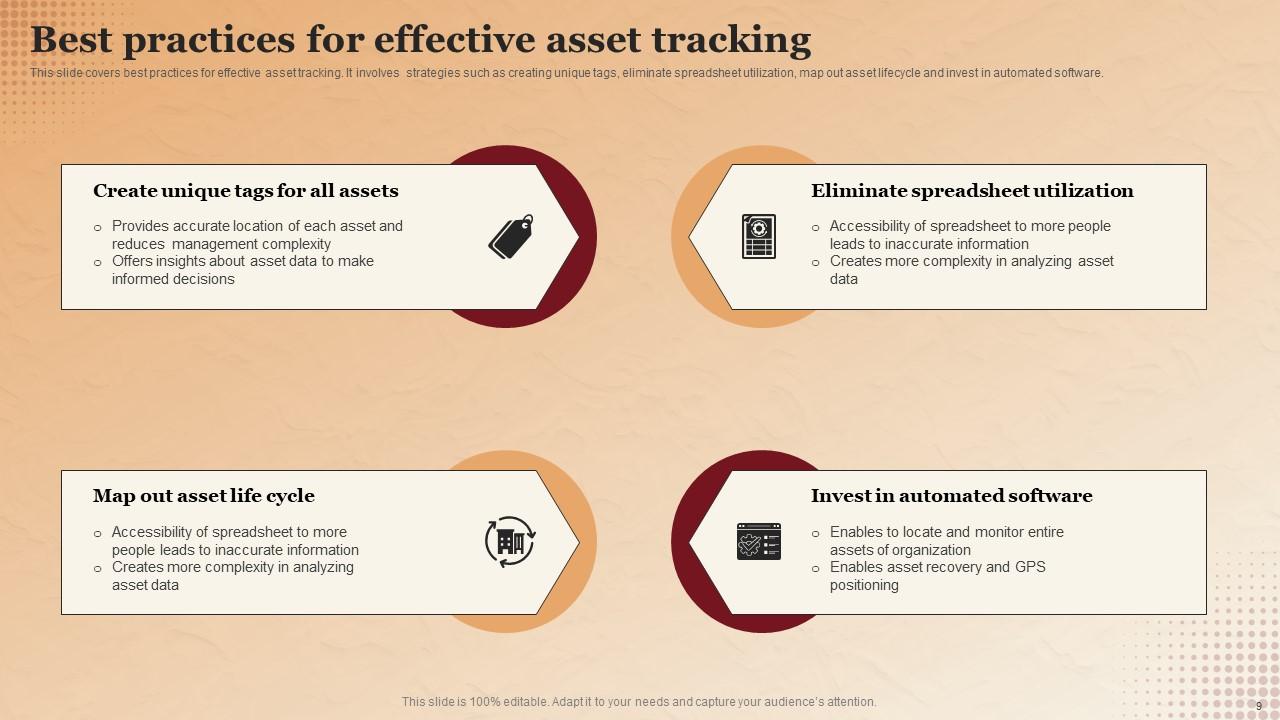
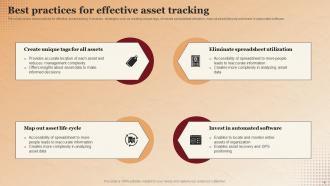
Slide 9: This slide covers best practices for effective asset tracking.
Slide 10: This slide includes the Heading for the Contents to be discussed next.
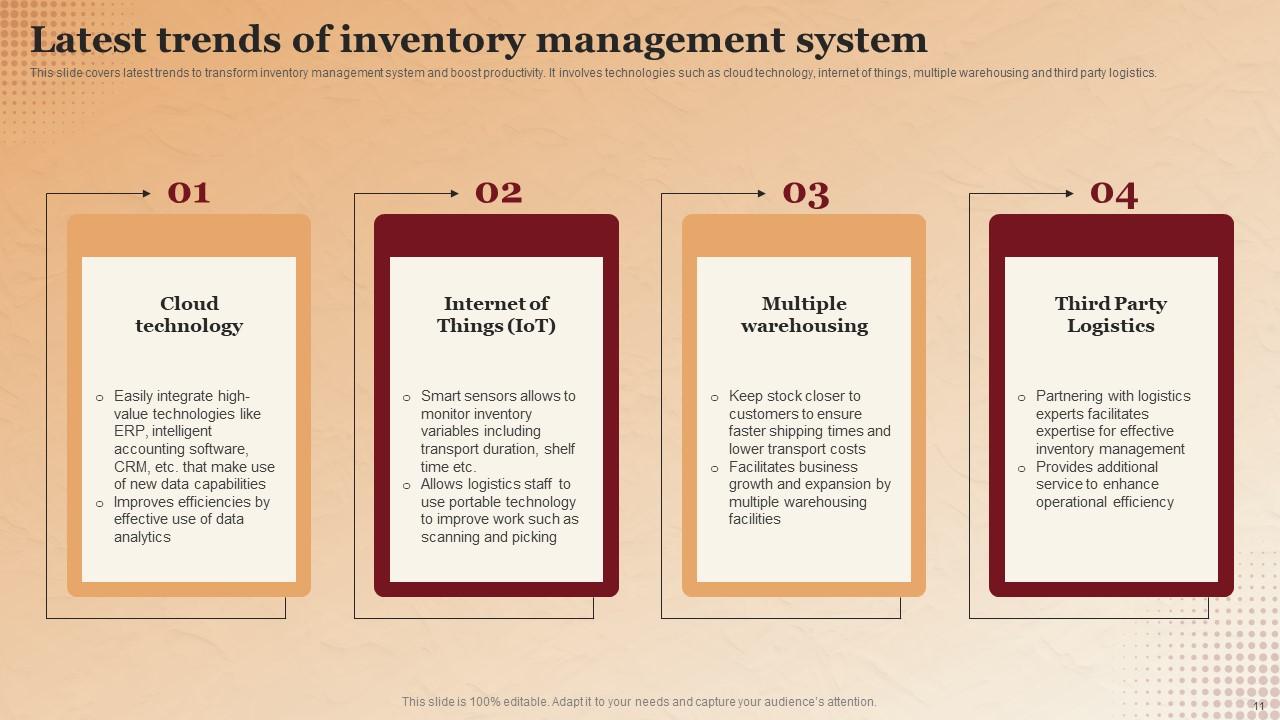
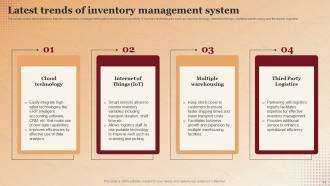
Slide 11: This slide talks about the Latest trends of inventory management system.
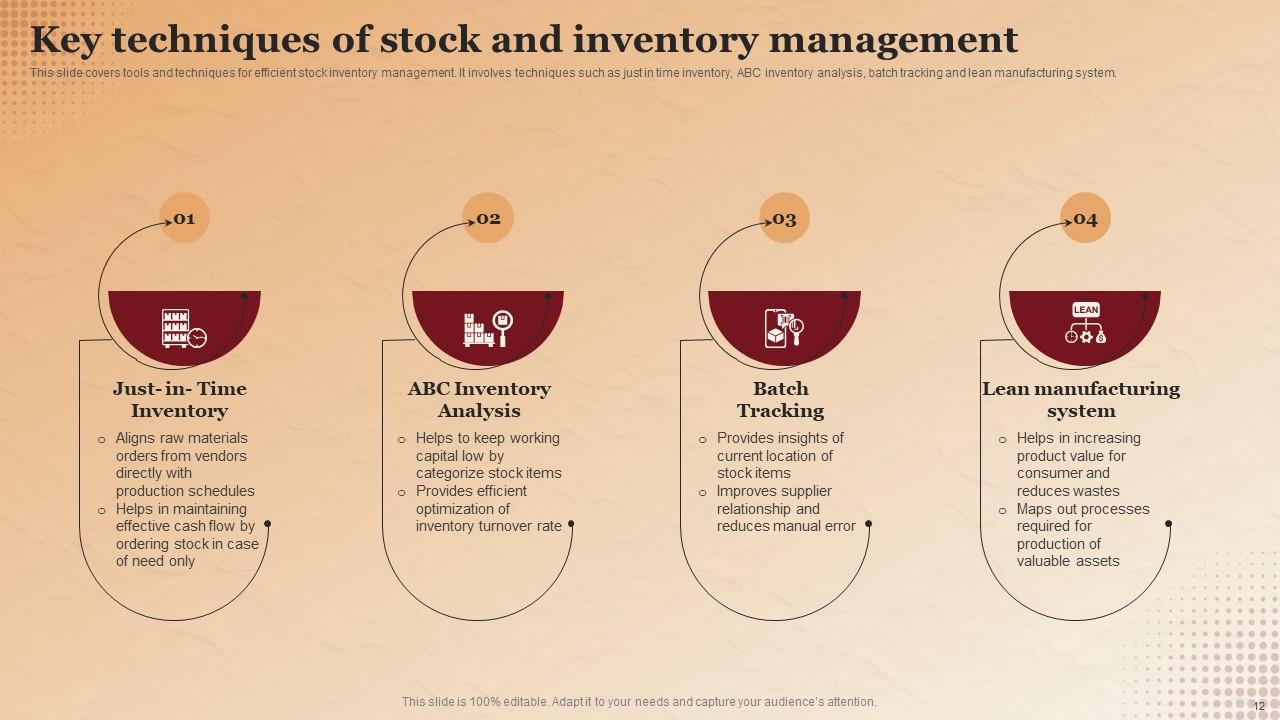
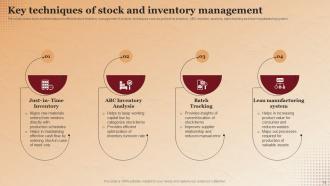
Slide 12: This slide showcases the Key techniques of stock and inventory management.
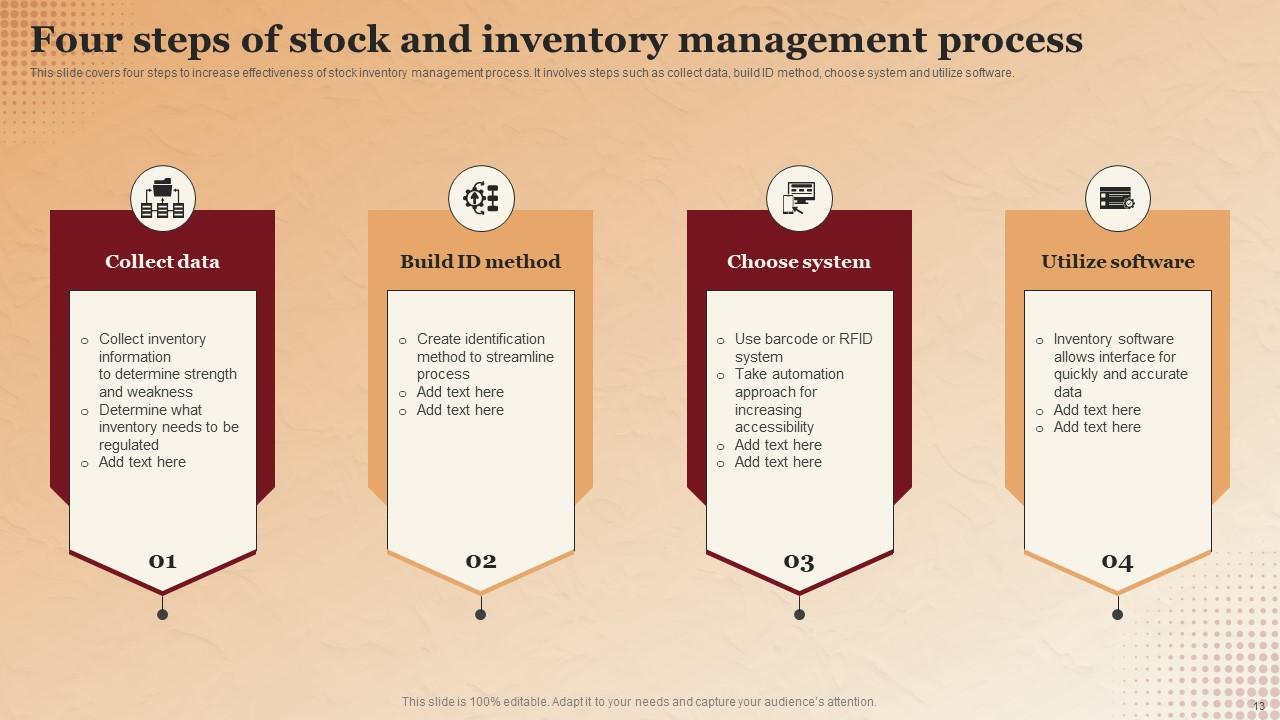
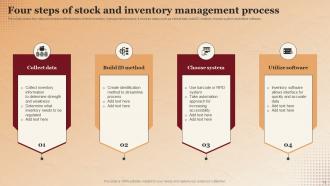
Slide 13: This slide states the Four steps of stock and inventory management process.
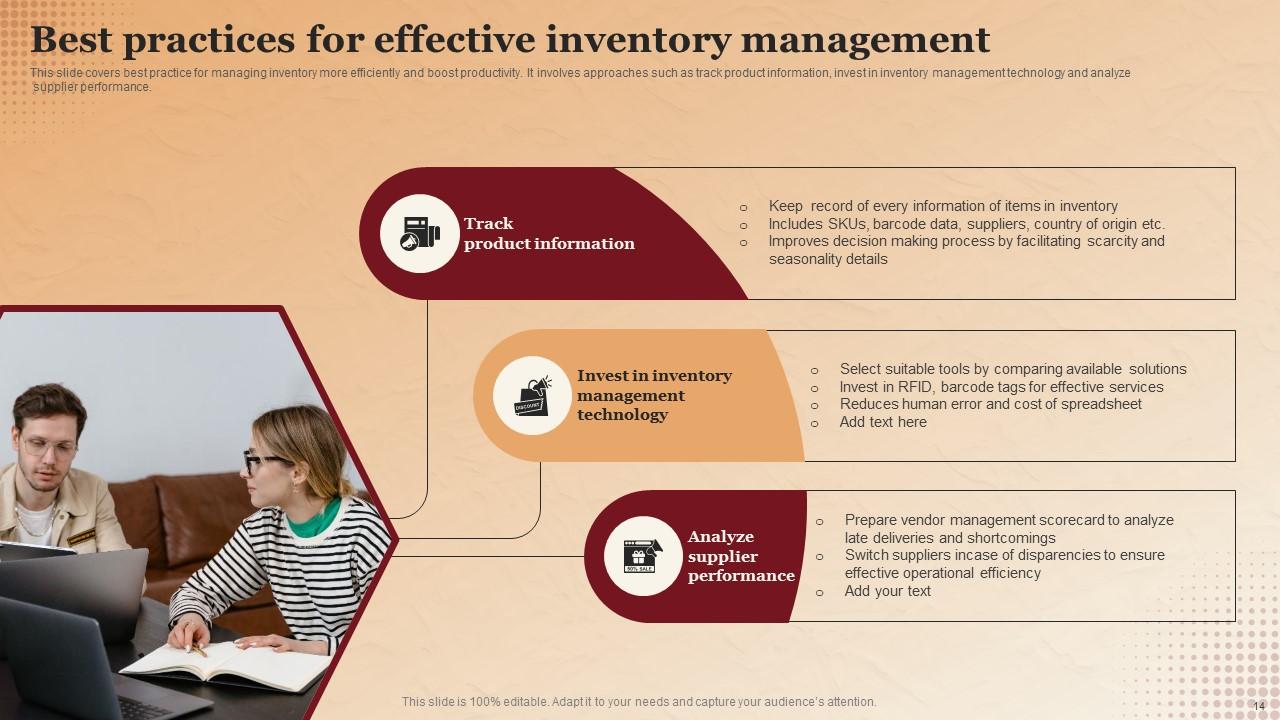
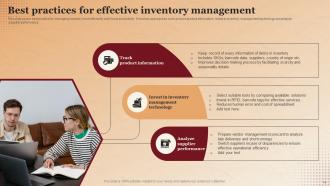
Slide 14: This slide reveals the Best practices for effective inventory management.
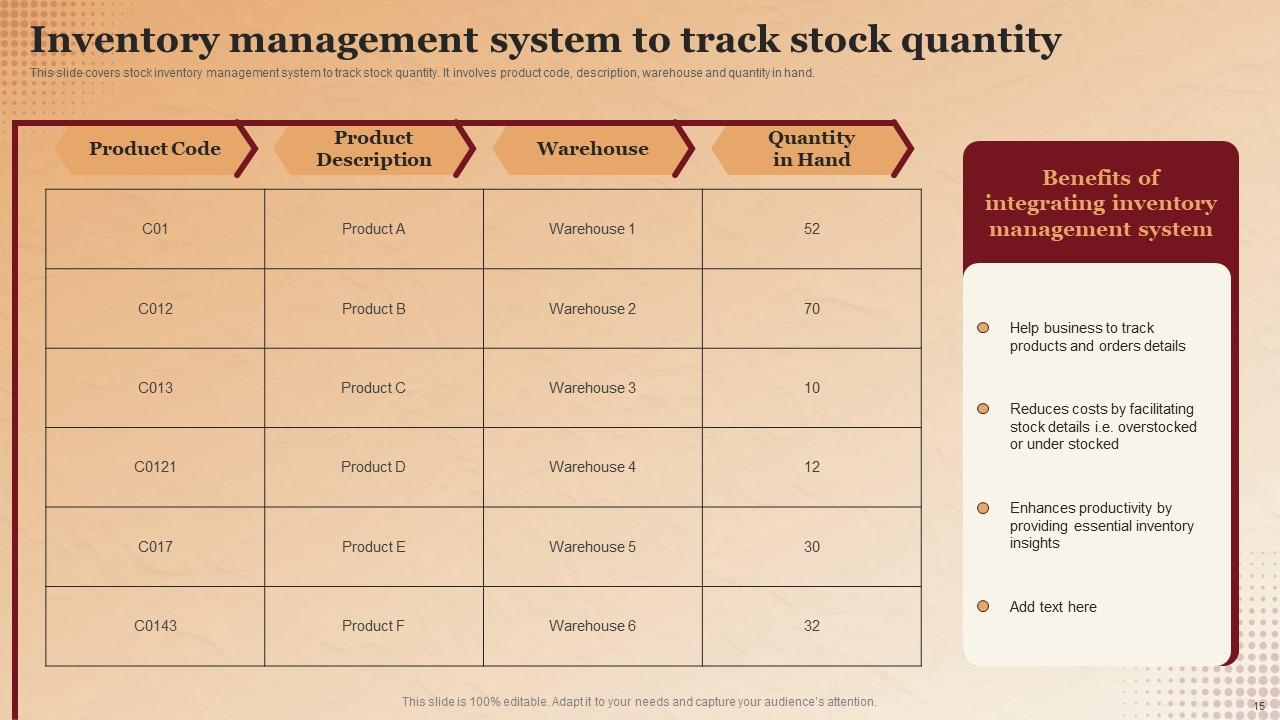
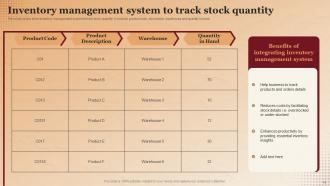
Slide 15: This slide covers stock inventory management system to track stock quantity.
Slide 16: This slide indicates the Title for the Ideas to be covered in the upcoming template.
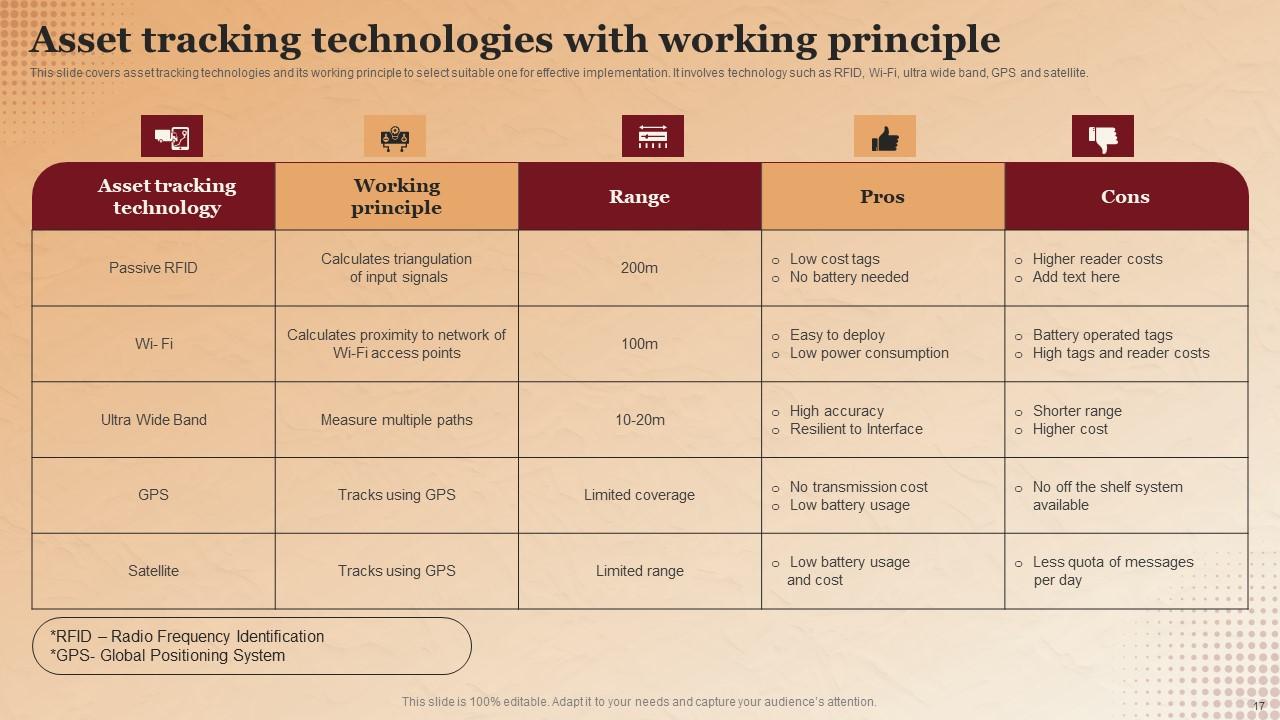
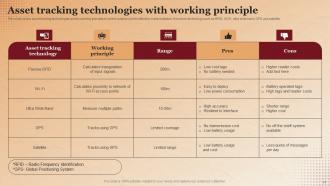
Slide 17: This slide highlights the Asset tracking technologies with working principle.
Slide 18: This slide represents the Heading for the Ideas to be discussed next.
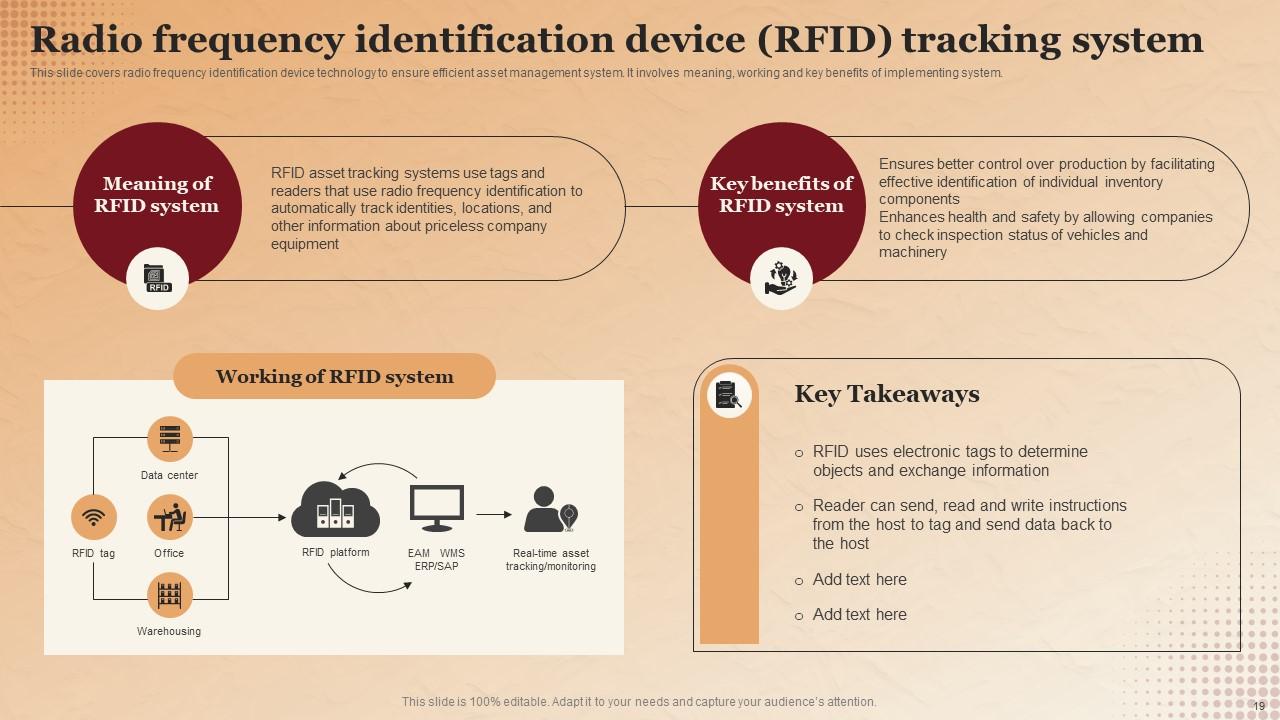
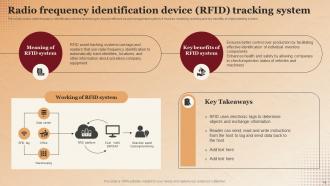
Slide 19: This slide focuses on the Radio frequency identification device (RFID) tracking system.
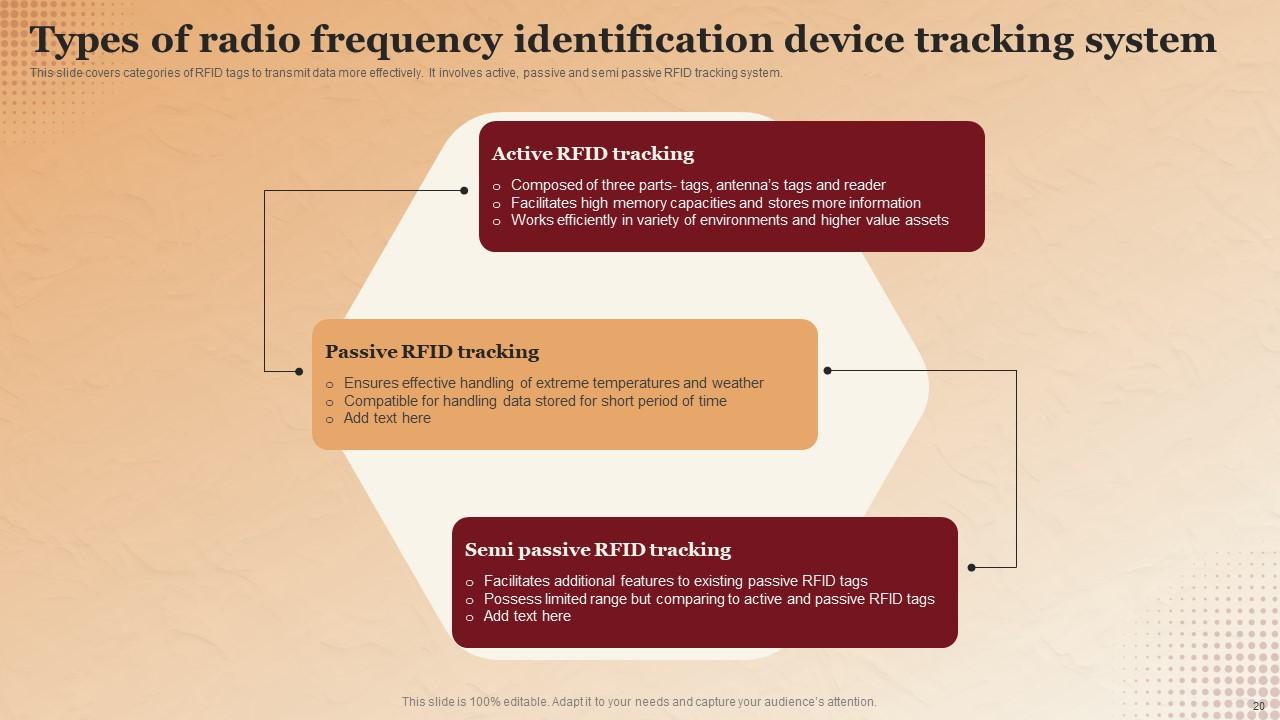
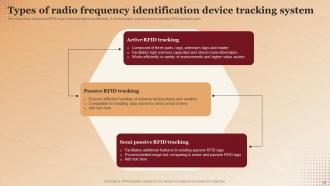
Slide 20: This slide states the Types of radio frequency identification device tracking system.
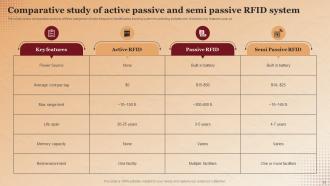
Slide 21: This slide illustrates the Comparative study of active passive and semi passive RFID system.
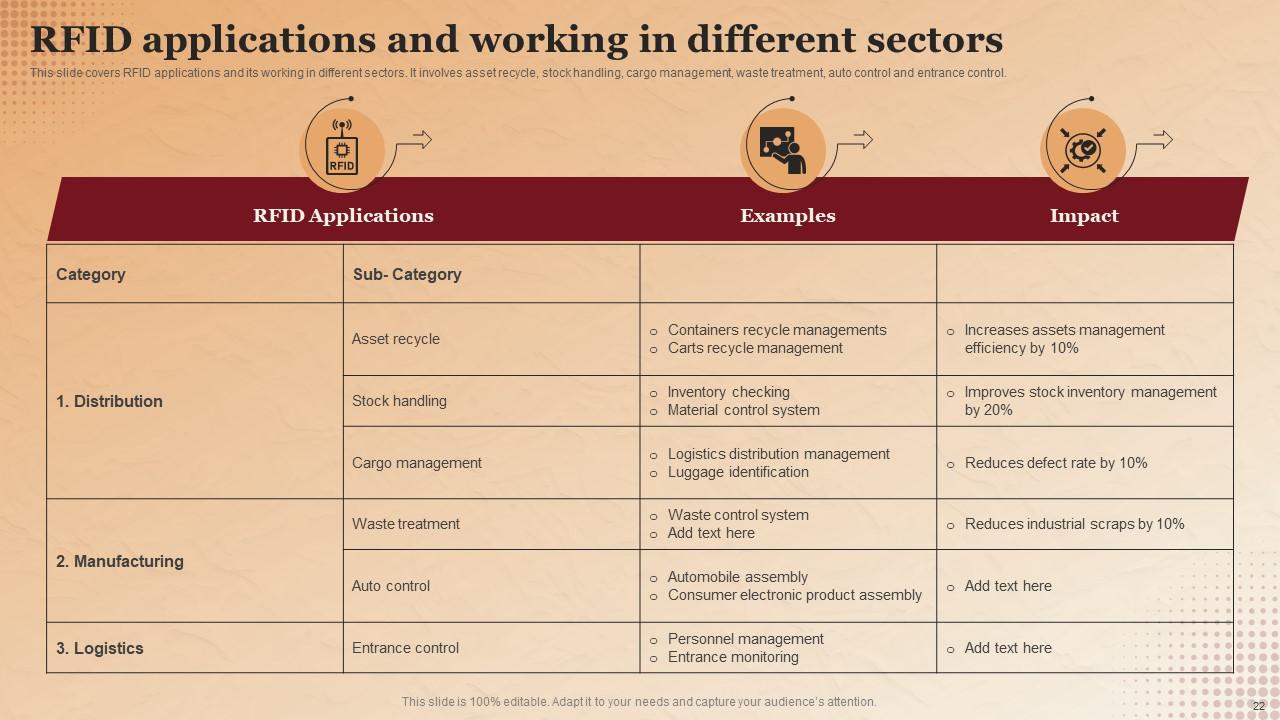
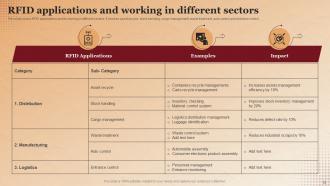
Slide 22: This slide covers RFID applications and its working in different sectors.
Slide 23: This slide mentions the Title for the Contents to be covered in the forth-coming template.
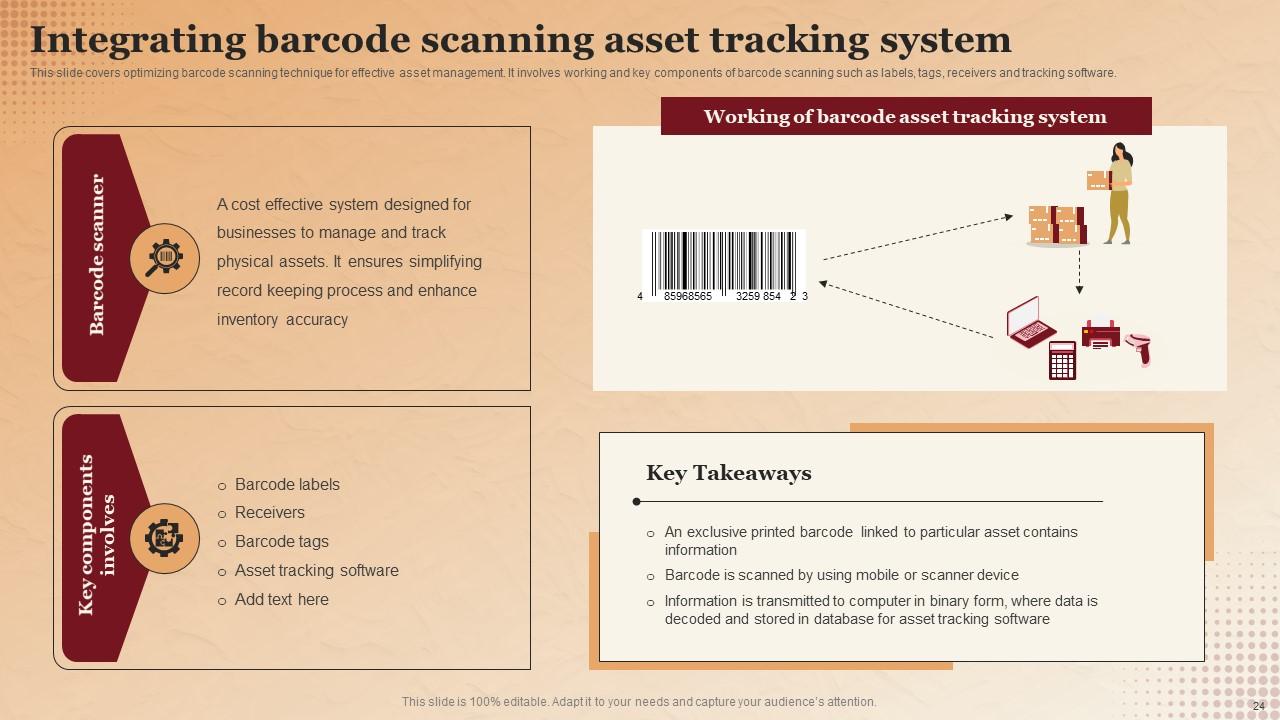
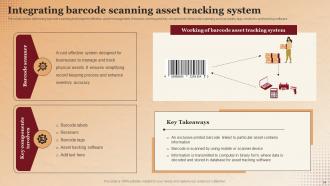
Slide 24: This slide deals with Integrating barcode scanning asset tracking system.
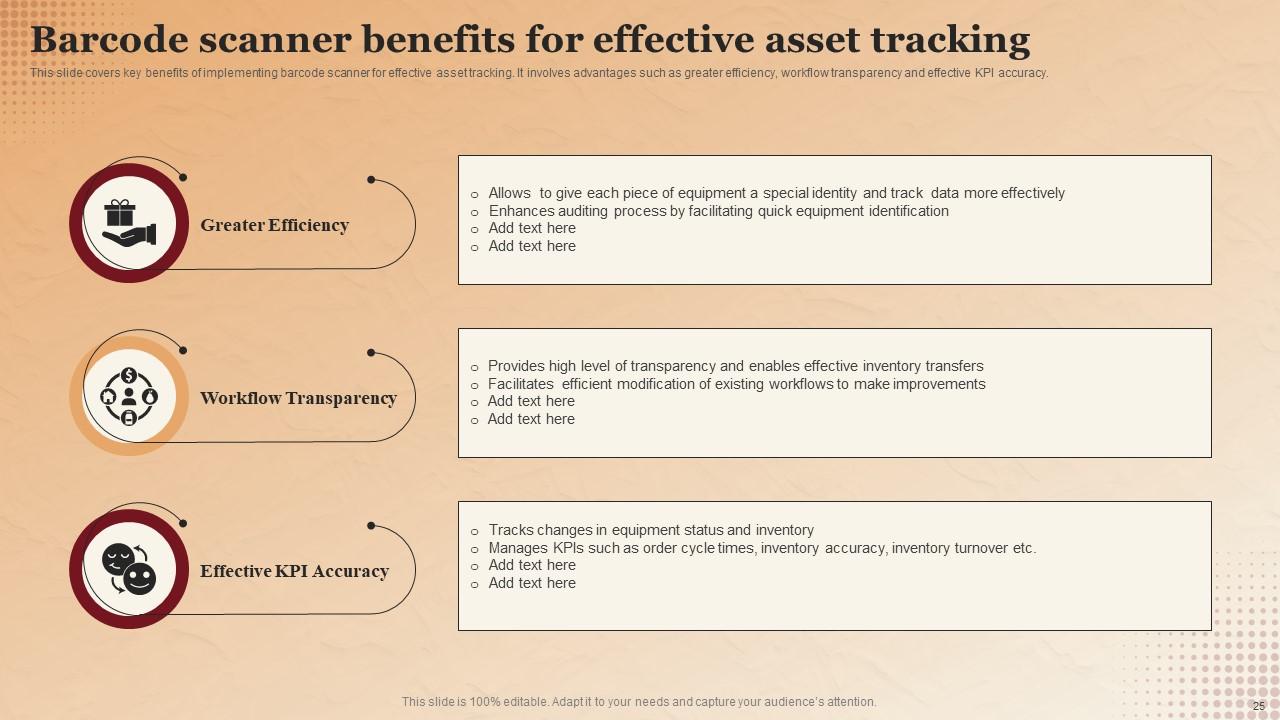
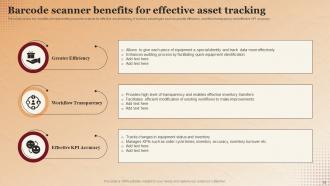
Slide 25: This slide highlights the Barcode scanner benefits for effective asset tracking.
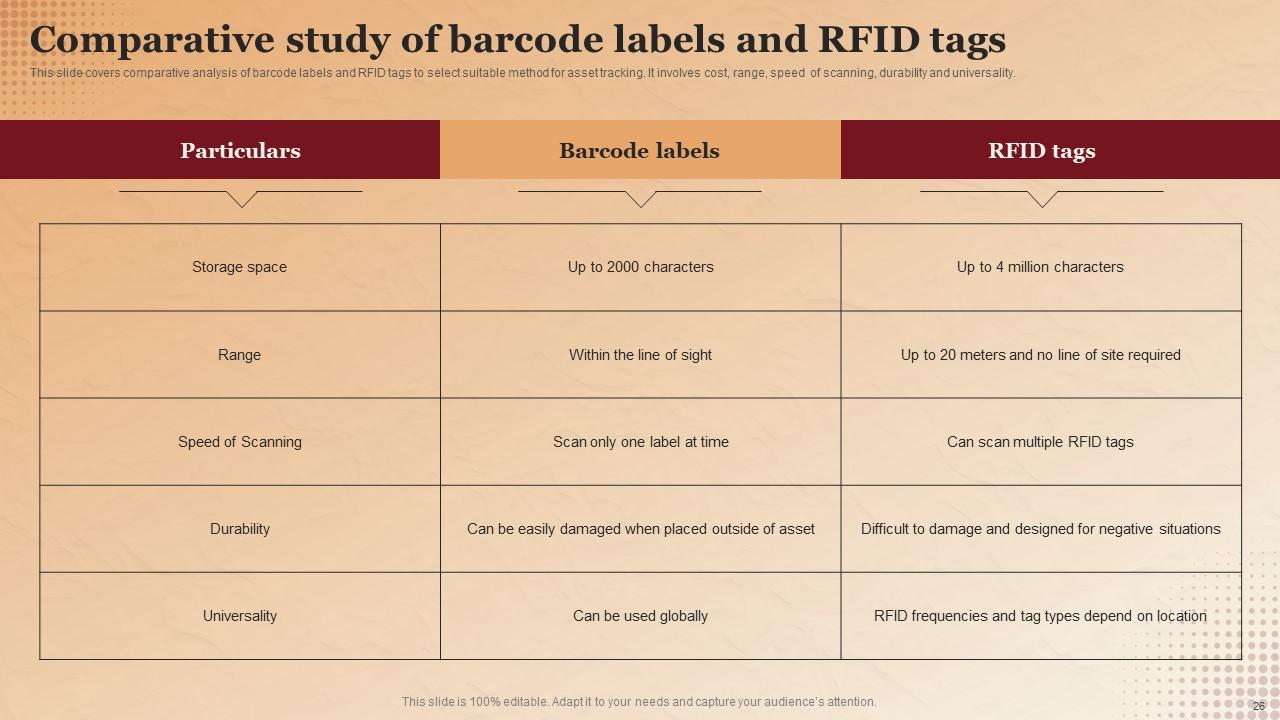
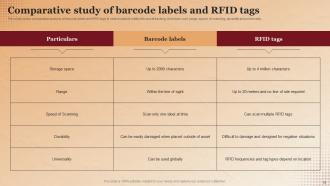
Slide 26: This slide shows the Comparative study of barcode labels and RFID tags.
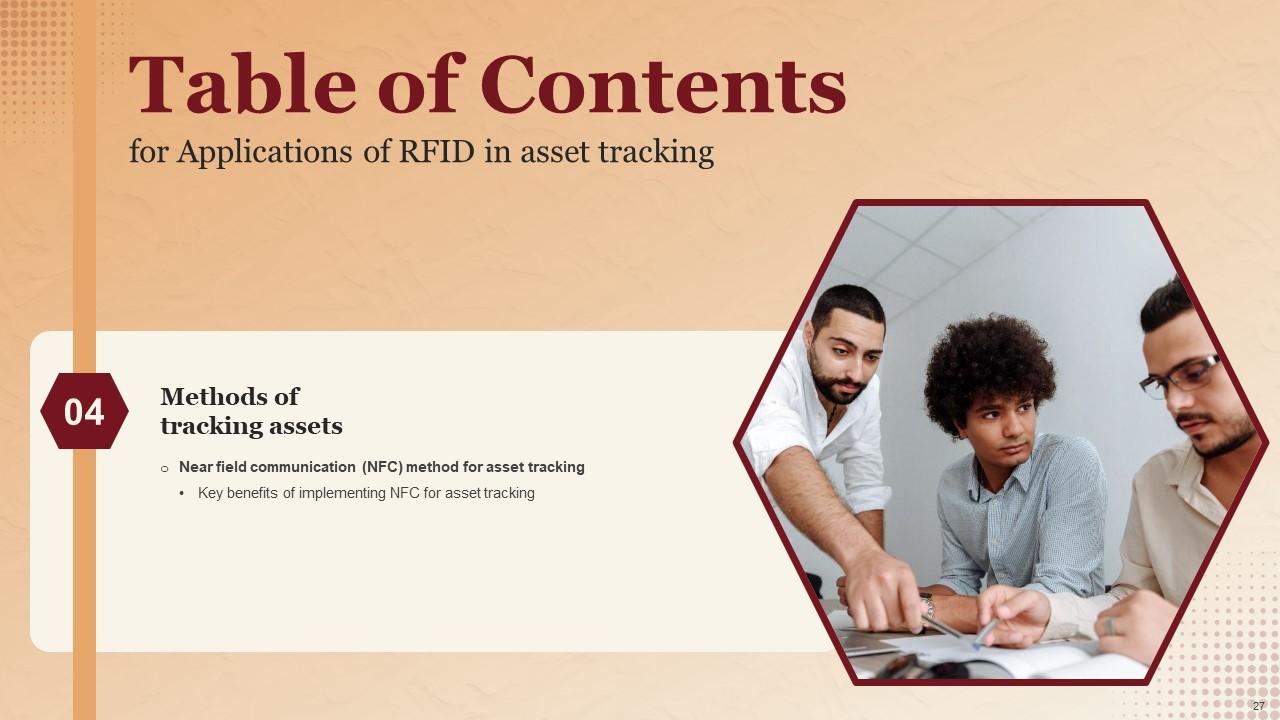
Slide 27: This slide portrays the Heading for the Topics to be discussed next.
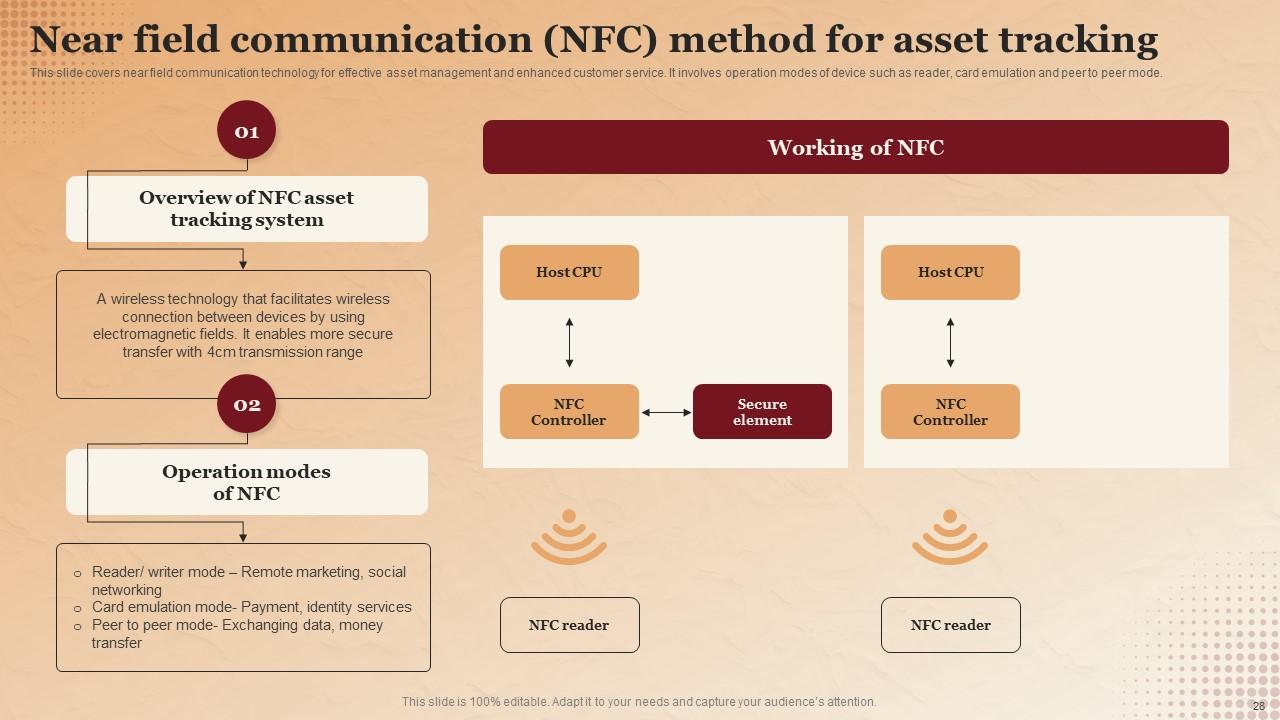
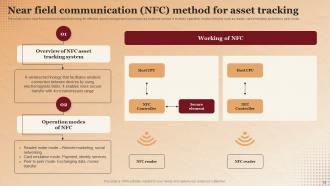
Slide 28: This slide talks about the Near field communication (NFC) method for asset tracking.
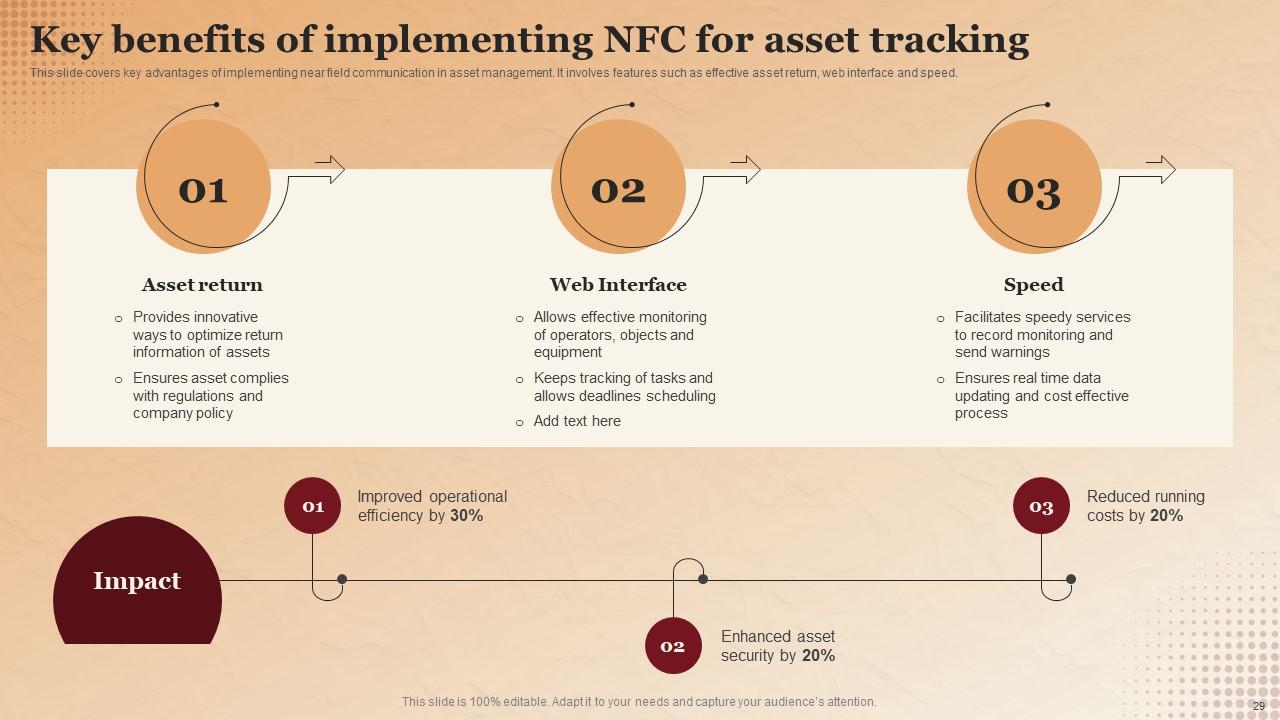
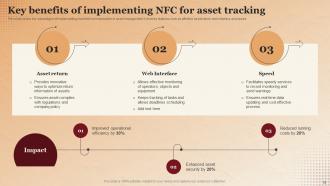
Slide 29: This slide exhibits the Key benefits of implementing NFC for asset tracking.
Slide 30: This slide reveals the Title for the Topics to be covered in the upcoming template.
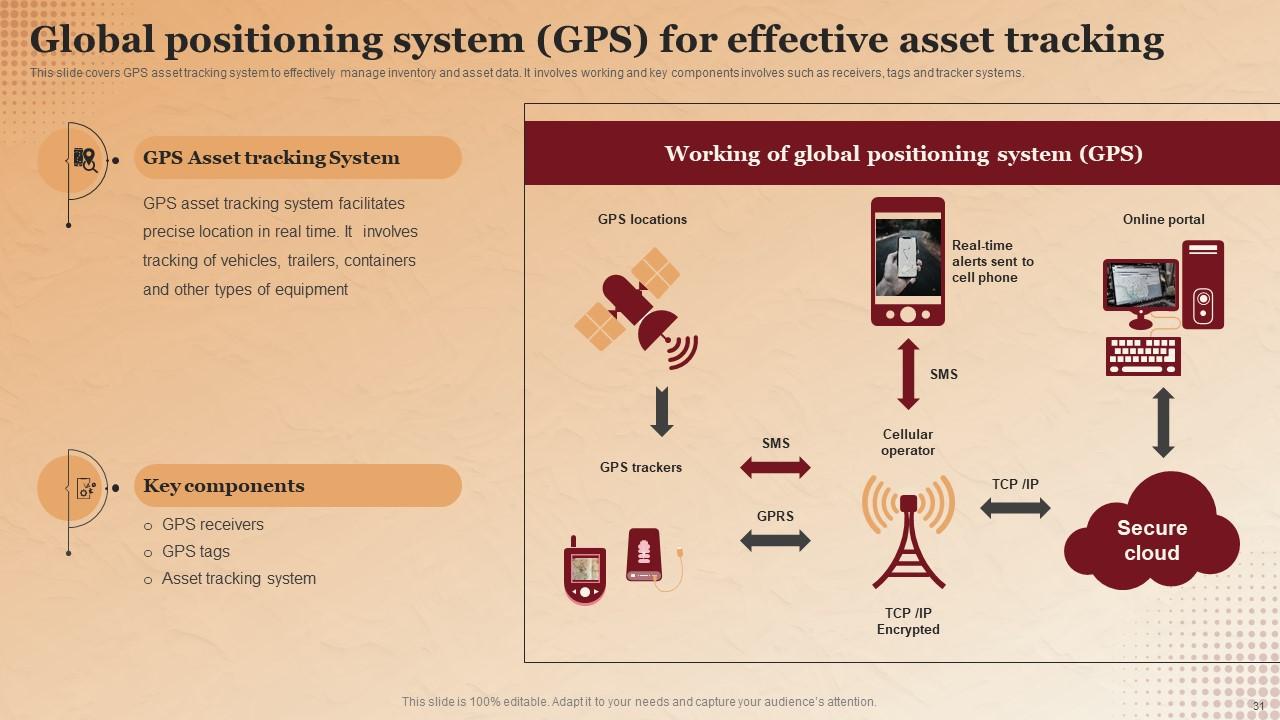
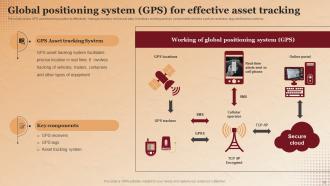
Slide 31: This slide indicates the Global positioning system (GPS) for effective asset tracking.
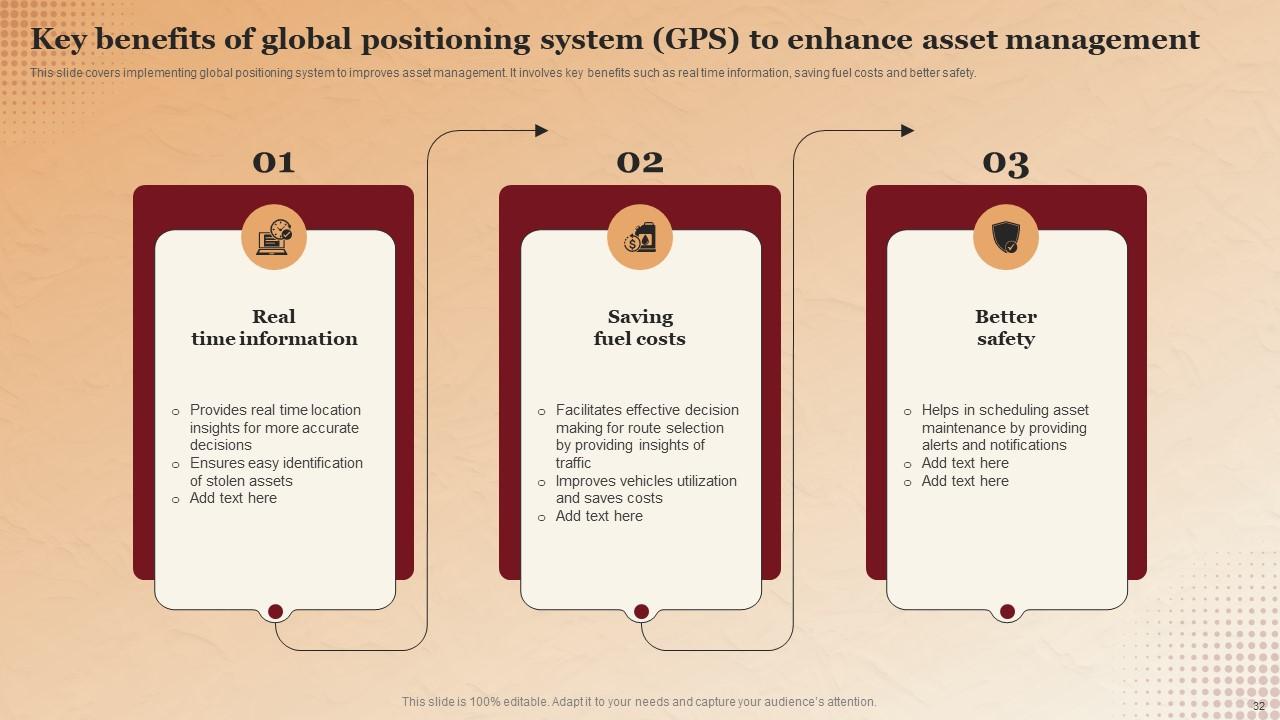
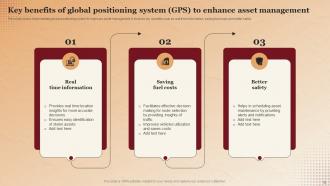
Slide 32: This slide states the Key benefits of global positioning system (GPS) to enhance asset management.
Slide 33: This slide displays the Heading for the Contents to be discussed further.
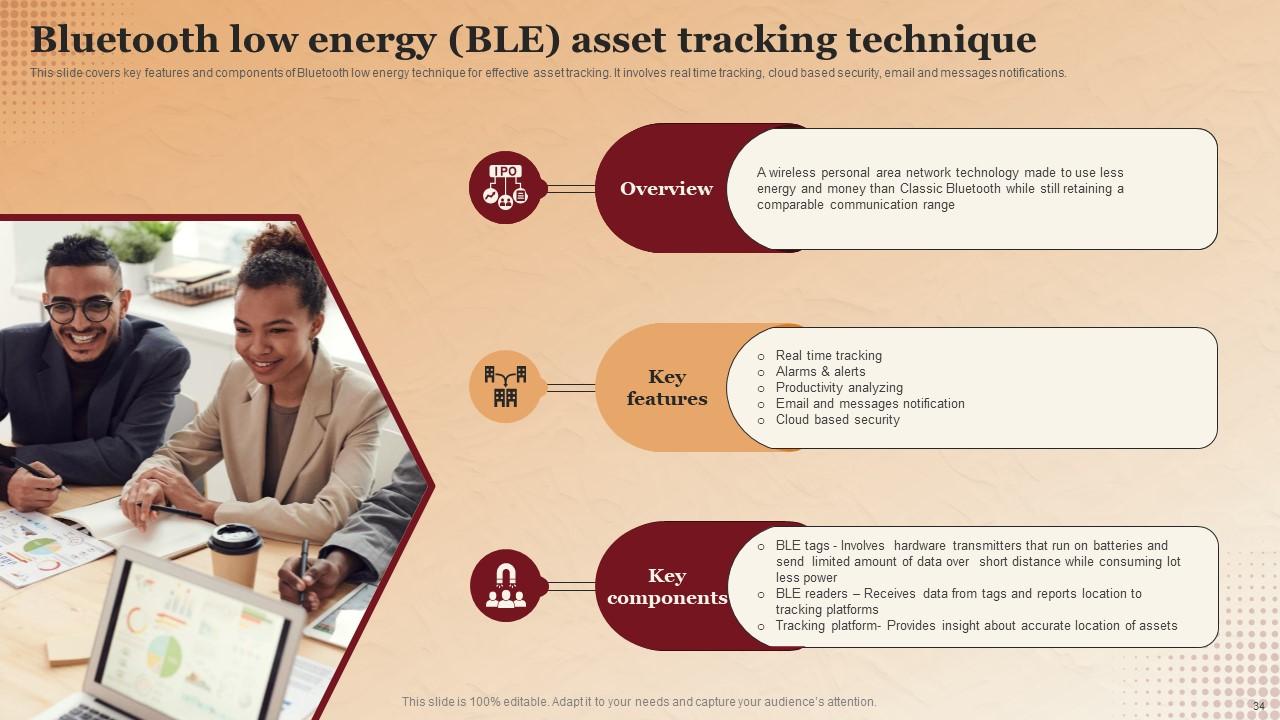
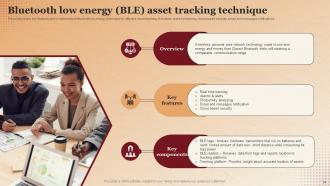
Slide 34: This slide covers key features and components of Bluetooth low energy technique for effective asset tracking.
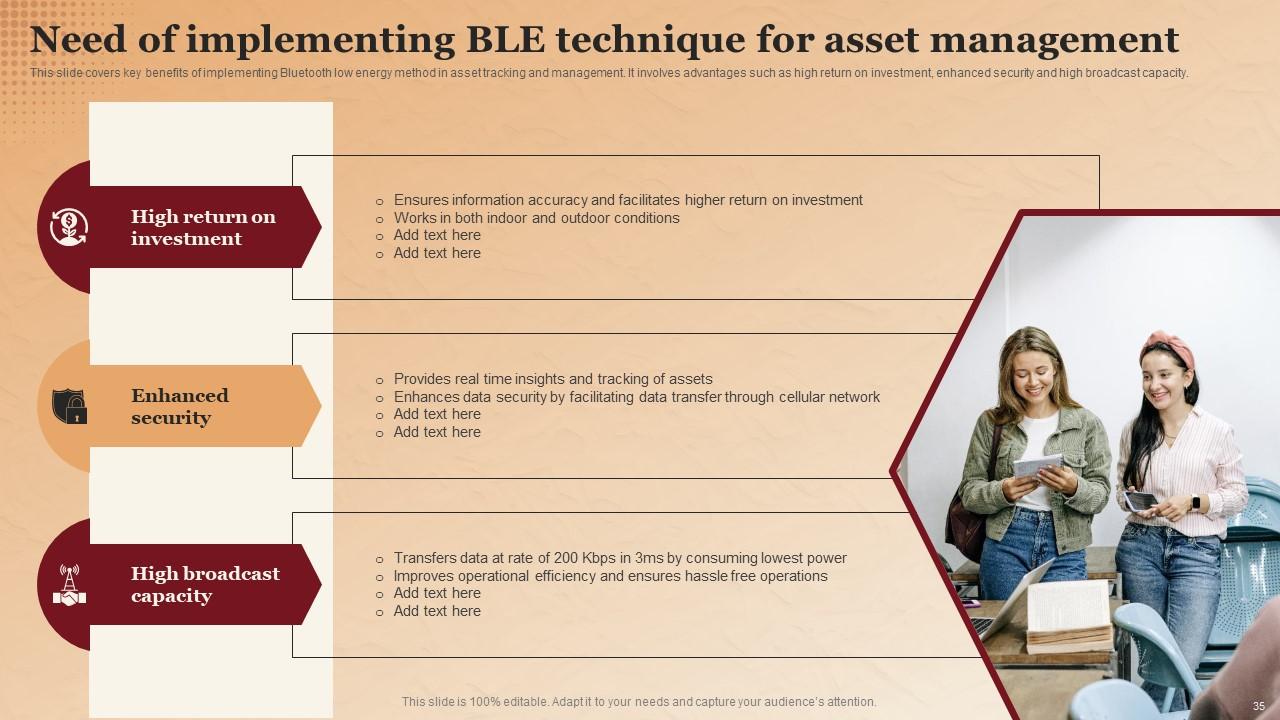
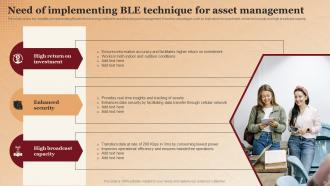
Slide 35: This slide portrays the Need of implementing BLE technique for asset management.
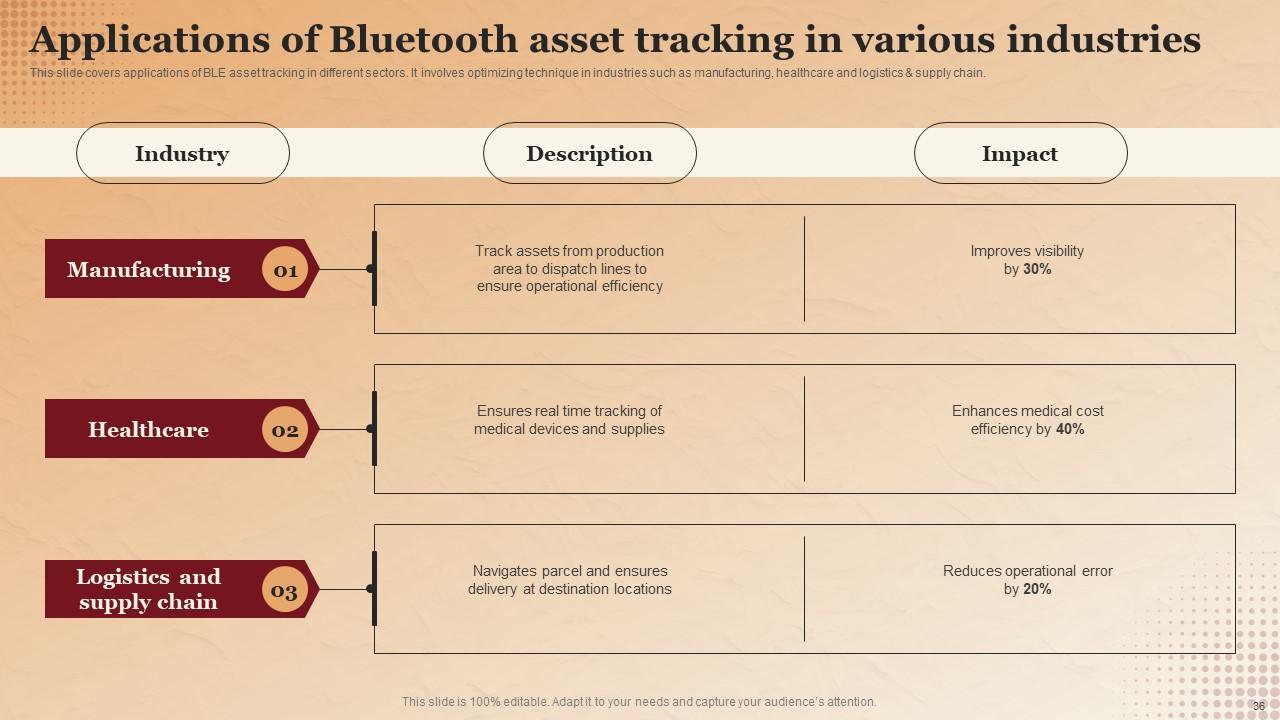
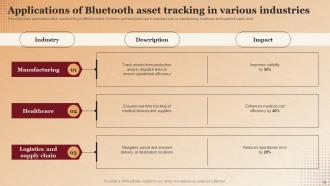
Slide 36: This slide depicts the Applications of Bluetooth asset tracking in various industries.
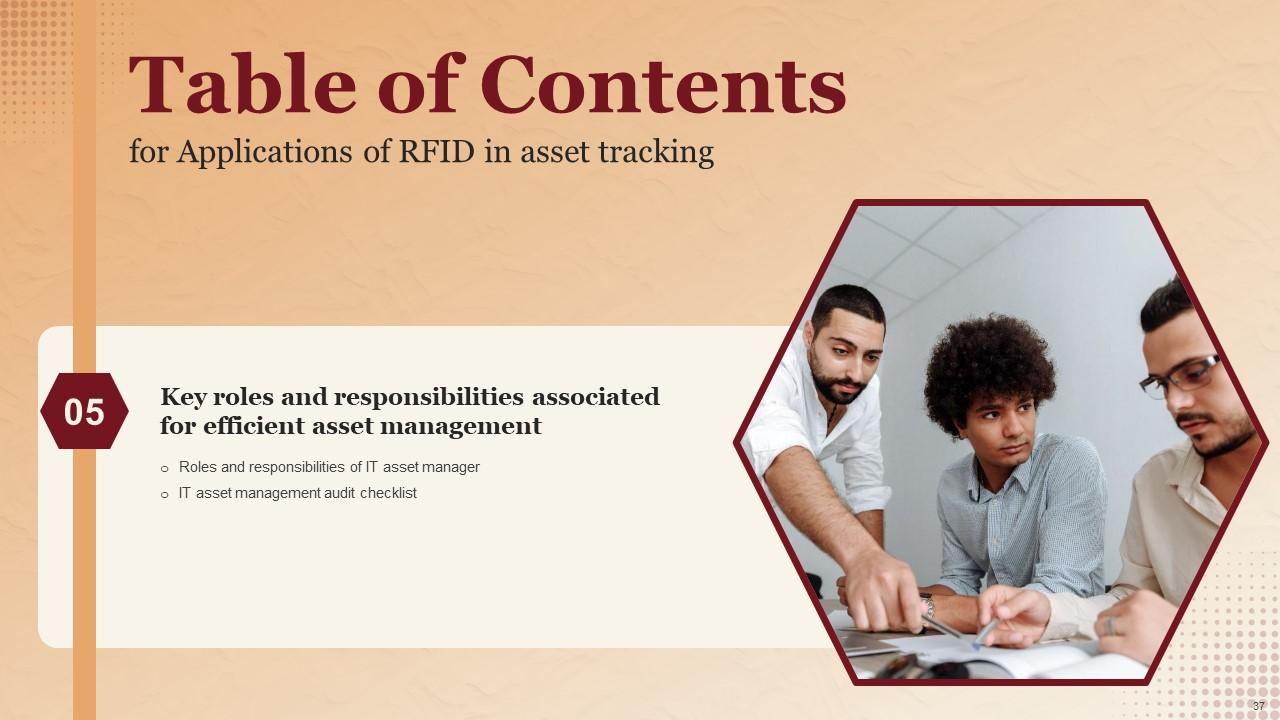
Slide 37: This slide includes the Title for the Ideas to be covered next.
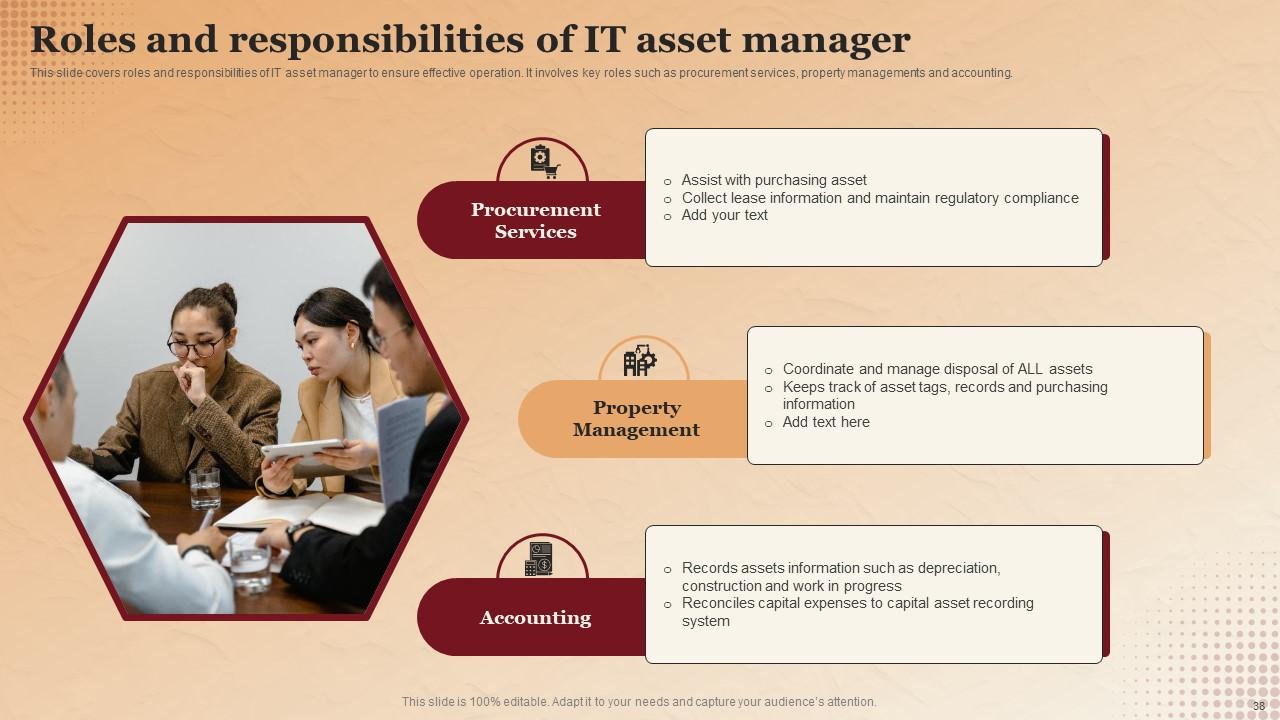
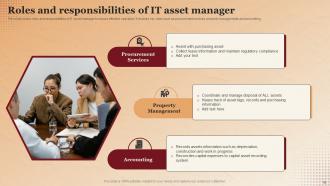
Slide 38: This slide exhibits the Roles and responsibilities of IT asset manager.
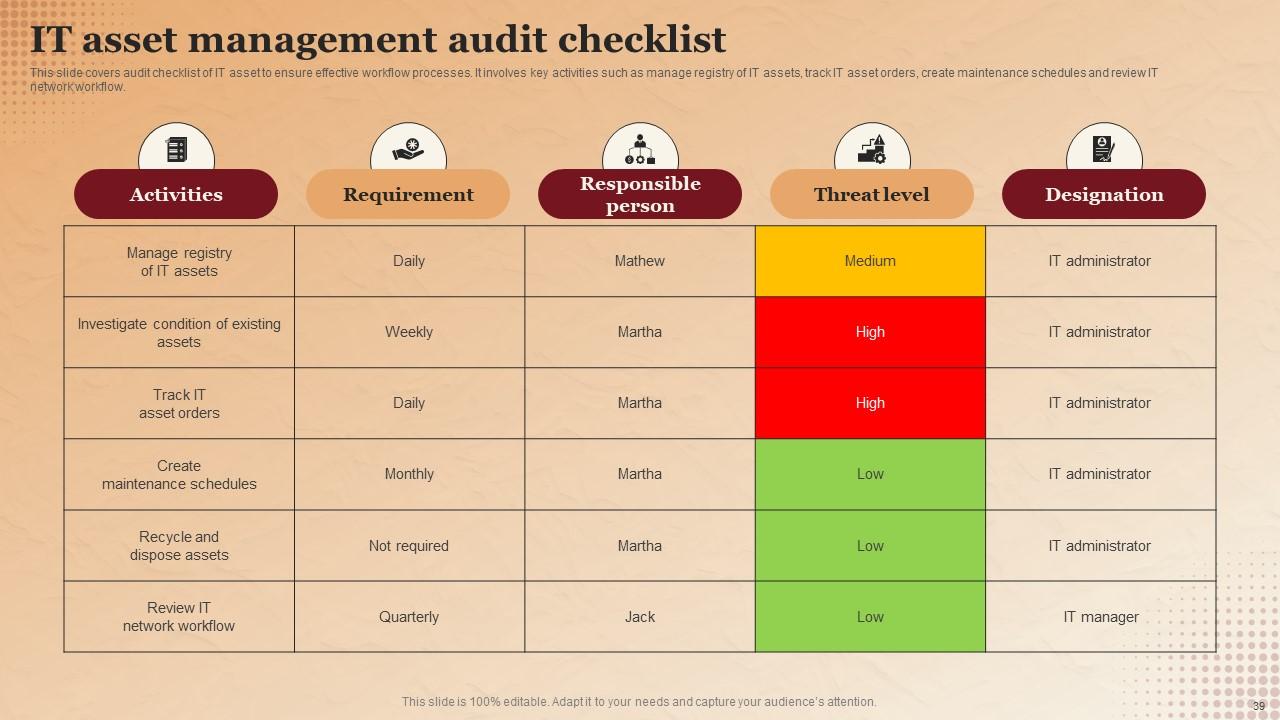
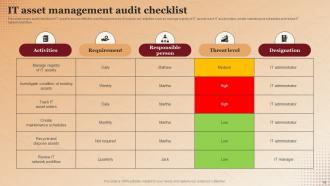
Slide 39: This slide covers audit checklist of IT asset to ensure effective workflow processes.
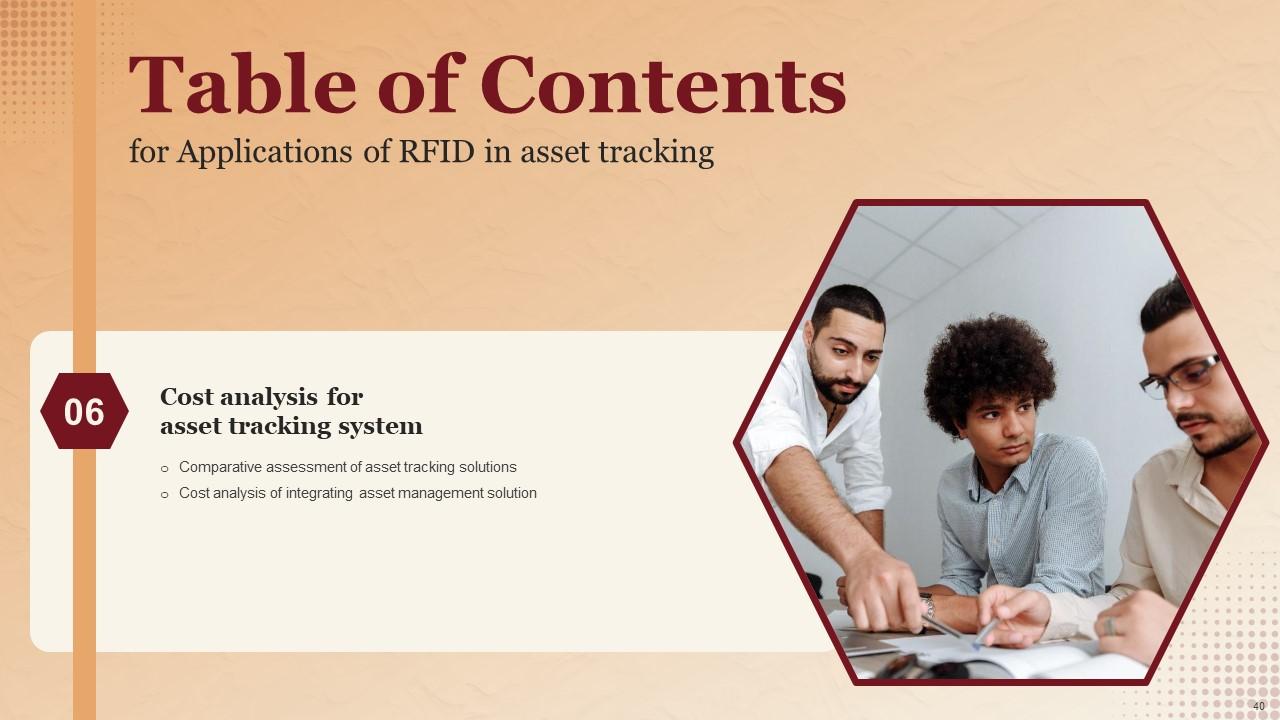
Slide 40: This slide highlights the Heading for the Ideas to be discussed in the following template.
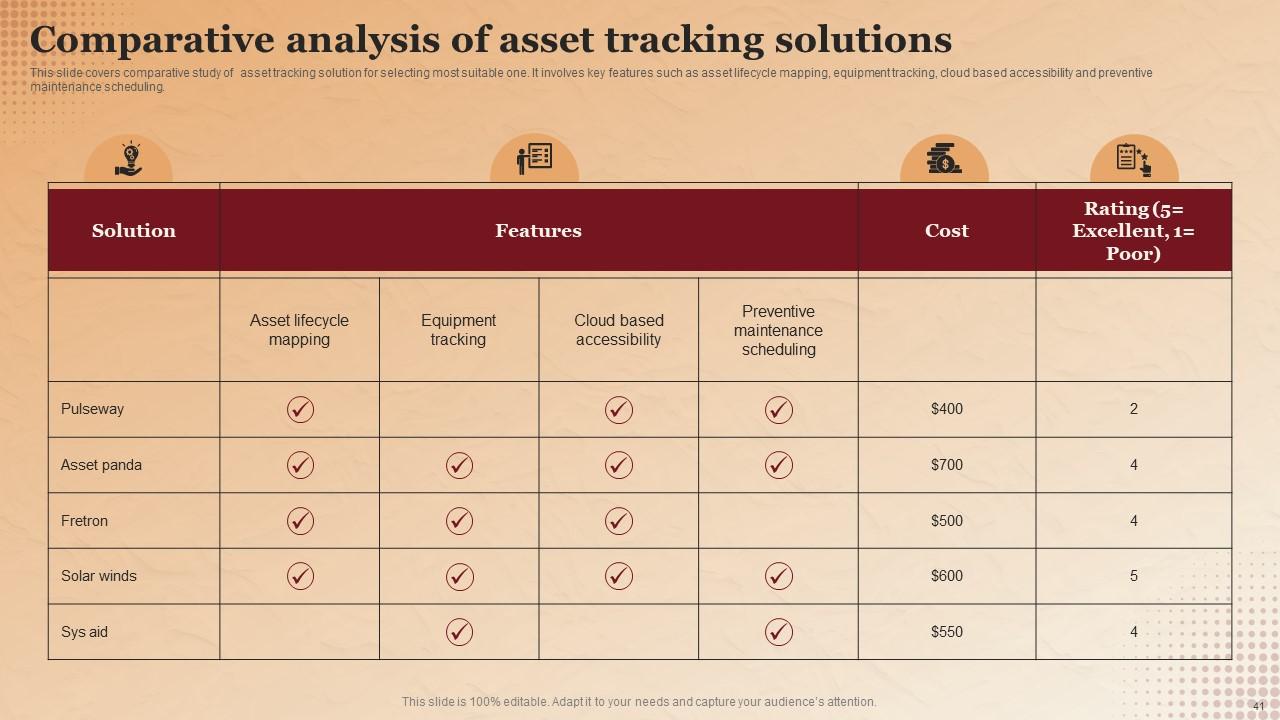
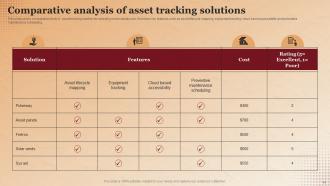
Slide 41: This slide shows the Comparative analysis of asset tracking solutions.
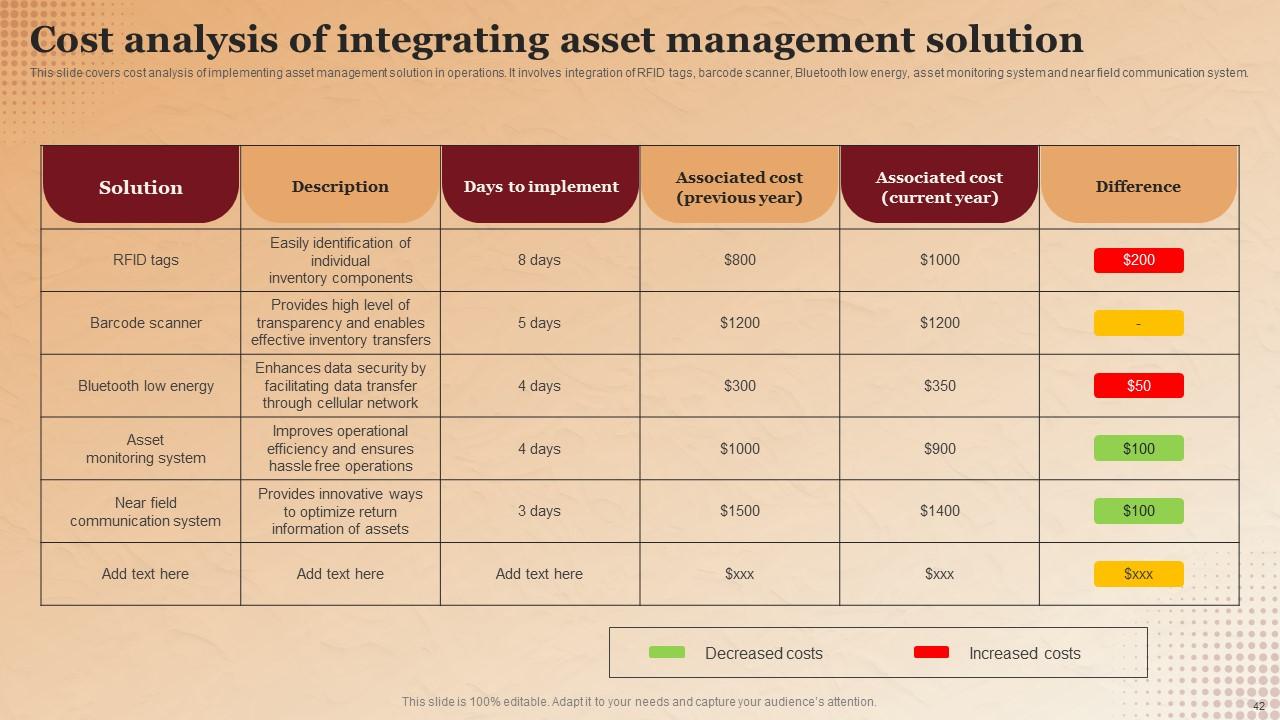
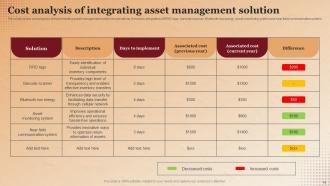
Slide 42: This slide depicts the Cost analysis of integrating asset management solution.
Slide 43: This slide displays the Title for the Contents to be covered next.
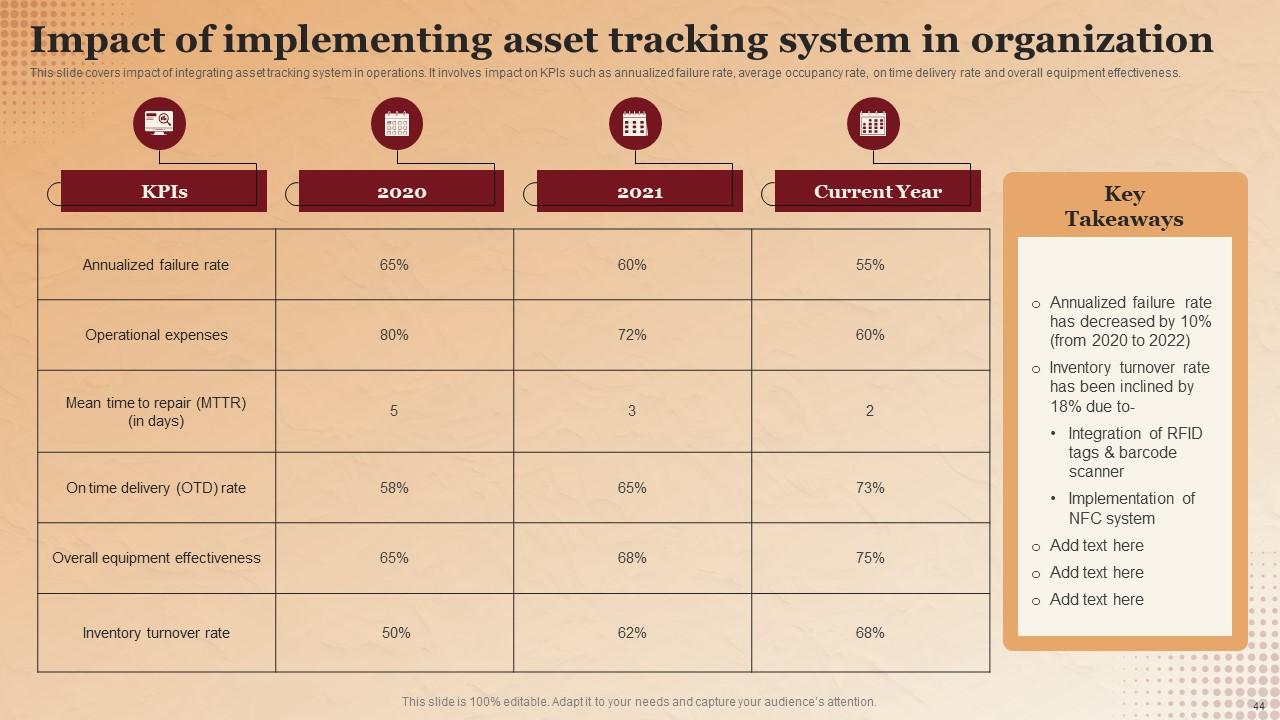
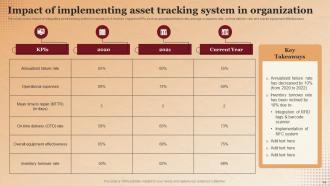
Slide 44: This slide reveals the Impact of implementing asset tracking system in organization.
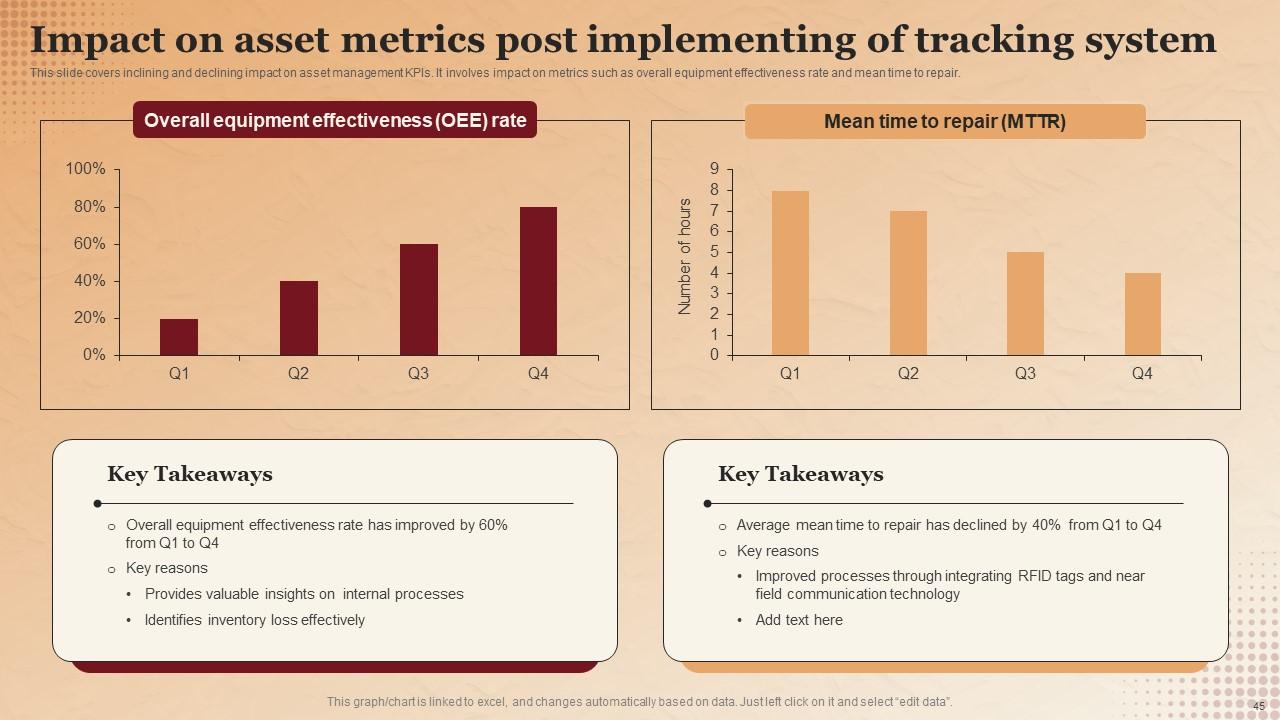
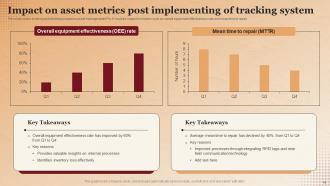
Slide 45: This slide covers inclining and declining impact on asset management KPIs.
Slide 46: This slide includes the Heading for the Topics to be discussed further.
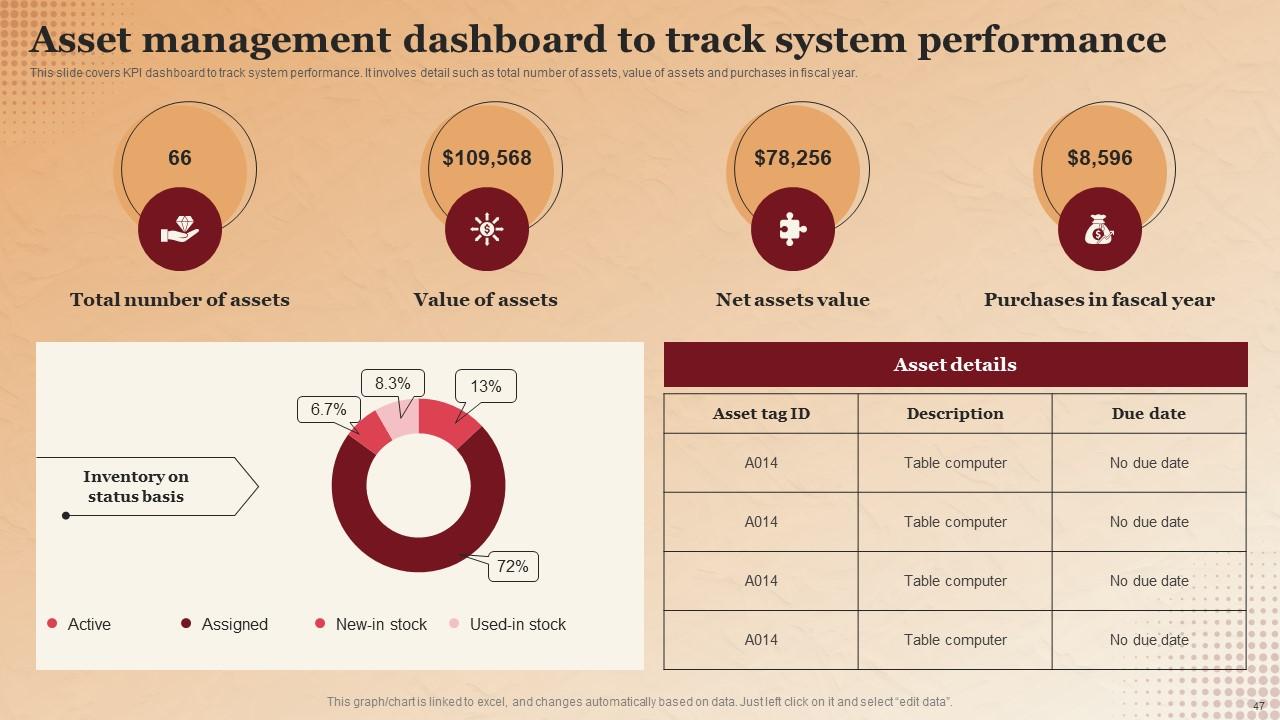
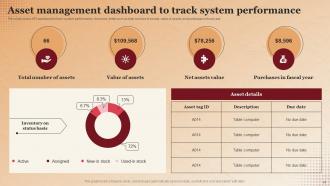
Slide 47: This slide illustrates the Asset management dashboard to track system performance.
Slide 48: This is the Icons slide containing all the Icons used in the plan.
Slide 49: This slide is used for depicting some Additional information.
Slide 50: This is the Idea generation slide for encouraging innovative ideas.
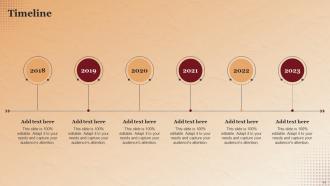
Slide 51: This slide displays the company's Timeline.
Slide 52: This is the 30 60 90 days plan slide for effective planning.
Slide 53: This slide elucidates the organization's Roadmap.
Slide 54: This is Our team slide. State your team-related information here.
Slide 55: This slide presents the SWOT analysis.
Slide 56: This slide contains the Post it notes for reminders and deadlines.
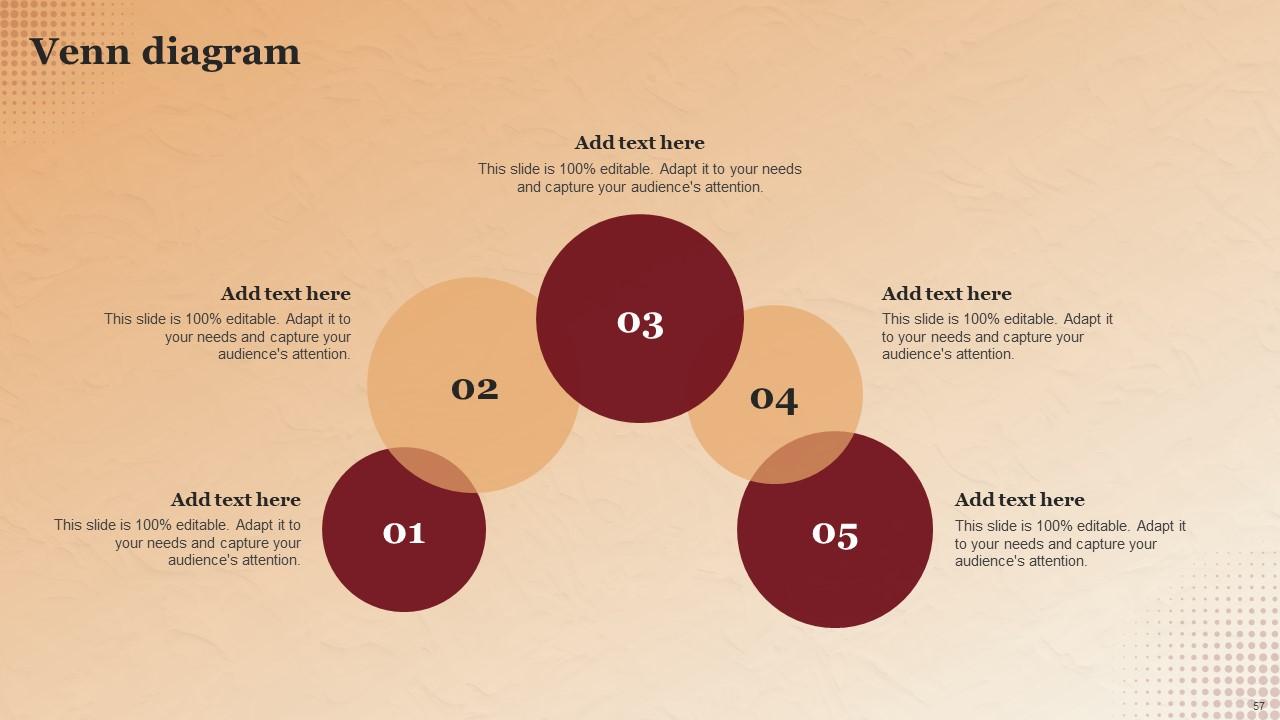
Slide 57: This is the Venn diagram slide.
Slide 58: This is the Thank you slide for acknowledgement.
Applications Of RFID In Asset Tracking Powerpoint Presentation Slides with all 63 slides:
Use our Applications Of RFID In Asset Tracking Powerpoint Presentation Slides to effectively help you save your valuable time. They are readymade to fit into any presentation structure.
-
I am not the best at presentations but using SlideTeam’s PPT template made it easier for me. Thank you SlideTeam!
-
Good research work and creative work done on every template.
