

Average Handling Time Powerpoint Ppt Template Bundles





Try Before you Buy Download Free Sample Product
 Impress Your
 Audience
 100%
100% Editable
 Save Hours
 of Time


Our Average Handling Time Powerpoint Ppt Template Bundles are topically designed to provide an attractive backdrop to any subject. Use them to look like a presentation pro.
People who downloaded this PowerPoint presentation also viewed the following :
Average Handling Time Powerpoint Ppt Template Bundles with all 17 slides:
Use our Average Handling Time Powerpoint Ppt Template Bundles to effectively help you save your valuable time. They are readymade to fit into any presentation structure.

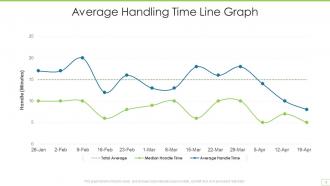
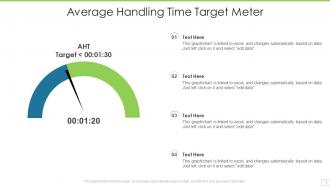
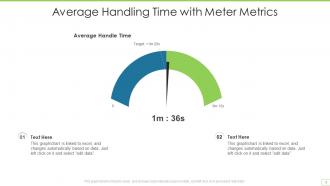
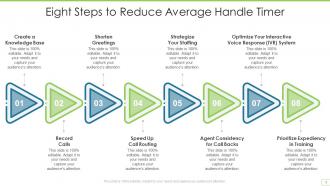








FAQs for Average Handling Time Powerpoint
Honestly, it's usually three main things screwing with your AHT. New agents take forever compared to the veterans who can handle anything. Complex calls with tons of steps or escalations obviously drag everything down. But here's what really gets me - crappy tech setup kills efficiency. Agents switching between five different screens or waiting for ancient software to load? That's pure waste. Some customers are just chatty too, which you can't control much. Your knowledge base and training make a huge difference though. I'd focus on those two areas first - way better ROI than most other fixes.
Honestly, rushing agents through calls just to hit time goals is a recipe for disaster. Customers can tell when you're trying to get rid of them, and it makes them feel like crap - especially when they're already annoyed about something. You'll end up with way more callbacks and escalations. Better to train your team on handling common stuff faster with good scripts and tools. First-call resolution is what actually matters. There's definitely a balance between being quick and thorough, but never sacrifice actually fixing someone's problem just to shave off a few seconds.
Honestly, active listening is huge - customers stop repeating themselves when they feel heard. Ask specific questions instead of open-ended ones, and talk through what you're doing as you work. I always say "I can help you with that" rather than leading with what I can't do. Having your common responses memorized is clutch so you're not scrambling around looking stuff up. The trick is moving fast without actually rushing them, if that makes sense? Like, be efficient but don't make them feel like you're trying to get rid of them. Oh and acknowledge their problem right away - that alone cuts down so much back-and-forth.
AHT is all over the place depending on what you're doing. Retail's usually 3-5 minutes since it's pretty straightforward stuff. Tech support though? That'll easily hit 15-20 minutes because you're actually solving real problems. Financial services sits around 6-10 minutes, but banking's kinda funky - could be 30 seconds for a balance check or like half an hour for loan stuff. Insurance and healthcare drag on longer too with all their paperwork nonsense. Honestly, don't worry about generic benchmarks. Compare yourself to your own industry or you'll drive yourself crazy.
Honestly, the right tech makes a huge difference with AHT. Your agents get instant access to customer histories through good CRM systems. AI tools can even handle basic questions before they hit your team. We started using chat automation last year - wish we'd done it sooner! Knowledge bases are clutch too. Screen pop saves you from those annoying "sorry, what's your account number again?" moments. Don't just go for the flashiest option though. Pick something that actually works with what you've already got set up.
Honestly, stop obsessing over call times and focus on actually fixing problems the first time. Way better for your bottom line. Train your team on the most common issues so they're not fumbling around - but don't rush people off calls either. I've watched companies get so hung up on shaving off seconds that customers end up calling back three times! Track satisfaction scores alongside your speed metrics. Monitor calls to see where agents get stuck, then build better resources for those tricky spots. Quick AND thorough - that's what you're after.
Look, FCR and customer satisfaction scores are your best friends here - pair those with AHT and you'll actually know what's happening. Quality scores matter too because honestly, what's the point of fast calls if you're just creating bigger headaches later? I always check adherence rates since some agents get creative with break times to mess with their numbers. Escalation rates are huge, plus any repeat contacts within 24-48 hours. The trick is finding that balance where you're efficient but not sacrificing quality. Track everything weekly and patterns jump out pretty fast.
Dude, training makes a massive difference for AHT - probably the biggest game changer honestly. You'll handle calls way faster when you actually know your systems and common scenarios inside out. Good programs teach you when to escalate too, which saves so much time instead of spinning your wheels. I've watched new hires drop their AHT by like 30-40% after decent training. Role-playing different customer types is clutch - sounds cheesy but it works. Oh, and don't skip the soft skills stuff like active listening. That combo of technical + people skills is what really cuts down call times without pissing customers off.
Honestly, just make everything super predictable for your agents. Give them solid greeting scripts and template responses they can rely on. Decision trees for tricky stuff work great too. One team I know dropped their call times 20% just by fixing their knowledge base - wild how many companies have searches that totally suck. Auto-text shortcuts are clutch for phrases they type constantly. Start with whatever calls you get most and nail those workflows first. Oh, and make sure escalation paths are crystal clear so nobody's sitting there confused about what to do next.
Check your customer feedback - that's where the gold is. People will straight up tell you what's making calls take forever. Maybe they're getting bounced between departments or your reps don't know basic stuff. Post-call surveys are honestly your best friend here. When you see the same complaints over and over (confusing website, couldn't find info, had to explain things twice), that's your to-do list right there. Don't just collect feedback though - actually fix the stuff they're complaining about. Build quick guides for your team and smooth out those messy processes customers hate dealing with.
Dude, real-time analytics is so much better than waiting for those daily reports. When AHT spikes, you'll get alerts instantly - then you can actually do something about it. Maybe Sarah's struggling with the new product calls, or your scripts aren't working like you thought. Jump in with coaching right away instead of finding out a week later when it's too late. I've seen people adjust staffing on the spot or update procedures mid-day. Honestly beats the hell out of the "let's discuss this next Monday" meetings we used to have.
Dude, obsessing over AHT is honestly a trap. Agents start rushing calls to hit those metrics, which just pisses off customers and creates more work later. Quality goes out the window. Your first-call resolution tanks because people aren't actually solving problems - they're just trying to get off the phone fast. Plus your team will hate working there. The stress of racing against the clock while trying to help people? Recipe for burnout and high turnover. Mix AHT with quality scores and customer satisfaction instead. Way better picture of what's actually happening.
Honestly, cross-training is a game changer for call centers. Your agents won't have to bounce customers around between departments – which people absolutely hate, by the way. They can actually solve problems on the spot instead of putting someone on hold for 10 minutes. This cuts your average handle time way down. I'd focus on training people for your most common issues first, then build from there. Look at what's causing your longest holds or most transfers. Those should be your starting point. Once agents can handle more stuff themselves, everything just flows better.
Your WFM team is honestly a goldmine for this stuff. They can predict call volumes and figure out if you're short-staffed during busy periods (which always makes people rush). Plus they'll catch patterns you'd never notice - like specific agents who need training on certain processes. The data they pull shows what's actually causing those long handle times. I'd say tap into their insights first, then you can focus your energy on coaching and fixing processes that'll make a real difference. Way better than just guessing what's wrong.
In my experience, phone calls drag on the longest since you're stuck troubleshooting live issues without being able to juggle other stuff. Chat sits somewhere in the middle - yeah, you can handle a few conversations at once, but all that waiting for responses really adds time. Email's usually your fastest bet because you can dig into research first and there's no pressure to reply instantly. Though honestly, email chains can turn into a nightmare if people keep replying to the wrong thread (ugh). Just don't make the mistake of using the same AHT goals across all channels - phone and chat are totally different beasts.
-
Commendable slides with attractive designs. Extremely pleased with the fact that they are easy to modify. Great work!
-
Colors used are bright and distinctive.