Markenmarketing-Powerpoint-Präsentationsfolien
Try Before you Buy Download Free Sample Product
Audience
Editable
of Time
Bei der Erstellung einer Markenmarketing-Powerpoint-Präsentationsfolie möchte ein Präsentator alles Passende. Vor diesem Hintergrund haben wir vorgefertigte Präsentationsfolien für die Produktentwicklung entwickelt. Dieses inhaltsbereite, professionell gestaltete PPT für die Medienleistung und -planung deckt die Themen wie Awareness-Schritte, Markenbekanntheitsmetriken, Messung der Wirksamkeit der Marke, Balkendiagramme und Diagramme, Kombinationsdiagramme, Donut-Kreisdiagramme und vieles mehr ab. Wir präsentieren Ihnen stolz Markenbildung, die Ihnen helfen wird, Ihre Ideen in die Realität umzusetzen. Diese erstaunlichen inhaltsfertigen PPT-Folien können zum Erstellen von PPTs zu Produktwerbung, Warenstrategie, Qualitätspräferenz, Unternehmensbewusstsein, Geschäftsmarketing, Markenerkennung, Produktaufbau und -management verwendet werden. Lade es herunter! Sie haben das beste PPT-Mustermodell für Produktbewusstsein. Sie sind nur einen Klick entfernt, um dieses professionell gestaltete PowerPoint-Deck für das Produktmanagement herunterzuladen. Ermutigen Sie Ihr Publikum mit unseren PowerPoint-Präsentationsgrafiken für Markenmarketing. Sorgen Sie mit unseren Brand Marketing Powerpoint-Präsentationsfolien für eine freundliche Atmosphäre. Sie helfen Ihnen, die Falken einzudämmen.
Funktionen dieser PowerPoint-Präsentationsfolien:
Vollständig in PowerPoint bearbeitbar. Kann in Standard- und Breitbildformat angezeigt werden. Das Präsentationslayout bietet erstklassigen Kundensupport. Perfekt für Branding, Markenimage, Markenaufbau und mehr. Vorlage gut anpassbar mit Google Slides. Präsentation mit 30 Folien. Schneller Download. Die Phasen in diesem Prozess sind Markenwerbung, Markenbewusstsein, Markenmarketing.
People who downloaded this PowerPoint presentation also viewed the following :
Inhalt dieser Powerpoint-Präsentation
Folie 1 : Diese Folie stellt Markenmarketing vor. Geben Sie Ihren Firmennamen an und legen Sie los.
Folie 2 : Diese Folie zeigt Inhalte mit diesen Punkten – Markenbewusstsein – Einführung, Schritte zur Markenbekanntheit, Roadmap zur Markenbekanntheit, Markenbekanntheitskampagne, Markenbekanntheitsmetriken, Messung der Effektivität der Marke.
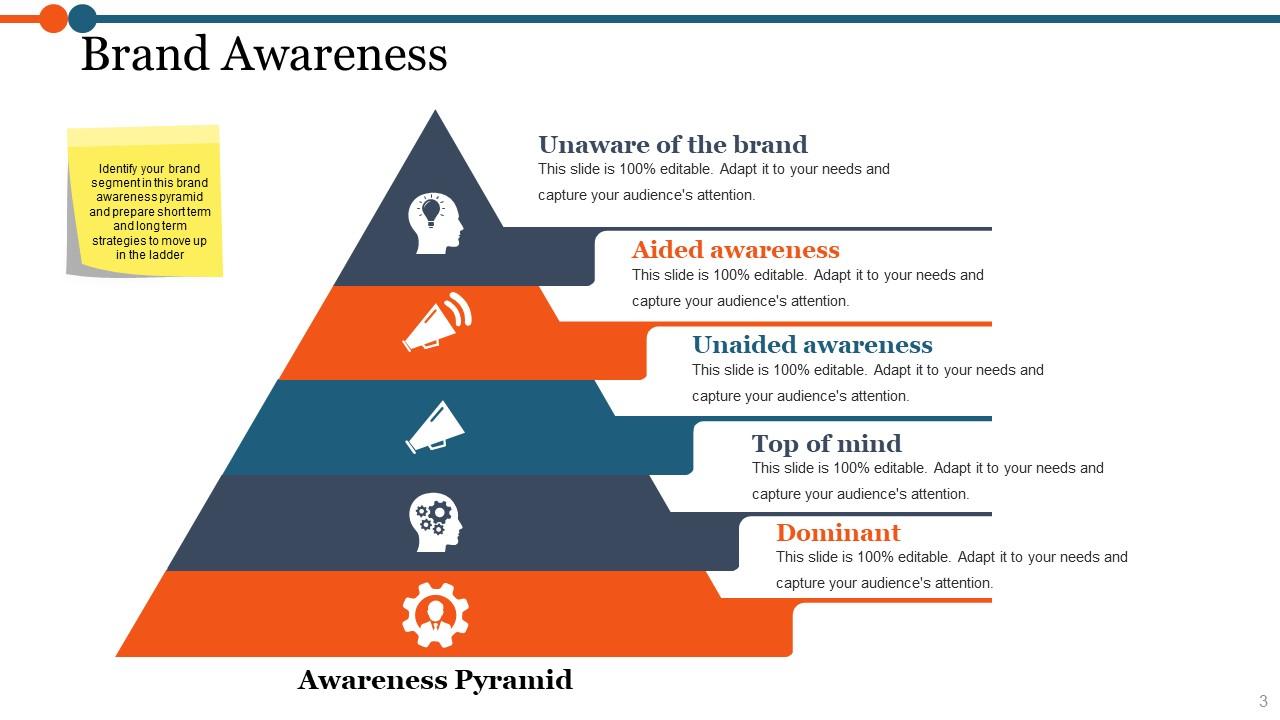
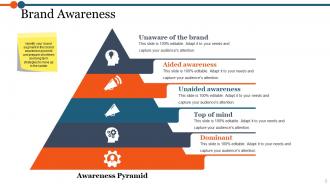
Folie 3 : Diese Folie zeigt das Markenbewusstsein. Es umfasst hauptsächlich diese Parameter - Unbekannt der Marke, Aided Awareness, Unaided Awareness, Top of Mind, Dominant, Awareness Pyramid, Identifizieren Sie Ihr Markensegment in dieser Brand Awareness Pyramide und bereiten Sie kurz- und langfristige Strategien vor, um in der Leiter aufzusteigen.
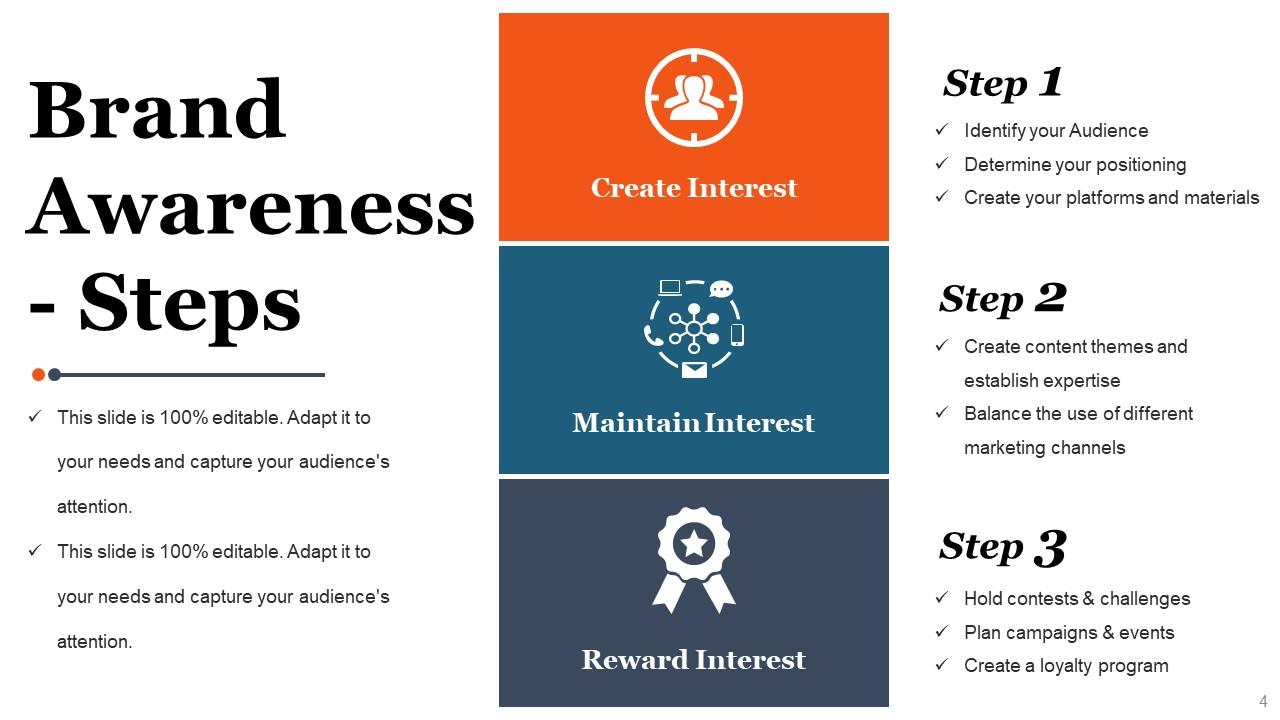
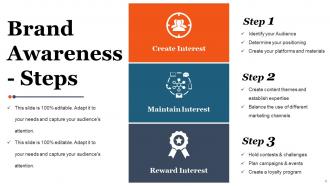
Folie 4 : Diese Folie präsentiert Markenbewusstsein – Schritte mit diesen beträchtlichen Schritten – Interesse belohnen, Interesse aufrechterhalten, Interesse wecken.
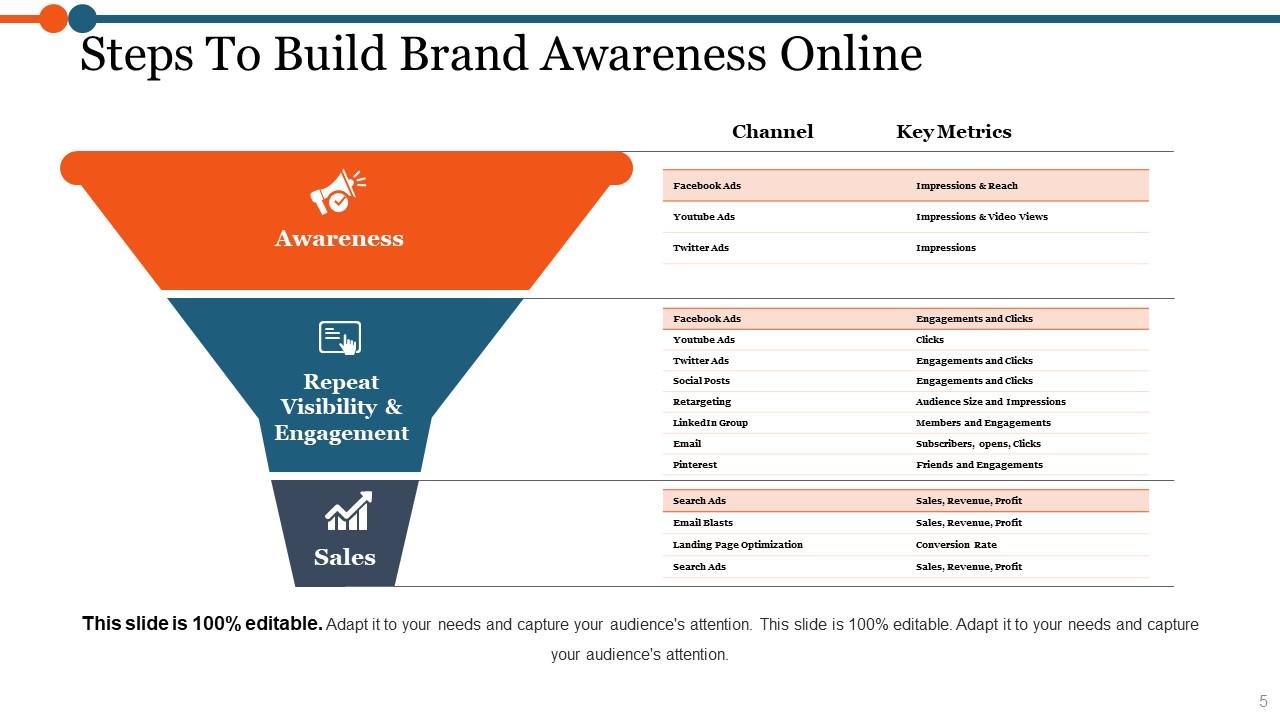
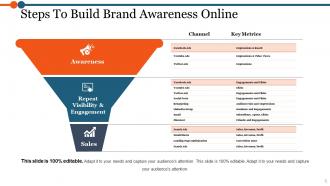
Folie 5 : Diese Folie zeigt Schritte zum Aufbau von Markenbekanntheit online. Mit einem Trichter, der diese drei Parameter anzeigt – Awareness, Sales, Channel.
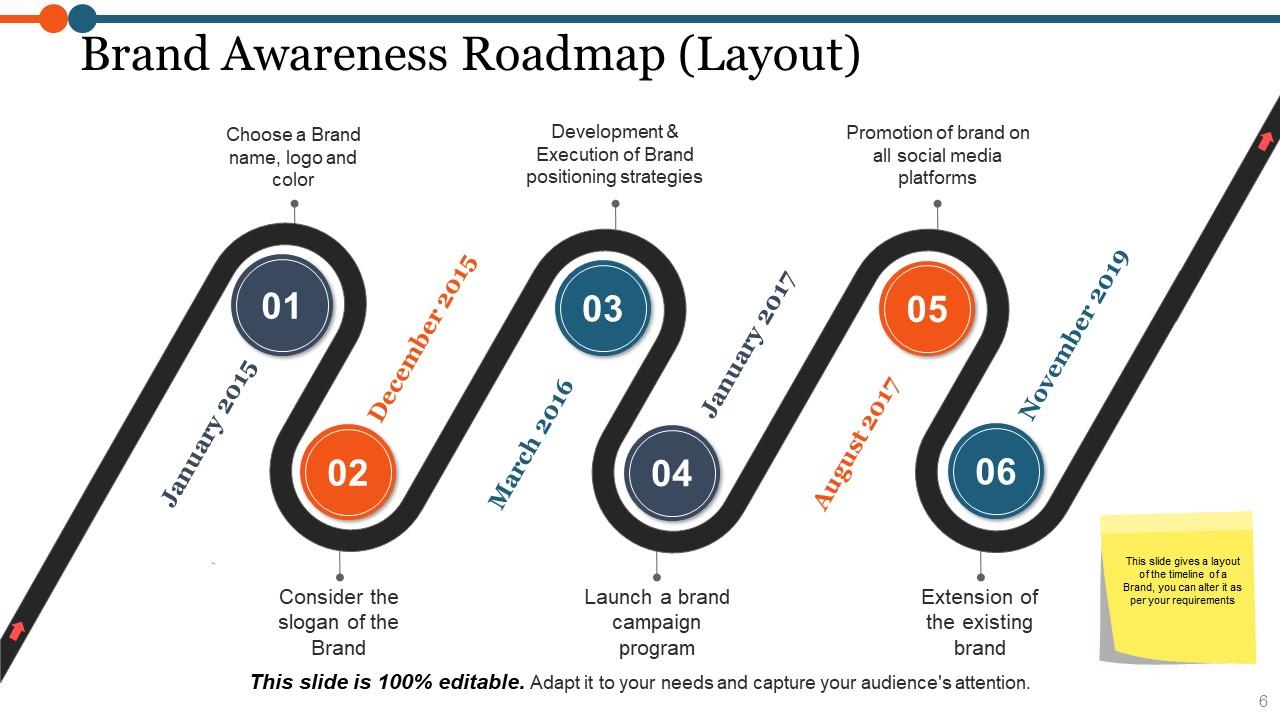
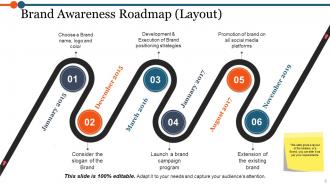
Folie 6 : Diese Folie zeigt die Roadmap zur Markenbekanntheit (Layout). Es enthält auch diese sechs grundlegenden Schritte, die wir gegeben haben - Wählen Sie einen Markennamen, ein Logo und eine Farbe Entwicklung und Umsetzung von Markenpositionierungsstrategien Förderung der Marke auf allen Social-Media-Plattformen Berücksichtigen Sie den Slogan der Marke Starten Sie ein Markenkampagnenprogramm Marke Diese Folie zeigt ein Layout der Zeitleiste einer Marke. Sie können es nach Ihren Wünschen ändern.
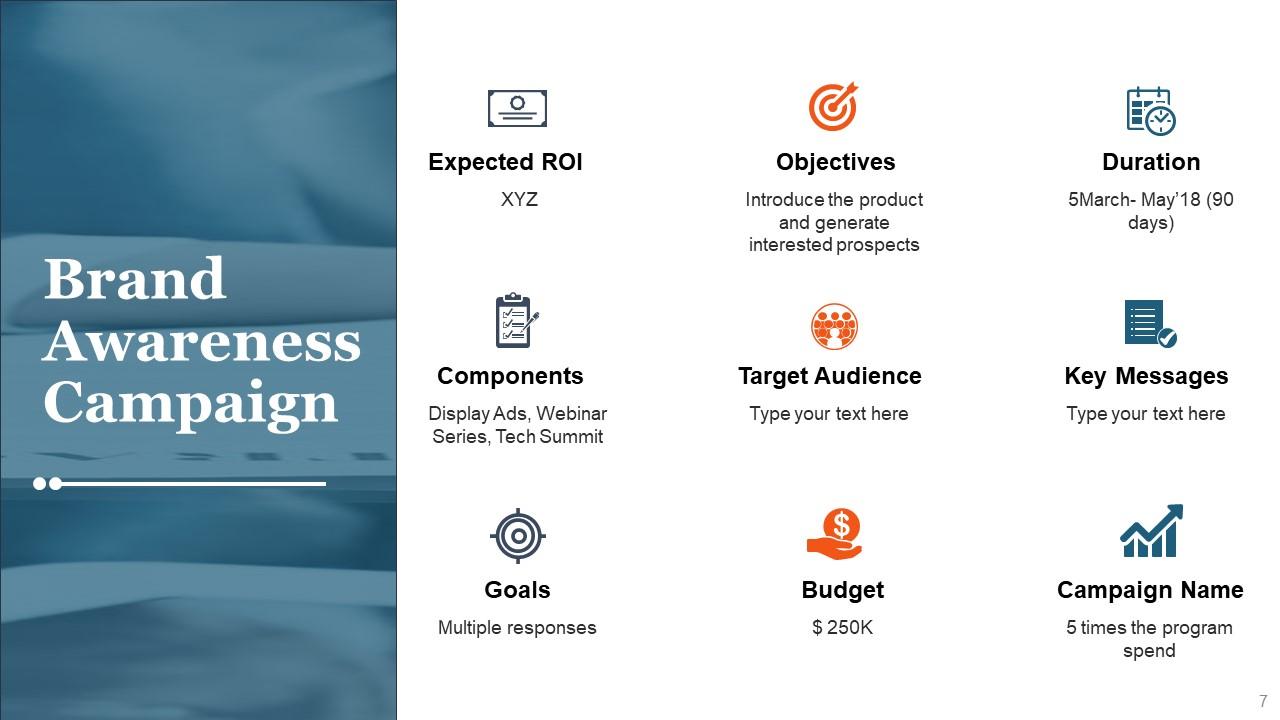
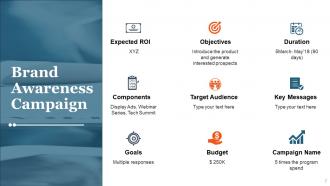
Folie 7 : Diese Folie präsentiert die Markenbekanntheitskampagne mit diesen wichtigen Punkten, die zu berücksichtigen sind: Kampagnenname, Dauer, Kernbotschaften, Ziele, Zielgruppe, Budget, erwarteter ROI, Komponenten, Ziele.
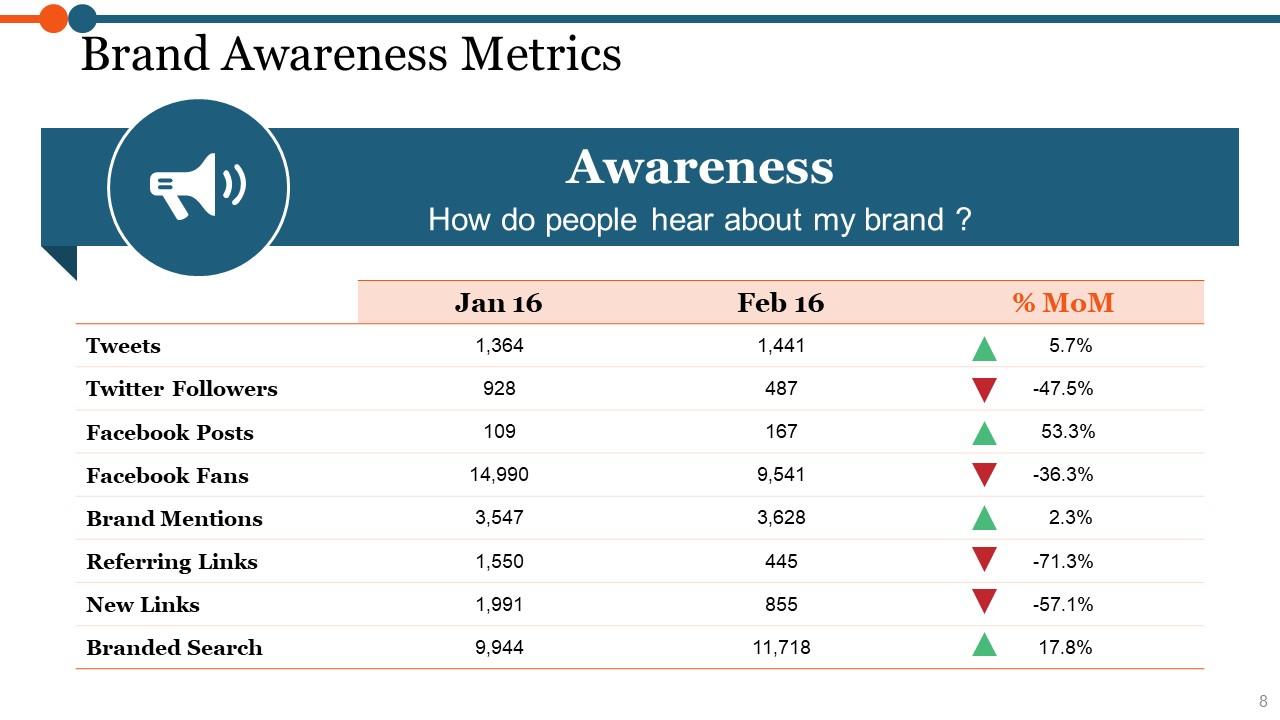
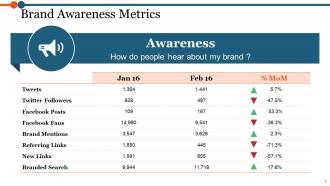
Folie 8 : Diese Folie zeigt Metriken zur Markenbekanntheit mit einer Bekanntheitstabelle an. Und mit dieser Tabelle können Sie die verschiedenen Monatsdaten analysieren.
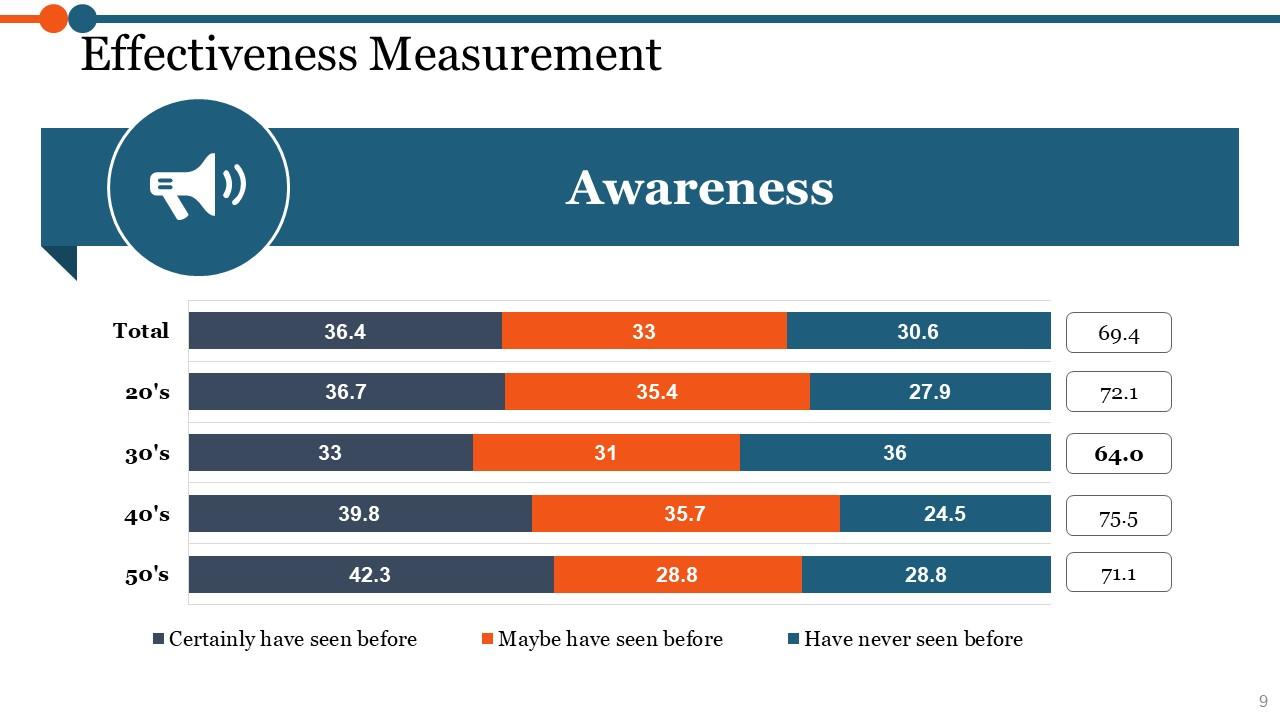
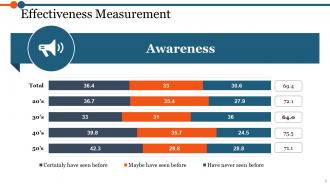
Folie 9 : Diese Folie zeigt die Effektivitätsmessung. Sie können die Daten in Form eines Balkendiagramms analysieren.
Folie 10 : Diese Folie zeigt das Markenmarketing-Symbol.
Folie 11 : Diese Folie zeigt das Bild der Kaffeepause.
Folie 12 : Diese Folie zeigt den Titel Charts & Graphs.
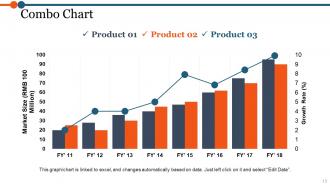
Folie 13 : Diese Folie zeigt ein Kombinationsdiagramm zum Vergleich der drei Produkte.
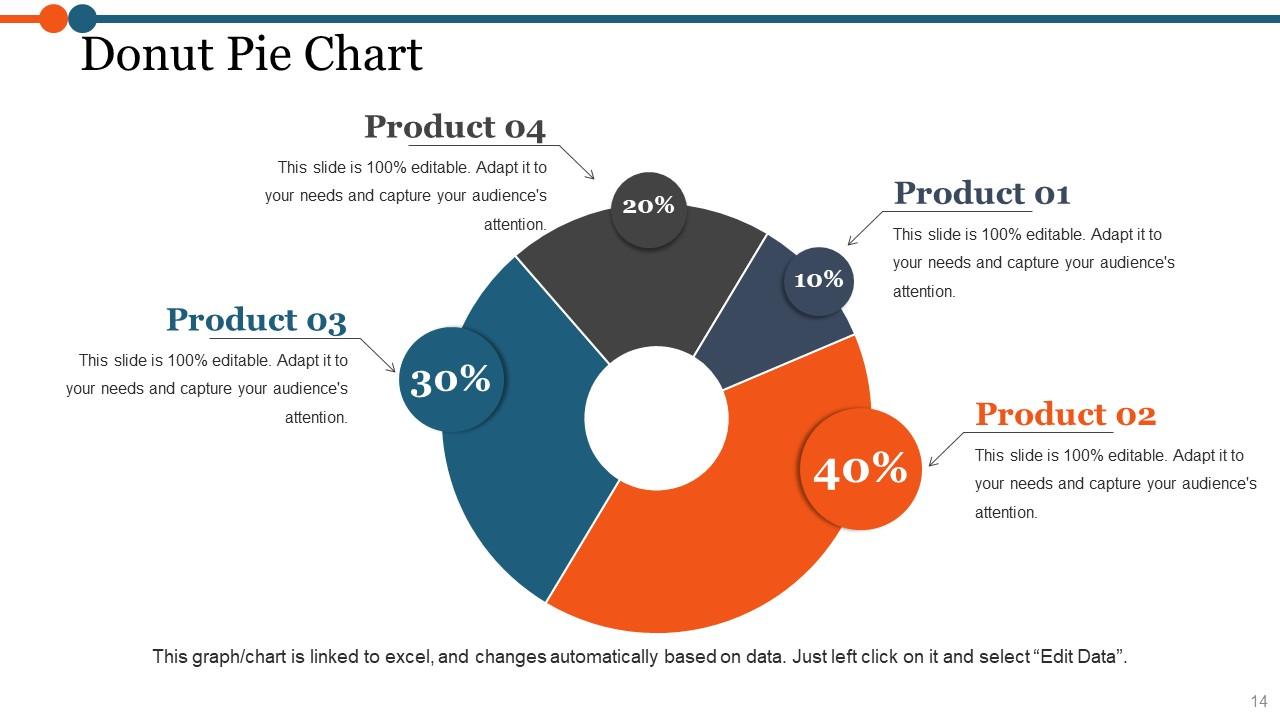
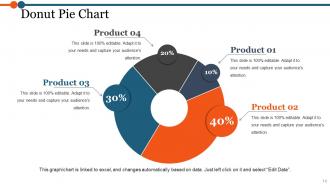
Folie 14 : Diese Folie zeigt das Donut-Kreisdiagramm und dient zum Vergleich der Produkte.
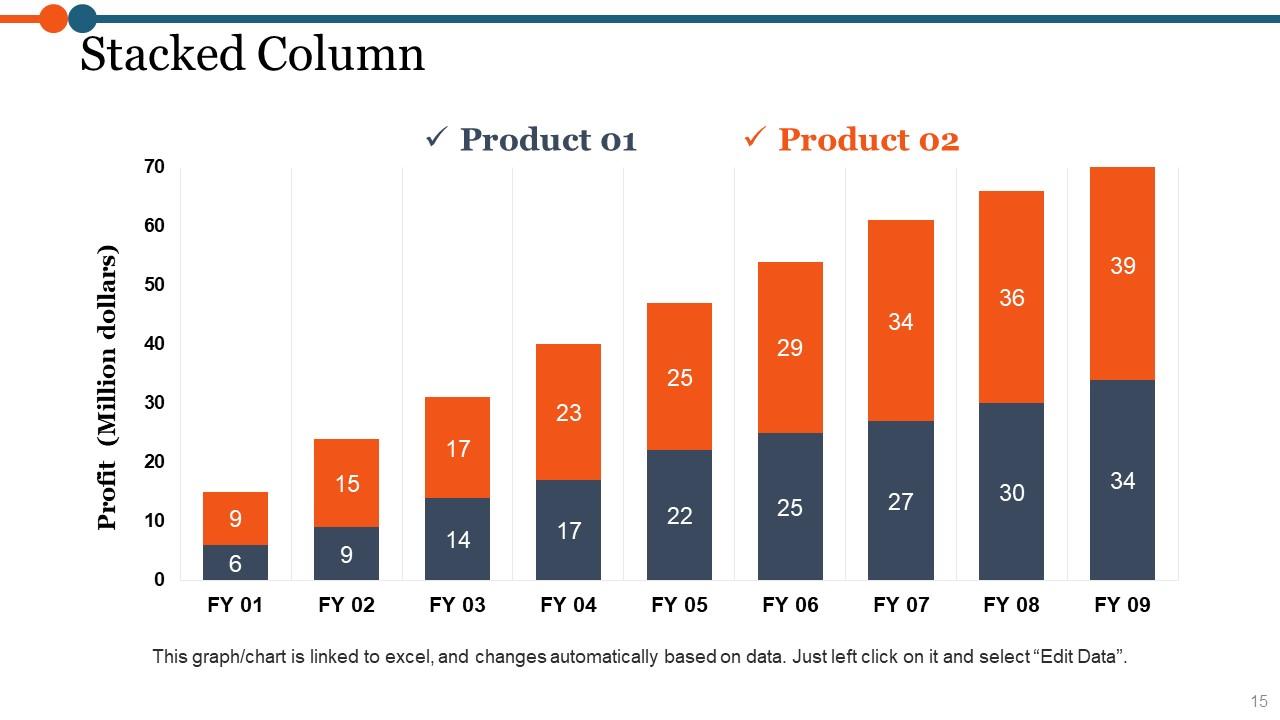
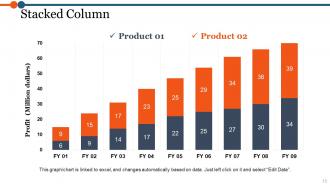
Folie 15 : Diese Folie zeigt ein gestapeltes Liniendiagramm in Prozent und Jahren zum Vergleich von Produkt 01, Produkt 02, Produkt 03 usw.
Folie 16 : Diese Folie trägt den Titel Zusätzliche Folien.
Folie 17 : Diese Folie repräsentiert unsere Mission. Nennen Sie Ihre Mission, Ziele usw.
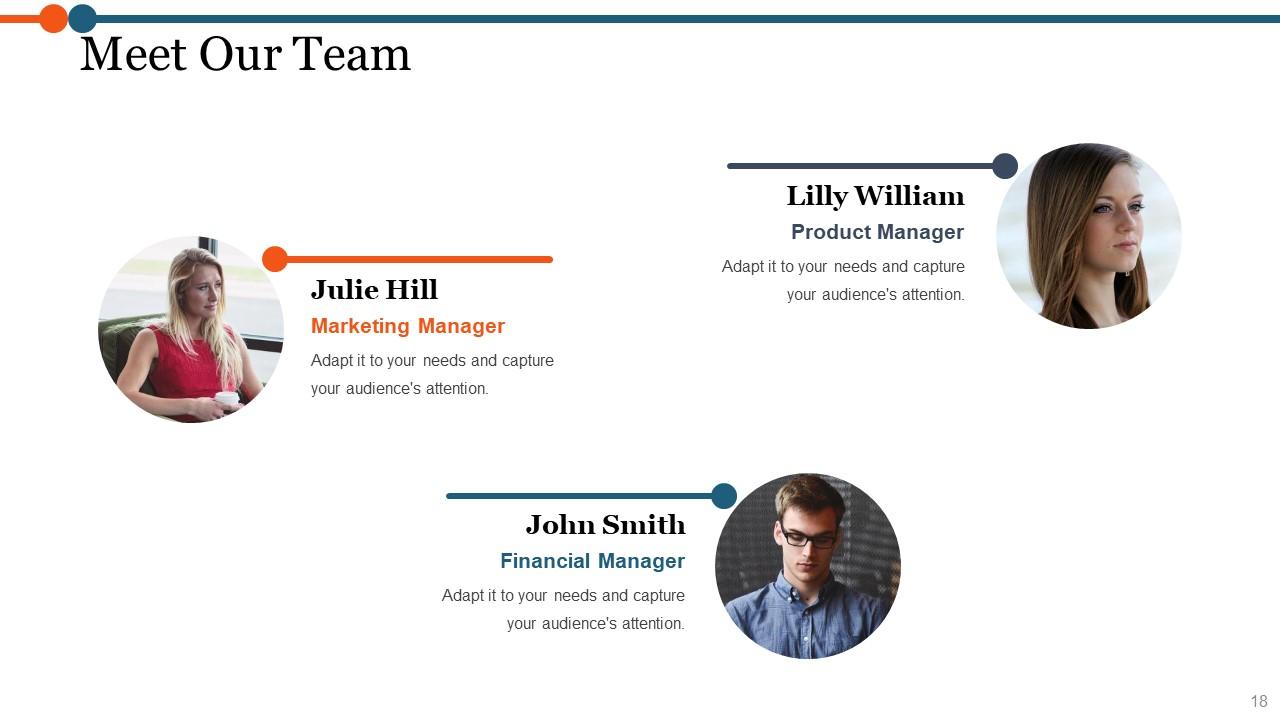
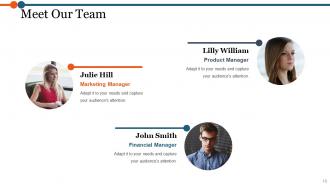
Folie 18 : Diese Folie zeigt unser Team mit Namen und Bezeichnung zum Ausfüllen.
Folie 19 : Dies ist eine Über uns-Folie. Geben Sie hier Firmen- oder Teamspezifikationen an.
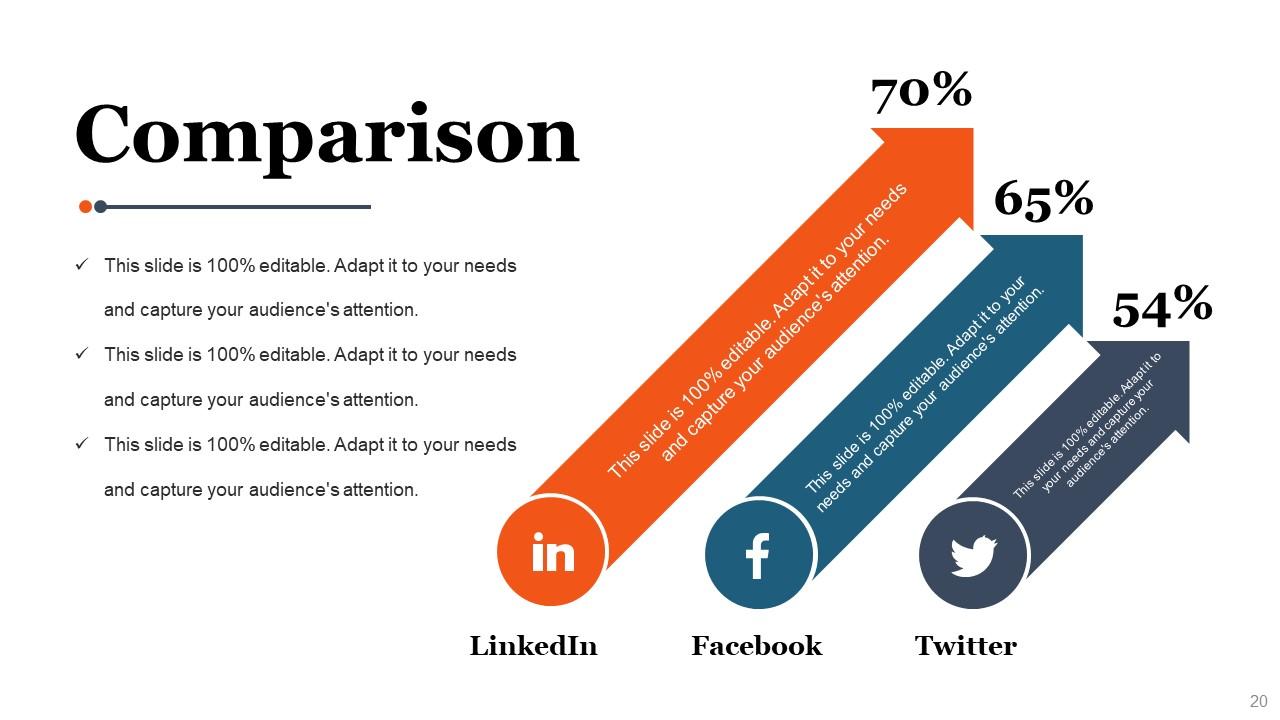
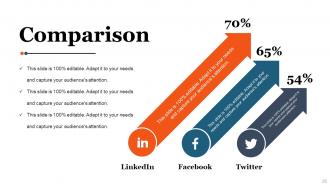
Folie 20 : Diese Folie zeigt einen Vergleich. Sie können das Geschäftsprodukt vergleichen.
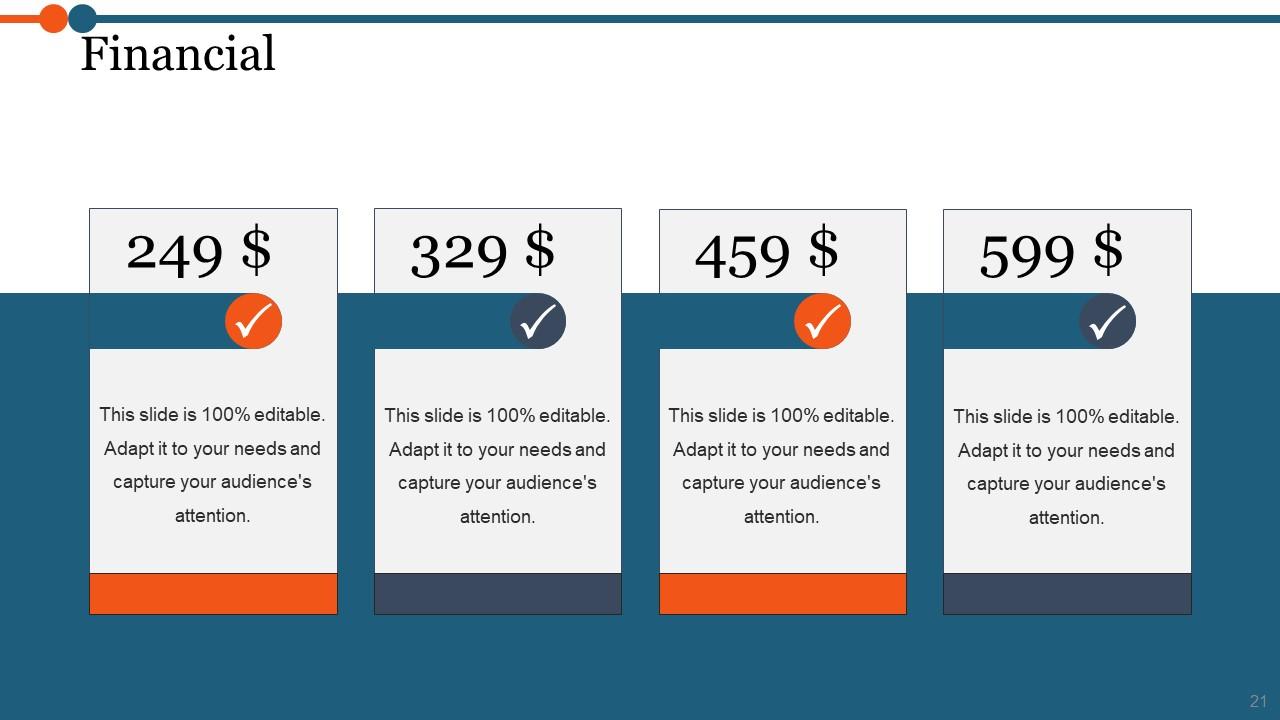
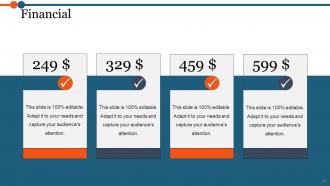
Folie 21 : Diese Folie zeigt die anzuzeigenden Finanzergebnisse.
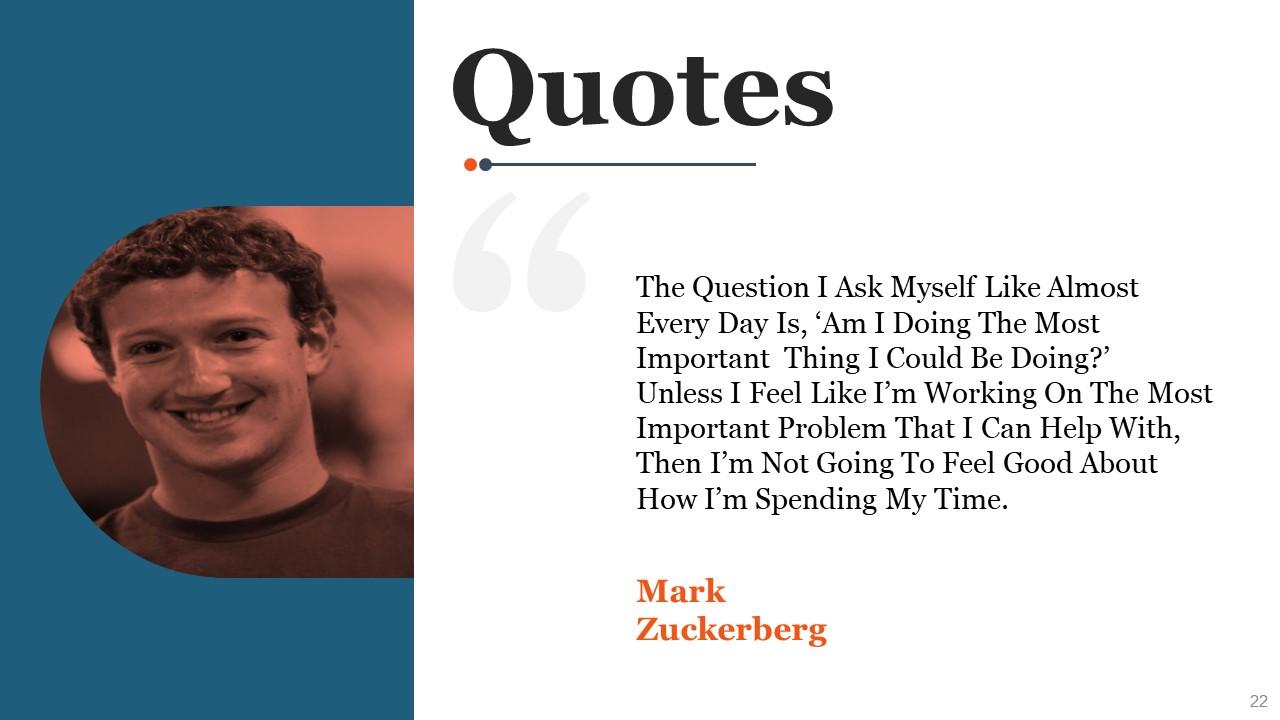
Folie 22 : Dies ist eine Geschäftszitate-Folie, um etwas zu zitieren, an das Sie glauben.
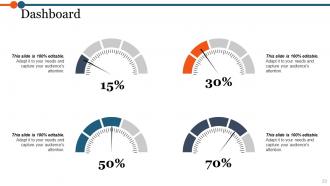
Folie 23 : Dies ist eine Dashboard-Folie zur Darstellung von Strategischem System, Erfolg, Zielprozess, Verkaufsreview, Kommunikationsstudie.
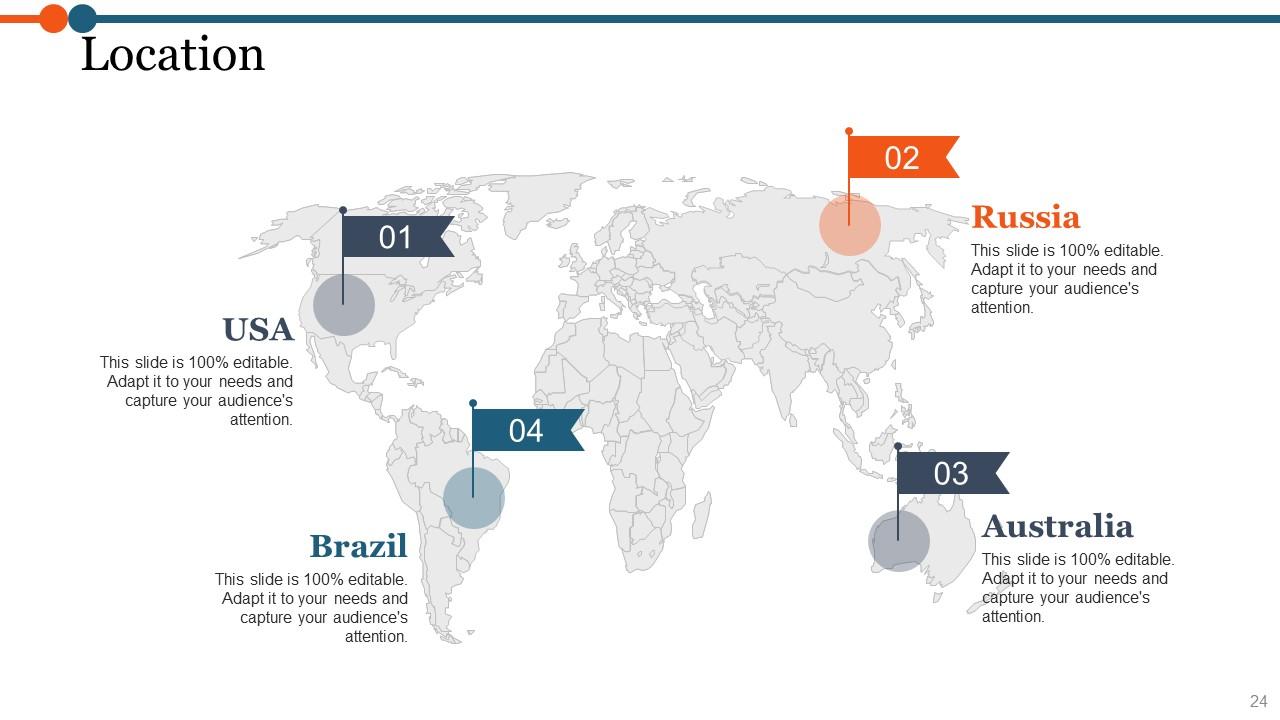
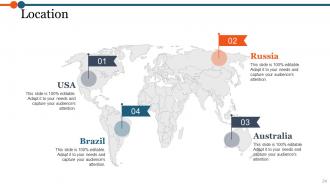
Folie 24 : Dies ist eine Standortfolie, um das globale Wachstum, die Präsenz usw. auf der Weltkarte zu zeigen.
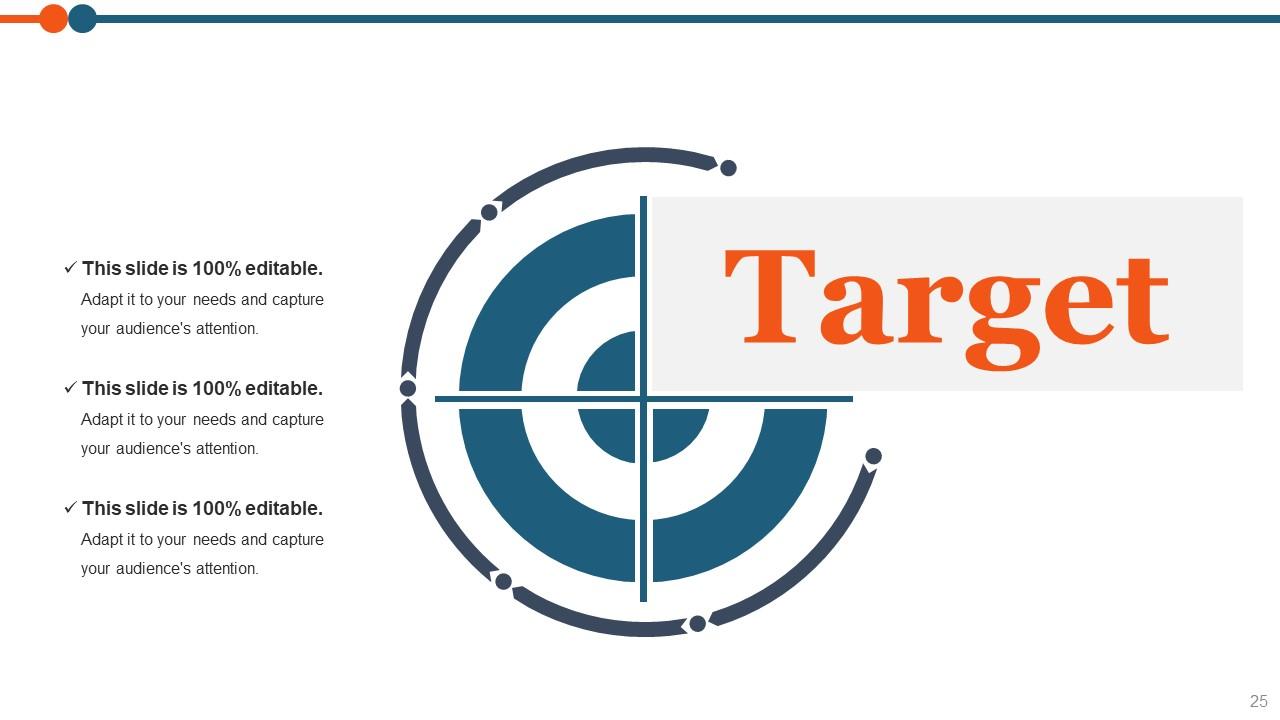
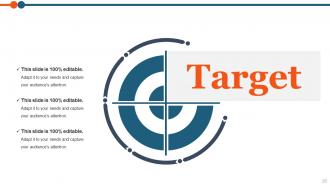
Folie 25 : Diese Folie zeigt das Zielbild mit Textfeldern.
Folie 26 : Diese Folie zeigt das Zielbild mit Textfeldern.
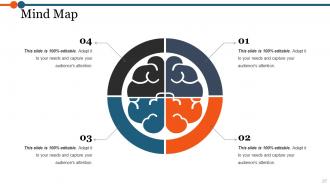
Folie 27 : Diese Folie zeigt eine Mindmap zur Darstellung von Entitäten
Folie 28 : Diese Folie zeigt ein Glühbirnen- oder Ideenbild.
Folie 29 : Diese Folie zeigt eine Lupe mit Symbolbildern.
Folie 30 : Dies ist eine Dankesfolie mit Adresse# Hausnummer, Stadt, Bundesland, Kontaktnummern, E-Mail-Adresse.
Markenmarketing Powerpoint-Präsentationsfolien mit allen 30 Folien:
Ordnen Sie die Unordnung mit unseren Brand Marketing Powerpoint-Präsentationsfolien. Finden Sie das ideale Format zum Folgen.
FAQs for Brand marketing
You gotta nail your positioning first - like, who are you actually talking to and what makes you different? Then make sure everything looks cohesive. Logo, colors, fonts, all that visual stuff needs to match everywhere or it just looks amateur. I swear, half the brands I see online look like three different people designed them. Your messaging has to be consistent too, and please don't write generic corporate fluff for your values. People want real stories they can connect with. Oh, and collect testimonials - social proof works way better than you think. Start by looking at what you've got now and fix the obvious inconsistencies.
Honestly, brand storytelling is a game changer for getting people to actually care about your business. Think about it - nobody gets excited about buying "soap." But supporting a company that's fighting plastic waste? That hits different. Your story turns a transaction into something personal. People remember stories way better than product features too. Like, I can't tell you the specs of my phone but I remember exactly why I switched brands. The trick is finding what your company genuinely stands for - not some made-up corporate BS - and connecting that to what your customers actually value. Stories just make everything more human, you know?
Dude, social media basically IS your brand now. People see everything - reviews, how you handle complaints, what you post behind the scenes. One viral customer service disaster can totally wreck you (I've seen it happen so many times). But you can also use it to show your personality and connect with people who actually care about what you're doing. Don't just post and ghost though - actually talk to people. Oh, and keep an eye on what people are saying about you. Being real and consistent matters way more than perfect posts.
Visual identity is your brand's face - how people spot you instantly. You know that feeling when you see a Starbucks cup from across the street? That's it working perfectly. Colors, fonts, logo, imagery - they all create that first impression and emotional hook with customers. Builds trust too, plus makes you stand out from everyone else doing the same thing. Honestly, consistency is everything here. Your website needs to match your social media, which needs to match your packaging. Otherwise it just looks messy and unprofessional. I'd start by looking at what you've got now and figuring out where things feel totally off-brand.
Honestly, customer feedback is like getting free market research handed to you. I keep a whole file of customer quotes because they describe your stuff way better than you ever could - and that language makes amazing ad copy. Google Alerts for your brand is clutch, btw. Reviews and social comments show you pain points to fix your messaging around, plus success stories become testimonials. The weird unexpected feedback is actually the best part though. People use your product in ways you never thought of, which opens up whole new angles for marketing. Just start reading what they're actually saying.
So for brand tracking, you'll need both awareness and perception stuff. Brand awareness surveys are obvious. Social sentiment and share of voice too. NPS is kinda everywhere these days but honestly still works for loyalty tracking. Brand recall and consideration rates matter a lot. Oh, and don't sleep on the organic metrics - branded search volume and social mentions show real interest, not just paid stuff. I'd say pick 3-4 of these for a quarterly dashboard. Makes it way easier to catch trends before they become problems.
Honestly, segmentation is a game changer because you're not just throwing random messages at everyone and hoping something sticks. Break your audience into groups - maybe by age, spending habits, whatever makes sense for your brand. A luxury skincare company wouldn't talk to budget-conscious millennials the same way they'd pitch to wealthy Gen X folks, right? Same product but completely different concerns. People actually pay attention when they feel like you understand their specific situation. I'd start small though - pick 2 or 3 segments from your current customers and test different approaches. Way more effective than generic messaging.
Okay so first thing - get a brand style guide down with your voice, messaging, visuals, all that stuff. Then actually make people use it lol. Templates are a lifesaver for each platform so your team isn't starting from scratch every single time. The hard part? You've gotta adapt your message for each channel while still sounding like *you*. I'd do regular check-ins to catch when things go off-brand. Oh and definitely set up approvals for big campaigns. Train everyone on the guidelines too - otherwise it's just chaos and everyone's doing their own thing.
Dude, the tech stuff happening right now is insane. AI can personalize content for thousands of people automatically. AR lets customers actually try products virtually before buying - which honestly should've existed way sooner. Voice search is totally changing how people find brands too. VR creates these crazy immersive experiences that seemed impossible just a few years back. The best part? You'll get way better customer data and more genuine connections. Don't go overboard though - just pick one tech that fits what you're already doing and test it out first.
Dude, it's all about making customers feel special, not just another transaction. Personalized stuff crushes it - email campaigns that actually matter, loyalty programs with decent rewards, customer service that doesn't treat you like a stranger every time. Most companies screw this up by being pushy salespeople instead of helpful. Oh, and listen to feedback! Actually change things based on what people tell you. Quality consistency matters too, obviously. The whole thing is making them feel valued as humans, not walking credit cards. I'd start by looking at how you currently interact with customers and honestly ask - would I stay loyal to this?
Honestly, personalization is everything in marketing right now. Like, customers expect brands to actually know them - what they bought before, what they like, all that stuff. You know those super generic emails that feel like they were sent to literally everyone? Those don't work anymore. Smart brands are using customer data to make each person feel like the experience was built just for them. Even something small like putting someone's name in an email subject line or showing products similar to what they already bought can make a huge difference. Worth starting there if you haven't already.
Honestly, the worst thing you can do is flip your brand personality every few months - people get so confused. Don't try being everything to everyone either, that never works. Inconsistent messaging across different platforms kills you too. I see brands copying competitors all the time instead of figuring out their own thing, which is just... why? Also avoid overpromising what your product actually does because that'll bite you later. Another big one is getting caught up in random tactics without any real strategy behind it. You'll blow your budget on nothing. Find your core message and actually stick with it.
Your content needs to actually connect to what you're trying to achieve business-wise, not just exist for no reason. Map each piece to real goals - building awareness, nurturing leads, whatever. Most brands just throw random blog posts into the void and wonder why nothing happens (drives me crazy honestly). Your content should reinforce the same brand message and target the same people you're going after everywhere else. Build content hubs around your main talking points. Then distribute where your audience actually spends time. Oh, and track real metrics that matter to your business, not just likes and shares.
Dude, partnerships are honestly a game-changer for getting your brand out there. You're basically getting access to their entire audience - people who would've never found you otherwise. The cool thing is collaborations feel way more genuine than regular ads (I mean, who doesn't love a good brand mashup?). Just make sure you pick partners whose crowd vibes with yours but isn't exactly the same. Find 3-5 brands you actually respect and think up some win-win ideas together. It's like cross-pollinating your customer bases, which sounds nerdy but totally works.
Honestly, start by tracking what's actually moving the needle vs what you *think* is working. Look at your engagement rates and where people are dropping off in their journey. Social listening tools are clutch for figuring out how people really feel about your brand. Test everything - different messages, audiences, channels. I probably A/B test way too much but it's worth it. Pick like 2-3 metrics that actually matter to your goals and focus there first. Don't be that person who collects tons of data but never does anything with it.
-
Helpful product design for delivering presentation.
-
Easily Editable.
-
Presentation Design is very nice, good work with the content as well.
-
Informative presentations that are easily editable.
-
Innovative and attractive designs.
-
Designs have enough space to add content.
-
Graphics are very appealing to eyes.