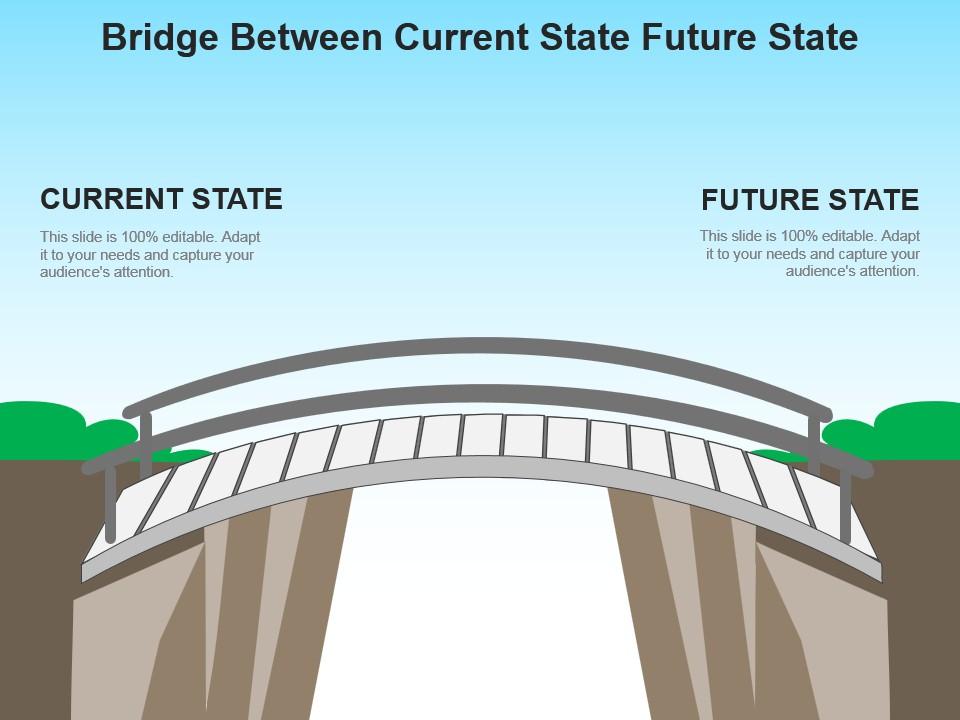
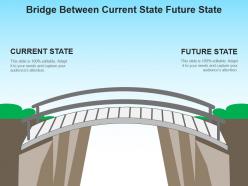
Puente entre el estado actual El estado futuro Ejemplos de presentación en PowerPoint

Rating:
90%
Slide 1 of 6
Favourites Favourites

Try Before you Buy Download Free Sample Product

Audience Impress Your
Audience
Editable 100%
Editable
Time Save Hours
of Time
The Biggest Sale is ending soon in
0
0
:
0
0
:
0
0
Rating:
90%

Características de estas diapositivas de presentación de PowerPoint:

Puente entre el estado actual y el diseño de PowerPoint del estado futuro. Diapositiva PPT limpia y clara con contenido de alta resolución. Modelo de presentación fácil de personalizar para la inclusión y exclusión de datos según la elección individual. Modelo de PowerPoint prediseñado para estudiantes, profesores, analistas financieros y otros profesionales de negocios. Personalice las diapositivas con el nombre y el logotipo de su empresa. Opción flexible de conversión en formatos PDF o JPG. Fácil de descargar y guardar en el formato que elija. Disponible en tamaño de diapositiva estándar y de pantalla ancha.

FAQs for Bridge between current state future state

Dude, you basically need four things sorted out. First, tell everyone WHY this change is happening - people hate being kept in the dark. Get your leadership actually committed, not just paying lip service. Then make sure employees feel involved in the whole thing, and have proper training ready. Oh, and find your change champions early - you know, those people everyone actually listens to. I swear half the time changes bomb because some executive just sends an email and thinks that's enough. Set up ways to get feedback too, so you can pivot if things aren't working. Map out who's getting hit by this change first though.

Track adoption rates and how fast people get up to speed after changes hit. Business objectives matter obviously, but honestly employee engagement scores tell you way more than most leaders think. People bail when change sucks. Surveys and focus groups give you the real story behind the numbers. Measure before, during, and after - otherwise you're just guessing. I'd stick to like 3-5 key metrics on a simple dashboard. Check monthly so you don't get buried in data paralysis.

Dude, communication really is everything with change stuff. People freak out when they don't get why something's happening - like, just tell them the actual reasoning behind it, you know? I've seen so many projects tank because leadership just announces changes without explaining anything. Makes people feel totally left out. You gotta start talking about it early and keep the conversation going both ways. Listen to what people are worried about instead of just talking at them. Be upfront about timelines and how their day-to-day will actually change. Honestly, most resistance comes from confusion more than anything else.

Honestly? Start with yourself - if you're freaking out about changes, your team will sense it instantly. Always explain WHY things are changing, not just what's happening. Don't sugarcoat the rough parts either because people aren't stupid and they'll lose trust in you. Make sure everyone feels safe speaking up about their concerns. Oh, and definitely get them involved in HOW you roll out changes - nobody likes having stuff forced on them. Celebrate the small wins too. I learned this the hard way when I tried to manage everything myself once.

Honestly? Most people freak out about losing their jobs or having to learn totally new systems. Nobody likes feeling out of control, especially when they've got their routine down pat. What really gets people fired up is being left out of decisions - like, why are we doing this again? Bad communication kills everything here. If someone had a terrible experience with changes before, they're gonna be skeptical from day one. You've got to explain how it actually affects them personally, not just company-wide benefits. Give them proper training too. Oh, and don't just assume the pushback will disappear on its own.

Honestly, tech tools are a lifesaver for managing change. Slack or Teams keeps everyone talking instead of playing telephone. Project management platforms help you actually see what's happening - super helpful when things get chaotic. I'd throw in some digital surveys too since people are way more honest when they're anonymous. Oh, and learning management systems beat those marathon training sessions every time. Analytics dashboards show you where people are stuck (which happens more than you'd think). Just don't go crazy introducing five new tools at once. Pick stuff your team already uses and build from there.

Kotter's 8-Step Process and ADKAR work best - there's a reason they've stuck around. ADKAR breaks it down by individual needs (Awareness, Desire, Knowledge, Ability, Reinforcement), while Kotter's all about urgency and getting the right people on board. Too many managers I know just skip explaining the "why" and wonder why everyone resists. Big mistake. People need to actually care before they'll change how they work. Oh, and don't mix methodologies - pick one and commit. When everything's already shaky, the last thing you want is mixed messages confusing people even more.

Honestly, your company's culture is gonna make or break any change you're trying to push through. If you're dealing with a top-down place, get the executives on board first - everyone else will follow. More collaborative environments? Good luck, you'll be in meetings forever getting consensus, but at least people will actually use whatever you implement. Risk-averse companies will fight you tooth and nail on anything new. Meanwhile, those "disruptive" startups might jump on changes so fast they skip the planning part entirely (seen that disaster before). Bottom line - you gotta work with your culture's personality, not against it. Don't try making a conservative bank act like a tech startup.

Okay so first thing - figure out who's actually affected by this change and how much pull they have. Map that out. Executives just want the big picture stuff, but your end users? They need to know exactly what's in it for them personally. Set up regular feedback sessions because honestly, people get so pissed when they feel like stuff is just being done TO them without any input. Mix up your communication - town halls, surveys, one-on-ones, whatever works. The whole point is making people feel like they're part of shaping this thing, not just receiving orders from above. I'd start with those stakeholder interviews ASAP.

So here's what works well - treat change like any other backlog item that needs constant tweaking. Break it into smaller pieces instead of one massive rollout (way less scary for people). Your retrospectives should cover change stuff too, not just the technical bits. I'd definitely keep stakeholders in the loop with regular demos so they actually see what's happening. Honestly, the biggest thing is just talking to people constantly throughout each sprint. When you address resistance bit by bit, it doesn't build up into this huge wall of pushback later.

Look, if you don't train people properly, you're basically setting them up to fail. Nobody wants to stumble around trying to figure out new processes on their own - that's just stressful for everyone involved. Good training actually cuts down on pushback because people understand what's happening and feel more confident about it. You'll spot problems way earlier too, which saves headaches later. I've seen this go wrong so many times when companies treat training like an afterthought. When people feel supported and know what they're doing, they'll actually get on board with changes instead of resisting them. Build it into your timeline from the start.

Start with surveys and focus groups to see how people actually feel about change - you'll get way more honest answers than you expect. Check out how past changes went too. Do you have the right skills and resources? Because honestly, being unprepared is the fastest way to tank everything. Listen to what people say in the break room or casual conversations - that's where the real opinions come out. Leadership support matters huge, plus whether your team trusts management. Oh, and make sure your communication channels actually work. Getting this feedback upfront saves you from nasty surprises later.

Honestly, the biggest thing is knowing your audience - execs want the business case while your team cares about their day-to-day stuff. I bombed this once using identical slides for everyone, super awkward. Get ahead of it early and just be real about what you don't know yet. People process things differently so hit multiple channels - some love town halls, others prefer emails or quick chats. Here's what really matters though: repeat everything like 7 times minimum. Sounds excessive but trust me, it takes forever to sink in. Oh and set up ways for people to give feedback fast - rumors spread way quicker than facts.

Look, you can't just launch something and disappear - that's where most changes die. Build it right into how people actually work every day. Celebrate the small wins because honestly, people have goldfish memories with this stuff. Your managers need to coach these new behaviors consistently, not just when they remember to. Monthly check-ins for the first year are clutch - catch the backsliding before everyone reverts to old habits. Also make sure it's baked into performance reviews and bonuses. The goal? Make it feel totally normal, not like some special initiative gathering dust in a corner.

Honestly, feedback is like your reality check for change management. People going through the change will tell you what's actually happening - not what you think is happening from your manager bubble. There's always a gap there, trust me. Their input shows you where things are breaking down, communication issues, resistance you'd never spot otherwise. Then you can tweak your timeline, messaging, training, whatever needs fixing. The trick is setting up multiple feedback loops throughout, not just dumping a survey at the end. Regular check-ins work best if you actually listen to what they're saying.

Ratings and Reviews

90% of 100
Review Form
Write a review
Most Relevant Reviews
  1. 80%

    by Daniel Mcdonald

    I discovered this website through a google search, the services matched my needs perfectly and the pricing was very reasonable. I was thrilled with the product and the customer service. I will definitely use their slides again for my presentations and recommend them to other colleagues.
  2. 100%

    by Derek Mills

    Designs have enough space to add content.

2 Item(s)

per page: