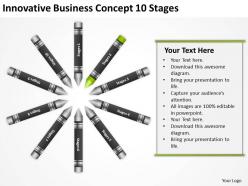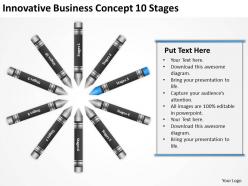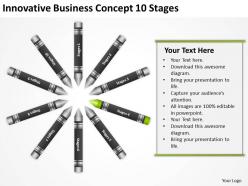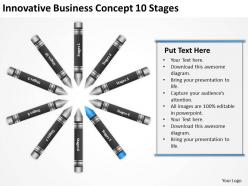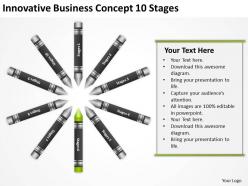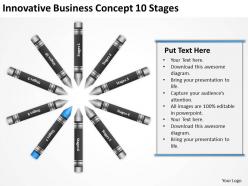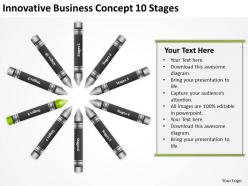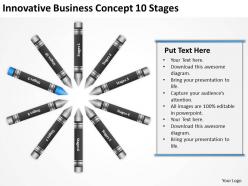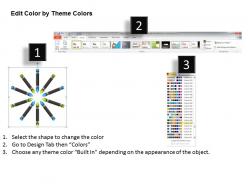
Business development process diagram innovative concept 10 stages powerpoint slides

Rating:
100%
Business development process diagram innovative concept 10 stages powerpoint slides
Slide 1 of 15
Favourites Favourites

Try Before you Buy Download Free Sample Product

Audience Impress Your
Audience
Editable 100%
Editable
Time Save Hours
of Time
The Biggest Sale is ending soon in
0
0
:
0
0
:
0
0
Rating:
100%
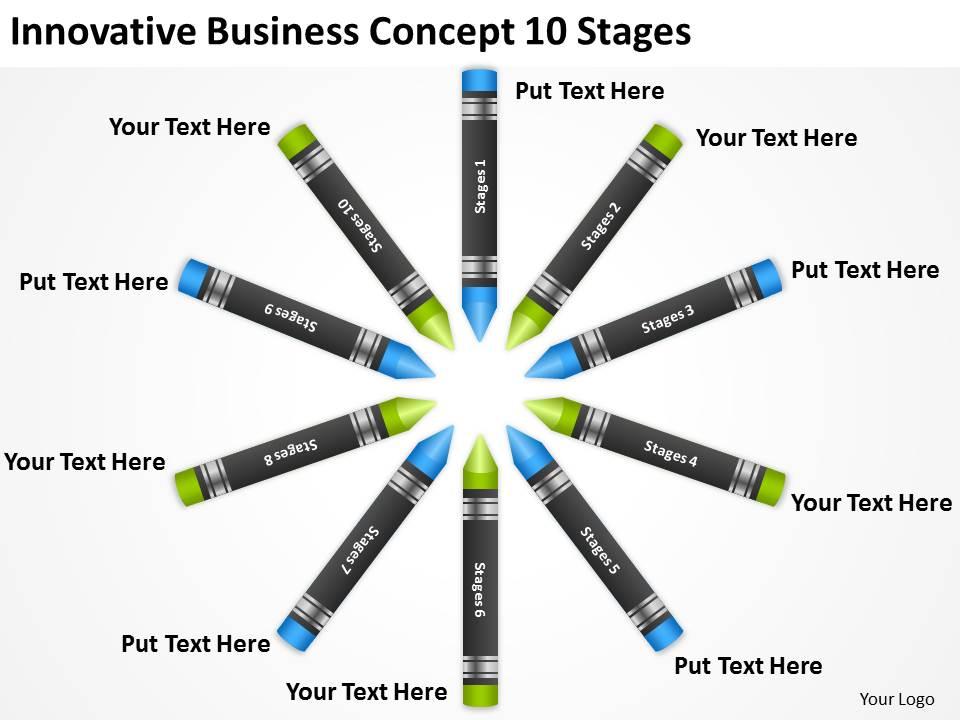
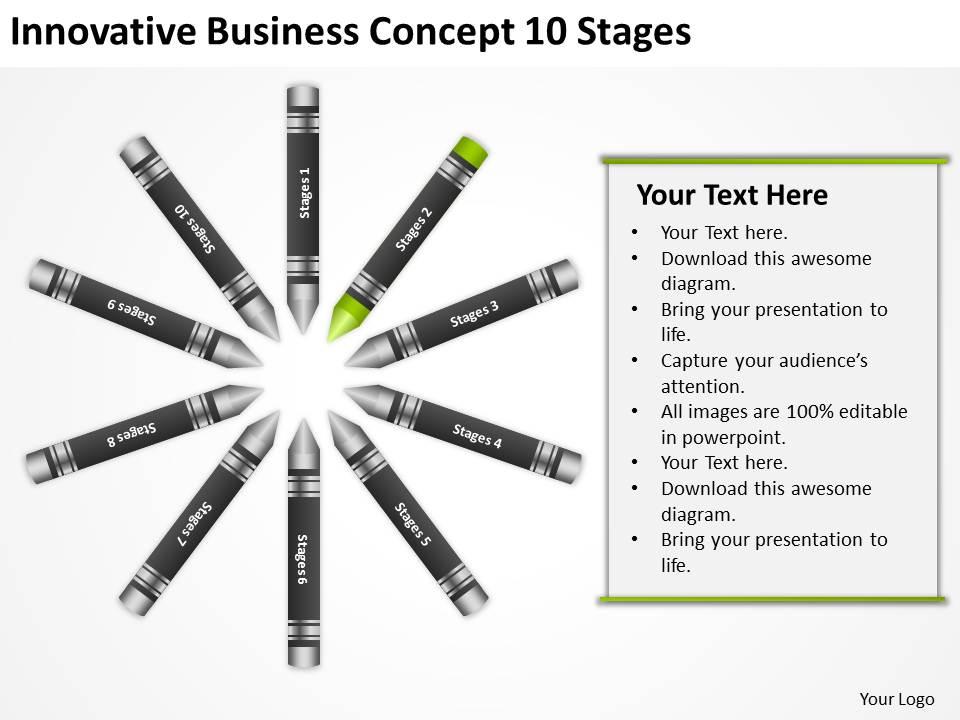
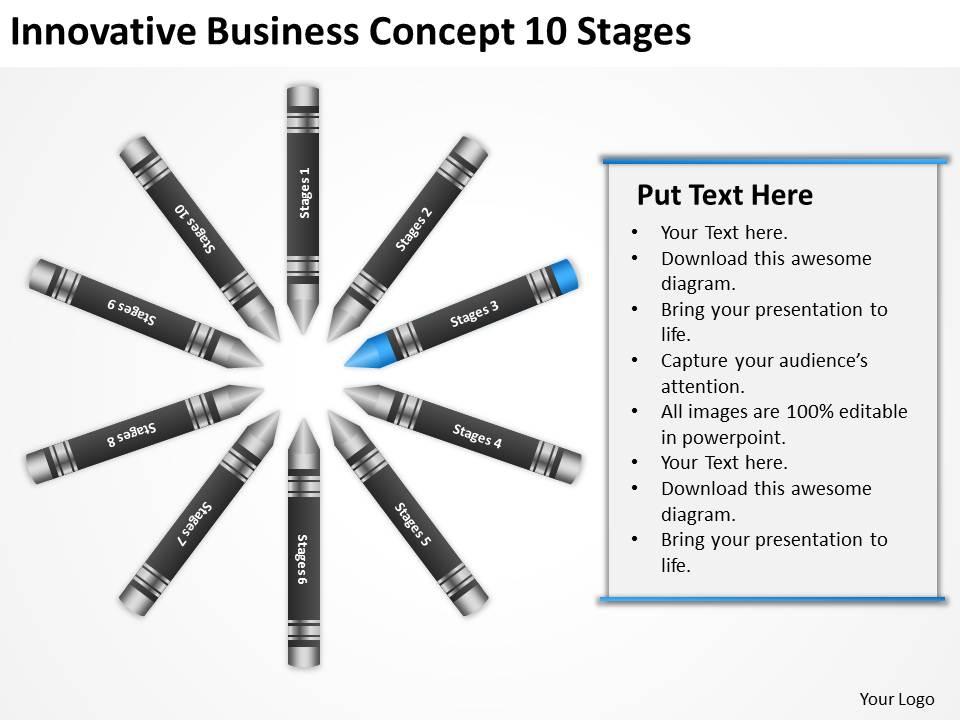
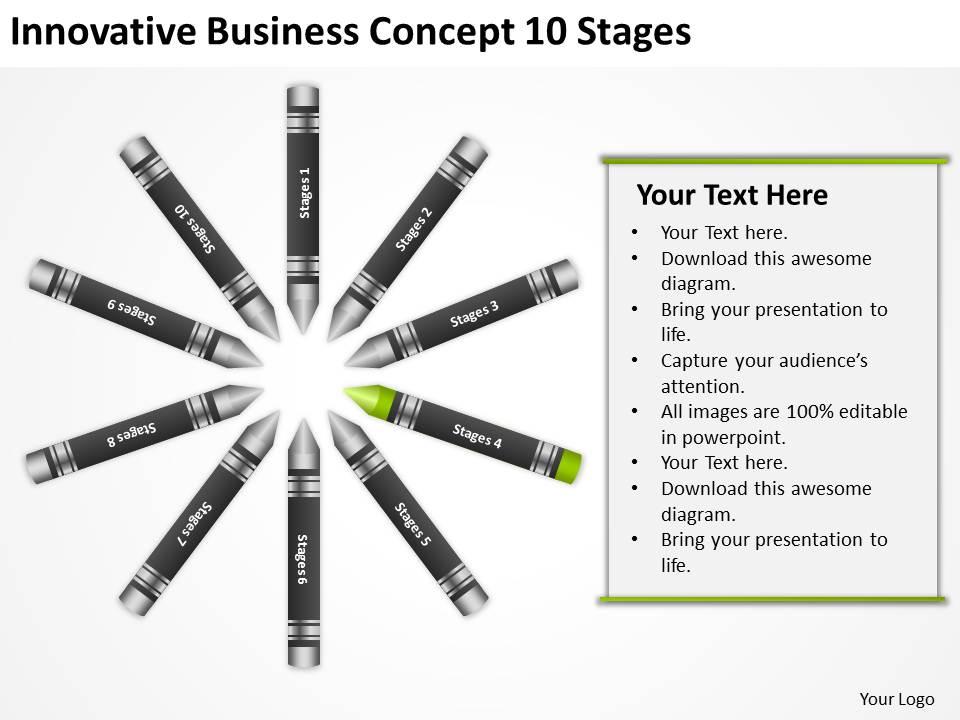
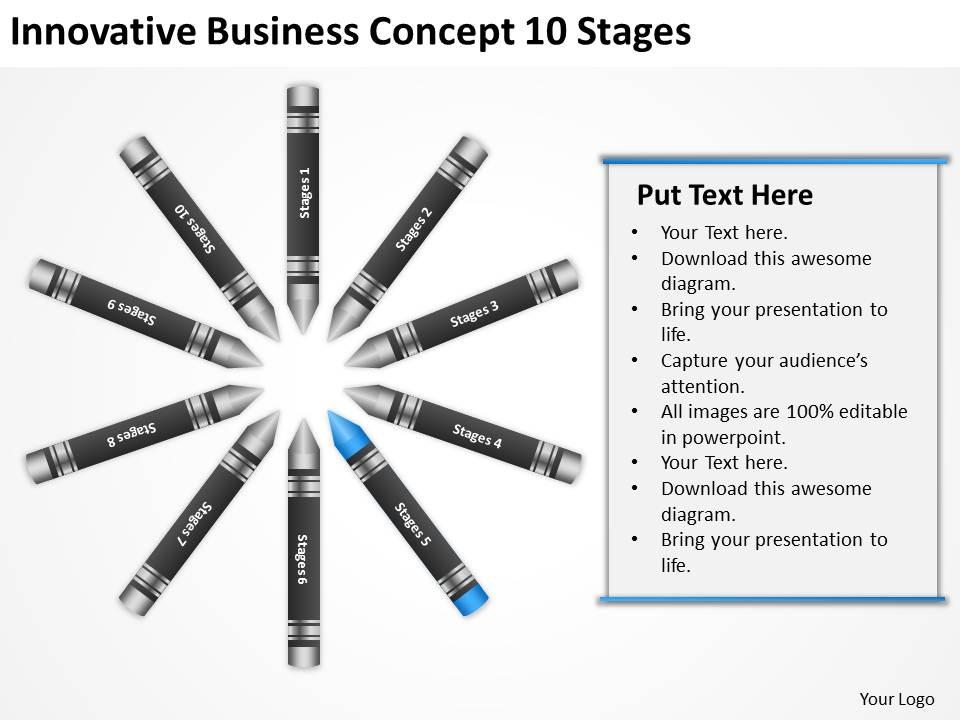
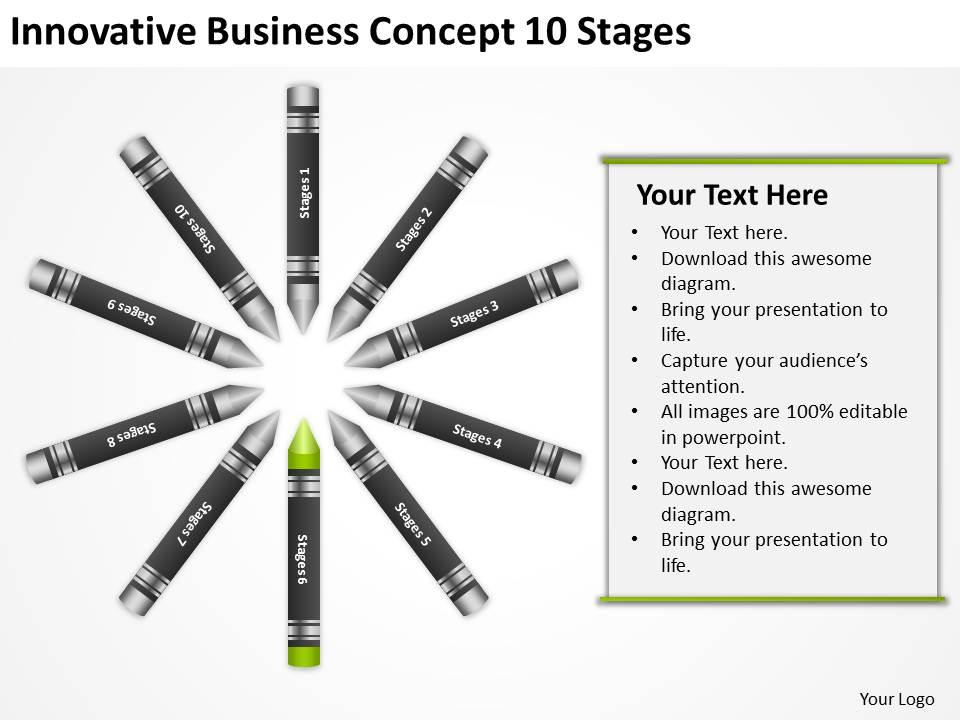
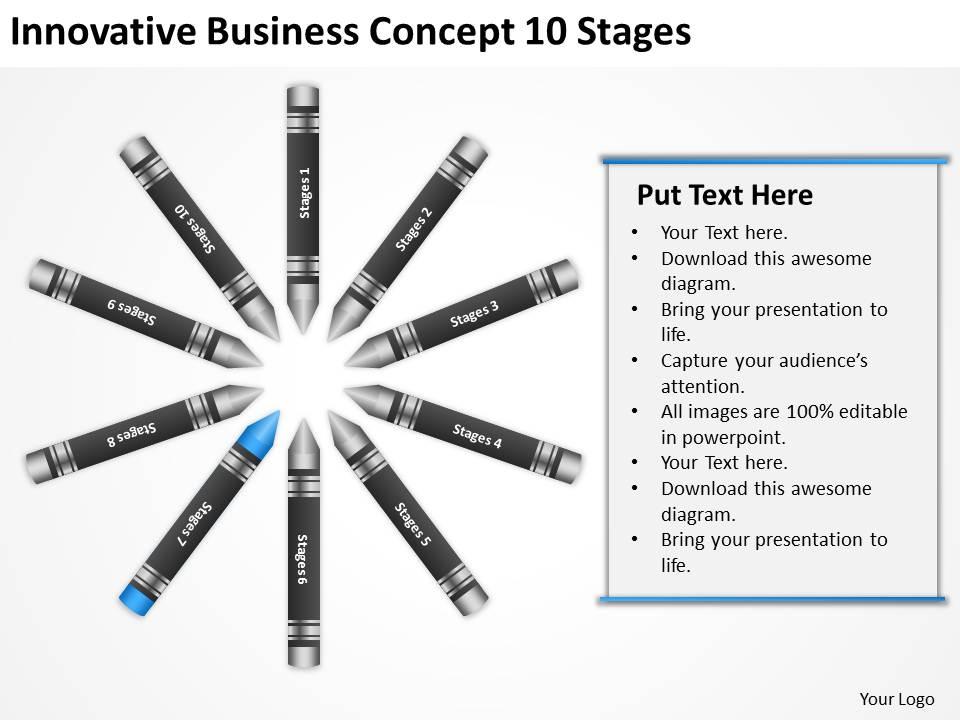
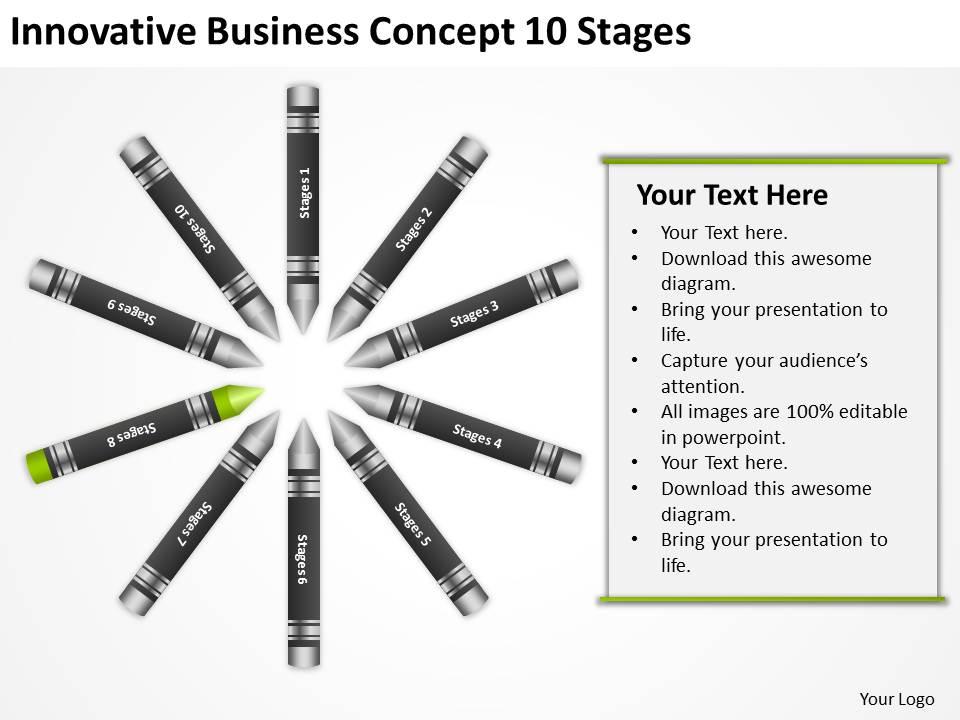
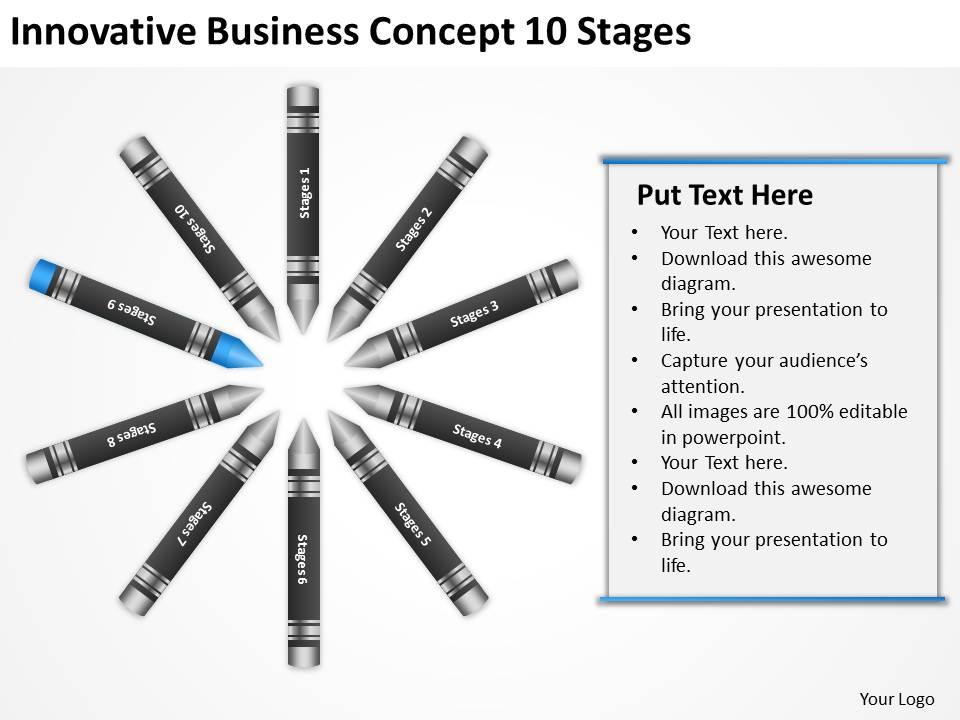
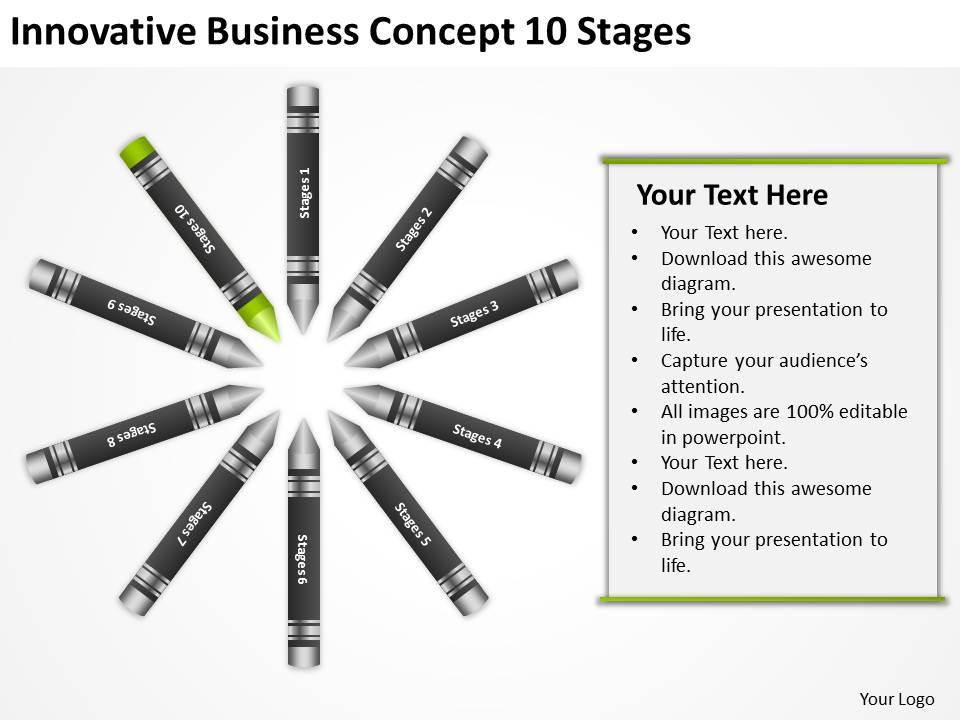
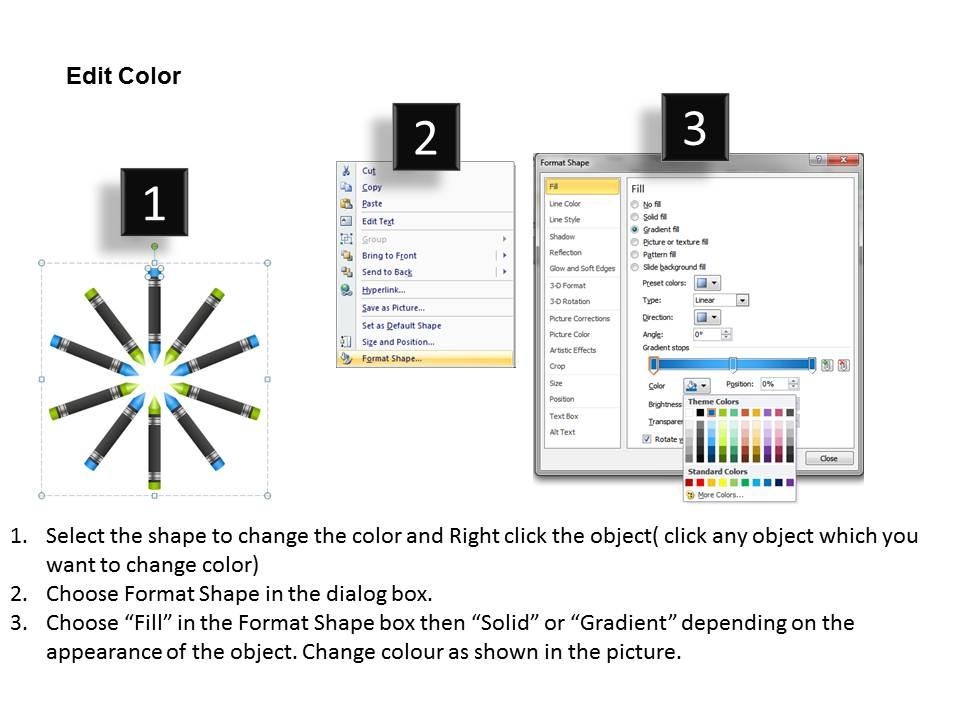
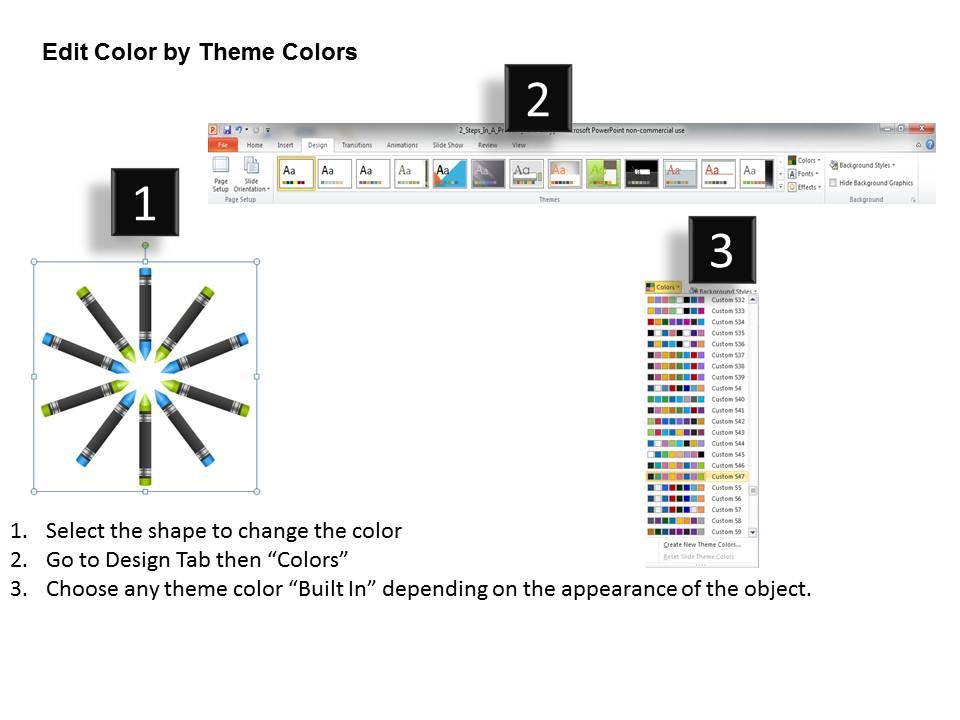
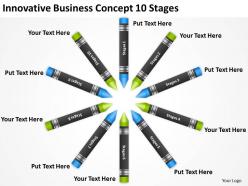
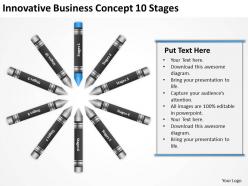
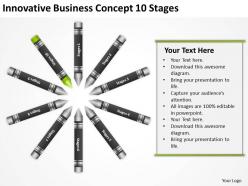
We are proud to present our business development process diagram innovative concept 10 stages powerpoint slides. Create visually stunning and define your PPT Presentations in a unique and inspiring manner using our above template which contains a graphic of ten stages circular chart which represents the concept of innovation. This diagram can be used for new ideas, innovative projects, strategic planning, motivation, success and business efficiency presentations. Deliver amazing presentations to mesmerize your audience.

People who downloaded this PowerPoint presentation also viewed the following :

FAQs for Business development process diagram innovative concept 10

The key stages in business development include lead generation, prospect qualification, needs assessment, solution presentation, negotiation, and deal closure. These stages work systematically to transform potential opportunities into revenue-generating partnerships, with many organizations finding that structured processes enhance conversion rates, streamline resource allocation, and ultimately deliver sustainable growth and competitive advantage.

A business development process diagram enhances team communication by providing visual clarity, standardizing workflows, and eliminating confusion around roles and responsibilities. Through shared visual frameworks, teams streamline collaboration, reduce miscommunication, and accelerate decision-making processes, with many organizations finding that structured diagrams ultimately deliver improved project coordination and faster business outcomes.

Effective business development process diagrams can be created using Lucidchart, Microsoft Visio, Draw.io, Miro, and Canva, each offering specialized flowchart capabilities and collaboration features. These platforms streamline diagram creation by providing pre-built templates, drag-and-drop functionality, and real-time collaboration tools, with many organizations finding that visual process mapping enhances team alignment, identifies bottlenecks, and accelerates strategic planning across departments.

Market analysis and customer segmentation serve as foundational elements in business development, informing strategic decisions about product positioning, pricing strategies, and resource allocation. These processes enable organizations to identify high-value opportunities, tailor their offerings to specific demographics, and develop targeted marketing approaches, ultimately delivering better customer experiences and sustainable competitive advantage in increasingly crowded markets.

Stakeholder engagement ensures business development process diagrams accurately reflect organizational realities, incorporate diverse perspectives, and gain essential buy-in for implementation. Through collaborative workshops and feedback sessions, stakeholders from sales, marketing, operations, and leadership contribute critical insights about customer touchpoints, resource requirements, and operational constraints, ultimately delivering diagrams that are both strategically sound and practically executable across departments.

Visual business development process diagrams enhance decision-making by providing clarity on sequential steps, identifying bottlenecks, revealing resource allocation gaps, and highlighting interdependencies between stages. These diagrams enable teams to spot inefficiencies, accelerate strategic planning, and maintain alignment across departments, with many organizations finding that visual mapping reduces decision time while improving coordination and ultimately delivering faster market responses.

Business development processes adapt through sector-specific research methodologies, customized value propositions, industry-tailored relationship building strategies, and specialized compliance considerations. Financial services companies focus on regulatory adherence and trust-building, while technology firms emphasize innovation showcases and rapid scalability demonstrations, with many organizations finding that industry-specific approaches deliver significantly higher conversion rates and stronger strategic partnerships.

Business development process diagrams should include lead generation rates, conversion percentages at each funnel stage, customer acquisition costs, deal closure times, and revenue per partnership. These metrics enable organizations to identify bottlenecks, optimize resource allocation, and accelerate growth cycles, with many companies finding that tracking pipeline velocity and partnership ROI ultimately delivers measurable competitive advantage.

Business development process diagrams should be reviewed quarterly and updated whenever significant market changes, strategic shifts, or operational modifications occur. Regular revisions ensure the diagram remains aligned with evolving customer needs, competitive landscapes, and internal capabilities, with many organizations finding that proactive updates enhance team alignment, streamline decision-making, and maintain competitive advantage in dynamic markets.

Common challenges in business development include unclear role definitions, misaligned team priorities, communication breakdowns, missed opportunities, and inefficient resource allocation across different stages. A comprehensive process diagram addresses these issues by providing visual clarity, standardizing workflows, and establishing clear accountability checkpoints, with many organizations finding that structured visual frameworks ultimately enhance team coordination, reduce strategic gaps, and accelerate decision-making timelines.

A business development process diagram streamlines employee onboarding by providing visual clarity on workflows, decision points, client acquisition strategies, and team responsibilities across departments. New hires can quickly understand revenue generation processes, sales methodologies, and stakeholder interactions, while managers use these diagrams to ensure consistent training delivery, ultimately reducing onboarding time and accelerating productivity integration.

Linear business development processes follow sequential stages from initial planning through execution to completion, while cyclical processes involve continuous loops of assessment, strategy refinement, implementation, and feedback integration. Linear approaches work well for project-based initiatives with defined endpoints, whereas cyclical models enable ongoing adaptation and improvement, with many organizations finding that cyclical processes deliver sustained growth and competitive advantage in dynamic markets.

Partnerships and collaborations typically occupy the strategic alliance and external relationship sections of business development process diagrams, connecting market analysis to implementation phases. These relationships enhance market penetration, resource sharing, and competitive positioning by leveraging complementary strengths, expanding distribution channels, and accelerating growth, with many organizations finding that strategic partnerships significantly reduce time-to-market while maximizing operational efficiency.

Key roles in business development typically include business development managers who identify opportunities, sales teams executing deals, marketing professionals generating leads, strategic partnership managers fostering alliances, and executive leadership providing direction. These roles work collaboratively across organizations, with marketing teams qualifying prospects, sales professionals nurturing relationships, and strategic managers negotiating partnerships, ultimately delivering streamlined revenue growth and competitive market positioning.

Feedback loops integrate into business development diagrams through customer surveys, performance metrics analysis, stakeholder reviews, and market research data collection at each process stage. These mechanisms enable organizations to identify bottlenecks, refine strategies, and optimize resource allocation continuously, with many companies finding that systematic feedback integration accelerates growth cycles and enhances competitive positioning.

Ratings and Reviews

100% of 100
Write a review
Most Relevant Reviews
  1. 100%

    by O'Connor Collins

    Informative design.
  2. 100%

    by Demarcus Robertson

    Helpful product design for delivering presentation.

2 Item(s)

per page: