


Business Management Powerpoint-Präsentationsfolien






Try Before you Buy Download Free Sample Product
 Impress Your
 Audience
 100%
100% Editable
 Save Hours
 of Time


Unsere Business Management Powerpoint-Präsentationsfolien sind thematisch gestaltet, um jedem Thema einen attraktiven Hintergrund zu bieten. Verwenden Sie sie, um wie ein Präsentationsprofi auszusehen.
People who downloaded this PowerPoint presentation also viewed the following :
Inhalt dieser Powerpoint-Präsentation
Folie 1 : Diese Folie stellt die Unternehmensführung vor. Geben Sie Ihren Firmennamen an und beginnen Sie.
Folie 2 : Diese Folie zeigt den Inhalt der Präsentation an.
Folie 3 : Diese Folie zeigt die Highlights der Finanzzusammenfassung mit folgenden Darstellungen: Umsatzaufteilung - Nach Geografie, Umsatzaufteilung - Nach Land, Geschäftsvorstellung.
Folie 4 : Diese Folie zeigt Highlights mit zugehörigen Informationen.
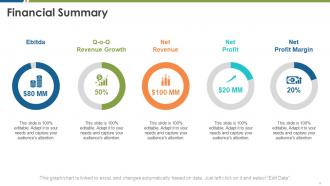
Folie 5 : Diese Folie zeigt eine Finanzübersicht mit zugehörigen Informationen.
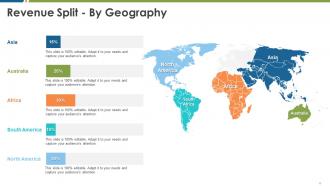
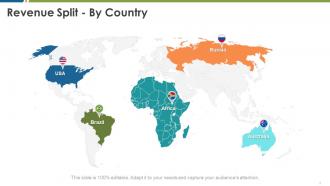
Folie 6 : Diese Folie zeigt die Umsatzverteilung – nach Geografie.
Folie 7 : Diese Folie zeigt die Umsatzverteilung – nach Land.
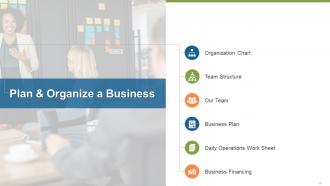
Folie 8 : Diese Folie zeigt die Planung und Organisation eines Unternehmens.
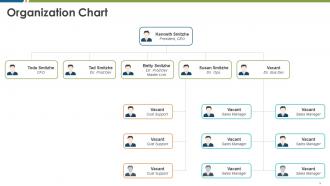
Folie 9 : Diese Folie zeigt dieses Organigramm an.
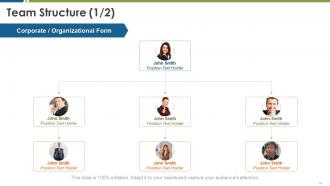
Folie 10 : Diese Folie zeigt das Unternehmens-/Organisationsformular mit Namen und Positionen der Teammitglieder.
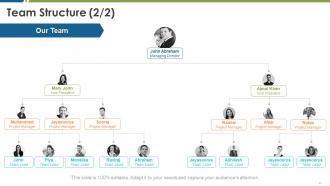
Folie 11 : Diese Folie zeigt die Teamstruktur.
Folie 12 : Dies ist die Folie unseres Teams.
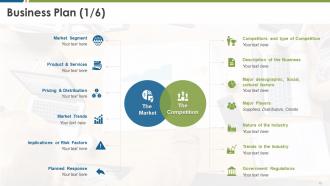
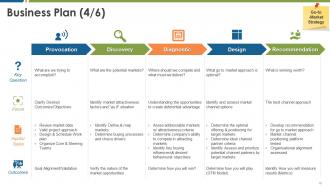
Folie 13 : Diese Folie zeigt den Geschäftsplan.
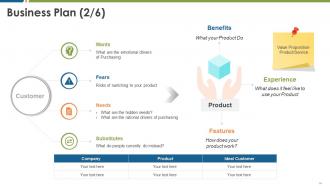
Folie 14 : Diese Folie zeigt den Geschäftsplan.
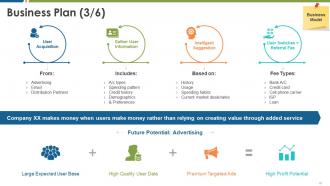
Folie 15 : Diese Folie zeigt auch den Geschäftsplan.
Folie 16 : Diese Folie zeigt auch den Geschäftsplan.
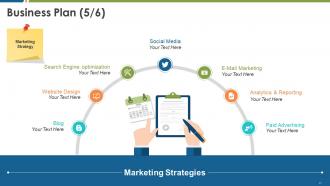
Folie 17 : Diese Folie zeigt den Geschäftsplan mit E-Mail-Marketing, Analyse und Berichterstellung, bezahlte Werbung, Blog, Website-Design, Suchmaschinenoptimierung, Marketingstrategien, Marketingstrategie.
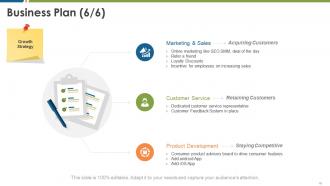
Folie 18 : Diese Folie zeigt den Geschäftsplan mit Online-Marketing wie SEO, SMM, Deal des Tages, Treuerabatte, Marketing und Vertrieb, Kundengewinnung, Kundenfeedbacksystem, Kundenservice, Kundenbindung usw.
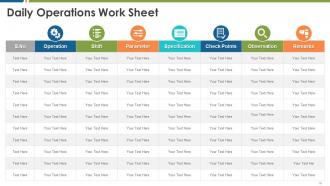
Folie 19 : Diese Folie zeigt das Arbeitsblatt für den täglichen Betrieb.
Folie 20 : Diese Folie zeigt die Geschäftsfinanzierung mit Geschäftskredit, Barvorschuss gegen Kreditkarteneinnahmen, Darlehen für den Kauf von Ausrüstung, Ausrüstungsleasing, gewerbliches Hypothekendarlehen.
Folie 21 : Diese Folie beschreibt, wie Sie die richtige Finanzierung für Ihr Unternehmen erhalten.
Folie 22 : Diese Folie beschreibt, wie Sie die richtige Finanzierung für Ihr Unternehmen erhalten.
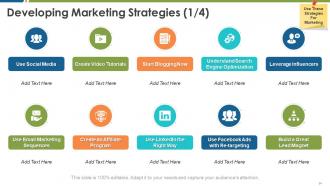
Folie 23 : Diese Folie zeigt die Entwicklung von Marketingstrategien.
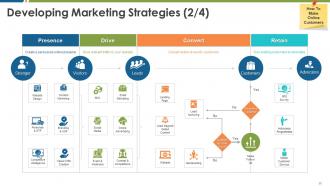
Folie 24 : Diese Folie präsentiert die Entwicklung von Marketingstrategien.
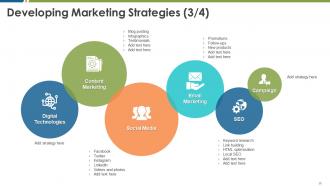
Folie 25 : Diese Folie zeigt die Entwicklung von Marketingstrategien.
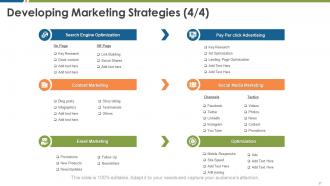
Folie 26 : Diese Folie zeigt die Entwicklung von Marketingstrategien.
Folie 27 : Diese Folie zeigt die Entwicklung von Marketingstrategien mit Schlüsselrecherche, Anzeigenoptimierung, Zielseitenoptimierung usw.
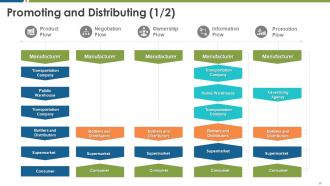
Folie 28 : Diese Folie zeigt Werbung und Verteilung.
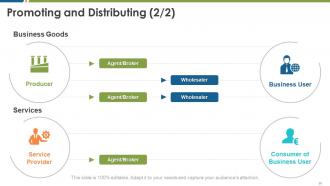
Folie 29 : Diese Folie zeigt Werbung und Verteilung.
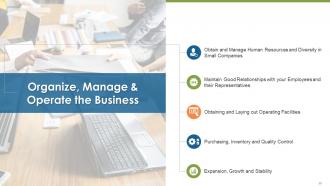
Folie 30 : Diese Folie präsentiert Organisieren, Verwalten und Betreiben des Unternehmens.
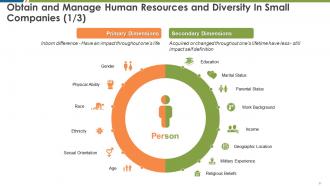
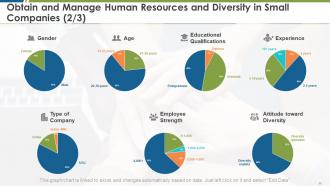
Folie 31 : Diese Folie zeigt die Beschaffung und Verwaltung von Humanressourcen und Vielfalt in kleinen Unternehmen.
Folie 32 : Diese Folie zeigt die Beschaffung und Verwaltung von Humanressourcen und Vielfalt in kleinen Unternehmen.
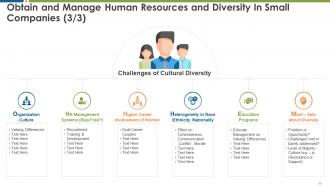
Folie 33 : Diese Folie stellt die Beschaffung und Verwaltung von Humanressourcen und Vielfalt in kleinen Unternehmen dar.
Folie 34 : Diese Folie beschreibt die Pflege guter Beziehungen zu Ihren Mitarbeitern und deren Vertretern.
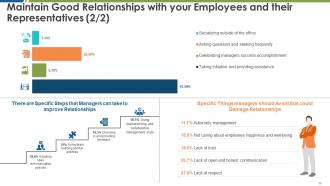
Folie 35 : Diese Folie beschreibt die Pflege guter Beziehungen zu Ihren Mitarbeitern und deren Vertretern.
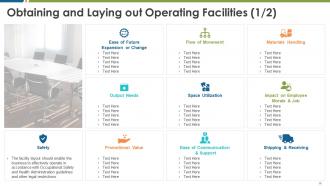
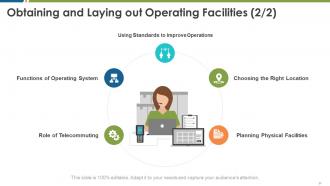
Folie 36 : Diese Folie zeigt die Beschaffung und Einrichtung von Betriebseinrichtungen.
Folie 37 : Diese Folie beschreibt die Beschaffung und Einrichtung von Betriebseinrichtungen.
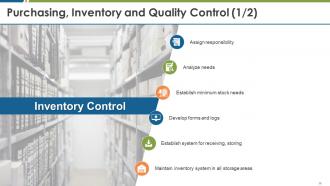
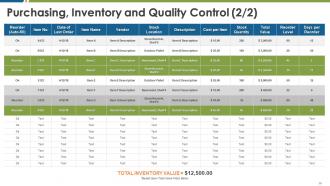
Folie 38 : Diese Folie repräsentiert Einkauf, Inventar und Qualitätskontrolle.
Folie 39 : Diese Folie präsentiert Einkauf, Inventar und Qualitätskontrolle.
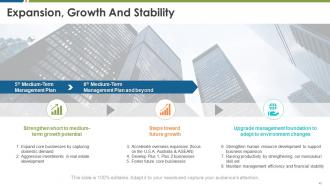
Folie 40 : Diese Folie beschreibt Expansion, Wachstum und Stabilität.
Folie 41 : Diese Folie beschreibt die Finanzplanung und -kontrolle.
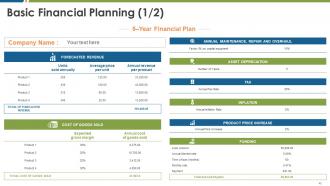
Folie 42 : Diese Folie zeigt die grundlegende Finanzplanung.
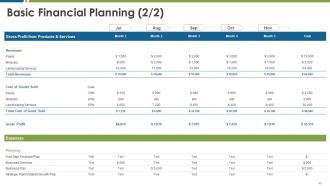
Folie 43 : Diese Folie stellt die grundlegende Finanzplanung dar.
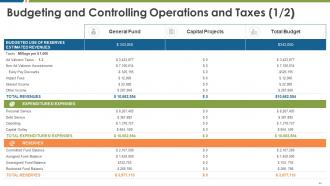
Folie 44 : Diese Folie zeigt Budgetierungs- und Controllingvorgänge und Steuern.
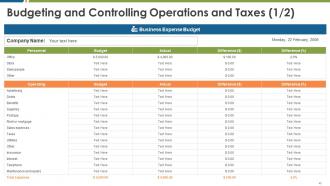
Folie 45 : Diese Folie beschreibt die Budgetierung und Kontrolle von Operationen und Steuern.
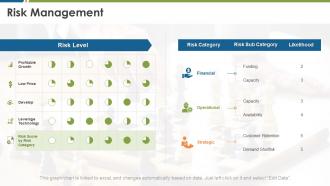
Folie 46 : Diese Folie zeigt das Risikomanagement.
Folie 47 : Diese Folie beschreibt Versicherungen, die den Schutz von Vermögenswerten und Einnahmen, den Schutz der Interessen der Organisation, die Sicherung von Projekten und Gewinnen, die Sicherung des Geschäftsbetriebs und die Priorität Ihrer Mitarbeiter umfassen.
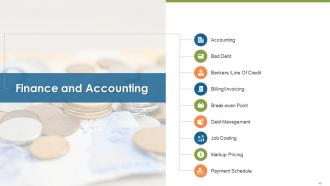
Folie 48 : Diese Folie zeigt das Finanz- und Rechnungswesen.
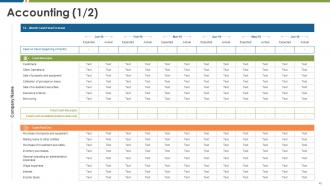
Folie 49 : Diese Folie zeigt die Buchhaltung.
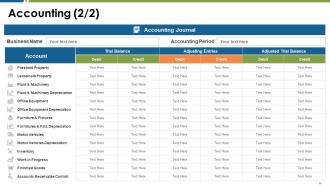
Folie 50 : Diese Folie repräsentiert die Buchhaltung mit Firmenname, Buchhaltungszeitraum, Buchhaltungsjournal.
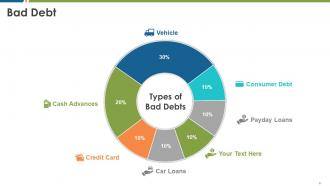
Folie 51 : Diese Folie zeigt uneinbringliche Schulden mit Arten von uneinbringlichen Schulden wie Kreditkarte, Fahrzeug, Barvorschüsse, Zahltagdarlehen, Autokredite, Verbraucherschulden.
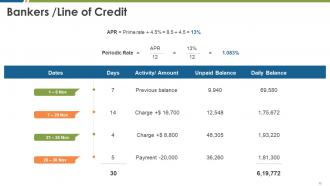
Folie 52 : Diese Folie zeigt Banker/Kreditlinie.
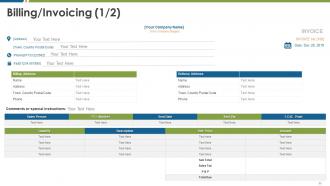
Folie 53 : Diese Folie steht für Fakturierung/Rechnung.
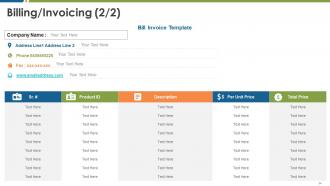
Folie 54 : Diese Folie zeigt die Rechnungsstellung/Rechnungsstellung mit Firmenname, Adresse, Telefonnummer und Fax.
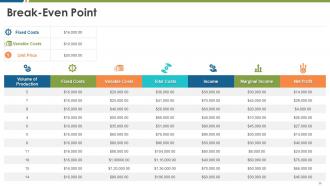
Folie 55 : Diese Folie zeigt den Break-Even-Punkt.
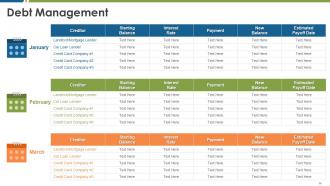
Folie 56 : Diese Folie zeigt das Schuldenmanagement.
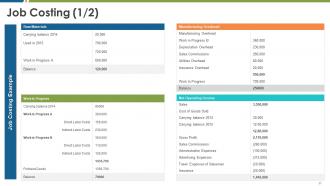
Folie 57 : Diese Folie zeigt Job Costing mit Beispielen.
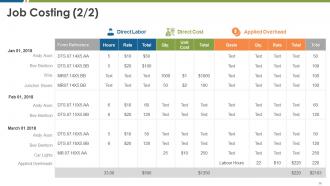
Folie 58 : Diese Folie zeigt die Auftragskostenrechnung.
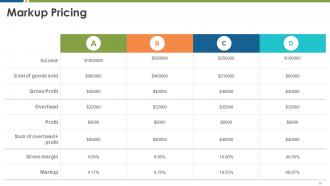
Folie 59 : Diese Folie zeigt Markup-Preise.
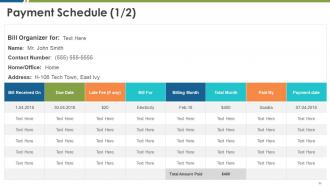
Folie 60 : Diese Folie zeigt den Zahlungsplan.
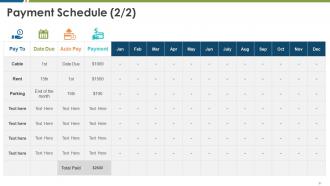
Folie 61 : Diese Folie zeigt den Zahlungsplan an.
Folie 62 : Diese Folie Kapitalbudgetierung.
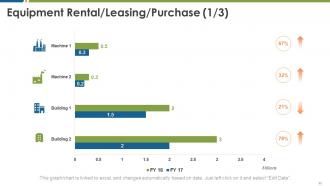
Folie 63 : Diese Folie zeigt Ausrüstungsverleih/-leasing/-kauf.
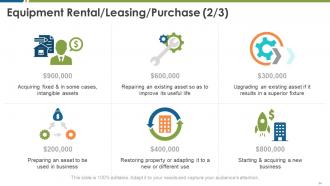
Folie 64 : Diese Folie zeigt Ausrüstungsverleih/-leasing/-kauf.
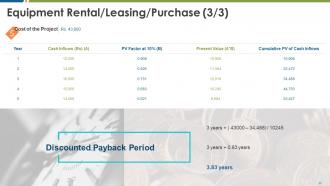
Folie 65 : Diese Folie zeigt Ausrüstungsverleih/-leasing/-kauf.
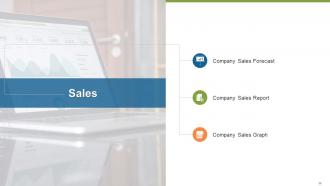
Folie 66 : Diese Folie zeigt Verkäufe mit Unternehmensumsatzbericht, Unternehmensumsatzprognose, Unternehmensumsatzdiagramm.
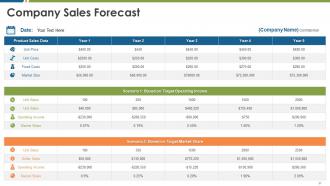
Folie 67 : Diese Folie zeigt die Umsatzprognose des Unternehmens.
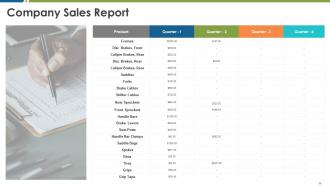
Folie 68 : Diese Folie präsentiert den Unternehmensumsatzbericht.
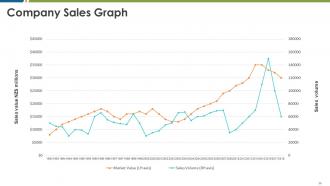
Folie 69 : Diese Folie zeigt das Unternehmensumsatzdiagramm.
Folie 70 : Diese Folie zeigt die KPIs und das Dashboard des Unternehmensmanagements.
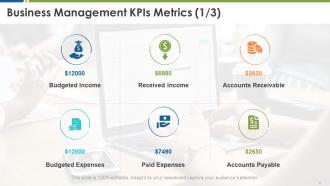
Folie 71 : Diese Folie zeigt die Kennzahlen der Geschäftsmanagement-KPIs.
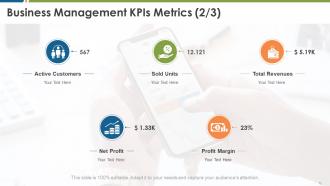
Folie 72 : Diese Folie zeigt die Kennzahlen der KPIs des Unternehmensmanagements.
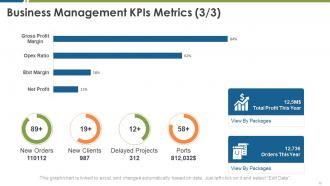
Folie 73 : Diese Folie zeigt auch die Kennzahlen der KPIs des Unternehmensmanagements.
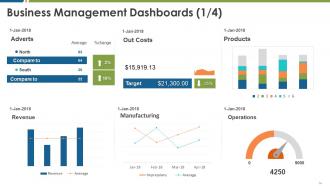
Folie 74 : Diese Folie präsentiert Business Management Dashboards.
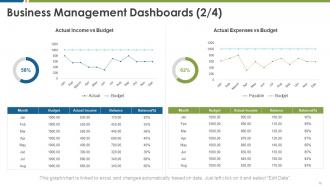
Folie 75 : Diese Folie zeigt Business-Management-Dashboards mit – Ist-Einnahmen vs. Budget, Ist-Ausgaben vs. Budget.
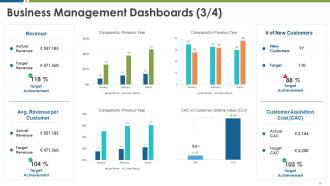
Folie 76 : Diese Folie präsentiert Business Management Dashboards.
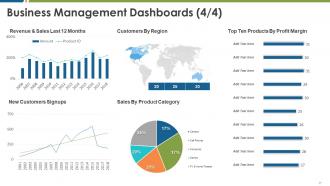
Folie 77 : Diese Folie zeigt Business Management Dashboards.
Folie 78 : Dies ist die Folie mit den Symbolen für die Unternehmensführung.
Folie 79 : Diese Folie trägt den Titel „Zusätzliche Folien“, um vorwärts zu gehen.
Folie 80 : Diese Folie erinnert an Kaffeepause.
Folie 81 : Diese Folie zeigt das Vergrößerungsglas an, um den wichtigen Inhalt darunter hervorzuheben.
Folie 82 : Dies ist die Folie unseres Teams mit Namen und Bezeichnungen.
Folie 83 : Dies ist eine Folie über uns, um die Unternehmensspezifikationen vorzustellen.
Folie 84 : Dies ist unsere Missionsfolie mit Vision, Mission und Ziel.
Folie 85 : Dies ist die Venn-Folie.
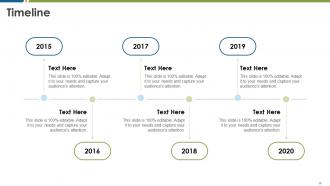
Folie 86 : Diese Folie zeigt den Timeline-Prozess.
Folie 87 : Diese Folie zeigt den Vergleich zwischen männlichen Benutzern und weiblichen Benutzern.
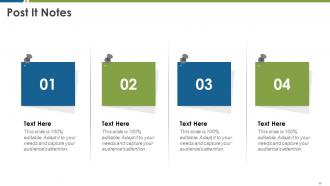
Folie 88 : Diese Folie trägt den Titel Post-It-Notizen. Veröffentlichen Sie hier Ihre wichtigen Notizen.
Folie 89 : Dies ist eine Dankesfolie mit Adresse, Kontaktnummer und E-Mail-Adresse.
Business Management Powerpoint Präsentationsfolien mit allen 89 Folien:
Nutzen Sie unsere Powerpoint-Präsentationsfolien zum Thema Business Management, um Ihre wertvolle Zeit effektiv zu sparen. Sie passen sich jeder Präsentationsstruktur an.
















FAQs for Business management
Planning, organizing, leading, and controlling - those are the big four that actually matter. Get your goals clear first, then make sure everyone knows what they're supposed to be doing. Leadership's obviously huge here - you've gotta keep people motivated and talking to each other. Don't forget the monitoring part either, because stuff will go wrong and you'll need to pivot. Most managers I know completely bomb because they get obsessed with one thing and ignore everything else. Maybe start by figuring out which area you suck at most? That's probably where the biggest wins are hiding.
Look, strategic planning is basically your business GPS - yeah you'll still hit roadblocks, but at least you know where you're headed. Without it, you're just putting out fires constantly instead of making smart moves that actually matter long-term. The whole point is getting everyone on the same page so resources don't get wasted on random stuff. Market changes won't blindside you as much either. Here's the thing though - don't let your plan become some dusty binder nobody touches. Get your team involved from the start so they're actually invested in making it happen day-to-day.
Honestly, you can't have good management without solid leadership - they're like totally connected. Setting clear direction and making tough calls? That's leadership stuff that directly impacts how your business runs. I've watched companies with killer strategies completely bomb because their leaders sucked at motivating people or communicating the vision. Culture matters way more than people think. You gotta be able to delegate without micromanaging and pivot when things go sideways. My advice? Pick one thing to work on first - maybe how you make decisions or communicate with your team. Don't try to fix everything at once.
Definitely track both money stuff and operational metrics. Revenue growth, profit margins, ROI - the usual suspects. But don't ignore the operational side either - employee productivity, customer satisfaction, how smooth your processes actually run. Quick rant: so many managers get obsessed with metrics that look impressive but mean nothing. Stick to numbers that connect to your actual goals. Want better customer retention? Track that retention rate like your life depends on it. I'd set up monthly check-ins to see how you're doing vs. where you started before implementing everything. Makes it way easier to spot what's working.
Honestly, you've gotta overcommunicate like crazy. Daily 15-minute check-ins are a lifesaver - way better than letting things pile up all week. Be super clear upfront about when people should respond and what you actually need from them. Video calls beat Slack for anything important since you lose so much in text. Oh, and document literally everything or stuff will definitely get forgotten. I'd also throw in some casual virtual coffee chats because remote work can get pretty isolating. Focus on what people deliver, not whether they're online at 9am sharp. Start by figuring out where your current communication is breaking down.
Dude, start with just one or two tools that fix your biggest headaches - don't go crazy trying to implement everything at once. I use Asana for project stuff and it's a game changer for keeping everyone on the same page. CRM systems will track all your customer stuff automatically, which honestly saves me like 10+ hours weekly just from not doing reports manually. Cloud accounting kills the data entry nightmare too. Oh and get your team off those endless email chains with something like Slack - your sanity will thank you later. The automated insights you'll get are pretty sweet once everything's connected.
Oof, yeah you're juggling a lot right now. Managing remote teams is such a pain - people are all over the place and staying connected feels impossible sometimes. Budget cuts while you're supposed to innovate? Classic impossible situation. Supply chain stuff is STILL a nightmare (seriously thought we'd be past this by now), and don't even get me started on how fast everything changes with tech and what customers want. Plus everyone's quitting left and right. Honestly? Focus on maybe two big things first. You'll burn out trying to fix it all at once.
Look, engaged employees are your secret weapon. They're productive, creative, and actually want to stick around - which saves you a fortune on constantly hiring new people. Nobody wants to manage a bunch of miserable workers anyway, right? When people genuinely care about their job, they'll solve problems before you even know they exist. They become your best recruiters too. Oh, and they won't call in "sick" every Friday. Start by asking what motivates them and what's getting in their way. Simple conversations can change everything.
Dude, cash flow forecasting is everything - that's literally where most businesses die even when they're making money. Separate your personal stuff from business finances ASAP. Get an emergency fund going, like 3-6 months of expenses saved up. Track your numbers obsessively (revenue, expenses, margins) and automate invoicing so people actually pay you on time. Monthly budget reviews, not yearly - trust me on this one. Oh and grab QuickBooks or something similar if you haven't yet. Your accountant will thank you later.
Data analytics helps you spot patterns in customer behavior and sales that you'd totally miss otherwise. Honestly, it's wild how much clearer things become when you actually dig into the numbers. No more guessing - you'll see what's really driving revenue, which marketing stuff works, and where money's disappearing. I'd start small though. Pick something like customer costs or inventory and go deep on just that first. Way less overwhelming that way. The trick is actually doing something with what you find instead of just making charts that look cool but don't change anything.
Look, your company's culture is basically what makes or breaks any management strategy you try. Attempting top-down decisions when everyone expects collaboration? Recipe for disaster. Culture shapes how people communicate, what actually motivates them, and what they expect from leadership. So whatever management approach you pick has to match those norms. You can't just steal ideas from other companies - their culture is totally different from yours. Honestly, I'd take a hard look at your current culture first. Save yourself the headache of launching something that'll flop because it doesn't fit how your team actually operates.
Honestly, start with the basics - be transparent with everyone involved and treat your employees fairly. Customer and investor communication should be straight-up honest, no sugarcoating. Environmental stuff matters too, plus data privacy is huge now. Conflicts of interest will always come back to haunt you, trust me on that one. Building policies around your actual values (not just legal minimums) makes way more sense than chasing profit blindly. Do an ethics check on what you're already doing. You'll probably find some sketchy areas you hadn't even thought about.
Honestly, most change stuff fails because leadership sends mixed messages right from the start - get them aligned first. Tell people WHY this is happening and what's actually in it for them (not just company BS). Map out who gets hit hardest by the changes and talk to those people early. I know it sounds obvious but you'd be shocked how many places skip this step entirely. Give people real training, not just a quick email. Celebrate the small wins as you go - people need to feel like it's working. Oh, and don't underestimate how much hand-holding everyone's gonna need during the whole mess.
Look, customer feedback is literally your cheat sheet for making better calls. It tells you what's working and what's totally bombing. Use it to fix your products, tweak how you serve people, maybe even completely change direction if needed. Driving without it? That's like... well, driving with your eyes closed. Pretty stupid move if you ask me. The feedback helps you figure out which fires to put out first and shows whether your fixes actually did anything. Good managers bake this stuff into everything - product updates, training sessions, you name it. Just collect it regularly and actually DO something with it. Trust me, customers can tell when you ignore them.
Honestly, risk management is like having a good backup plan - it keeps your business from getting blindsided by problems. You'll spot issues before they blow up into expensive disasters. The cool thing is it actually makes you braver about new opportunities since you know you've got contingencies covered. Investors eat this stuff up too, which is nice. Oh, and start with your biggest weak spots first. Don't overcomplicate it - just figure out what could really hurt you and have a simple plan ready. Way better than scrambling when things go sideways.
-
Great product with highly impressive and engaging designs.
-
Illustrative design with editable content. Exceptional value for money. Highly pleased with the product.
-
Great quality slides in rapid time.