


Business operational concept and structure powerpoint presentation slides
Our business operational concept and structure PowerPoint presentation slides are built exclusively for business presentations, because you mean business. With help of this completely pre designed PowerPoint presentation you can share insights about corporate governance with employees for effective operations management. Besides this using our operational business plan slide presentation you can also brief them about the importance of organizational structure in strategy implementation. Furthermore, this PPT sample supports to lay emphasis on different functions of operations management. Apart from this, you can illustrate various other concepts like root cause analysis, dynamic governance, business process mapping, organizational culture, change management and many more. Exclusive presentation templates slides like company strategy, changes in competitive environment, current sources of revenue, objectives for next 12 months, key performance indicator etc. are included to give an edge to presenter. You can even contact our experts to get customized PPT model. What's stopping you? You just require a single click to turn your great ideas about business operations into reality. So click and get started now. Inject a joyous feeling into the event with our Business Operational Concept And Structure Complete Powerpoint Deck With Slides. Introduce an air of jubilation.











You must be logged in to download this presentation.


Do you want to remove this product from your favourites?
PowerPoint presentation slides
Total 52 innovative presentation templates to thoroughly cover the topic. Best value for operation managers to business analysts and marketing planners. Exclusive manual editing and resizing option with each slide template. Also have option to insert logo, trademark, animation etc. Completely high resolution for enhanced clarity. From Google slides to PDF and JPG formats well compatible with all. Well supports all sorts of modern softwares.

People who downloaded this PowerPoint presentation also viewed the following :
Content of this Powerpoint Presentation
Slide 1: This slide introduces Business Operational Concept And Structure. State Your Company Name and get started.
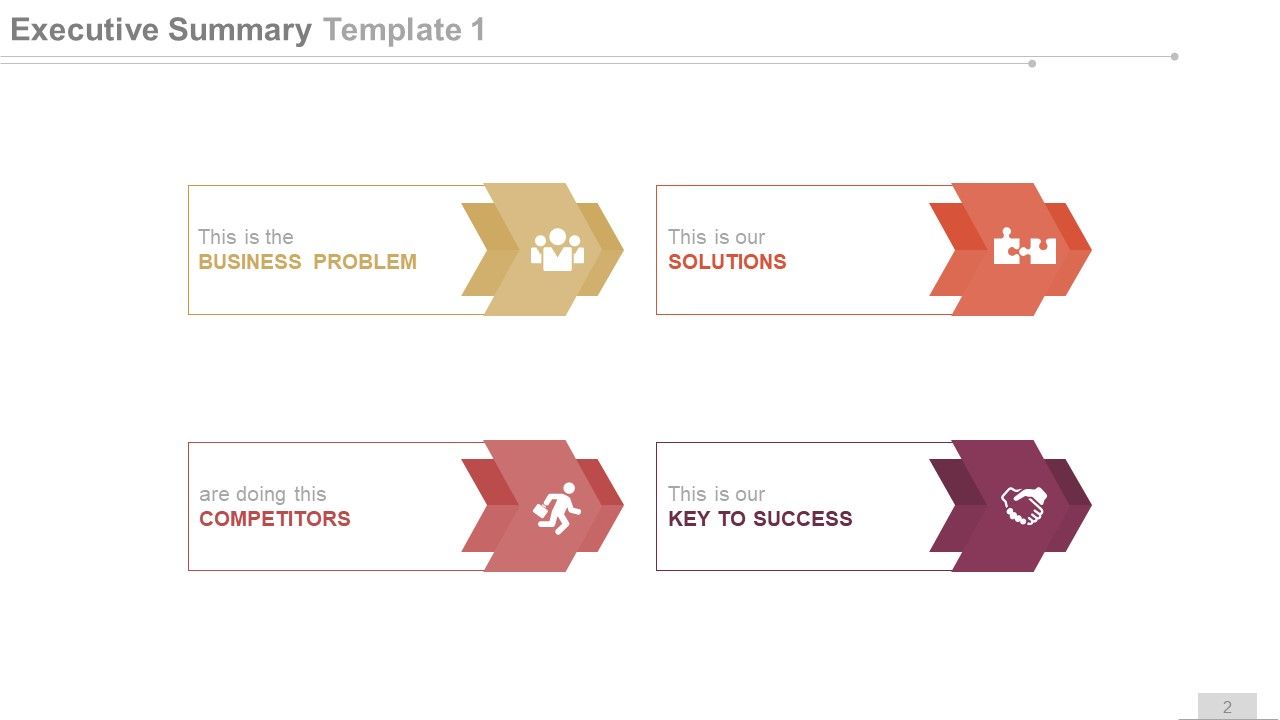
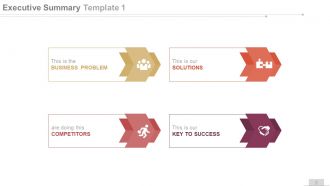
Slide 2: This slide presents Executive Summary with the following points- Business problem, Solutions, Key to success, Competitors.
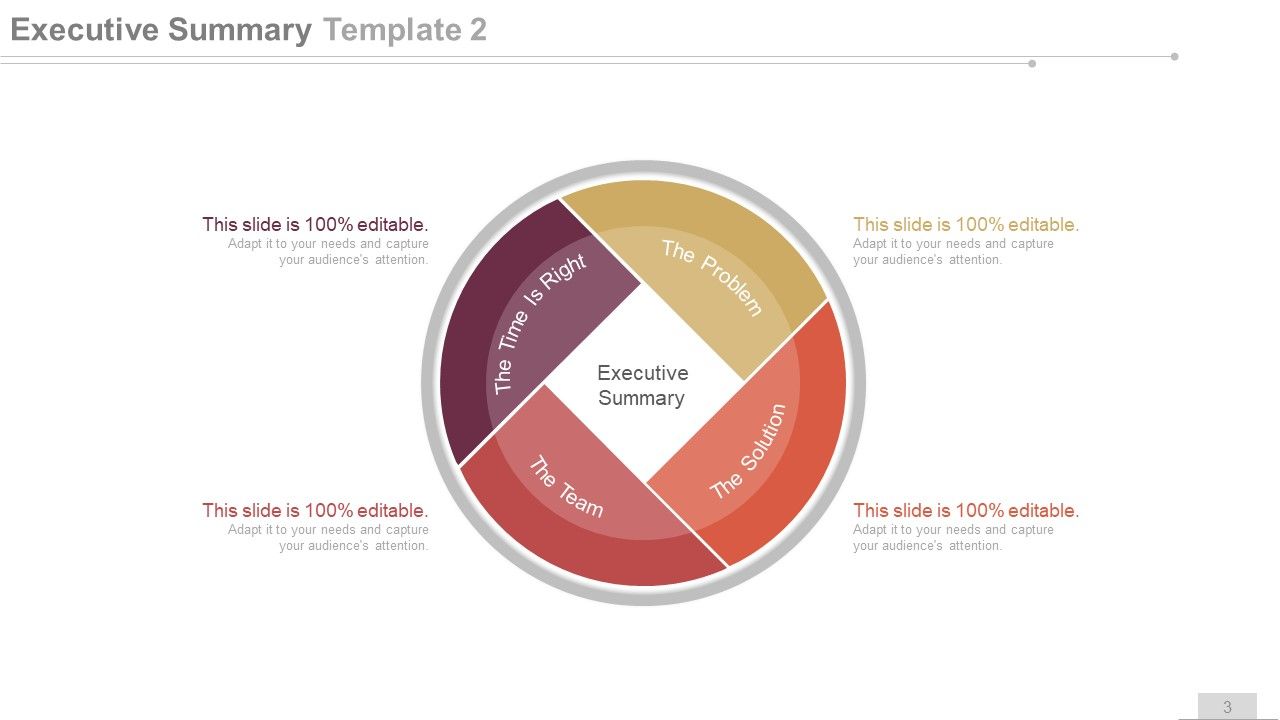
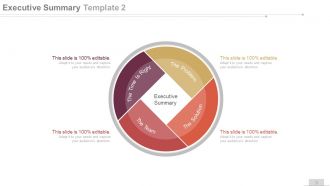
Slide 3: This slide showcases Executive Summary with the following points- The Problem, The Solution, The Team, The Time Is Right.
Slide 4: This slide shows Company Mission. State it here.
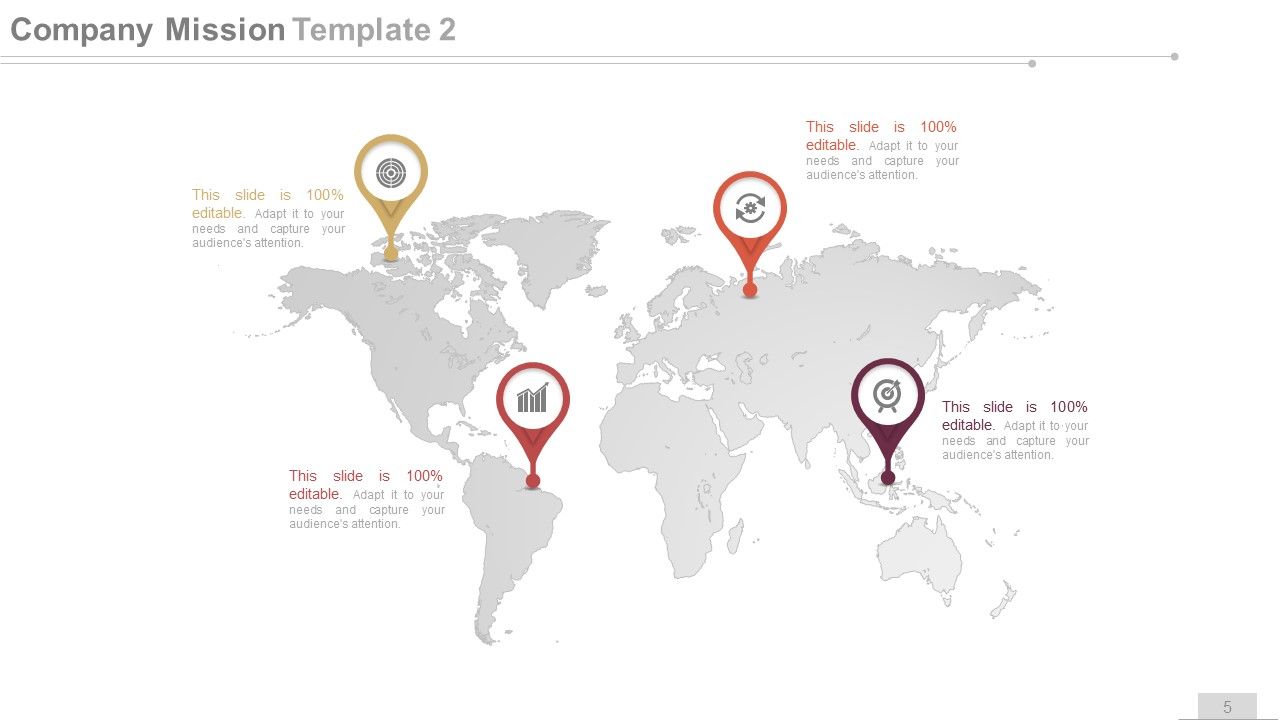
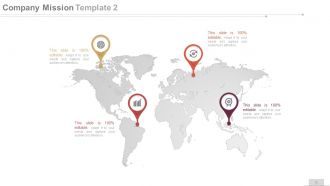
Slide 5: This slide shows Company Mission with a world map background. State it here.
Slide 6: This slide showcases Company Mission. State your mission here.
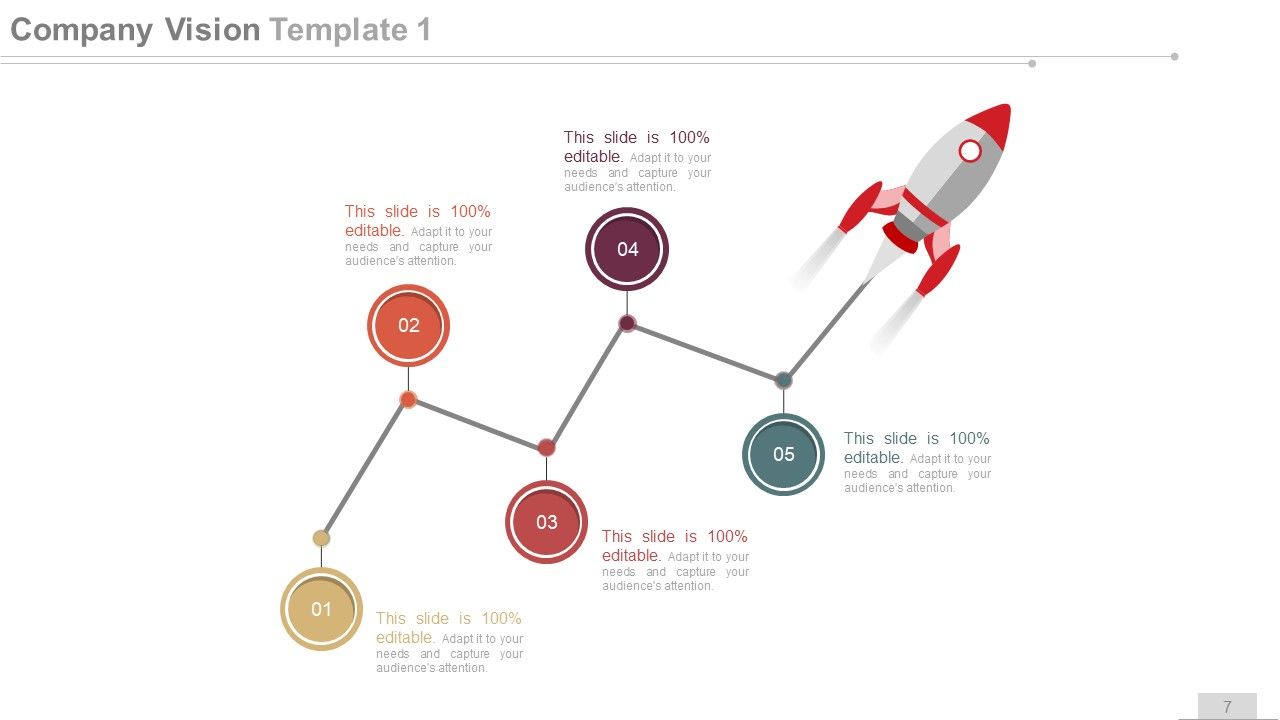
Slide 7: This slide presents Company Vision. State your vision here.
Slide 8: This slide also presents Company Vision. State your vision here.
Slide 9: This slide presents another variation of Company Vision. State your vision here.
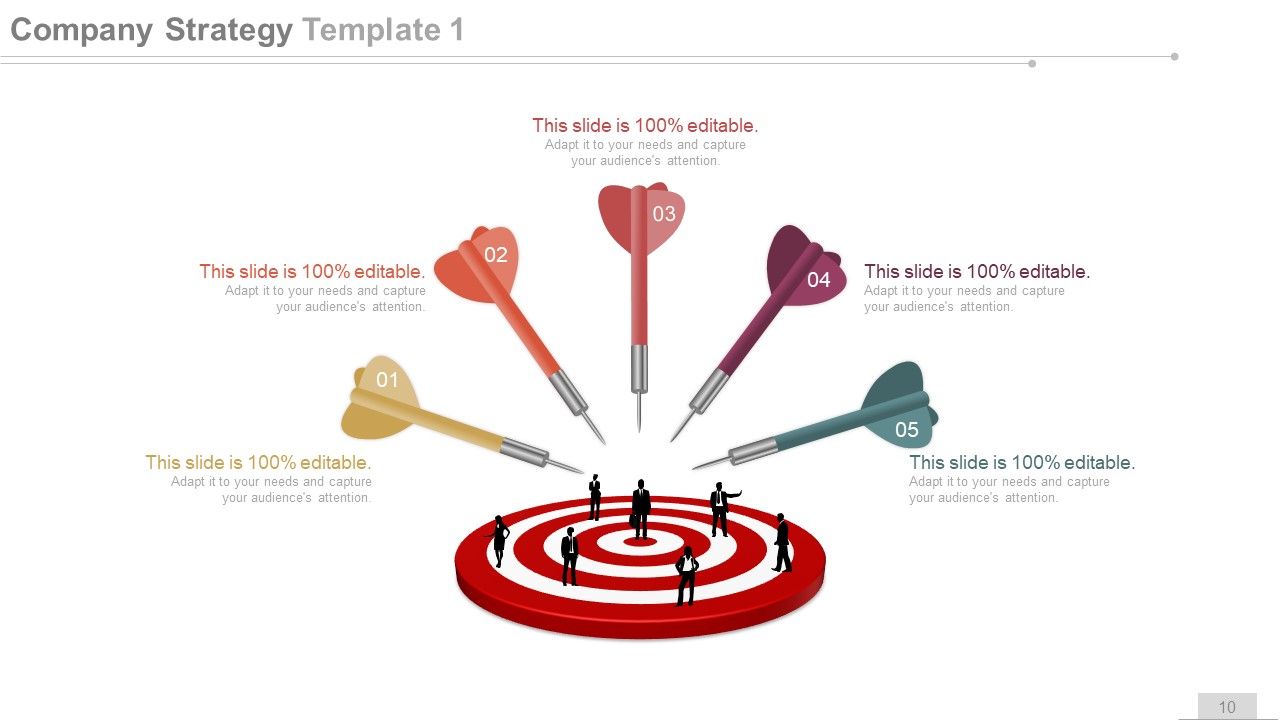
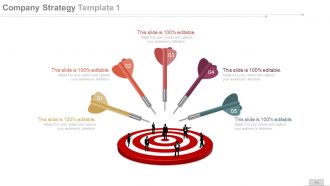
Slide 10: This slide showcases Company Strategy. List down your strategies here.
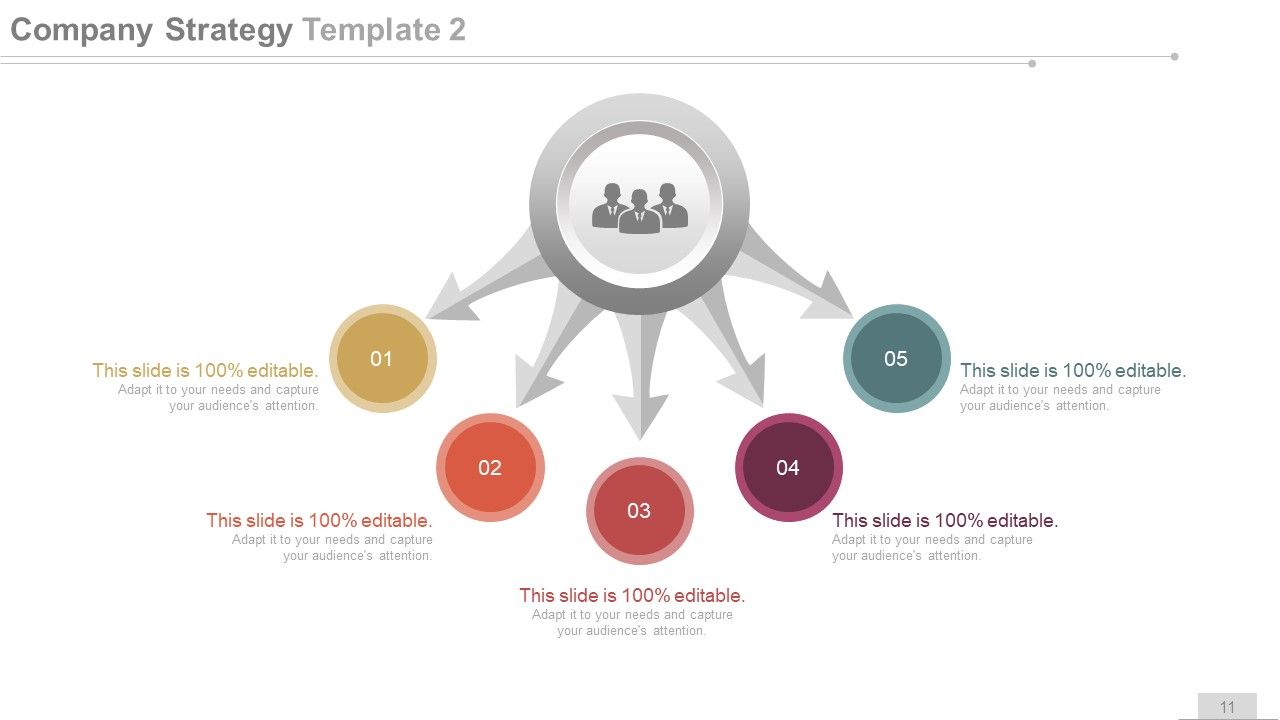
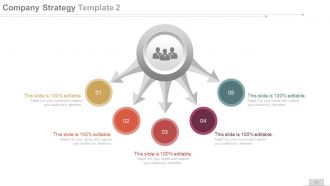
Slide 11: This slide too presents Company Strategy. List down your strategies here.
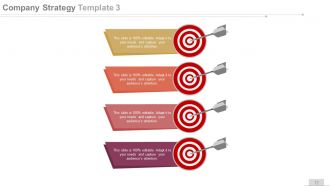
Slide 12: This slide also displays another variation of Company Strategy. List down your strategies here.
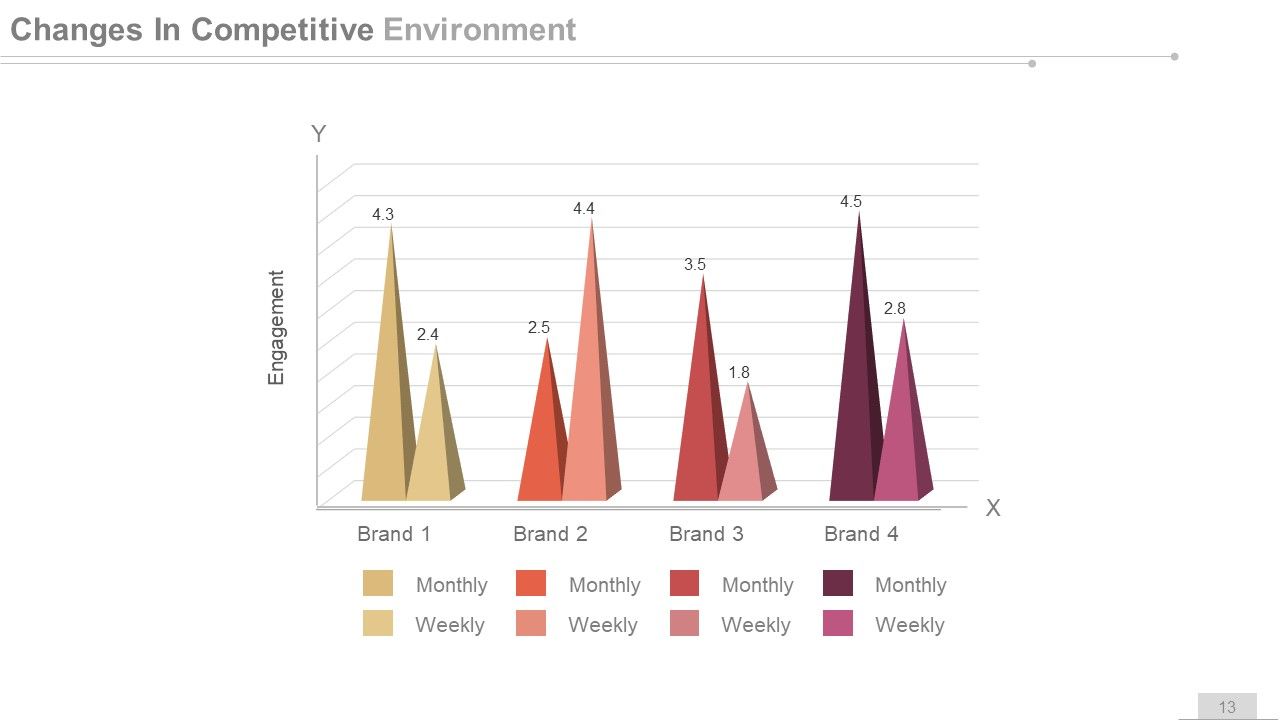
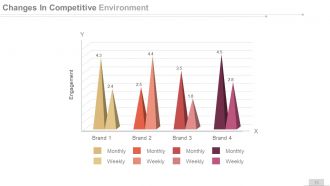
Slide 13: This slide displays Changes In Competitive Environment in terms of different brands with engagement calculations.
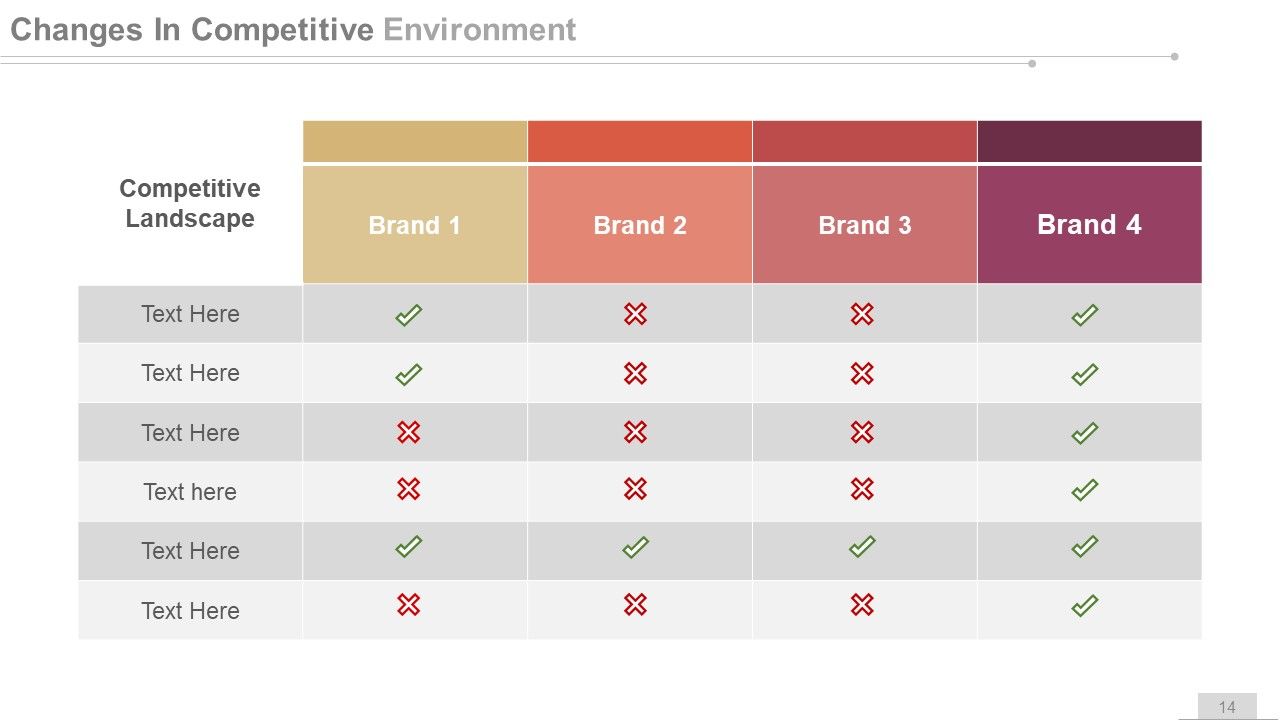
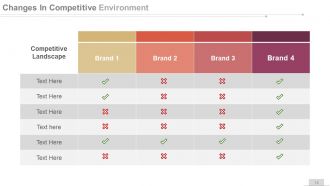
Slide 14: This slide shows Changes In Competitive Environment in table form.
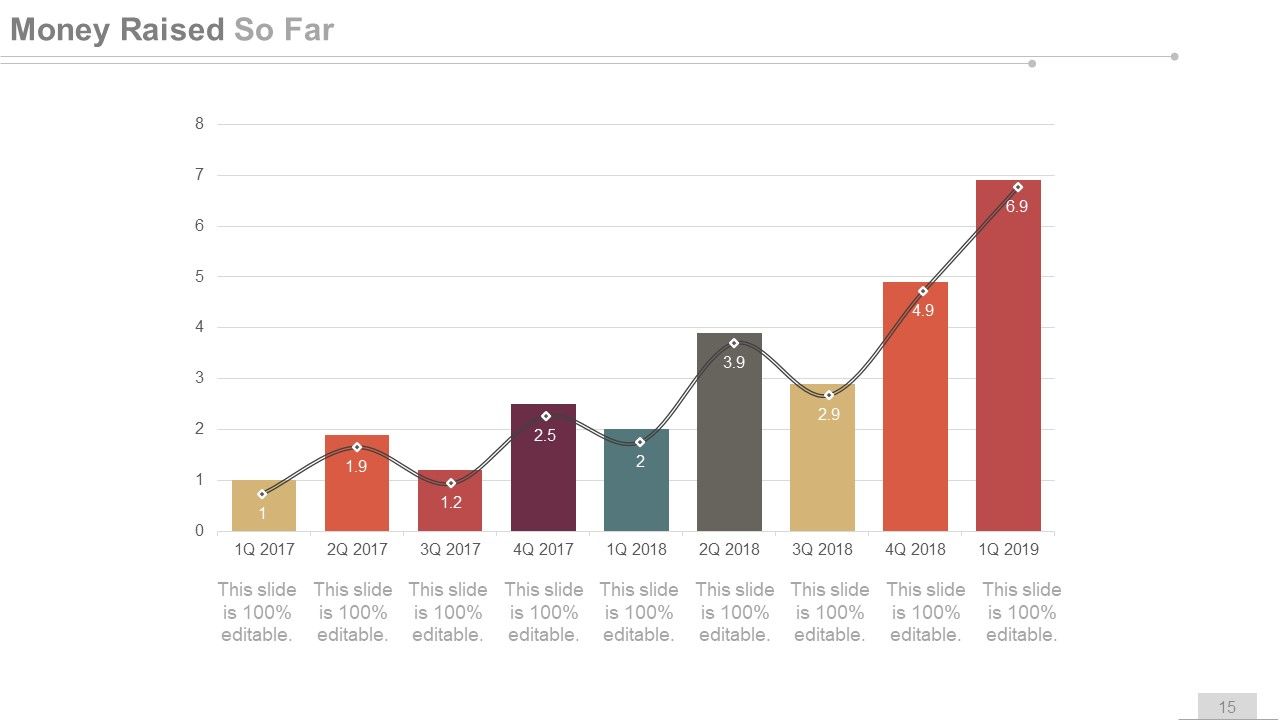
Slide 15: This slide shows a graph for Money Raised So Far.
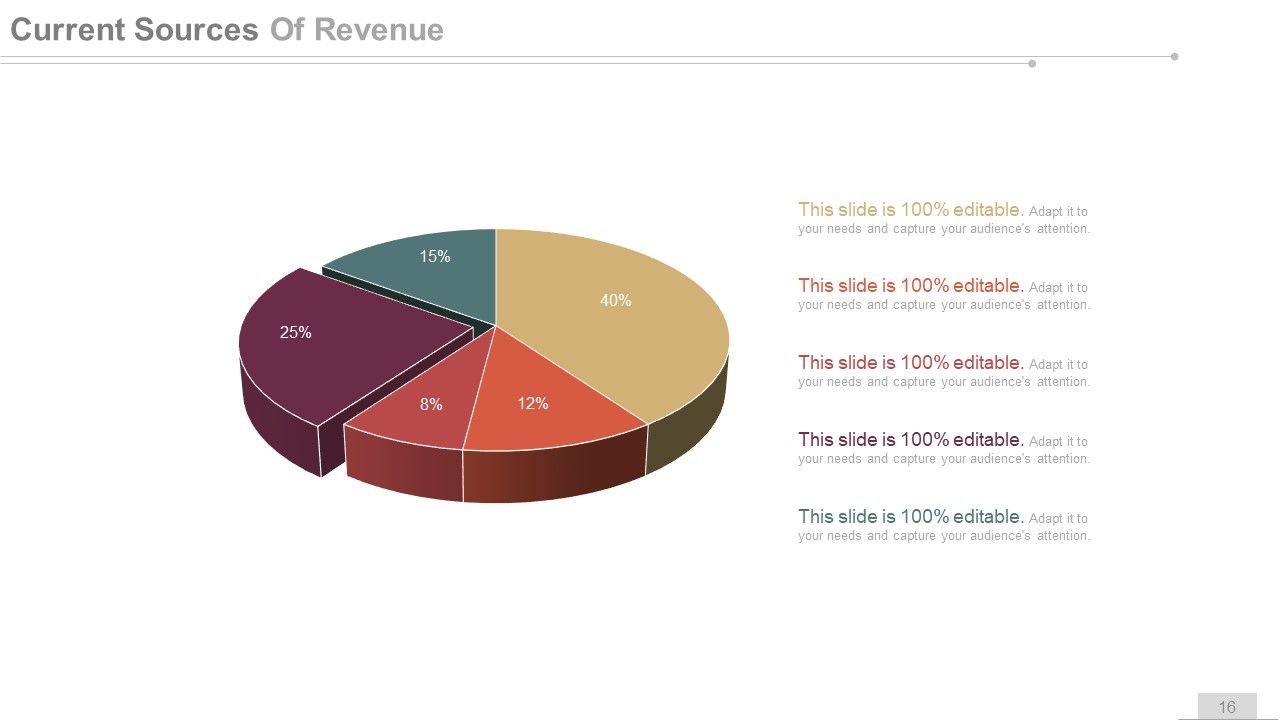
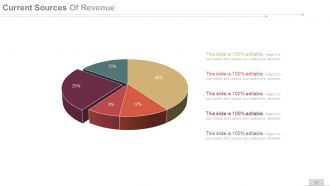
Slide 16: This slide displays Current Sources Of Revenue in pie chart image form.
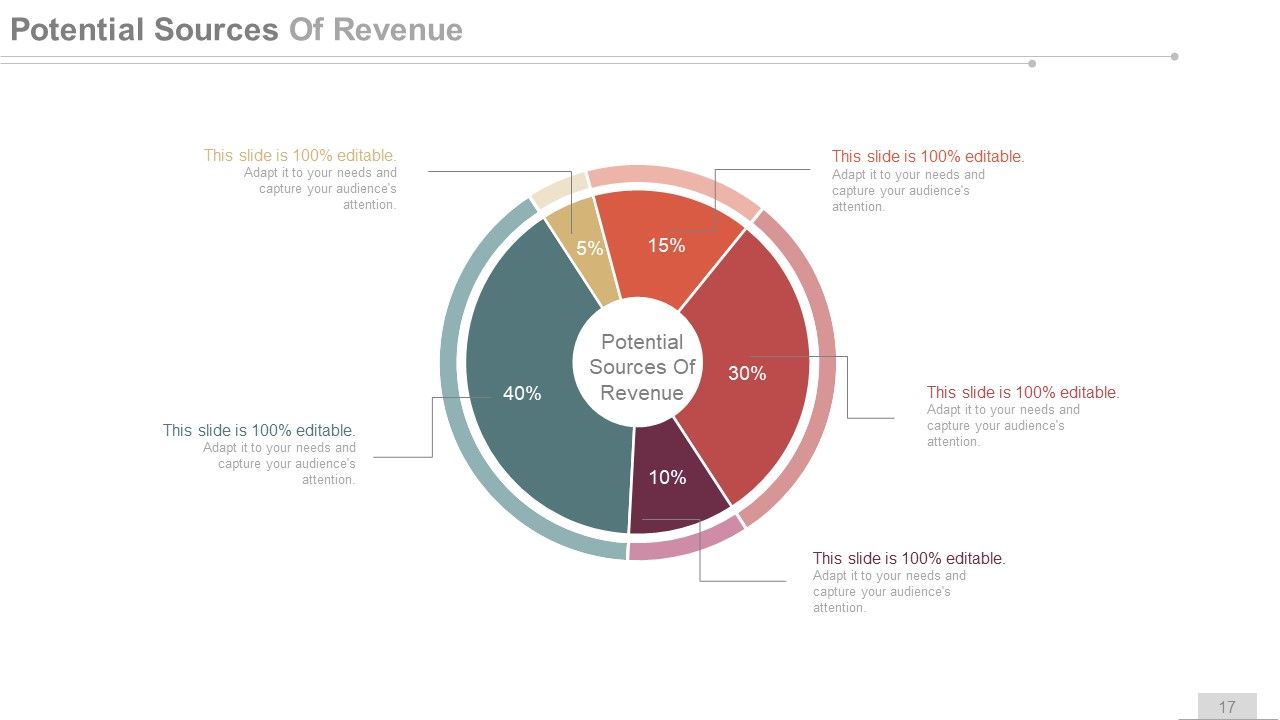
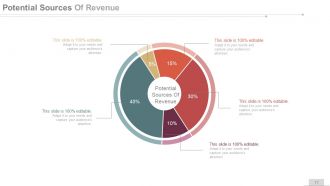
Slide 17: This slide lists Potential Sources Of Revenue in pie chart image form.
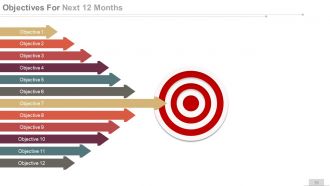
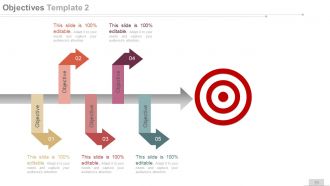
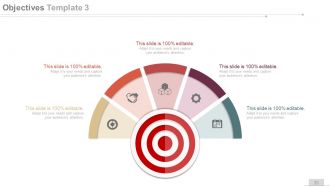
Slide 18: This slide displays Objectives For Next 12 Months. State them here.
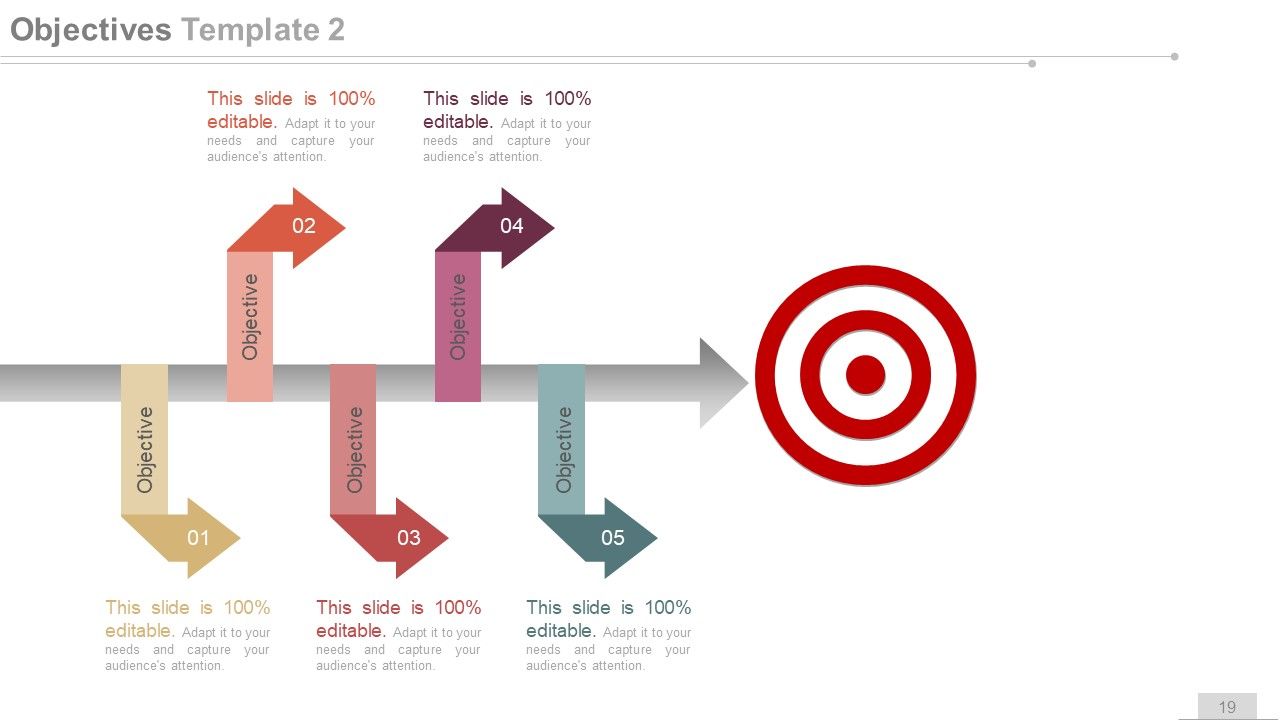
Slide 19: This slide displays Objectives. State them here.
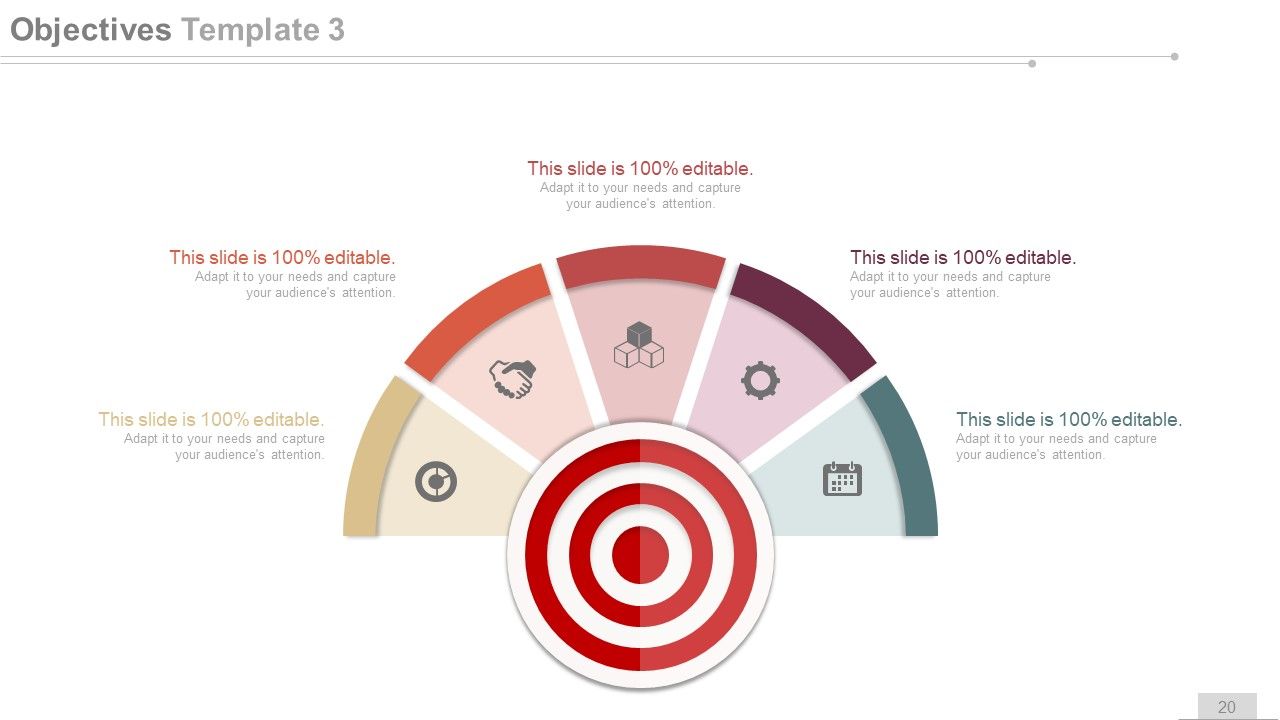
Slide 20: This is an Objectives slide. State them here.
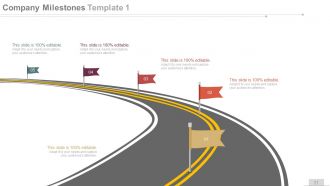
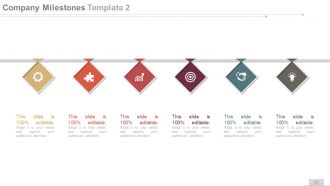
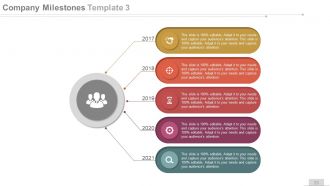
Slide 21: This slide displays Company Milestones. State them here.
Slide 22: This is another slide displaying Company Milestones. State them here.
Slide 23: This slide also displays Company Milestones. State them here.
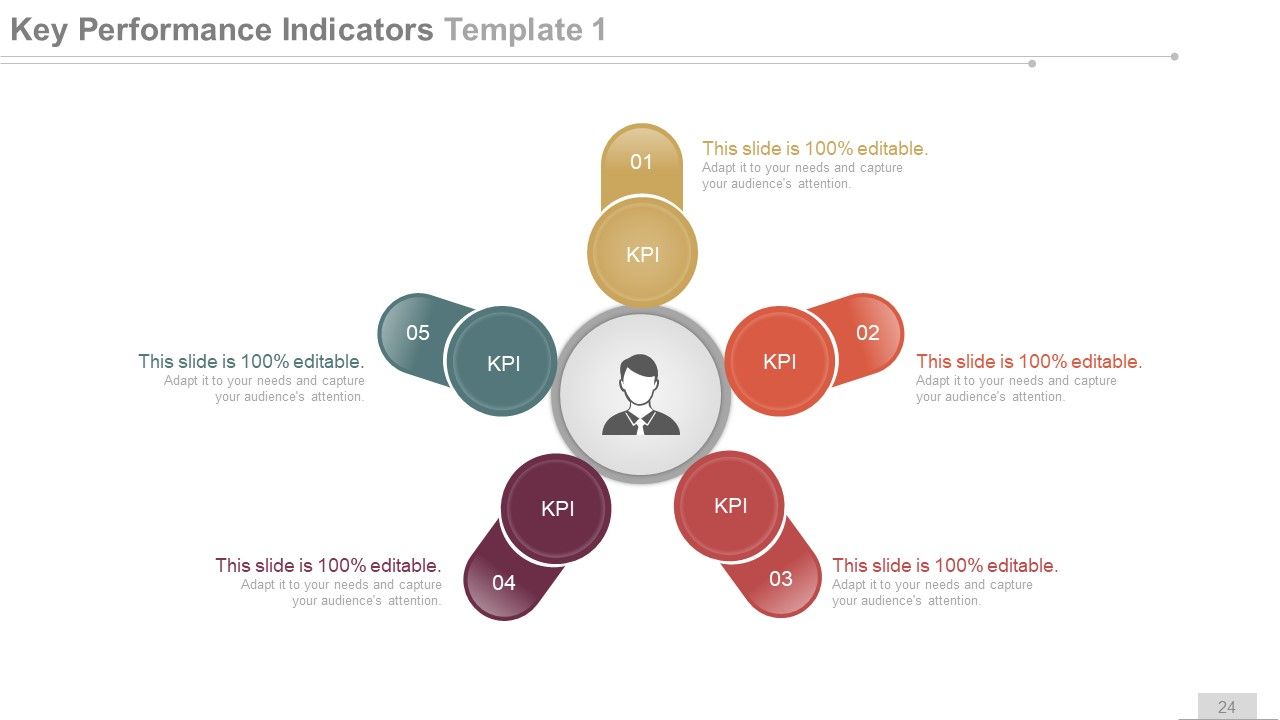
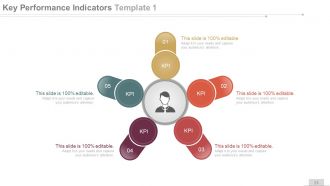
Slide 24: This slide shows Key Performance Indicators.
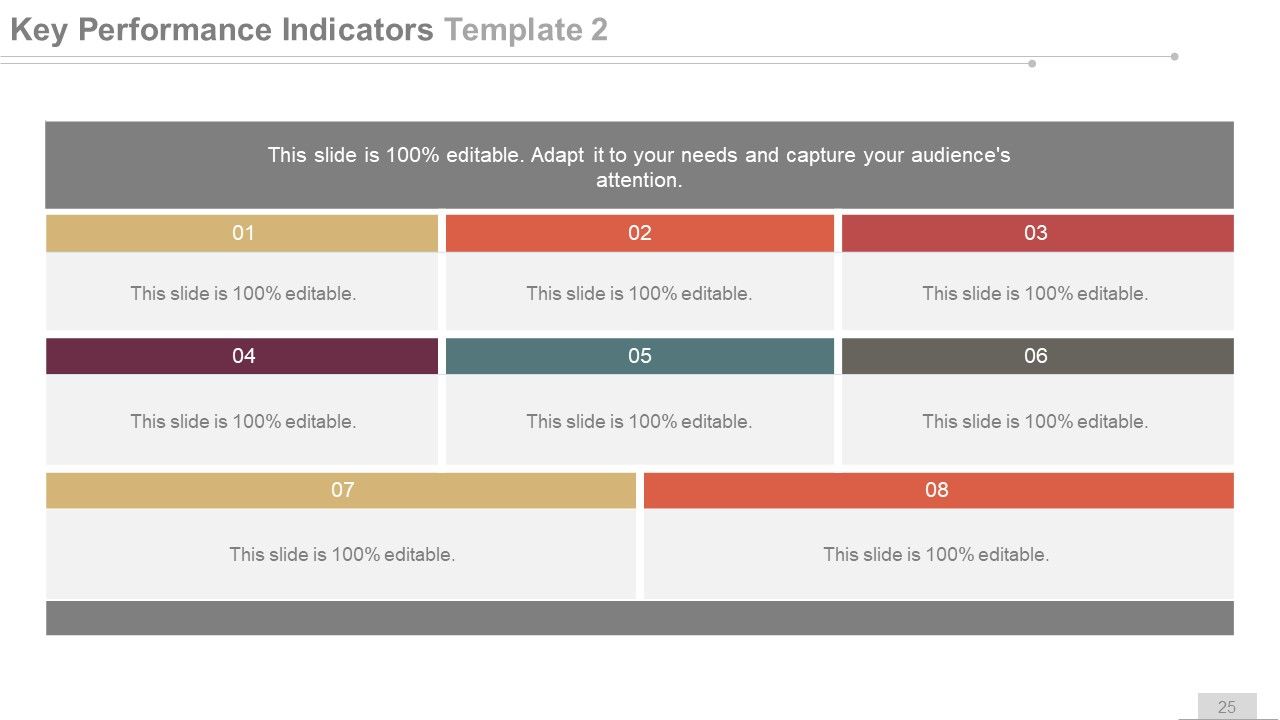
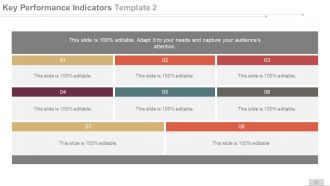
Slide 25: This slide also shows Key Performance Indicators in a different variation.
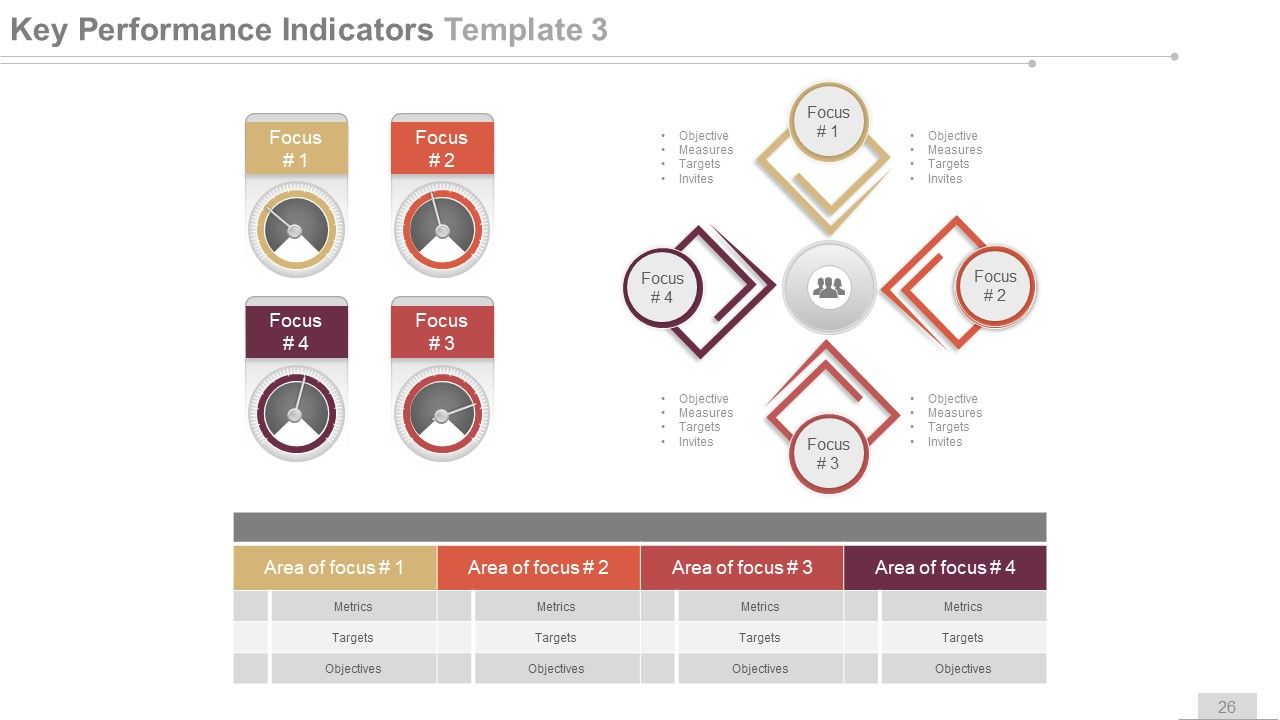
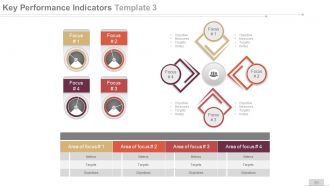
Slide 26: This slide displays Key Performance Indicators with area of focus.
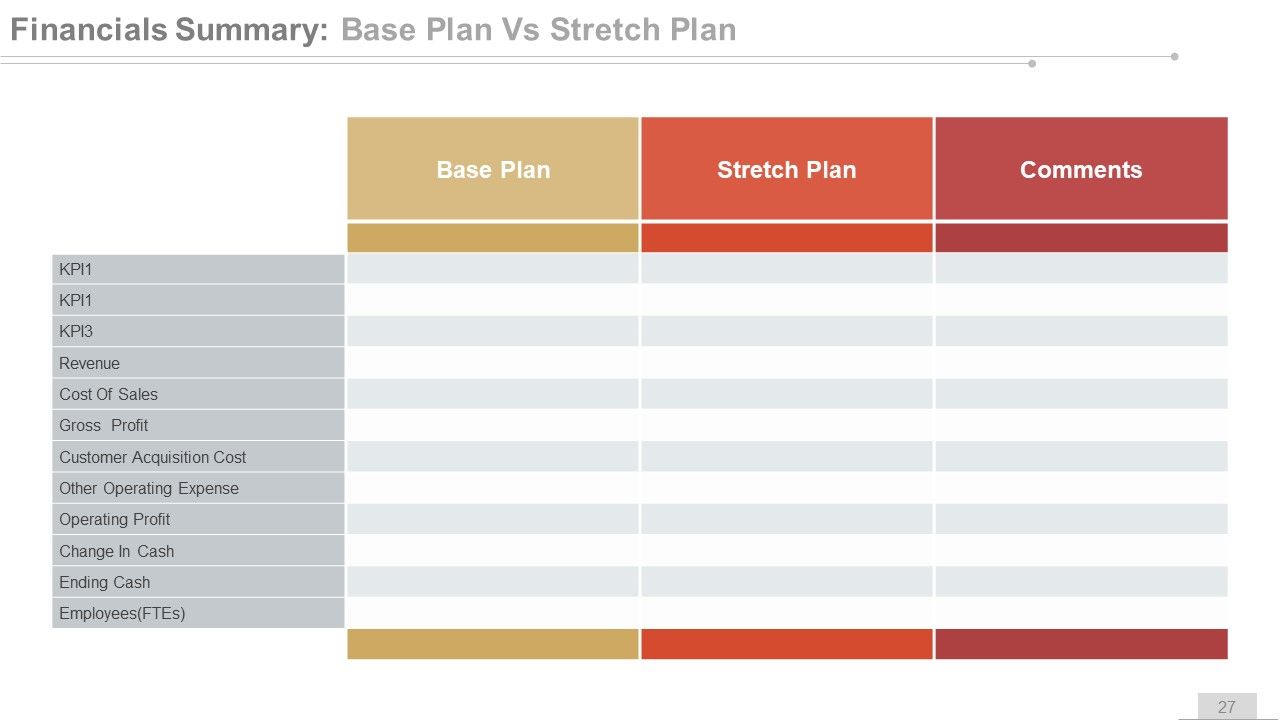
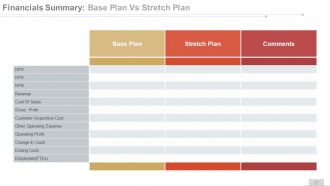
Slide 27: This slide shows Financials Summary: Base Plan Vs Stretch Plan
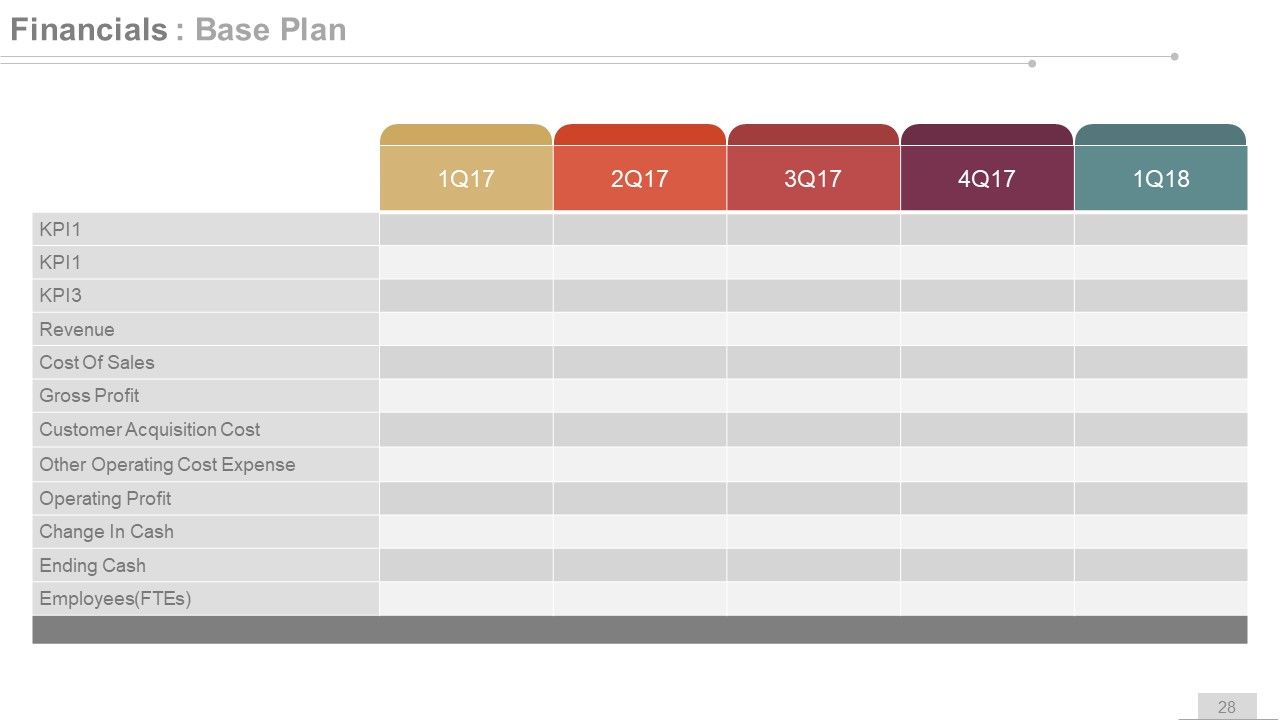
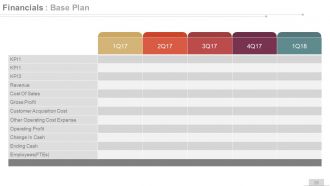
Slide 28: This slide shows Financials : Base Plan.
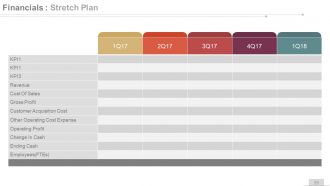
Slide 29: This slide displays Financials : Stretch Plan
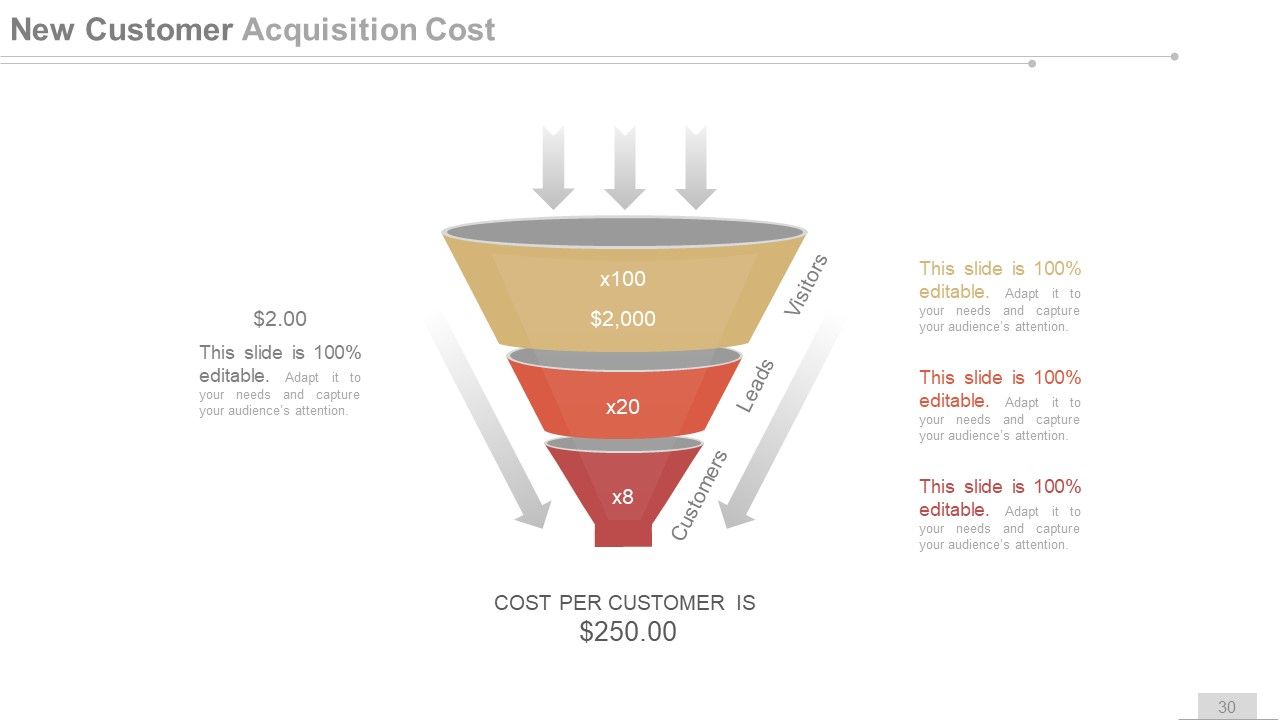
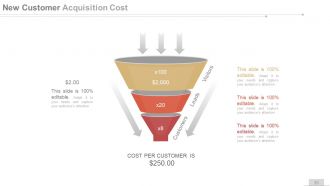
Slide 30: This slide displays New Customer Acquisition Cost in funnel form.
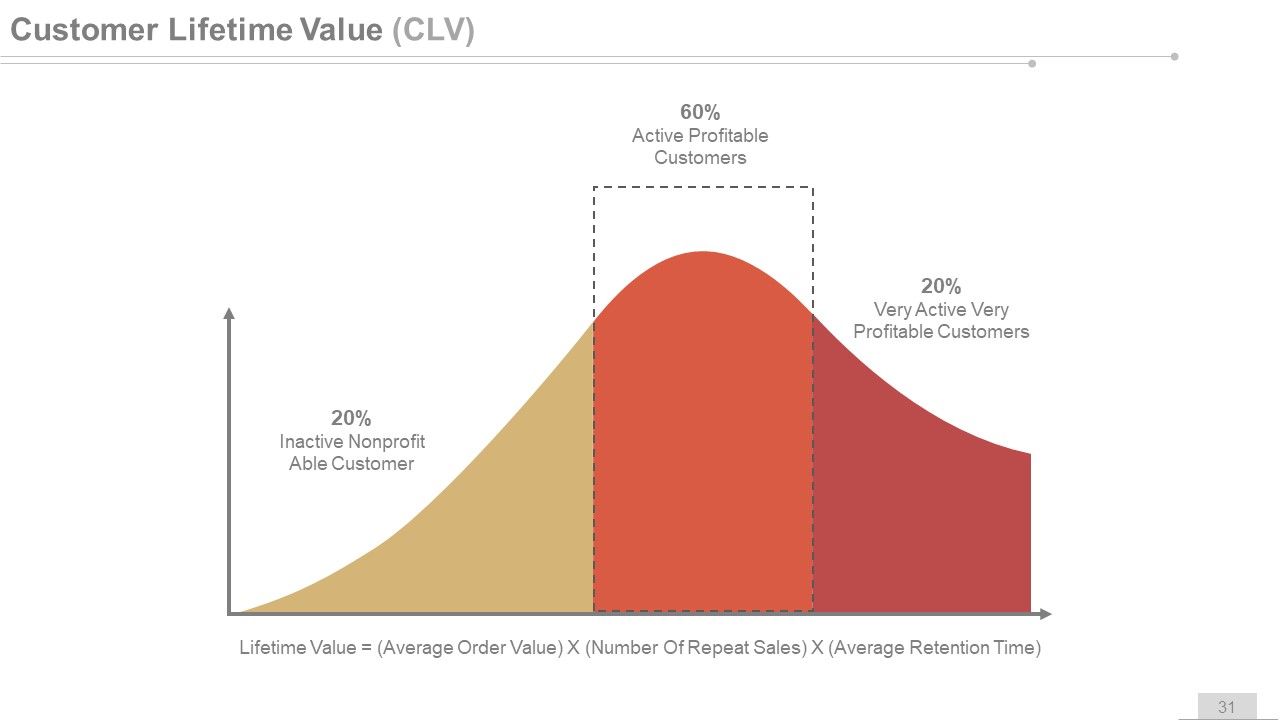
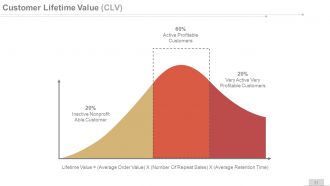
Slide 31: This slide presents Customer Lifetime Value (CLV) with- Active Profitable Customers, Very Active Very Profitable Customers, Inactive Nonprofit Able Customer.
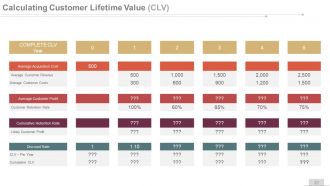
Slide 32: This slide showcases Calculating Customer Lifetime Value (CLV). Calculate and present it here.
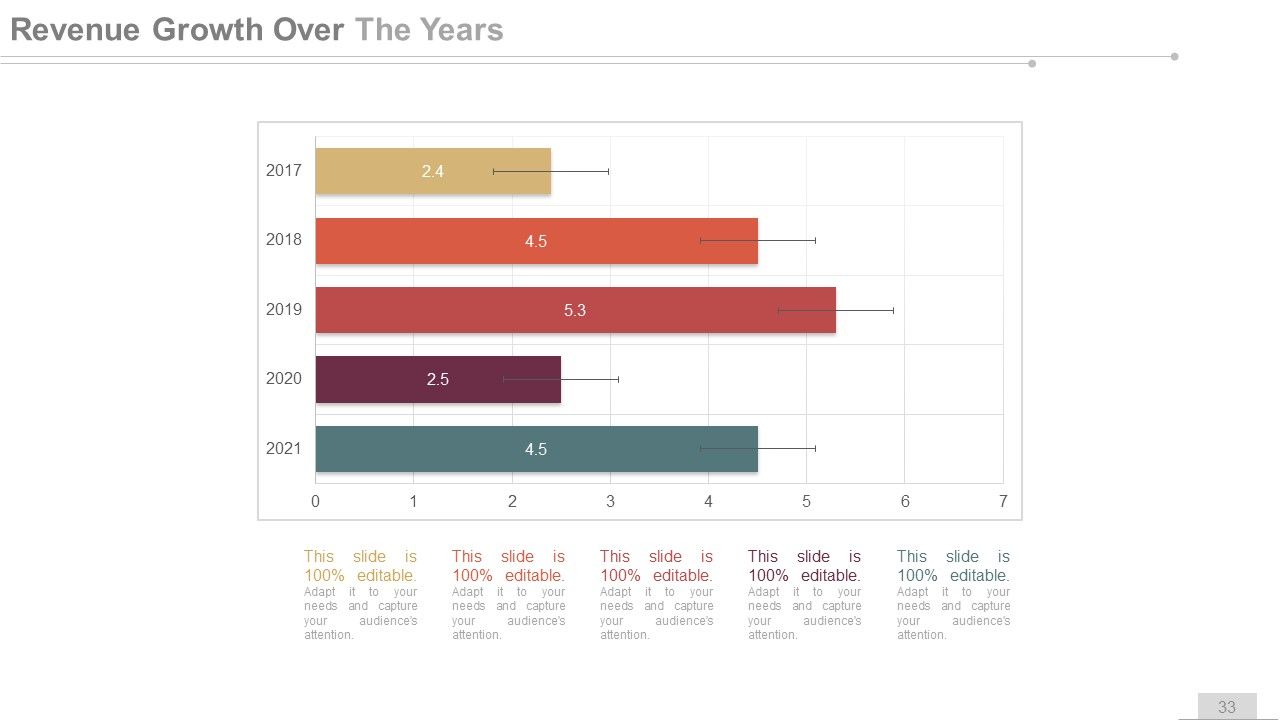
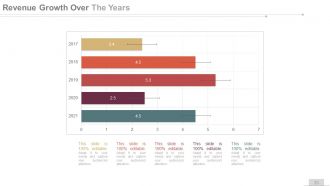
Slide 33: This slide presents Revenue Growth Over The Years in graph form.
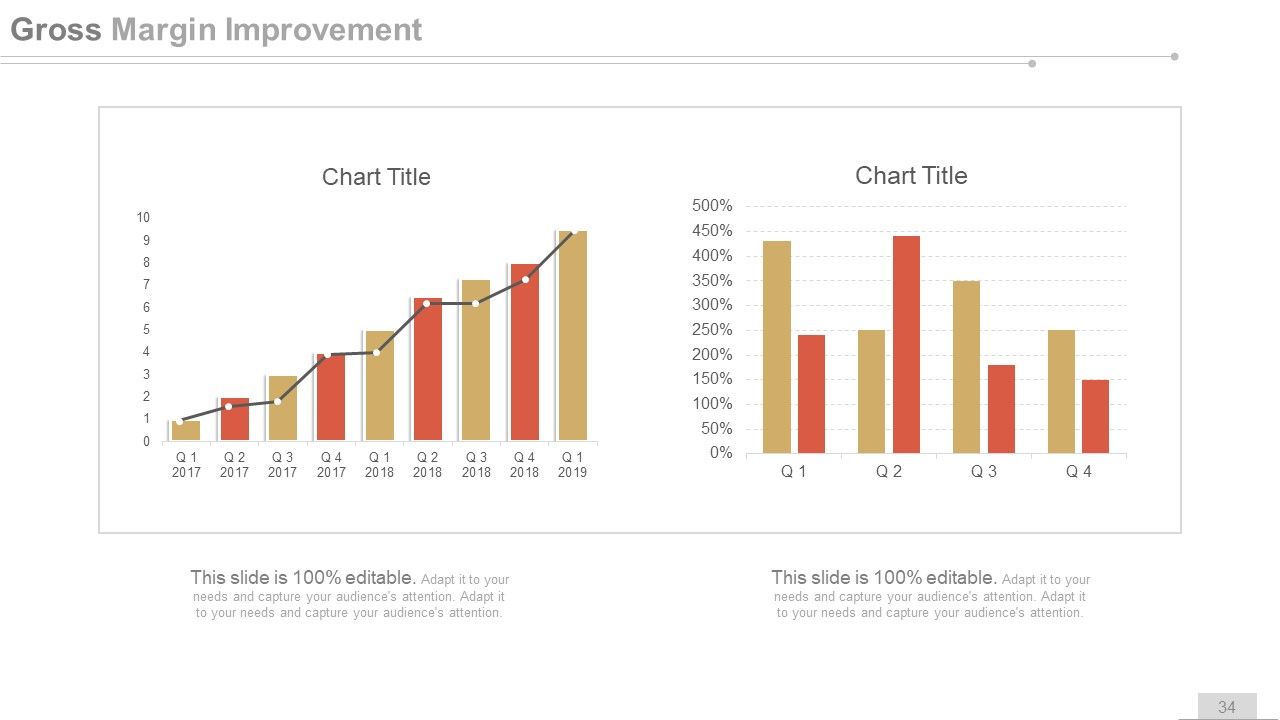
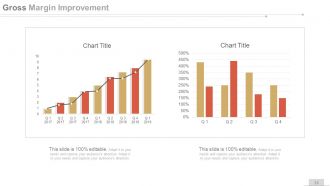
Slide 34: This slide shows Gross Margin Improvement in graph form.
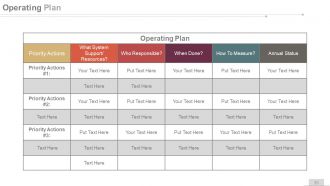
Slide 35: This slide showcases and Operating Plan.
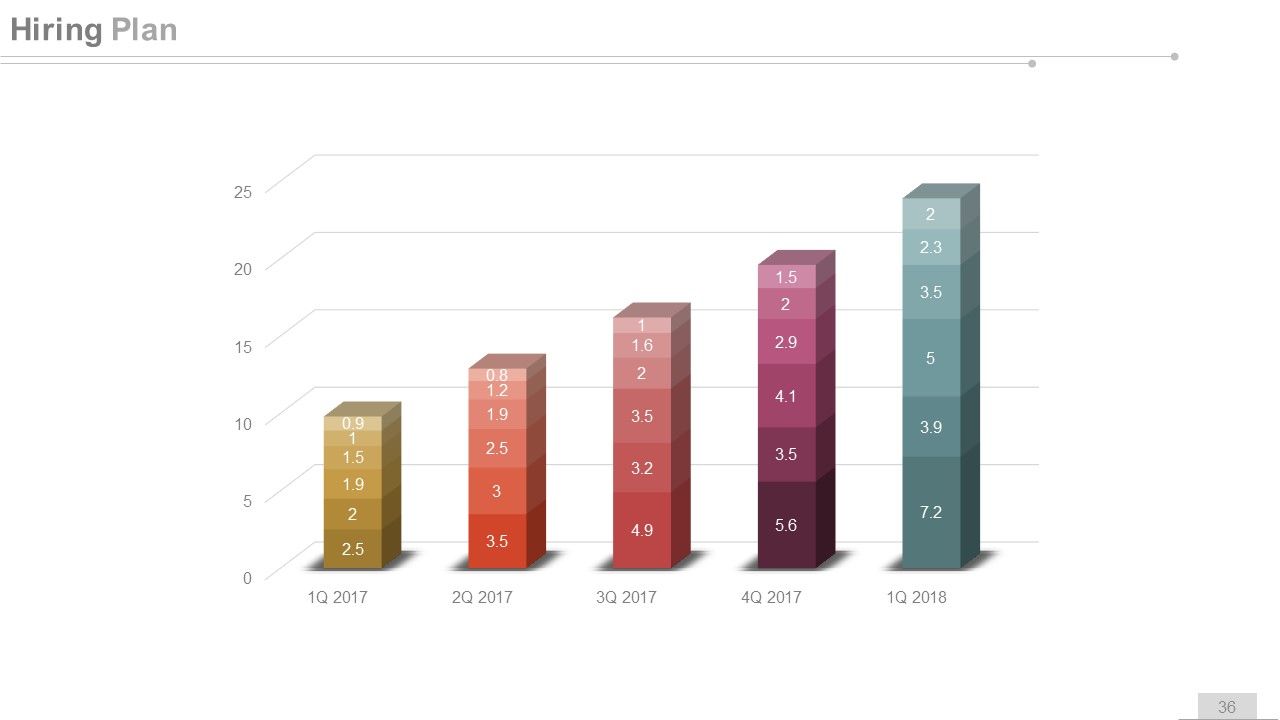
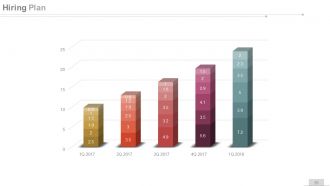
Slide 36: This slide shows a Hiring Plan.
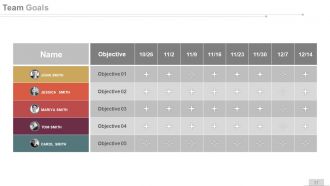
Slide 37: This slide displays Team Goals with team mate names, objective.
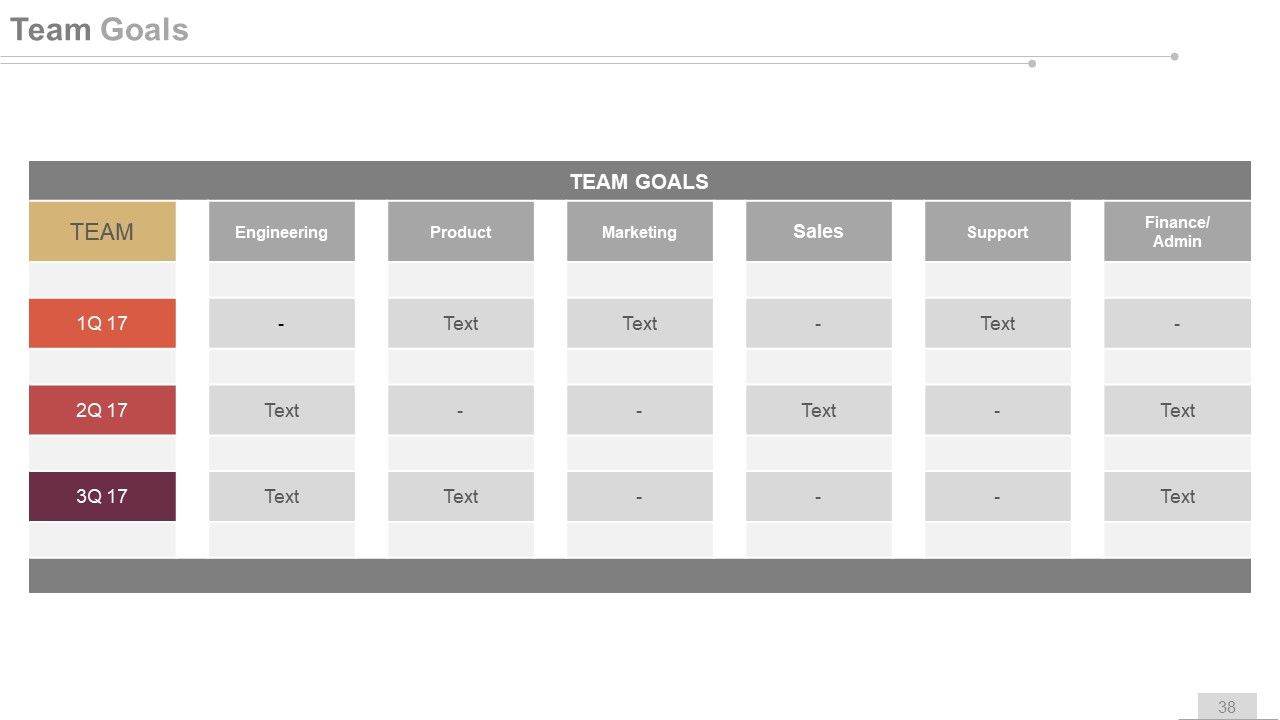
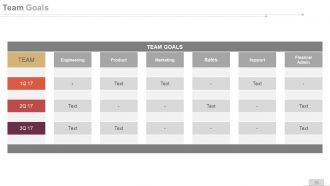
Slide 38: This slide presents Team Goals to state and pursue.
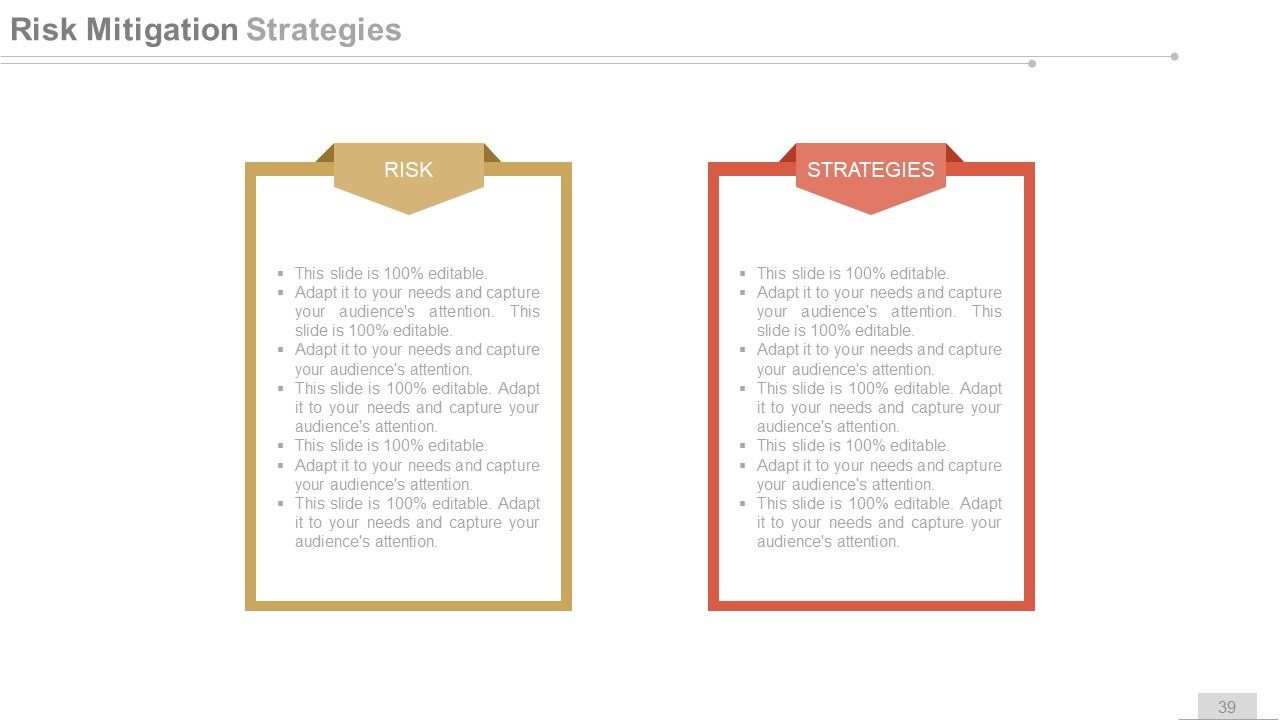
Slide 39: This slide presents Risk Mitigation Strategies with Risk and Strategies as main sub headings.
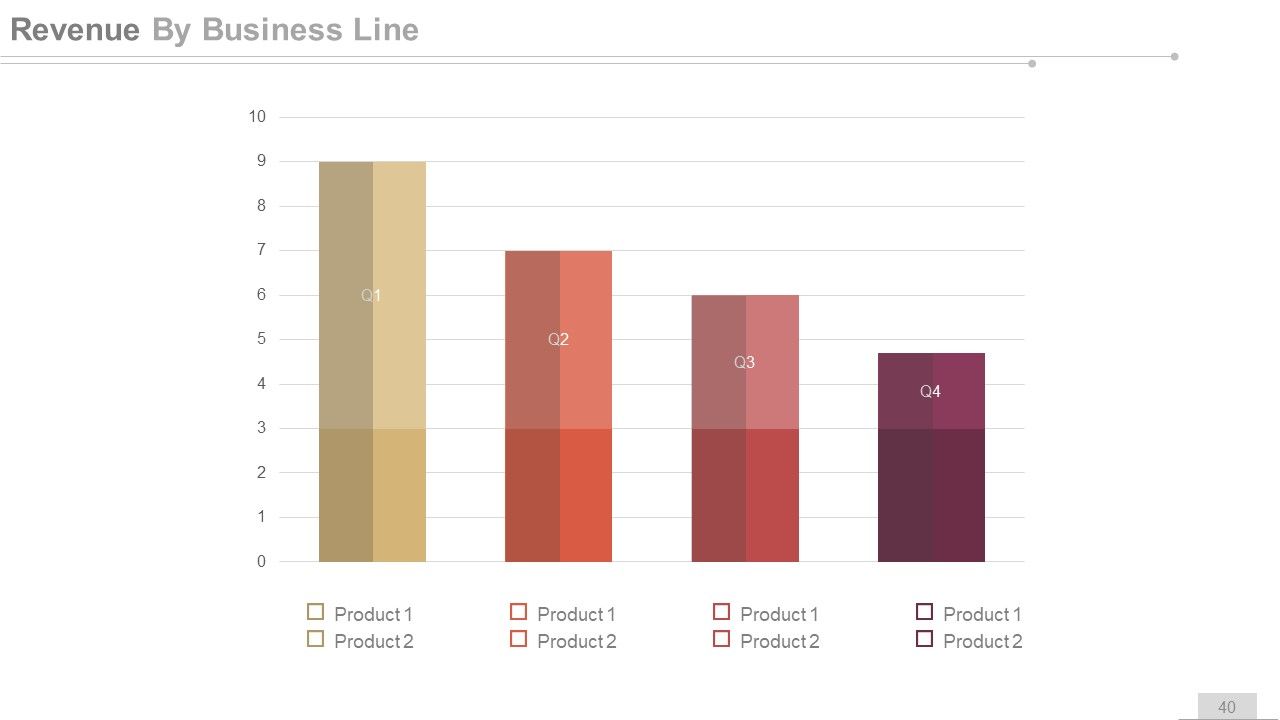
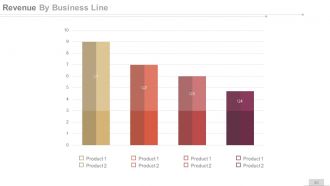
Slide 40: This slide showcases Revenue By Business Line of different products.
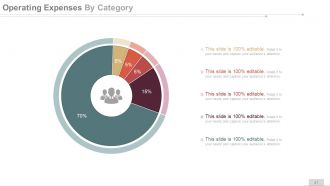
Slide 41: This slide shows Operating Expenses By Category.
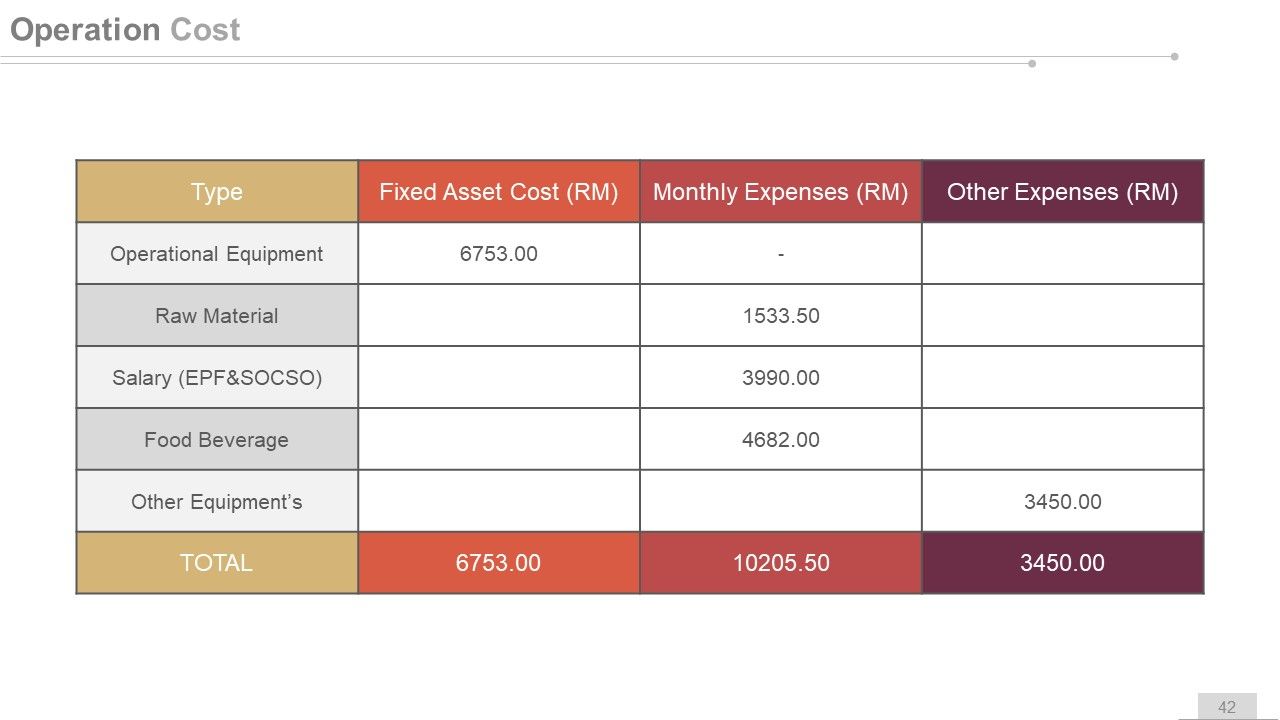
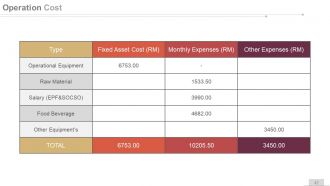
Slide 42: This slide displays Operation Cost.
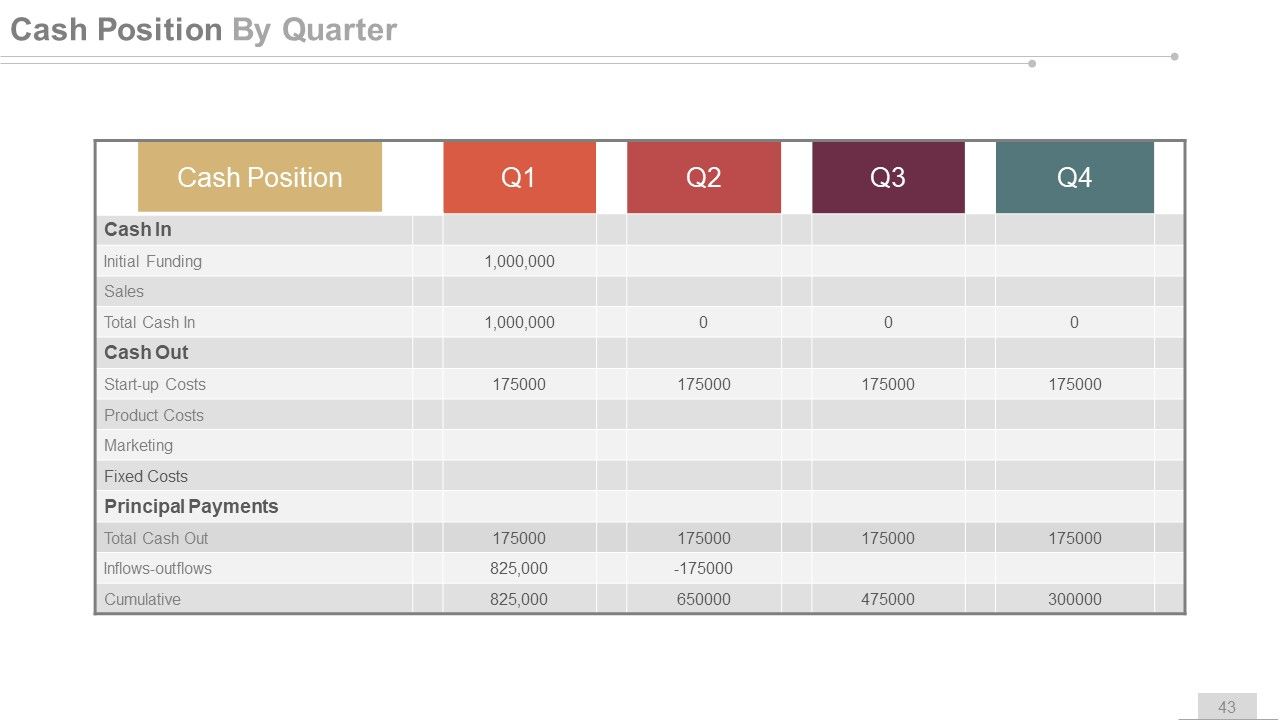
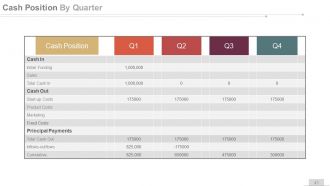
Slide 43: This slide shows Cash Position By Quarter (four quarters).
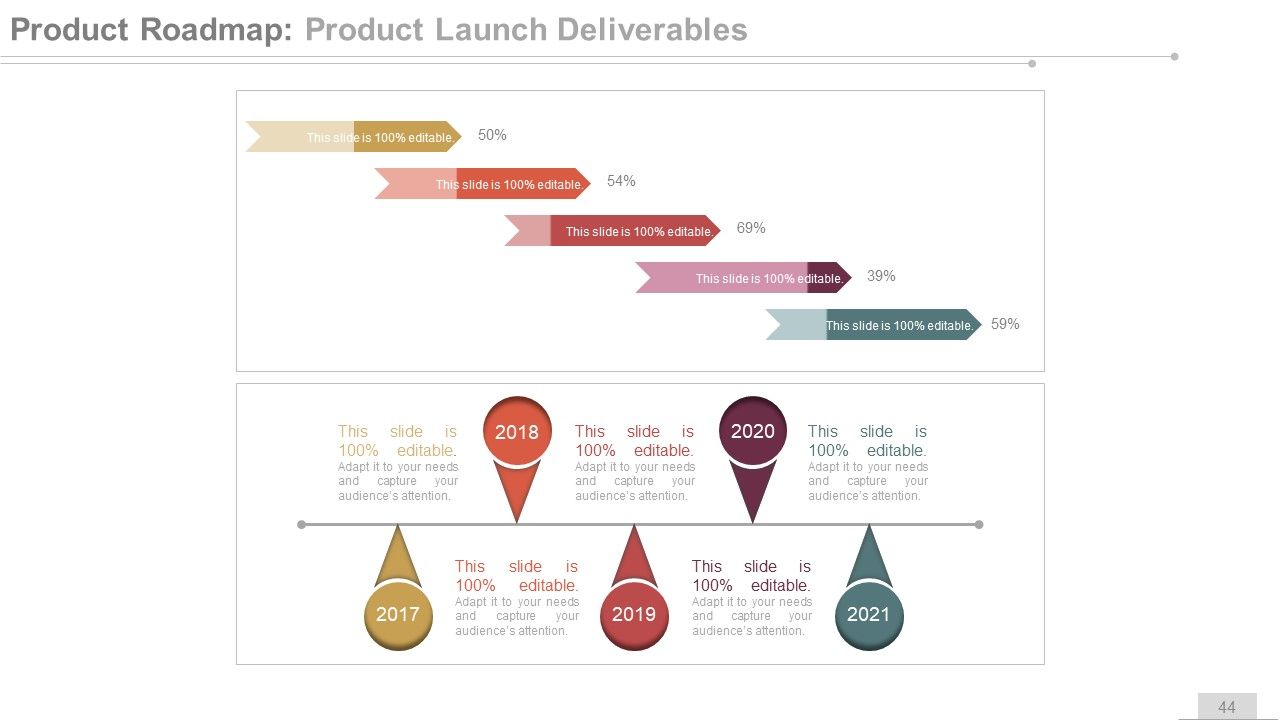
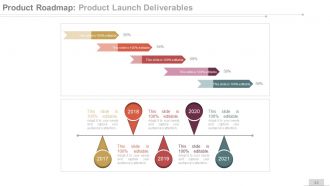
Slide 44: This slide showcases Product Roadmap: Product Launch Deliverables. State your deliverables with their respective timings here.
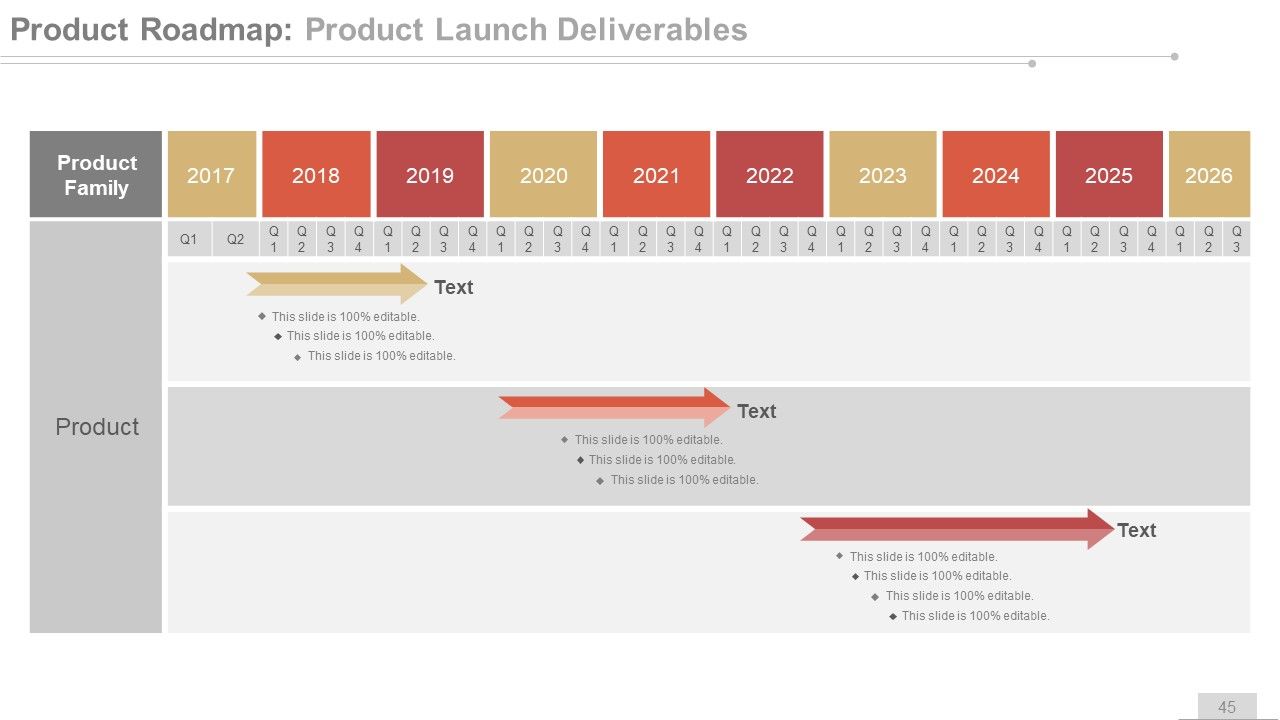
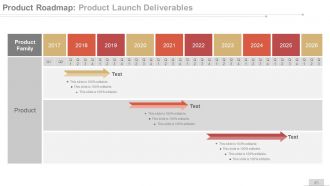
Slide 45: This slide also showcases Product Roadmap: Product Launch Deliverables. State your deliverables with their respective timings here.
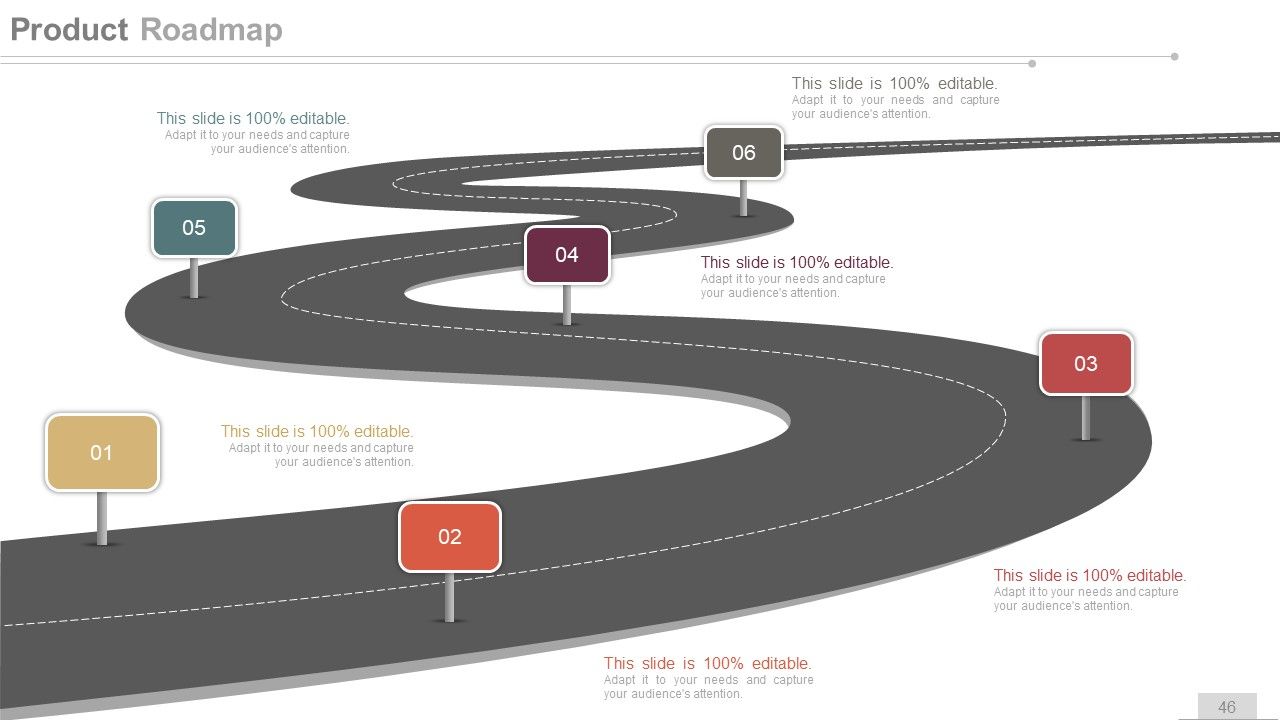
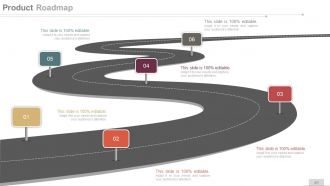
Slide 46: This slide showcases a Product Roadmap.
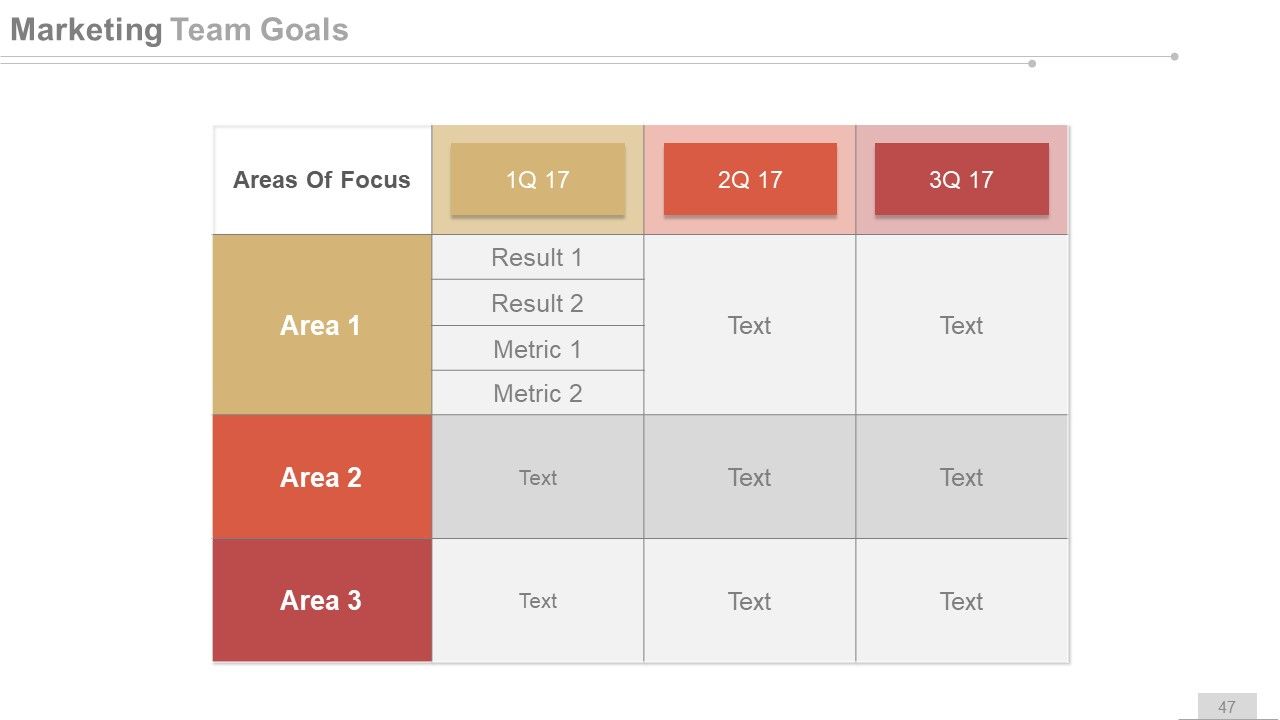
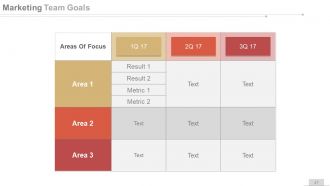
Slide 47: This slide shows Marketing Team Goals for three areas and three quarters.
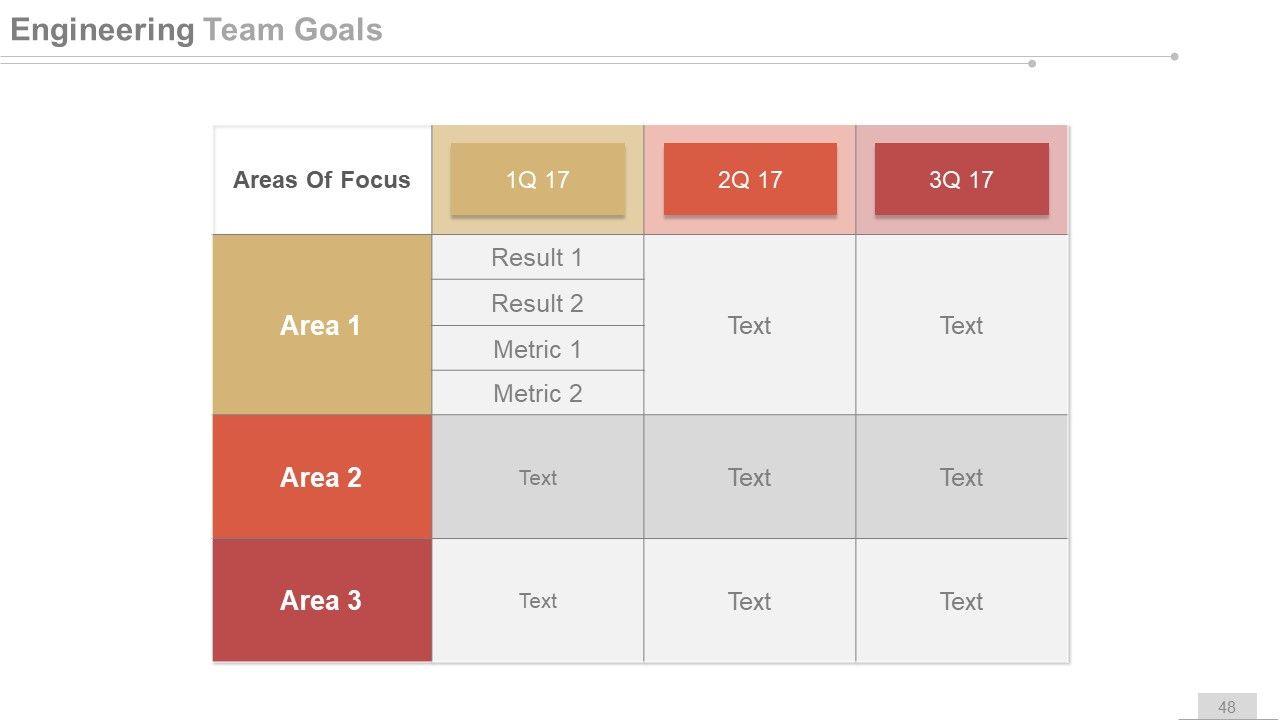
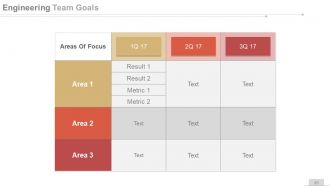
Slide 48: This slide shows Engineering Team Goals for three quarters and three areas.
Slide 49: This slide is titled Additional Slides to proceed forward.
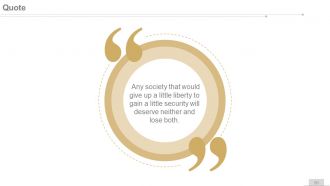
Slide 50: This is a Quotes slide. State a quote here or anything you want to convey.
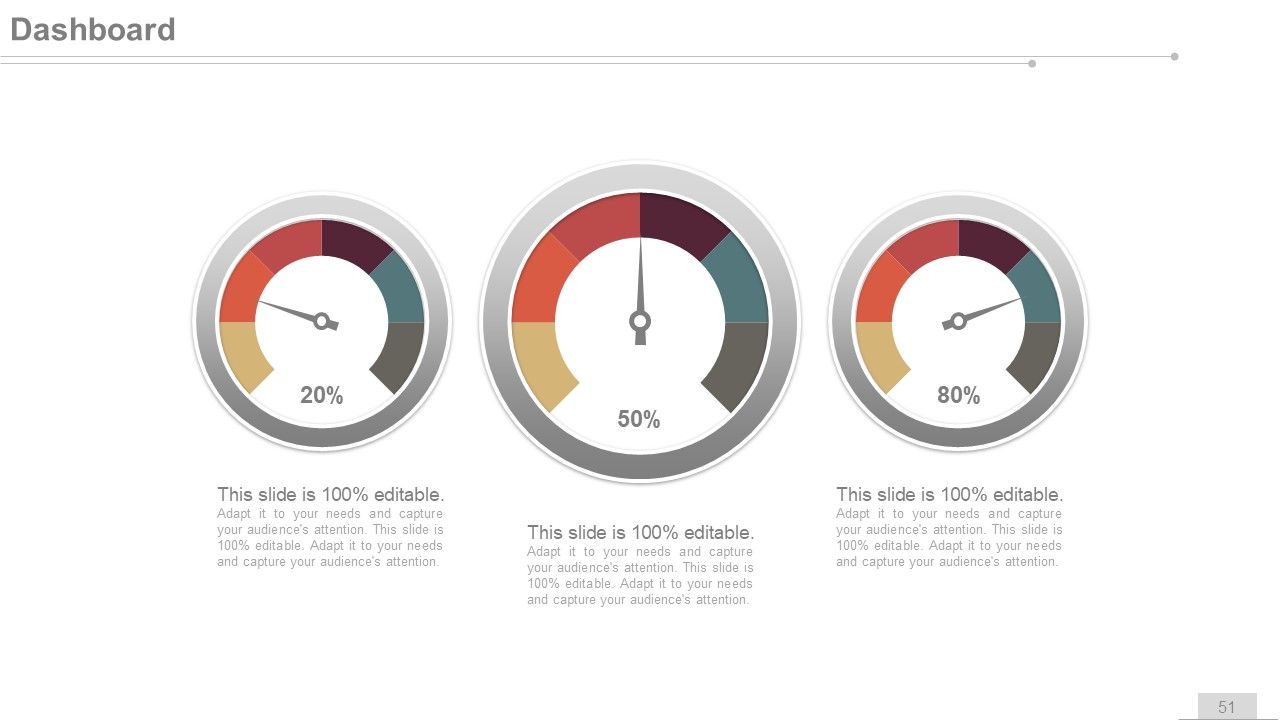
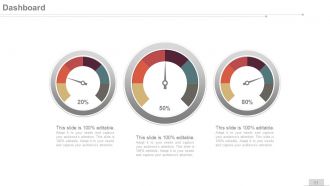
Slide 51: This slide displays a Dashboard with percentages.
Slide 52: This is a Thank You slide with Contact Numbers, Email Address, and Address.
Business operational concept and structure powerpoint presentation slides with all 52 slides:
High quality Business Operational Concept And Structure Complete Powerpoint Deck With Slides lets your presentations capture the attention they deserve. Makes sure you're ready to shine.
FAQs
The Executive Summary slides summarize the business problem, proposed solutions, key to success, and competitors of the company. It provides a quick overview of the business concept and its potential.
The Company Mission and Vision slides communicate the company's purpose, goals, and values. They provide direction and a sense of purpose to the organization and help align the team's efforts towards a common objective.
The Key Performance Indicators (KPIs) slides highlight the metrics that the company tracks to measure its performance and progress towards achieving its objectives. These metrics could include financial, operational, or customer-related metrics.
The Changes in Competitive Environment slide provides an understanding of the competitive landscape of the company and helps identify trends, opportunities, and threats. This information can be used to refine the company's strategies and stay ahead of the competition.
The Financials Summary slides showcase the financial performance of the company, including revenue, expenses, and profits. They also show the company's financial projections based on the base plan and stretch plan, which could be used to assess the financial viability of the company's strategies.
-
Illustrative design with editable content. Exceptional value for money. Highly pleased with the product.
-
Enough space for editing and adding your own content.
-
Great
-
Great designs, Easily Editable.
-
good
