


Business Operational Excellence Strategy Powerpoint Presentation Slides
Execute your business strategy with consistency using business operational excellence PowerPoint templates. Company with an operational excellence is considered to have a low operational risk, lower operating costs, and increased revenues as compared to its competitor. Therefore, conduct operational excellence for your company to create value for customers and stakeholders with the help of essential Business Operational Excellence PPT templates. Incorporate readymade business execution plan presentation to showcase the operational highlights of the firm to the senior managers and discuss sales and marketing challenges. This business operational excellence presentation has covered various topics and has professionally designed templates on business summary, milestones achieved, company objectives, firm challenges, partnering & alliance challenges, effective business partnerships, risk mitigation strategies, product roadmap, competitive landscape, key performance indicators, new customer acquisition cost, customer’s lifetime value, operating plan and hiring plan for the company to ensure smooth business operations. You can utilize the same business operational excellence strategy PowerPoint presentation templates for topics like operational excellence, execution excellence, management, philosophy, management system, operations management, strategic framework, operational efficiency etc. The business operational excellence PowerPoint presentation have all the eye-appealing graphics with a thoroughly researched content. Simply download this business operation management presentation and capture your audience’s attention. .Never feel hard pressed with our Business Operational Excellence Strategy Powerpoint Presentation Slides. You won't ever be behind the clock.

















You must be logged in to download this presentation.


Do you want to remove this product from your favourites?
 Impress your
 audience
 100%
100% Editable
 Save Hours
 of Time
PowerPoint presentation slides
Presenting business operational excellence PowerPoint presentation slides. These PPT template designs are 100% editable in PowerPoint. This deck comprises of total 76 slides. Presentations are compatible with widescreen. PPT’s are 100% risk-free. Free of all sorts of space constraints. High resolution. Hassle free downloading process. This presentation is mainly used by operational manager, senior staff, operational analysts. PowerPoint templates are compatible with google slides.

People who downloaded this PowerPoint presentation also viewed the following :
Content of this Powerpoint Presentation
Slide 1: This slide introduces Business Operational Excellence Strategy with relevant imagery. State Your Company Name and get started.
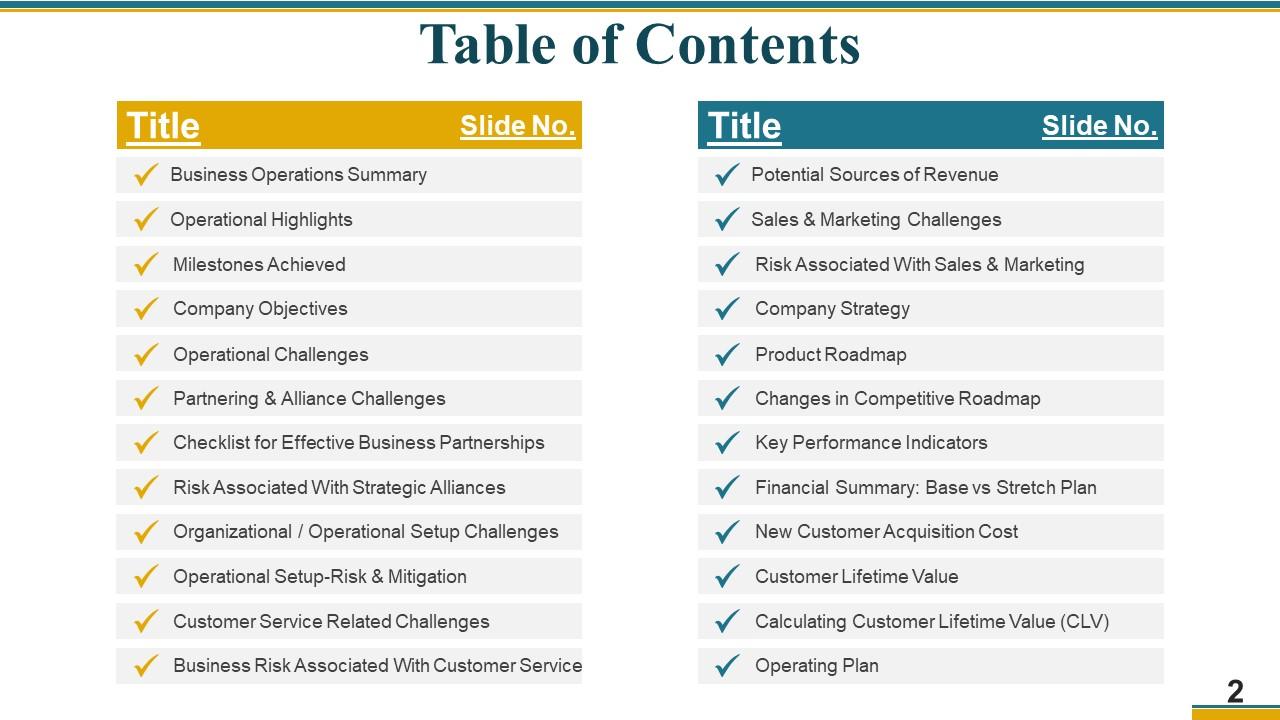
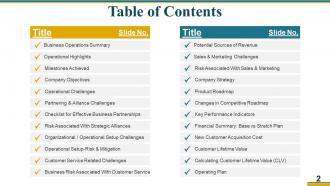
Slide 2: This slide presents Table of Contents. The constituents are- Business Operations Summary, Operational Highlights, Milestones Achieved, Company Objectives, Operational Challenges, Partnering & Alliance Challenges, Checklist for Effective Business Partnerships, Risk Associated With Strategic Alliances, Organizational / Operational Setup Challenges, Operational Setup-Risk & Mitigation, Customer Service Related Challenges, Business Risk Associated With Customer Service, Potential Sources of Revenue, Sales & Marketing Challenges, Risk Associated With Sales & Marketing, Company Strategy, Product Roadmap, Changes in Competitive Roadmap, Key Performance Indicators, Financial Summary: Base vs Stretch Plan, New Customer Acquisition Cost, Customer Lifetime Value, Calculating Customer Lifetime Value (CLV), Operating Plan.
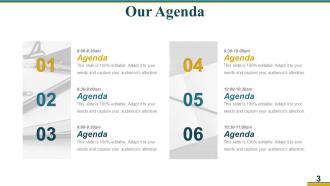
Slide 3: This is Our Agenda slide. State your company agendas here.
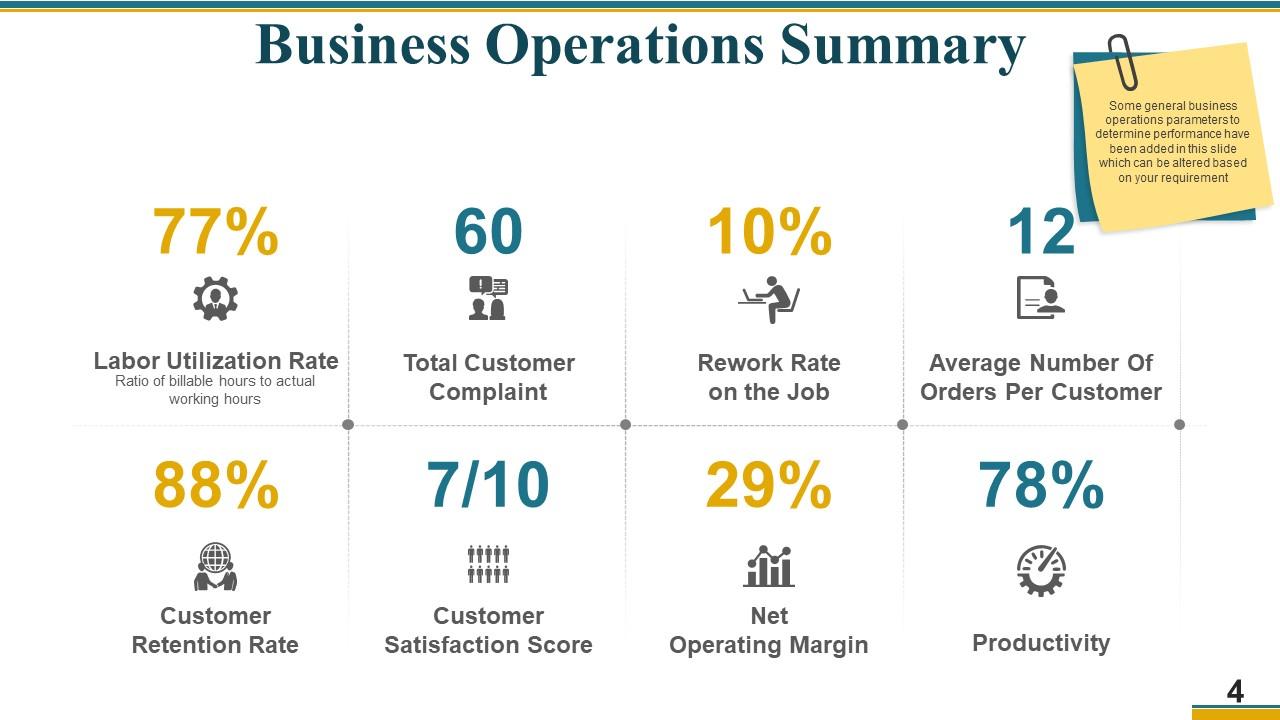
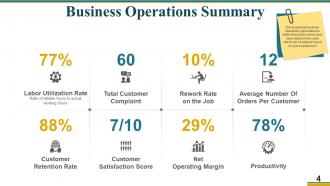
Slide 4: This slide presents a Business Operations Summary with the following points- Total Customer Complaint, Customer Satisfaction Score, Net Operating Margin, Average Number Of Orders Per Customer, Productivity, Rework Rate on the Job, Customer Retention Rate, Labor Utilization Rate.
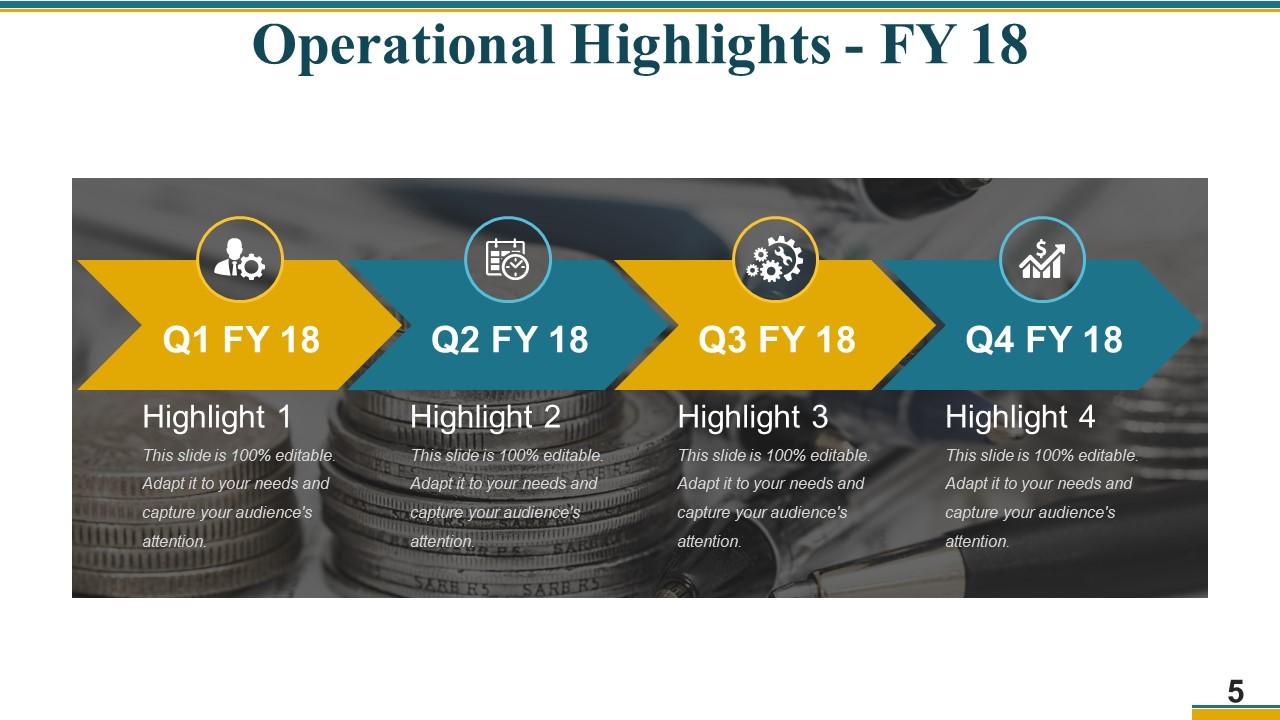
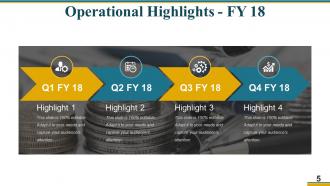
Slide 5: This slide presents Operational Highlights for four quarters.
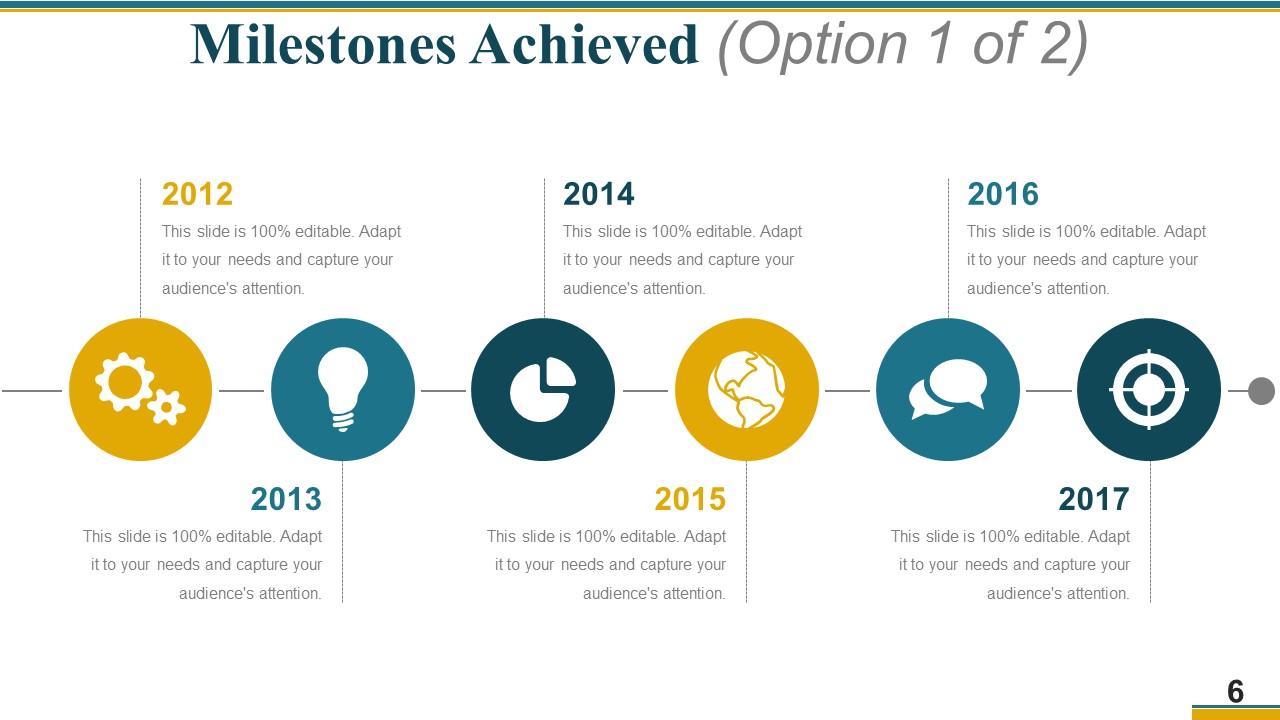
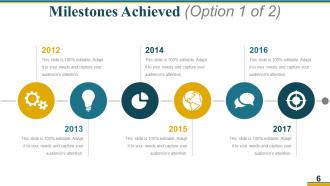
Slide 6: This slide showcases Milestones Achieved in terms of years.
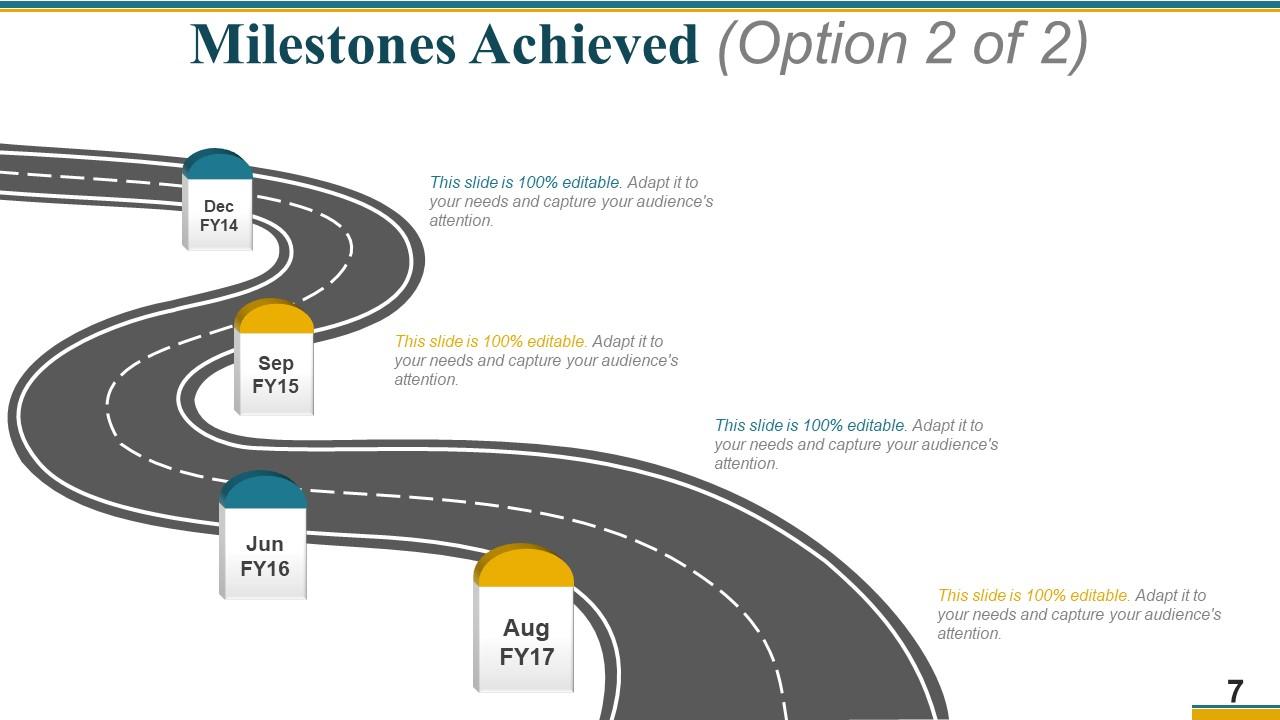
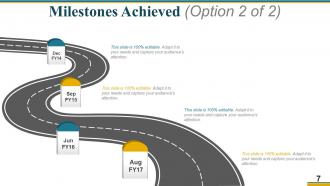
Slide 7: This slide too showcases Milestones Achieved in terms of years.
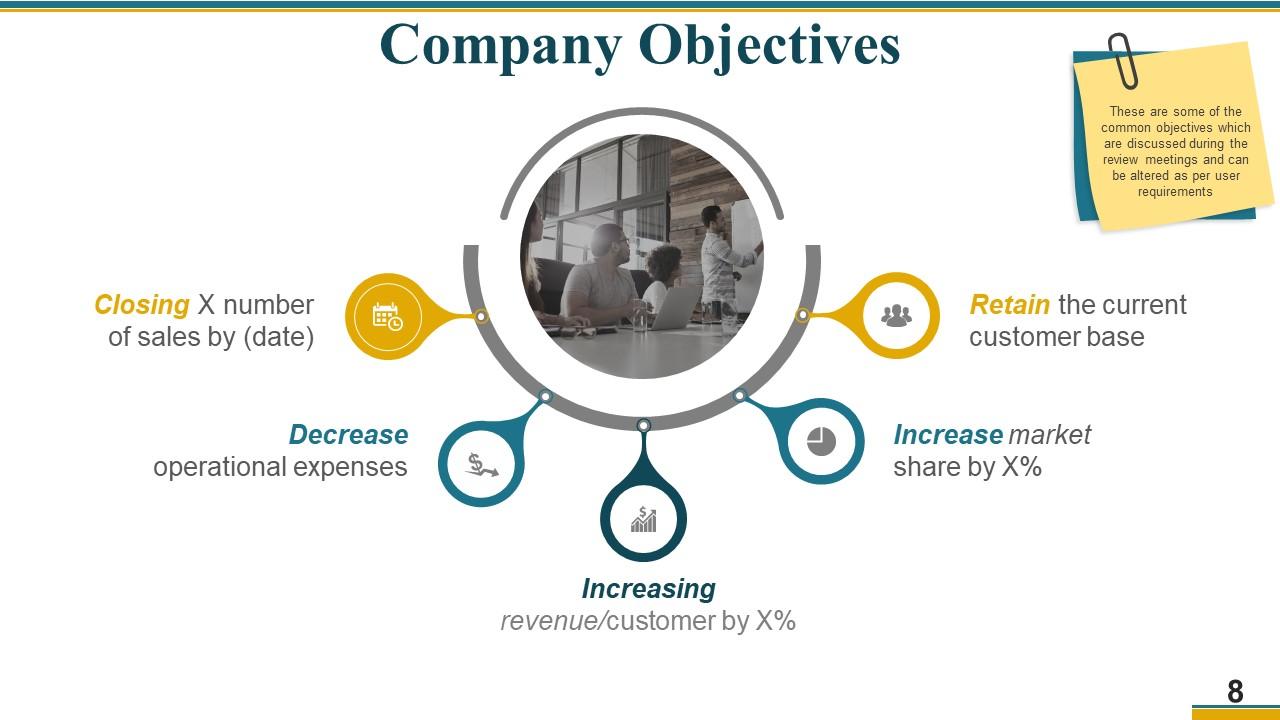
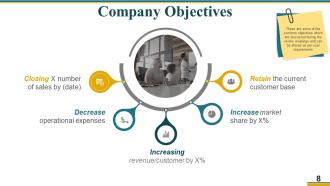
Slide 8: This slide presents Company Objectives. These are some of the common objectives which are discussed during the review meetings and can be altered as per user requirements. Some listed examples are- Retain the current customer base, Increase market share by X%, Increasing revenue/customer by X%, Decrease operational expenses, Closing X number of sales by (date).
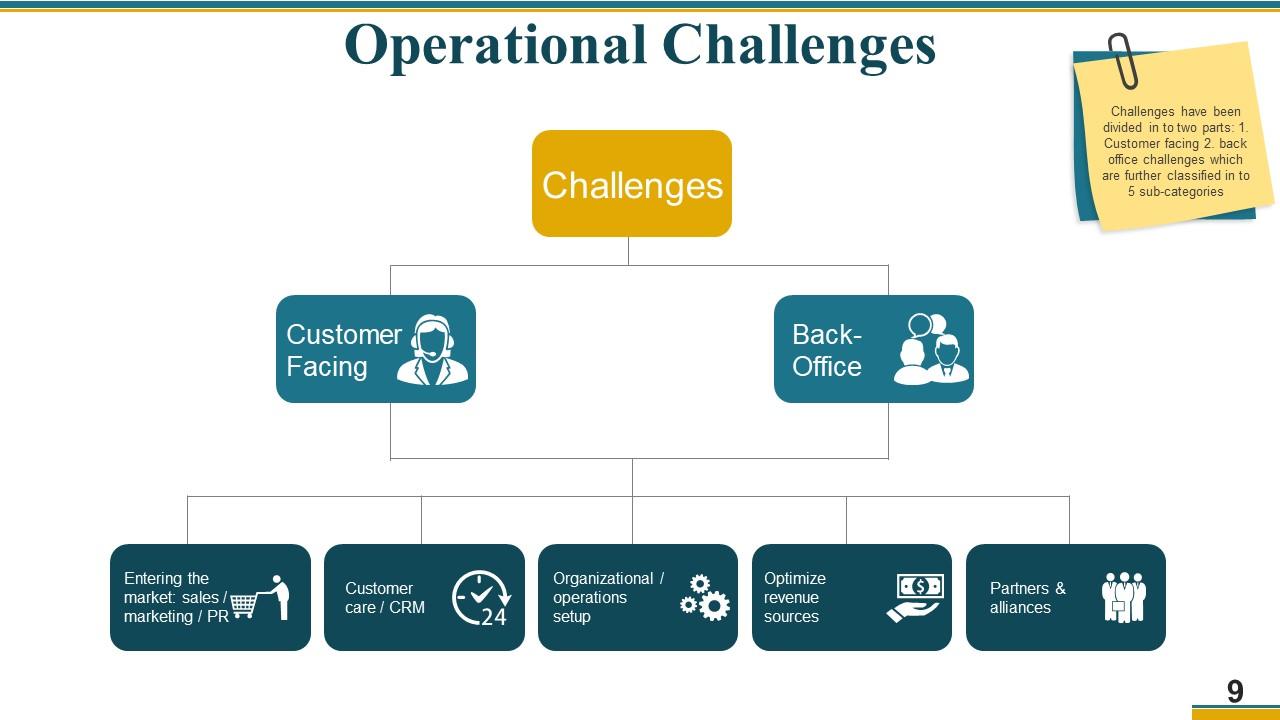
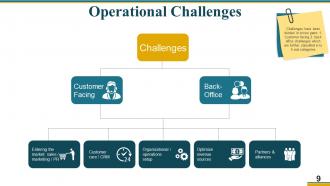
Slide 9: This slide presents Operational Challenges divided in to two parts: 1. Customer facing 2. back office challenges which are further classified in to 5 sub-categories- Entering the market: sales / marketing / PR, Customer care / CRM, Organizational / operations setup, Optimize revenue sources, Partners & alliances.
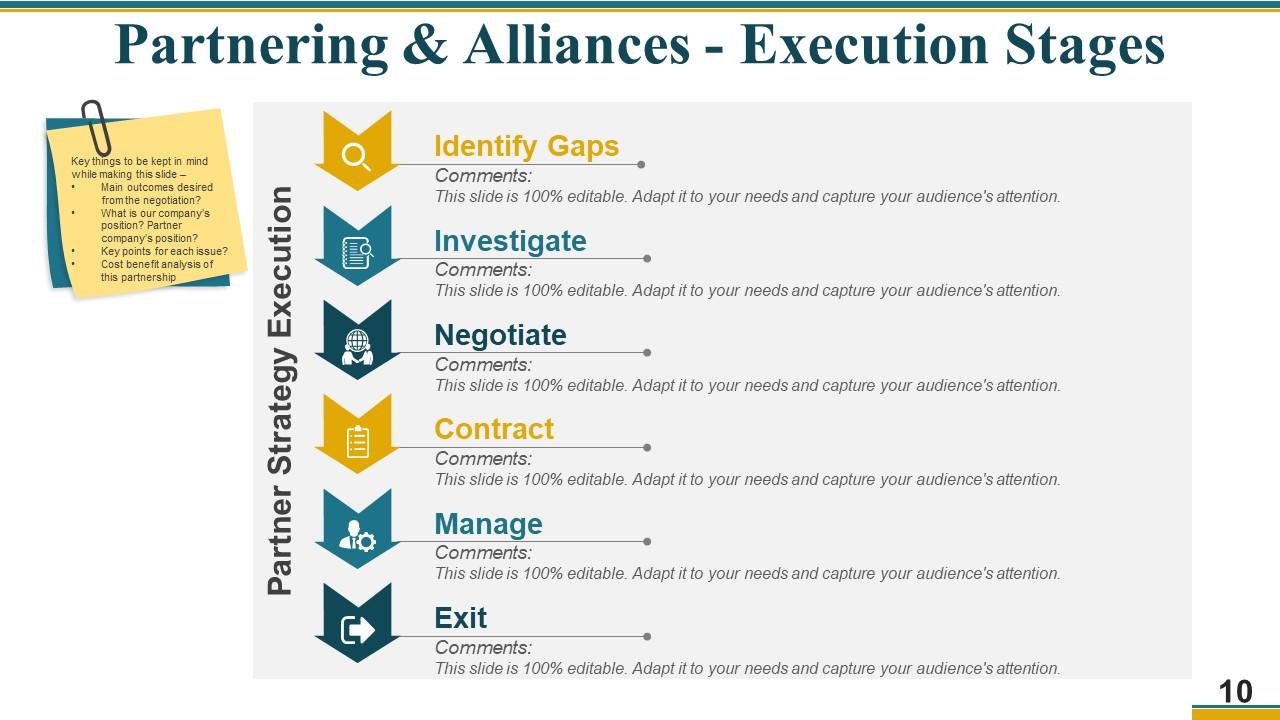
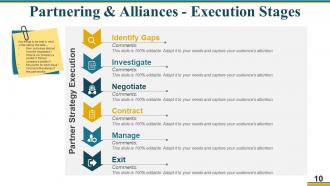
Slide 10: This slide showcases Partnering & Alliances - Execution Stages with the following points- Identify Gaps, Investigate, Negotiate, Contract, Manage, and Exit as part of Partner Strategy Execution.
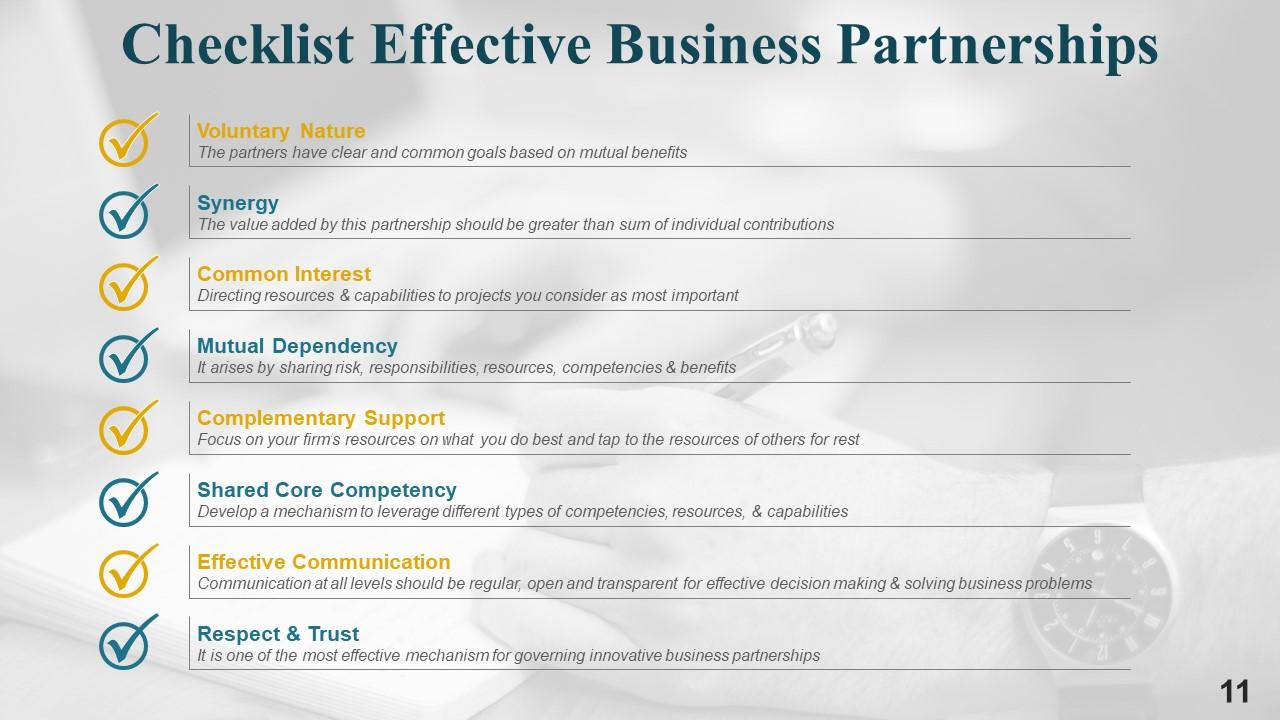
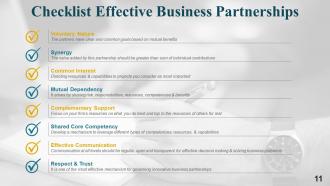
Slide 11: This slide showcases Checklist Effective Business Partnerships. The content includes- Common Interest: Directing resources & capabilities to projects you consider as most important. Mutual Dependency: It arises by sharing risk, responsibilities, resources, competencies & benefits. Complementary Support: Focus on your firm’s resources on what you do best and tap to the resources of others for rest. Shared Core Competency: Develop a mechanism to leverage different types of competencies, resources, & capabilities. Effective Communication: Communication at all levels should be regular, open and transparent for effective decision making & solving business problems. Respect & Trust: It is one of the most effective mechanism for governing innovative business partnerships. Voluntary Nature: The partners have clear and common goals based on mutual benefits. Synergy: The value added by this partnership should be greater than sum of individual contributions.
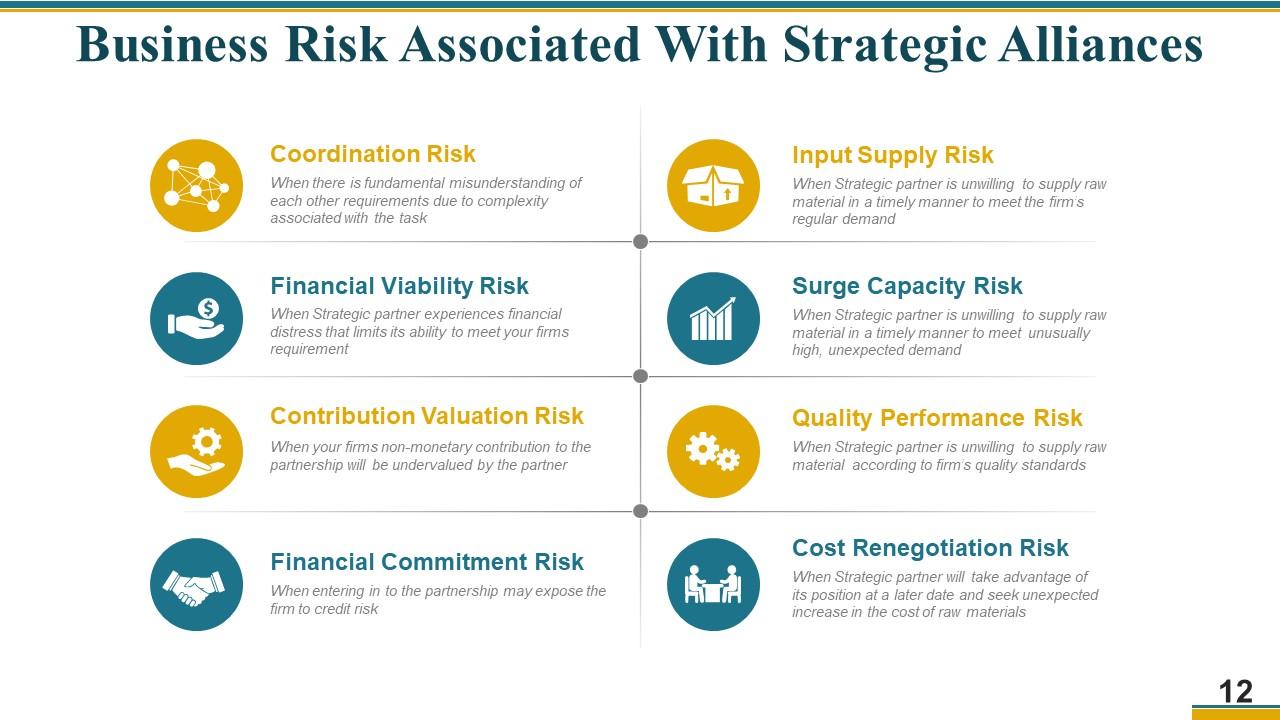
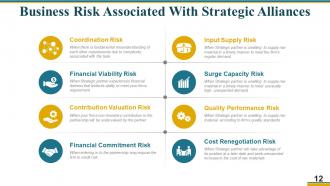
Slide 12: This slide presents Business Risk Associated With Strategic Alliances. The content includes- Coordination Risk, Financial Viability Risk, Contribution Valuation Risk, Financial Commitment Risk, Input Supply Risk, Surge Capacity Risk, Quality Performance Risk, Cost Renegotiation Risk.
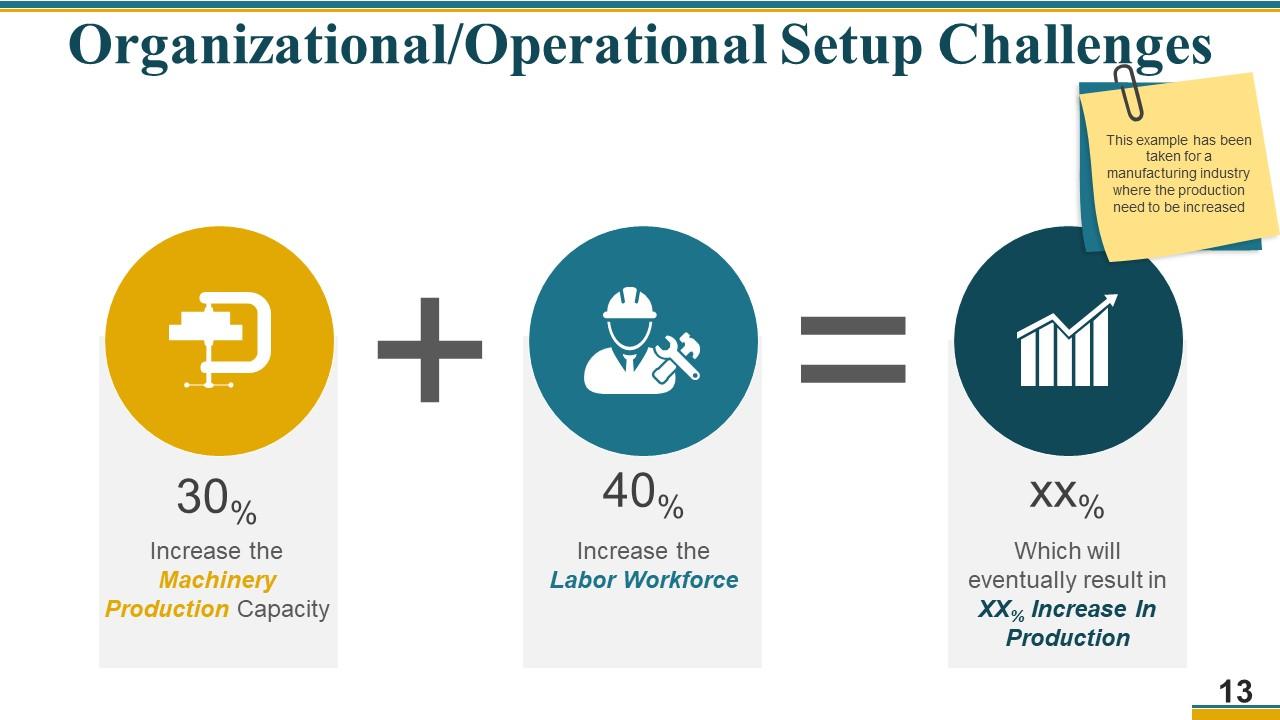
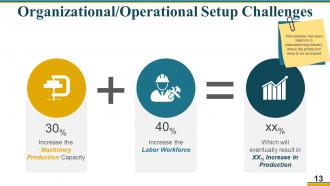
Slide 13: This slide presents Organizational/Operational Setup Challenges such as- Increase the Labor Workforce, Increase the Machinery Production Capacity as examples.
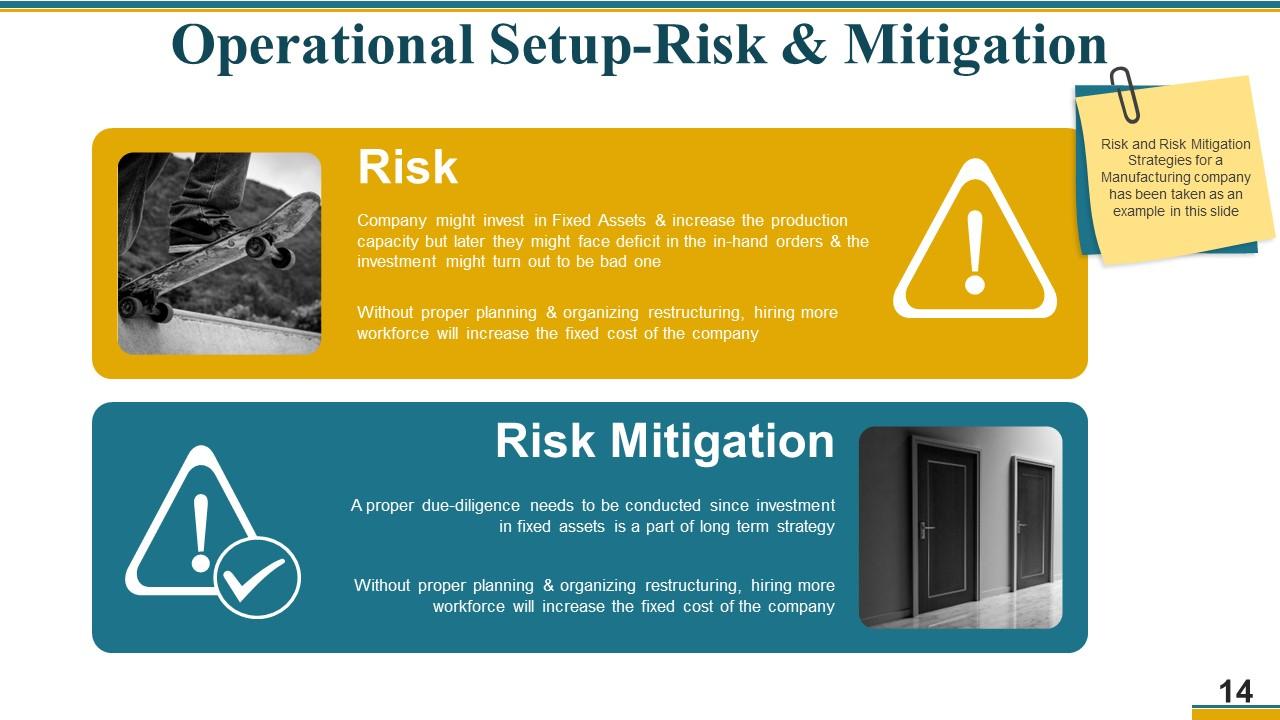
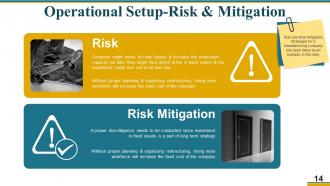
Slide 14: This slide shows Operational Set-up Risk& Mitigation with the following subnheadings- Risk, Risk Mitigation.
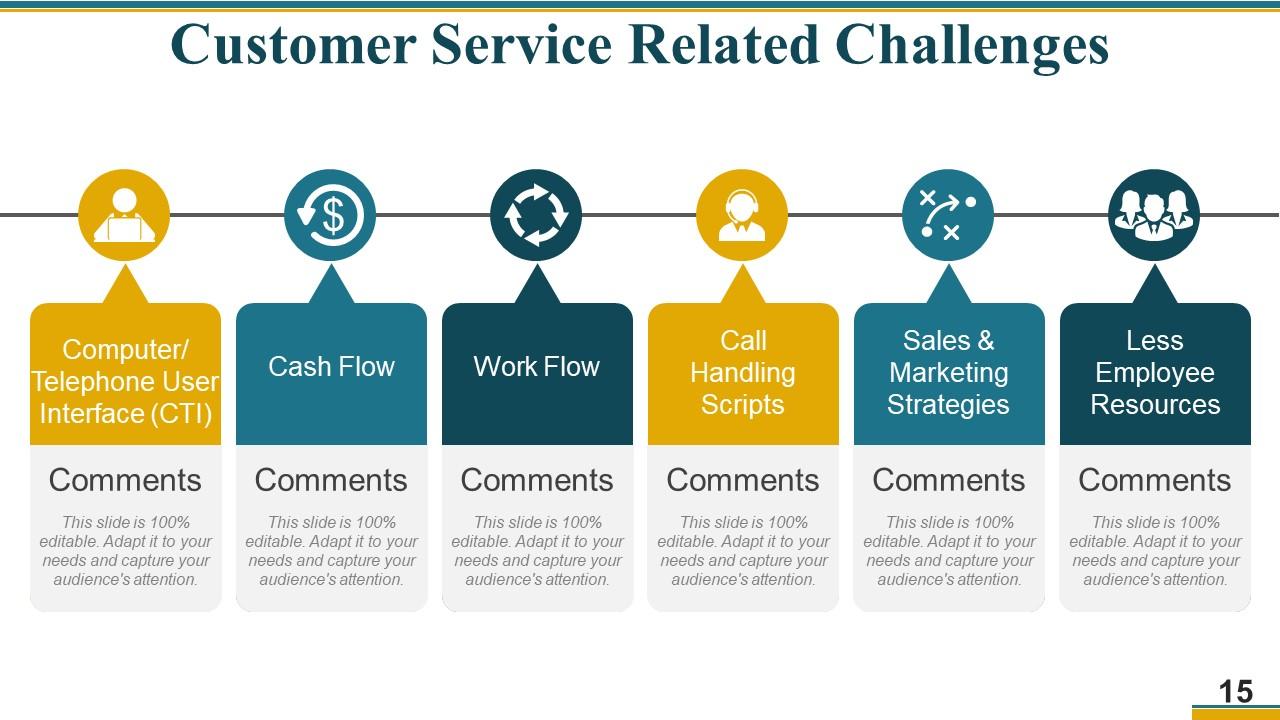
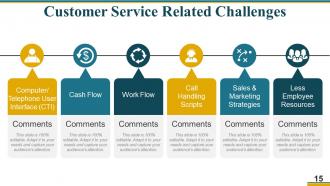
Slide 15: This slide displays Customer Service Related Challenges with the following subheadings- Work Flow, Computer/ Telephone User Interface (CTI), Call, Handling Scripts Less Employee Resources, Marketing Strategies, Cash Flow.
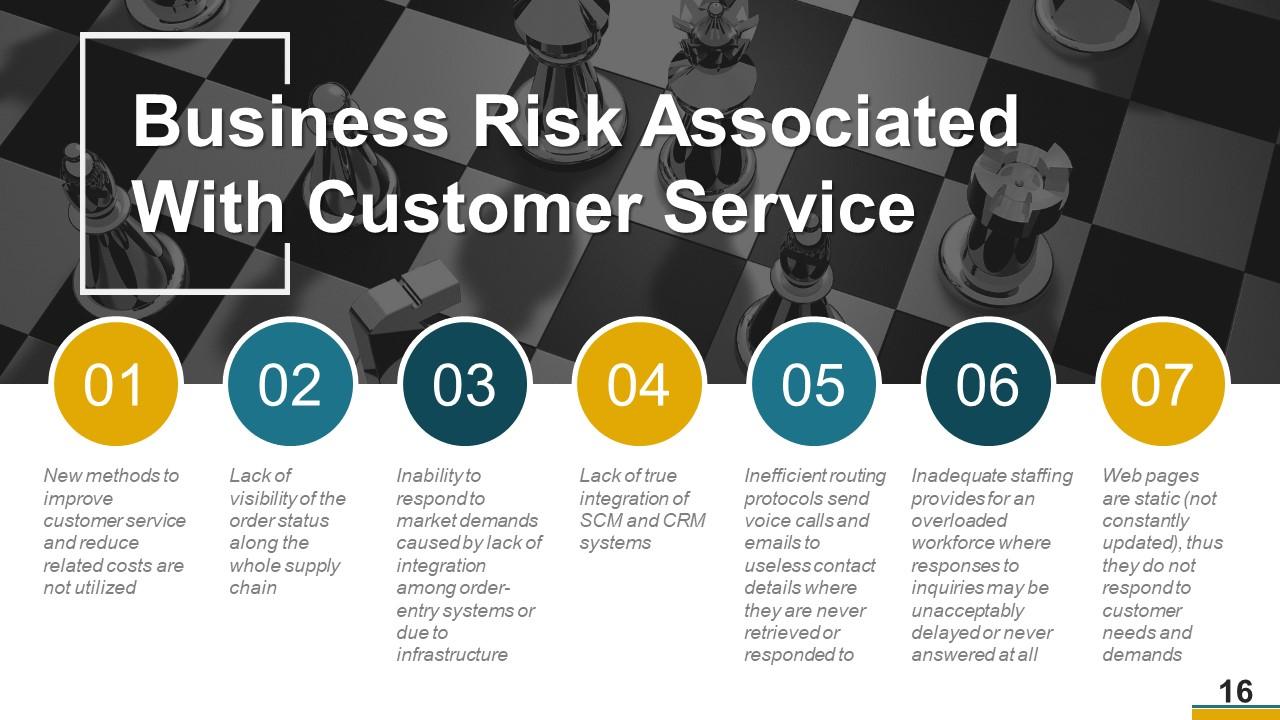
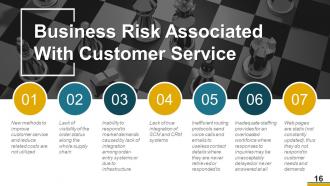
Slide 16: This slide presents Business Risk Associated With Customer Service such as- New methods to improve customer service and reduce related costs are not utilized, Lack of visibility of the order status along the whole supply chain, Inability to respond to market demands caused by lack of integration among order-entry systems or due to infrastructure, Lack of true integration of SCM and CRM systems, Inefficient routing protocols send voice calls and emails to useless contact details where they are never retrieved or responded to, Inadequate staffing provides for an overloaded workforce where responses to inquiries may be unacceptably delayed or never answered at all, Web pages are static (not constantly updated), thus they do not respond to customer needs and demands.
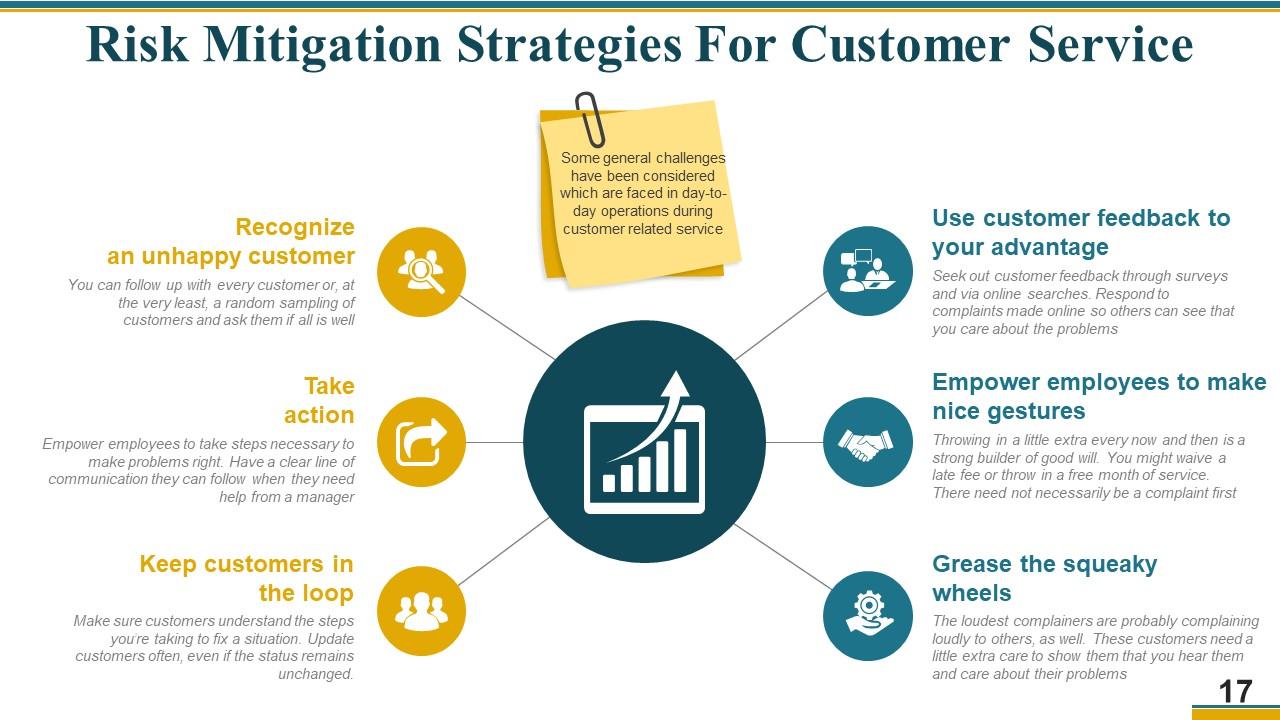
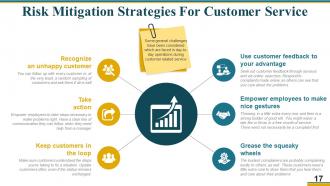
Slide 17: This slide showcases Risk Mitigation Strategies For Customer Service. Listed points are- Recognize an unhappy customer, Take action, Keep customers in the loop, Use customer feedback to your advantage, Empower employees to make nice gestures, Grease the squeaky wheels. Some general challenges have been considered which are faced in day-to-day operations during customer related service.
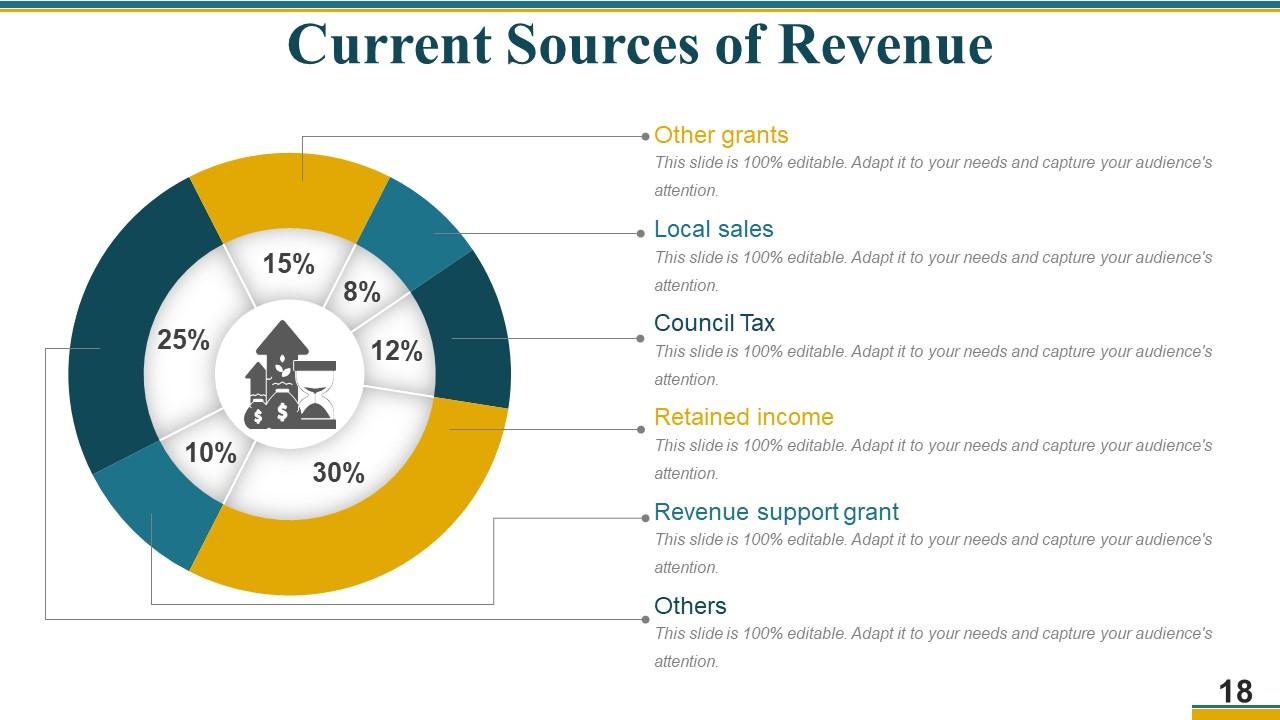
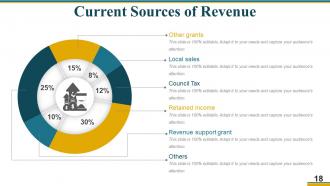
Slide 18: This slide showcases Current Sources of Revenue such as- Other grants, Local sales, Council Tax, Retained income, Revenue support grant, Others.
Slide 19: This is a Coffee Break slide to halt. You can change the slide content as per need.
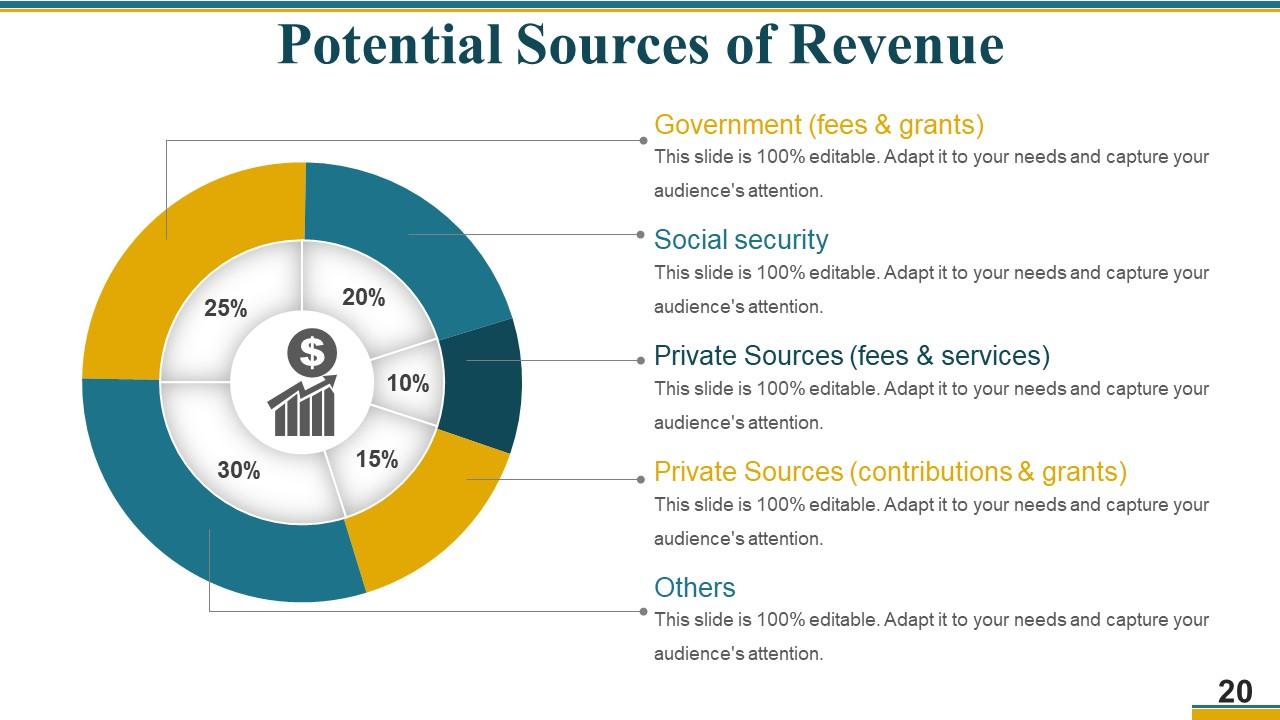
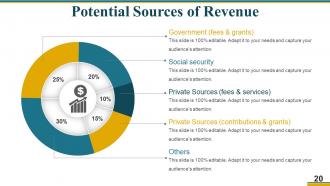
Slide 20: This slide presents Potential Sources of Revenues such as- Government (fees & grants), Social security, Private Sources (contributions & grants), Others, Private Sources (fees & services).
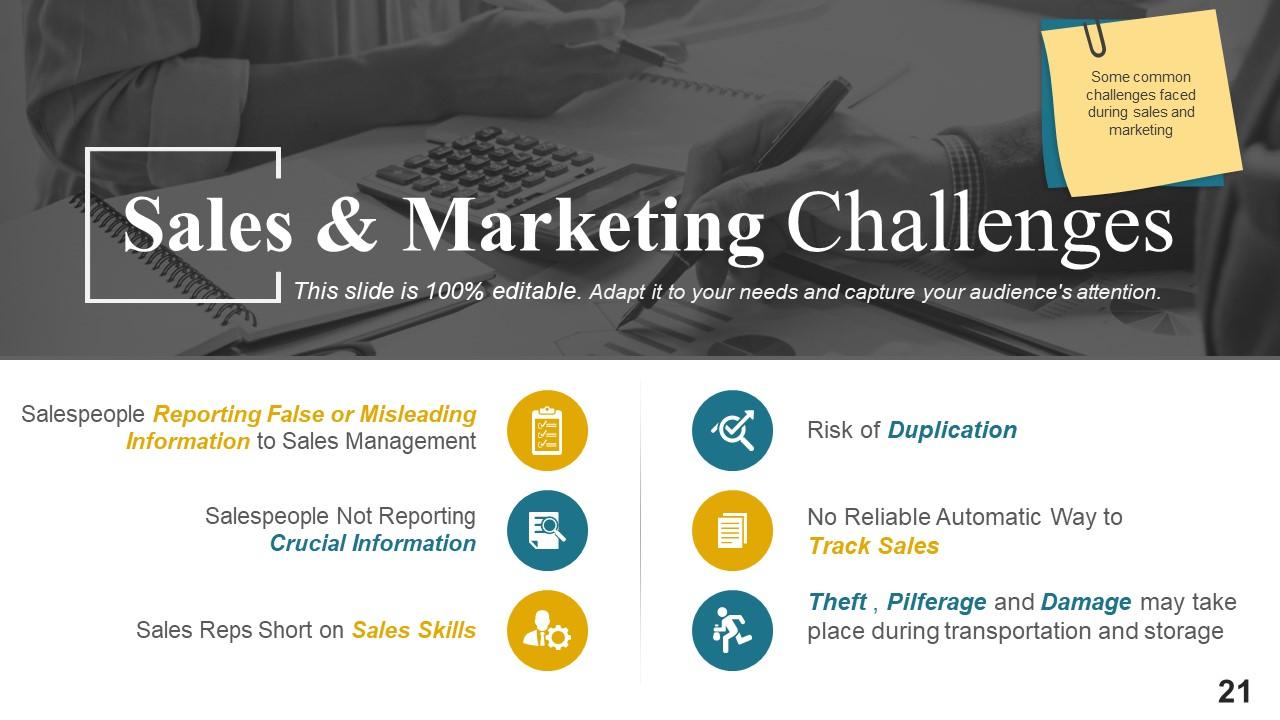
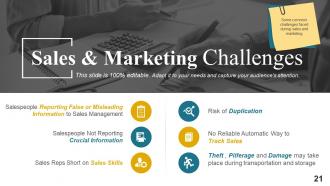
Slide 21: This slide showcases Sales & Marketing Challenges such as- Sales Reps Short on Sales Skills, Salespeople Reporting False or Misleading Information to Sales Management, Salespeople Not Reporting Crucial Information, Risk of Duplication, Theft , Pilferage and Damage may take place during transportation and storage, No Reliable Automatic Way to Track Sales, Some common challenges faced during sales and marketing. You can alter content as per need.
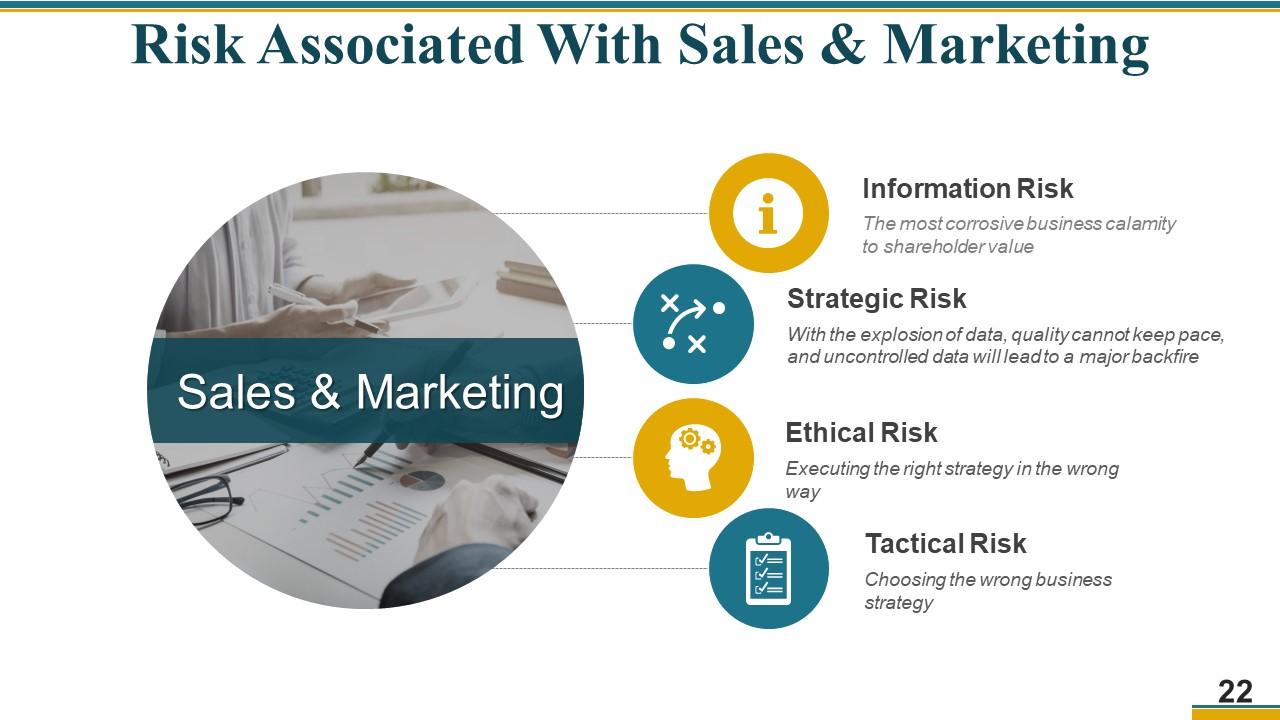
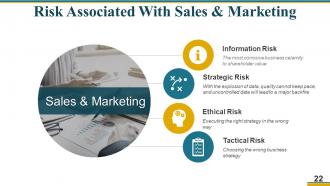
Slide 22: This slide presents Risk Associated With Sales & Marketing such as- Information Risk, Strategic Risk, Ethical Risk, Tactical Risk, Sales & Marketing.
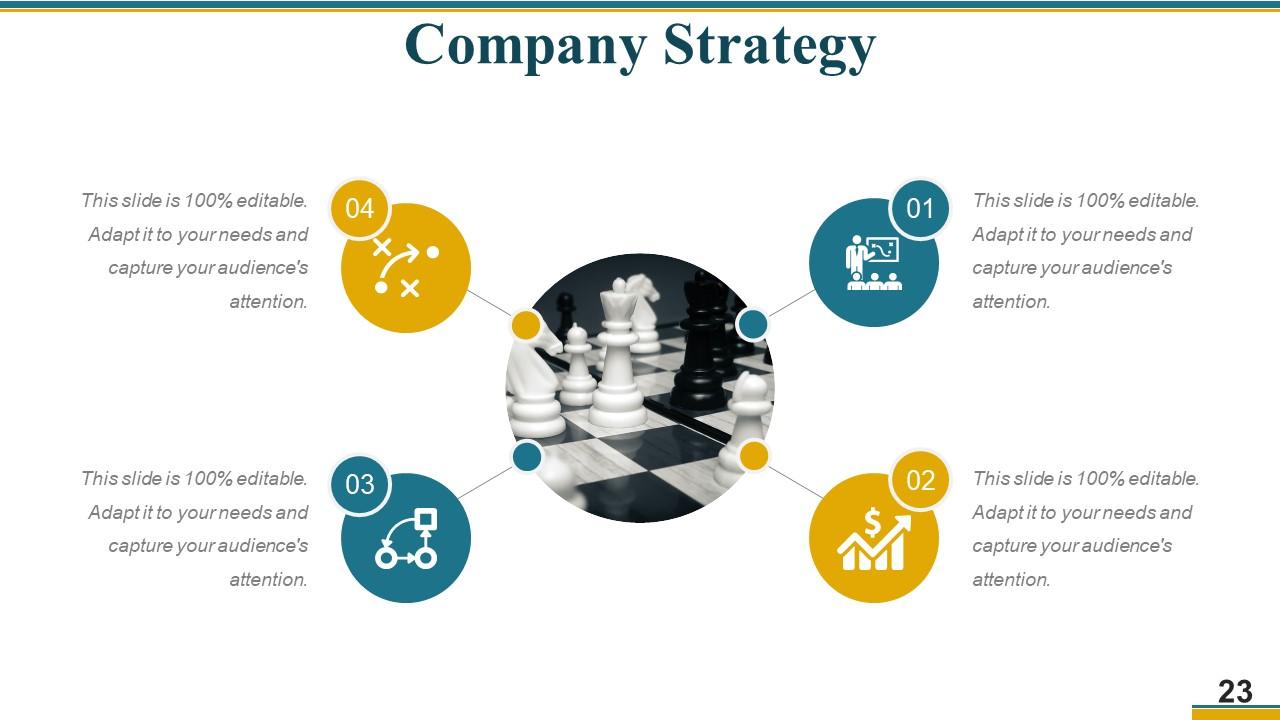
Slide 23: This slide presents Company Strategy. Showcase strategies etc. here.
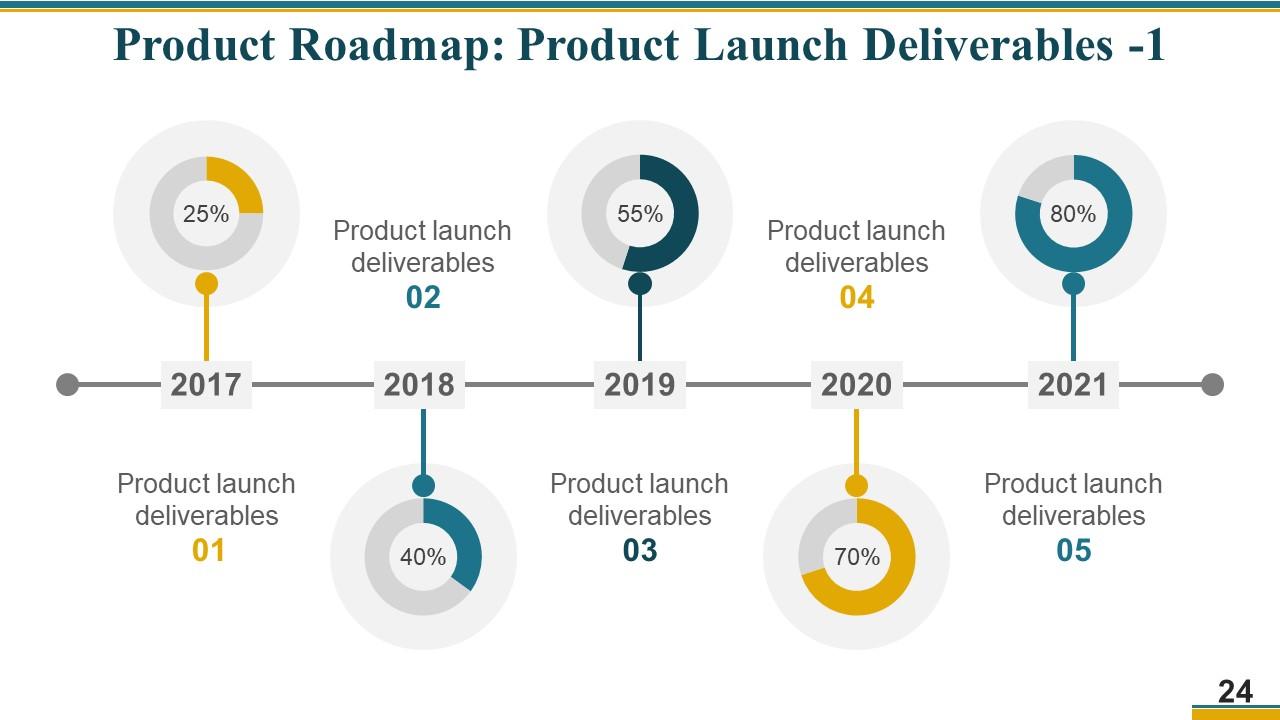
Slide 24: This slide displays Product Roadmap: Product Launch Deliverables in terms of years.
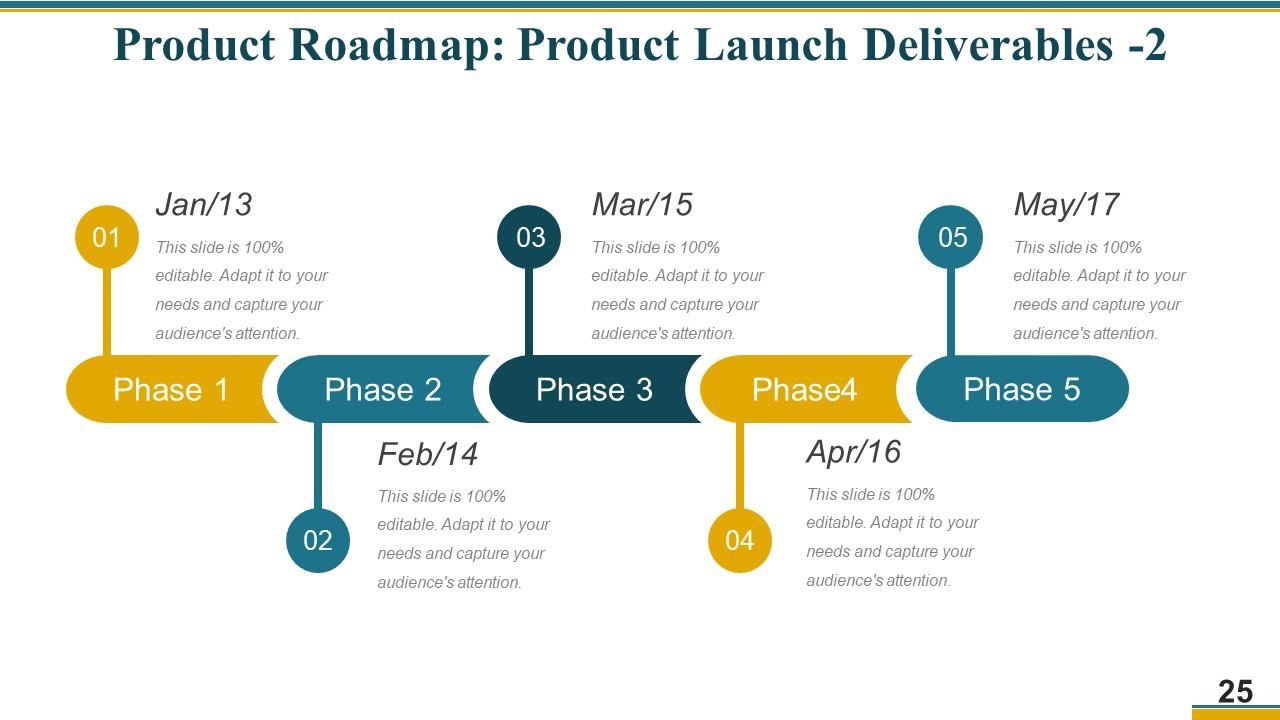
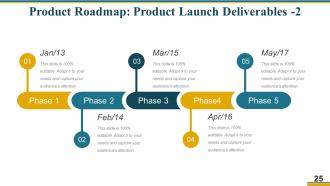
Slide 25: This slide showcases Product Roadmap: Product Launch Deliverables in terms of months.
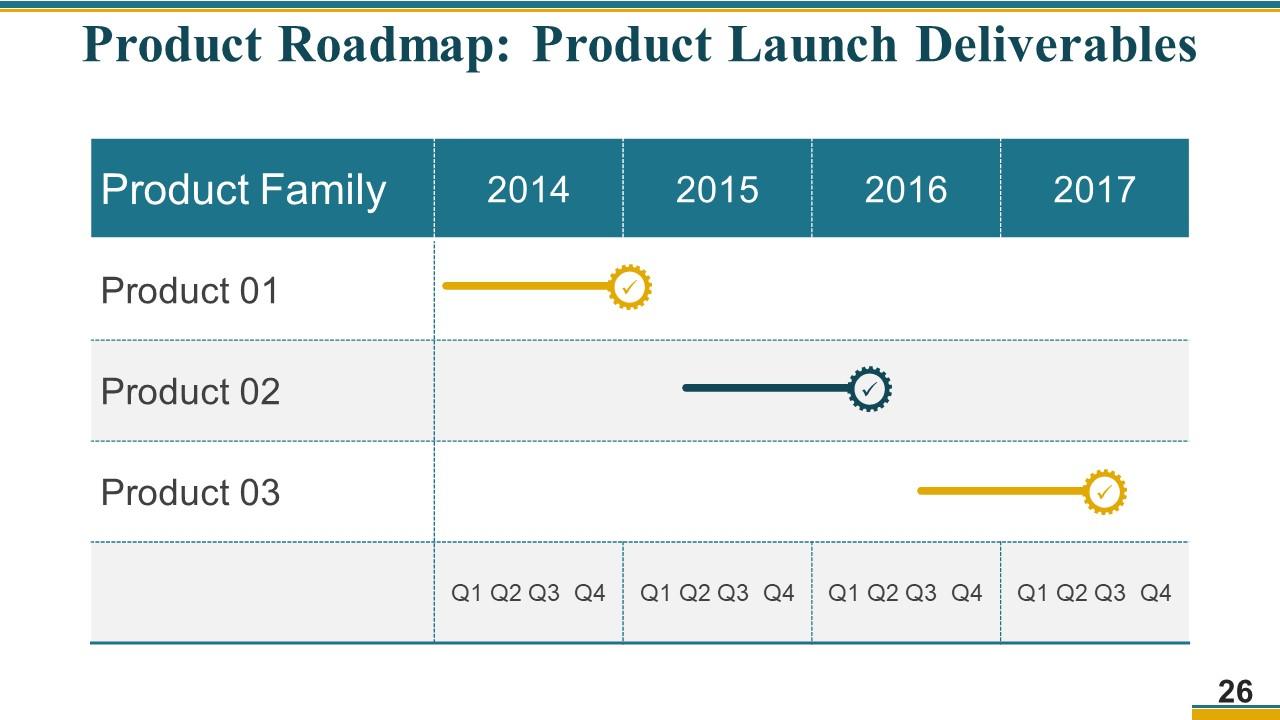
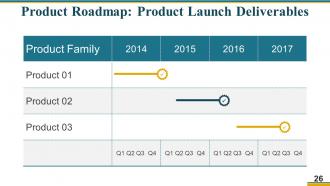
Slide 26: This slide presents Product Roadmap: Product Launch Deliverables in terms of different products.
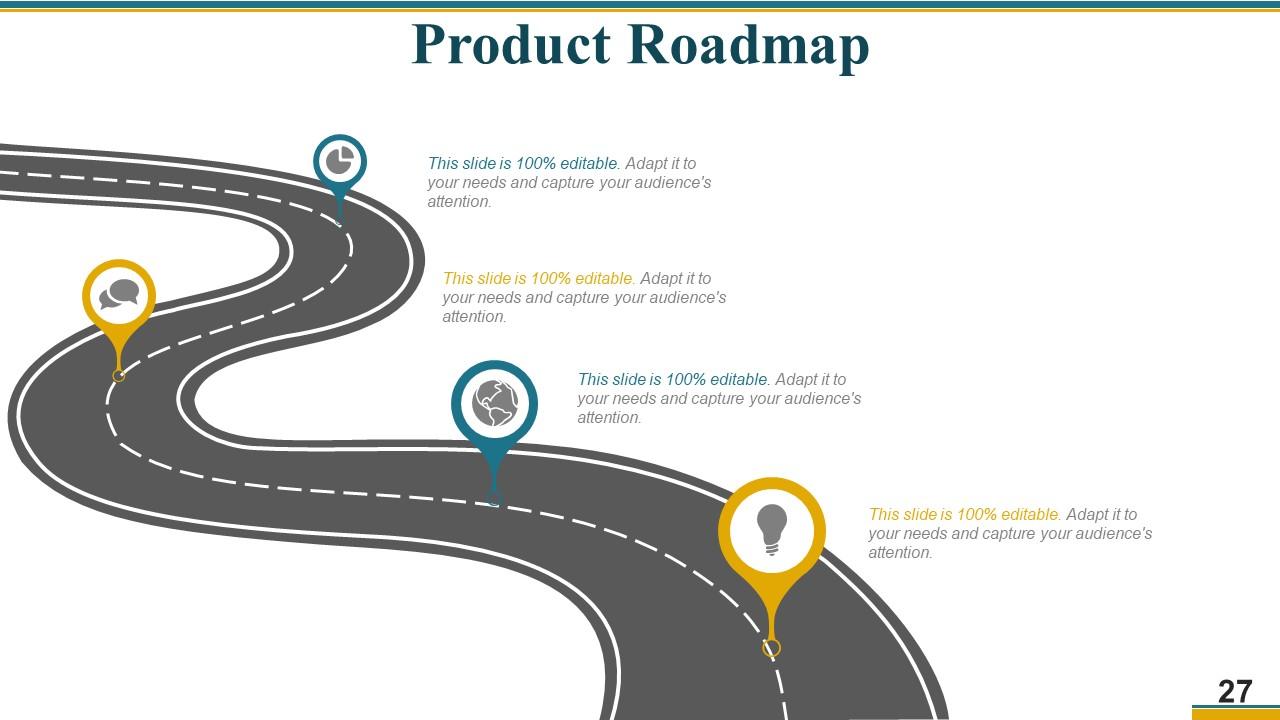
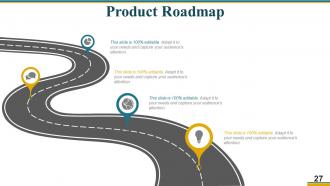
Slide 27: This slide presents a Product Roadmap with imagery to go with.
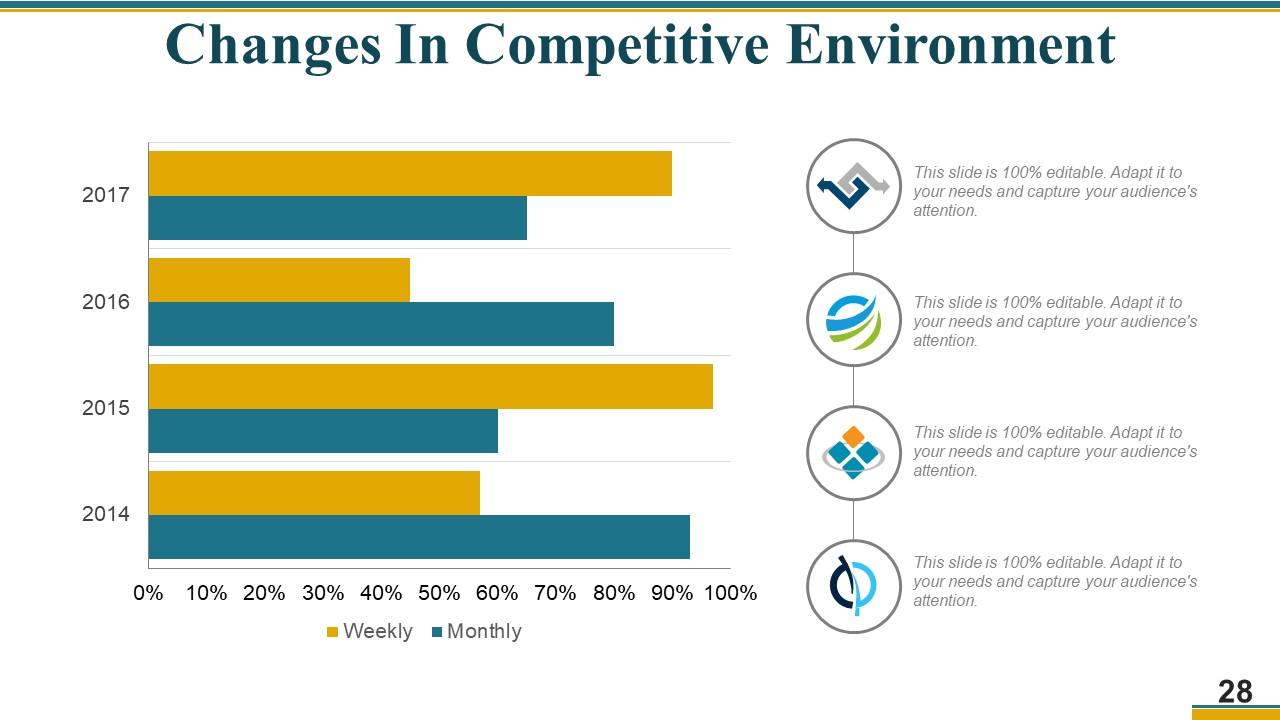
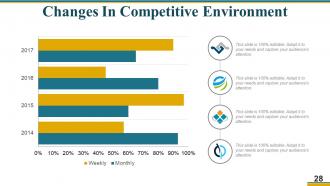
Slide 28: This slide presents Changes In Competitive Environment in graph form.
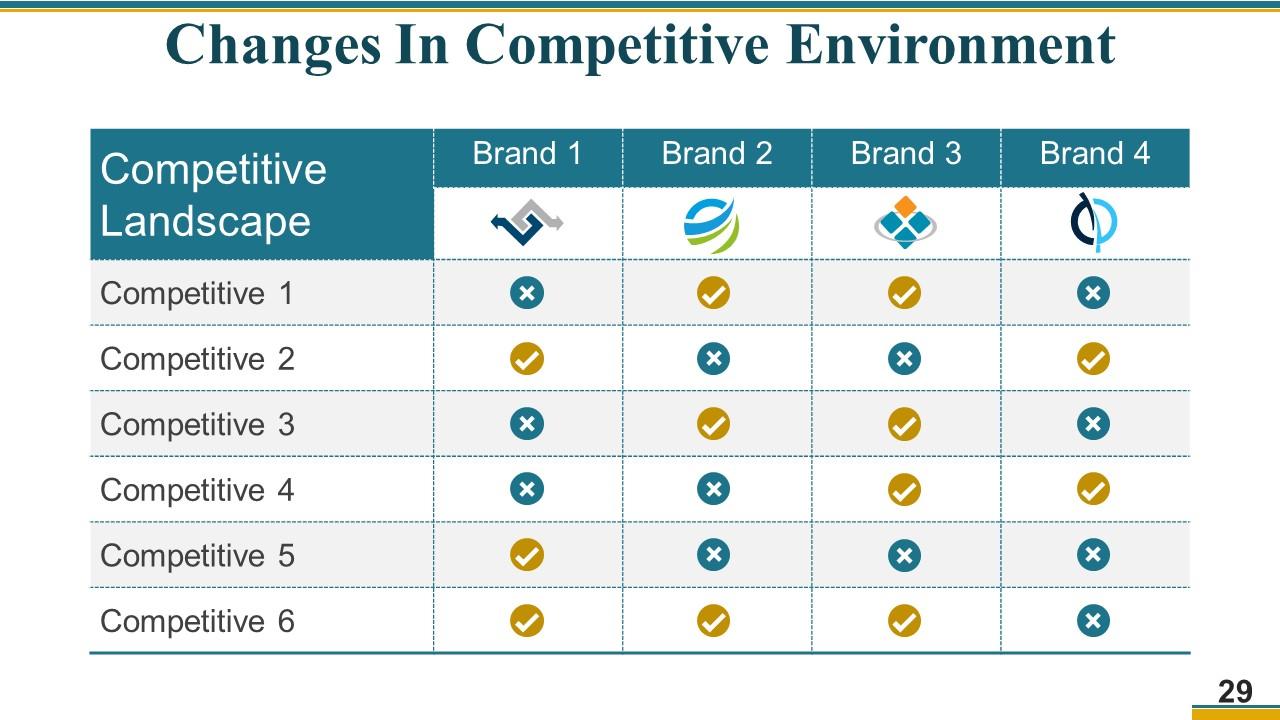
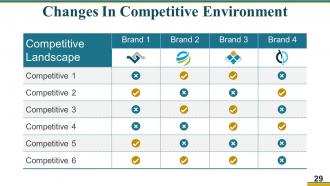
Slide 29: This slide presents Changes In Competitive Environment in table form.
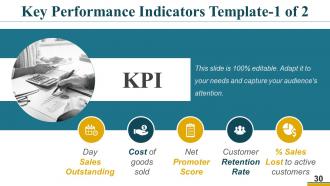
Slide 30: This is Key Performance Indicators Template slide with the following points- Day Sales Outstanding, % Sales Lost to active customers, Customer Retention Rate, Net Promoter Score, Cost of goods sold.
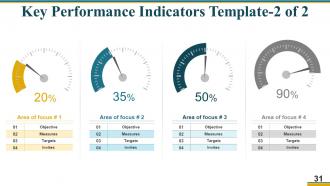
Slide 31: This is Key Performance Indicators Template slide with meter imagery and text boxes.
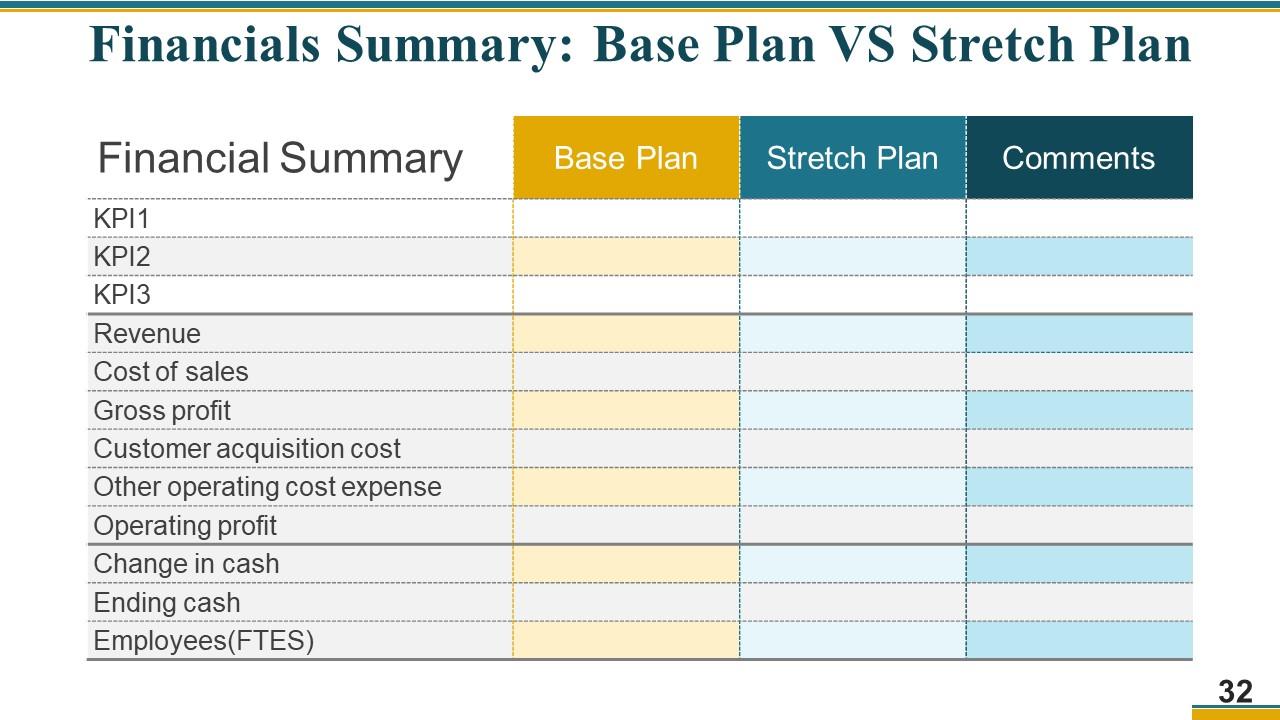
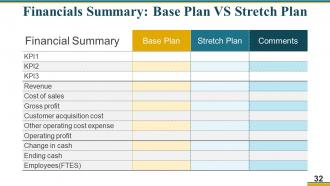
Slide 32: This slide presents Financials Summary: Base Plan VS Stretch Plan.
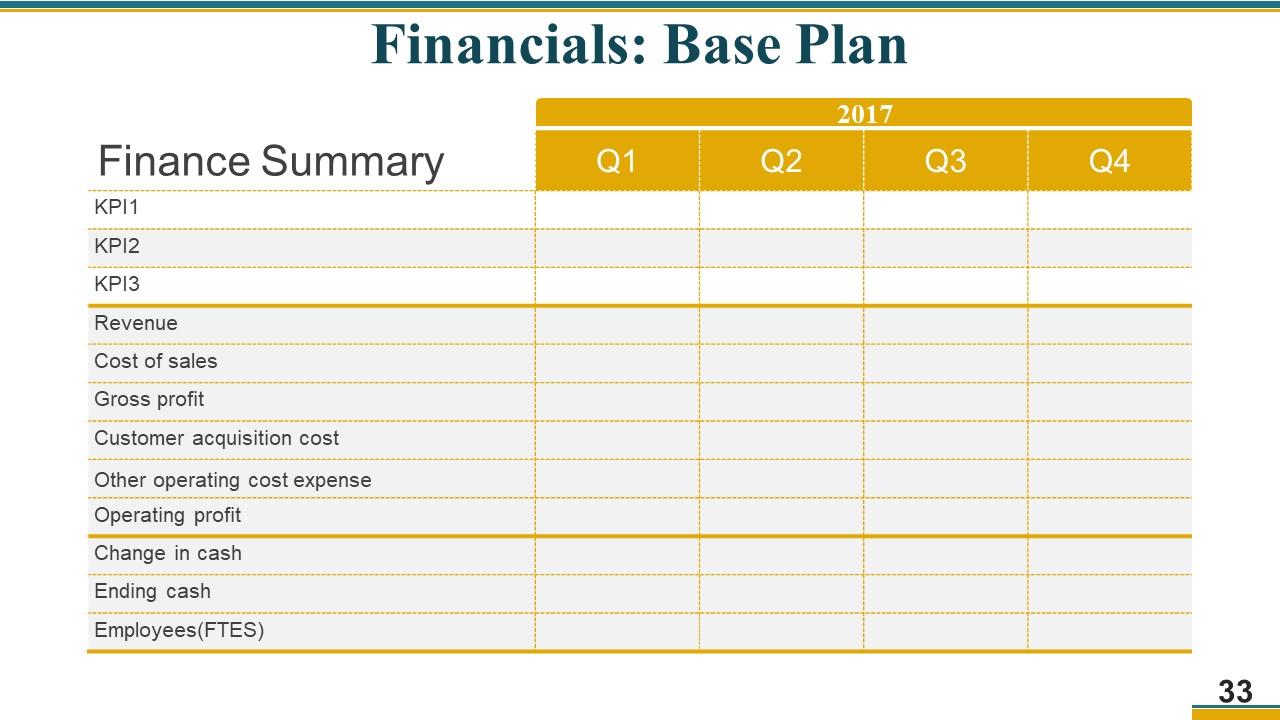
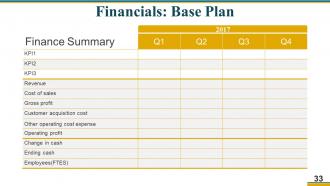
Slide 33: This slide showcases Financials: Base Plan. State base plan here.
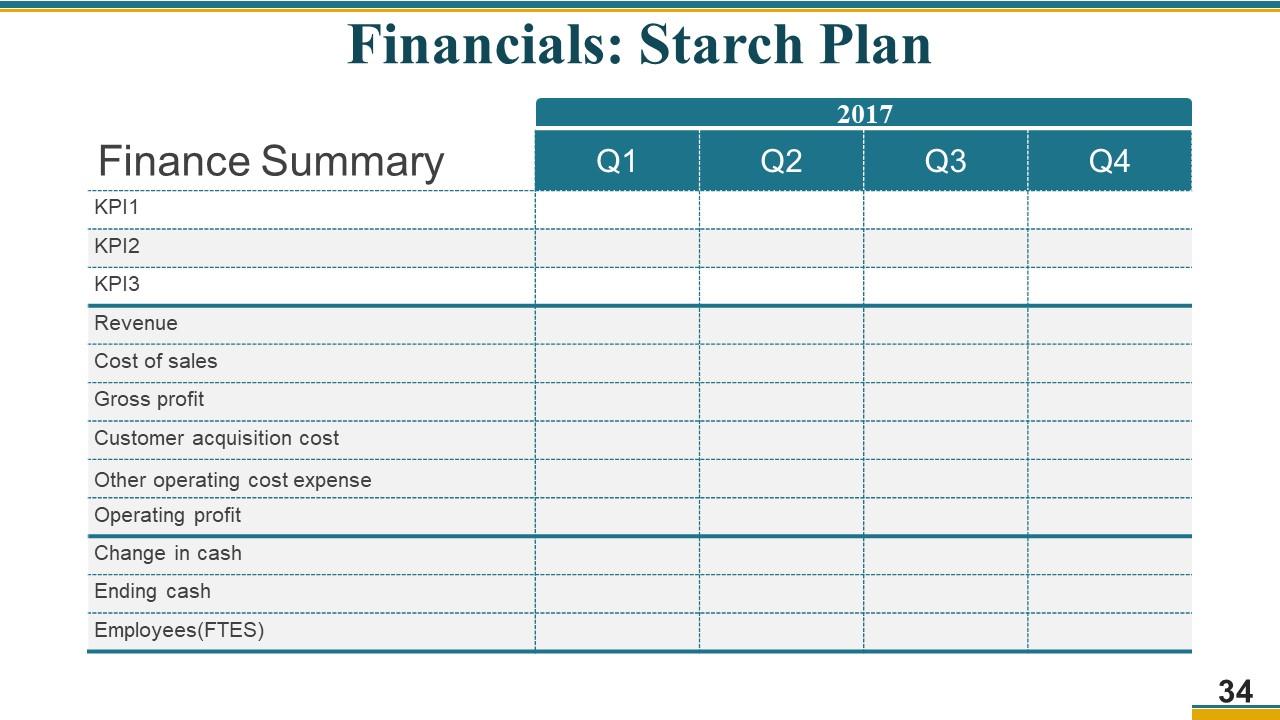
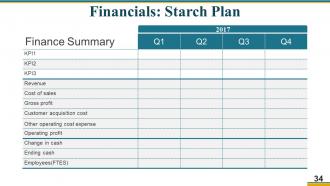
Slide 34: This slide showcases Financials: Stretch Plan. State stretch plan here.
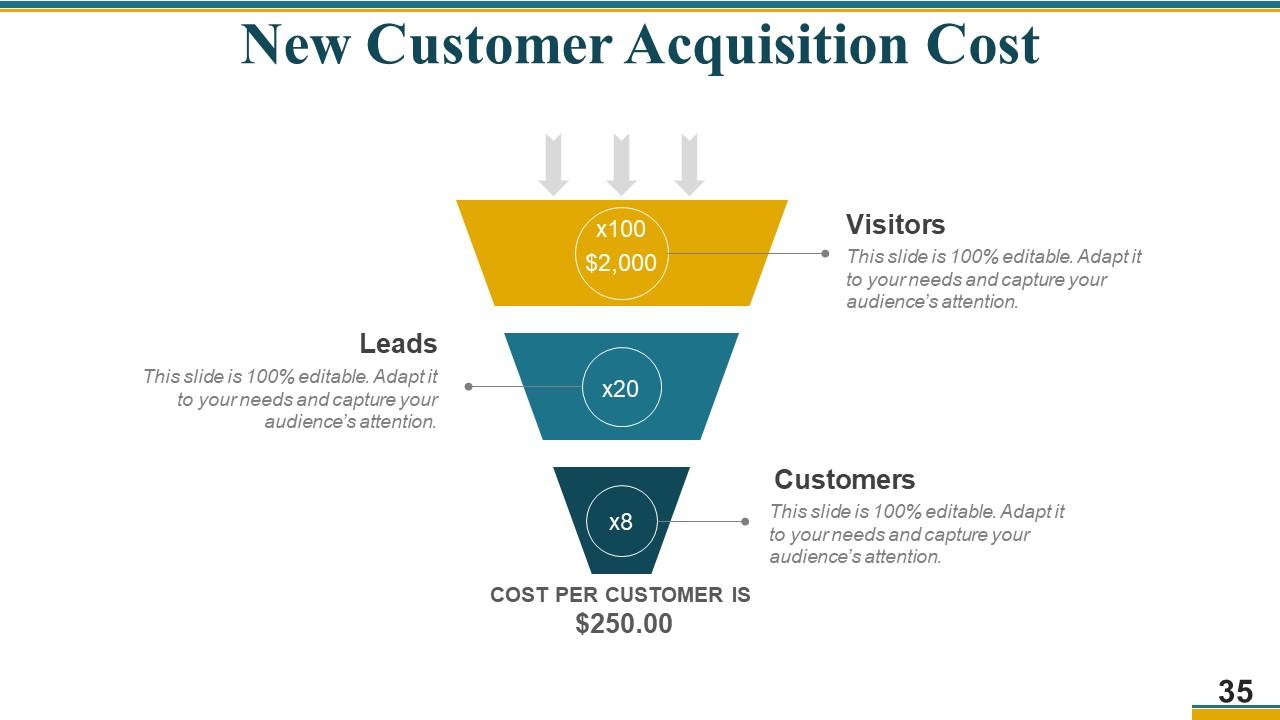
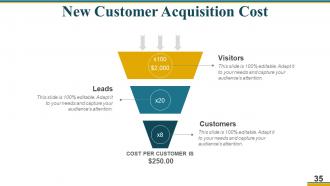
Slide 35: This slide presents New Customer Acquisition Cost with the following points- Visitors, Customers, Leads, Cost Per Customer Is.
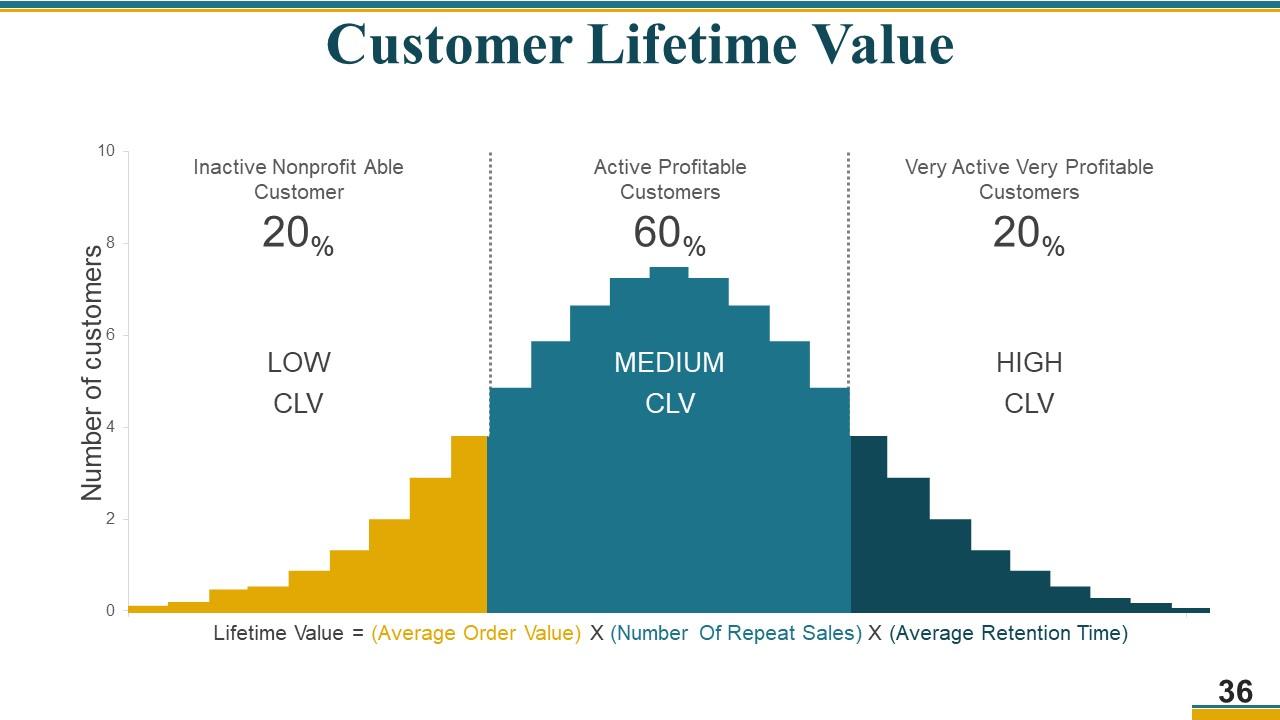
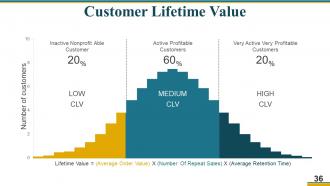
Slide 36: This slide presents a Customer Lifetime Value crest graph.
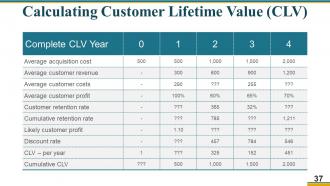
Slide 37: This slide showcases Calculating Customer Lifetime Value (CLV) table.
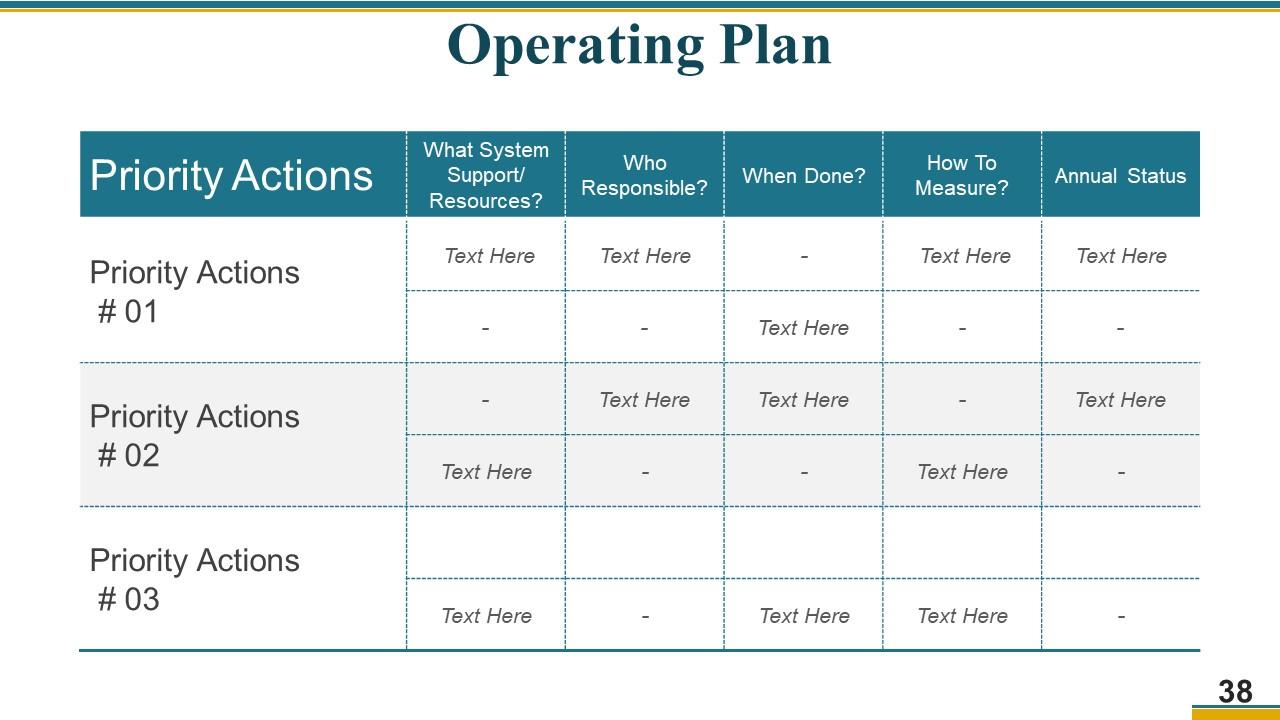
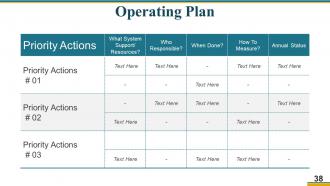
Slide 38: This slide showcases an Operating Plan.
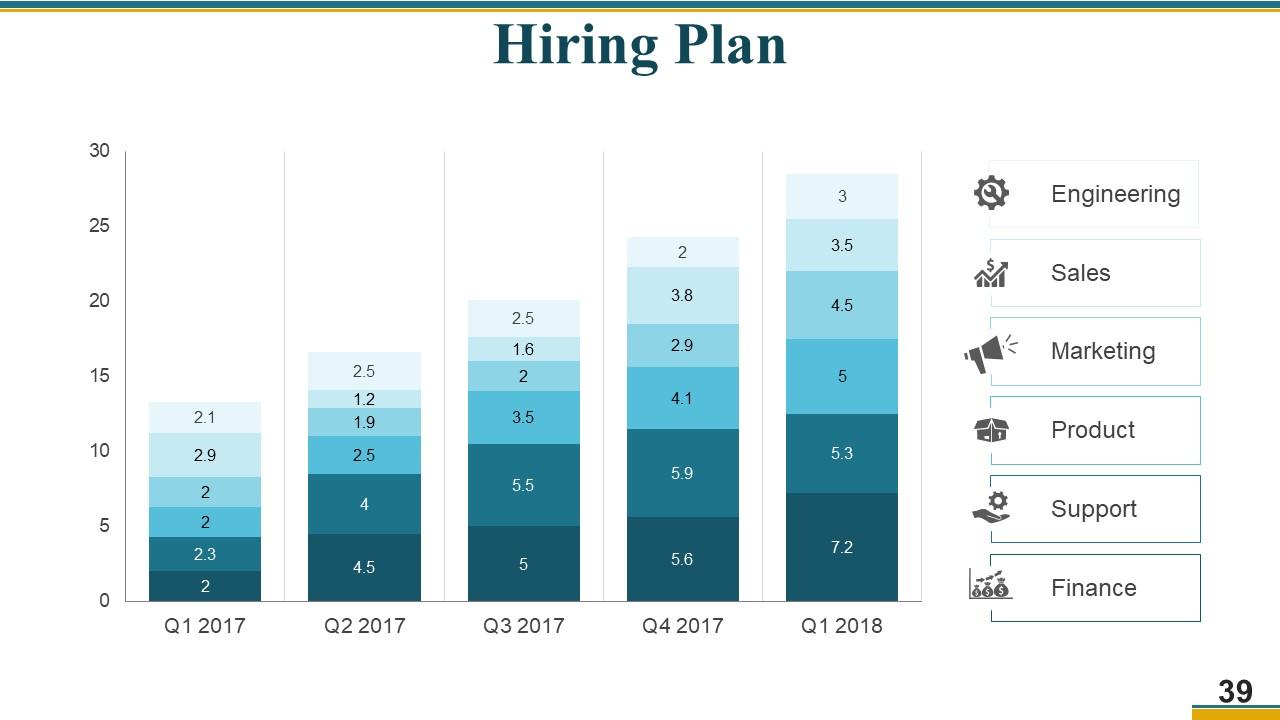
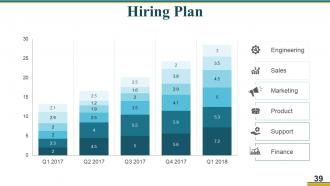
Slide 39: This slide showcases a Hiring Plan displaying- Sales, Marketing, Support, Product, Finance, Engineering.
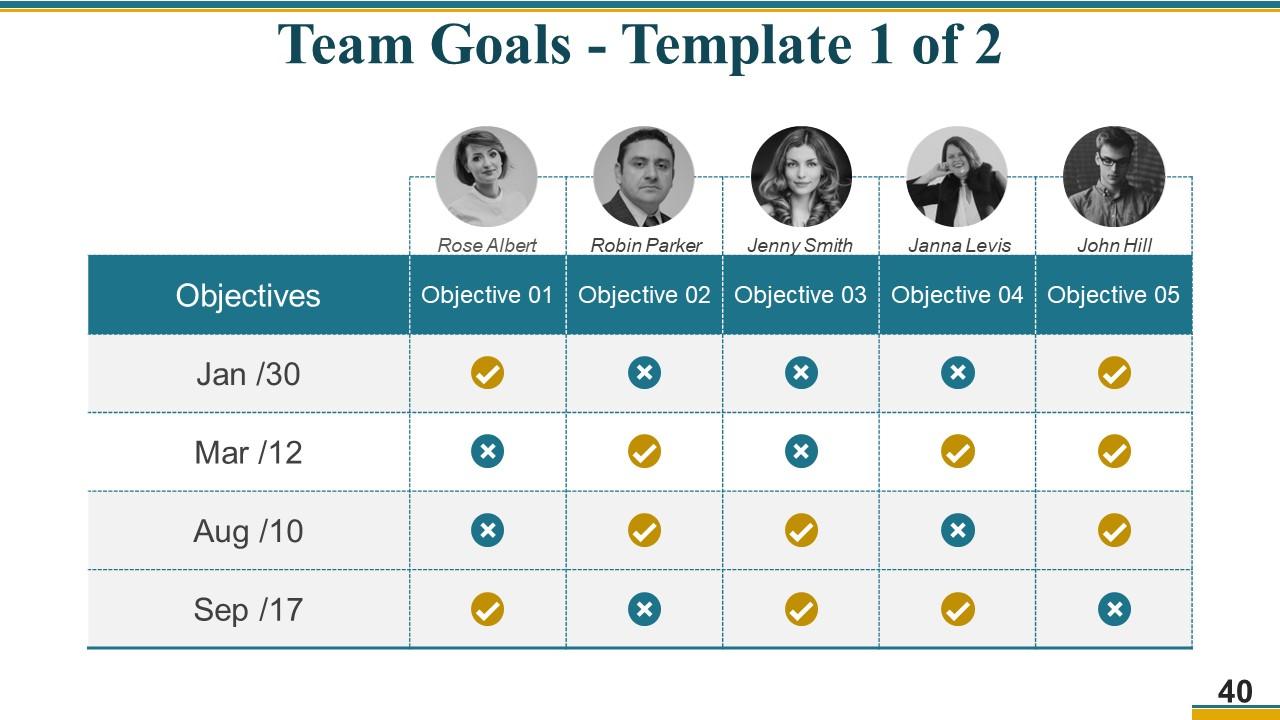
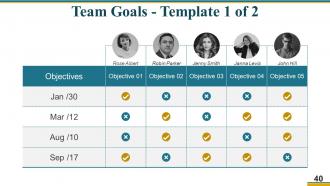
Slide 40: This slide presents a Team Goals Template. State goals etc. here.
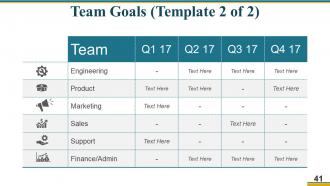
Slide 41: This slide presents a Team Goals Template. State goals etc. here.
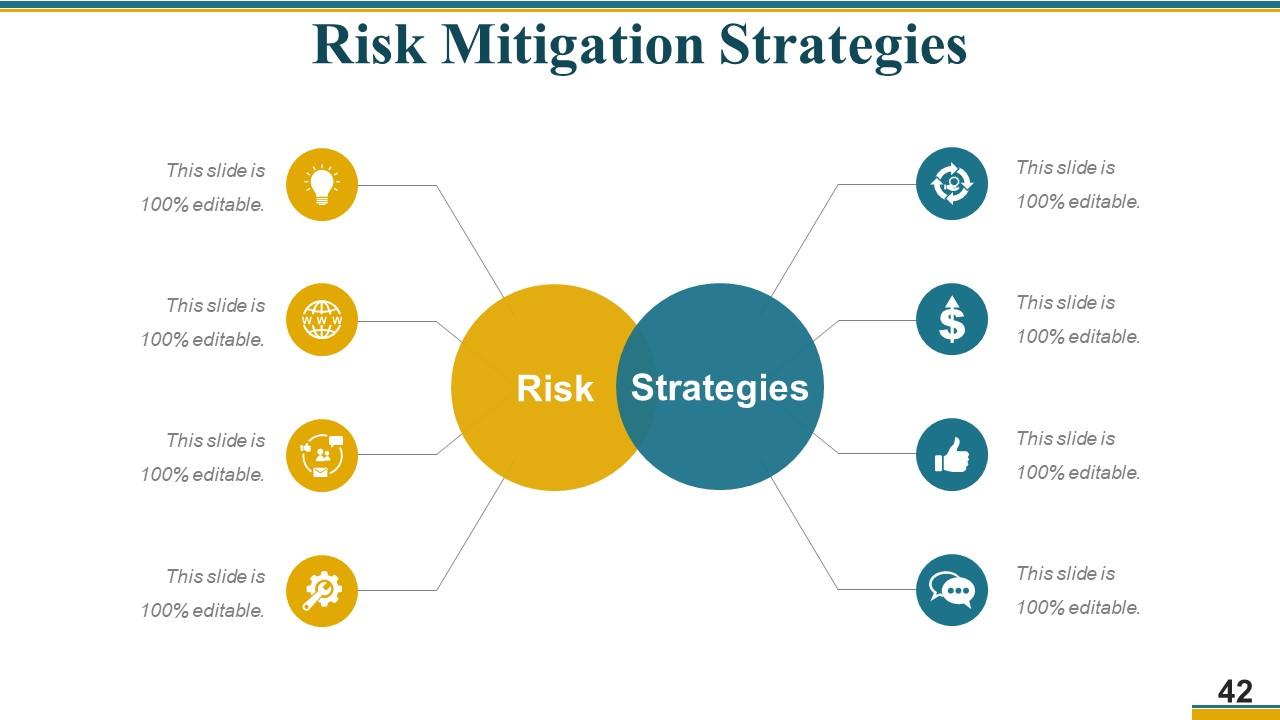
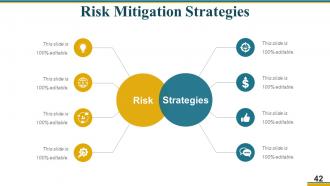
Slide 42: This slide presents Risk Mitigation Strategies with icon imagery and text boxes.
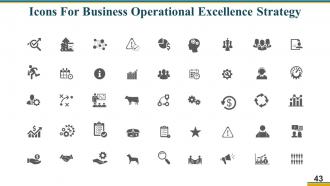
Slide 43: This slide showcases Icons For Business Operational Excellence Strategy. Use them as per need.
Slide 44: This slide is titled Additional Slides to move forward. You can change the slide content as per need.
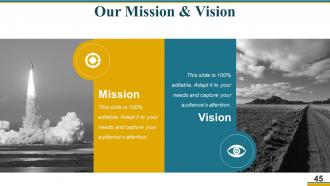
Slide 45: This is Our Mission & Vision slide. State mission, vision here.
Slide 46: This is About Our Company slide. State team/company specifications etc. here.
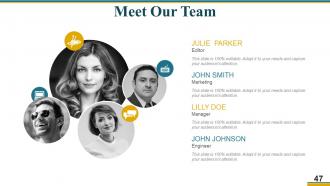
Slide 47: This is Meet Our Team slide with image boxes to fill name, designation.
Slide 48: This is Our Goals slide. State goals etc. here.
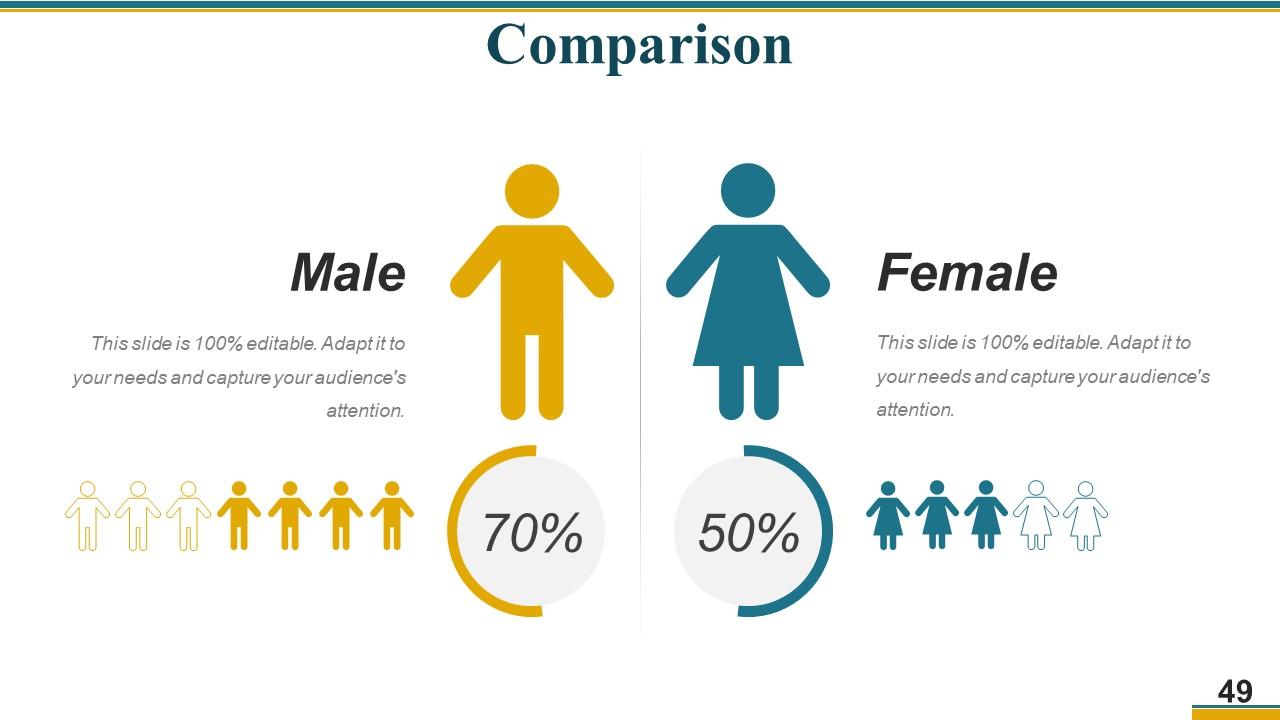
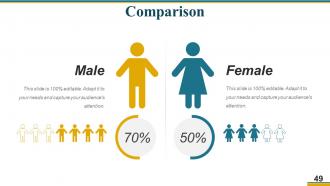
Slide 49: This is a Comparison slide to compare product/entities etc.
Slide 50: This is Our Target slide. State them here.
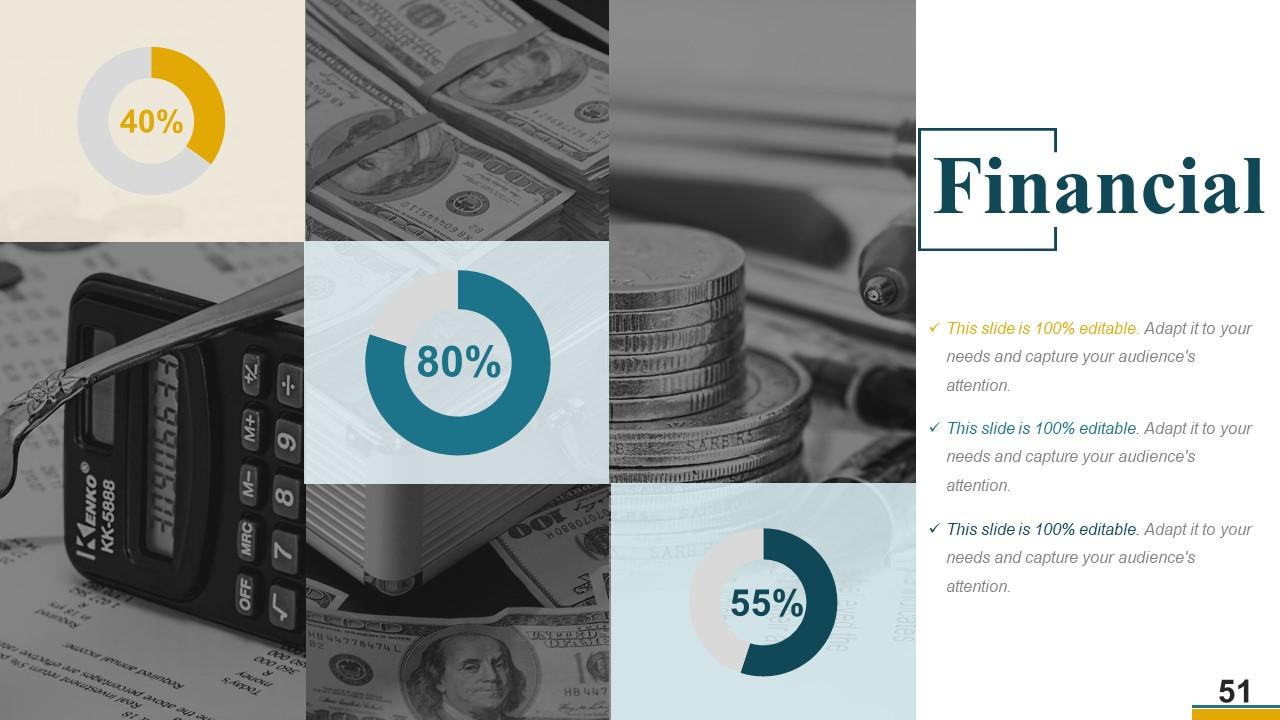
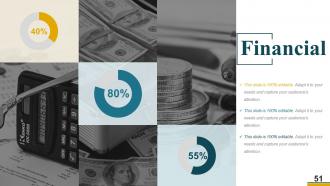
Slide 51: This is a Financial score slide. State financial aspects etc. here.
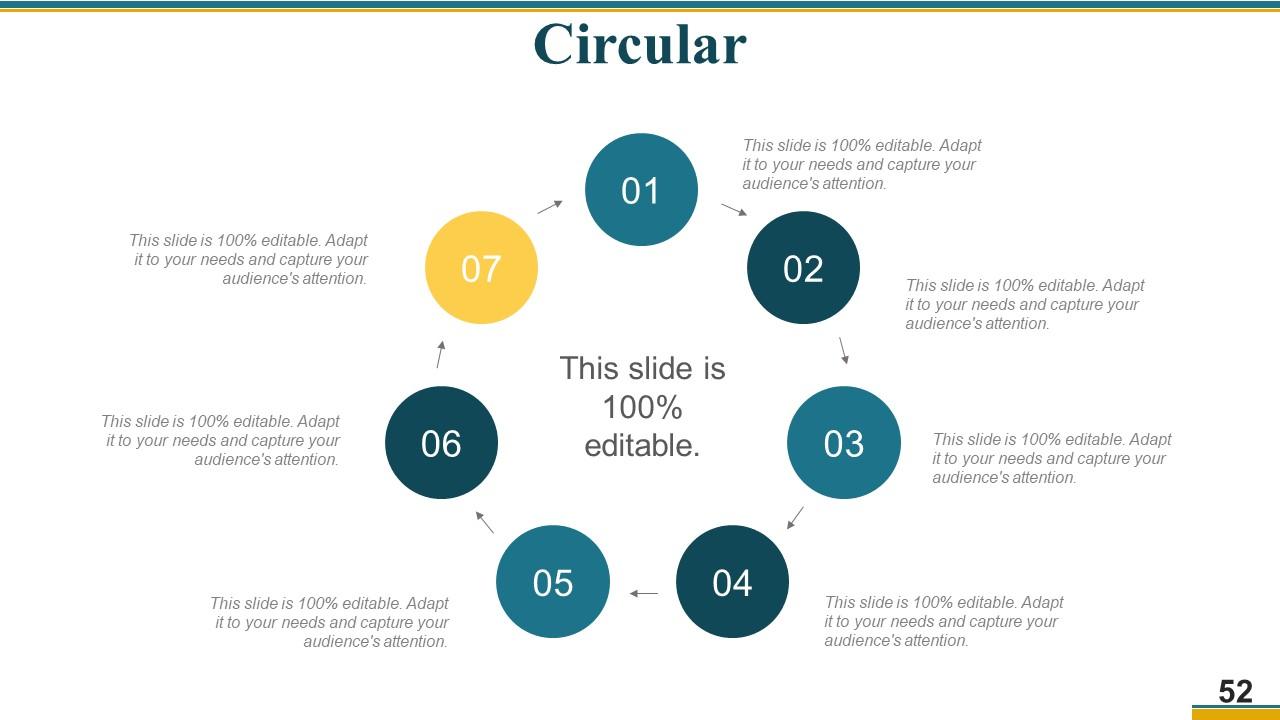
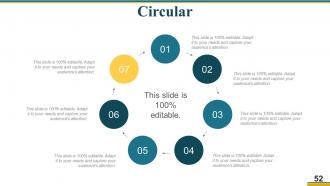
Slide 52: This is a Circular image slide. State information, specifications etc. here.
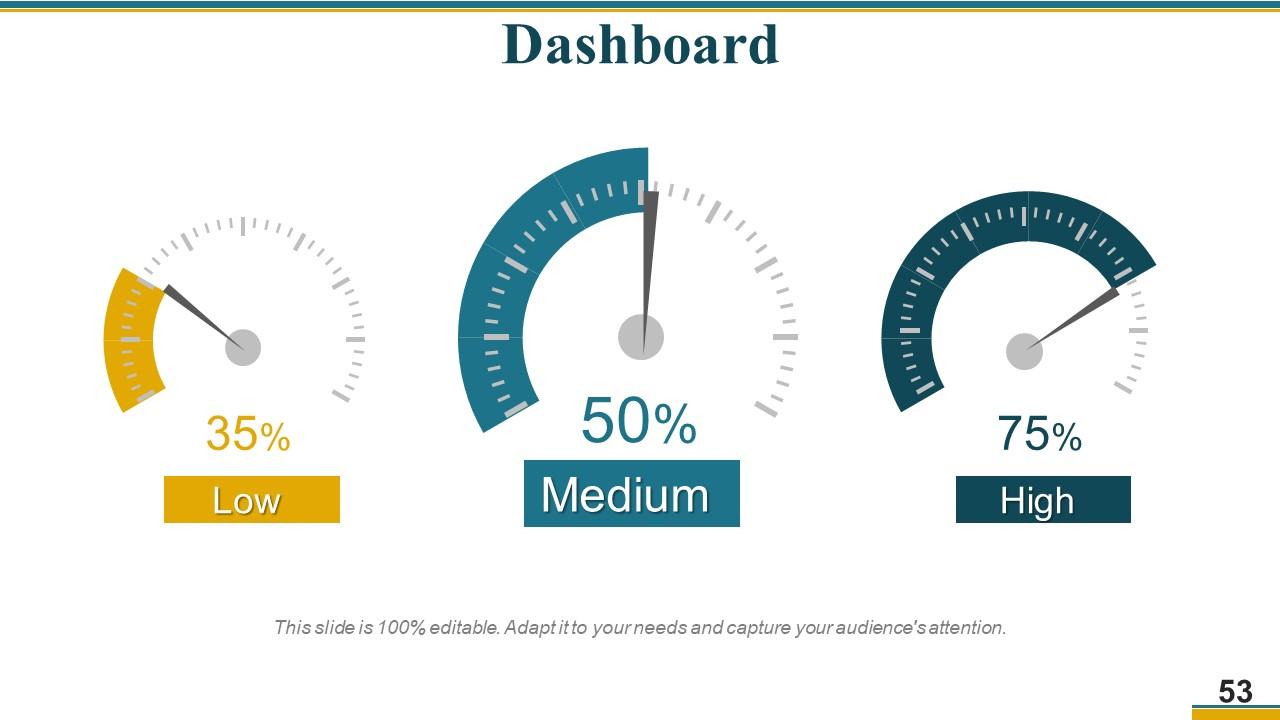
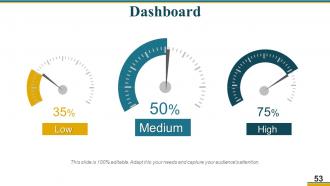
Slide 53: This is a Dashboard slide to show growth factors in terms of High, Low, Medium.
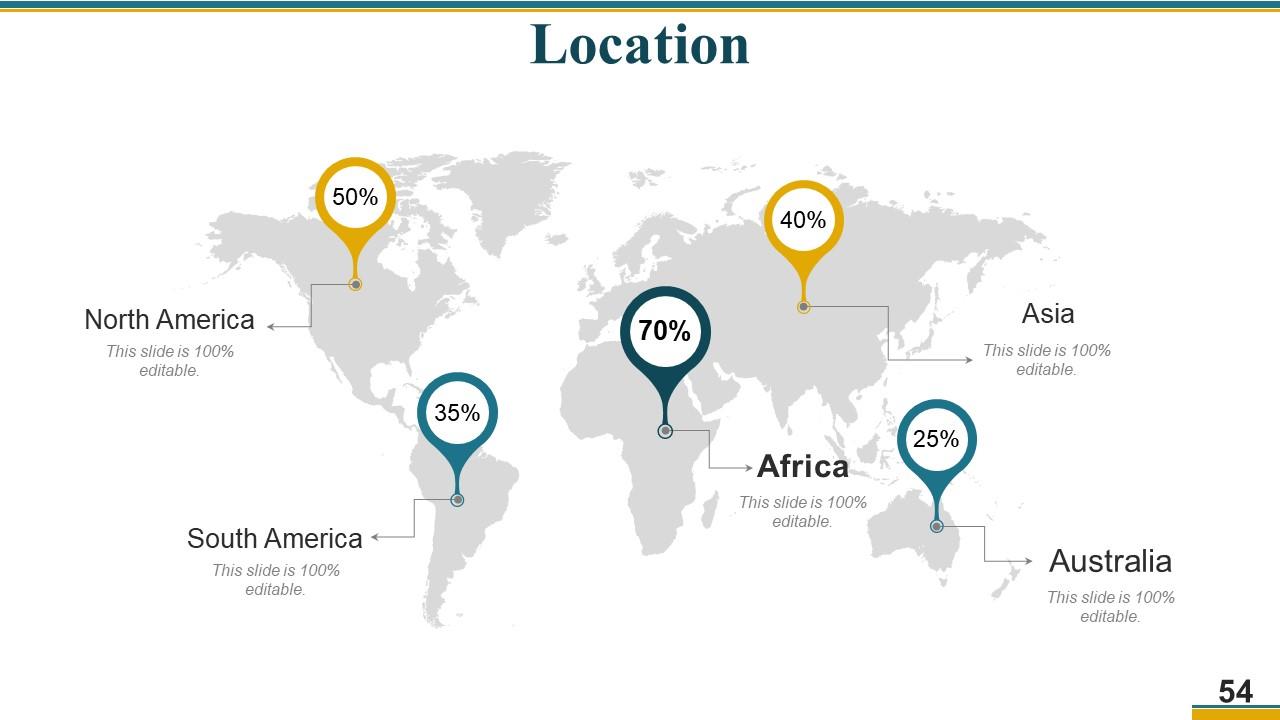
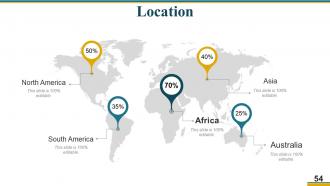
Slide 54: This is Location image slide of world map image to show global growth, presence etc.
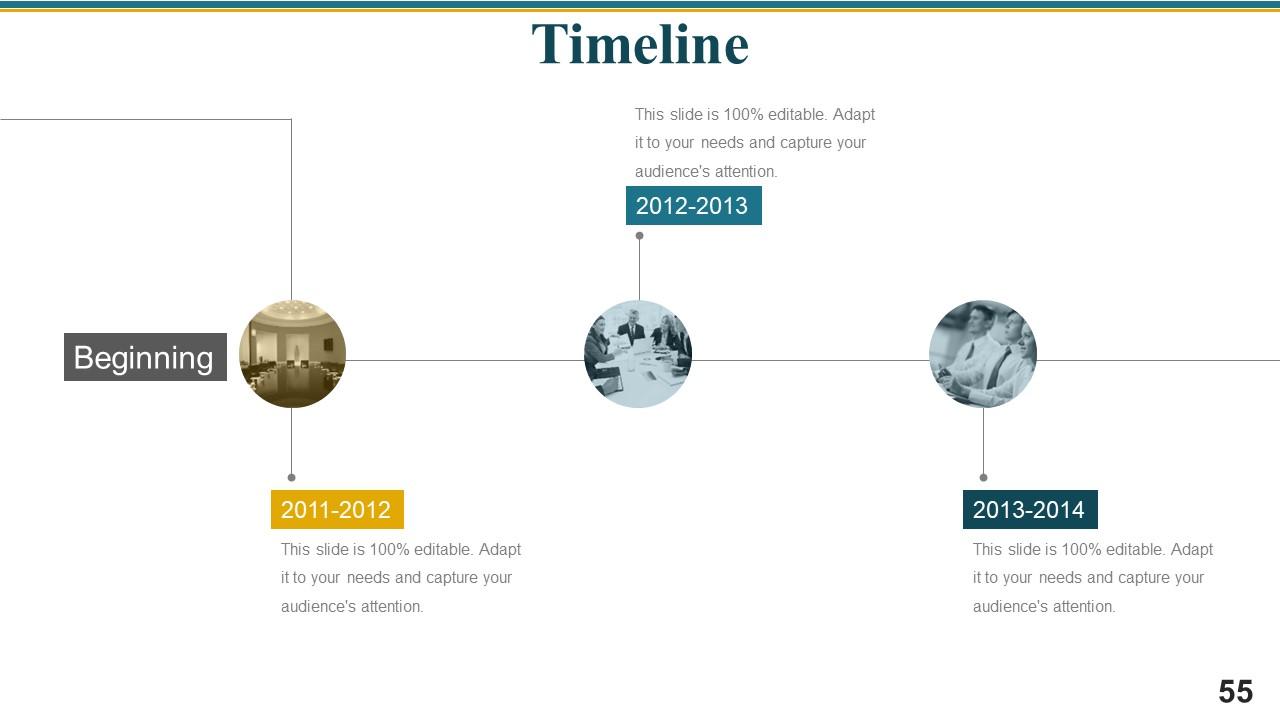
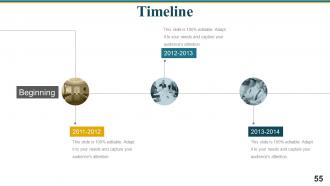
Slide 55: This is a Timeline image slide to show Beginning growth factors, milestones etc.
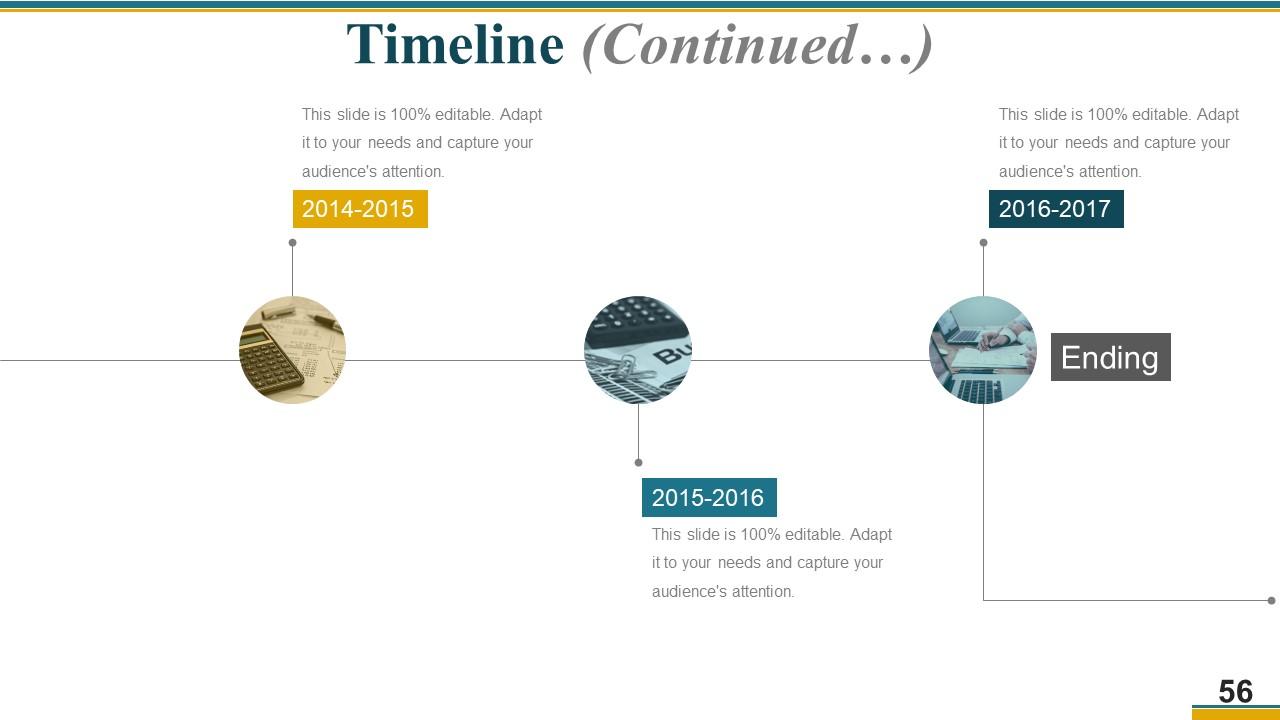
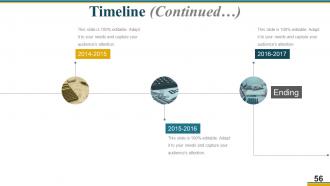
Slide 56: This is a Timeline image slide to show Ending growth factors, milestones etc.
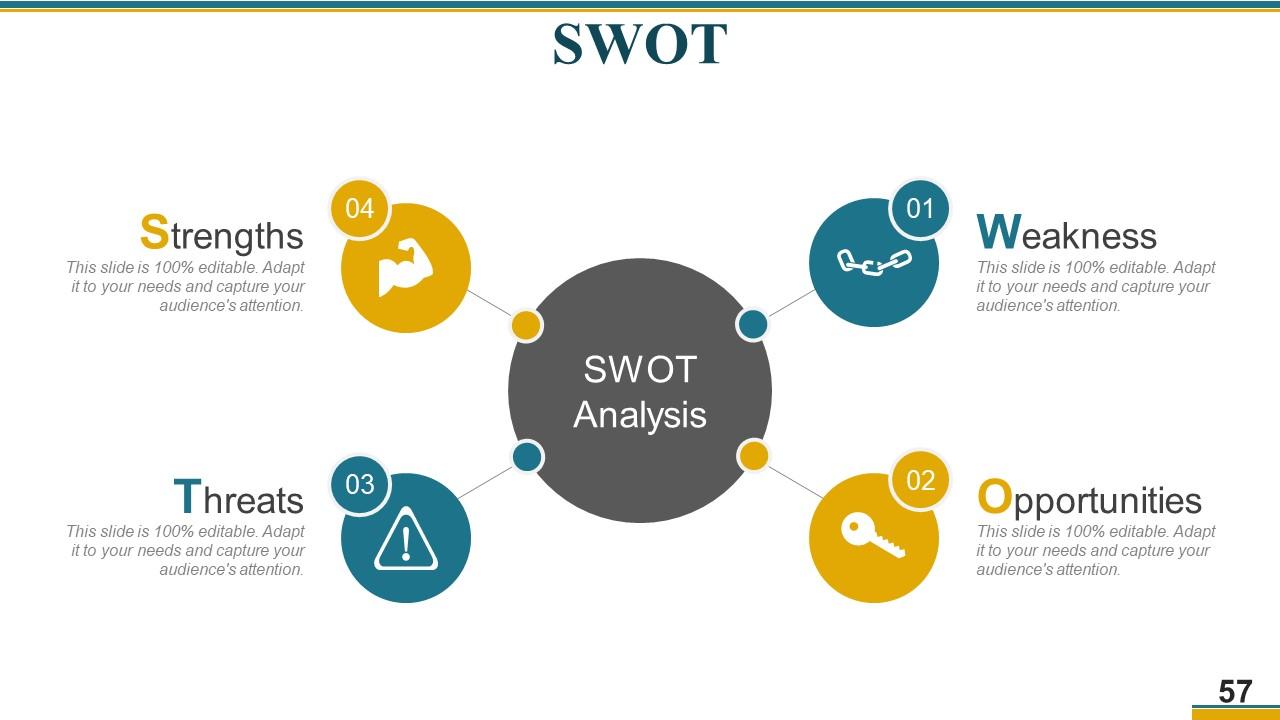
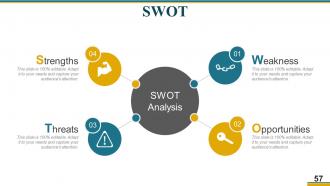
Slide 57: This slide shows SWOT Analysis- Weakness, Opportunities, Strengths, Threats.
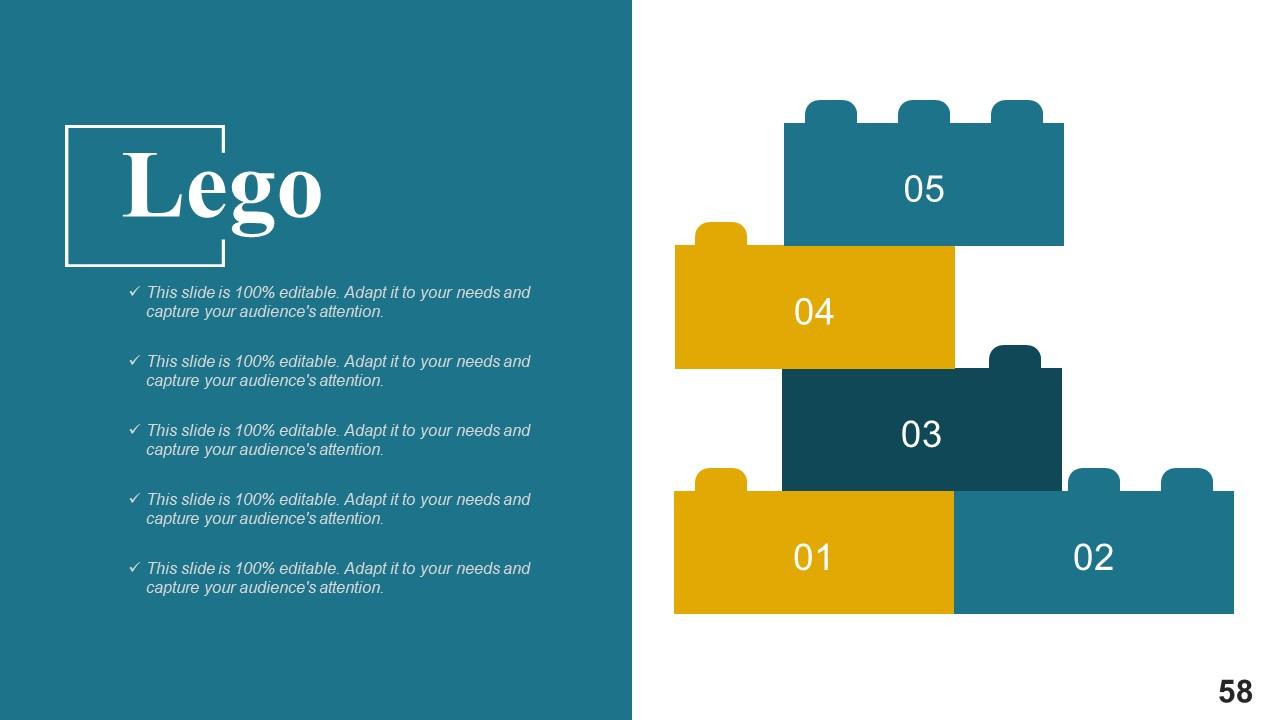
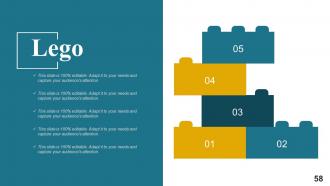
Slide 58: This is a Lego image slide to show information, specifications etc.
Slide 59: This is a Silhouettes image slide to show people related information, specifications etc.
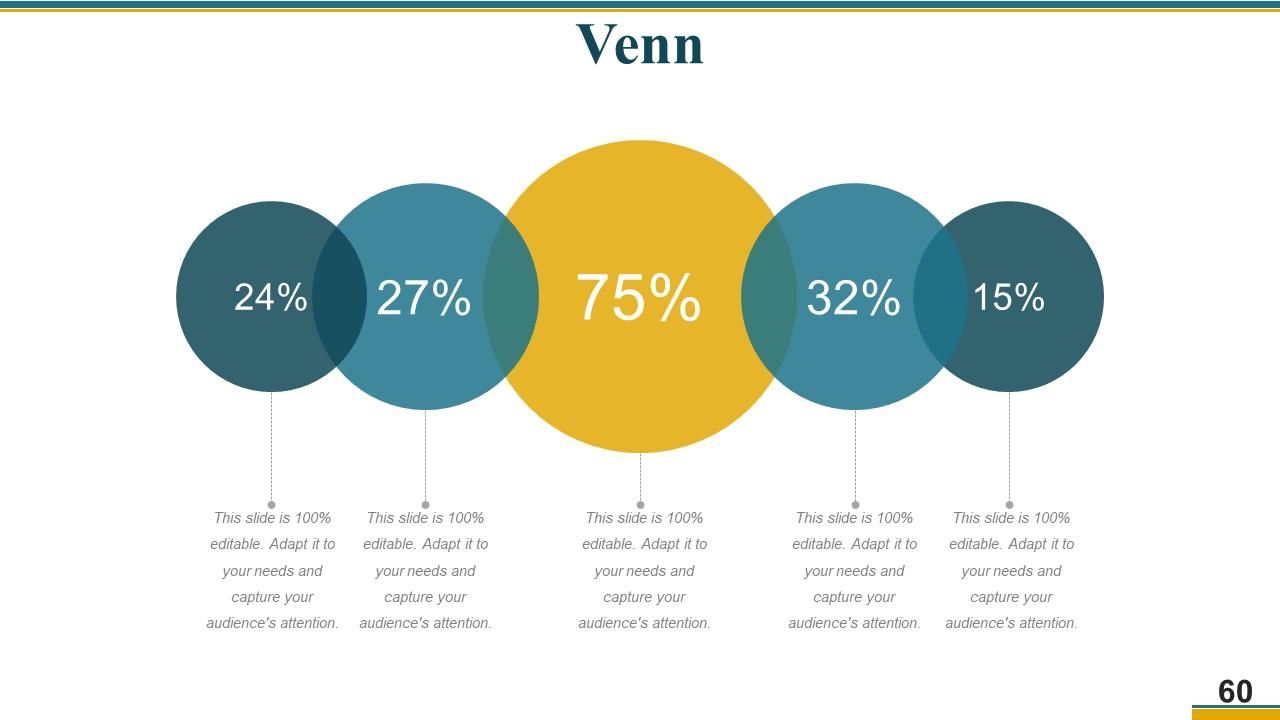
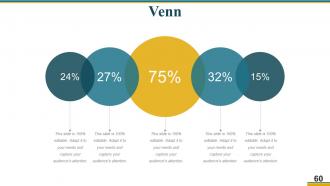
Slide 60: This is a Venn Diagram image slide to show information, specifications etc.
Slide 61: This is an Important Notes slide to mark events, reminders or important information etc.
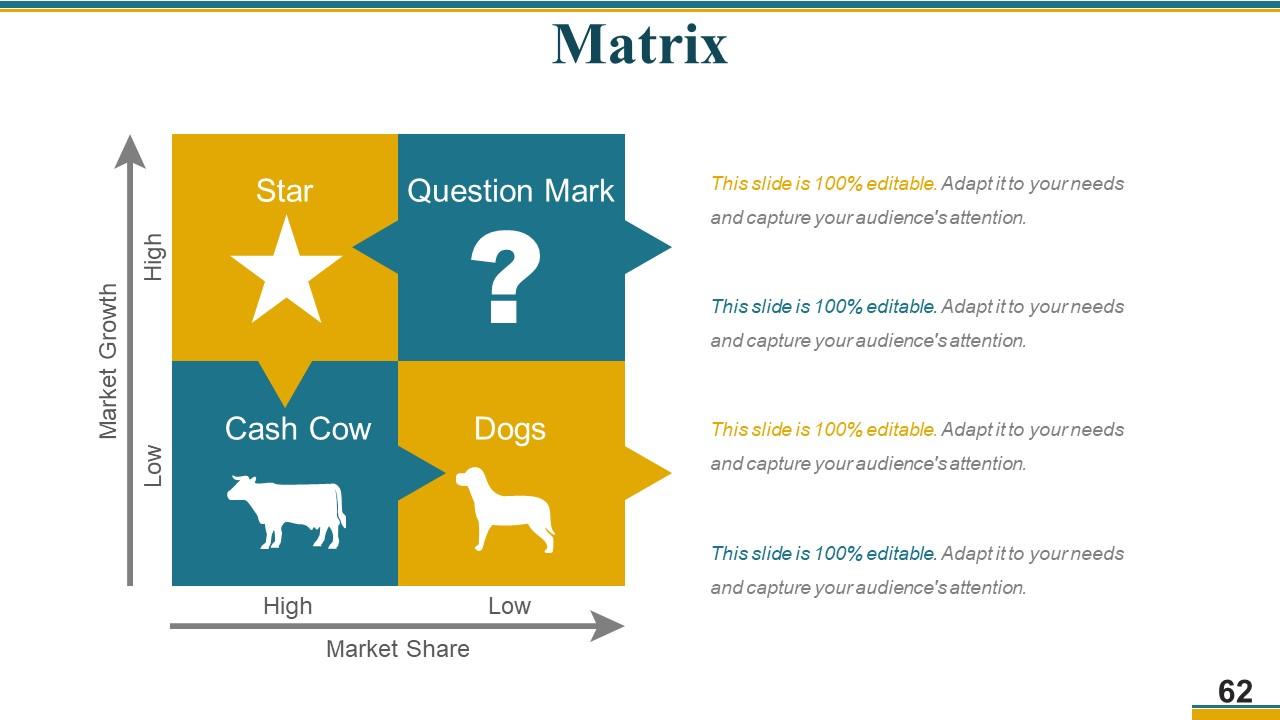
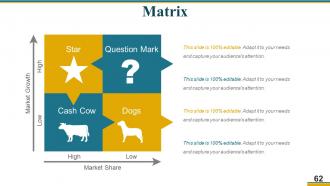
Slide 62: This is a Matrix slide (BCG) to show information, specifications etc.
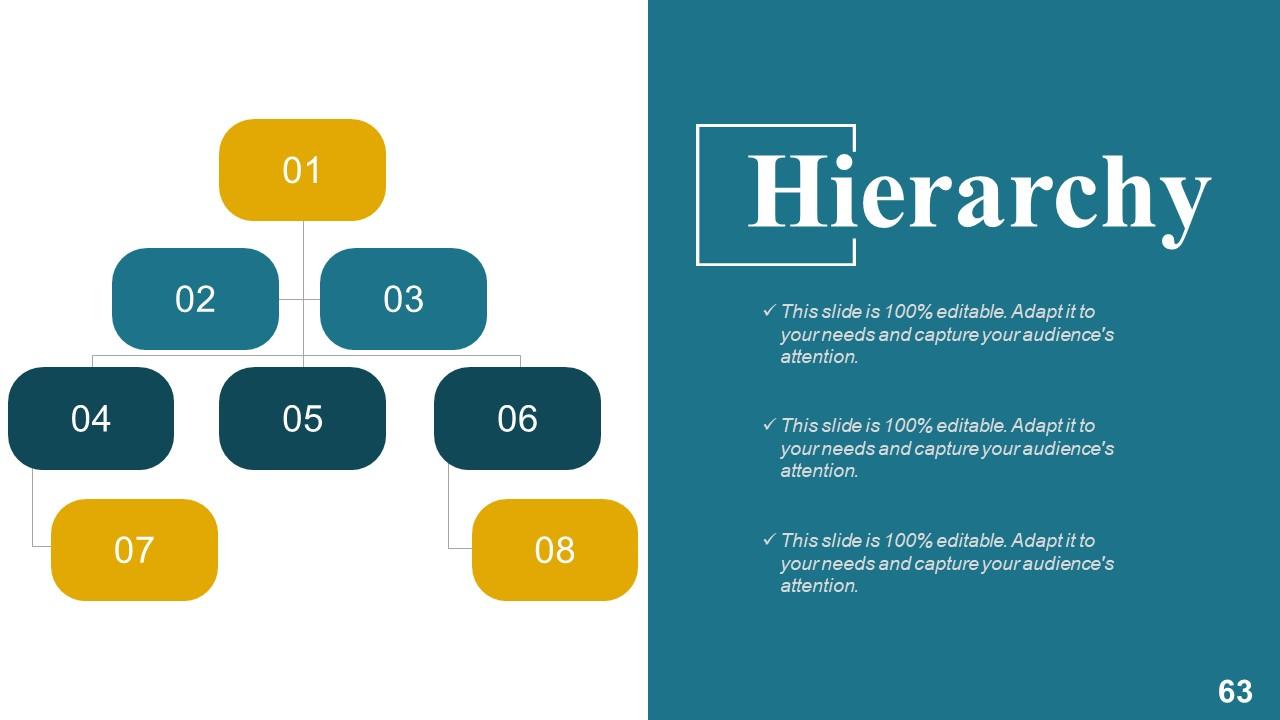
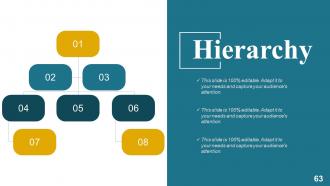
Slide 63: This is a Hierarchy slide to show information, specifications etc.
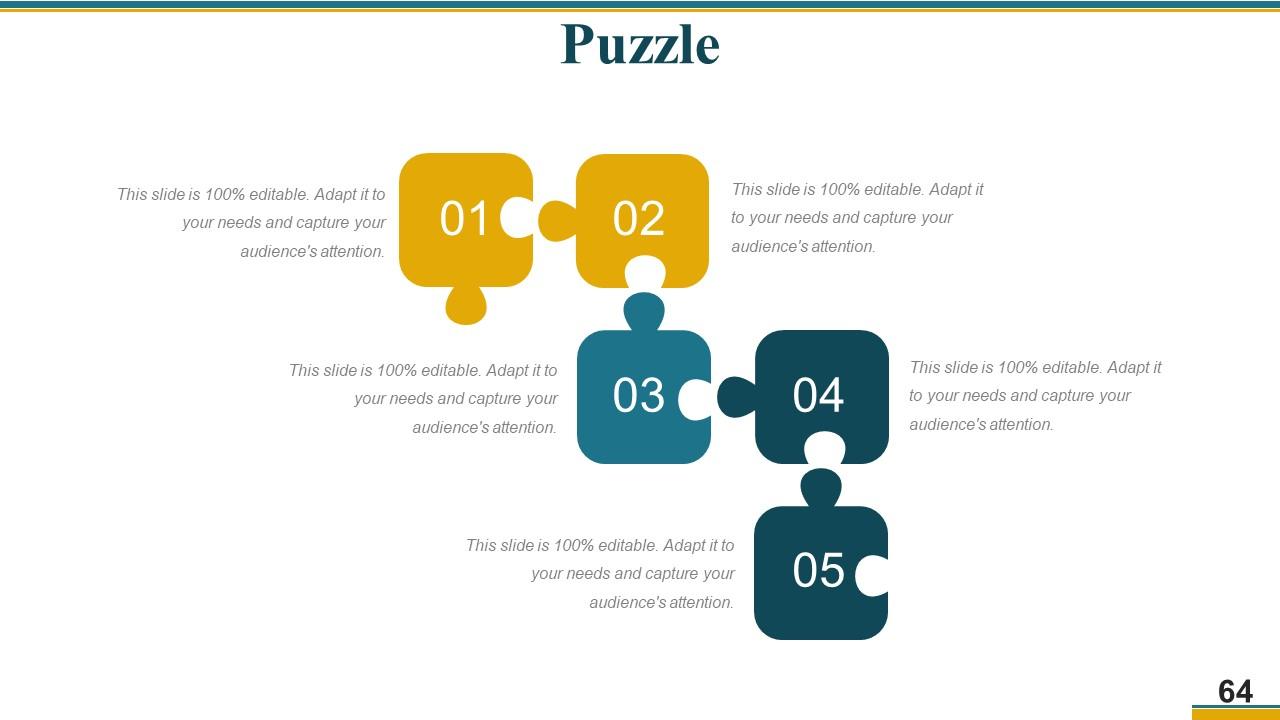
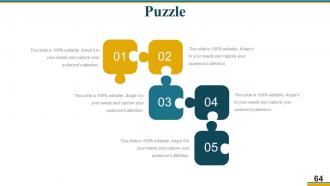
Slide 64: This is a Puzzle image slide to show information, specifications etc.
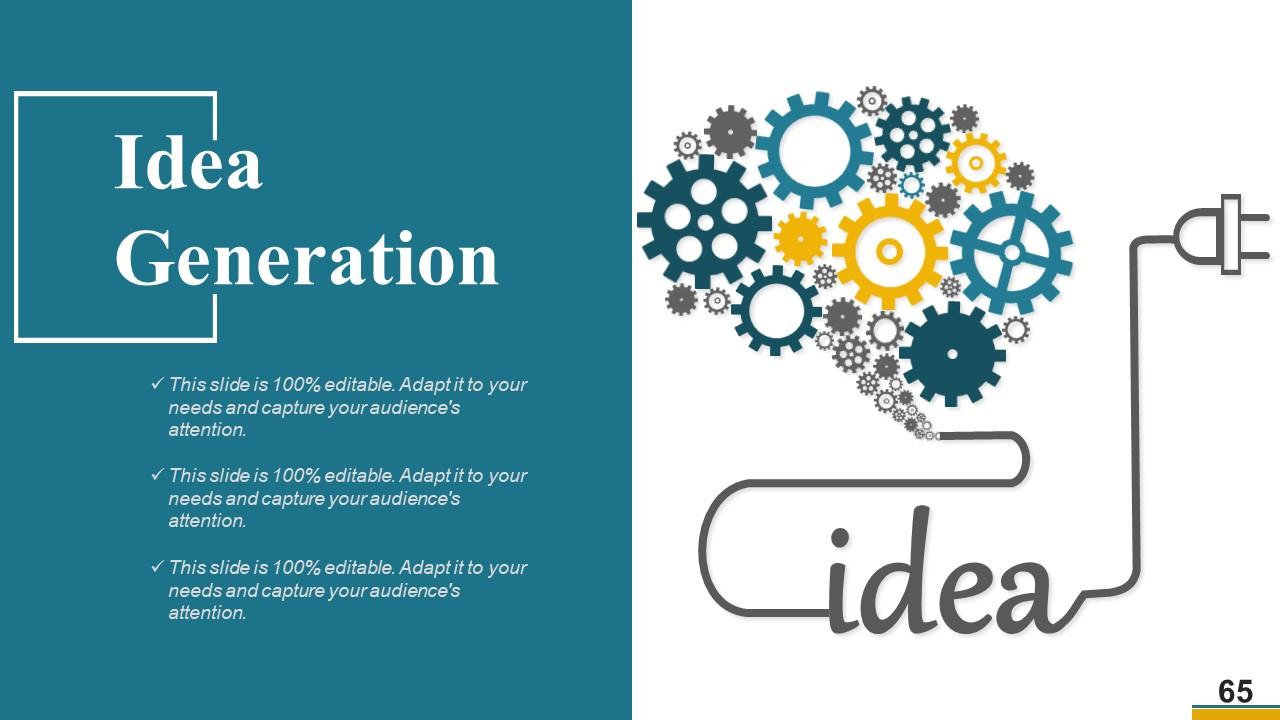
Slide 65: This is an Idea Generation image slide to show information, innovation specifications etc.
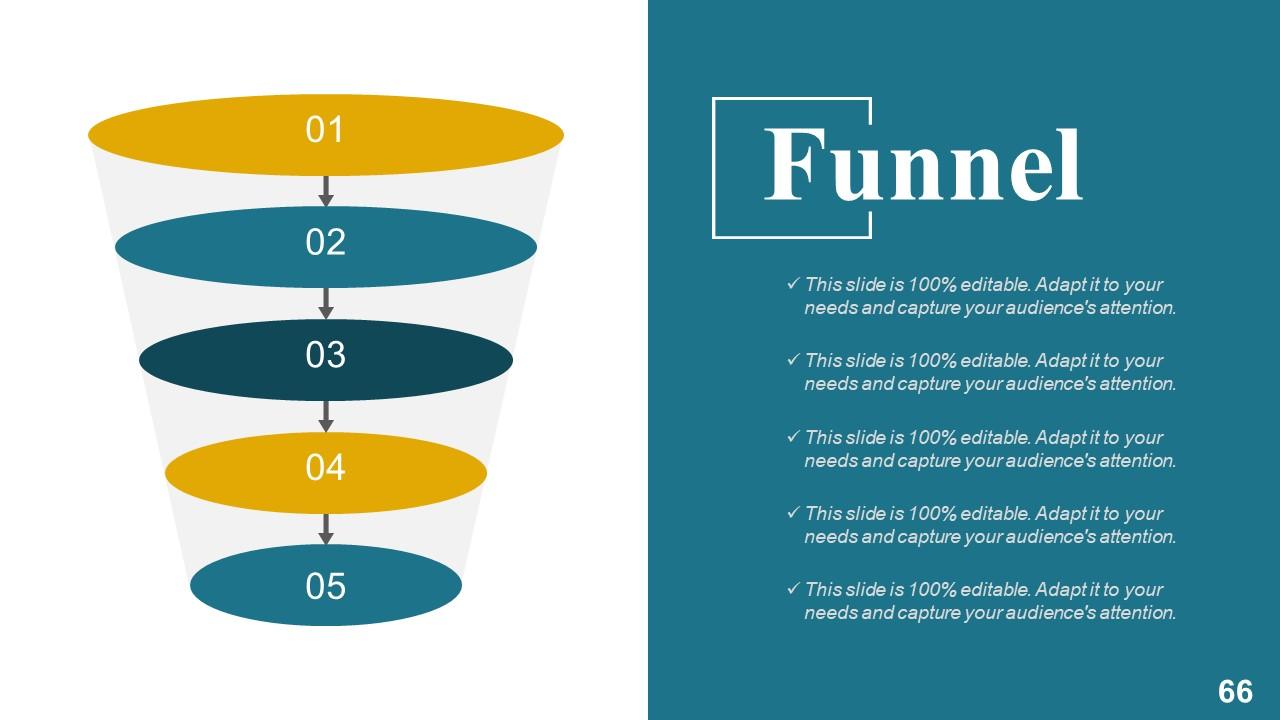
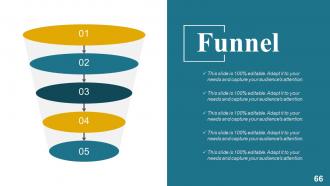
Slide 66: This is a Funnel image slide to show information, specifications etc. in funnel form.
Slide 67: This slide is titled Our Charts & Graphs to move forward. You can alter the slide content as per need.
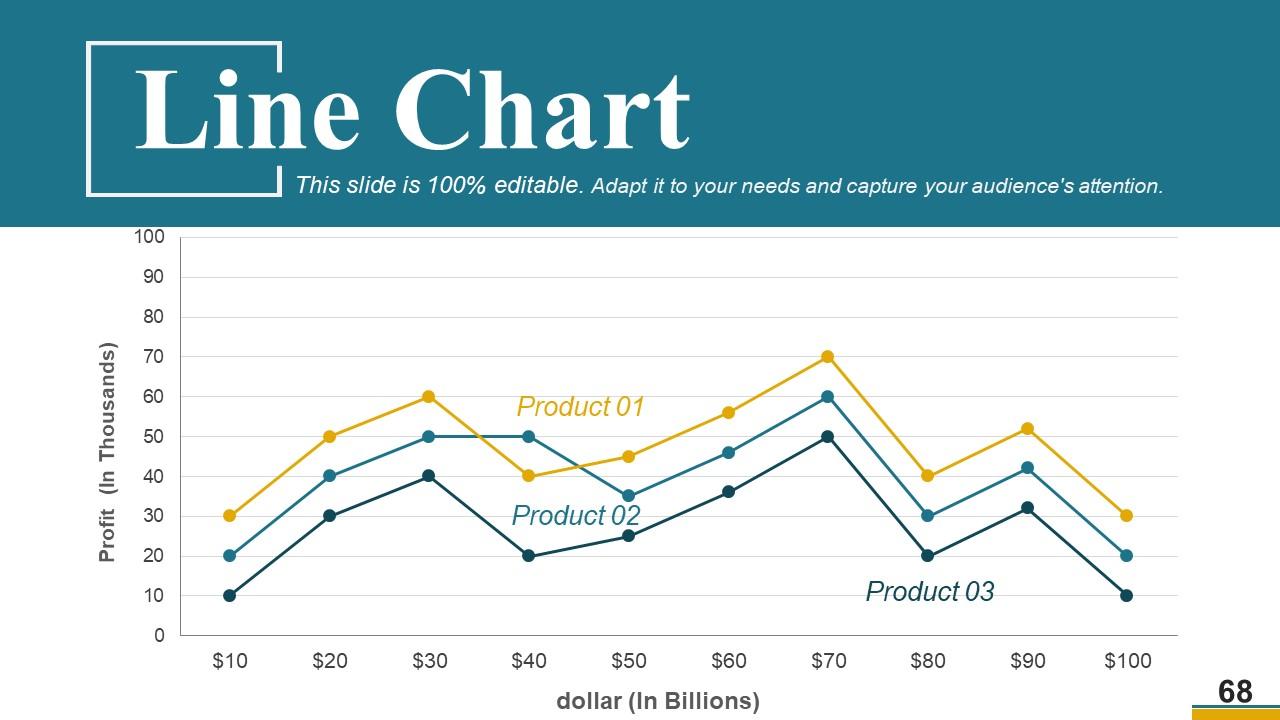
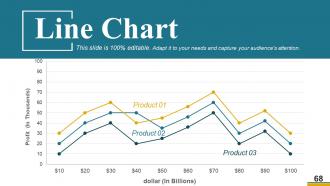
Slide 68: This slide presents a Line Chart for showcasing product/company growth etc.
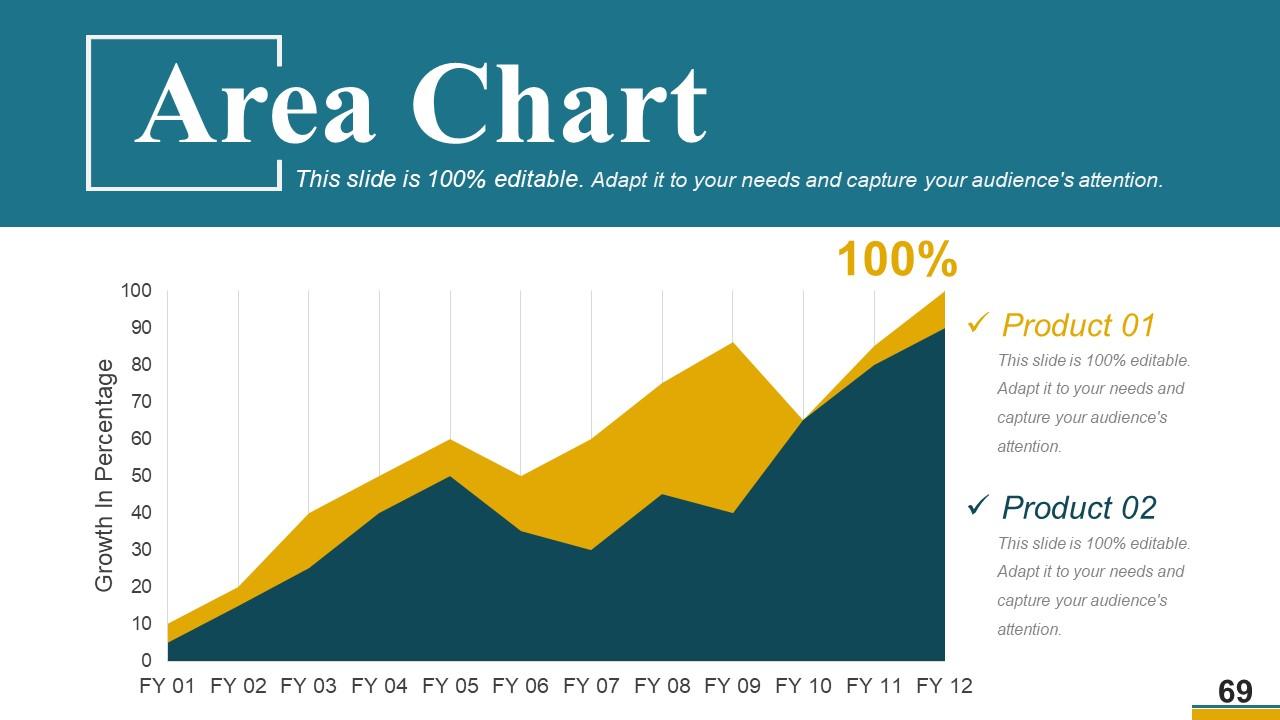
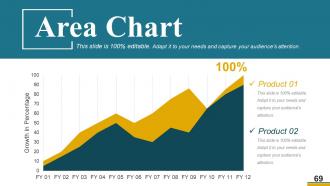
Slide 69: This slide presents an Area Chart for showcasing product/company growth etc.
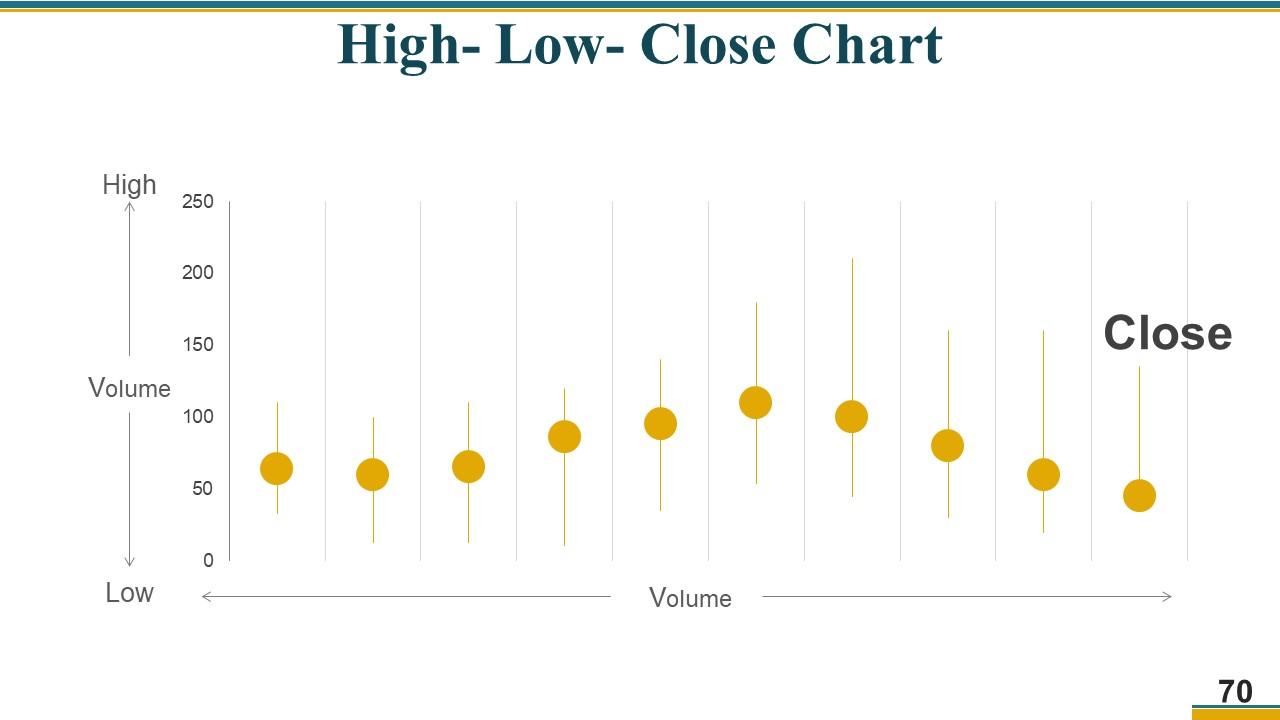
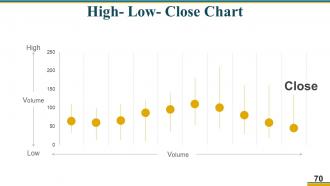
Slide 70: This slide presents a High Low Close Chart for showcasing product/company growth, comparison etc.
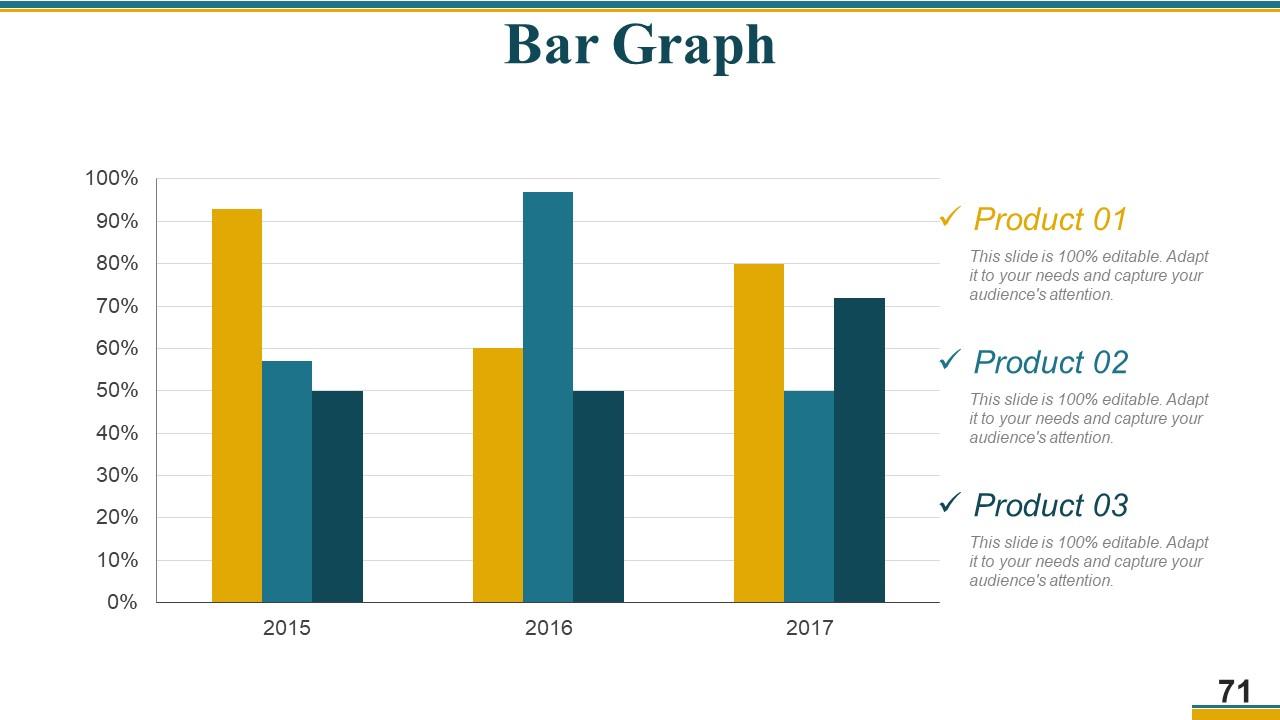
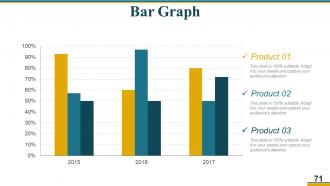
Slide 71: This slide showcases a Line Bar Graph for showcasing product/company growth, comparison etc.
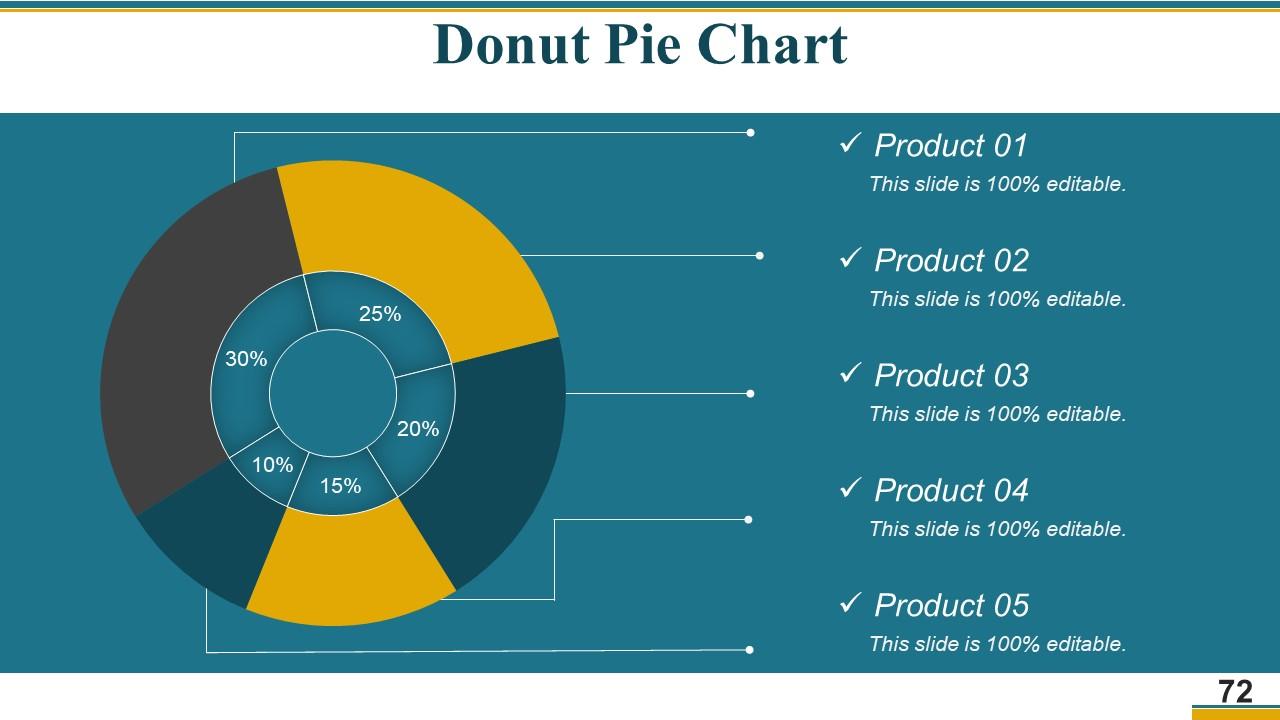
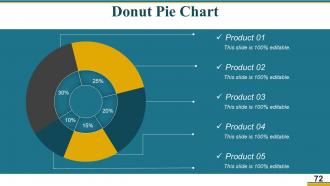
Slide 72: This is a Donut Pie chart slide to show product/entity comparison etc.
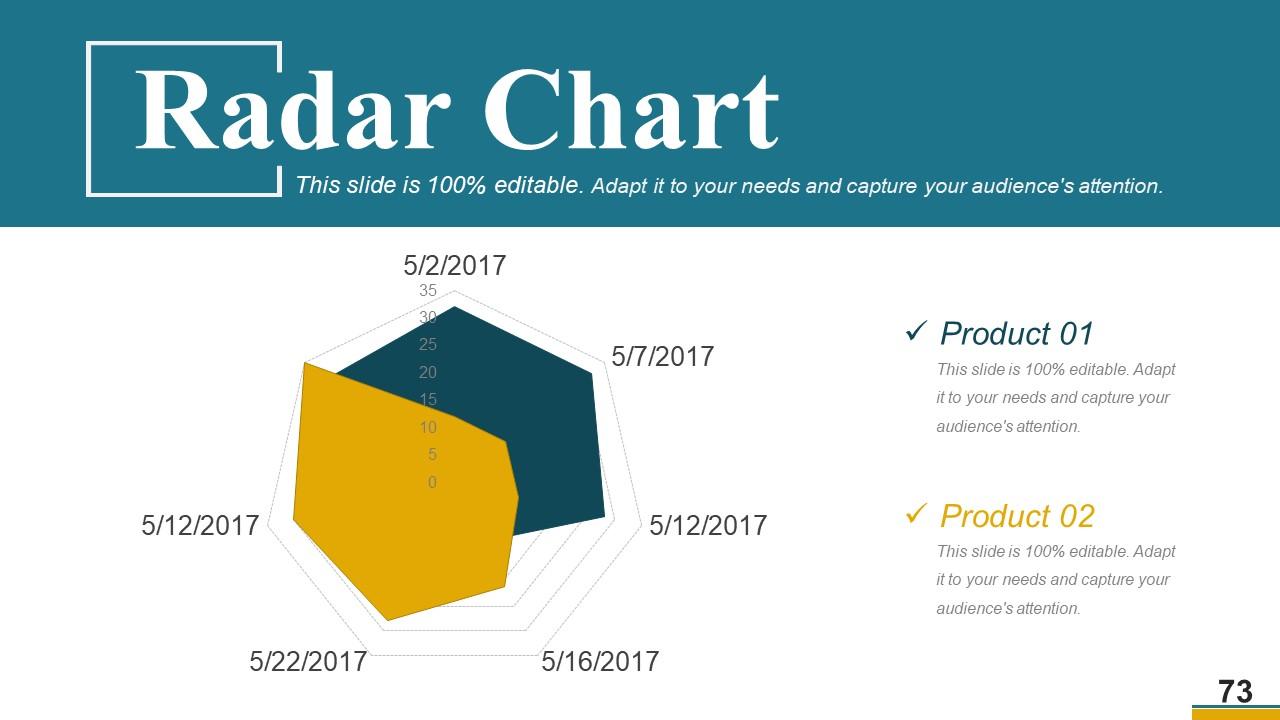
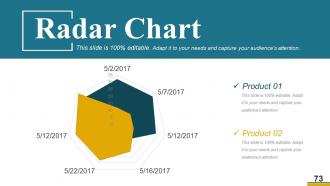
Slide 73: This is a Radar chart slide to show product/entity comparison etc.
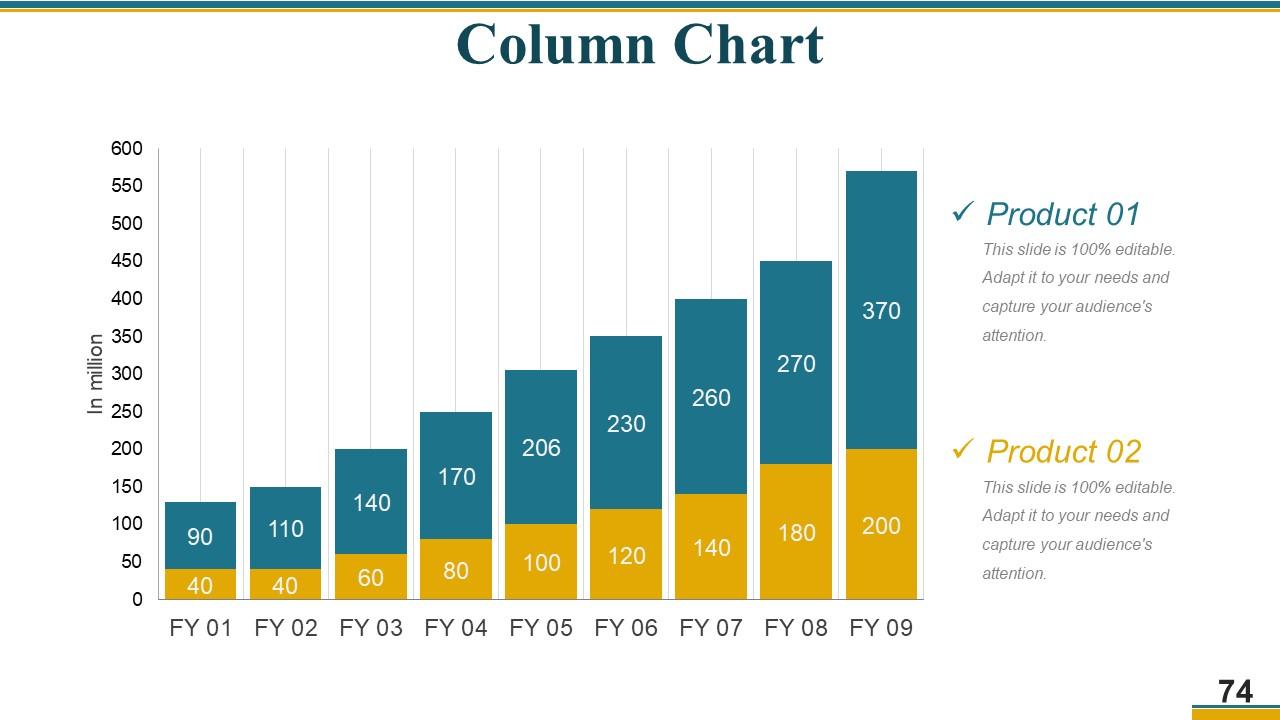
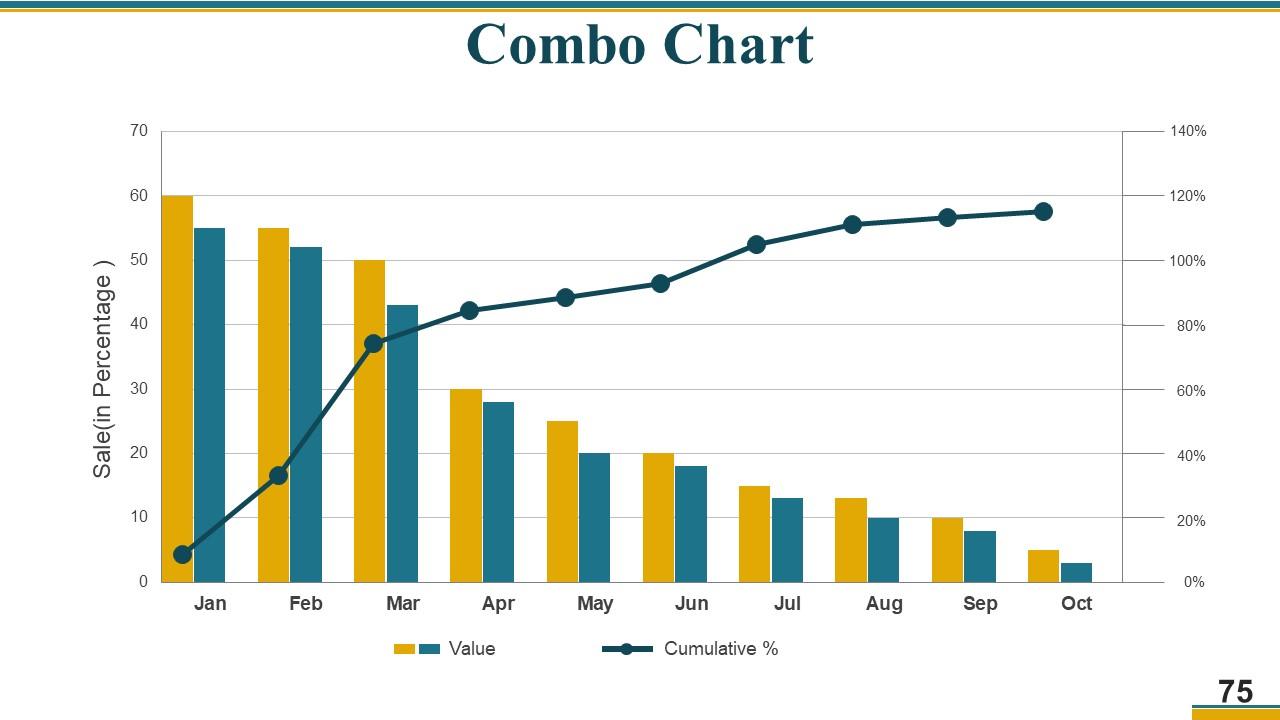
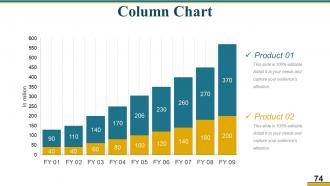
Slide 74: This is a Combo chart slide to show product/entity comparison etc.
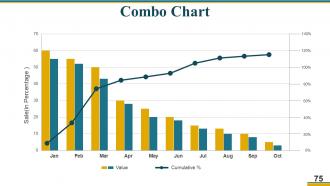
Slide 75: This is a Donut Pie chart slide to show product/entity comparison etc.
Slide 76: This is a Thank You slide with Address# street number, city, state, Contact Number, Email Address.
Business Operational Excellence Strategy Powerpoint Presentation Slides with all 76 slides:
Build up the adrenaline with our Business Operational Excellence Strategy Powerpoint Presentation Slides. Inject the desire for immediate action.
-
Commendable slides with attractive designs. Extremely pleased with the fact that they are easy to modify. Great work!
-
Perfect template with attractive color combination.
