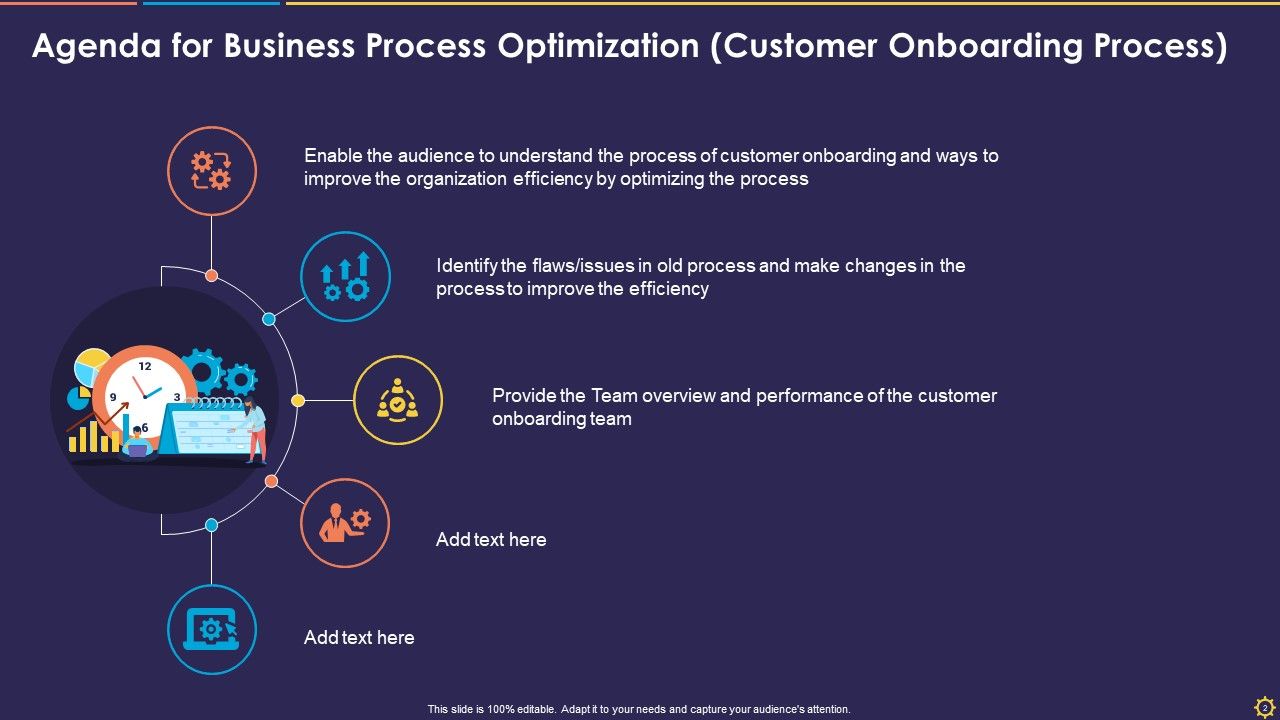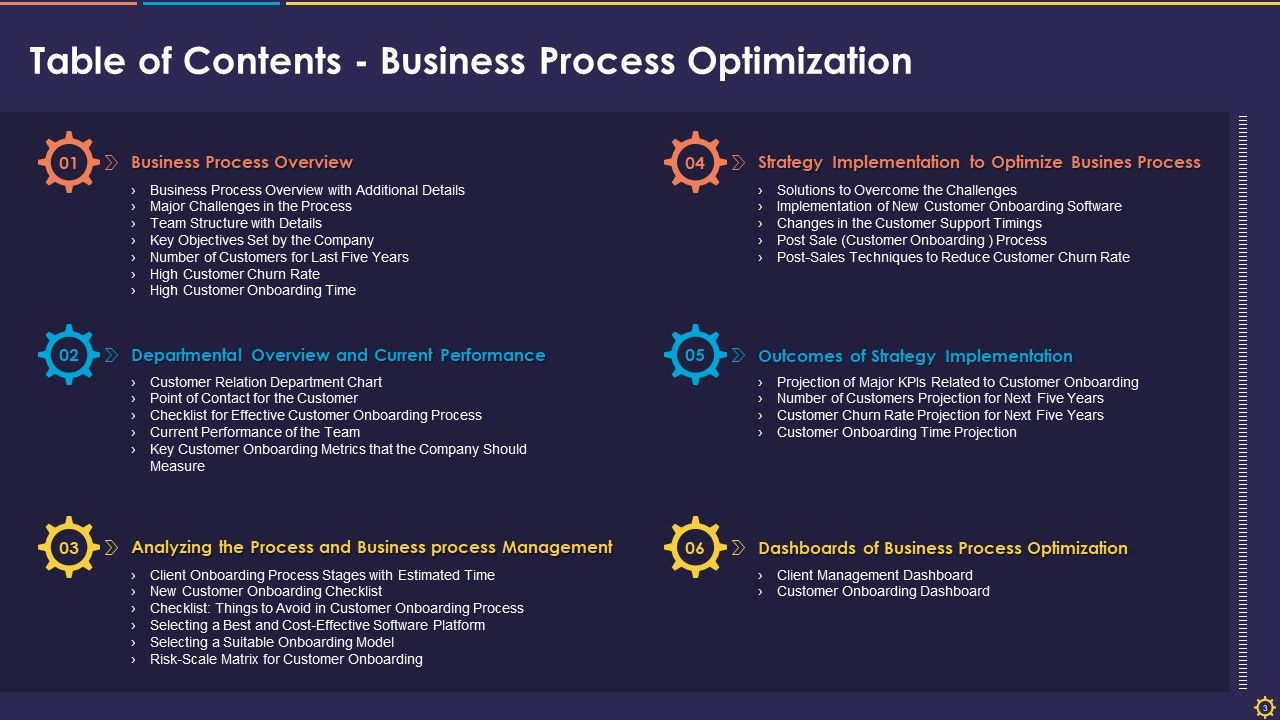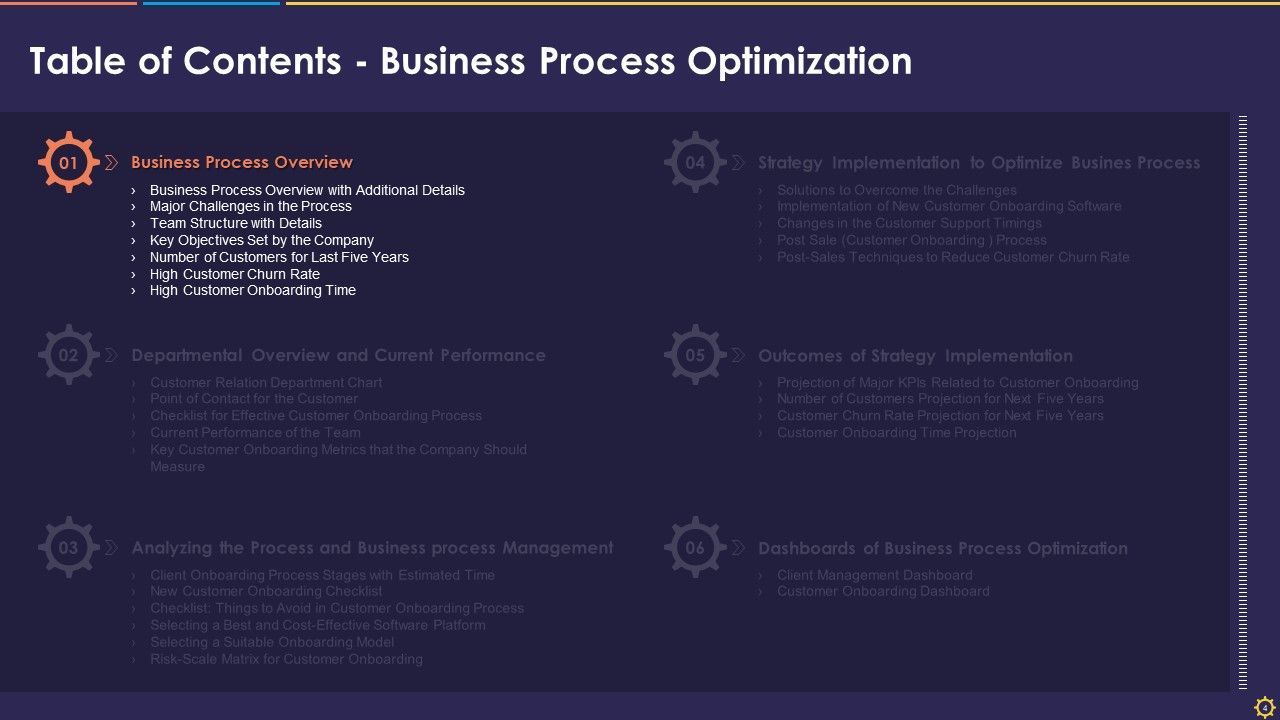
Diapositivas de presentación de Powerpoint del proceso de incorporación de clientes de optimización de procesos de negocio

Rating:
91%
Business process optimization customer onboarding process powerpoint presentation slides
Slide 1 of 50
Favourites Favourites

Try Before you Buy Download Free Sample Product

Audience Impress Your
Audience
Editable 100%
Editable
Time Save Hours
of Time
The Biggest Sale is ending soon in
0
0
:
0
0
:
0
0
Rating:
91%

Características de estas diapositivas de presentación de PowerPoint:

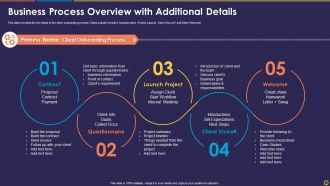
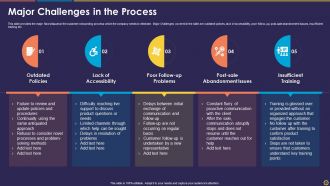
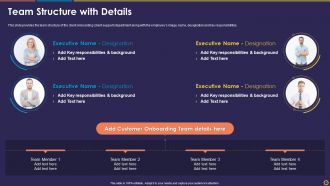
Entregue esta presentación completa a los miembros de su equipo y otros colaboradores. Con diapositivas estilizadas que presentan varios conceptos, estas diapositivas de presentación de Powerpoint del proceso de incorporación de clientes de optimización de procesos de negocio son la mejor herramienta que puede utilizar. Personalice su contenido y gráficos para que sea único y estimulante. Las cincuenta y cinco diapositivas son editables y modificables, así que no dude en ajustarlas a su entorno empresarial. La fuente, el color y otros componentes también vienen en un formato editable, lo que hace que este diseño PPT sea la mejor opción para su próxima presentación. Entonces, descárgalo ahora.

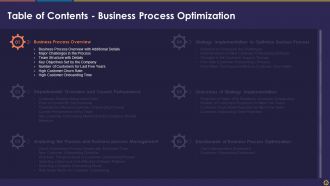
Contenido de esta presentación de Powerpoint

FAQs for Business process optimization customer onboarding process

You'll see it working when your numbers actually improve - less time processing stuff, fewer handoffs, lower costs. Quality gets better with fewer screwups too. But honestly? The best sign is when your team stops complaining about those annoying bottlenecks. Happy employees stick with improvements way longer than miserable ones. Customer satisfaction usually jumps up since everything runs smoother and faster. Just make sure you're tracking the hard data before and after - oh, and don't forget to ask your team how they're feeling about the changes. Their feedback matters more than most people realize.
Ask your team what's driving them crazy - they'll point you straight to the worst stuff. Look for anything with tons of handoffs or where people are constantly redoing work. Those approval chains that take forever? Yeah, those too. I'd honestly just walk around and listen for complaints about processes taking way too long or causing errors. Check your metrics for high cycle times while you're at it. Map out maybe 3-5 of the biggest headaches, then start with whatever gives you the most bang for your buck. Don't pick the one that'll have everyone fighting you from day one.
Think of data analytics as your reality check for fixing processes. It shows you what's actually happening, not what you assume is going on. You'll spot where things get stuck, see how long stuff really takes, and figure out which steps matter versus the random busy work that somehow stuck around. Honestly, the coolest part is comparing before and after your changes - that's how you know if you actually fixed anything or just moved the problem around. Pick one process to start with. Measure the basics like time, cost, and how often things go wrong, then build from there.
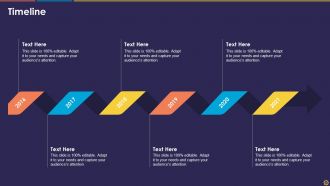
Map out everything you're currently doing - literally every step. Talk to the people actually doing the work, not just their bosses who think they know what's happening (huge difference there). Sticky notes work great for this, honestly. Time each step and track where errors pop up. You'll spot the bottlenecks pretty quick. Look for redundant stuff and steps that don't really add value. Half the time what's actually happening is totally different from what's supposed to happen. Once you see the real picture, the fixes become obvious.
Look, automation's a game changer because it handles all that boring repetitive stuff nobody wants to do anyway. Your processes run way faster since they don't need coffee breaks or sleep. Less mistakes too. Start by picking your most annoying time-sucks - like invoice processing or customer onboarding. Honestly, anything that's super rule-based and makes you want to bang your head against your desk. Once you automate one thing and see how much time it saves, you'll want to automate everything (trust me on this). Meanwhile your team gets to work on actually interesting projects instead of copying data around all day.
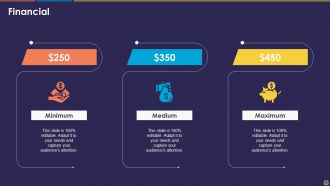
Ugh, people HATE change - that's your biggest headache right there. Half your team will dig in their heels because the old way feels safer. Plus you probably don't even have good data on what you're currently doing wrong, which makes everything harder. Projects always spiral way beyond what you planned (scope creep is real), and measuring if it actually worked? Good luck with that. Oh, and your boss will want instant results while IT takes forever to get new systems talking to each other. Honestly though, just pick one small thing to fix first. Document what happens and celebrate quick wins - builds trust for the bigger stuff later.

Get your team involved from day one - they're doing the actual work, so they know what's broken. I've watched way too many "optimization" projects crash because managers thought they had all the answers. Form mixed teams where people can pitch ideas and actually see them happen. Let them own pieces of the improvements and make a big deal when stuff works out. Oh, and explain WHY you're changing things - not just "efficiency" but how it helps them too. Keep the feedback flowing both ways throughout the whole thing. Trust me, treating people like partners instead of obstacles makes all the difference.

Honestly, don't go crazy with metrics or you'll drown in data. Pick like 4-6 max and stick with the basics: cycle time, cost per transaction, error rates, customer satisfaction. Track employee productivity too since that actually moves the needle. Get your baseline numbers first though - can't improve what you don't measure, right? I'd check these monthly, not daily (learned that the hard way). Oh and here's the thing - don't just chase speed improvements. I've watched teams cut processing time in half while their error rates went through the roof. Quality matters just as much. Start tracking this stuff now so you have real data when you're ready to make changes.

Honestly, customer feedback is like getting a free diagnosis of what's broken in your processes. People will straight-up tell you when wait times suck or when they have to repeat their info five times - that's gold right there. I'd collect it through surveys, support chats, whatever works. Then map those complaints to actual process steps. Don't chase every single gripe though. Look for patterns instead. If ten people complain about the same confusing checkout step, boom - you know exactly what to fix first. It's way better than guessing what needs work.

Honestly, AI and machine learning are huge right now for spotting bottlenecks before they happen and automating decisions instantly. RPA takes care of all that boring repetitive stuff so your team can actually think strategically. Cloud platforms connect everything and scale easily. There's this thing called process mining that's actually pretty fascinating - it digs through your real data to show you exactly where things are getting stuck. Low-code platforms are great because you don't have to wait forever for IT to build something. My advice? Start small with whatever's driving you crazy first.

Honestly, just start by watching one process this week and see where things get stuck. Map out what's actually happening vs what should happen - you'll be shocked at the waste. Try the "5 whys" thing to dig into root problems instead of band-aid fixes. Your frontline people are gold here since they deal with the mess daily, so get them involved in spotting inefficiencies. Set up regular team huddles where everyone can pitch small improvements. Oh, and value stream mapping sounds fancy but it's just tracking where time disappears. Pick something simple first - don't overthink it.

Honestly, working across teams is a game changer for process stuff. You'll actually see how things flow from start to finish instead of just your little corner. Different people catch problems that others miss completely - like, marketing might spot something ops never would. Getting everyone involved early means they won't fight you later when you roll out changes. That's huge. The trick is having actual workers there, not just their bosses who haven't touched the process in years. Oh, and the creative solutions you get? Way better than what one department comes up with alone.

Look, if you're not constantly tweaking your processes, they'll get stale fast. Markets shift, tech evolves - your competitors will eat your lunch while you're still doing things the 2015 way. It's honestly like refusing to update your phone's OS. Map out one process that's driving your team crazy right now. Where are the actual bottlenecks? What's slowing you down? Those regular check-ins help you cut waste and respond to customers way faster than the "we've always done it this way" crowd. Pick something small to start - don't overthink it.

Honestly, regulatory stuff is like having speed bumps everywhere - you gotta work around them. Map out what you can't touch before you start brainstorming improvements. Healthcare and finance are brutal with this. I learned that the hard way when we spent weeks on a workflow redesign that compliance shot down immediately. But don't let it kill your creativity! There's usually room to optimize within the rules. Just bring your legal team into the conversation early - they're actually pretty helpful once you get them talking.

Toyota completely changed manufacturing with their lean system - they basically invented the whole "eliminate waste" thing everyone copies now. Amazon's warehouse game is insane too, using predictive analytics to cut delivery times way down. Then there's GE with Six Sigma, which sounds boring but actually worked really well for reducing defects. Honestly, the key is figuring out which specific processes they focused on first and how they tracked improvements. That's your best bet for spotting where you can optimize your own stuff. Each company picked different areas but the measurement part was crucial.

Ratings and Reviews

91% of 100
Review Form
Write a review
Most Relevant Reviews
  1. 80%

    by Darius Webb

    Excellent work done on template design and graphics.
  2. 80%

    by Richard Scott

    Visually stunning presentation, love the content.
  3. 100%

    by Kyle Anderson

    Very well designed and informative templates.
  4. 100%

    by Darius Webb

    Great designs, really helpful.
  5. 80%

    by Donn Hart

    Unique design & color.
  6. 100%

    by James Lewis

    Graphics are very appealing to eyes.
  7. 100%

    by Brown Baker

    Understandable and informative presentation.
  8. 100%

    by Clayton Sanders

    Perfect template with attractive color combination.
  9. 80%

    by Clair Gray

    Helpful product design for delivering presentation.
  10. 100%

    by Dirk Kelley

    The Designed Graphic are very professional and classic.

Items 1 to 10 of 15 total

    Page:
  • You're currently reading page 1
  • Page 2
  • Next
per page: