


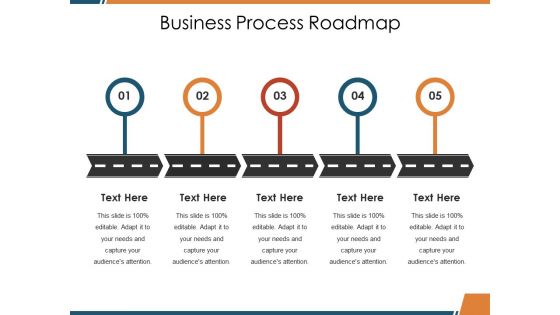
Formas de PPT de hoja de ruta de procesos de negocio





Try Before you Buy Download Free Sample Product
 Impress Your
 Audience
 100%
100% Editable
 Save Hours
 of Time


Delibere sobre el tema con nuestra Hoja de ruta de procesos de negocio Ppt Shapes. Examine cada factor individual.
People who downloaded this PowerPoint presentation also viewed the following :
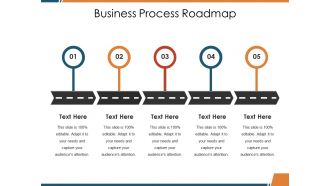
Formas de Ppt de hoja de ruta de procesos de negocio con las 5 diapositivas:
Cree un ambiente propicio para el diálogo con nuestras formas Ppt de hoja de ruta de procesos de negocio. Ayuda a manejar actitudes hostiles.

FAQs for Business process
Okay so you basically need four things to make this actually work. Map out where you are now first - what processes exist and what's broken. Figure out where you want to be with actual measurable goals (not just "better efficiency" or whatever). Timeline's huge here, and I swear everyone thinks stuff will happen way faster than it actually does. Don't forget who's responsible for what parts - someone needs to own this stuff. Here's the thing though - these pieces have to connect or you'll just have another useless PowerPoint sitting around. Definitely start with documenting current state before getting all excited about the future vision.
Think of a business process roadmap as your GPS for getting stuff done better. It connects your big-picture goals to the actual daily grind by showing you which processes to fix, build, or just scrap entirely. Here's the thing - without one, you're basically doing random improvements that might not even matter. The roadmap helps you focus on changes that'll actually move the needle, whether you're trying to cut costs or boost revenue. My advice? Start simple. List your top 3 company goals, then figure out which current processes are helping or hurting those objectives. That'll give you a solid starting point, and honestly, most people skip this step and wonder why nothing sticks.
Okay so there's actually a bunch of solid options depending on what vibe you're going for. Visio and Lucidchart are clutch for flowcharts - Lucidchart's templates are honestly so clean it's almost unfair. Miro and Mural work better if you need the whole team brainstorming together. Monday.com or Asana handle timeline stuff really well. Hell, even PowerPoint works if you're not trying to get too fancy. Just pick whatever your team actually uses already. You can always switch later once you figure out what you actually need (learned that one the hard way).
Honestly, just map out your whole customer journey first - you'll spot which processes actually matter for experience and revenue. Pain points where stuff constantly breaks? Those need fixing ASAP. High-volume tasks that drain your team are obvious targets too. Don't forget compliance processes (boring but necessary). Your frontline people know where the real bottlenecks are, so actually ask them. Oh, and processes that cross multiple departments are usually messier but give you bigger wins when you fix them. Start there.
Look, you absolutely have to talk to people first - can't stress this enough. Map out who's gonna be impacted and actually sit down with them. Different departments see totally different problems, so you need that input from various levels and functions. I've watched so many roadmaps crash and burn because someone thought they could skip the conversation part. Big mistake. These folks will tell you what's actually broken (versus what you think is broken), help you figure out what to fix first, and spot the roadblocks you'd never see coming. Trust me, start those conversations early.
Track your numbers first - time saved, costs cut, fewer errors, that stuff. But honestly? The real test is asking your team if this actually helps or just pisses them off differently. Customer feedback counts too if they're involved. Get baseline data before you change anything, then check at 30/60/90 days. Oh, and build a basic dashboard so you're not hunting for metrics later when your boss asks. I learned that one the hard way. The qualitative stuff matters just as much as the spreadsheet data.
Don't try mapping everything at once - you'll just get overwhelmed and accomplish nothing. Focus on your most critical processes first. Get input from people actually doing the work, not just managers. I've watched so many gorgeous roadmaps completely bomb because they ignored what was really happening on the ground. Build in realistic timelines too. Change management always takes way longer than you think (like, seriously, double whatever timeline you're considering). Oh, and treat it like a living document you'll keep updating, not some one-and-done project that sits in a drawer.
Look, continuous improvement isn't something you do once and forget about. Build regular check-ins right into your process - I'd say quarterly works well, or after hitting major milestones. Define your success metrics first (this part's actually crucial), then literally put those review sessions in your calendar now. Otherwise they won't happen, trust me. During these sessions, measure performance, get feedback, spot bottlenecks. It's like rerouting when you hit traffic instead of just sitting there complaining. Make it systematic, not just scrambling when things go wrong.
Build flexibility into your roadmap from day one - treat it like a living document, not some sacred text. Every quarter, actually sit down and review what's happening in your market and what customers are saying. Then pivot when you need to. Honestly, I've watched so many teams cling to dead roadmaps because "we already decided this." Track metrics that'll warn you when things are shifting. The goal? Having systems that can bend instead of snap. When disruption comes (and it will), you'll adapt fast rather than panic-rewriting your entire strategy.
Honestly, you've gotta hit people from every angle or half of them will miss it. Start big with an all-hands, then break into smaller department meetings where they can actually ask real questions. Some people are way better with written stuff, so send email summaries after. Those visual one-pagers are clutch for anything complicated - way better than death by PowerPoint. Your managers are gonna be huge here though, they can keep hammering the message in their regular team check-ins. Repetition is everything until it finally clicks.
Think of it like having GPS for your business - you'll see where traffic jams happen before they mess up your whole day. Map out your critical processes first, then hunt for the weak spots. Bottlenecks become obvious, and you can spot those scary single points of failure that keep managers up at night. Honestly, I've seen companies skip this step and regret it later. The visual layout helps you prioritize which fires to put out first based on what'll actually hurt your bottom line. Start small with your most important workflows and build from there.
So business process roadmaps are all about making your day-to-day operations smoother - like fixing messy workflows or automating repetitive stuff. Project roadmaps? Those track specific deliverables with actual deadlines. Think of it this way: process roadmaps answer "how do we work better" while project ones tackle "what are we building and by when." Process roadmaps can stretch for years and change as you go. Project roadmaps have clear endpoints. Honestly, most people mix these up at first. Figure out which one you actually need before you start mapping anything out - it'll save you headaches later.
So you want both the quick wins and the bigger picture stuff. Track things like how fast processes move, error rates, cost per transaction - that's your immediate feedback. Business outcomes take longer but matter more: customer satisfaction, revenue per process, productivity gains. Here's the thing though - avoid metrics that just look impressive in meetings. Pick maybe 3-5 that actually connect to what you're trying to achieve. I'd set up some basic dashboard you can check monthly with your team. Consistency beats perfection here. Oh, and don't overthink the tracking part - simple works.
Honestly, data analytics can save you from building your roadmap on hunches alone. Start with whatever process data you've already got - performance metrics, where things get stuck, complaints from the team. That stuff shows you what actually needs fixing first, not just whatever squeaky wheel gets the grease in meetings (and there's always one, right?). Once you've got those insights, you can prioritize based on real ROI instead of politics. Predictive analytics are cool too - they'll help you test out changes before you commit. Bottom line: let the numbers guide your roadmap decisions.
Honestly, the biggest mistake I see is building roadmaps in a vacuum. Get people involved from day one - interview stakeholders about their actual pain points first. Co-design workshops are clutch for alignment on what matters most. I learned this the hard way when my first roadmap got completely torn apart because nobody felt heard. Be upfront about trade-offs too, like why their pet feature can't ship next month. Regular check-ins keep everyone engaged. People stick around when they see progress and feel like actual partners in the process, not just getting updates after decisions are made.
-
Commendable slides with attractive designs. Extremely pleased with the fact that they are easy to modify. Great work!
-
Great product with effective design. Helped a lot in our corporate presentations. Easy to edit and stunning visuals.