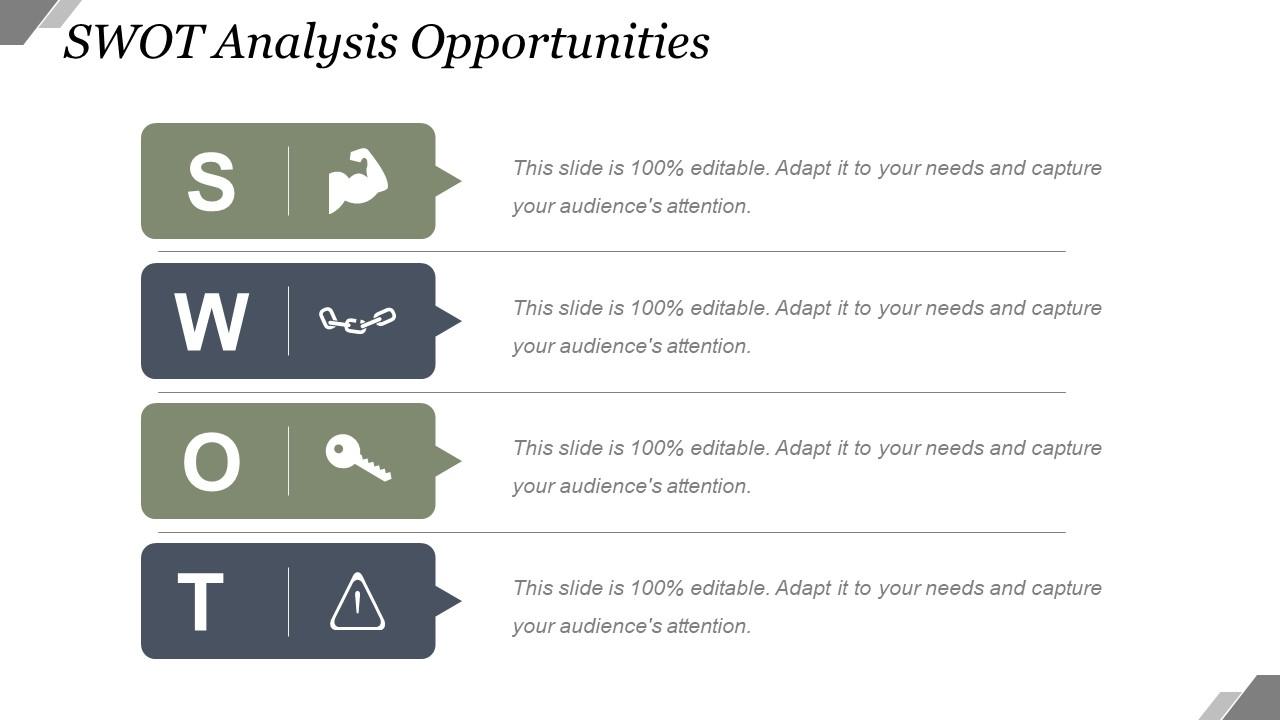
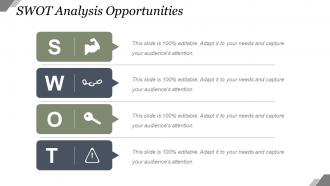
1793533 style concepts 1 opportunity 4 piece powerpoint presentation diagram infographic slide

Rating:
80%
1793533 style concepts 1 opportunity 4 piece powerpoint presentation diagram infographic slide
Slide 1 of 5
Favourites Favourites

Try Before you Buy Download Free Sample Product

Audience Impress Your
Audience
Editable 100%
Editable
Time Save Hours
of Time
The Biggest Sale is ending soon in
0
0
:
0
0
:
0
0
Rating:
80%
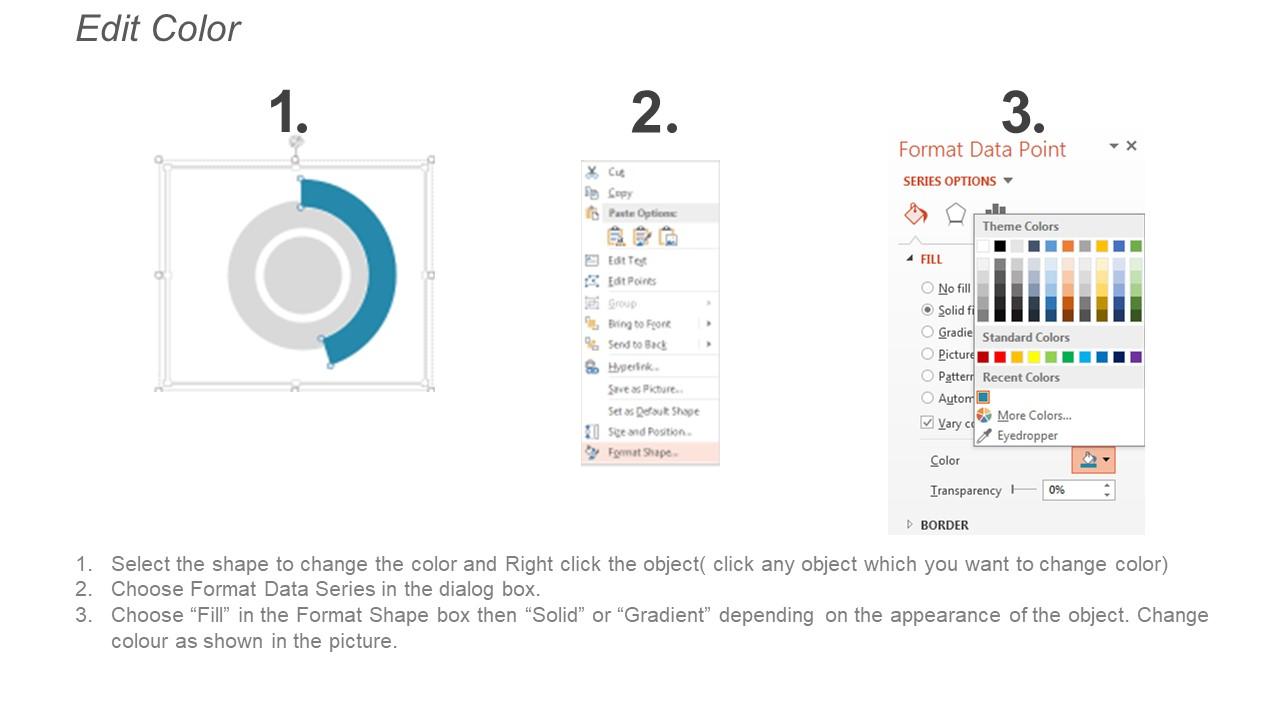
These slides are 100% editable therefore any kind of data can be added or deleted from the given PPT template. You can change the size, orientation and color of the graphical illustrations. You can also alter the font text, font size and font color of the text used in the PPT slideshow. You can save the presentation in either PDF or JPG format. Once you download the PowerPoint presentation it can be viewed in standard size display ratio of 4:3 or widescreen display ratio of 16:9. The slides are compatible with Google slides, which makes it even simpler to use.

FAQs for 1793533 style concepts 1 opportunity 4 piece powerpoint presentation

Honestly, digital stuff is where it's at right now - AI automation, remote work tech, all that. Sustainability's exploding too since everyone wants eco-friendly everything. Gen Z's got serious money to spend now, and boomers are driving healthcare tech demand like crazy. Companies are also moving production closer to home instead of relying on overseas suppliers, which opens up tons of opportunities. The whole subscription model thing isn't going anywhere either. Oh, and personalization - people expect everything tailored to them now. I'd say pick 2-3 that actually match what you can do and go from there.

Honestly, tech can be a game-changer if you look at it right. New tools help you reach different customers or make your day-to-day stuff way smoother. Automation cuts costs, AI makes things more personal for customers - even basic data analysis can show you markets you never noticed before. I'd pick one tech thing that's trending in your space and just mess around with ideas. How could it fix something your customers hate? Or make your team's life easier? Start small though - don't go crazy trying to revolutionize everything at once.

Honestly, I'd start with tech partnerships - AI companies or automation providers can completely change how you operate. Universities are great too since you get fresh research plus a talent pipeline. But cross-industry stuff is where it gets interesting (look at how Uber partnered with mapping companies to kill traditional taxis). Supply chain partnerships can open up efficiencies you'd never hit solo. Map out what you're missing first, then find companies that have those skills but could use what you bring. It's basically strategic dating but for businesses lol.

Yeah, totally! That's like the whole point of the opportunities section in your SWOT analysis. Pull up your customer data and see who you're missing - different age groups, locations, income brackets, whatever. Maybe you're crushing it with millennials but Gen Z has no clue you exist? Plus your competitors are probably sleeping on certain niches too. I always think it's weird how companies ignore obvious gaps. The trick is finding people who'd actually want your stuff but just haven't found you yet. Map out your current customers first, then figure out where the empty spaces are.

Dude, regulatory changes can totally crack open markets that were locked down before. Look at fintech - once banking rules loosened up, suddenly everyone and their mom was launching payment apps. It's wild how fast things move. You should definitely keep tabs on regulatory news in whatever markets you're eyeing, and maybe get a lawyer who actually knows this stuff to help you spot opportunities early. Just don't sit on it too long once something shifts, because your competitors are probably watching the same changes. Sometimes I think the companies that move fastest after deregulation are the ones who were already planning for it, you know?

When people change how they shop or what they care about, that's where you'll find your next big opportunity. Remote work is a perfect example - who would've predicted the home office boom three years ago? Survey your customers about what they actually need now. Are they obsessed with sustainability? Going fully digital? Pay attention to those patterns because they're basically roadmaps for product ideas. Sometimes it means tweaking what you already sell, other times you need something totally fresh. I'd start mapping customer feedback against whatever's on your product roadmap - that's where the magic happens.

Check out what your competitors suck at - that's literally where your goldmine is. Find spots where customers need something but nobody's delivering it right. Better support, quicker shipping, actual personalization, whatever. Customer complaints about your industry are honestly treasure maps if you pay attention. I'd start by listing competitor weak spots next to what you're good at. Then - and this part matters - make sure people will actually pay for fixing those gaps. Sometimes the obvious stuff everyone complains about gets ignored because it seems too simple.

You get access to whole new customer pools you can't touch from where you are now - that's huge for growth. Different regions have their own pricing and market vibes, sometimes even seasonal stuff that balances out your current business. Competition could be way lighter too, which is honestly refreshing. I'd definitely do your homework first though - figure out where people actually want what you're selling. Then maybe try a small pilot or partner with someone local before you commit big. Way smarter than just jumping in blind and hoping it works out.

Honestly, social responsibility is like a goldmine for new business ideas. People want to buy from companies that actually give a damn about the world - it's basically free customer loyalty. You can tackle environmental stuff, ethical sourcing, whatever your customers care about. The cool part? It often saves you money too through better efficiency and less waste. I'd start by just asking your customers what social issues bug them most, then figure out how your skills could help solve those problems. It's way easier than you'd think.

Honestly, just keep your eyes peeled for three big things: new regulations (especially ones that'll crush smaller players), tech trends you can jump on early, and changes in what customers actually want. Industry conferences are where the real intel is - skip the boring presentations and eavesdrop on people chatting between sessions. That's where you hear the good stuff. Also watch for supply chain mess-ups or when big companies merge, because that usually leaves gaps you can sneak into. Oh, and set up Google alerts for your industry keywords. Takes like 30 minutes a week to stay on top of everything.

Check your customer data first - what complaints or requests keep coming up? That's where the gaps are hiding. Social media sentiment is honestly your best friend here, way better than fancy surveys. Look at search trends too, plus read through competitor reviews to see where people are pissed off. I'd also set up some kind of dashboard (doesn't have to be perfect) so you're tracking this stuff regularly instead of just doing it once when you remember. Oh, and don't forget pricing patterns - sometimes competitors leave weird gaps there too.

Dude, you should totally jump on this sustainability thing. Customers are genuinely picking eco-friendly brands over regular ones now - like, they'll actually pay more for sustainable stuff. The investor money flowing into green companies is honestly insane right now. Your energy bills will drop too once you start doing efficiency stuff. Oh and waste reduction saves way more than I expected it would. Just figure out what angle makes sense for your business first. Don't just slap "eco-friendly" on everything as an afterthought - actually build it into what you're selling people.

Honestly, building up your online presence can unlock so many revenue streams you haven't thought of yet. Affiliate marketing, digital courses, subscription services - there's tons of ways to monetize. Even B2B companies are crushing it with thought leadership content now (which I find kind of wild but whatever works). Better SEO comes with the territory too, and organic traffic converts way better than paid ads. Start by figuring out where your audience actually spends time online. Then create content that genuinely solves their problems instead of just talking about yourself.

Honestly, start with an audit of where you're bleeding money first - that'll show you what's actually broken. Predictive analytics for maintenance is usually where companies see the biggest wins, plus route optimization software if you're doing logistics. AI demand forecasting is solid too, cuts way down on waste and stockouts. IoT sensors are worth looking into for real-time shipment tracking, though the warehouse temp monitoring stuff can get pricey fast. Oh and everyone's talking about blockchain for transparency but it's probably overkill unless you're in something heavily regulated. Focus on your biggest bottlenecks first.

Honestly, your customers are basically doing free market research for you without realizing it. Go through their complaints and suggestions - look for stuff they keep bringing up over and over. What features do they always ask for? What pisses them off the most? Sometimes those annoying complaints are actually your best product ideas in disguise. I'd grab your last 50 customer comments and sort them into themes. You'll probably spot some patterns pretty quickly. Then figure out which ones you could actually turn into real improvements or new services. It's wild how much insight is just sitting there in your inbox.

Ratings and Reviews

80% of 100
Write a review
Most Relevant Reviews
  1. 80%

    by Deandre Munoz

    I discovered this website through a google search, the services matched my needs perfectly and the pricing was very reasonable. I was thrilled with the product and the customer service. I will definitely use their slides again for my presentations and recommend them to other colleagues.
  2. 80%

    by Derek Mills

    Great quality slides in rapid time.

2 Item(s)

per page: