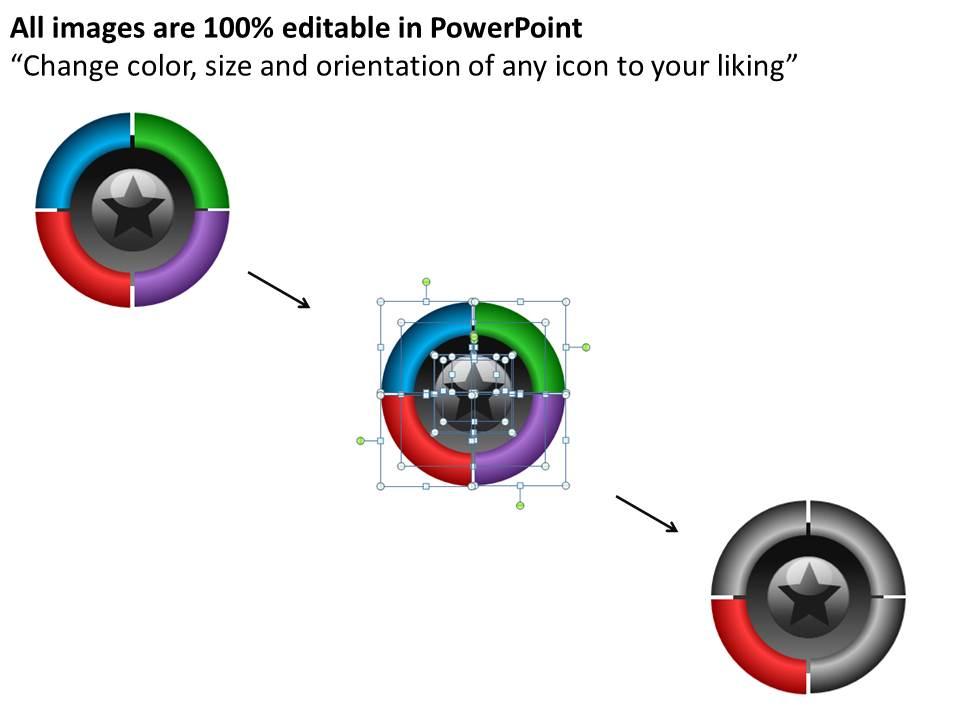
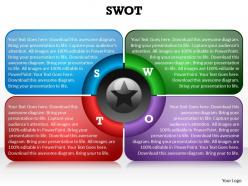
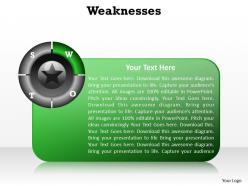
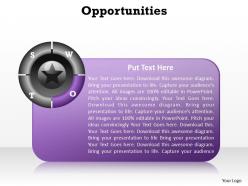
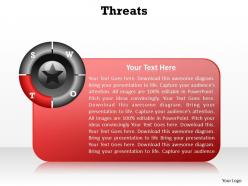
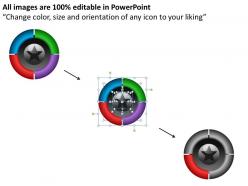
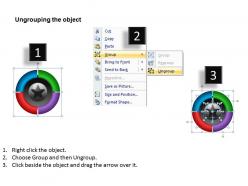
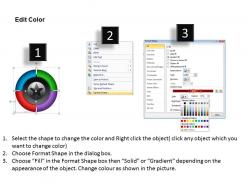
Swot-Framework mit 4 Feldern blau rot lila rot und Stern in den Powerpoint-Diagrammvorlagen in der Mitte 0712
Try Before you Buy Download Free Sample Product
Audience
Editable
of Time
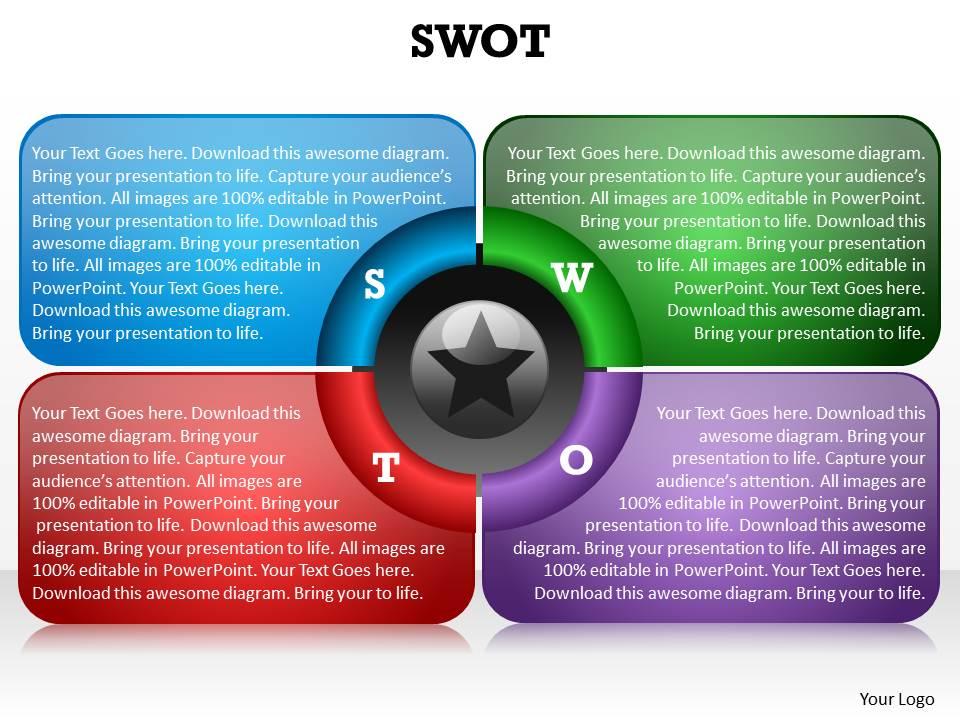
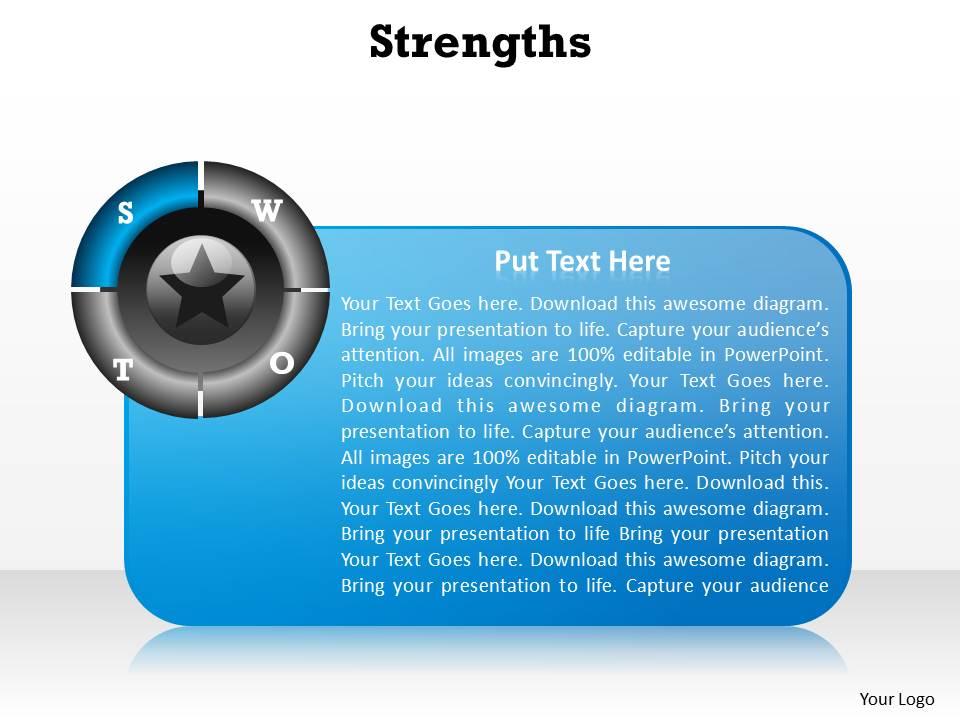
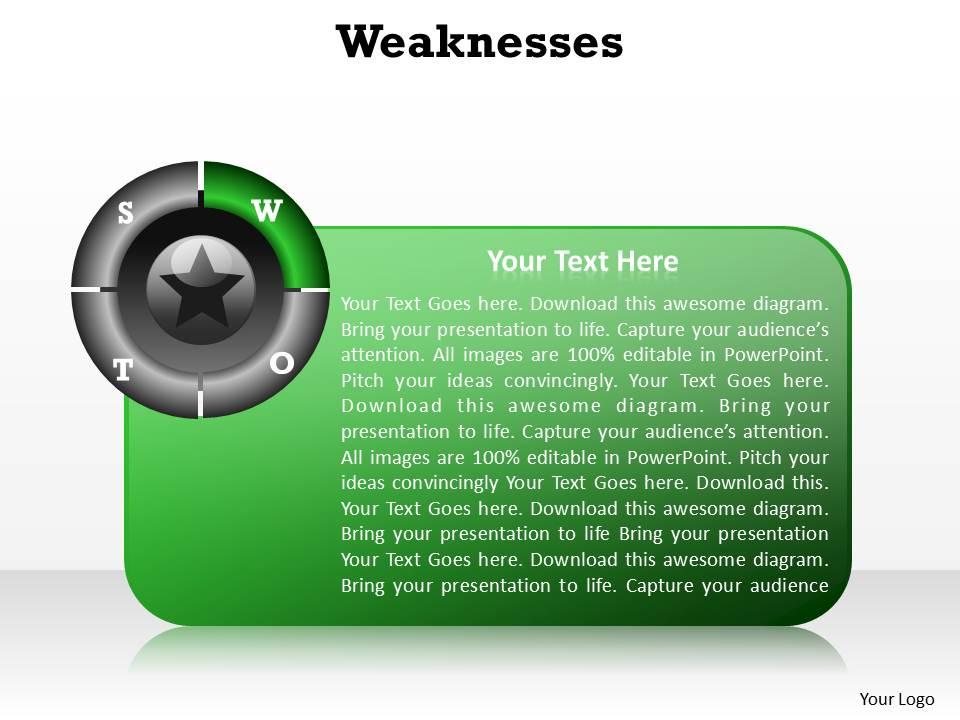
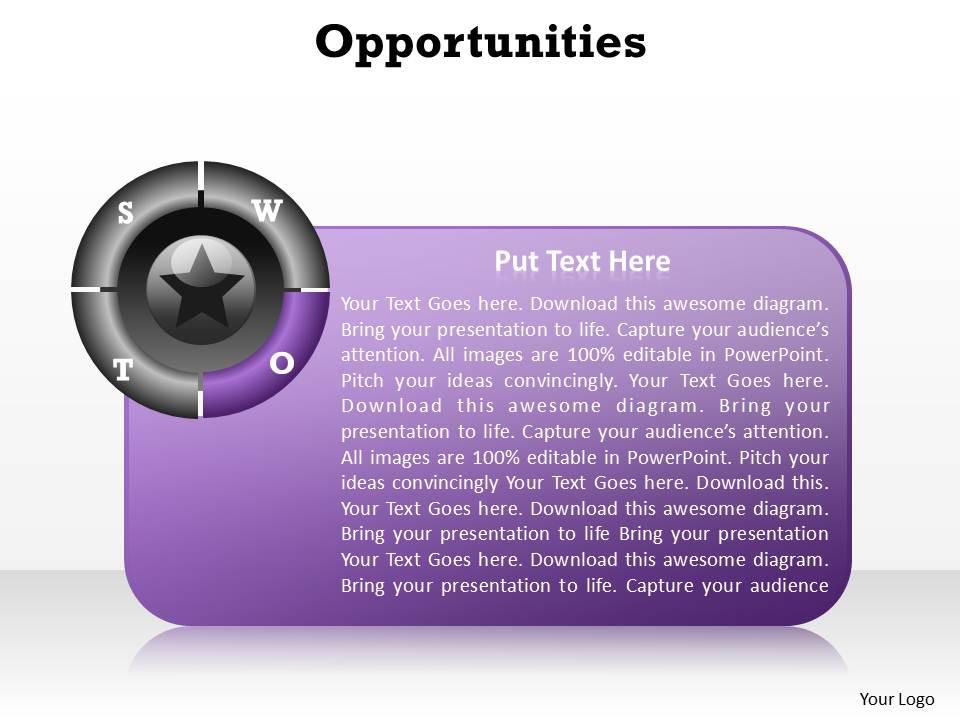
Um die Leistung und den Fortschritt Ihres Unternehmens zu analysieren, benötigen Sie unser fachmännisch erstelltes SWOT-Framework mit 4 Feldern blau rot lila rot und beginnen in den PowerPoint-Diagrammvorlagen in der Mitte 0712 Dies führt zu einer Verbesserung Ihrer Geschäftsfunktionen und -abläufe. Mit diesem Präsentationsdesign können Sie die verschiedenen positiven und negativen Attribute innerhalb der Organisationen anzeigen, die sich auf Ihren Geschäftsverlauf auswirken. Außerdem können Sie darstellen, dass die Stärken und Schwächen im Laufe der Zeit geändert werden können, da diese mit Ihrer internen Geschäftsstruktur verknüpft sind, z Als Goodwill, Standort, Design usw. sind die Chancen und Risiken nicht veränderbar, da dies die externen Aspekte Ihres Unternehmens wie Lieferanten, Markt, Wettbewerber usw. mithilfe unserer PowerPoint-Folienvorlage sind. Während dieses attraktive PPT-Design zu einer besseren Konzeptualisierung beiträgt, die Ihr Publikum bis zum Ende Ihrer Präsentation weiter hält. Beginnen Sie also einfach mit dieser PowerPoint-Vorlage zum Thema SWOT-Analyse. Schließen Sie Ihren Denkprozess bis ins letzte Detail ab. Unser Swot-Framework mit 4 Feldern, blau, rot, lila, rot und sternförmig in den Powerpoint-Diagrammvorlagen 0712 in der Mitte deckt alles für Sie ab.
Bringen Sie Farbe in Ihre Demonstration mit unserem Swot-Framework, dargestellt durch 4 Kästen blau rot lila rot und Stern in der Mitte Powerpoint-Diagramm-Vorlagen 0712. Sie werden es spannender machen Vorlagen 0712 mit allen 8 Folien:
Bringen Sie Farbe in Ihre Demonstration mit unserem Swot-Framework, dargestellt durch 4 Kästen blau rot lila rot und Stern in der Mitte Powerpoint-Diagrammvorlagen 0712. Sie machen es spannender.
FAQs for Swot framework shown by 4 boxes blue red purple red and star in center powerpoint
SWOT analysis comprises four key components: strengths (internal advantages), weaknesses (internal limitations), opportunities (external possibilities), and threats (external challenges). These elements interrelate strategically, with organizations leveraging strengths to capitalize on opportunities, addressing weaknesses to minimize threats, and finding competitive advantages through strategic combinations, ultimately delivering comprehensive strategic insights for enhanced decision-making.
SWOT analysis enhances strategic decision-making by systematically evaluating internal strengths and weaknesses alongside external opportunities and threats, enabling data-driven choices rather than intuitive guesses. Through this structured framework, businesses can leverage competitive advantages, address operational gaps, and capitalize on market opportunities while mitigating risks, ultimately delivering more informed strategic outcomes.
Common SWOT analysis pitfalls include being overly subjective, failing to prioritize findings, conducting analysis in isolation, relying on outdated information, and confusing internal factors with external ones. These oversights can lead to misguided strategic decisions, with many organizations finding that involving diverse stakeholders and regular updates ultimately delivers more accurate insights and competitive advantage.
Integrating qualitative and quantitative data into SWOT analysis involves combining numerical metrics like market share, revenue growth, and customer satisfaction scores with qualitative insights from surveys, interviews, and strategic assessments. This strategic combination enables organizations to validate subjective observations with hard data, create more precise competitive positioning, and develop evidence-based strategic recommendations, ultimately delivering enhanced decision-making accuracy and measurable business outcomes.
SWOT analysis helps startups identify unique selling propositions by systematically evaluating internal strengths against market opportunities, while recognizing weaknesses and threats that competitors might exploit. Through this strategic assessment, emerging companies can pinpoint distinctive capabilities, innovative solutions, or market positioning advantages that differentiate them from established players, ultimately enabling them to craft compelling value propositions that resonate with target customers.
The competitive landscape directly shapes SWOT analysis by revealing relative market positioning, resource advantages, operational gaps, and differentiation opportunities against industry rivals. Through competitive benchmarking, organizations identify unique strengths like superior technology or customer service, while uncovering weaknesses in areas where competitors excel, ultimately enabling strategic resource allocation and competitive advantage development.
Stakeholder feedback provides critical external perspectives, identifying blind spots, validating internal assumptions, and uncovering market opportunities that leadership might overlook during SWOT analysis. Through surveys, interviews, and focus groups, organizations gather insights from customers, suppliers, and partners, ultimately delivering more accurate strategic assessments and competitive positioning in increasingly complex business environments.
Organizations leverage SWOT analysis to anticipate market trends by systematically evaluating internal strengths and weaknesses against external opportunities and threats, enabling proactive strategic positioning. Through regular SWOT assessments, companies identify emerging market gaps, competitor vulnerabilities, and technological shifts, with many finding that this framework streamlines decision-making and delivers sustainable competitive advantage in increasingly dynamic markets.
After conducting a SWOT analysis, organizations should prioritize findings, develop targeted strategies that leverage strengths against opportunities, create mitigation plans for weaknesses and threats, and establish clear implementation timelines with assigned responsibilities. These strategic initiatives enable companies to transform insights into competitive advantages, with many businesses finding that systematic follow-through on SWOT recommendations significantly enhances operational efficiency and market positioning.
SWOT analysis for non-profits adapts by focusing on mission impact, donor relationships, community trust, volunteer engagement, and social outcomes rather than traditional profit metrics. These organizations evaluate funding sustainability, stakeholder alignment, and program effectiveness, while leveraging their social mission as a competitive advantage to attract supporters, grants, and partnerships that drive meaningful community change.
Best practices for visualizing SWOT analysis in presentations include using clear quadrant layouts, consistent color coding, concise bullet points, visual icons, and balanced content distribution across all four sections. These design elements enhance audience comprehension by streamlining complex strategic information, enabling faster decision-making during board meetings and strategy sessions, ultimately delivering clearer insights and more actionable outcomes.
Organizations should revisit their SWOT analysis quarterly or bi-annually, with additional updates triggered by significant market shifts, competitive changes, or internal restructuring. Many companies in dynamic sectors like technology and retail find that regular SWOT reviews enable faster strategic pivots, enhanced resource allocation, and sustained competitive advantage in increasingly volatile business environments.
A SWOT analysis can be highly effective for personal development by systematically evaluating your strengths, weaknesses, opportunities, and threats in career, skills, and life goals. This strategic approach enables individuals to leverage their capabilities, address skill gaps, and identify growth opportunities in competitive job markets, while creating actionable development plans that ultimately deliver enhanced career prospects and personal achievement.
Industry-specific considerations for SWOT analysis include regulatory compliance requirements, market volatility patterns, technological disruption rates, competitive dynamics, and customer behavior trends unique to each sector. Healthcare organizations must consider patient safety regulations and data privacy laws, while financial services focus on regulatory capital requirements and fintech disruption, ultimately enabling more targeted strategic planning.
Cultural context significantly shapes SWOT interpretation by influencing how organizations perceive risk tolerance, competitive dynamics, regulatory environments, and stakeholder expectations across different markets. Companies expanding internationally find that perceived strengths in one culture may appear as weaknesses in another, while local opportunities and threats vary dramatically based on cultural values, business practices, and market behaviors, ultimately requiring culturally-adapted strategic frameworks.
-
Very unique and reliable designs.
-
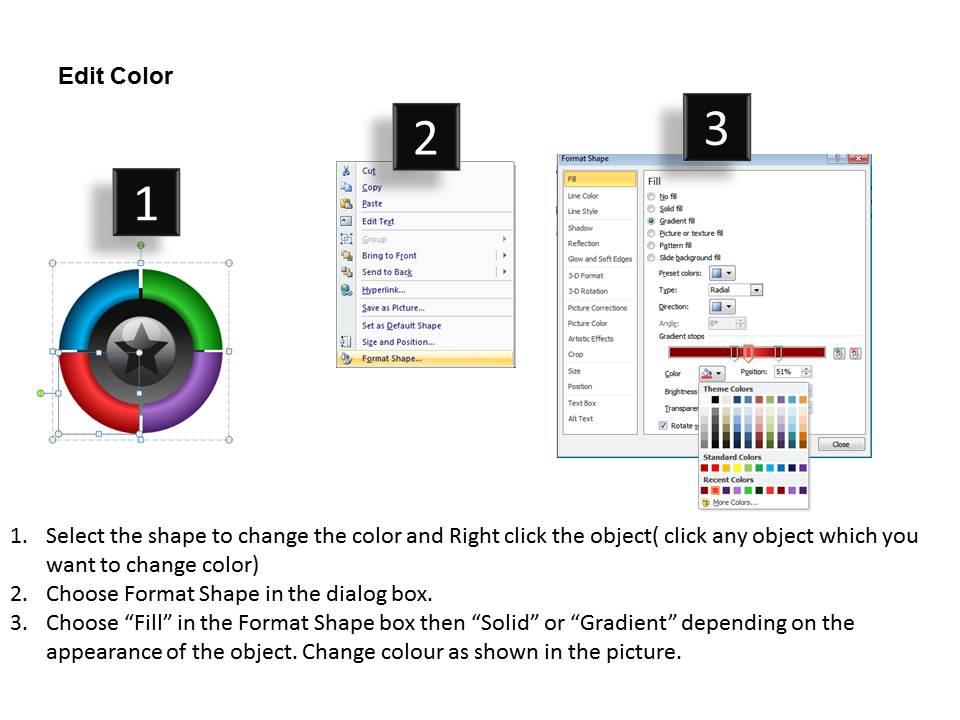
Easy to edit slides with easy to understand instructions.