


Byjus Investor Funding Elevator Pitch Deck Ppt-Vorlage
BYJUS ist Indiens größtes Ed-Tech-Unternehmen und der beliebteste Anbieter von Schullern-Apps im Land. BYJUS hat sich mit 50 Millionen registrierten Studenten und 3,5 Millionen zahlenden Abonnenten zu einer der beliebtesten Bildungsplattformen weltweit entwickelt. Schnappen Sie sich unser kompetent gestaltetes Byjus-Pitch-Deck, das eine Zusammenfassung von Byjus mit den von Byjus angebotenen Herausforderungen und Lösungen, der Byjus-Teamstruktur, der Byjus-Unternehmensübersicht mit Mission und Vision, der Byjus-Unternehmenszeitachse, den Byjus-Programmdetails, der Byjus-Anwendungsübersicht, den Byjus-Grundpfeilern, Byjus enthält Schlüsselaktivitäten und Wertversprechen von Byjus. Außerdem enthält diese PowerPoint-Präsentation Details über den Byjus Technology Stack, die Online- und Social-Media-Präsenz von Byjus, die Zahl der zahlenden Byjus-Abonnenten und -Benutzer, das Umsatzwachstum und das Wachstum aktiver Käufer sowie den Byjus-Website-Traffic, das profitable Geschäftsmodell des Unternehmens und das Byjus-Umsatzgenerierungsmodell. Darüber hinaus bietet dieses Pitch-Deck Informationen über den Jahresumsatz und die Wachstumsrate von Byjus, die Finanzierungsgeschichte von Byjus, die Wettbewerbsanalyse von Byjus, die Statistiken zur Unternehmenskultur von Byjus, Bewerbungsüberprüfungen von Byjus und Geschäftsakquisitionen von Byjus. Laden Sie dieses zu 100 Prozent editierbare Pitch-Deck jetzt herunter.
























You must be logged in to download this presentation.


Do you want to remove this product from your favourites?
Merkmale dieser PowerPoint-Präsentationsfolien:
Bieten Sie Ihren Investoren mit dieser einflussreichen Ppt-Vorlage für Elevator Funding Elevator Pitch Deck von Byjus wichtige Einblicke in Ihr Projekt und Unternehmen. Dies ist eine ausführliche Pitch-Deck-PPT-Vorlage, die alle umfangreichen Informationen und Statistiken Ihrer Organisation abdeckt. Von Umsatzmodellen bis hin zu grundlegenden Statistiken werden einzigartige Diagramme und Grafiken hinzugefügt, um Ihre Präsentation informativer und strategisch fortschrittlicher zu gestalten. Dies verschafft Ihnen einen Wettbewerbsvorteil und viel Platz, um den USP Ihrer Marke zu präsentieren. Abgesehen davon helfen alle einundvierzig Folien, die diesem Deck hinzugefügt wurden, eine Aufschlüsselung der verschiedenen Facetten und Schlüsselgrundlagen bereitzustellen. Einschließlich der Geschichte Ihres Unternehmens, Marketingstrategien, Traktion usw. Der größte Vorteil dieser Vorlage besteht darin, dass sie für jeden Geschäftsbereich geeignet ist, sei es E-Commerce, IT-Revolution usw., um ein neues Produkt einzuführen oder Änderungen vorzunehmen bestehende. Laden Sie sich deshalb jetzt dieses komplette Deck in Form von PNG, JPG oder PDF herunter.

People who downloaded this PowerPoint presentation also viewed the following :
Inhalt dieser Powerpoint-Präsentation
Folie 1 : Diese Folie zeigt den Titel an, z. B. „Byju's Investor Funding Elevator Pitch Deck“.
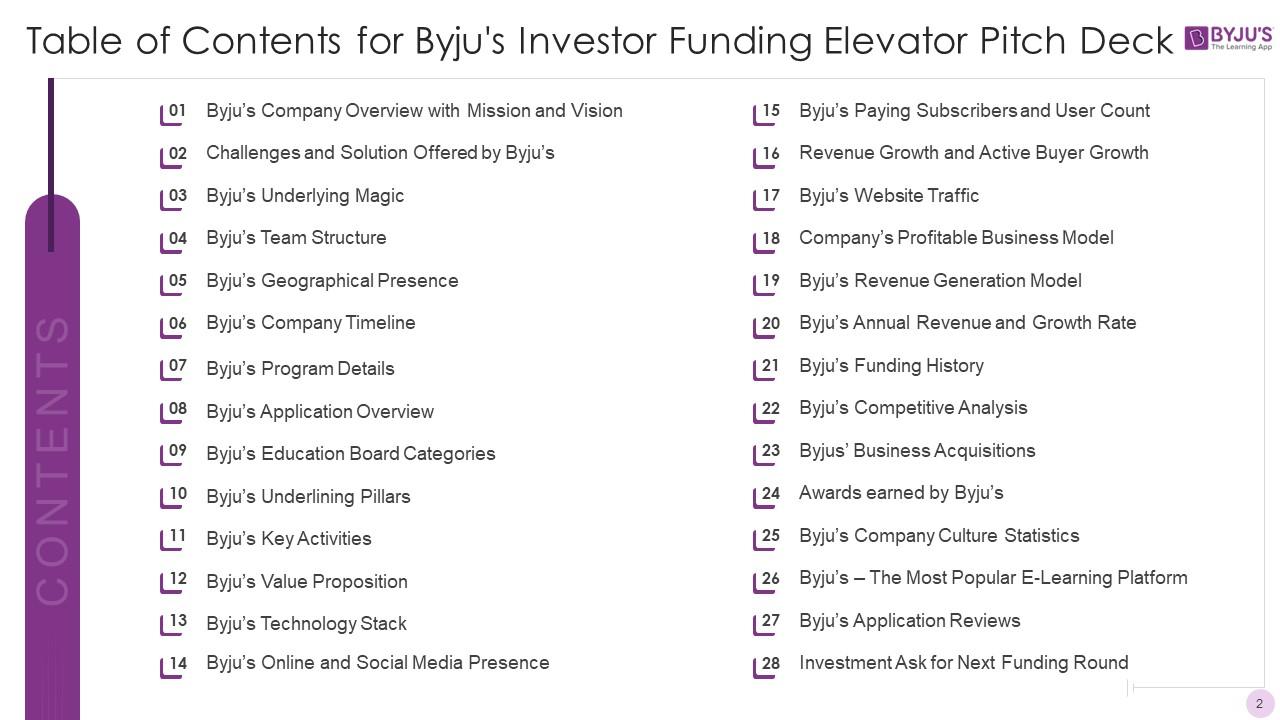
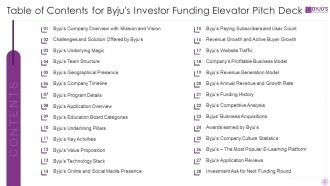
Folie 2 : Diese Folie zeigt das Inhaltsverzeichnis.
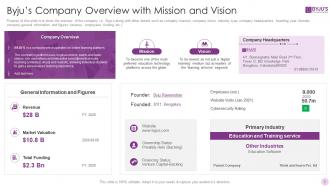
Folie 3 : Diese Folie zeigt den Überblick über das Unternehmen, dh Byju, zusammen mit anderen Details wie Unternehmensmission, Unternehmensvision, Branche usw.
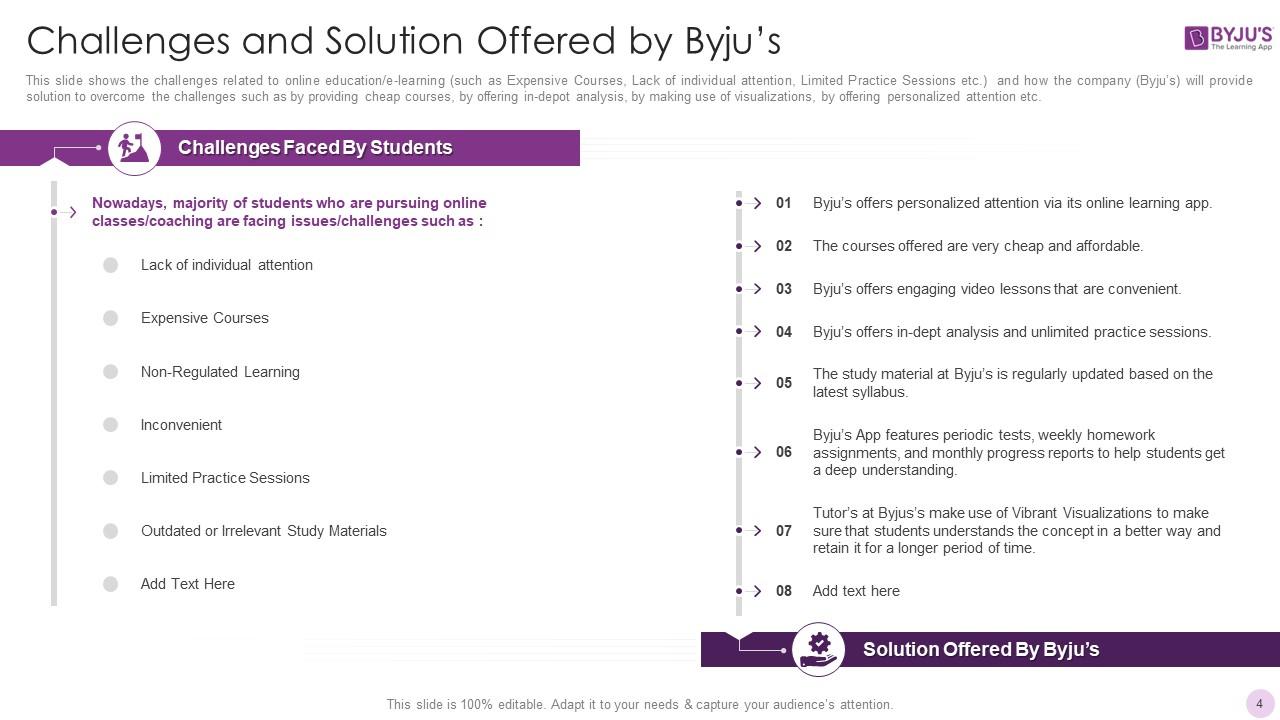
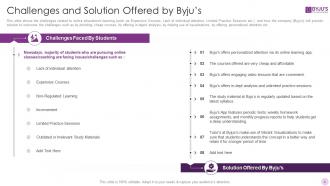
Folie 4 : Diese Folie zeigt die Herausforderungen im Zusammenhang mit Online-Bildung/E-Learning (z. B. teure Kurse, Mangel an individueller Aufmerksamkeit, begrenzte Übungssitzungen usw.).
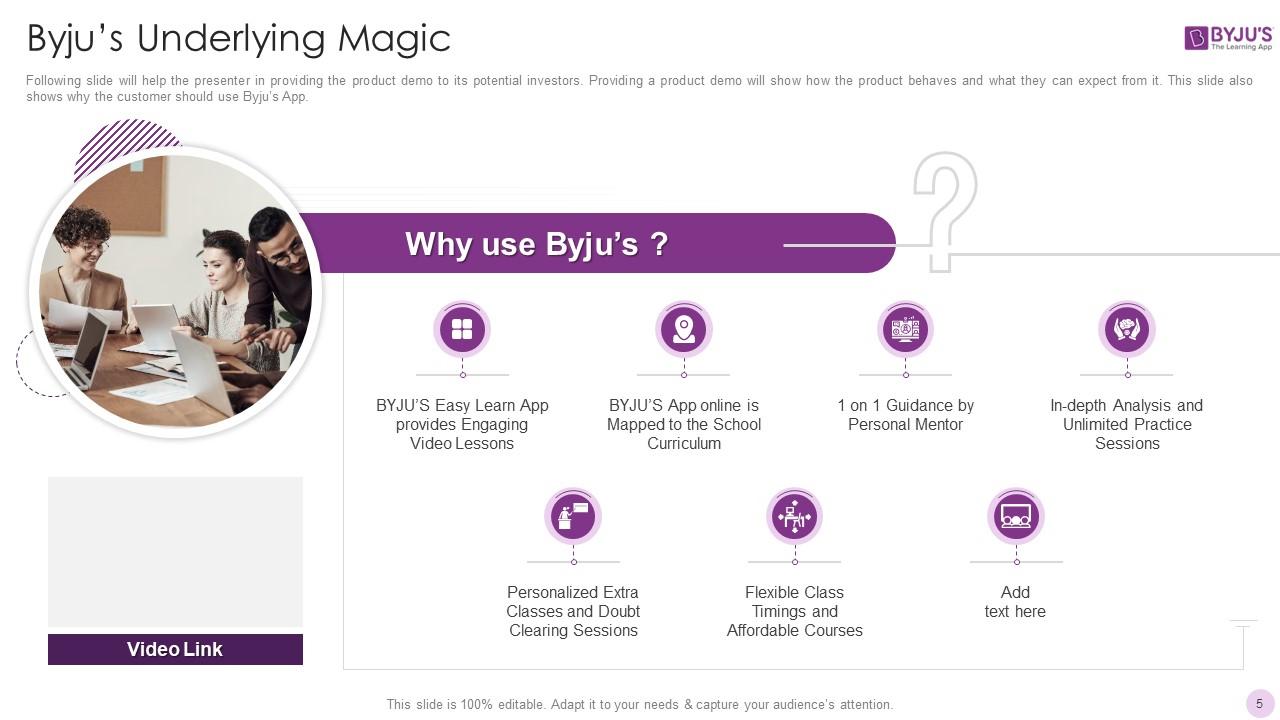
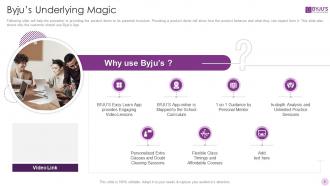
Folie 5 : Diese Folie hilft dem Präsentator bei der Bereitstellung der Produktdemo für potenzielle Investoren.
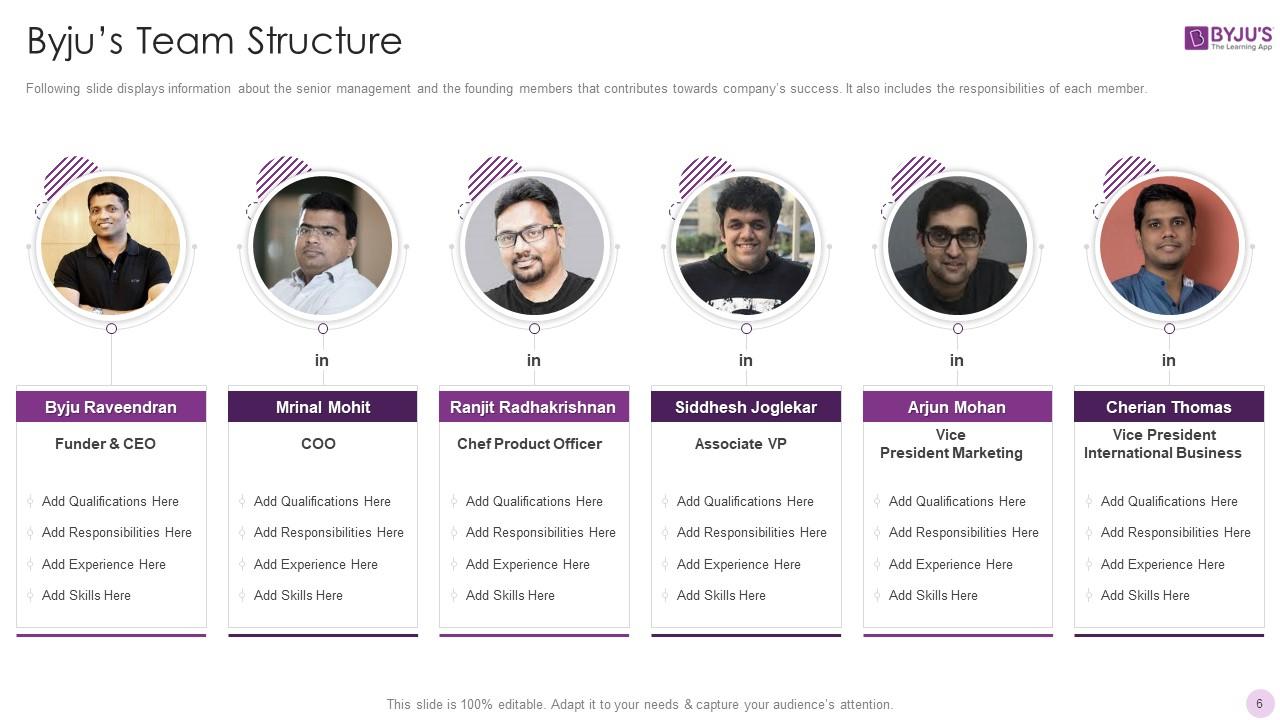
Folie 6 : Diese Folie zeigt Informationen über die Geschäftsleitung und die Gründungsmitglieder, die zum Unternehmenserfolg beitragen.
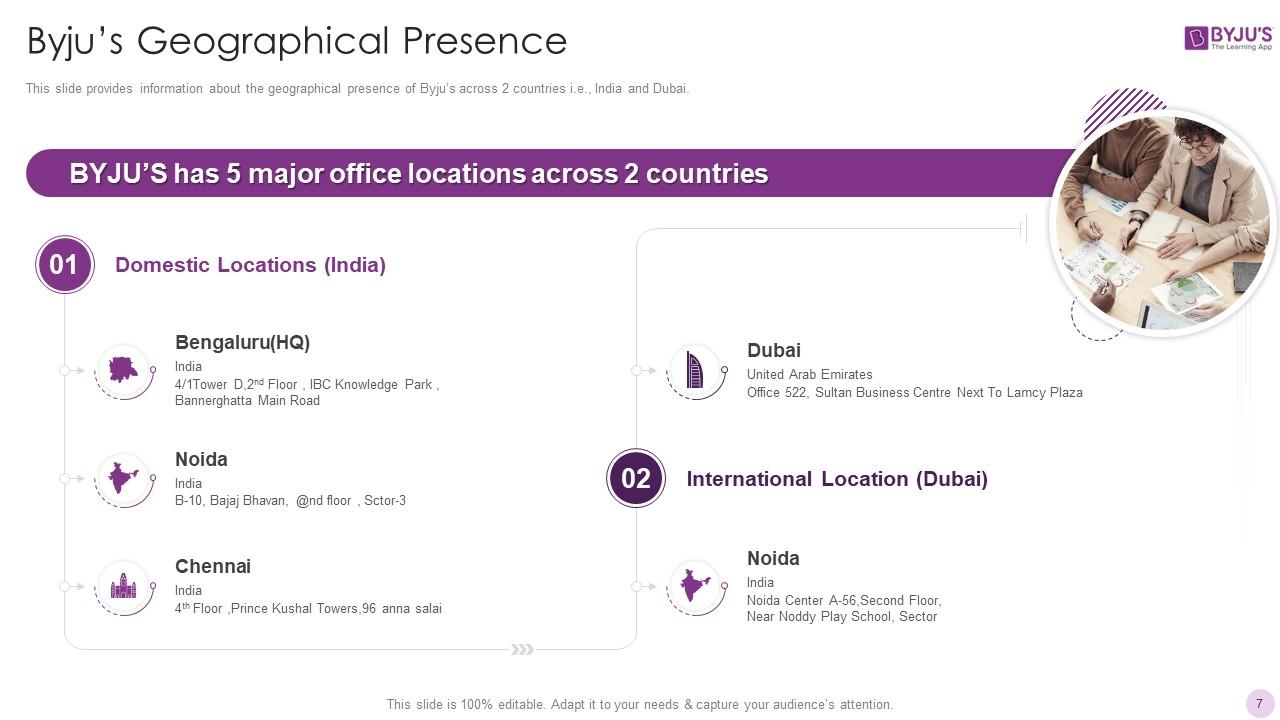
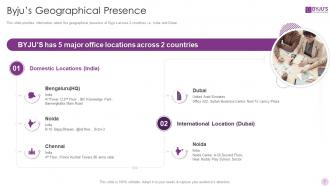
Folie 7 : Diese Folie bietet Informationen über die geografische Präsenz von Byju in 2 Ländern, dh Indien und Dubai.
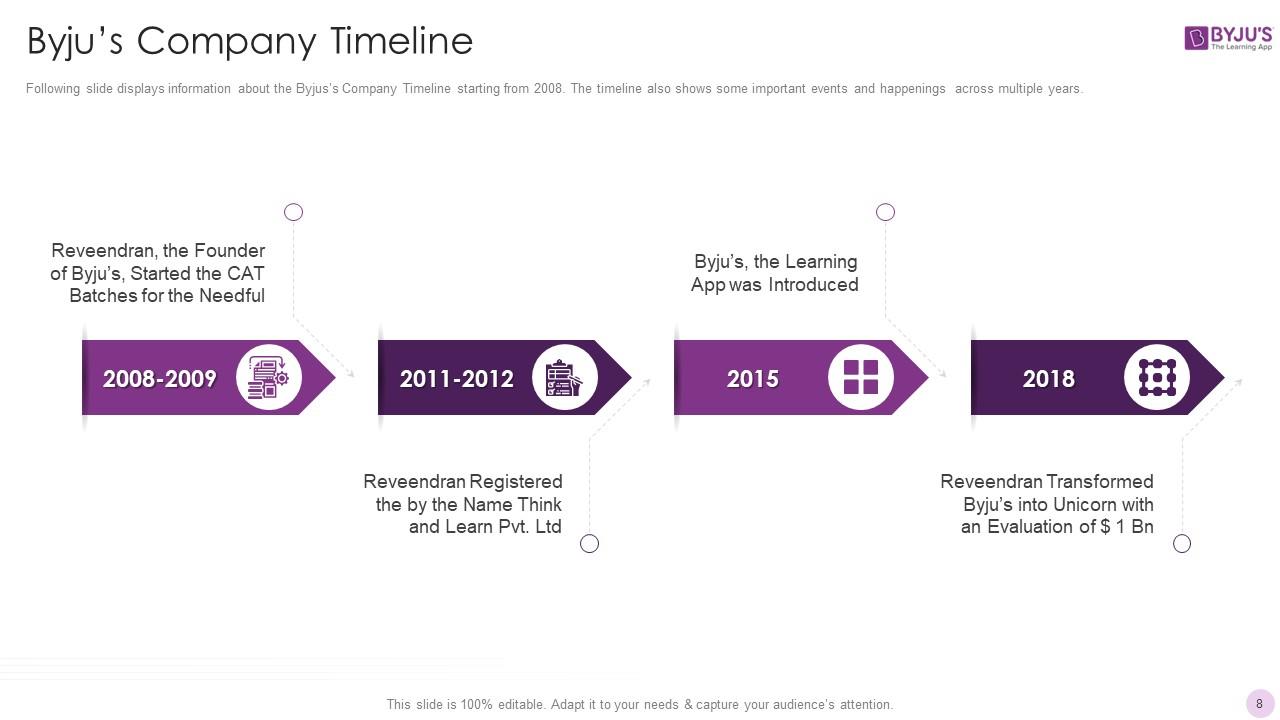
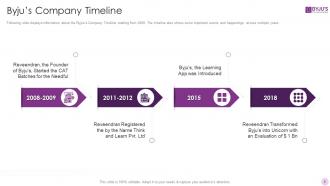
Folie 8 : Diese Folie zeigt Informationen über die Zeitachse des Unternehmens von Byjus ab 2008.
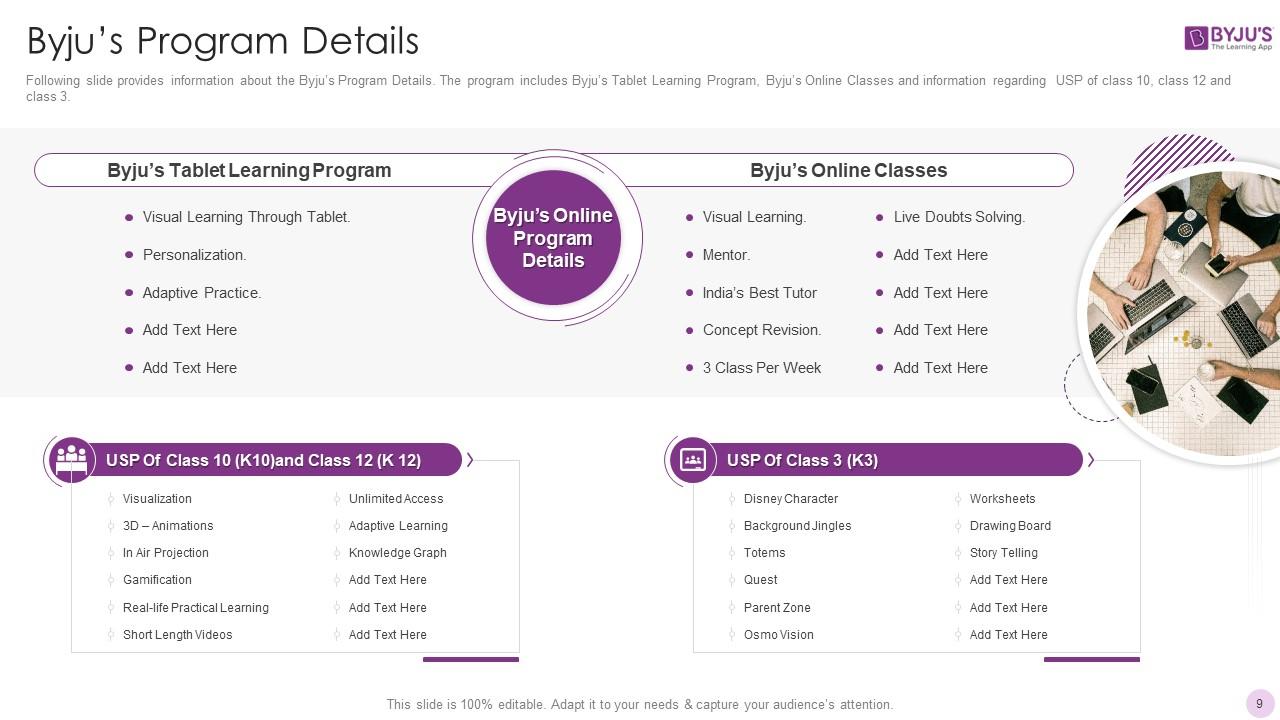
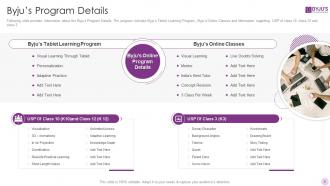
Folie 9 : Diese Folie enthält Informationen zu den Programmdetails von Byju.
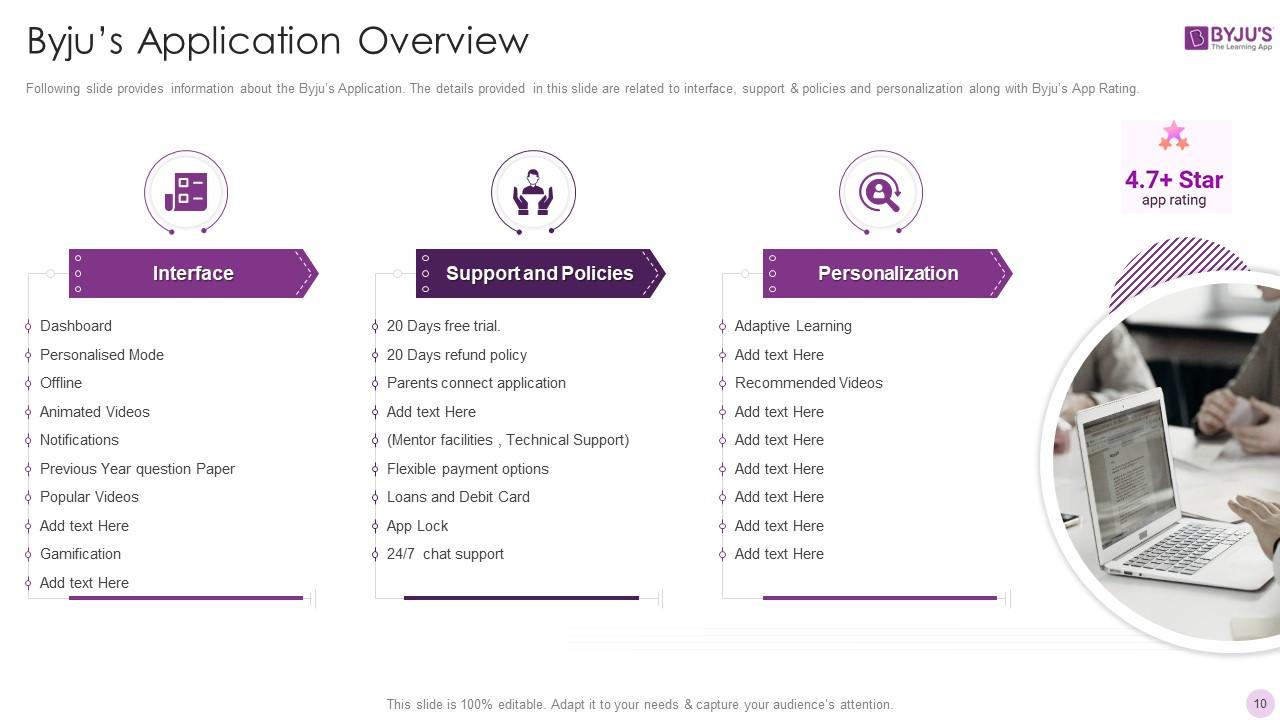
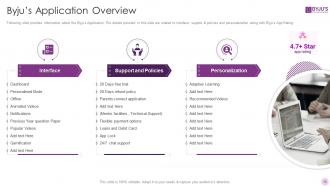
Folie 10 : Diese Folie enthält Informationen über die Anwendung von Byju.
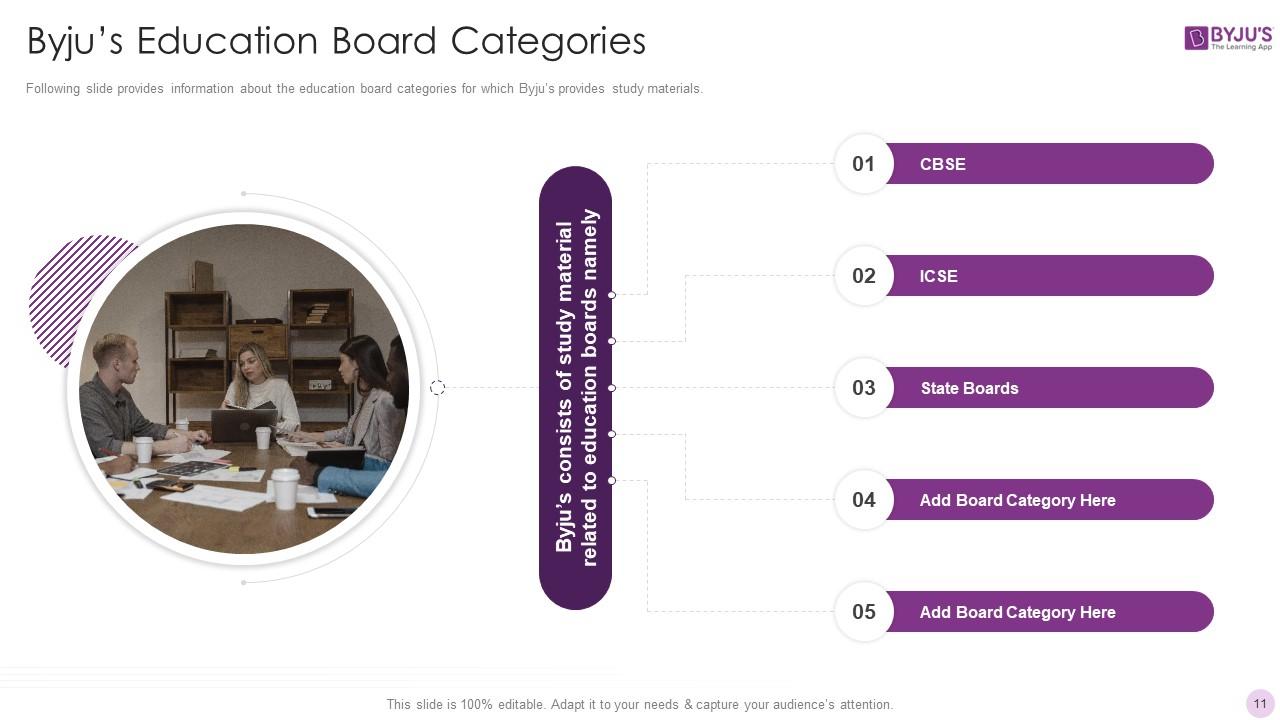
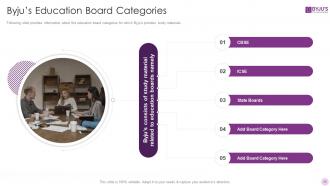
Folie 11 : Diese Folie enthält Informationen zu den Kategorien von Bildungseinrichtungen, für die Byju's Lernmaterialien bereitstellt.
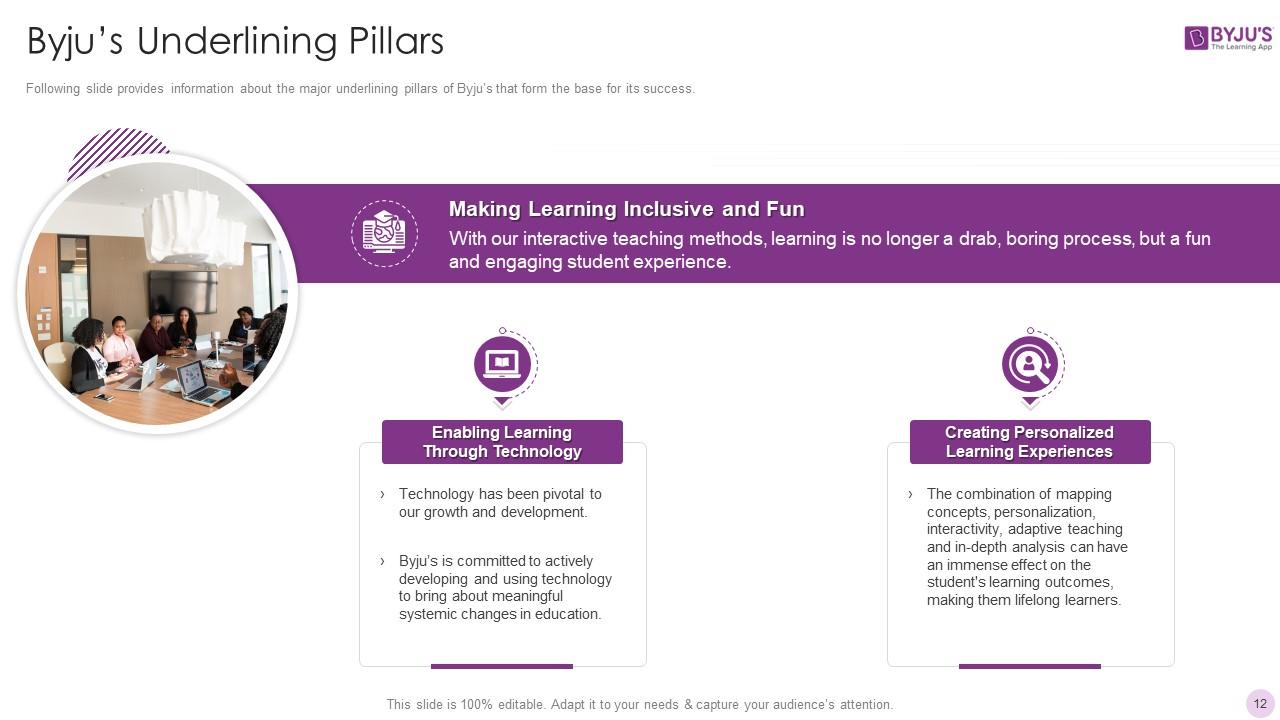
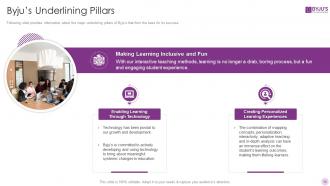
Folie 12 : Diese Folie enthält Informationen über die wichtigsten Säulen von Byju, die die Grundlage für seinen Erfolg bilden.
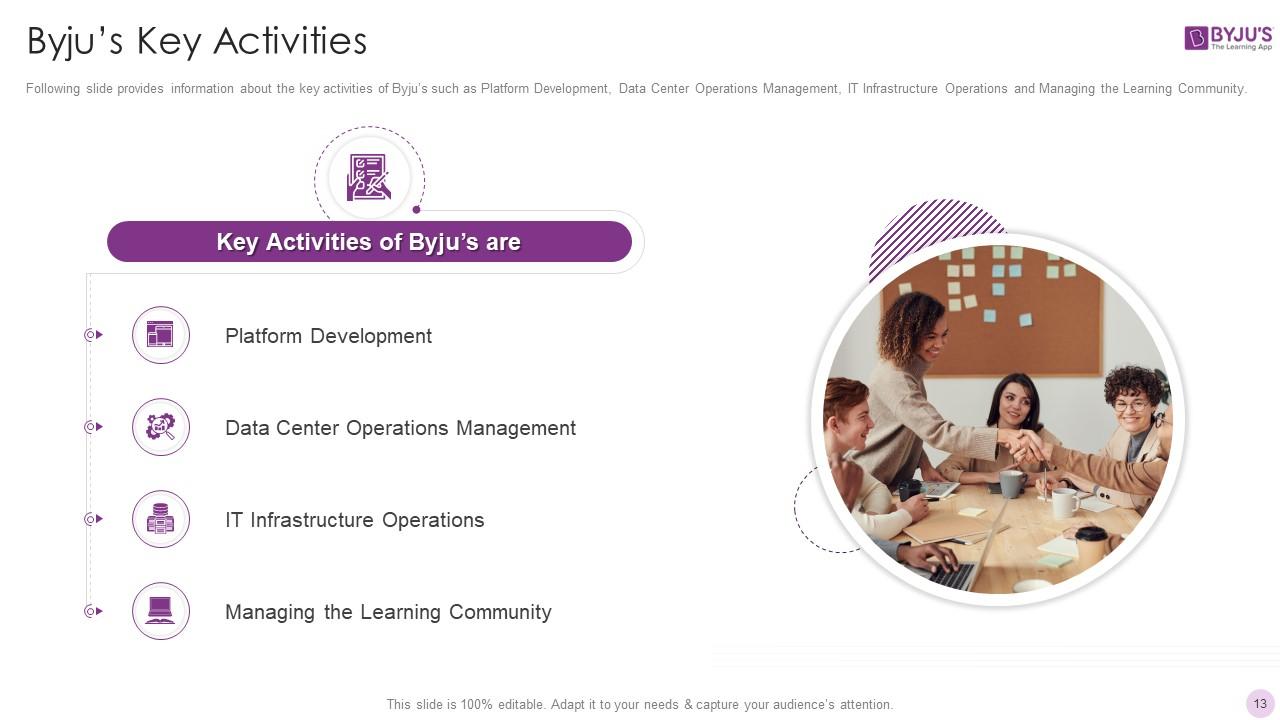
Folie 13 : Diese Folie enthält Informationen über die wichtigsten Aktivitäten von Byju wie Plattformentwicklung, Rechenzentrumsbetriebsmanagement usw.
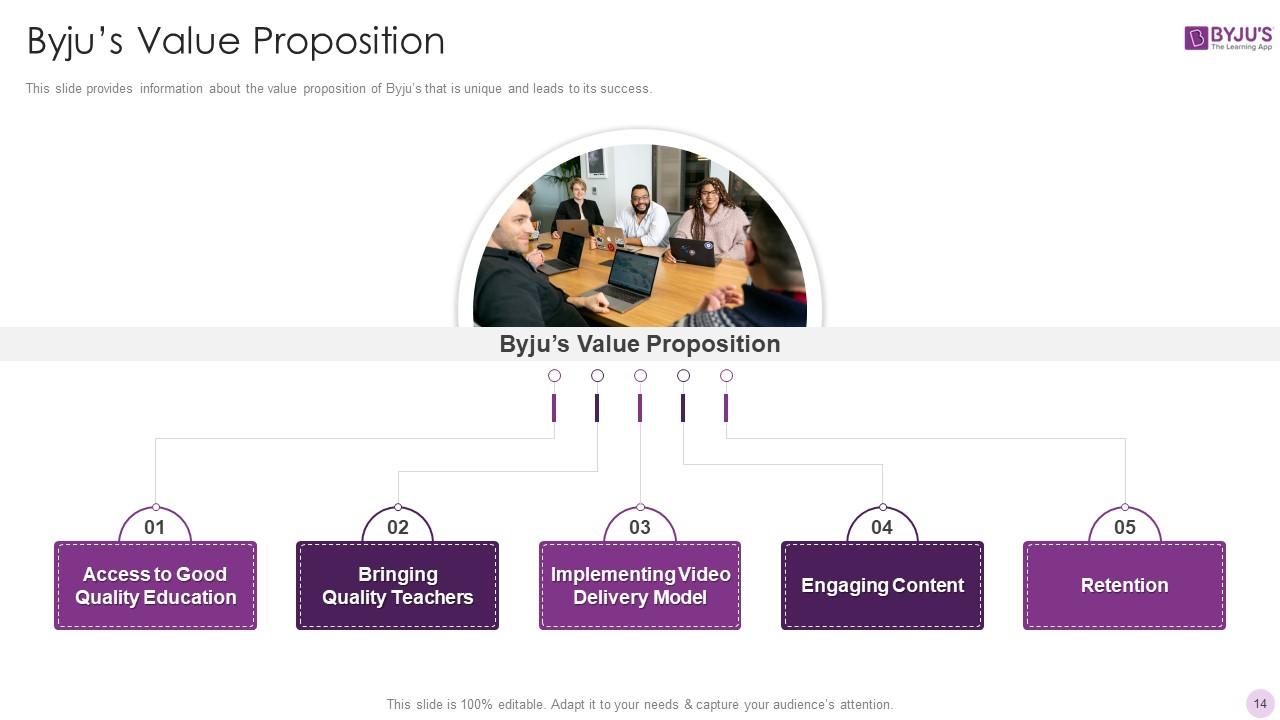
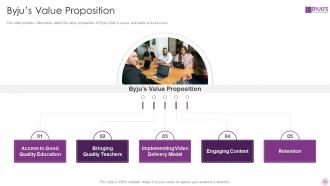
Folie 14 : Diese Folie enthält Informationen über das Wertversprechen von Byju, das einzigartig ist und zu seinem Erfolg führt.
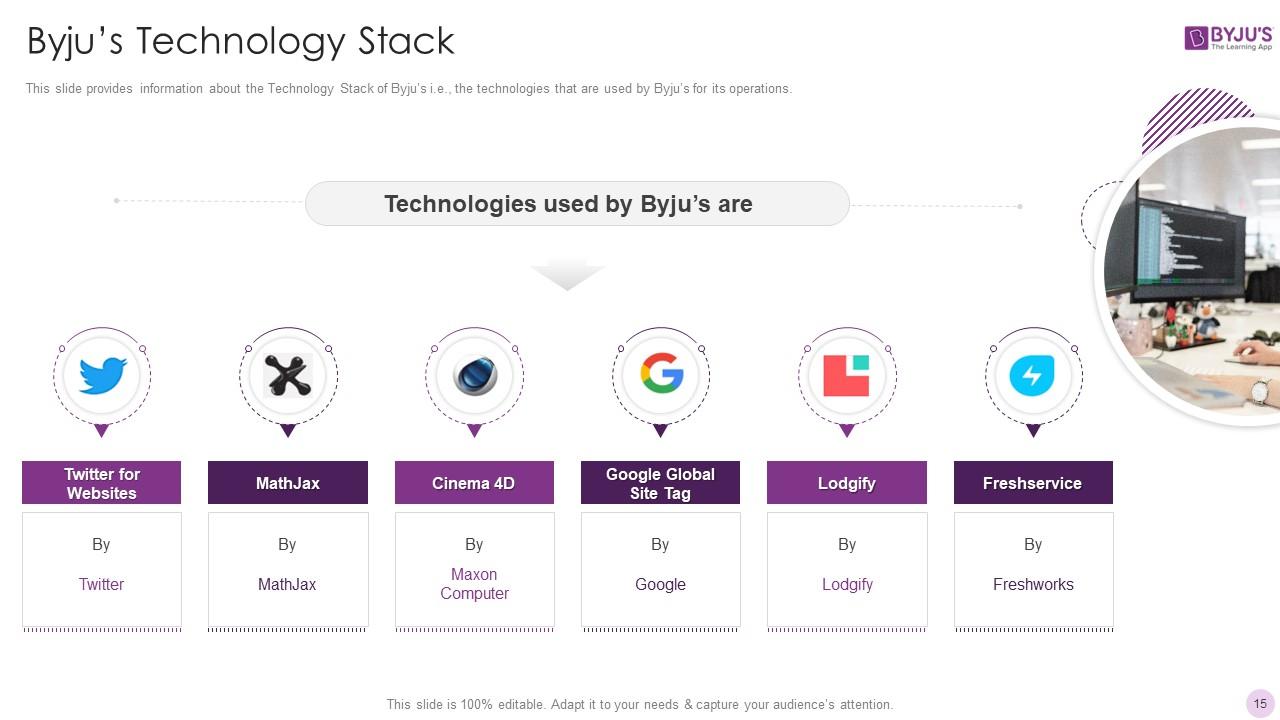
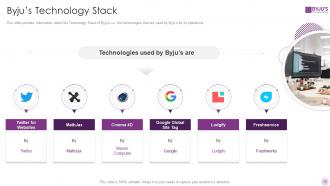
Folie 15 : Diese Folie enthält Informationen über den Technologie-Stack von Byju, dh die Technologien, die von Byju für seinen Betrieb verwendet werden.
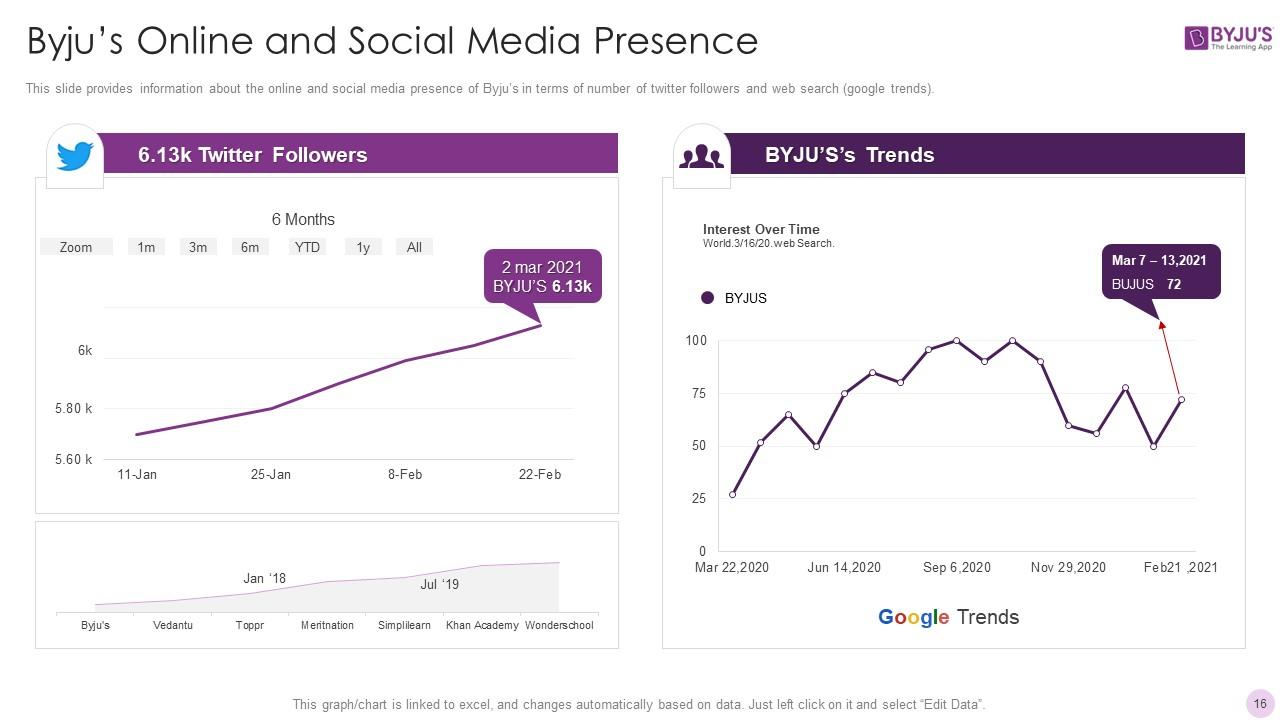
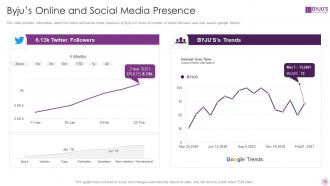
Folie 16 : Diese Folie bietet Informationen über die Online- und Social-Media-Präsenz von Byju in Bezug auf die Anzahl der Twitter-Follower und die Websuche (Google-Trends).
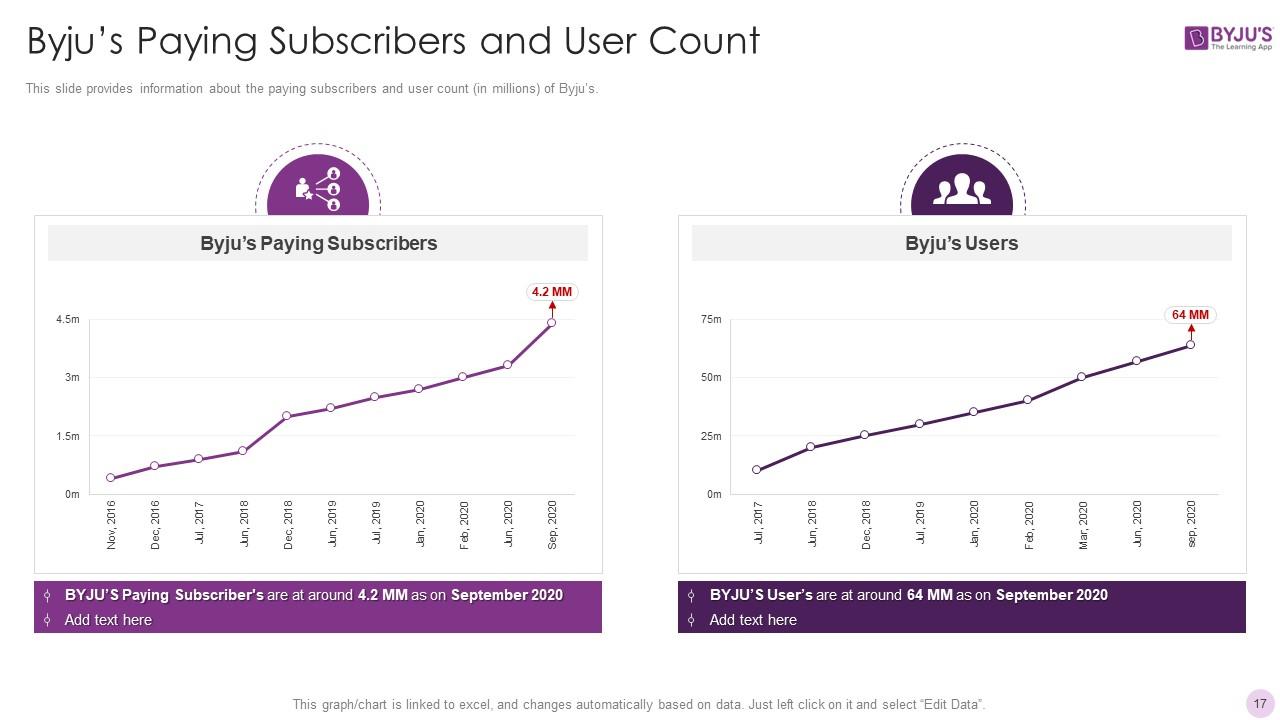
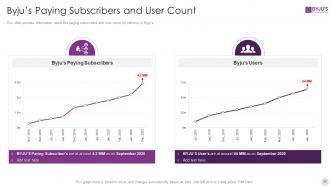
Folie 17 : Diese Folie enthält Informationen über die Zahl der zahlenden Abonnenten und Benutzer (in Millionen) von Byju.
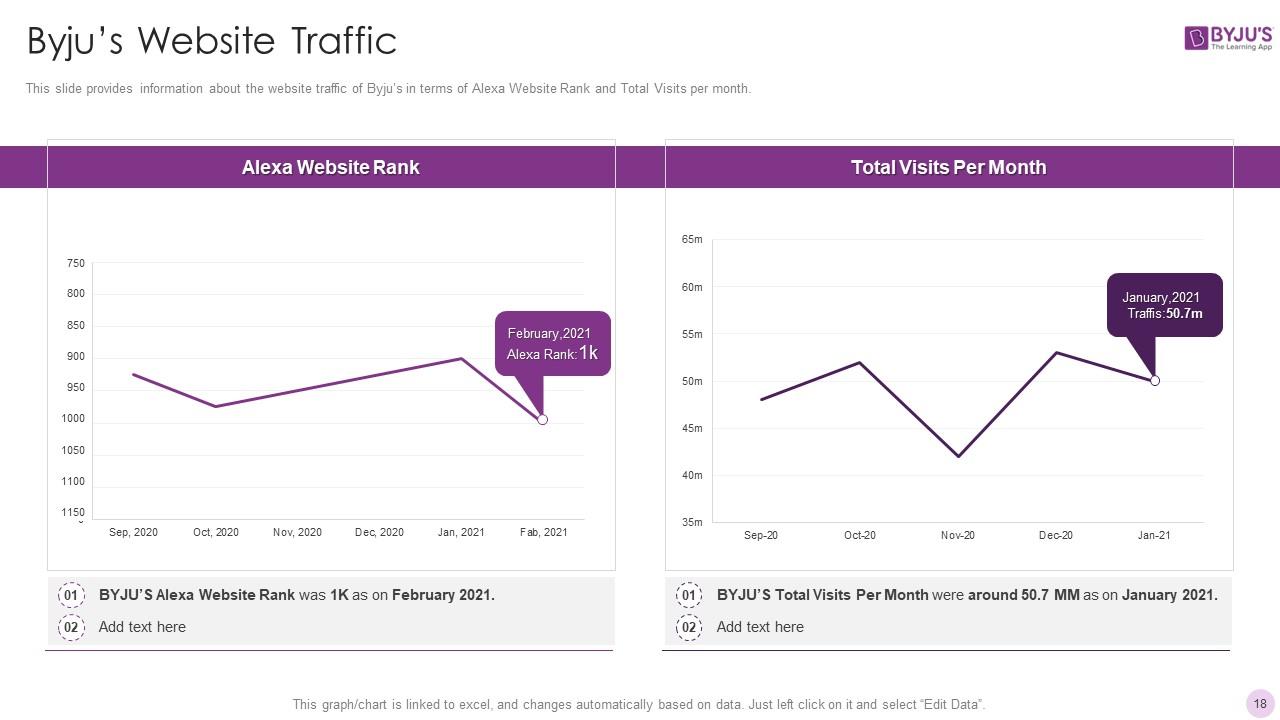
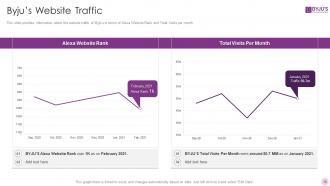
Folie 18 : Diese Folie bietet Informationen über den Website-Verkehr von Byju's in Bezug auf den Alexa-Website-Rang und die Gesamtzahl der Besuche pro Monat.
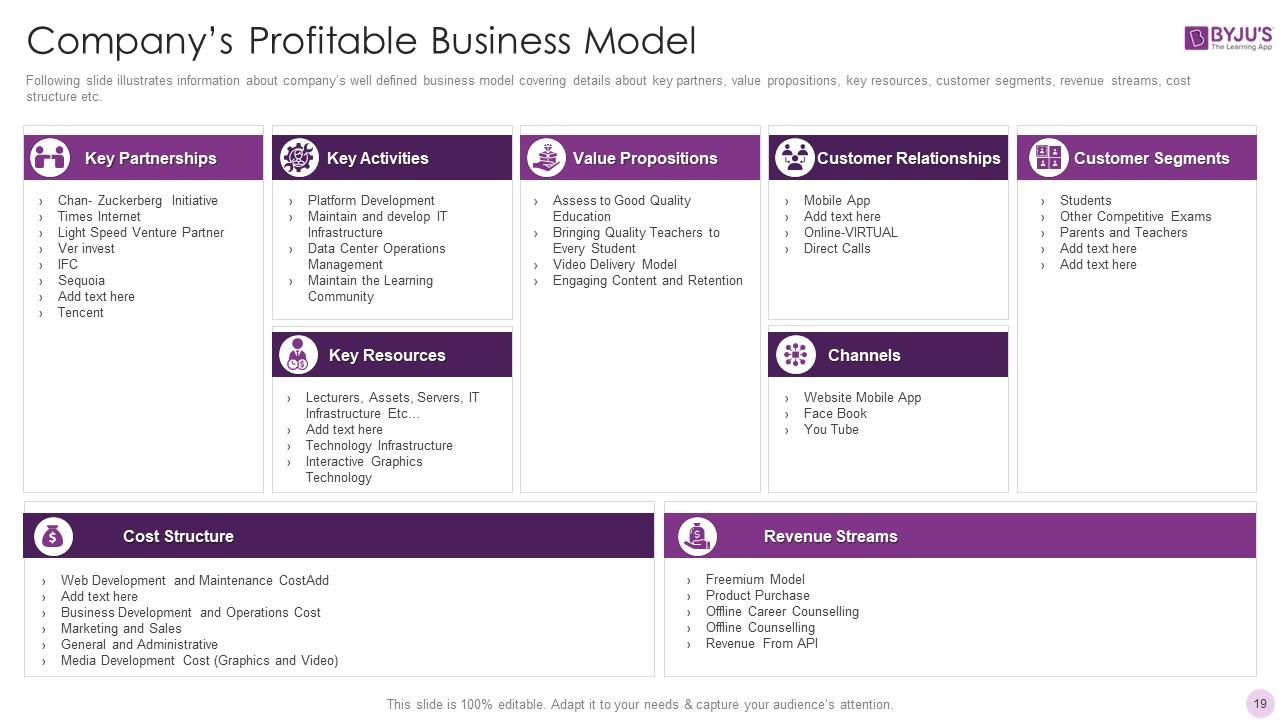
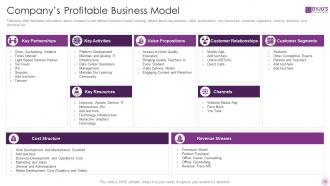
Folie 19 : Diese Folie veranschaulicht Informationen über das klar definierte Geschäftsmodell des Unternehmens und enthält Details zu wichtigen Partnern, Wertversprechen usw.
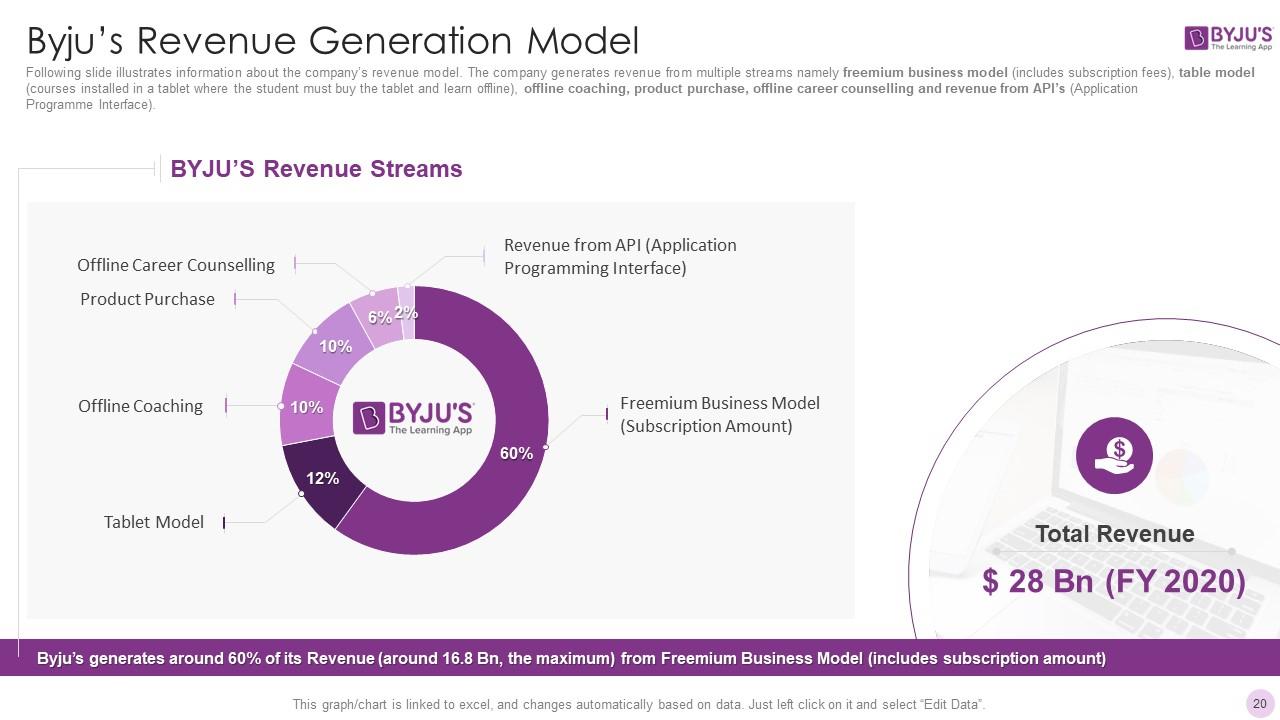
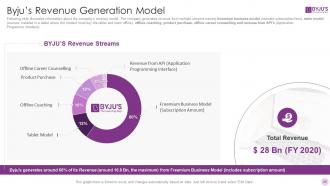
Folie 20 : Diese Folie veranschaulicht Informationen über das Ertragsmodell des Unternehmens.
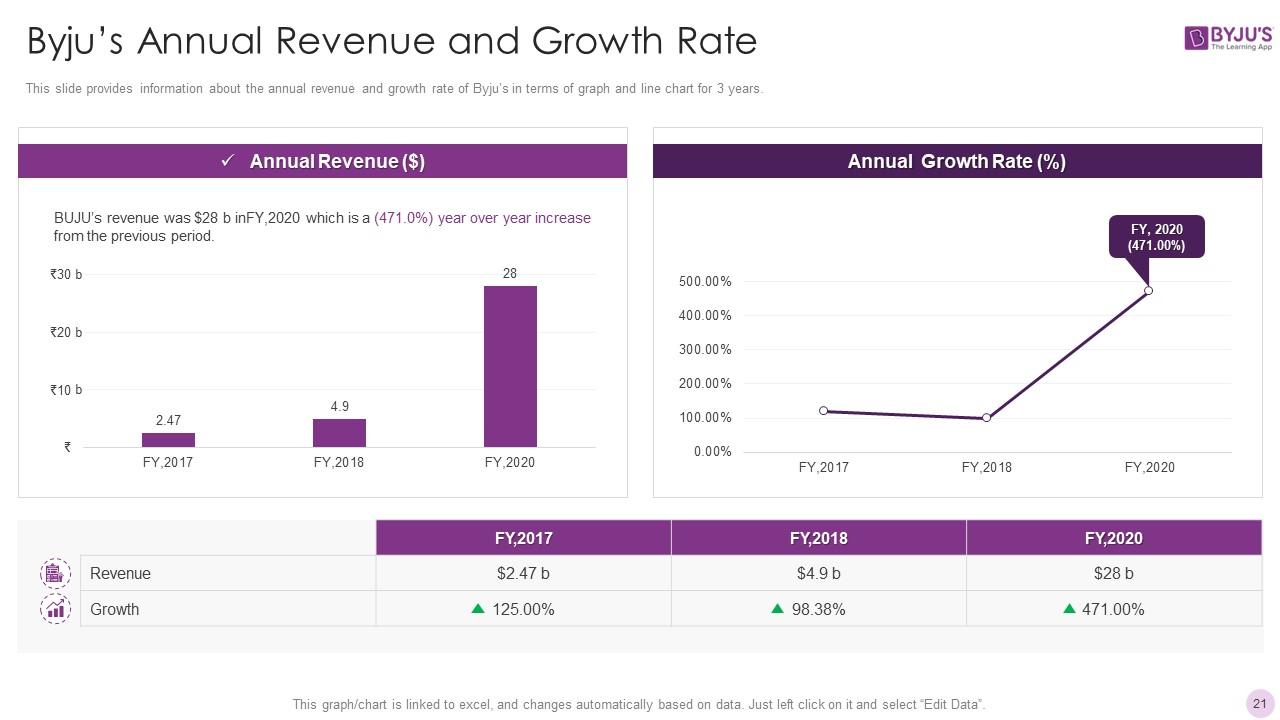
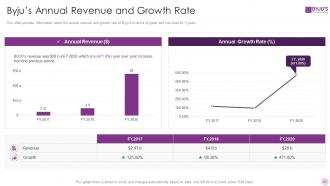
Folie 21 : Diese Folie bietet Informationen über den Jahresumsatz und die Wachstumsrate von Byju's in Form von Diagrammen und Liniendiagrammen für 3 Jahre.
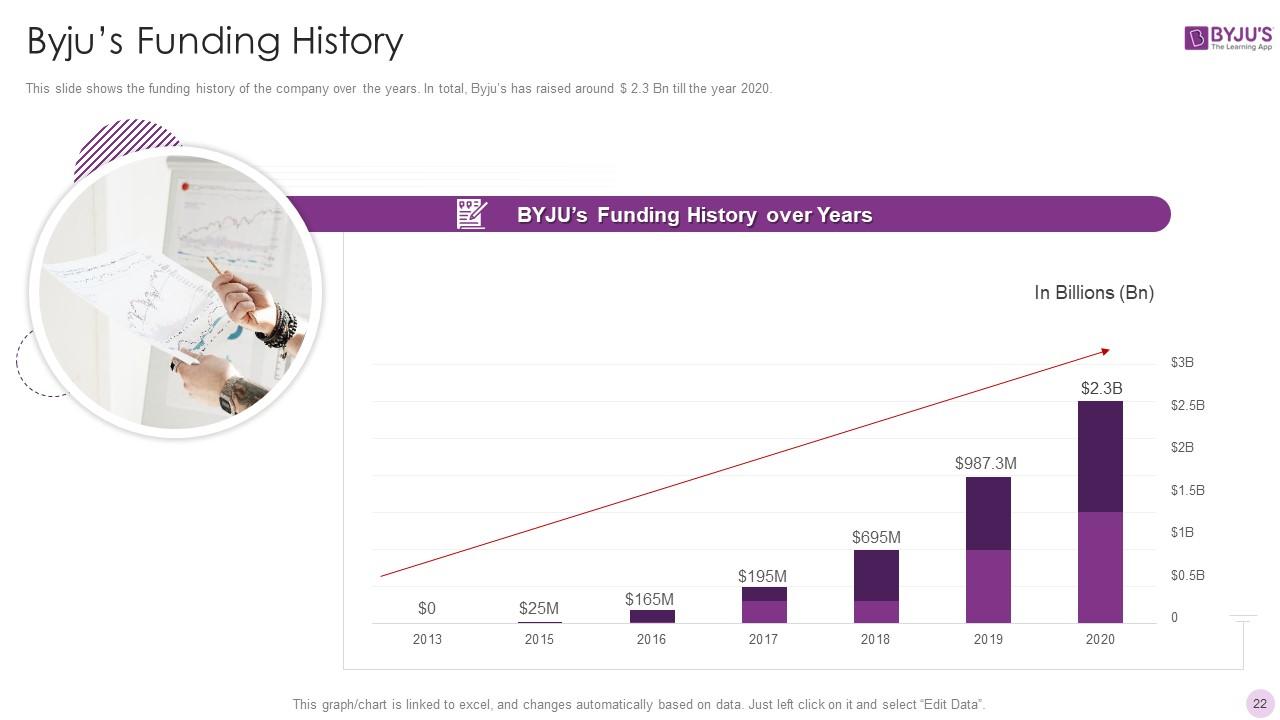
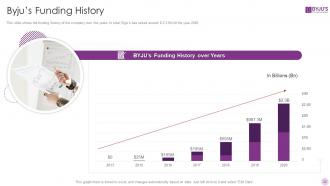
Folie 22 : Diese Folie zeigt die Finanzierungsgeschichte des Unternehmens im Laufe der Jahre. Insgesamt hat Byju's bis zum Jahr 2020 rund 2,3 Milliarden US-Dollar gesammelt.
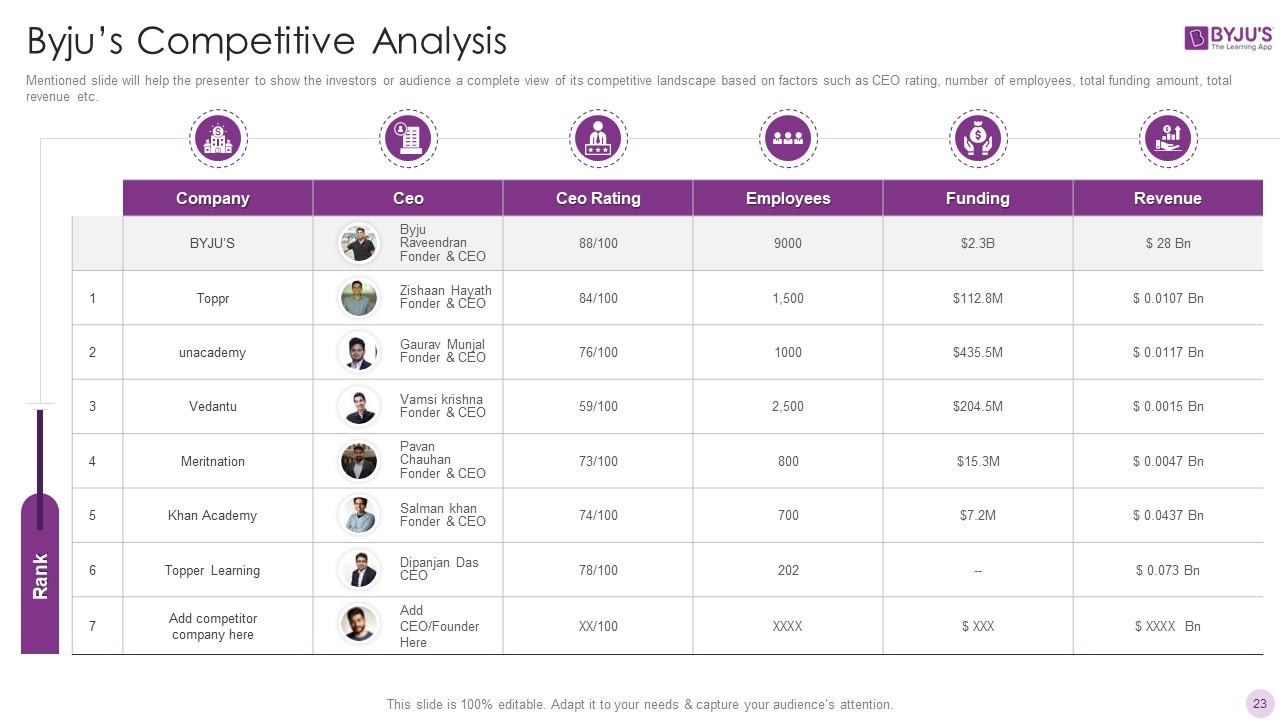
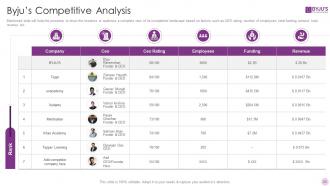
Folie 23 : Diese Folie hilft dem Präsentator, den Investoren oder dem Publikum einen vollständigen Überblick über seine Wettbewerbslandschaft basierend auf Faktoren zu geben.
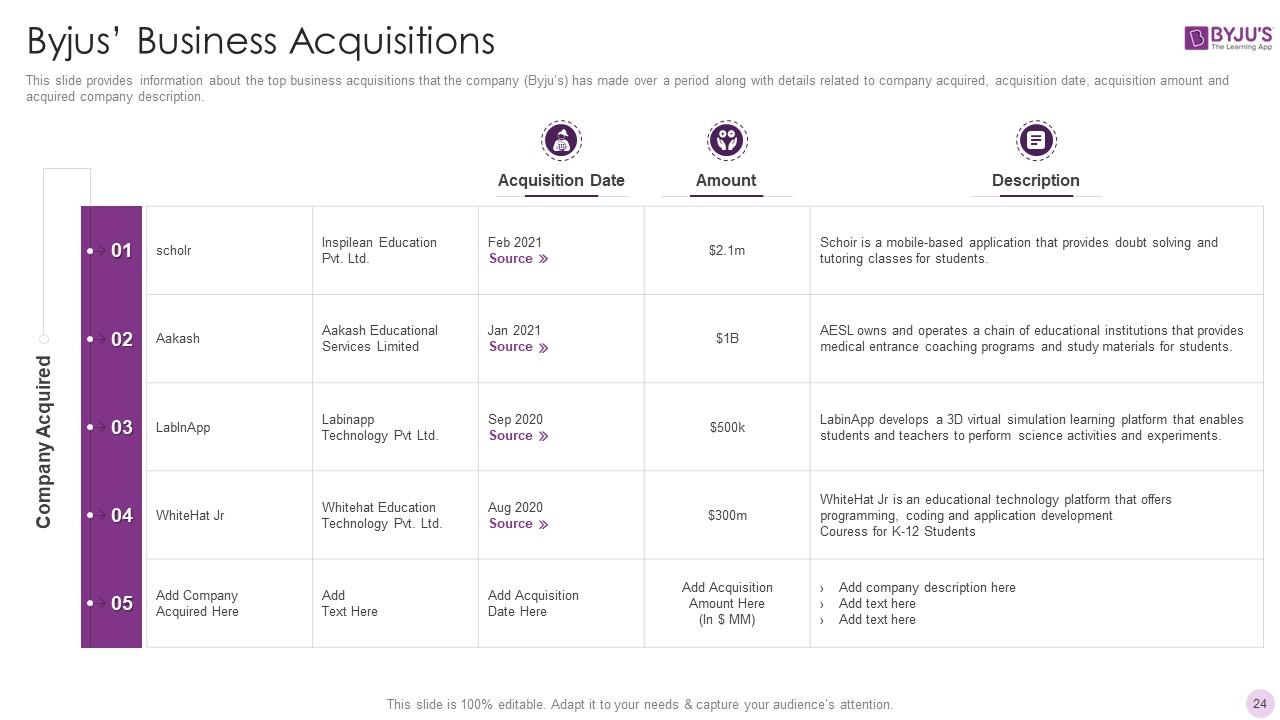
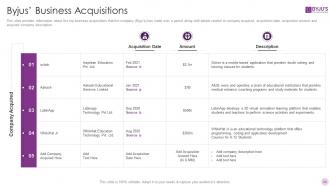
Folie 24 : Diese Folie enthält Informationen zu den wichtigsten Unternehmensakquisitionen, die das Unternehmen (Byju's) in einem bestimmten Zeitraum getätigt hat.
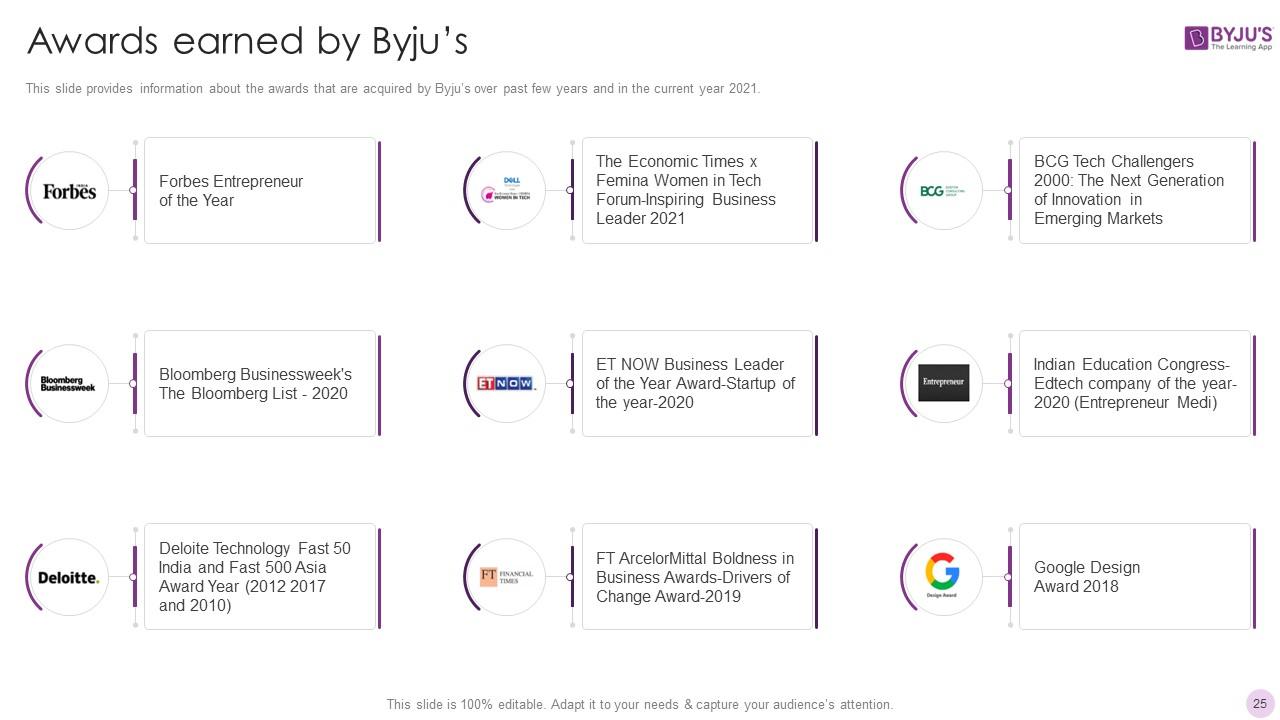
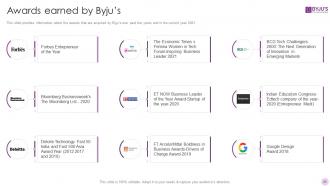
Folie 25 : Diese Folie enthält Informationen über die Auszeichnungen, die Byju in den letzten Jahren und im laufenden Jahr 2021 erhalten hat.
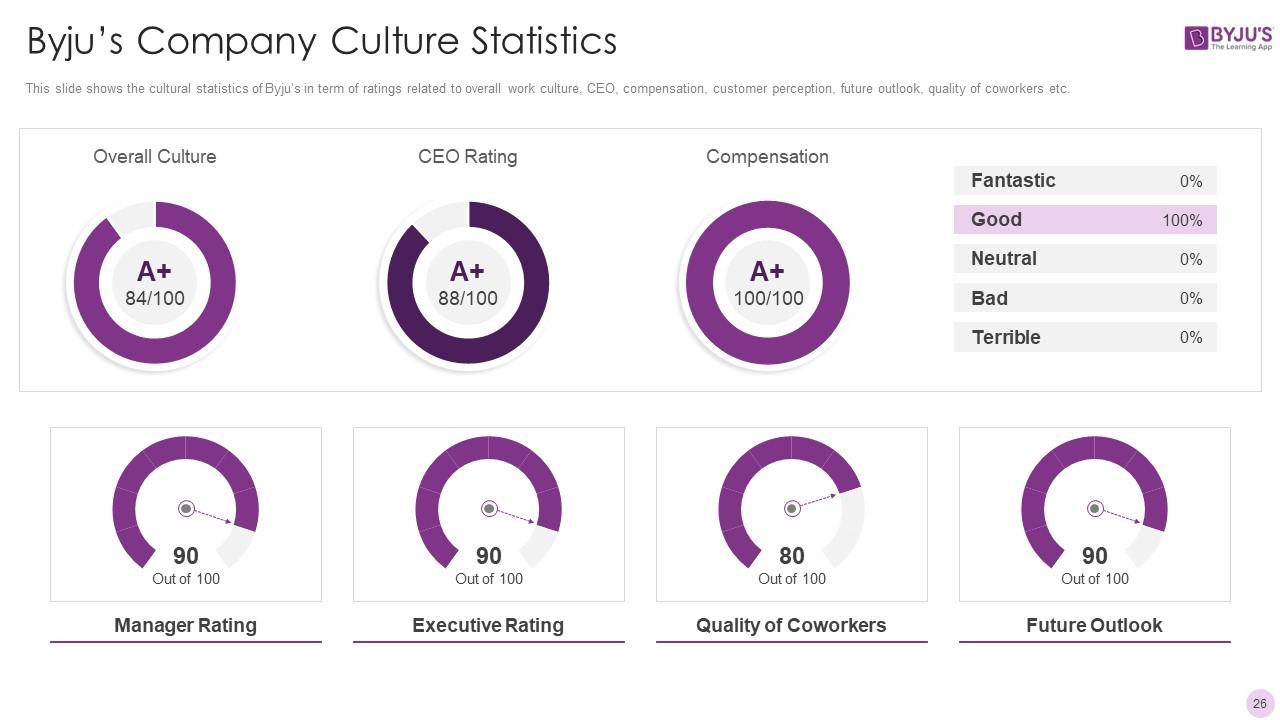
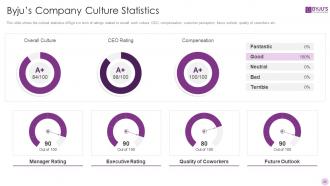
Folie 26 : Diese Folie zeigt die kulturellen Statistiken von Byju in Bezug auf Bewertungen in Bezug auf die allgemeine Arbeitskultur, den CEO, die Vergütung, die Kundenwahrnehmung usw.
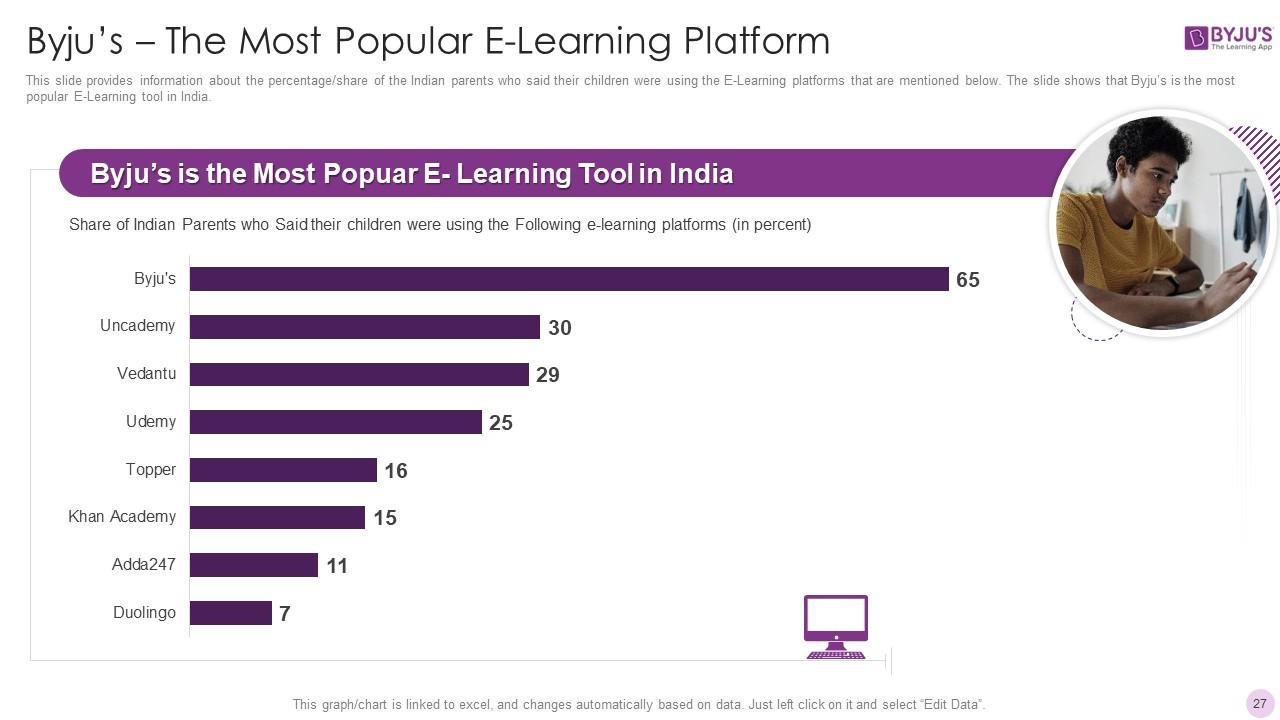
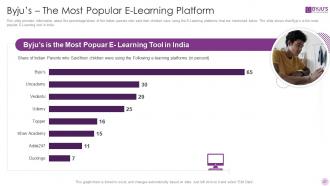
Folie 27 : Diese Folie gibt Auskunft über den Prozentsatz/Anteil der indischen Eltern, die angaben, dass ihre Kinder die E-Learning-Plattformen nutzen.
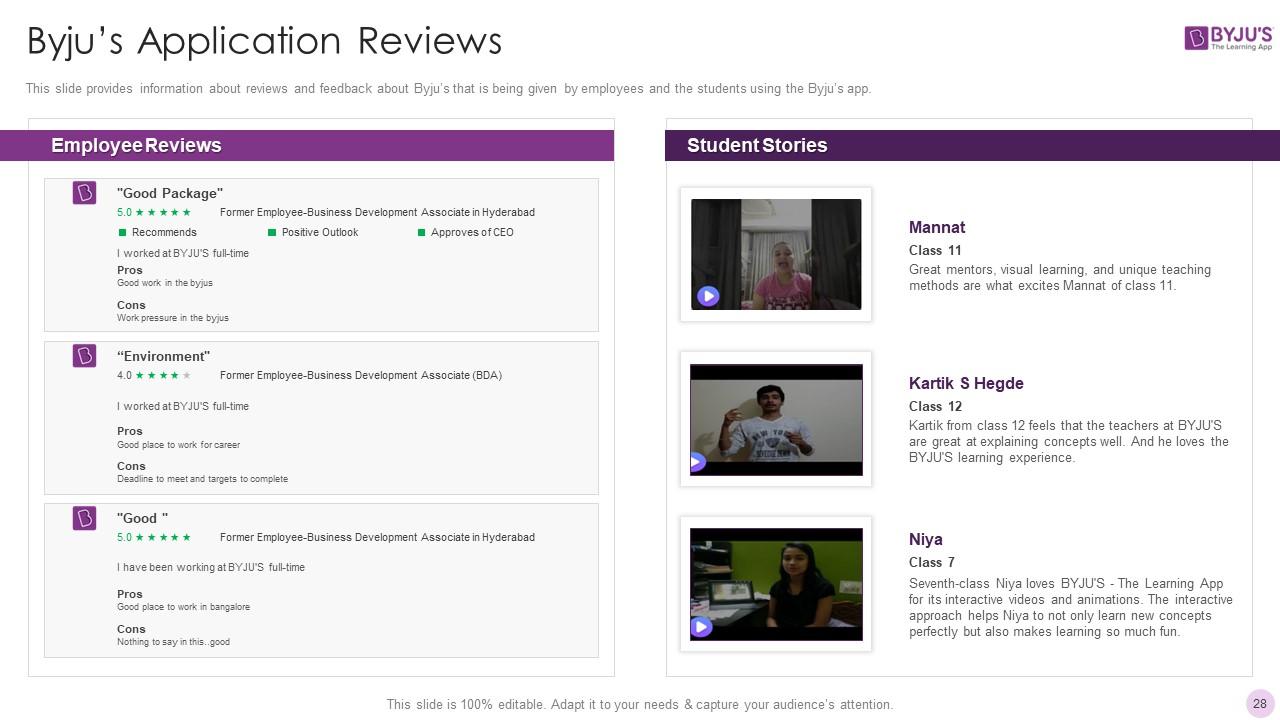
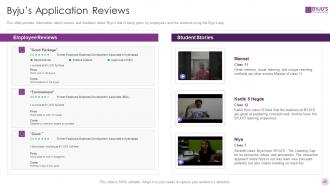
Folie 28 : Diese Folie enthält Informationen zu Bewertungen und Feedback zu Byju's, die von Mitarbeitern und Schülern abgegeben werden, die die Byju's-App verwenden.
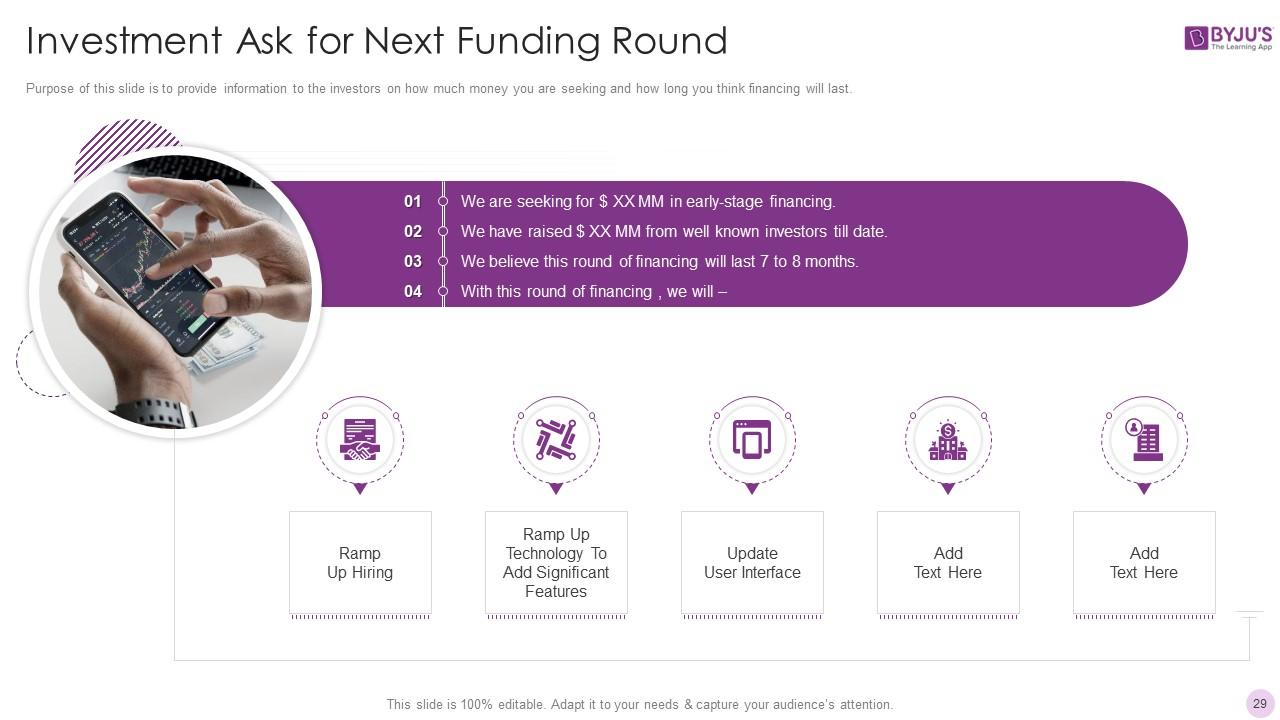
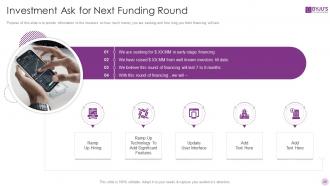
Folie 29 : Diese Folie informiert die Investoren darüber, wie viel Geld Sie suchen und wie lange die Finanzierung Ihrer Meinung nach dauern wird.
Folie 30 : Dies ist die Symbolfolie.
Folie 31 : Diese Folie enthält Titel für zusätzliche Folien.
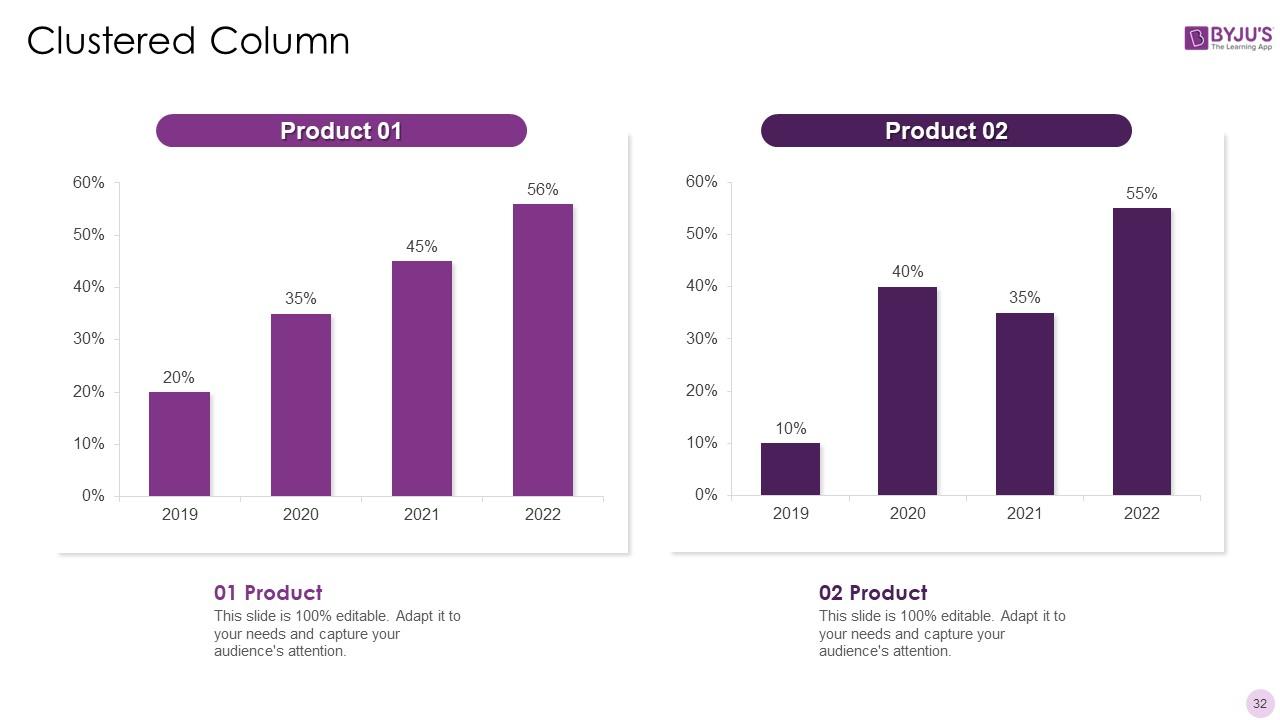
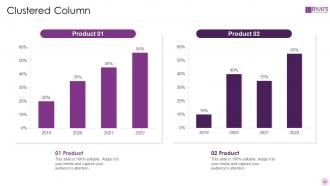
Folie 32 : Diese Folie zeigt jährlich gruppierte Säulendiagramme für verschiedene Produkte. Die Diagramme sind mit Excel verknüpft.
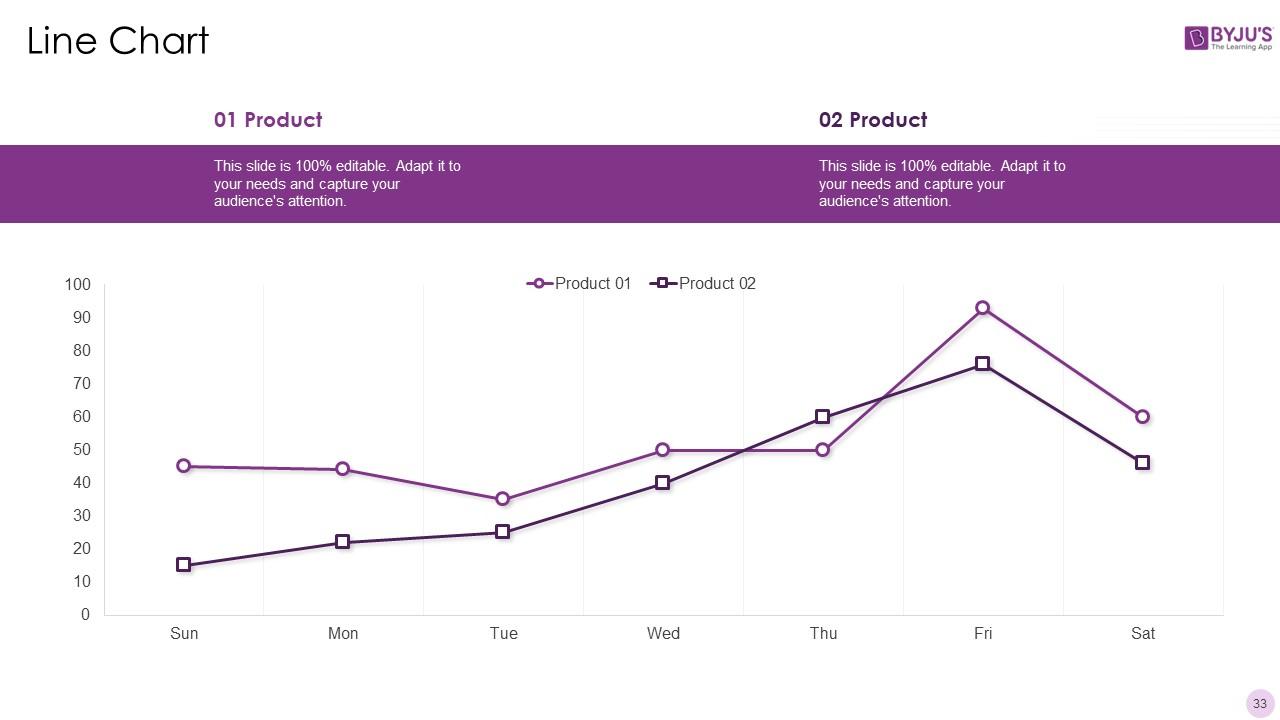
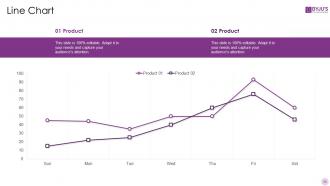
Folie 33 : Diese Folie zeigt wöchentliche Liniendiagramme für verschiedene Produkte. Die Diagramme sind mit Excel verknüpft.
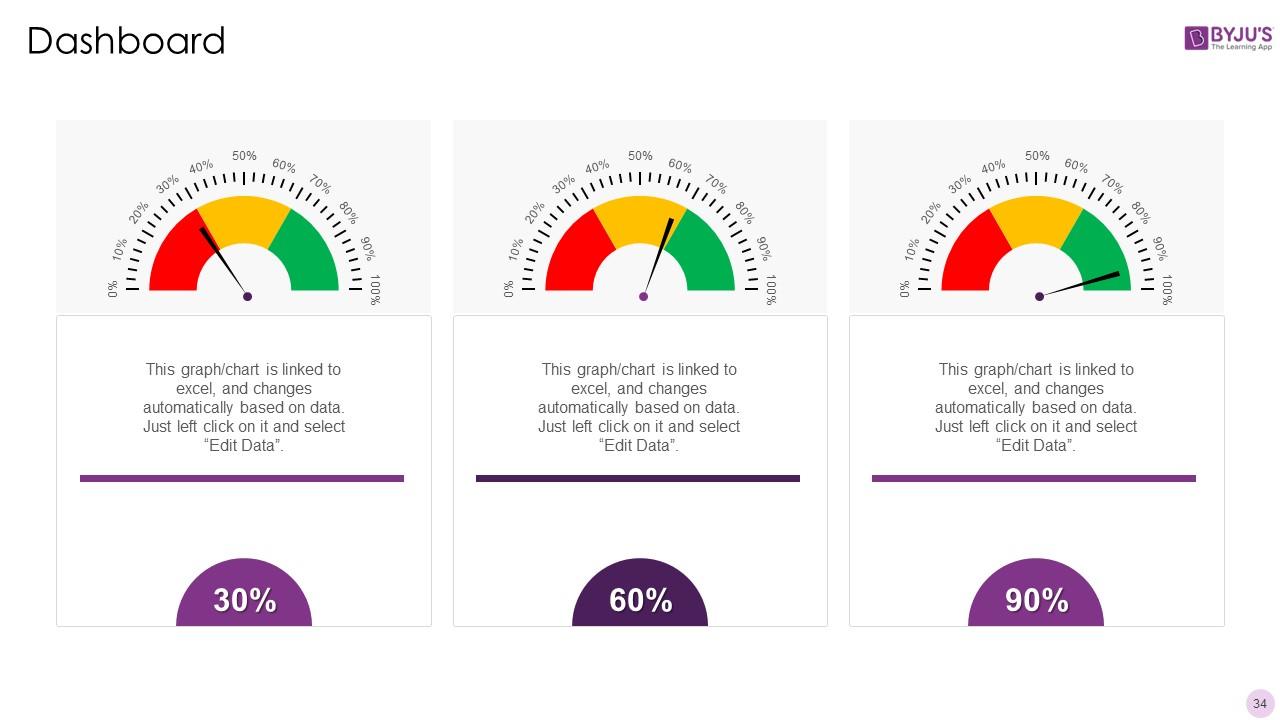
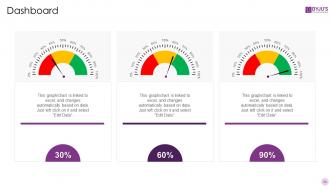
Folie 34 : Diese Folie zeigt das Dashboard.
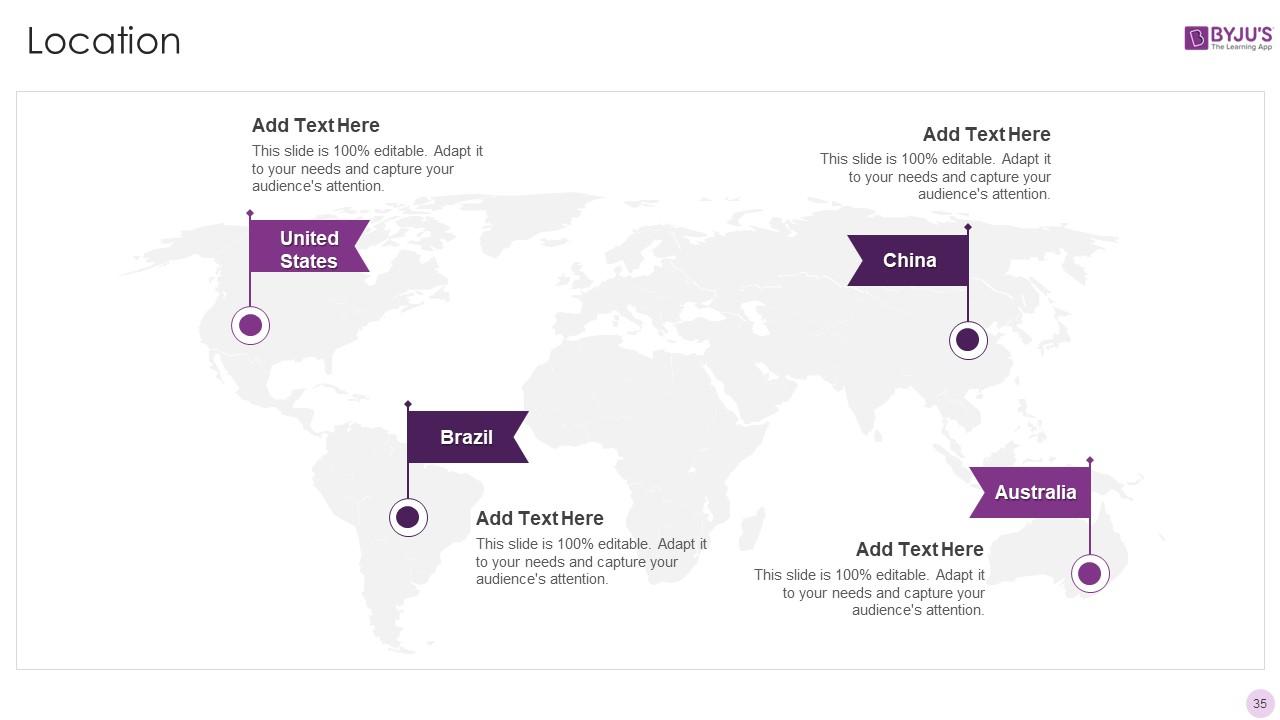
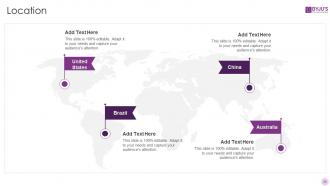
Folie 35 : Diese Folie zeigt den Standort des Unternehmens auf der Weltkarte.
Folie 36 : Diese Folie zeigt generierte Ideen.
Folie 37 : Diese Folie zeigt ein Rätsel.
Folie 38 : Diese Folie zeigt Ihr Unternehmen, Ihre Zielgruppe und die Werte Ihrer Kunden.
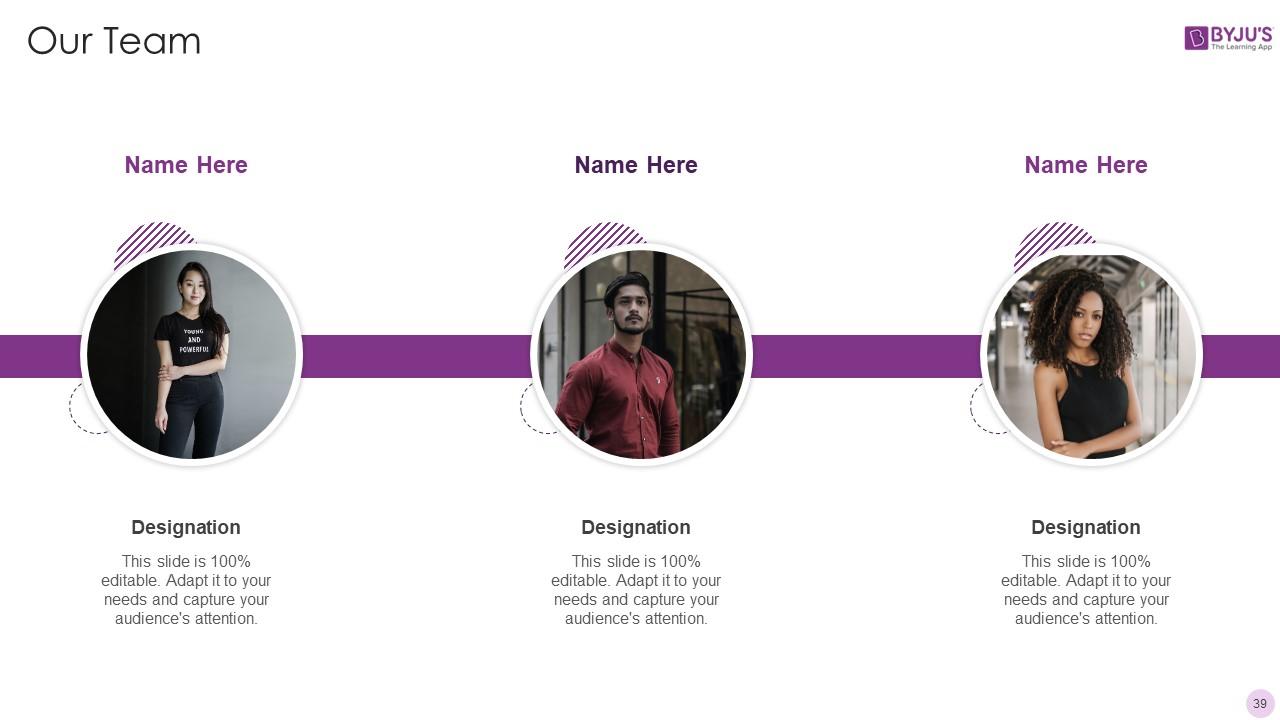
Folie 39 : Diese Folie zeigt Details von Teammitgliedern wie Name, Bezeichnung usw.
Folie 40 : Diese Folie präsentiert die Vision, Mission und Ziele Ihres Unternehmens.
Folie 41 : Dies ist eine Dankesfolie und enthält Kontaktdaten des Unternehmens wie Büroadresse, Telefonnummer usw.
Byjus Investor Funding Elevator Pitch Deck Ppt-Vorlage mit allen 46 Folien:
Verwenden Sie unsere Byjus Investor Funding Elevator Pitch Deck Ppt-Vorlage, um Ihnen effektiv dabei zu helfen, Ihre wertvolle Zeit zu sparen. Sie sind gebrauchsfertig und passen in jede Präsentationsstruktur.
-
Loved the fact that SlideTeam provides clean, high-definition, and professional PowerPoint products.
-
The team is highly dedicated and professional. They deliver their work on time and with perfection.
