


Papel do CIO na Transformação Digital Apresentação em Powerpoint Slides
TI pode usar a transformação digital para fortalecer as conexões internas e influenciar a estratégia e as decisões de compra. A TI agora está permitindo a transformação dos negócios, ajudando as organizações a competir, crescer e inovar. Aqui está um modelo projetado profissionalmente sobre a função do CIO na transformação digital que analisará os desafios dos profissionais, um estudo detalhado das funções e habilidades relacionadas aos profissionais de TI antes e durante o COVID-19 e estudará os requisitos de qualificação para as funções principais dos profissionais de TI. Esta apresentação fornece informações sobre os desafios profissionais de TI relacionados às habilidades técnicas, o papel dos profissionais de TI antes e durante as pandemias e o impacto da lacuna de habilidades de TI nos negócios digitais. Esta apresentação também aborda detalhes sobre funções de aprimoramento para profissionais relacionados a dados e análises, segurança cibernética, arquitetura de aplicativos e operações de infraestrutura e nuvem. Além disso, esta apresentação em PowerPoint fornece informações relacionadas ao aprimoramento pós-qualificação, como habilidades essenciais para sobreviver em uma economia pós-pandemia, oportunidades para profissionais de TI após o aprimoramento e o benefício do aprimoramento profissional de TI para a organização. Obtenha acesso a este modelo perspicaz e faça o download agora.






















-

- Google Slides is a new FREE Presentation software from Google.
- All our content is 100% compatible with Google Slides.
- Just download our designs, and upload them to Google Slides and they will work automatically.
- Amaze your audience with SlideTeam and Google Slides.
-

Want Changes to This PPT Slide? Check out our Presentation Design Services
-

- WideScreen Aspect ratio is becoming a very popular format. When you download this product, the downloaded ZIP will contain this product in both standard and widescreen format.
-

- Some older products that we have may only be in standard format, but they can easily be converted to widescreen.
- To do this, please open the SlideTeam product in Powerpoint, and go to
- Design ( On the top bar) -> Page Setup -> and select "On-screen Show (16:9)” in the drop down for "Slides Sized for".
- The slide or theme will change to widescreen, and all graphics will adjust automatically. You can similarly convert our content to any other desired screen aspect ratio.
Compatible With Google Slides

Get This In WideScreen
You must be logged in to download this presentation.


Do you want to remove this product from your favourites?
Recursos desses slides de apresentação do PowerPoint:
Forneça um PPT informativo sobre vários tópicos usando este papel do CIO nos slides de apresentação do Powerpoint de transformação digital. Este deck foca e implementa as melhores práticas do setor, fornecendo assim uma visão panorâmica do tópico. Com trinta e nove slides, projetados com recursos visuais e gráficos de alta qualidade, este deck é um pacote completo para uso e download. Todos os slides oferecidos neste deck são sujeitos a inúmeras alterações, tornando-o um profissional em entregar e educar. Você pode modificar a cor dos gráficos, plano de fundo ou qualquer outra coisa de acordo com suas necessidades e requisitos. Adapta-se a todos os verticais de negócios devido ao seu layout adaptável.

People who downloaded this PowerPoint presentation also viewed the following :
Conteúdo desta apresentação em PowerPoint
Slide 1 : Este slide apresenta o papel do CIO na transformação digital. Indique o nome da sua empresa e comece.
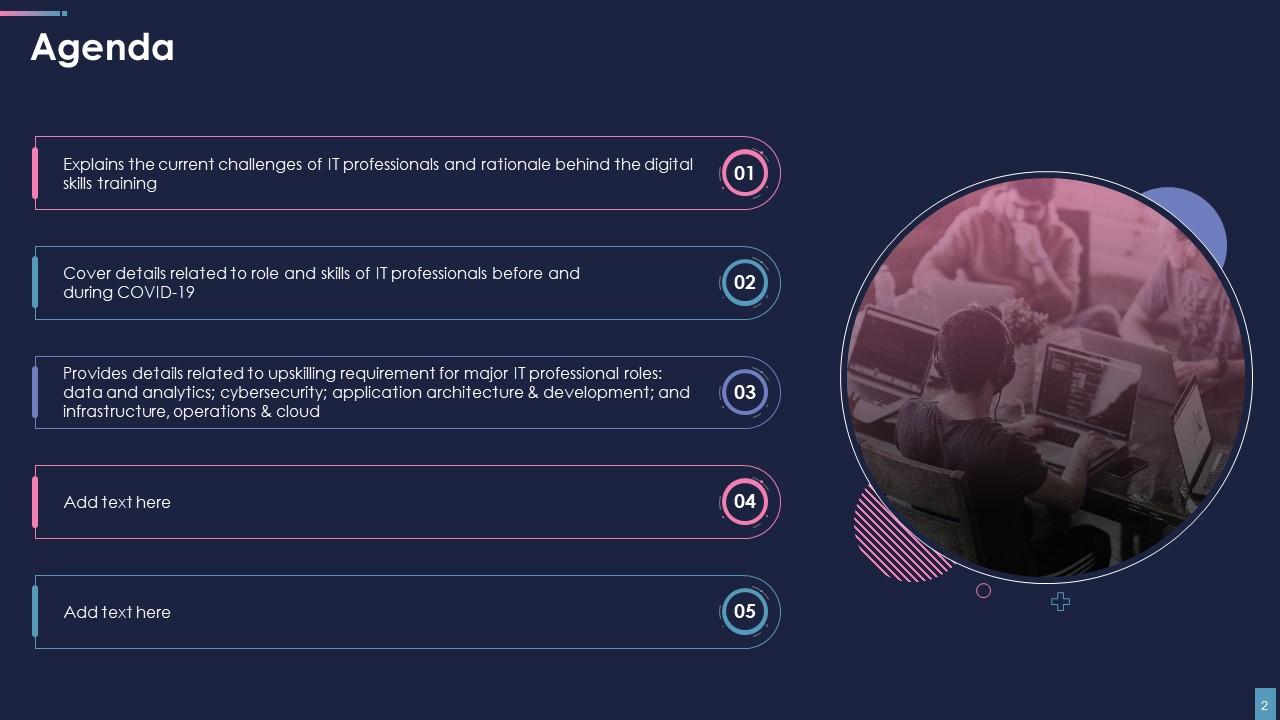
Slide 2 : Este slide mostra a Agenda da apresentação.
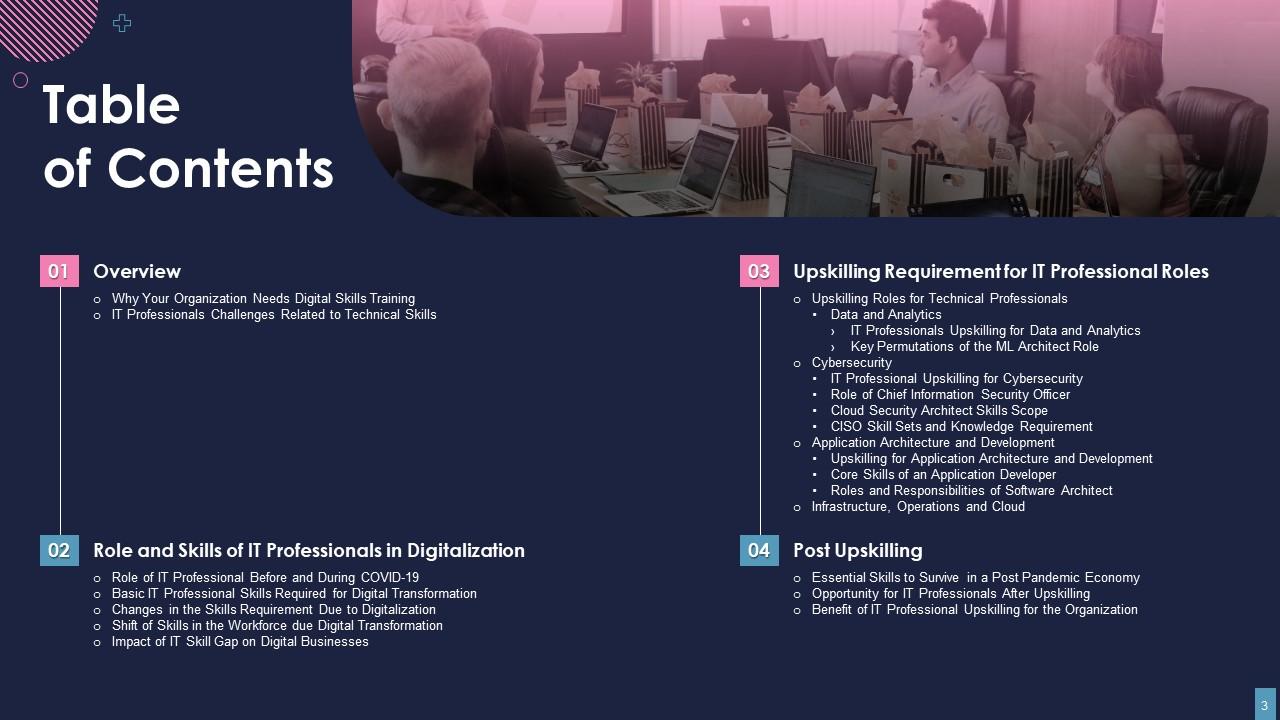
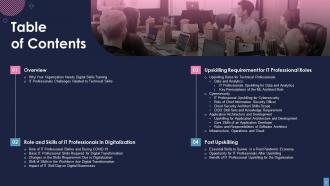
Slide 3 : Este slide apresenta o Índice da apresentação.
Slide 4 : Este slide exibe dois tópicos a serem abordados no modelo em 'Visão geral'.
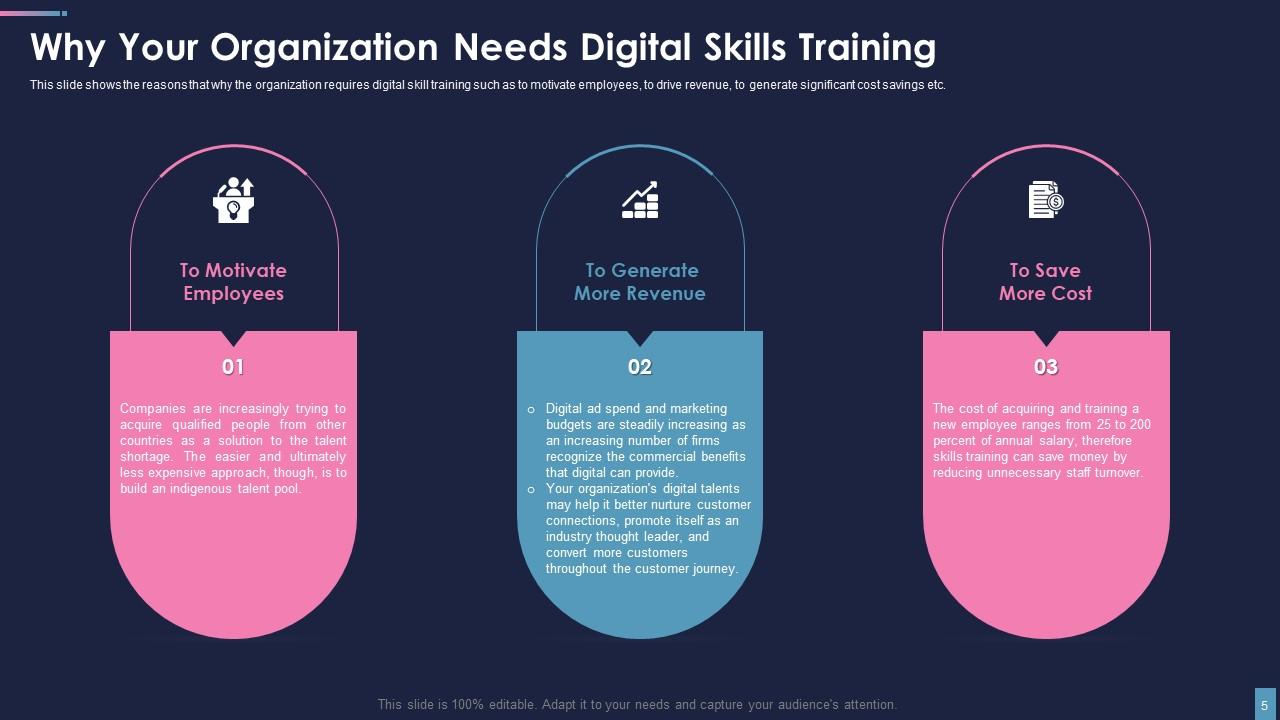
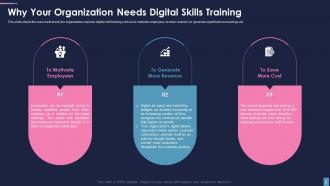
Slide 5 : Este slide mostra as razões pelas quais a organização exige treinamento em habilidades digitais.
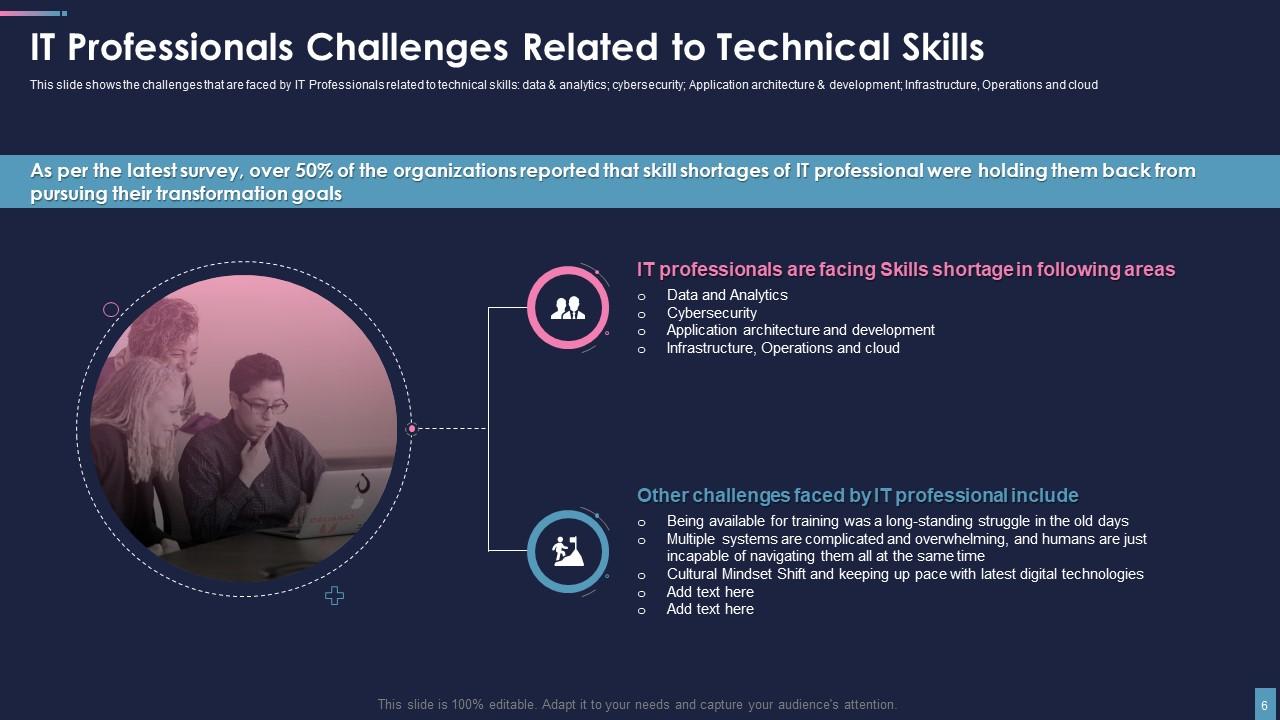
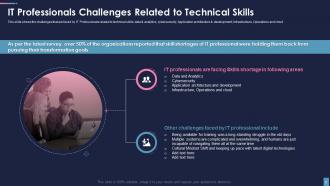
Slide 6 : Este slide mostra os desafios enfrentados pelos profissionais de TI relacionados às habilidades técnicas.
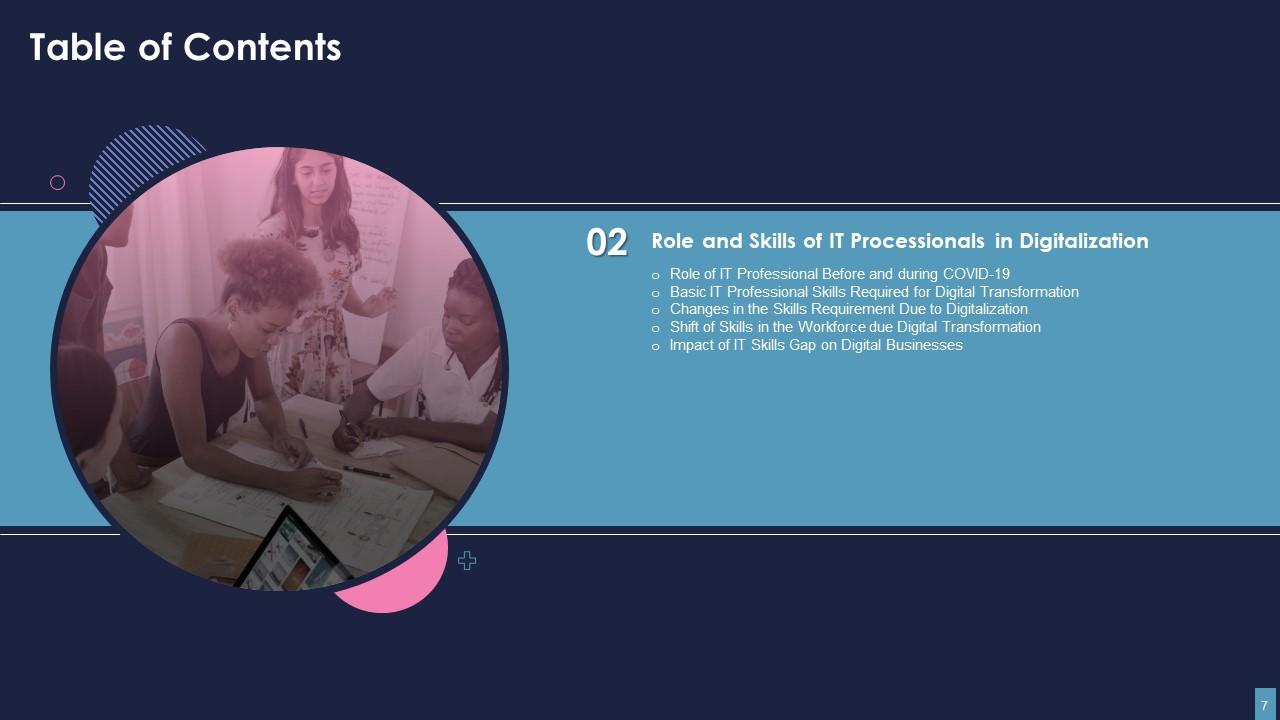
Slide 7 : Este slide apresenta cinco tópicos a serem abordados no modelo em 'Função e habilidades dos processionals de TI na digitalização'.
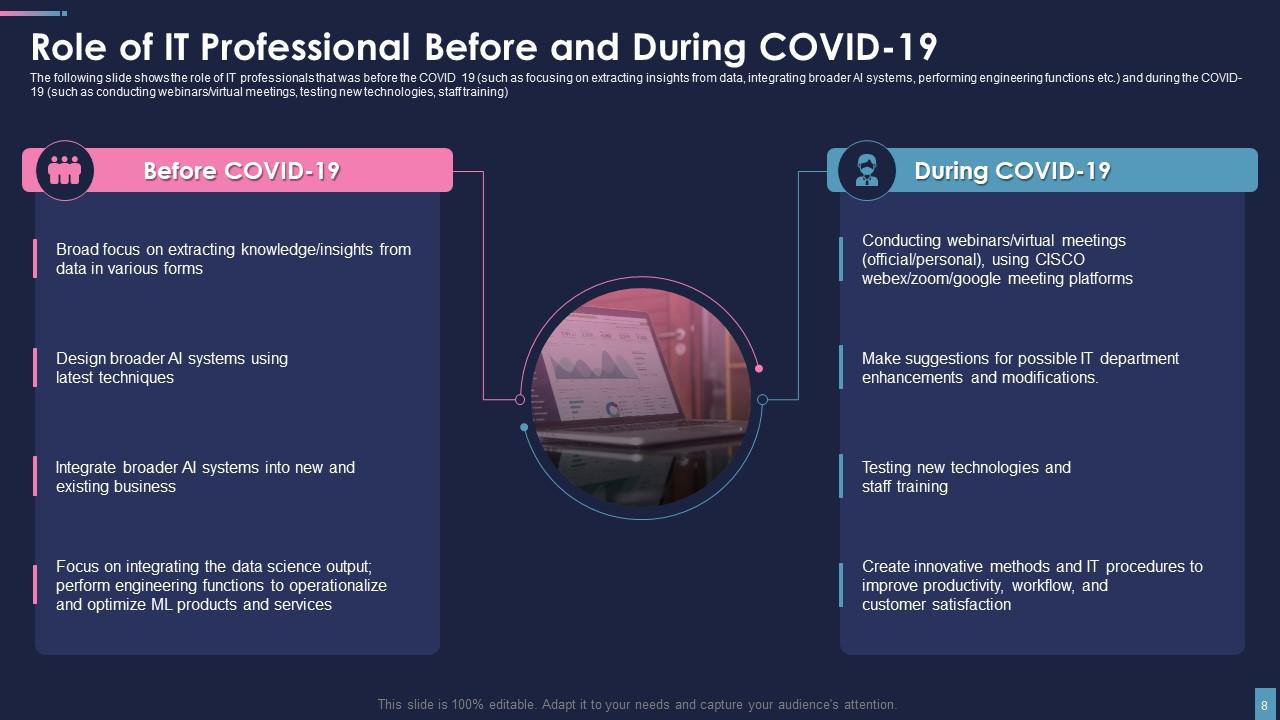
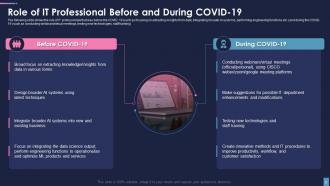
Slide 8 : Este slide mostra o papel dos profissionais de TI antes e durante o COVID 19.
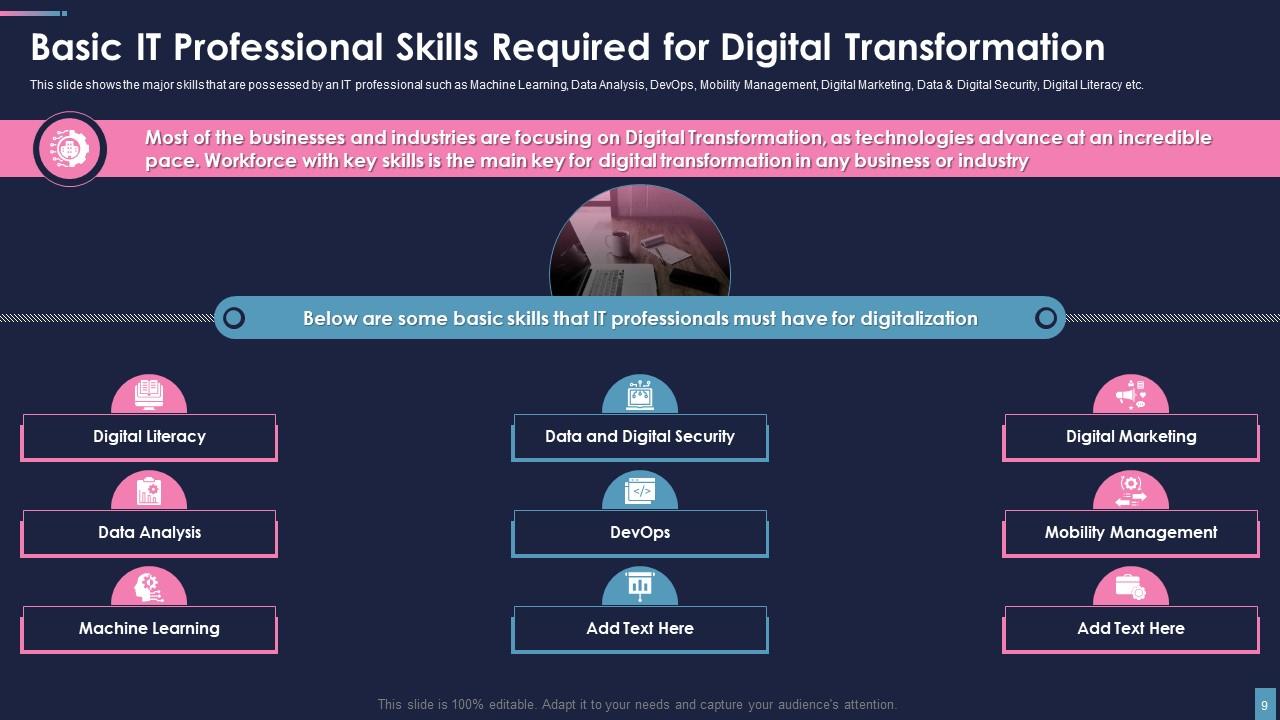
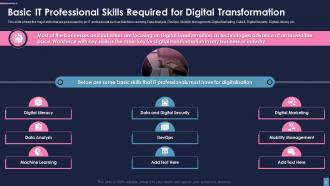
Slide 9 : Este slide mostra as principais habilidades que um profissional de TI possui.
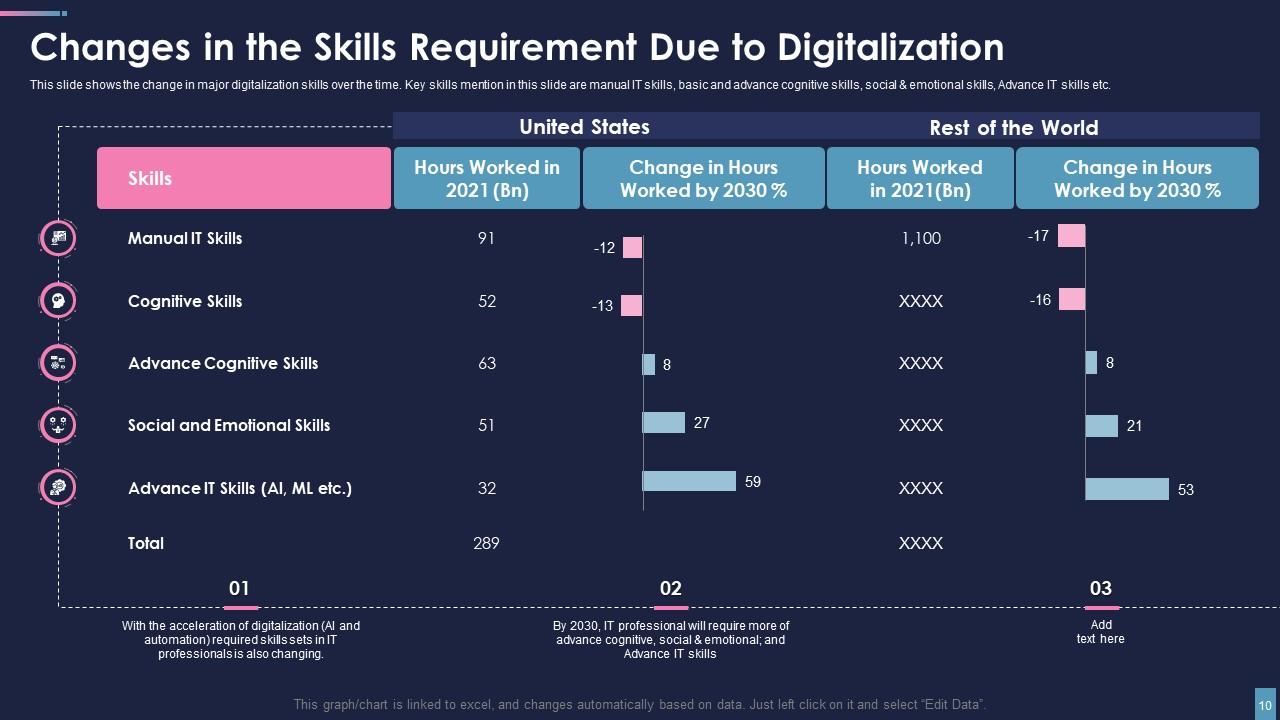
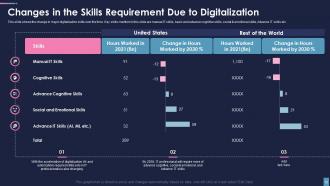
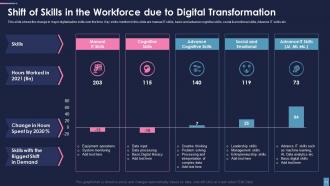
Slide 10 : Este slide mostra a mudança nas principais habilidades de digitalização ao longo do tempo.
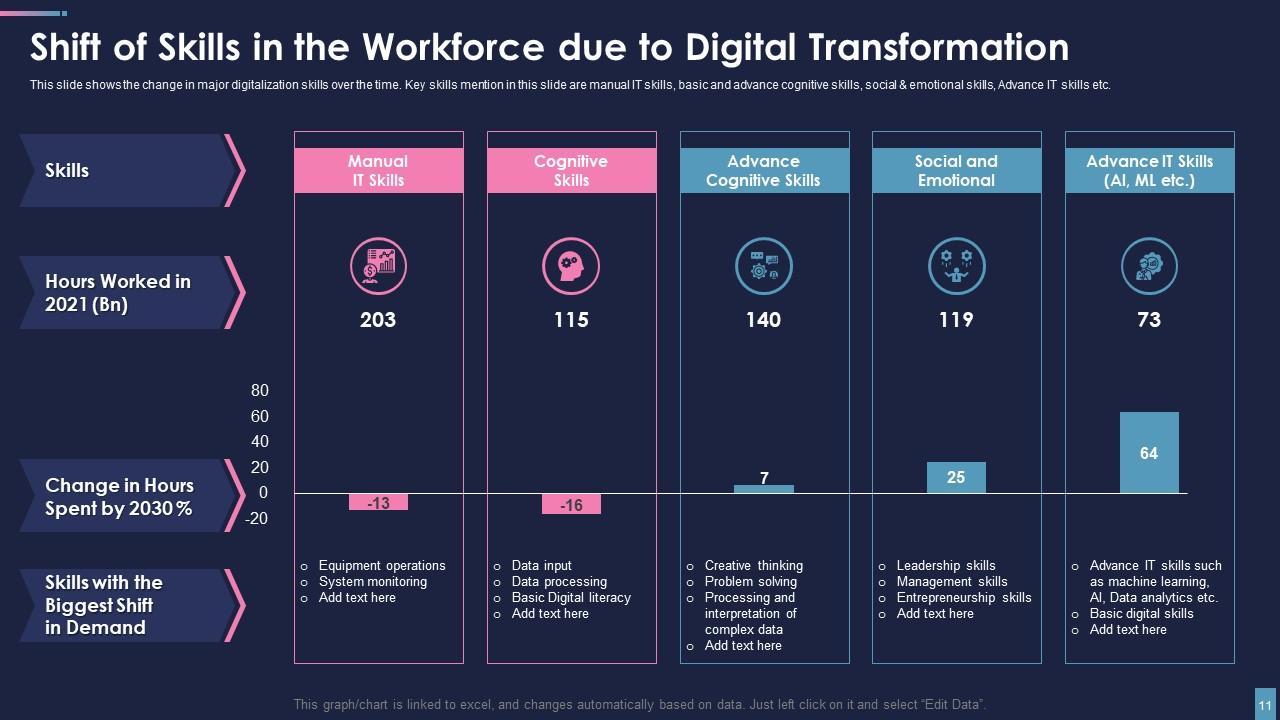
Slide 11 : Este slide mostra a mudança nas principais habilidades de digitalização ao longo do tempo. Este gráfico/gráfico está vinculado ao Excel.
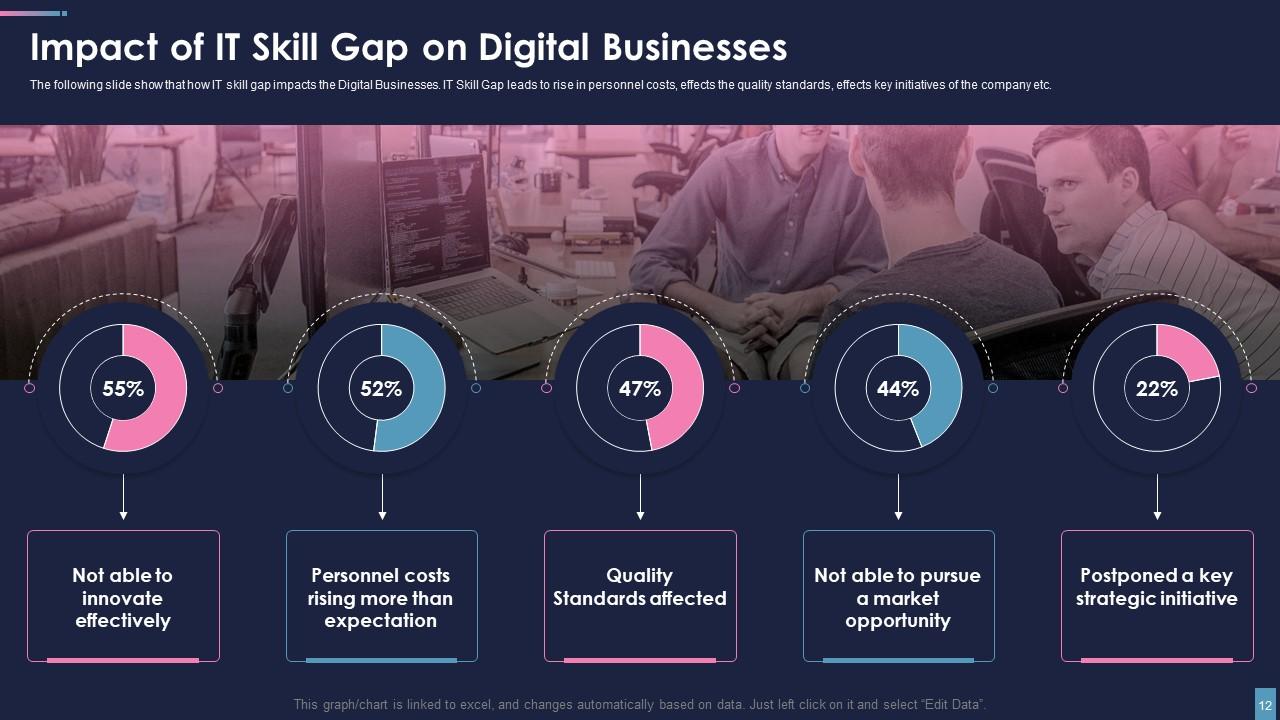
Slide 12 : Este slide mostra como a lacuna de habilidades de TI afeta os Negócios Digitais.
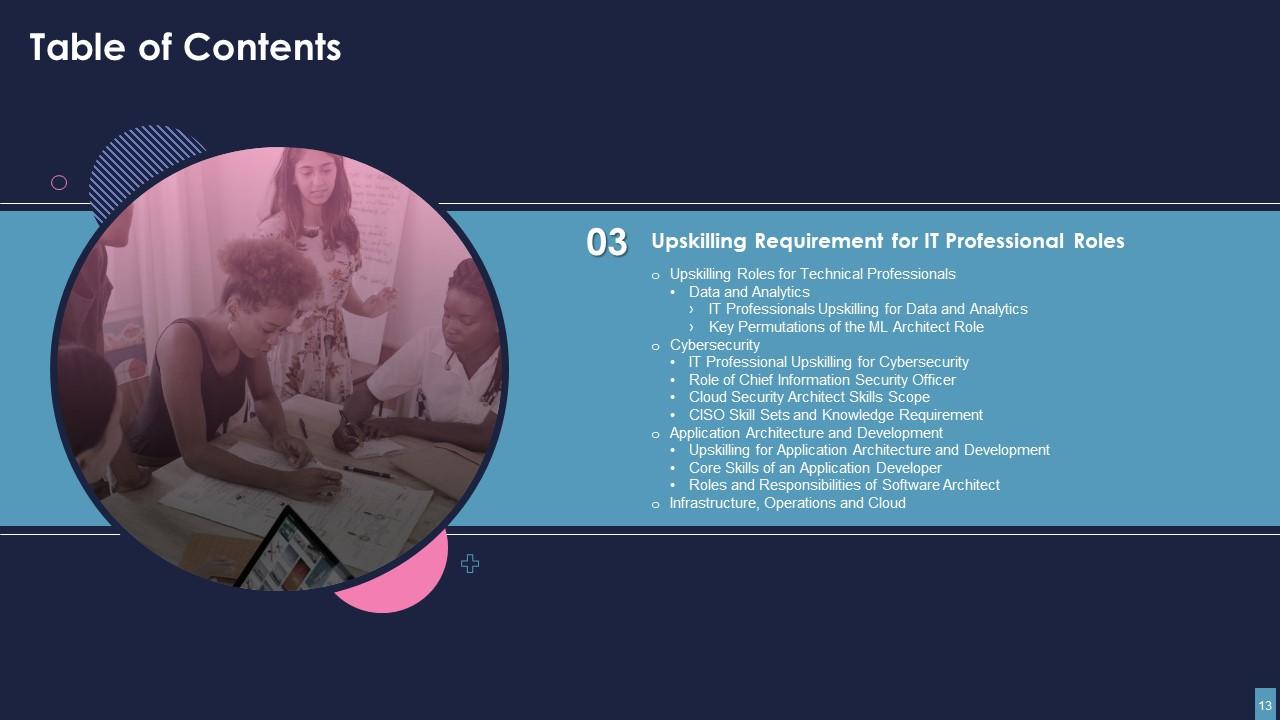
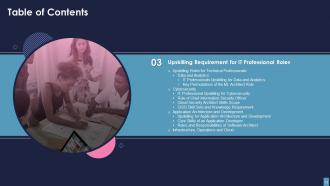
Slide 13 : Este slide exibe quatro tópicos a serem abordados no modelo em 'Requisitos de qualificação para funções profissionais de TI'.
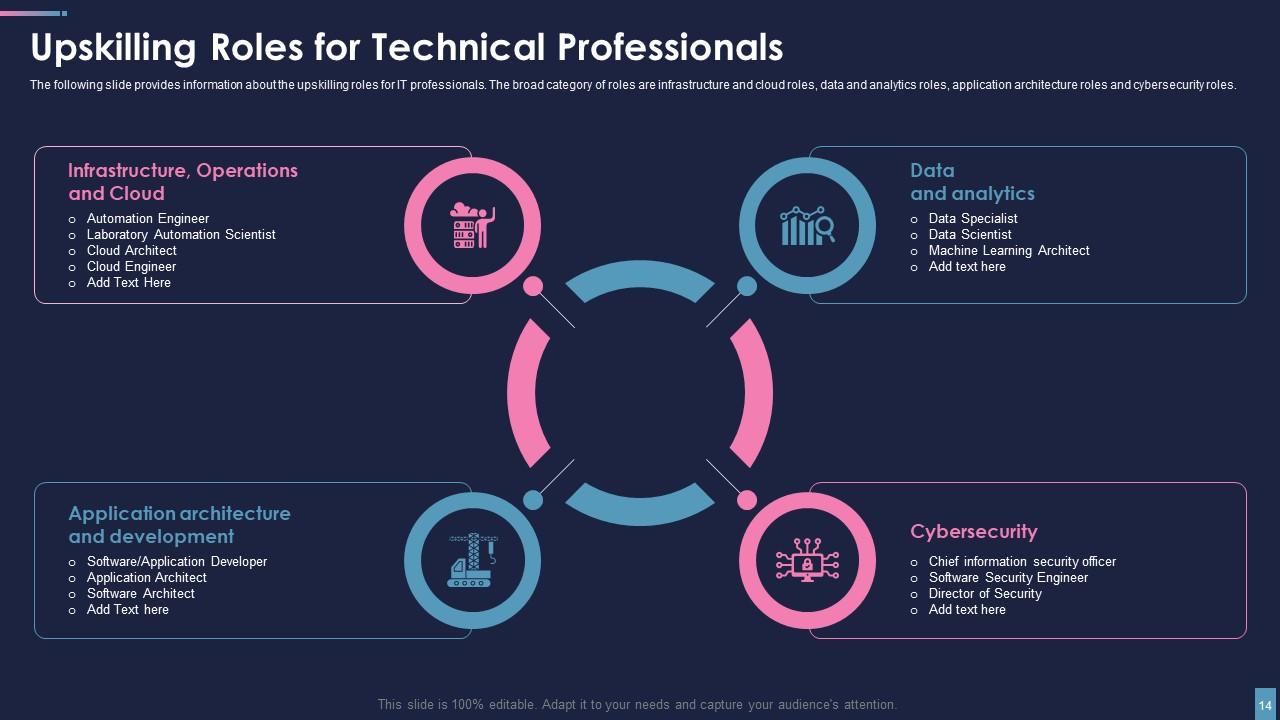
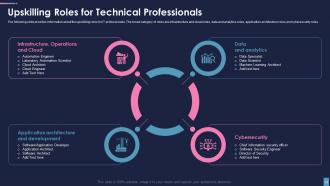
Slide 14 : Este slide fornece informações sobre as funções de aprimoramento para profissionais de TI.
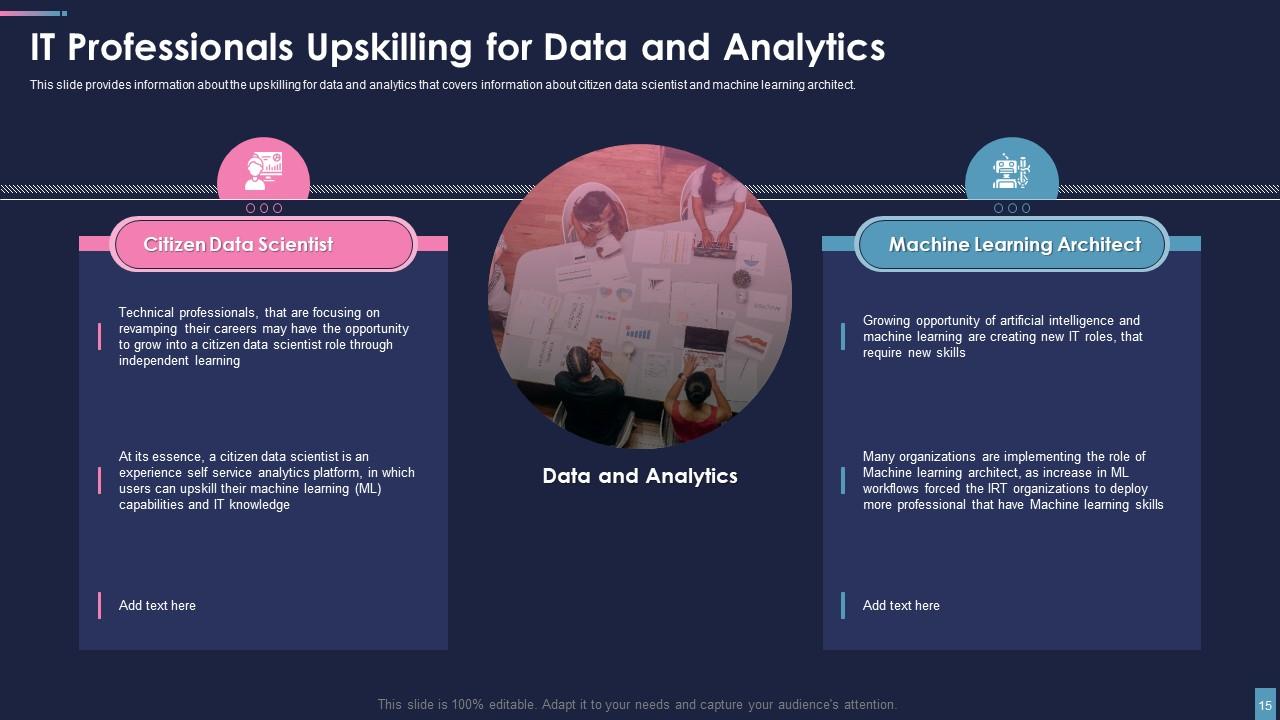
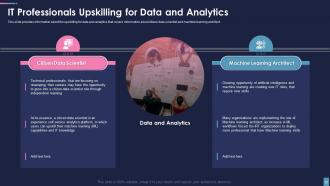
Slide 15 : Este slide fornece informações sobre o aprimoramento de dados e análises.
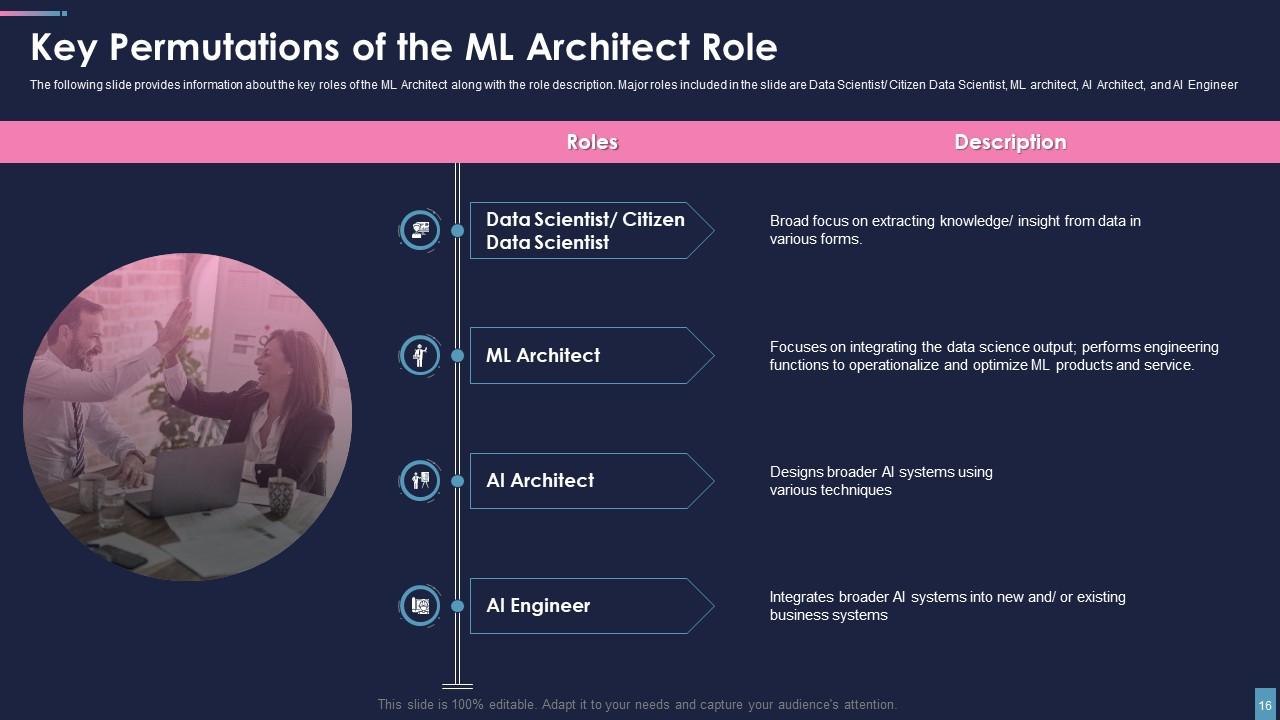
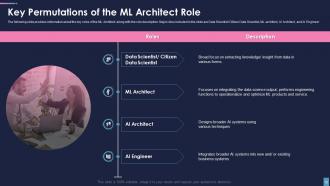
Slide 16 : Este slide fornece informações sobre as principais funções do ML Architect.
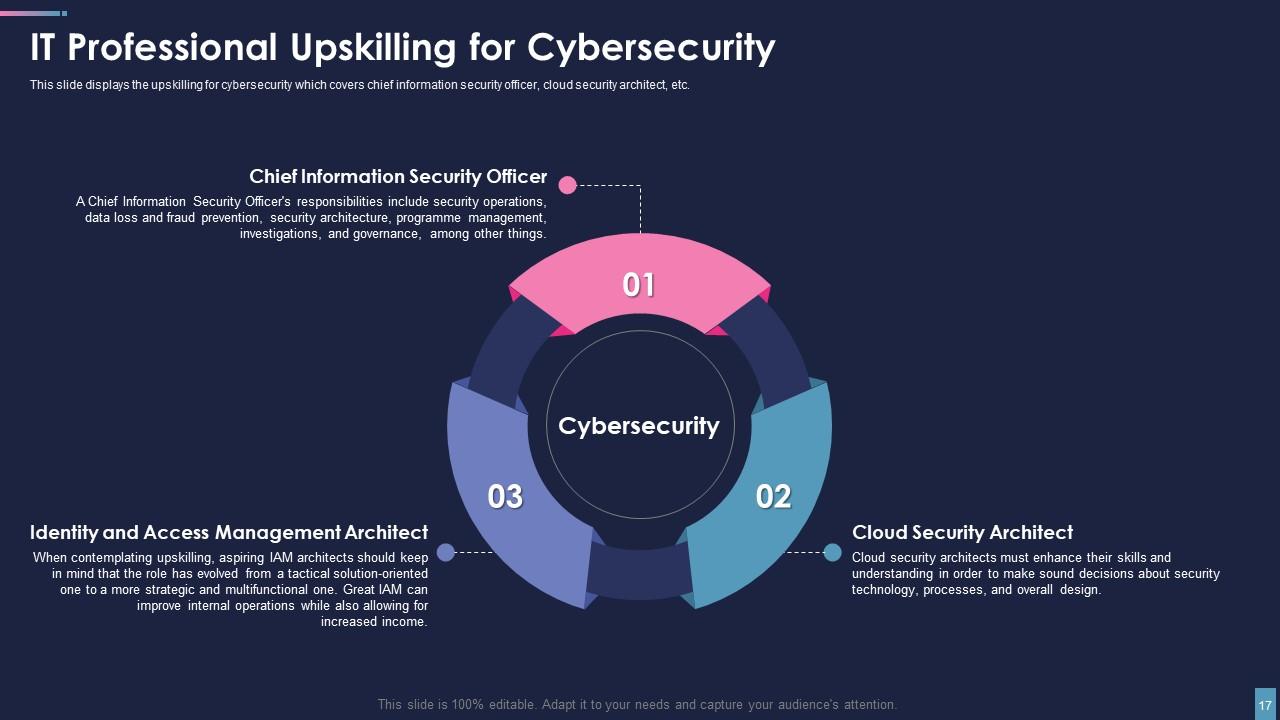
Slide 17 : Este slide mostra o aprimoramento da segurança cibernética.
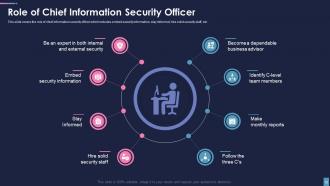
Slide 18 : Este slide cobre o papel do diretor de segurança da informação.
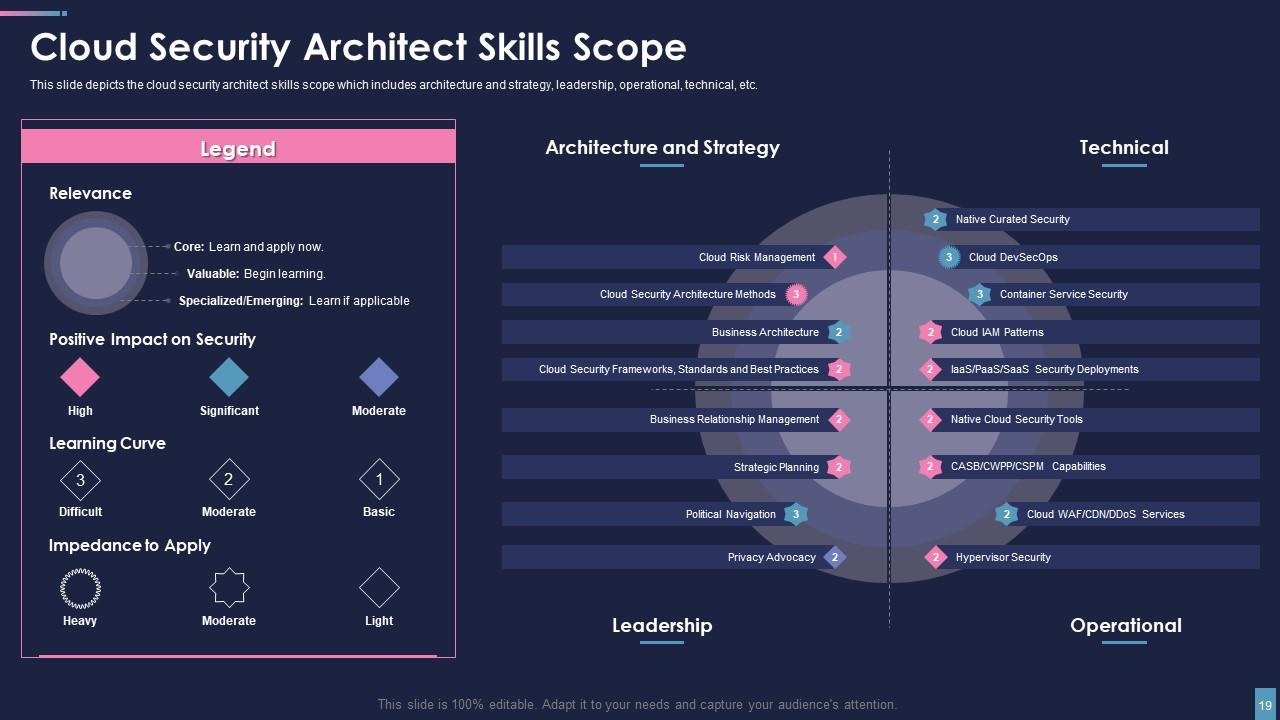
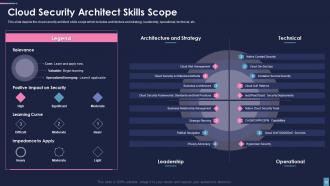
Slide 19 : Este slide descreve o escopo das habilidades do arquiteto de segurança em nuvem.
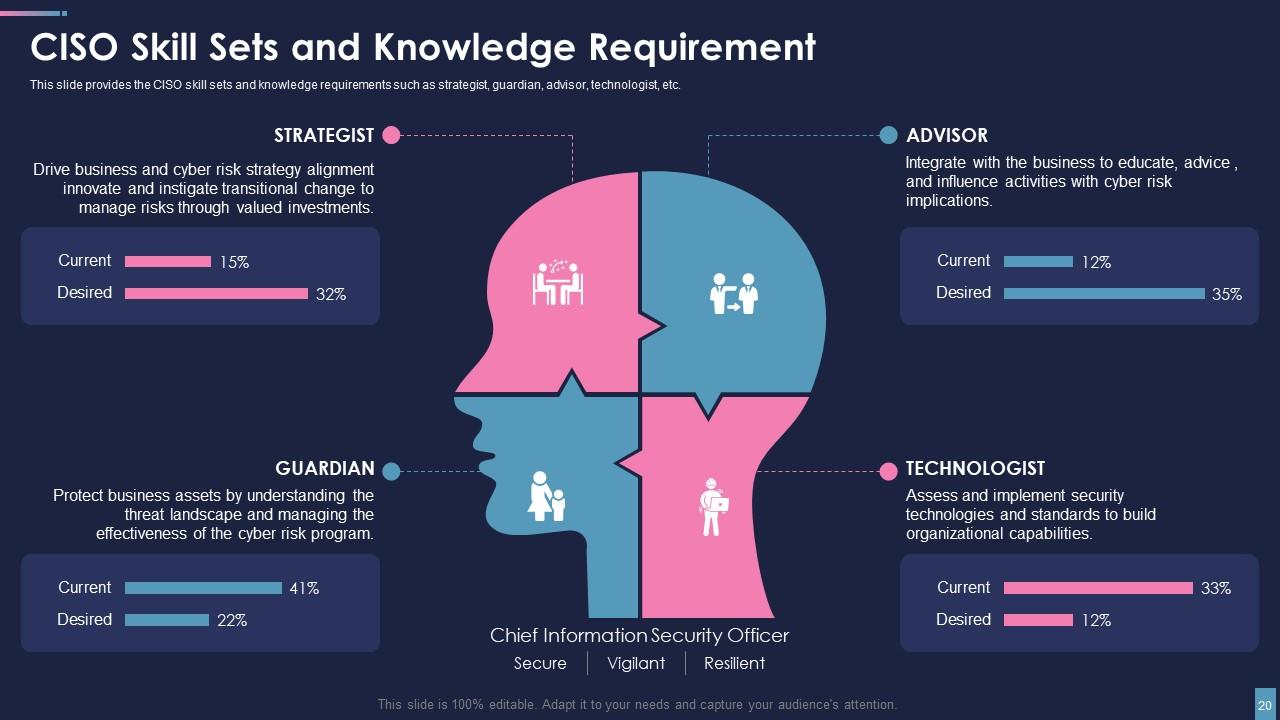
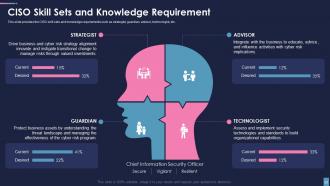
Slide 20 : Este slide fornece os conjuntos de habilidades do CISO e os requisitos de conhecimento.
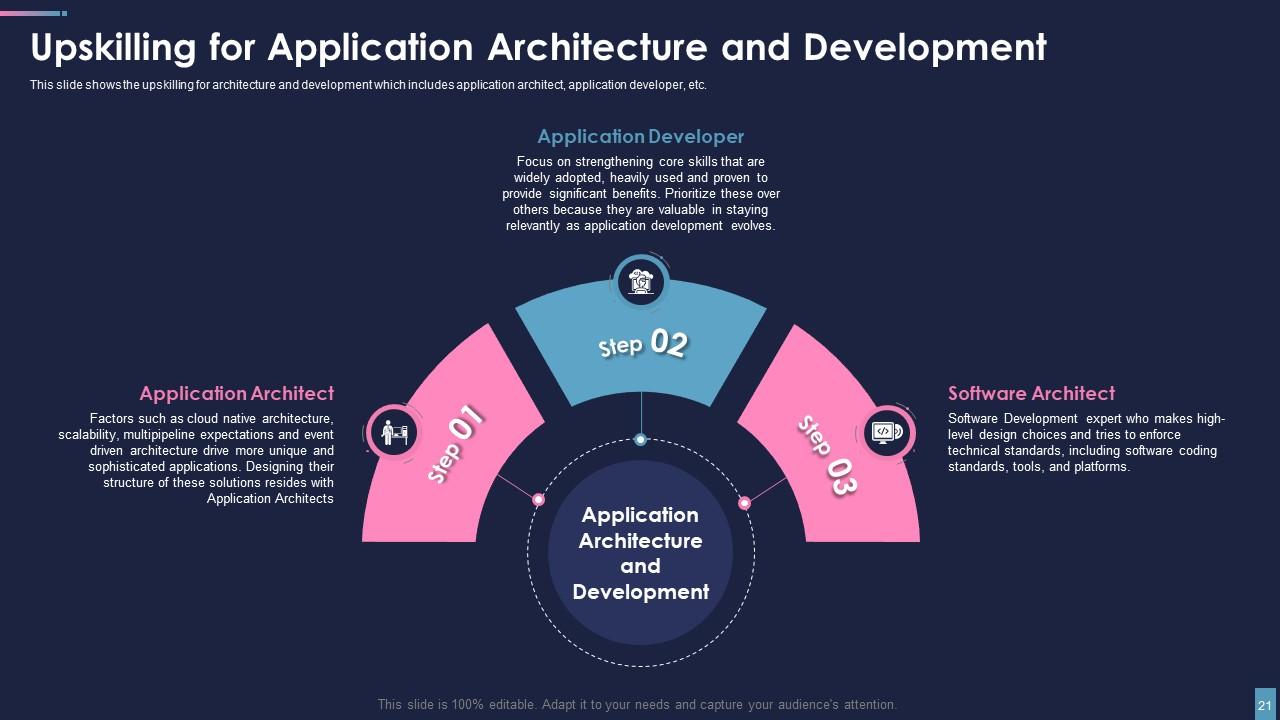
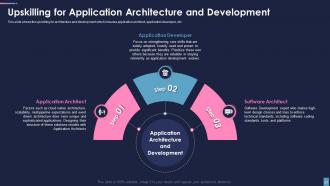
Slide 21 : Este slide mostra o upskilling para arquitetura e desenvolvimento.
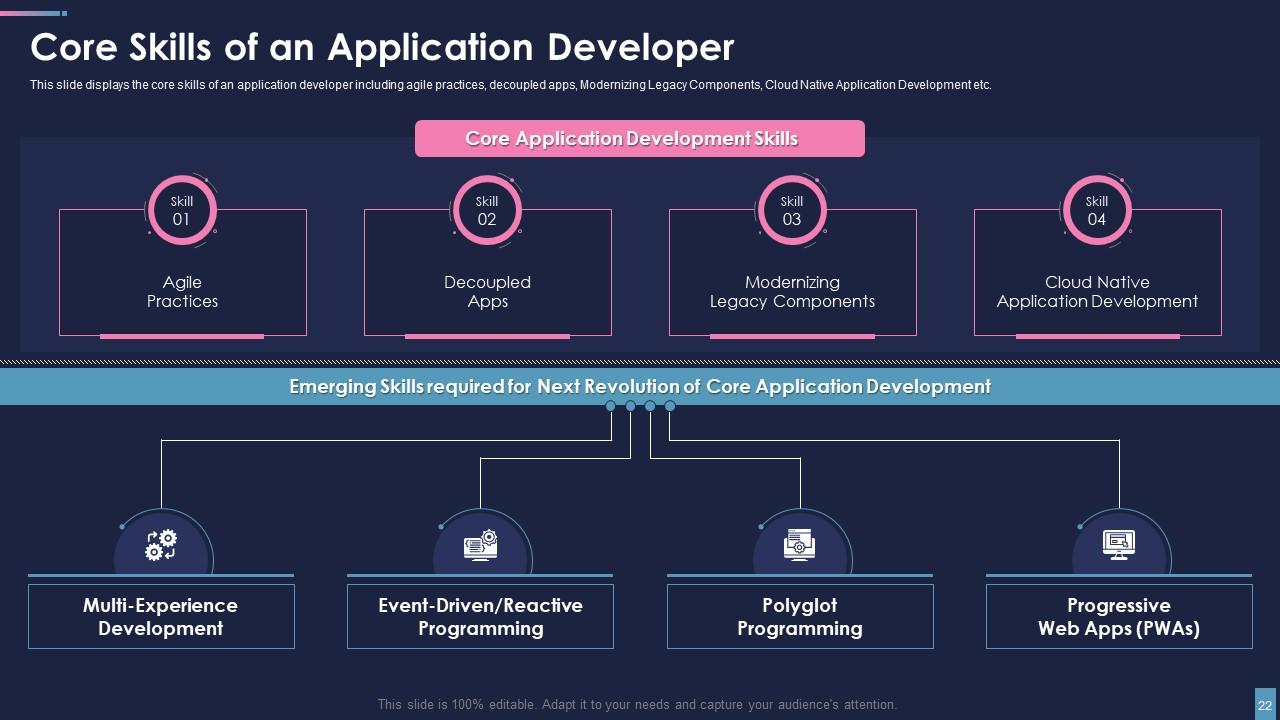
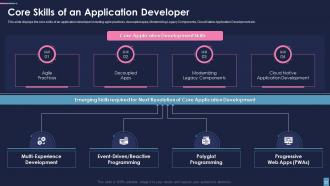
Slide 22 : Este slide mostra as principais habilidades de um desenvolvedor de aplicativos.
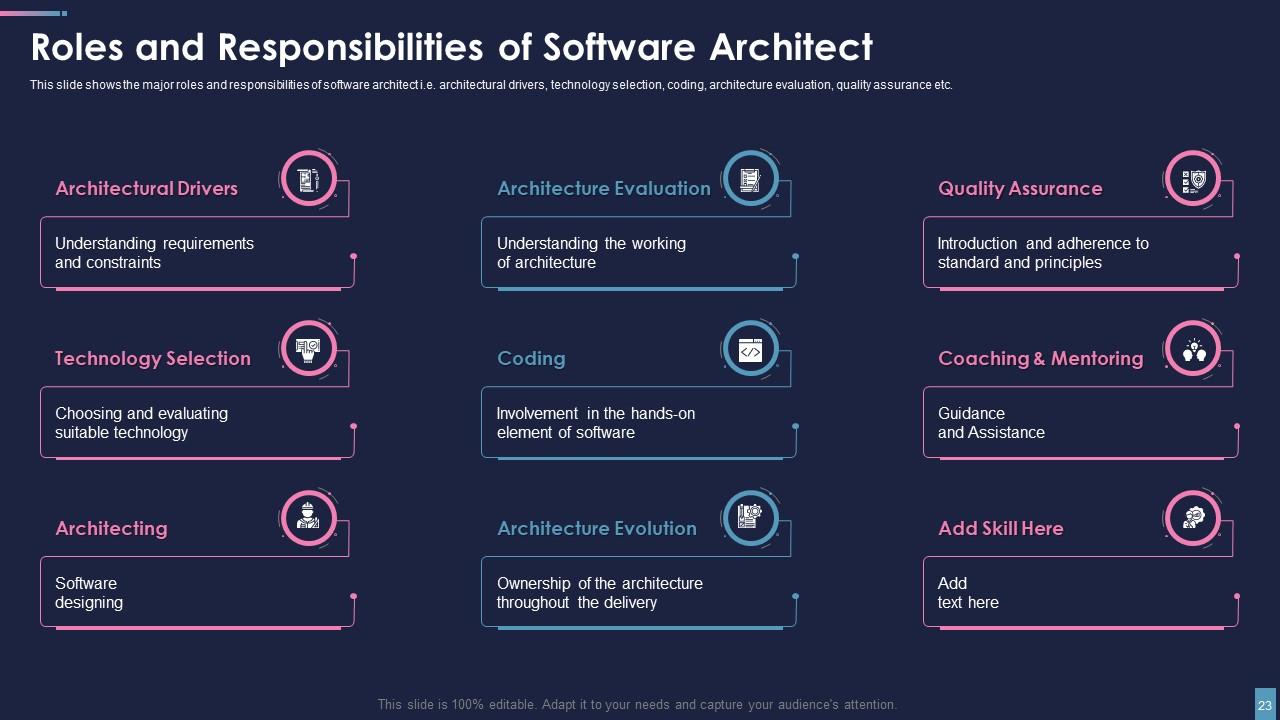
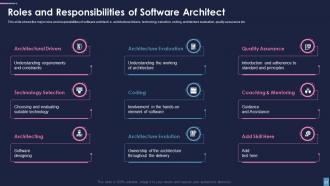
Slide 23 : Este slide mostra as principais funções e responsabilidades do arquiteto de software, ou seja, drivers de arquitetura etc.
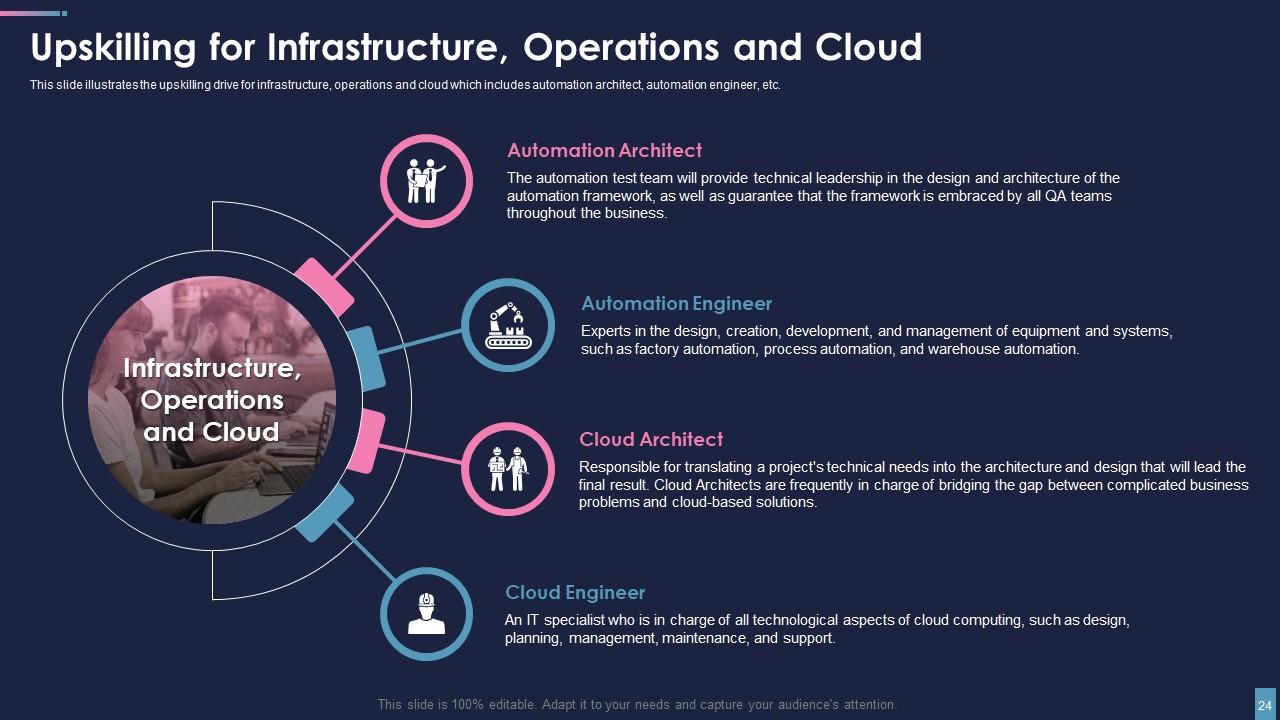
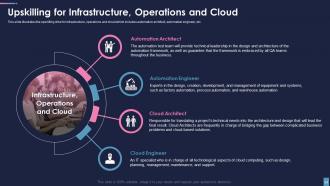
Slide 24 : Este slide ilustra o impulso de upskilling para infraestrutura, operações e nuvem.
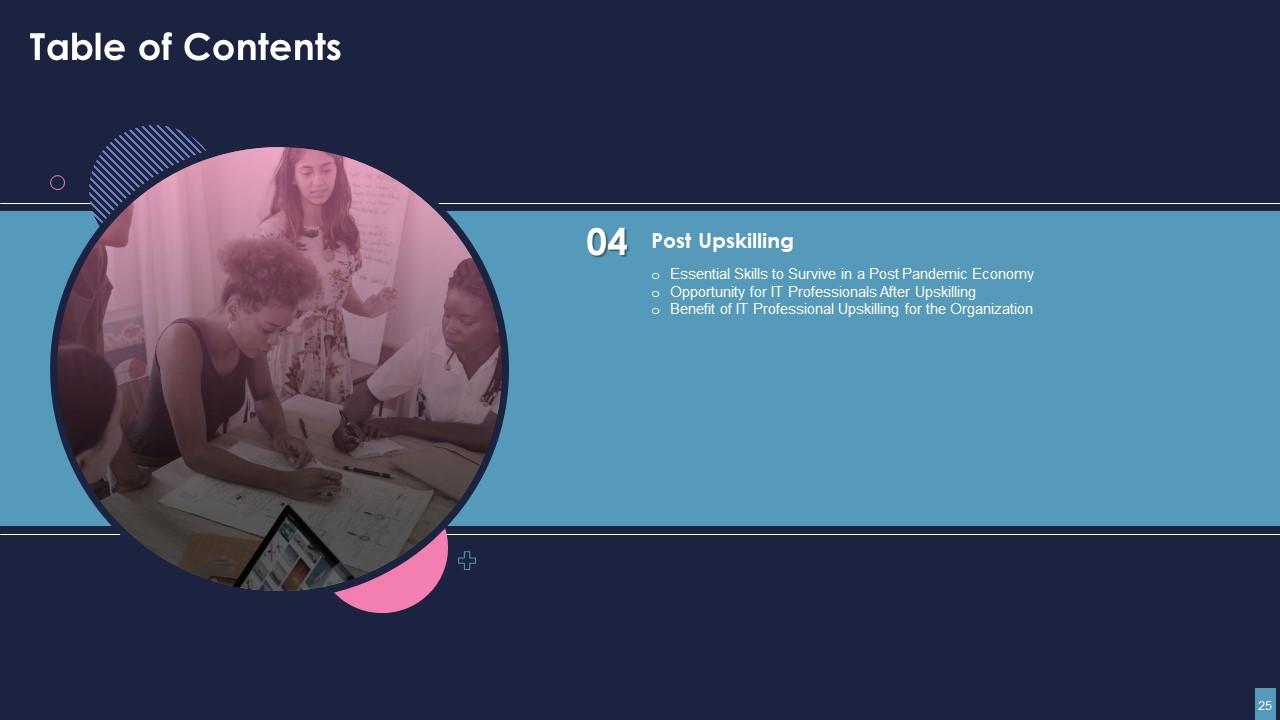
Slide 25 : Este slide mostra três tópicos a serem abordados no modelo em 'Pós-aprimoramento de habilidades'.
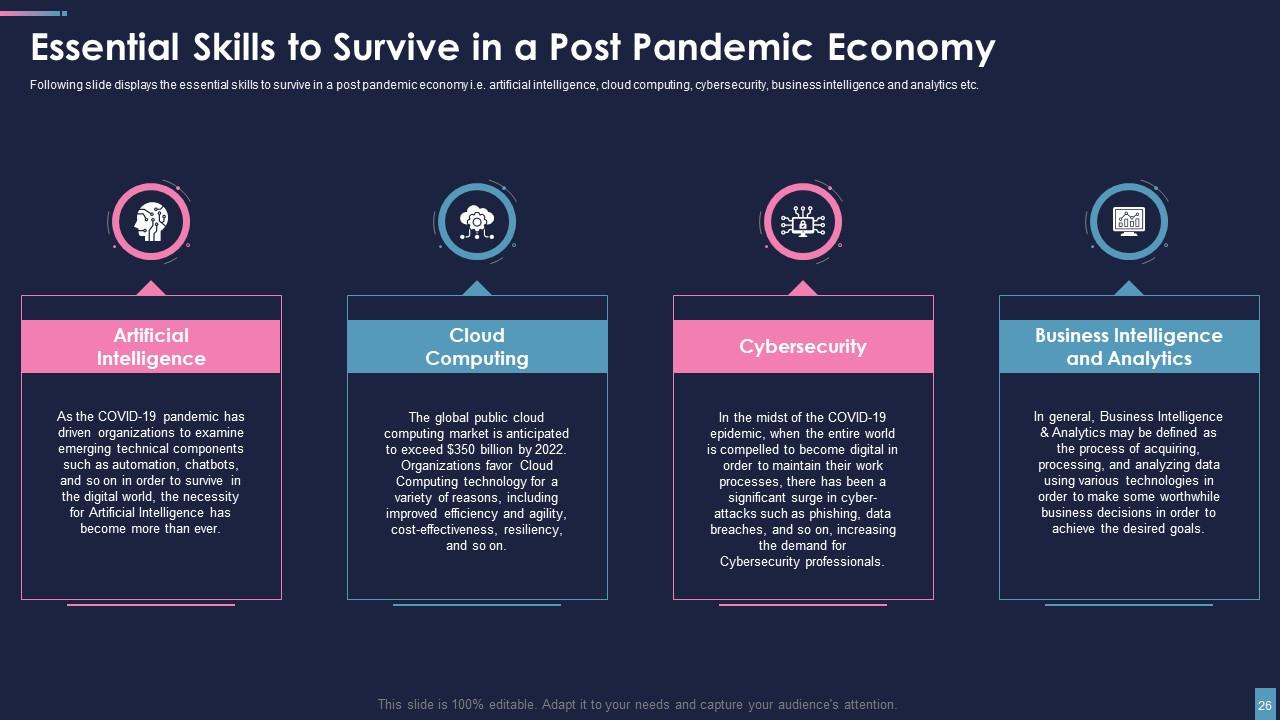
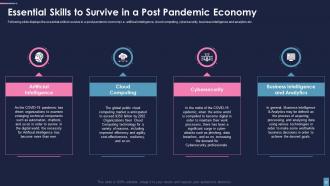
Slide 26 : Este slide mostra as habilidades essenciais para sobreviver em uma economia pós-pandemia, ou seja, inteligência artificial etc.
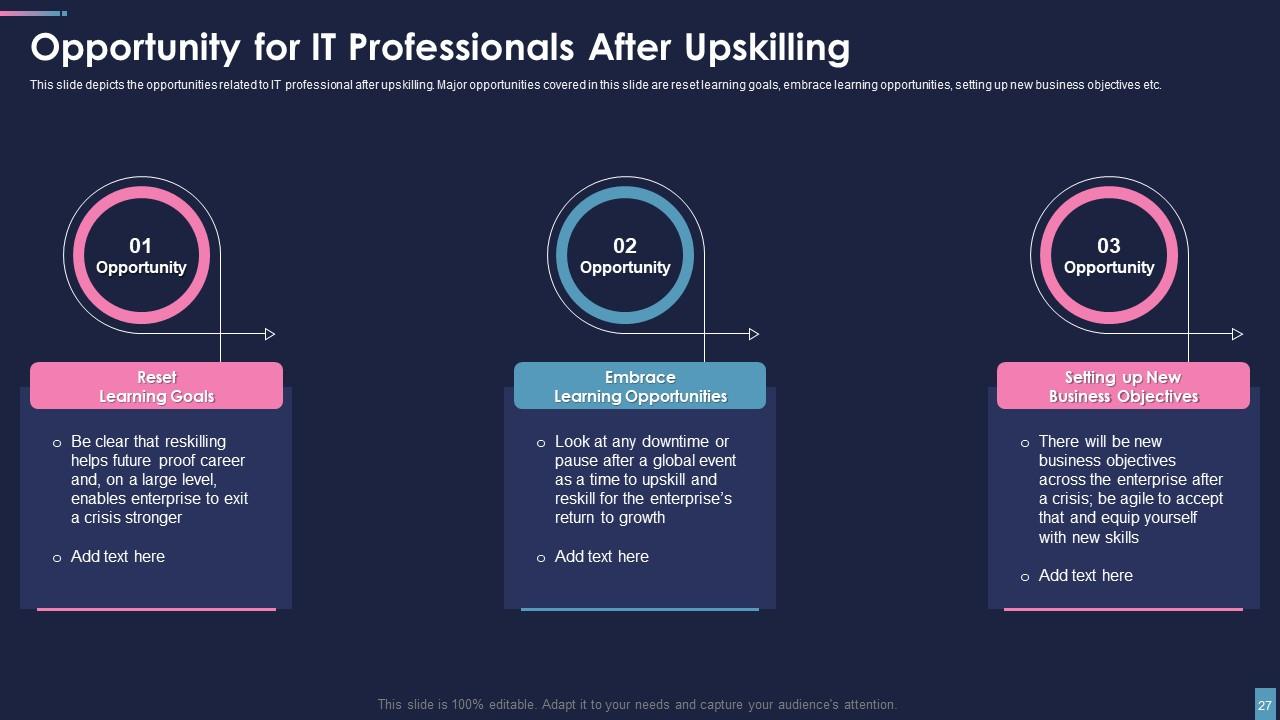
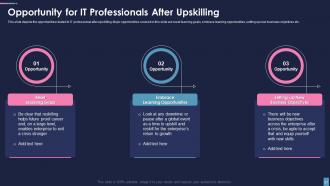
Slide 27 : Este slide mostra as oportunidades relacionadas ao profissional de TI após o upskilling.
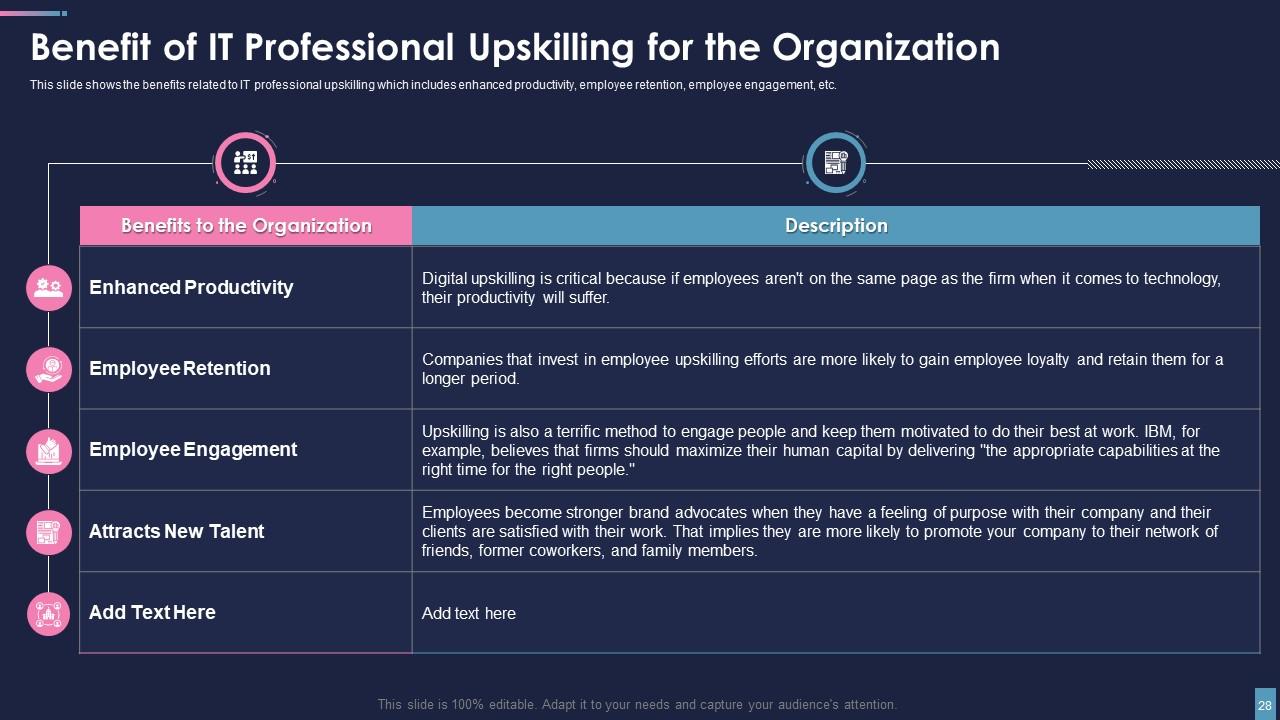
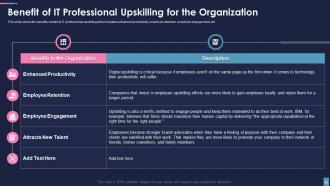
Slide 28 : Este slide mostra os benefícios relacionados ao aprimoramento profissional de TI.
Slide 29 : Este slide exibe ícones para a função do CIO na transformação digital.
Slide 30 : Este slide é intitulado como Slides Adicionais para avançar.
Slide 31 : Este é o slide Sobre Nós para mostrar as especificações da empresa etc.
Slide 32 : Este slide mostra o diagrama de Venn com caixas de texto.
Slide 33 : Este é o slide de Nossa Equipe com nomes e designação.
Slide 34 : Este é o slide Nossa Meta. Indique os objetivos da sua empresa aqui.
Slide 35 : Este slide contém Puzzle com ícones e textos relacionados.
Slide 36 : Este slide mostra Post It Notes. Poste suas notas importantes aqui.
Slide 37 : Este slide apresenta o Roteiro com caixas de texto adicionais.
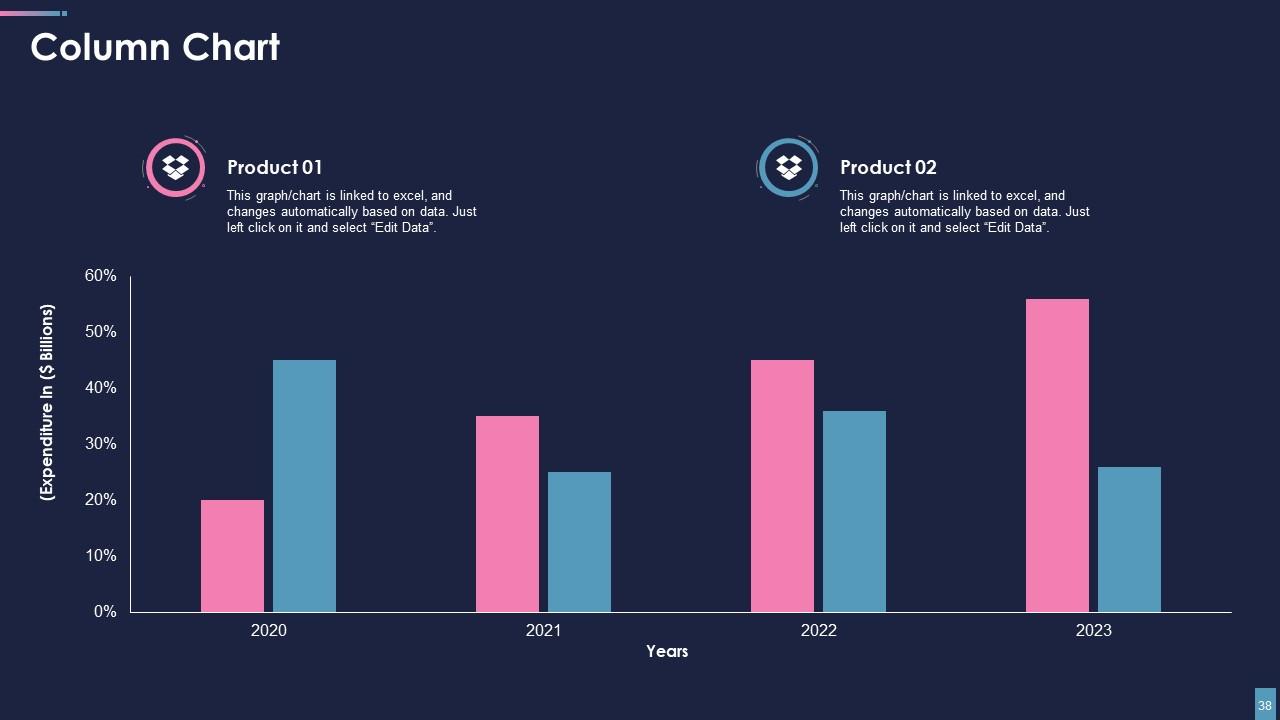
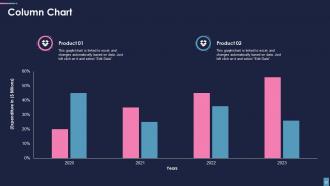
Slide 38 : Este slide mostra o gráfico de colunas com a comparação de dois produtos.
Slide 39 : Este é um slide de agradecimento com endereço, números de contato e endereço de e-mail.
O papel do CIO na transformação digital Slides de apresentação em Powerpoint com todos os 44 slides:
Use nossa função de CIO nos slides de apresentação do Powerpoint da transformação digital para ajudá-lo a economizar seu valioso tempo de forma eficaz. Eles são readymade para caber em qualquer estrutura de apresentação.
-
Thanks to SlideTeam, we have an ideal template to present all the info we need to cover. Their slides give our numbers and projections a more clear and enchanting look.
-
“Excellent information with easy access.”
