


Collection of quality control templates set 1 powerpoint presentation slides
Quality control is a critical component in establishing a successful business that delivers quality products to meet or exceed customer expectations. Organizations invest heavily in training their valuable employees to maintain product quality and increase brand value. Here is a competently designed template on a Collection of Quality Control Templates that will benefit the organization that wants to enhance its product quality, brand reputation, and customer satisfaction level by using various quality control tools and techniques. Effective tools and techniques covered in this presentation are affinity diagram, box and whisker plot, cost of quality, customer experience, data collection, and analysis tools, decision matrix, Deming cycle, failure mode effect analysis fishbone diagram, ISO 9001, kano model, QMS, root cause analysis, six sigma tools, TQM and many more. Book a free demo with our research team and customize this 100 percent editable template based on your specific business requirements. Get access now.
Quality control is a critical component in establishing a successful business that delivers quality products to meet or exc..
















-

- Google Slides is a new FREE Presentation software from Google.
- All our content is 100% compatible with Google Slides.
- Just download our designs, and upload them to Google Slides and they will work automatically.
- Amaze your audience with SlideTeam and Google Slides.
-

Want Changes to This PPT Slide? Check out our Presentation Design Services
-

- WideScreen Aspect ratio is becoming a very popular format. When you download this product, the downloaded ZIP will contain this product in both standard and widescreen format.
-

- Some older products that we have may only be in standard format, but they can easily be converted to widescreen.
- To do this, please open the SlideTeam product in Powerpoint, and go to
- Design ( On the top bar) -> Page Setup -> and select "On-screen Show (16:9)” in the drop down for "Slides Sized for".
- The slide or theme will change to widescreen, and all graphics will adjust automatically. You can similarly convert our content to any other desired screen aspect ratio.
Compatible With Google Slides

Get This In WideScreen
You must be logged in to download this presentation.


Do you want to remove this product from your favourites?
PowerPoint presentation slides
Deliver this complete deck to your team members and other collaborators. Encompassed with stylized slides presenting various concepts, this Collection Of Quality Control Templates Set 1 Powerpoint Presentation Slides is the best tool you can utilize. Personalize its content and graphics to make it unique and thought provoking. All the fifty three slides are editable and modifiable, so feel free to adjust them to your business setting. The font, color, and other components also come in an editable format making this PPT design the best choice for your next presentation. So, download now.

People who downloaded this PowerPoint presentation also viewed the following :
Content of this Powerpoint Presentation
Slide 1: This slide introduces Collection of Quality Control Templates set 1. State Your Company Name and begin.
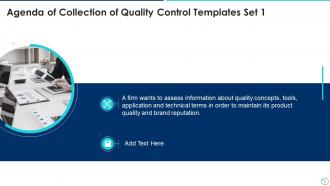
Slide 2: This slide shows Agenda of Collection of Quality Control Templates.
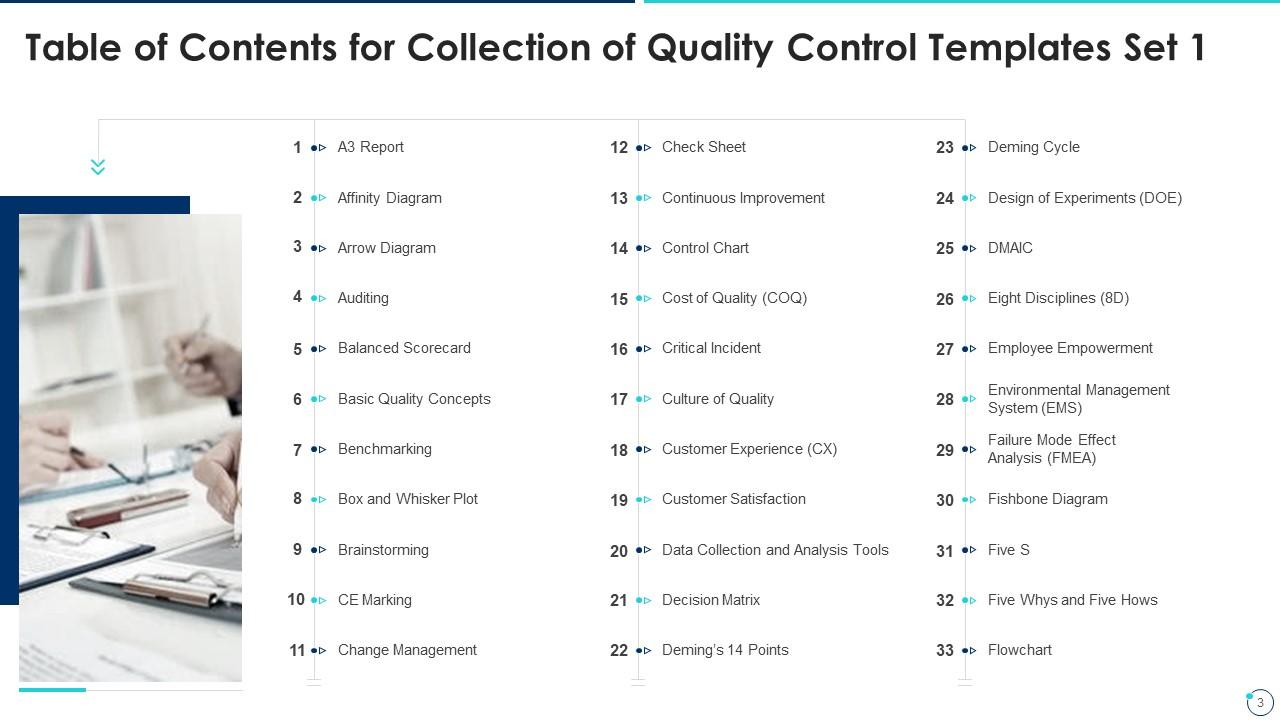
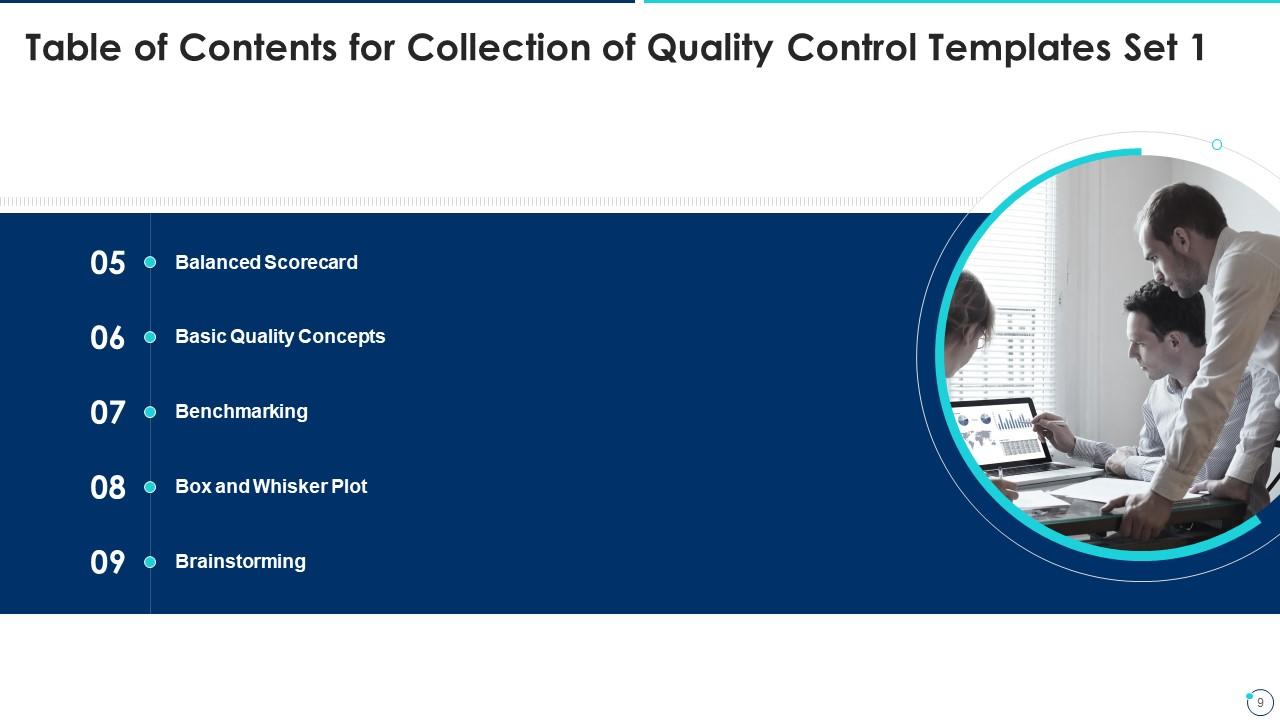
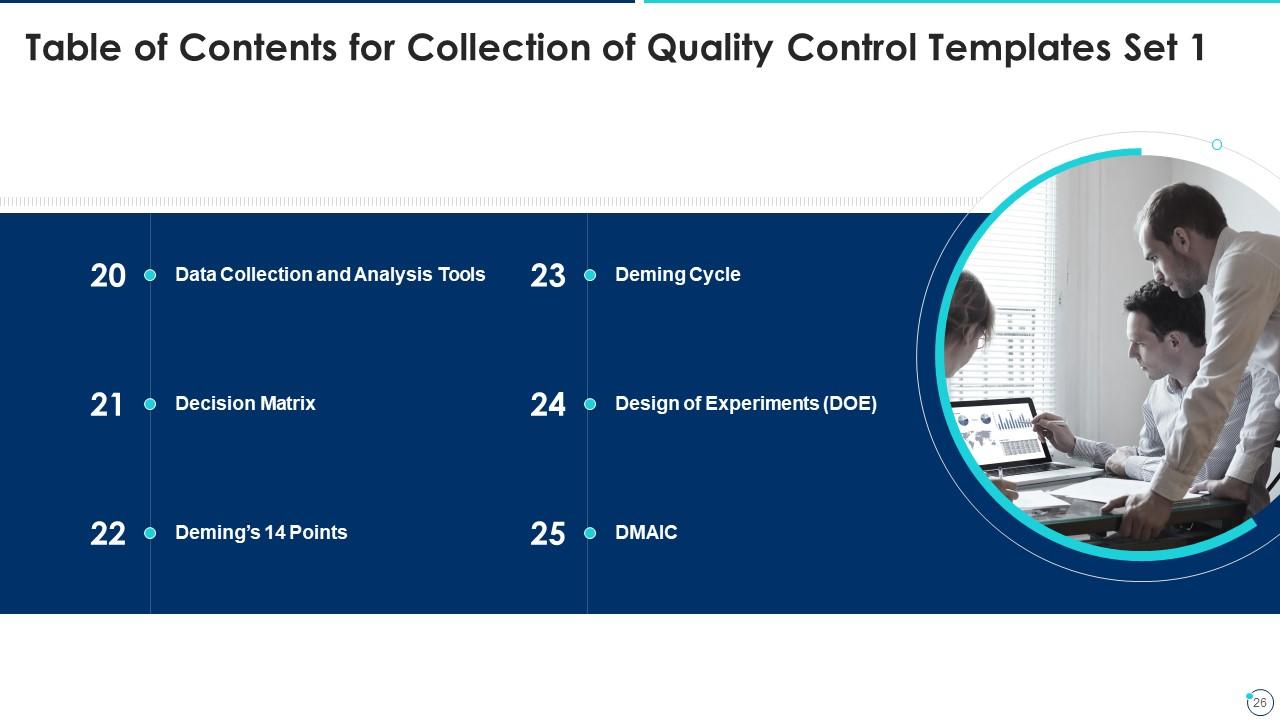
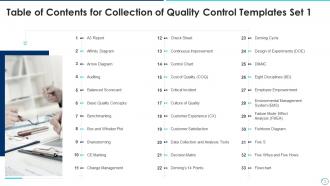
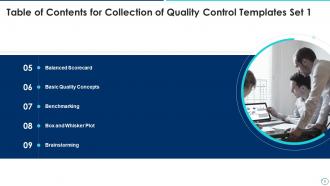
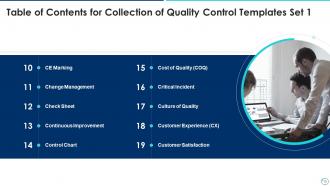
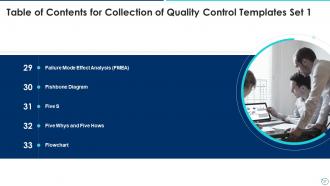
Slide 3: This slide presents Table of Contents for Collection of Quality Control Templates.
Slide 4: This slide shows title for topics that are to be covered next in the template.
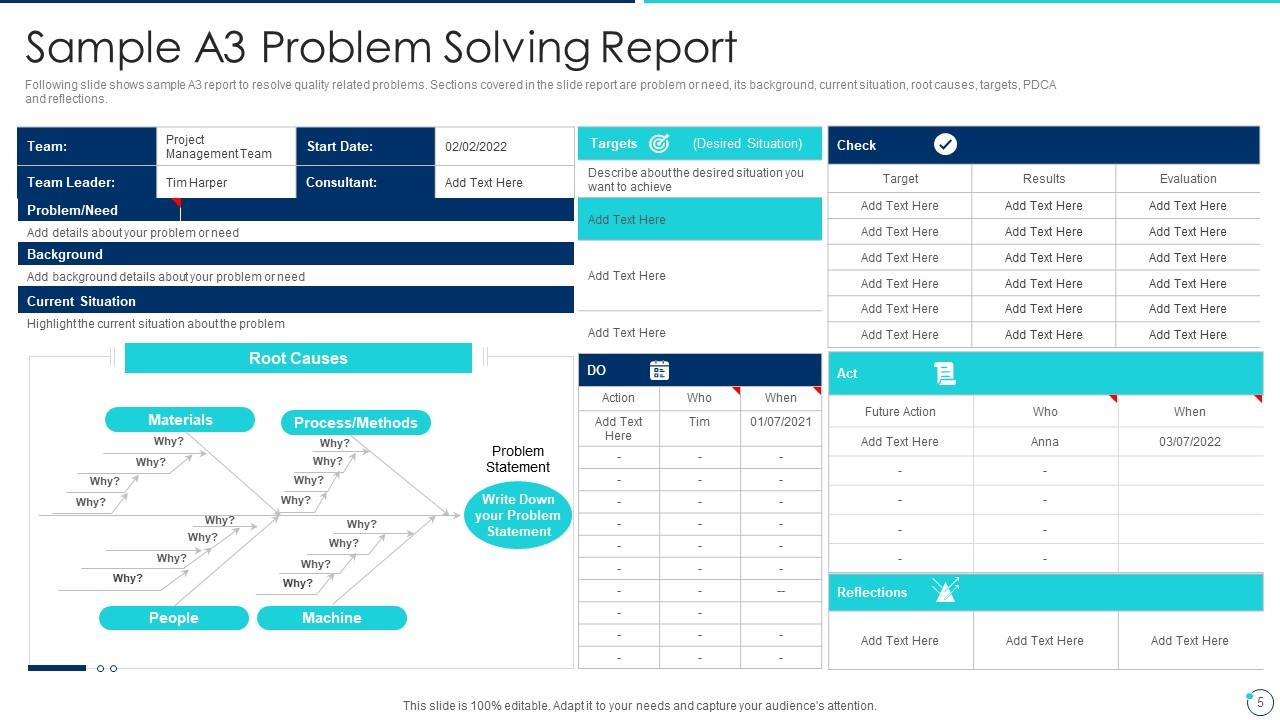
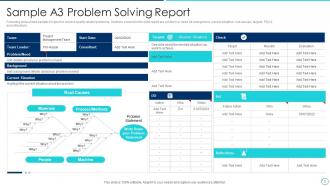
Slide 5: This slide displays sample A3 report to resolve quality related problems.
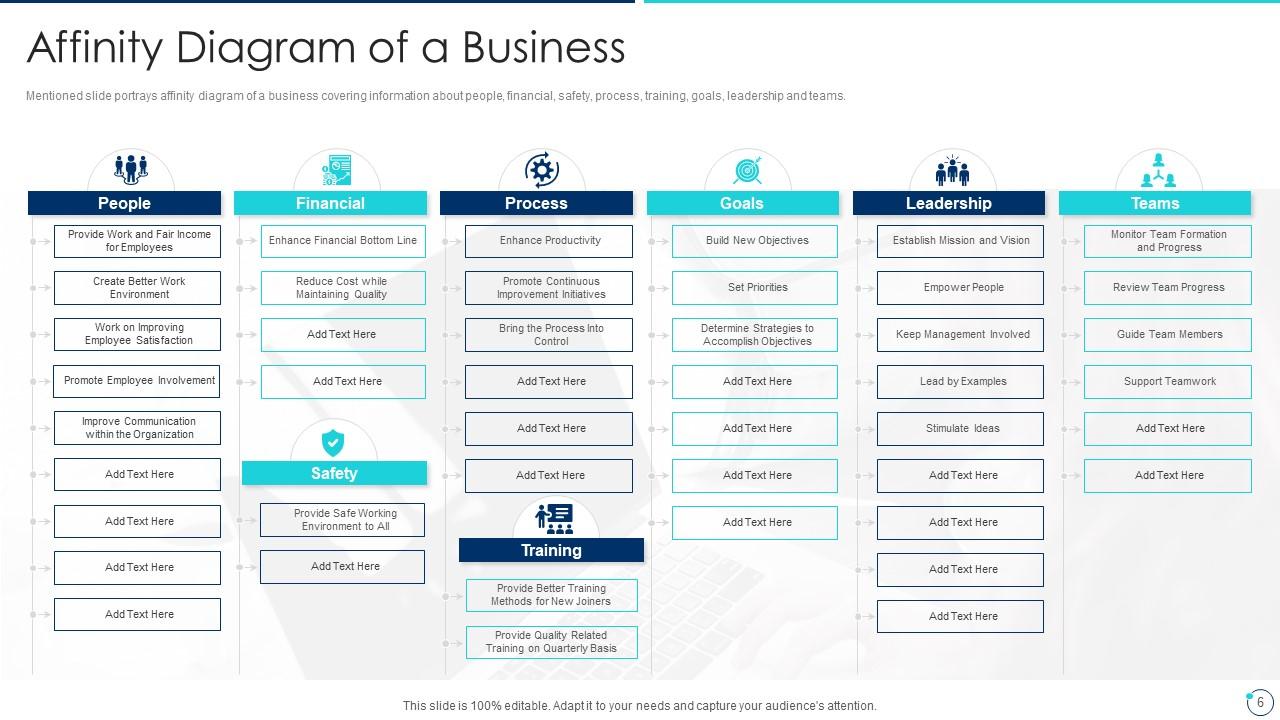
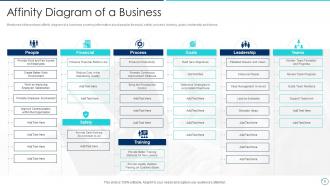
Slide 6: This slide represents affinity diagram of a business covering information about people, financial, safety, etc.
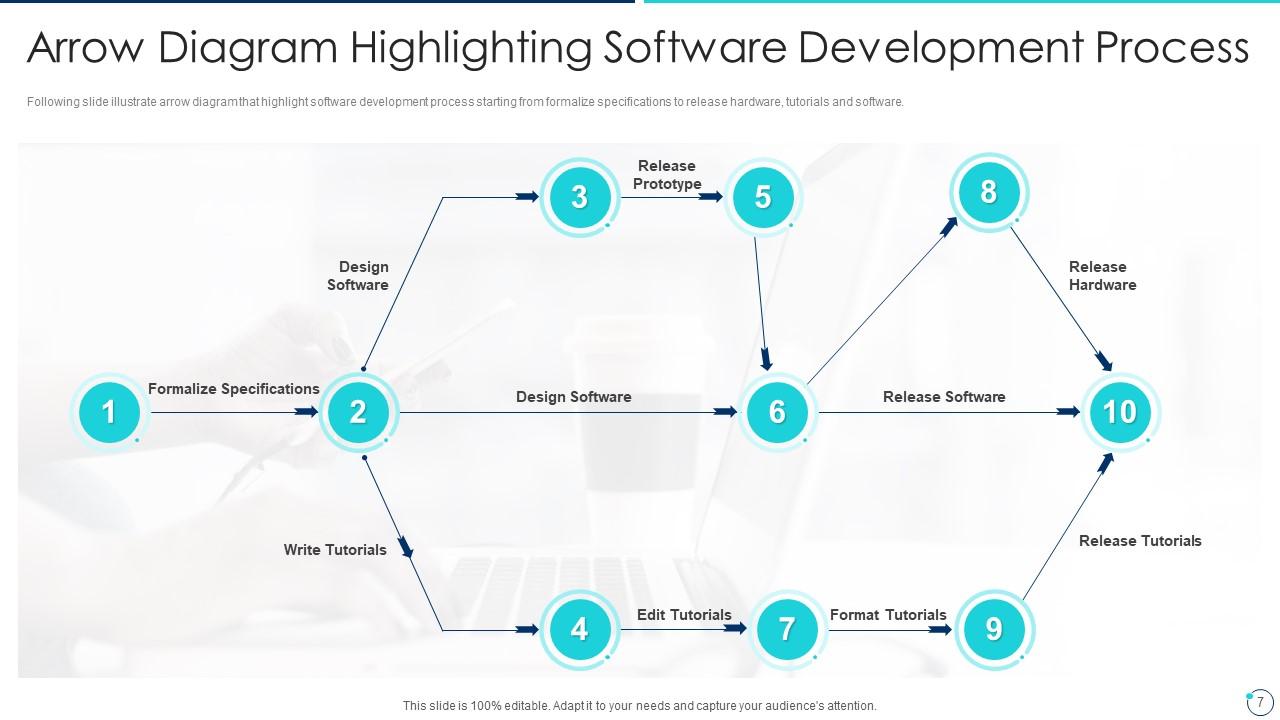
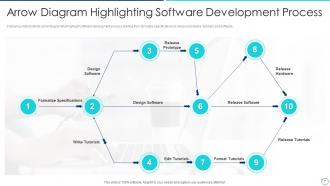
Slide 7: This slide showcases Arrow Diagram Highlighting Software Development Process.
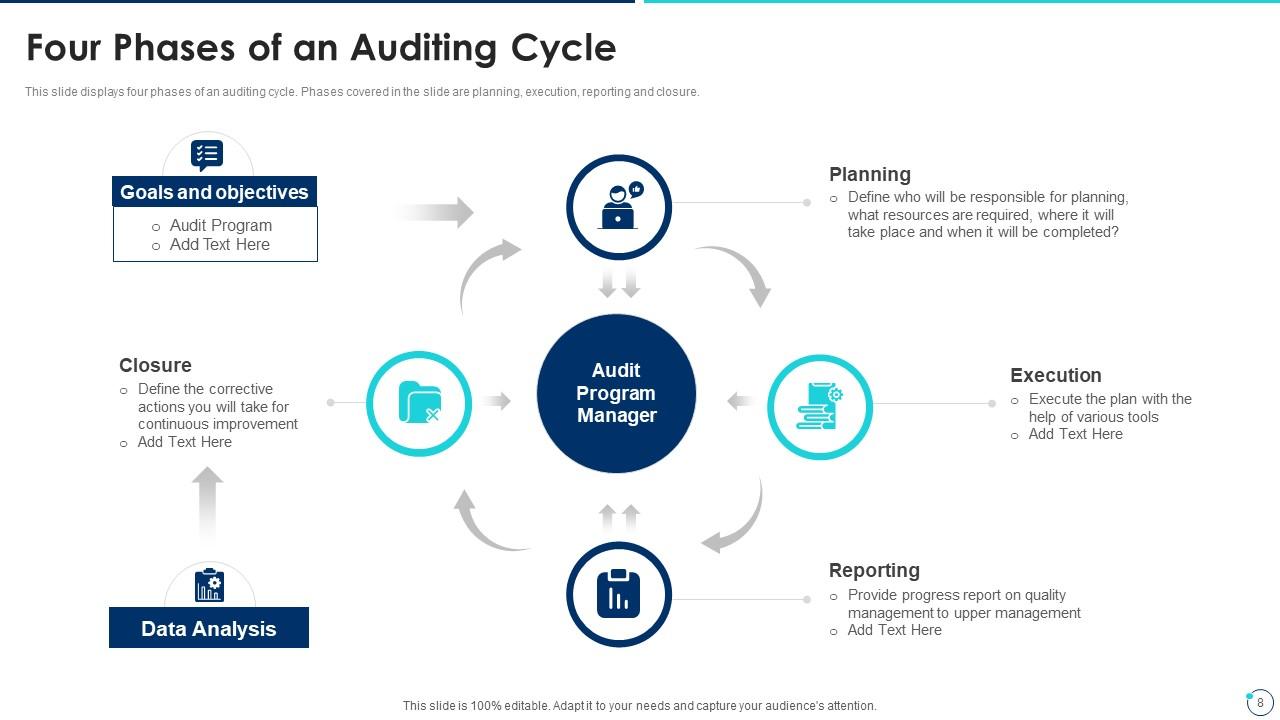
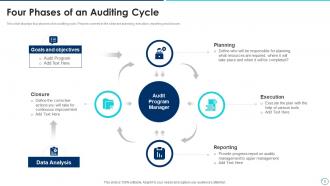
Slide 8: This slide displays four phases of an auditing cycle.
Slide 9: This slide shows title for topics that are to be covered next in the template.
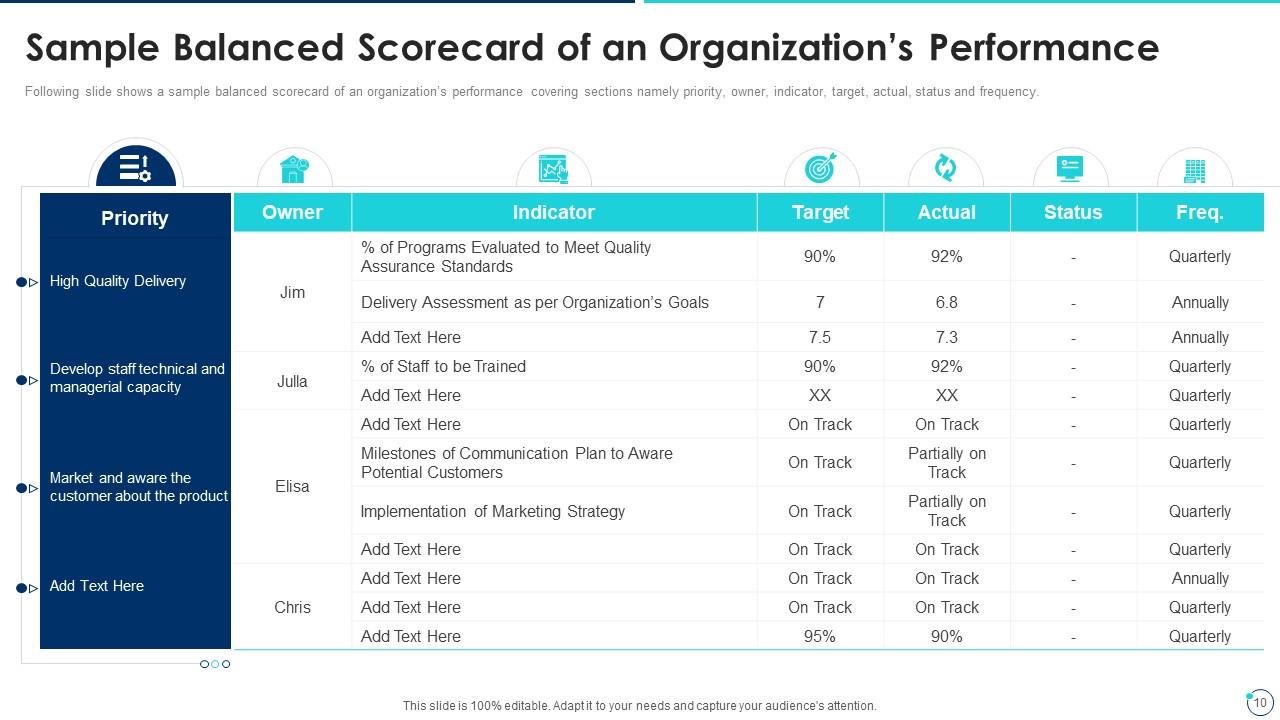
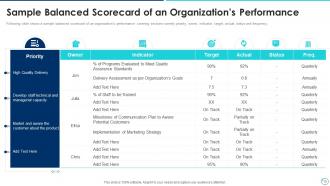
Slide 10: This slide shows Sample Balanced Scorecard of an Organization�s Performance.
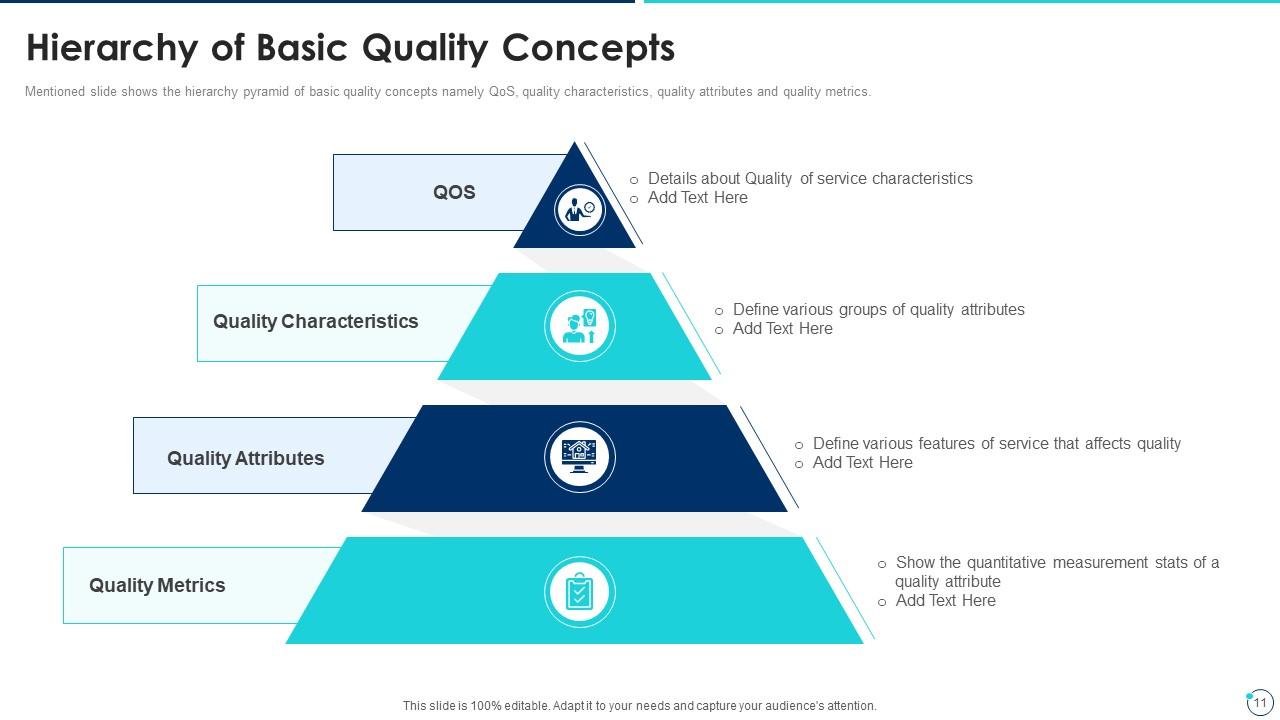
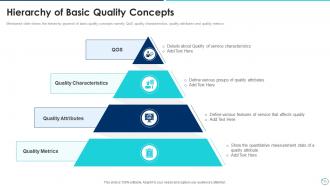
Slide 11: This slide presents hierarchy pyramid of basic quality concepts namely QoS, quality characteristics, quality attributes, etc.
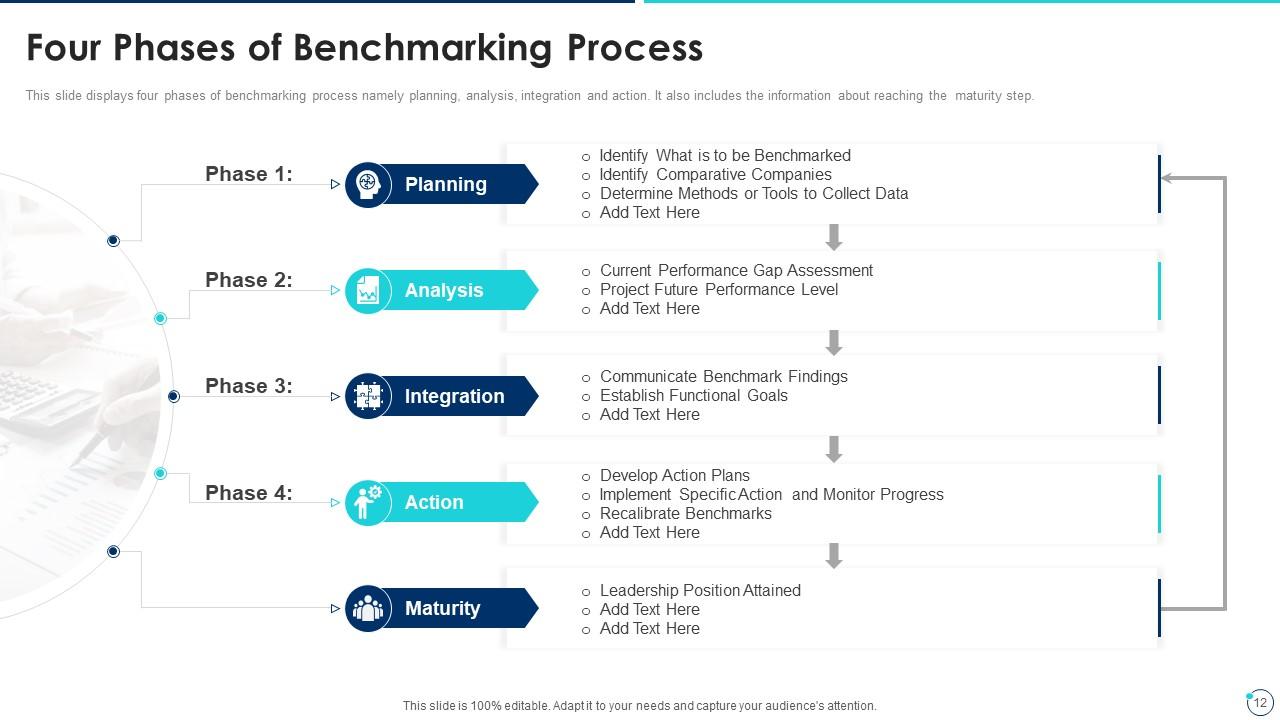
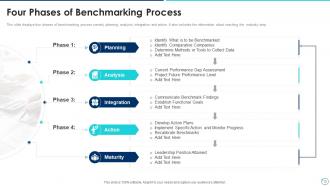
Slide 12: This slide displays four phases of benchmarking process namely planning, analysis, integration, etc.
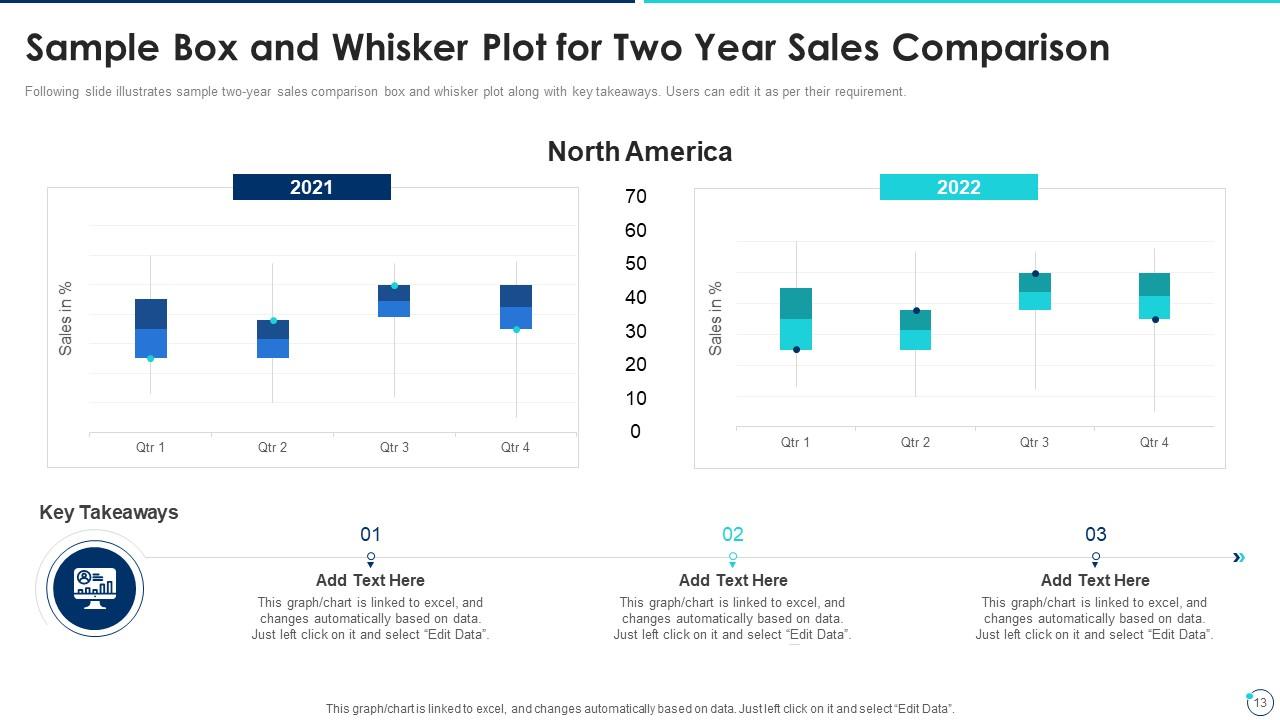
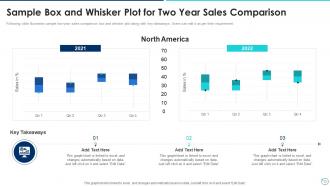
Slide 13: This slide represents Sample Box and Whisker Plot for Two Year Sales Comparison.
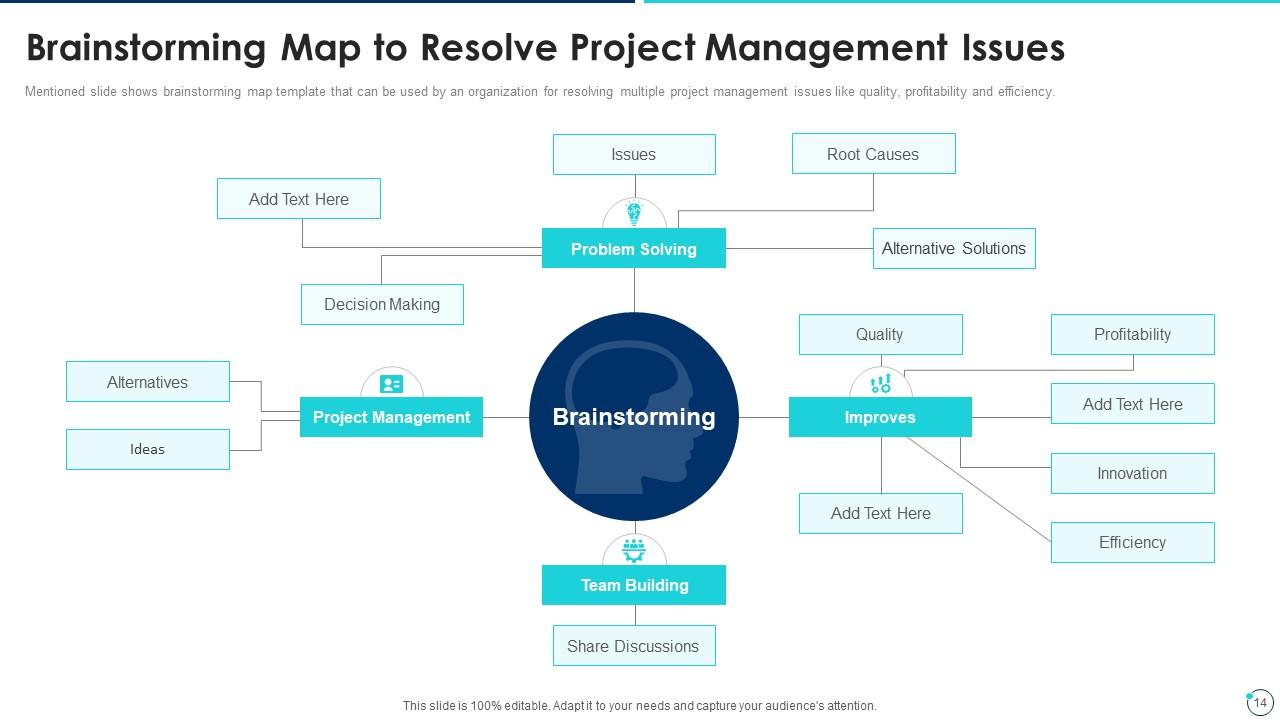
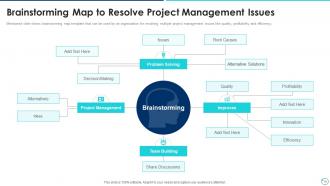
Slide 14: This slide showcases Brainstorming Map to Resolve Project Management Issues.
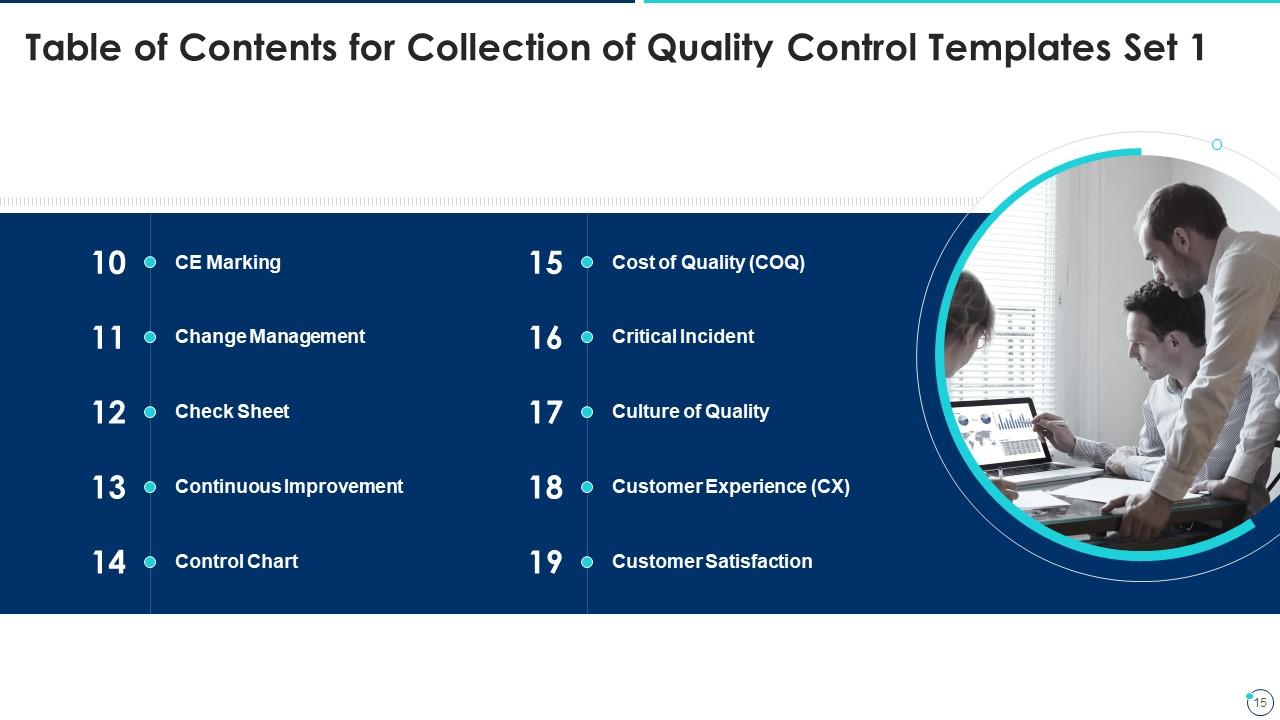
Slide 15: This slide shows title for topics that are to be covered next in the template.
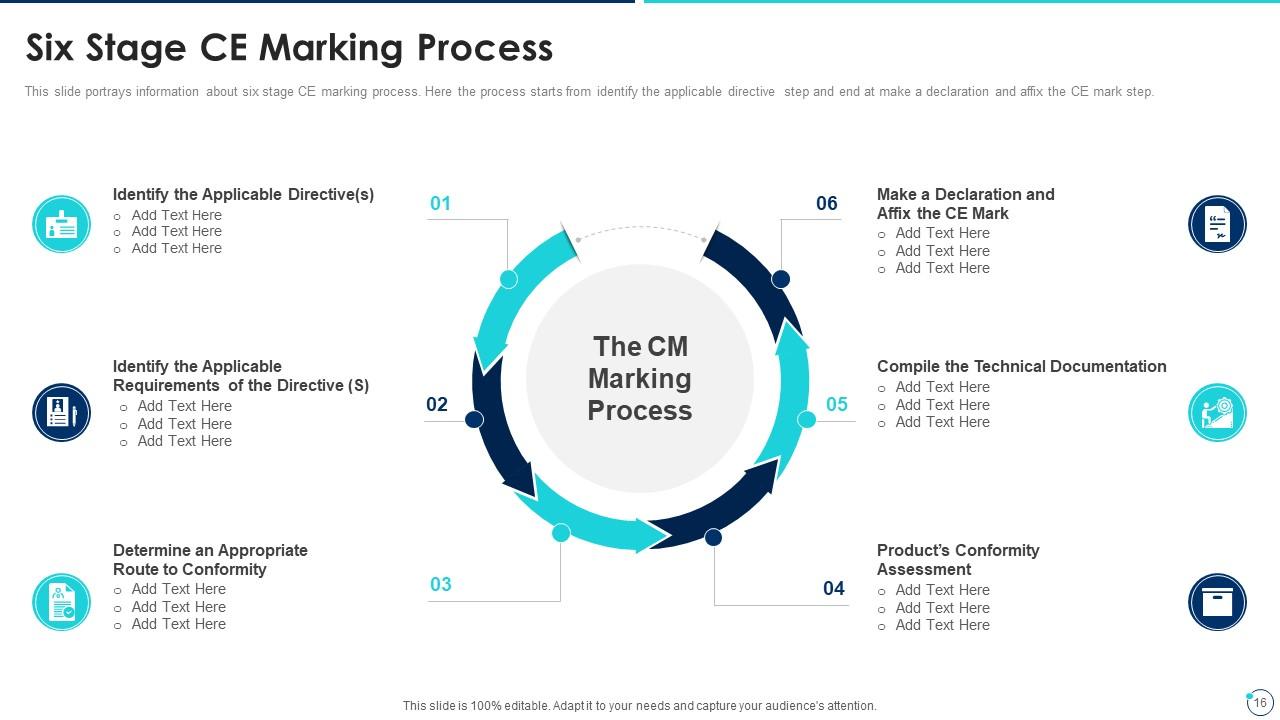
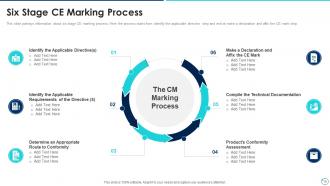
Slide 16: This slide portrays information about six stage CE marking process.
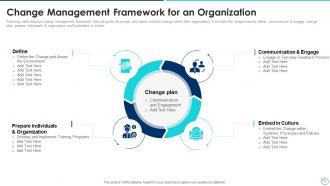
Slide 17: This slide displays Change Management Framework for an Organization.
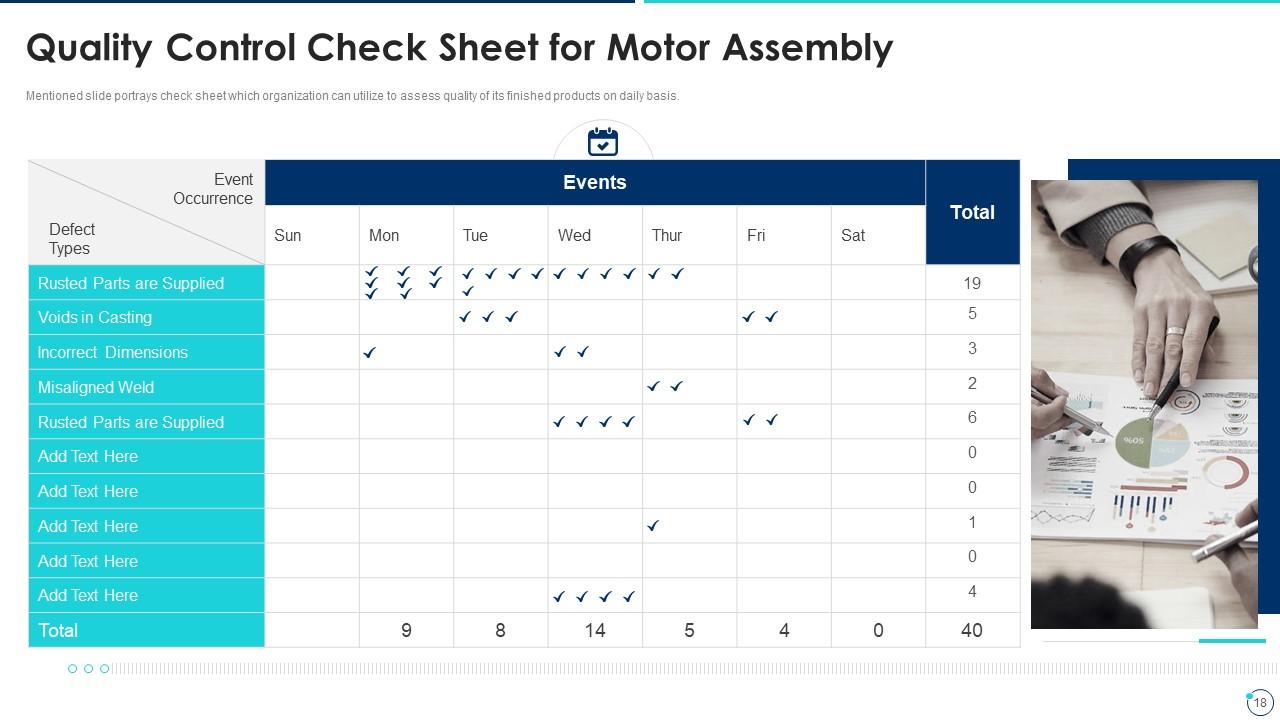
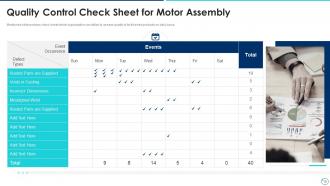
Slide 18: This slide represents Quality Control Check Sheet for Motor Assembly.
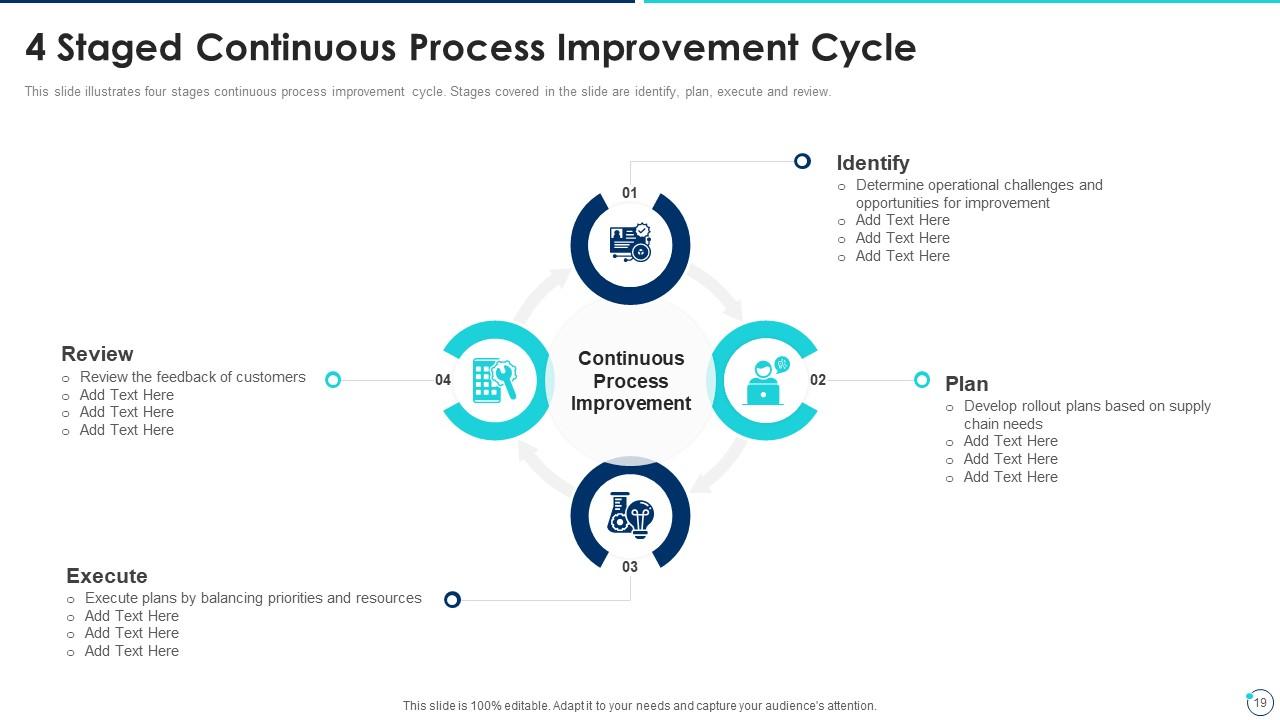
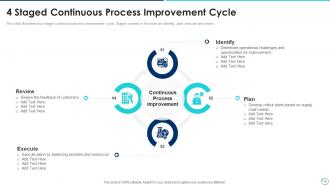
Slide 19: This slide showcases 4 Staged Continuous Process Improvement Cycle.
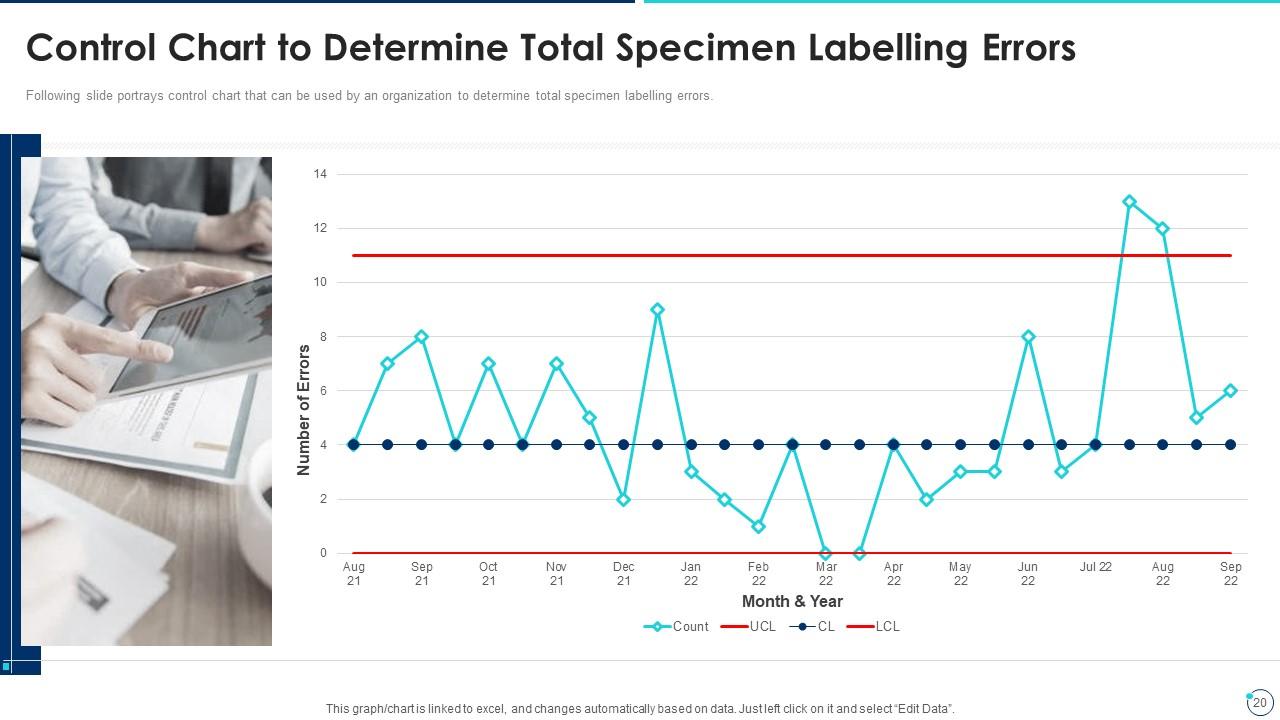
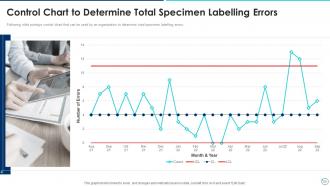
Slide 20: This slide shows Control Chart to Determine Total Specimen Labelling Errors.
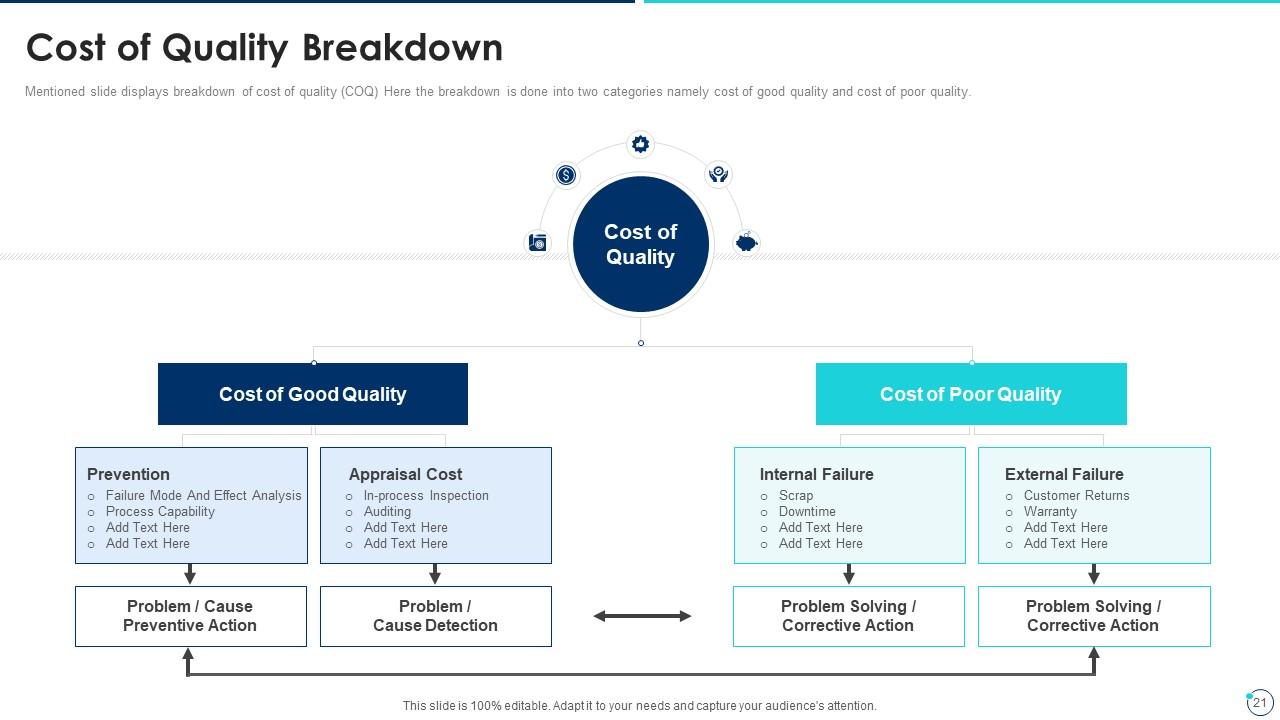
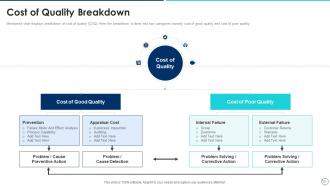
Slide 21: This slide represents breakdown of cost of quality (COQ).
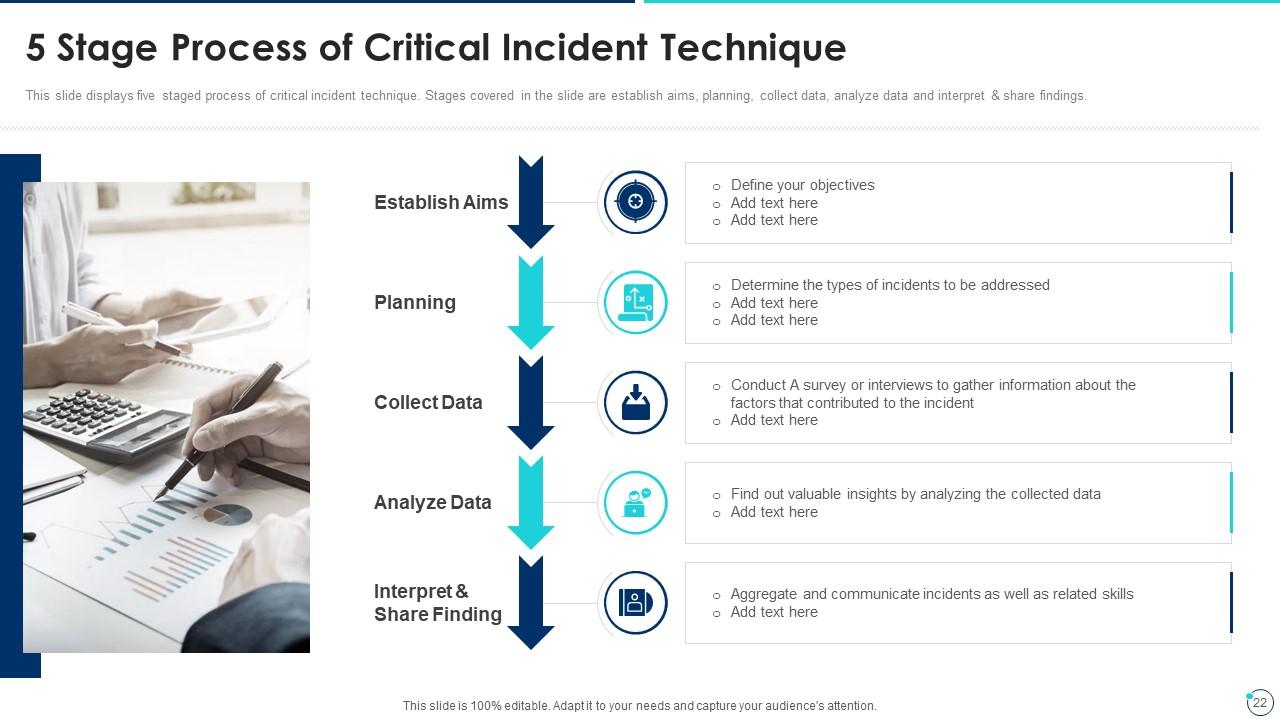
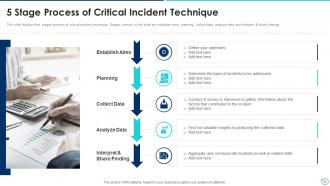
Slide 22: This slide displays five staged process of critical incident technique.
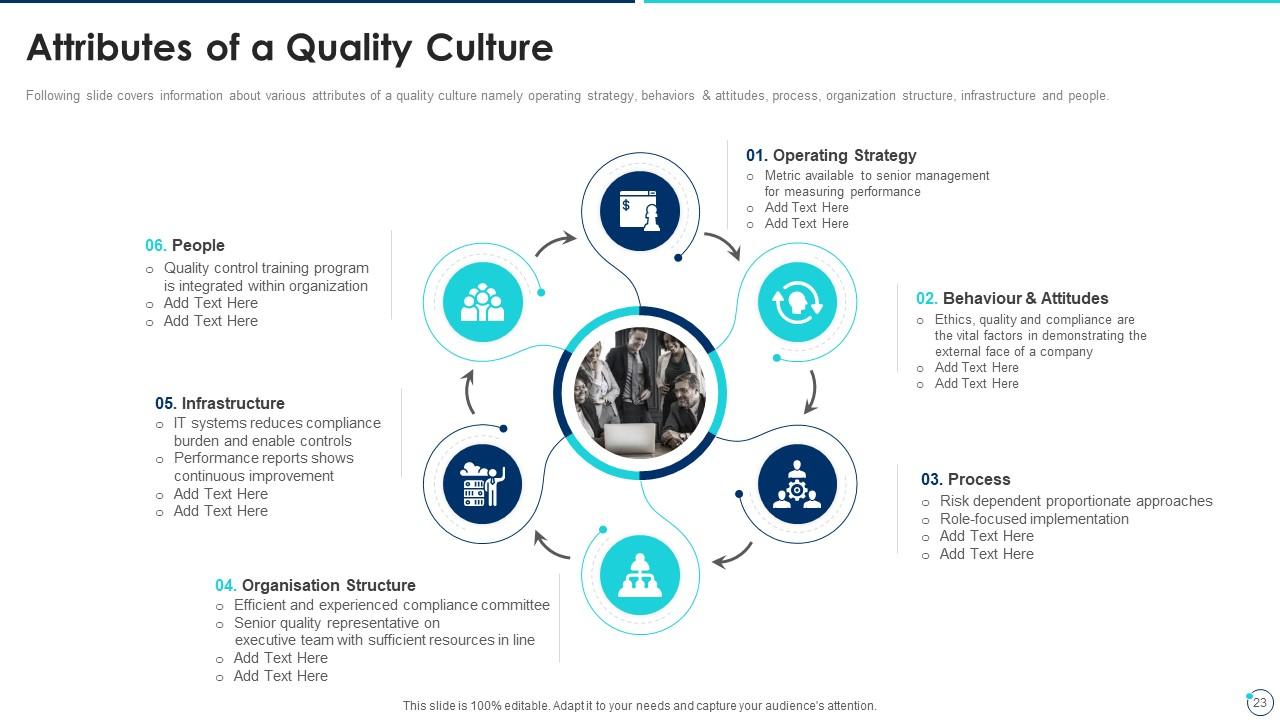
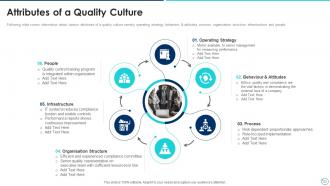
Slide 23: This slide showcases information about various attributes of a quality culture.
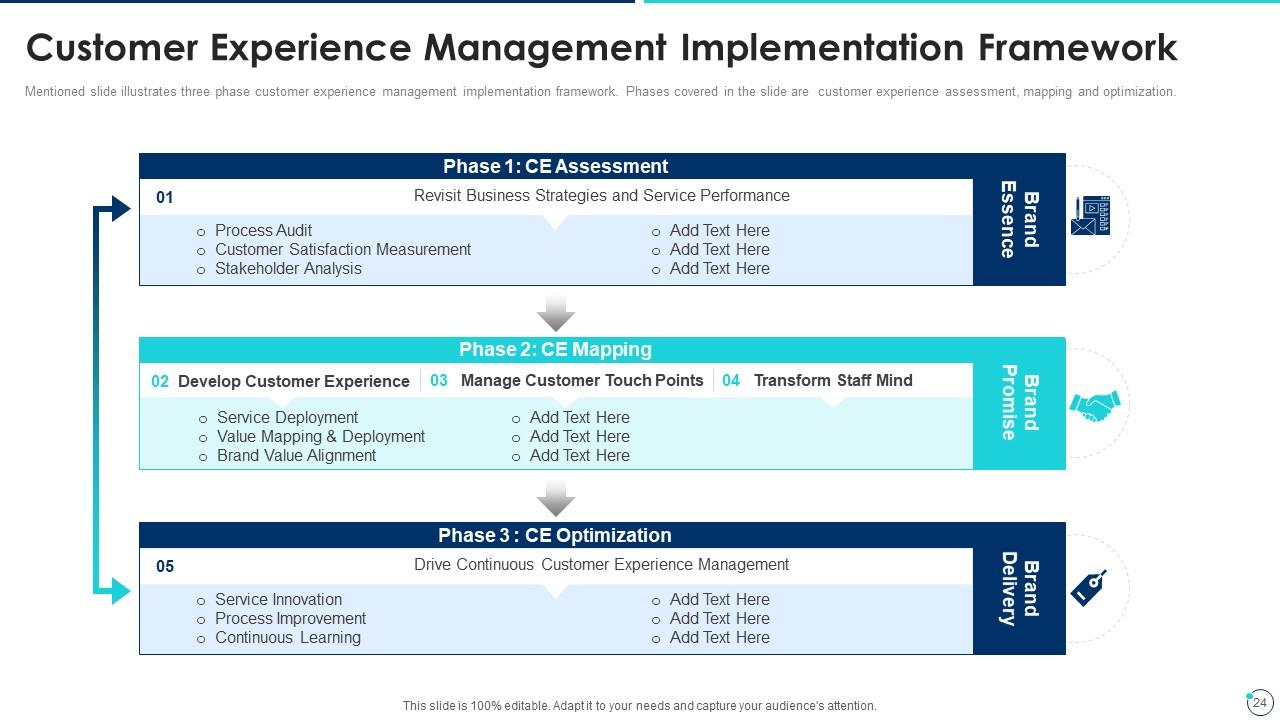
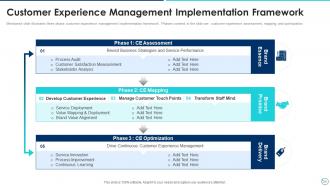
Slide 24: This slide shows Customer Experience Management Implementation Framework.
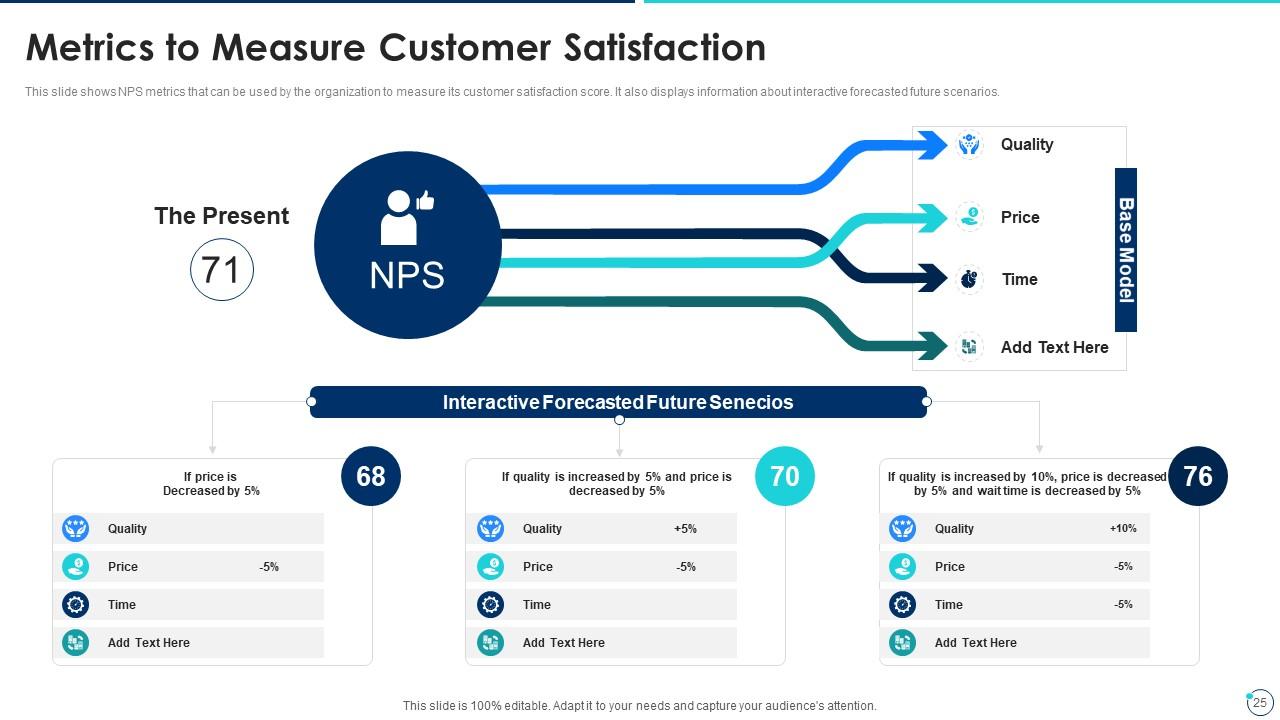
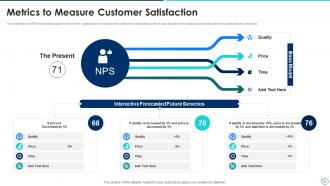
Slide 25: This slide presents NPS metrics that can be used by the organization to measure its customer satisfaction score.
Slide 26: This slide shows title for topics that are to be covered next in the template.
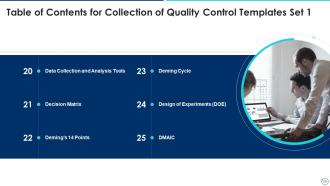
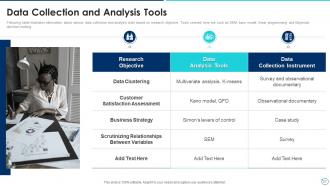
Slide 27: This slide presents information about various data collection and analysis tools.
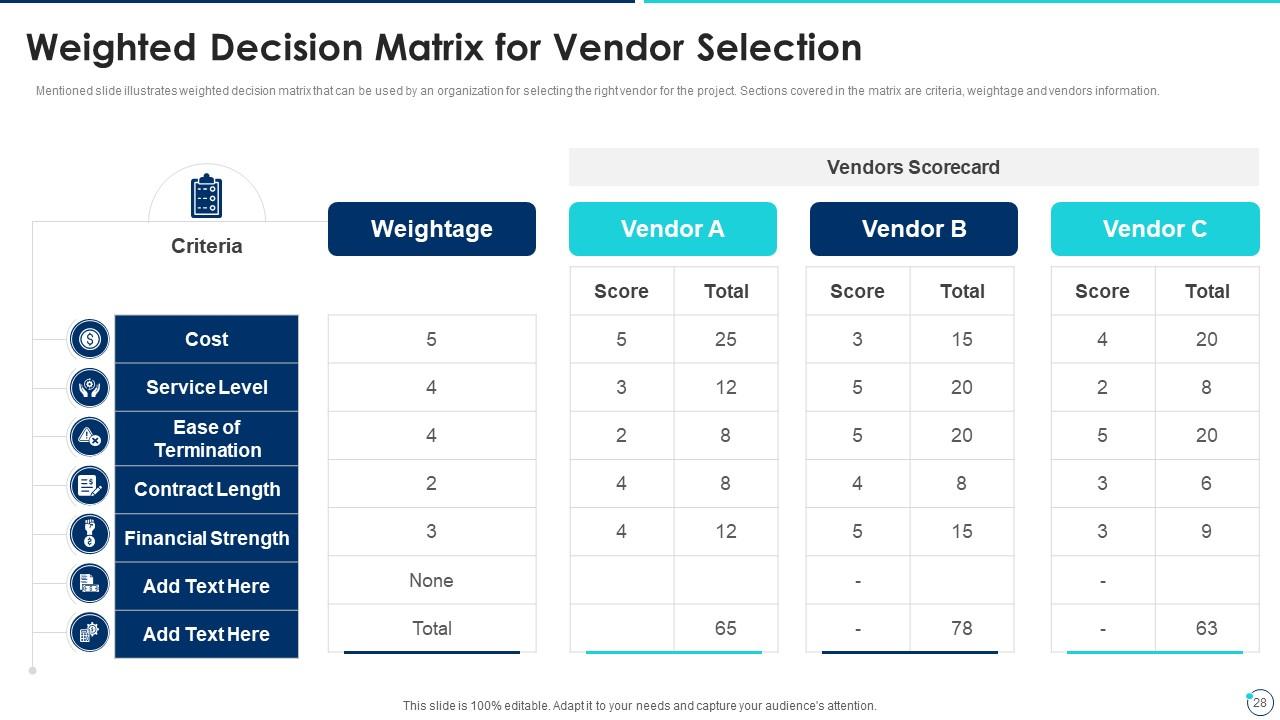
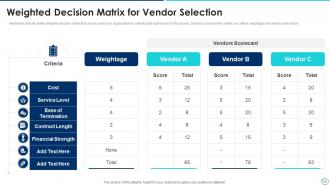
Slide 28: This slide displays Weighted Decision Matrix for Vendor Selection.
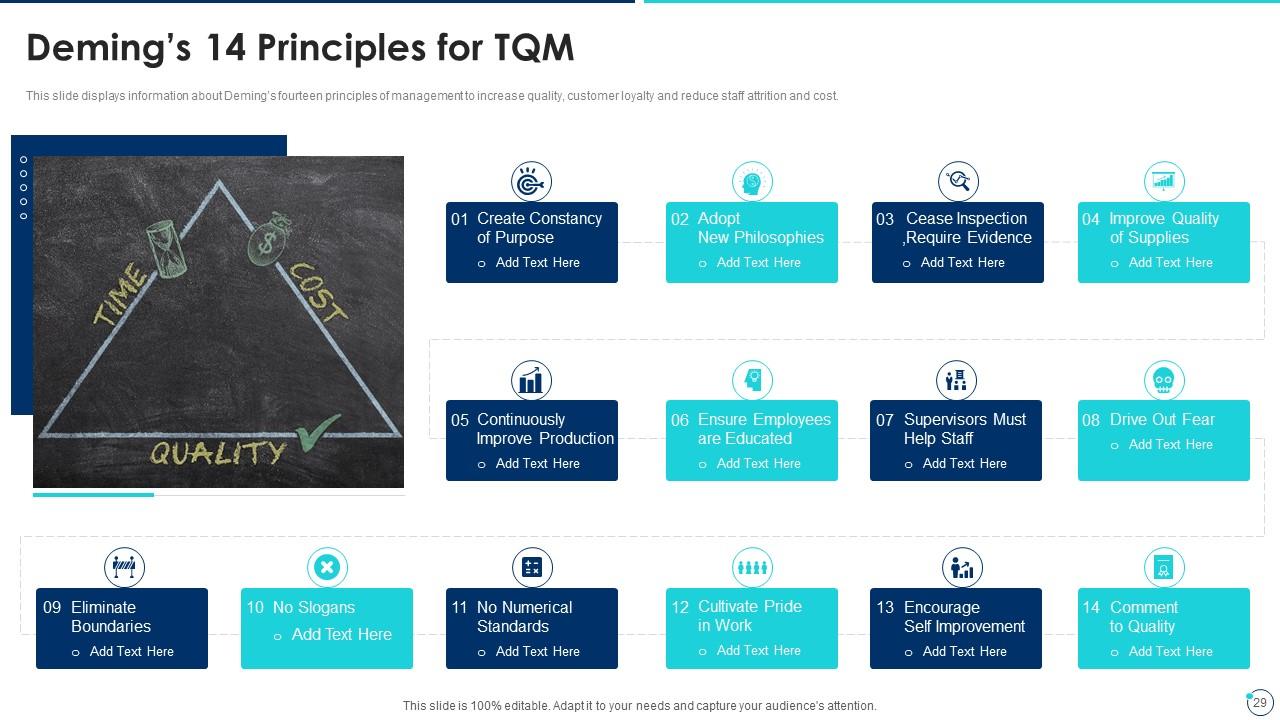
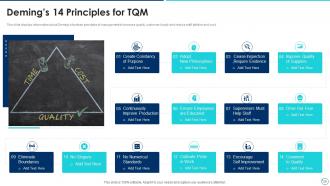
Slide 29: This slide represents information about Deming�s fourteen principles of management to increase quality.
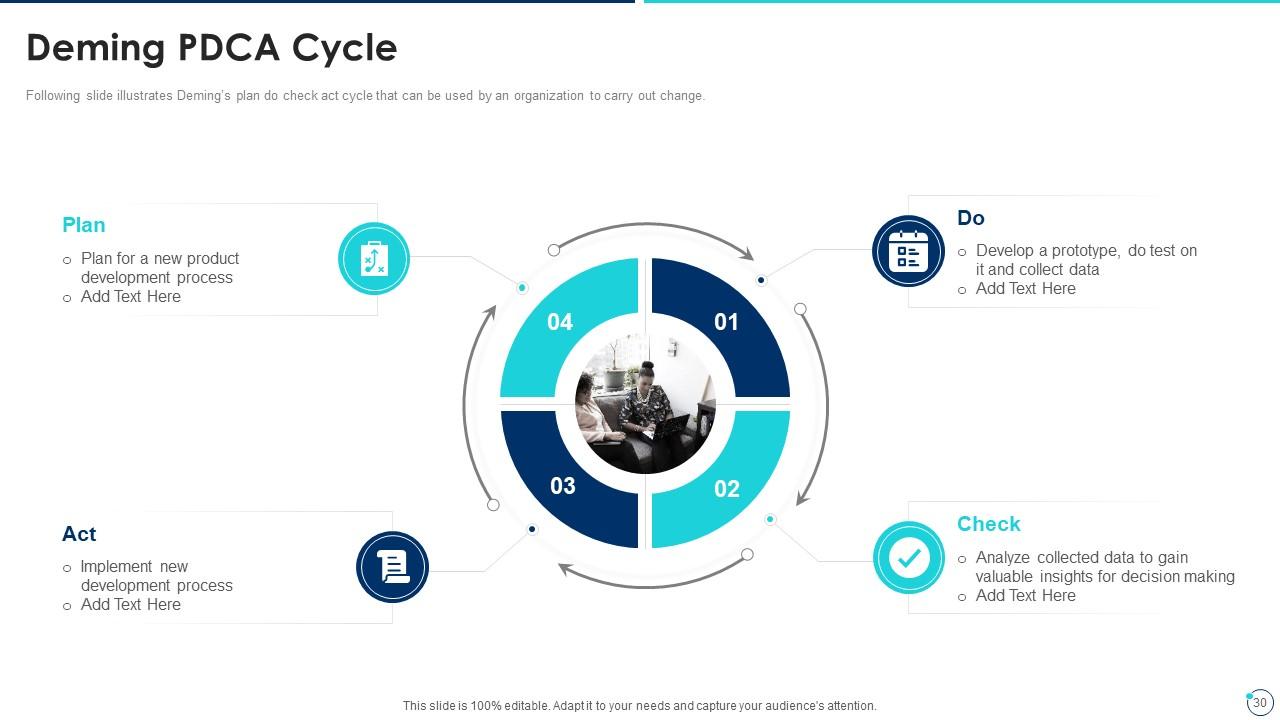
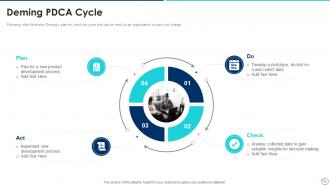
Slide 30: This slide showcases Deming�s plan do check act cycle that can be used by an organization.
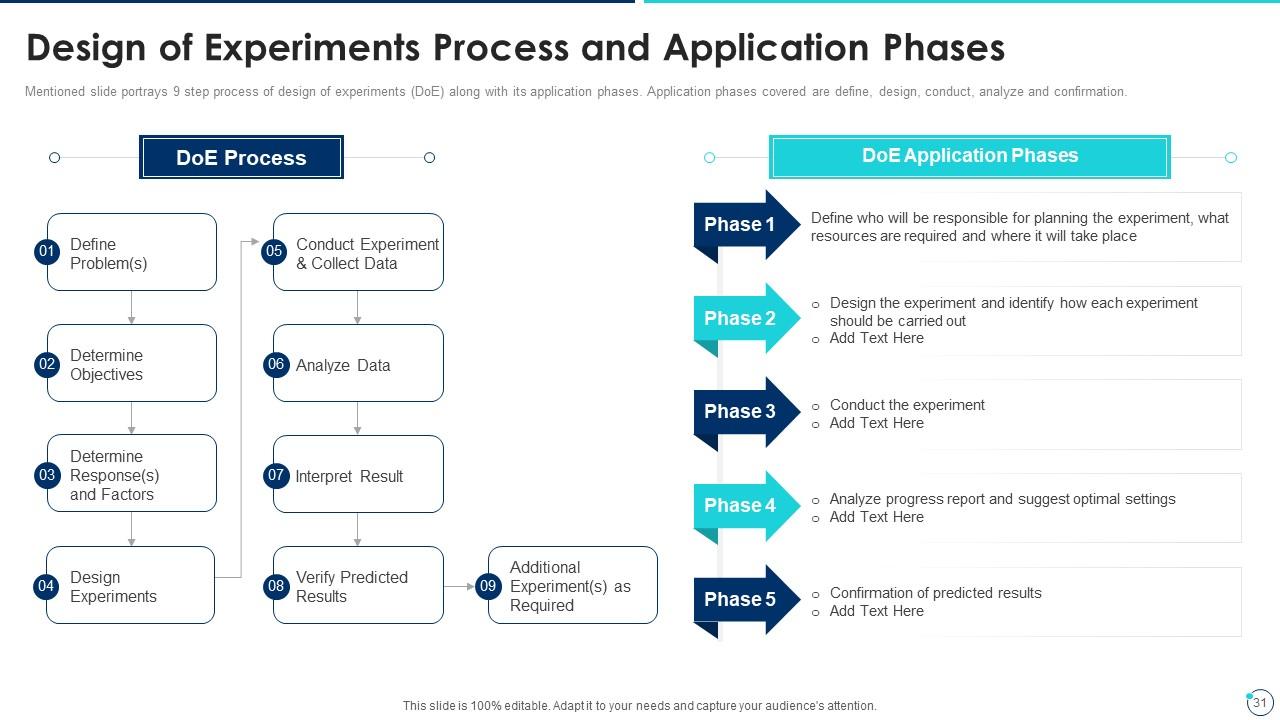
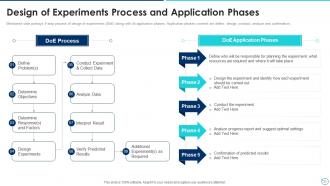
Slide 31: This slide shows Design of Experiments Process and Application Phases.
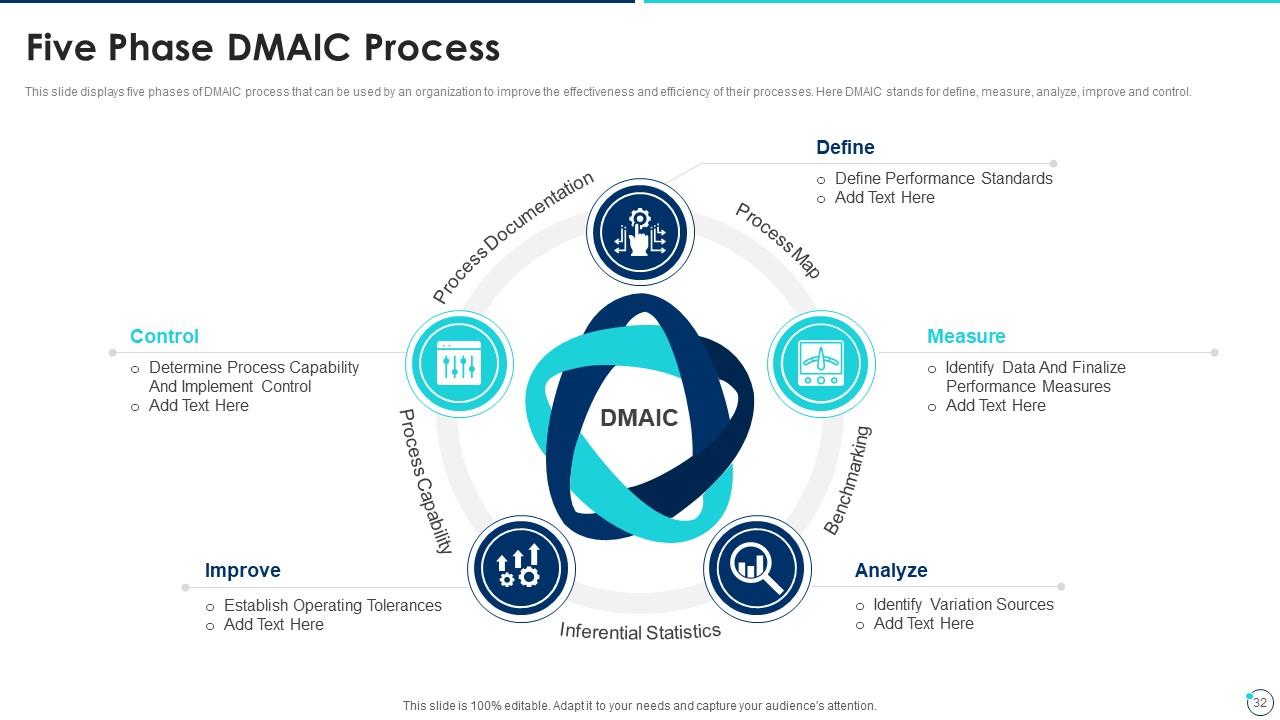
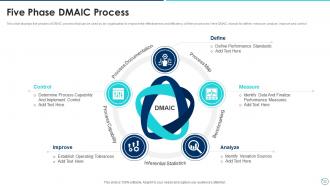
Slide 32: This slide displays five phases of DMAIC process that can be used by an organization to improve the effectiveness and efficiency.
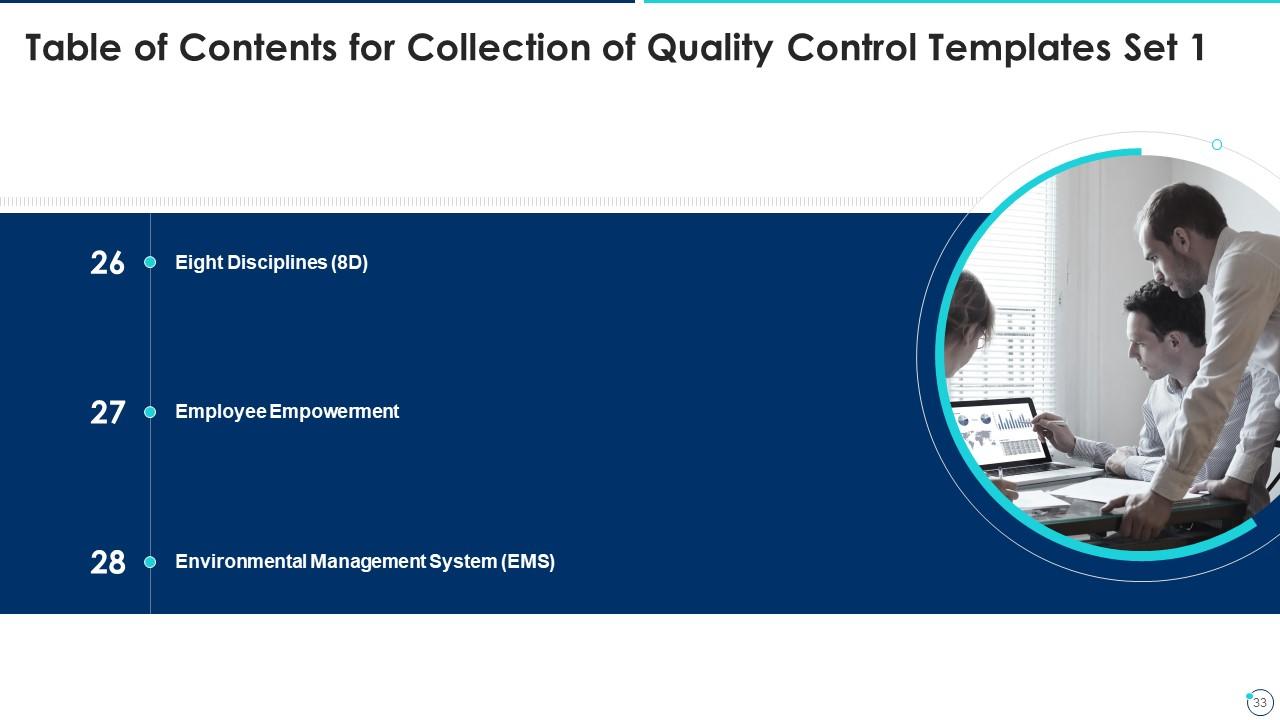
Slide 33: This slide shows title for topics that are to be covered next in the template.
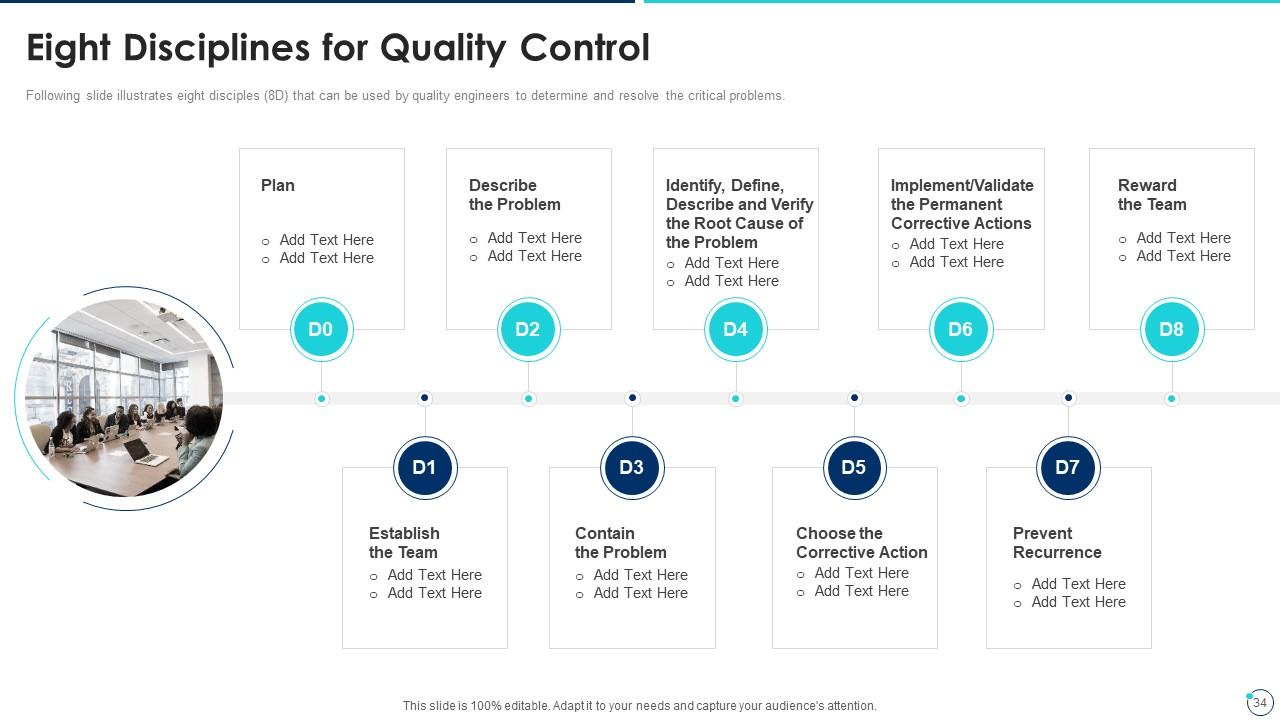
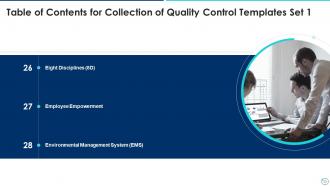
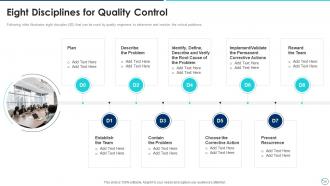
Slide 34: This slide presents eight disciples (8D) that can be used by quality engineers to determine and resolve the critical problems.
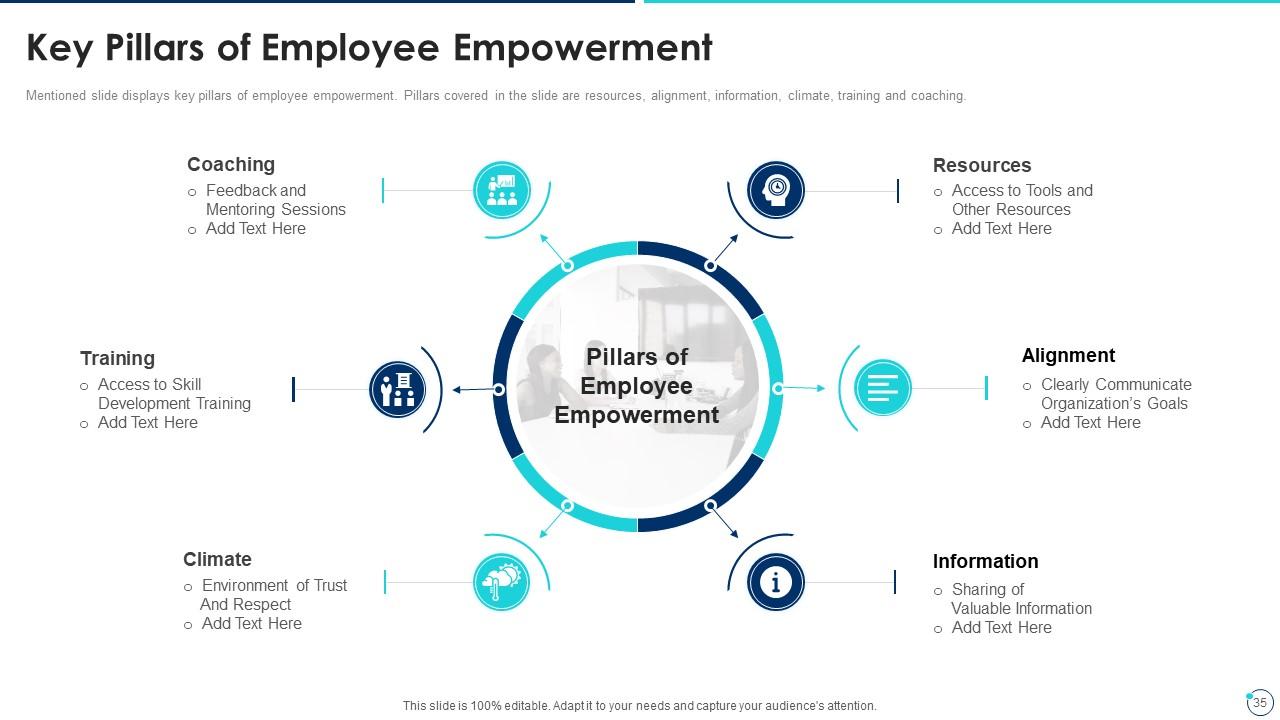
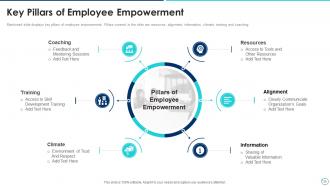
Slide 35: This slide displays key pillars of employee empowerment.
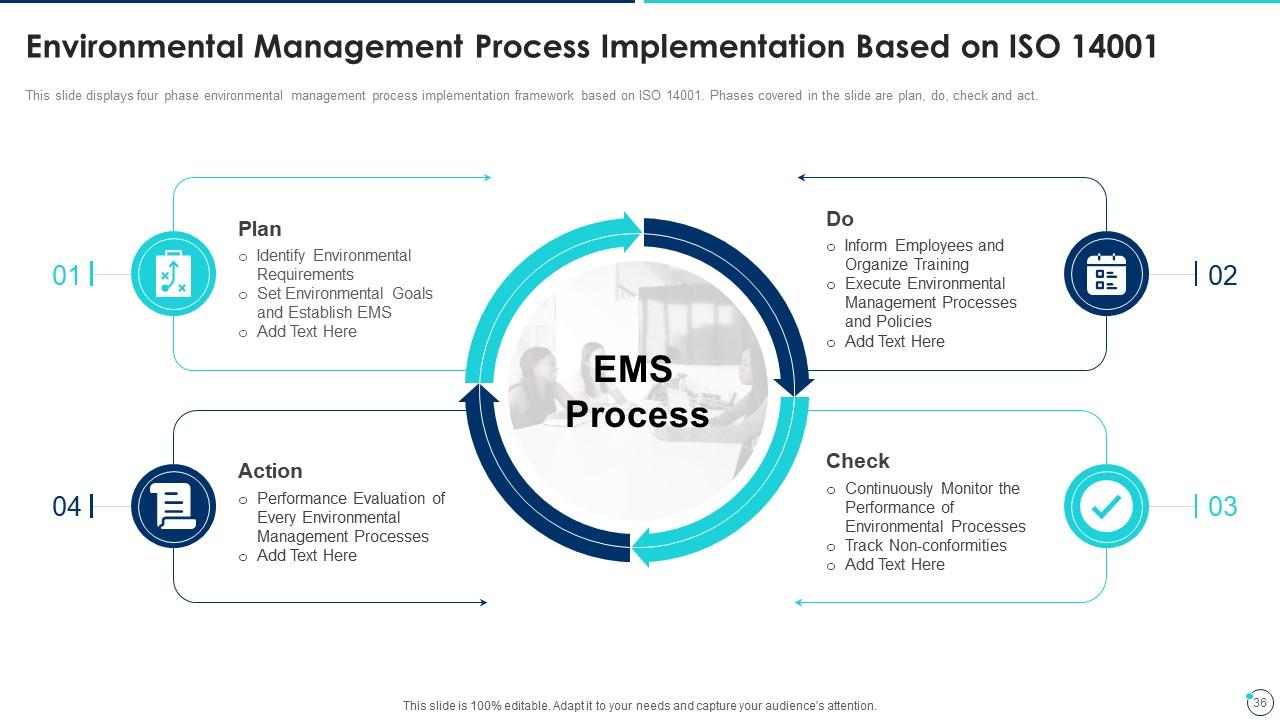
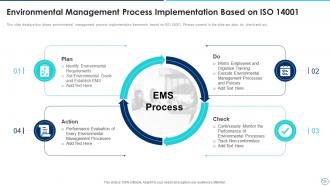
Slide 36: This slide represents Environmental Management Process Implementation Based on ISO 14001.
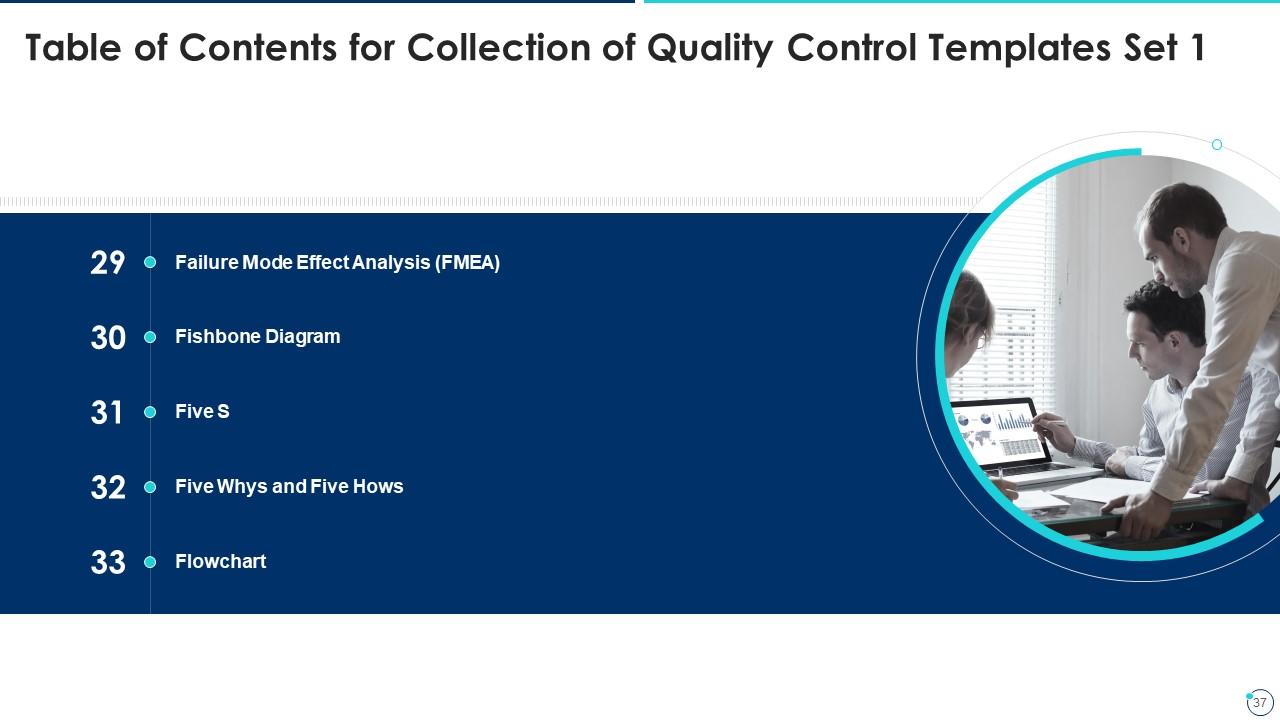
Slide 37: This slide shows title for topics that are to be covered next in the template.
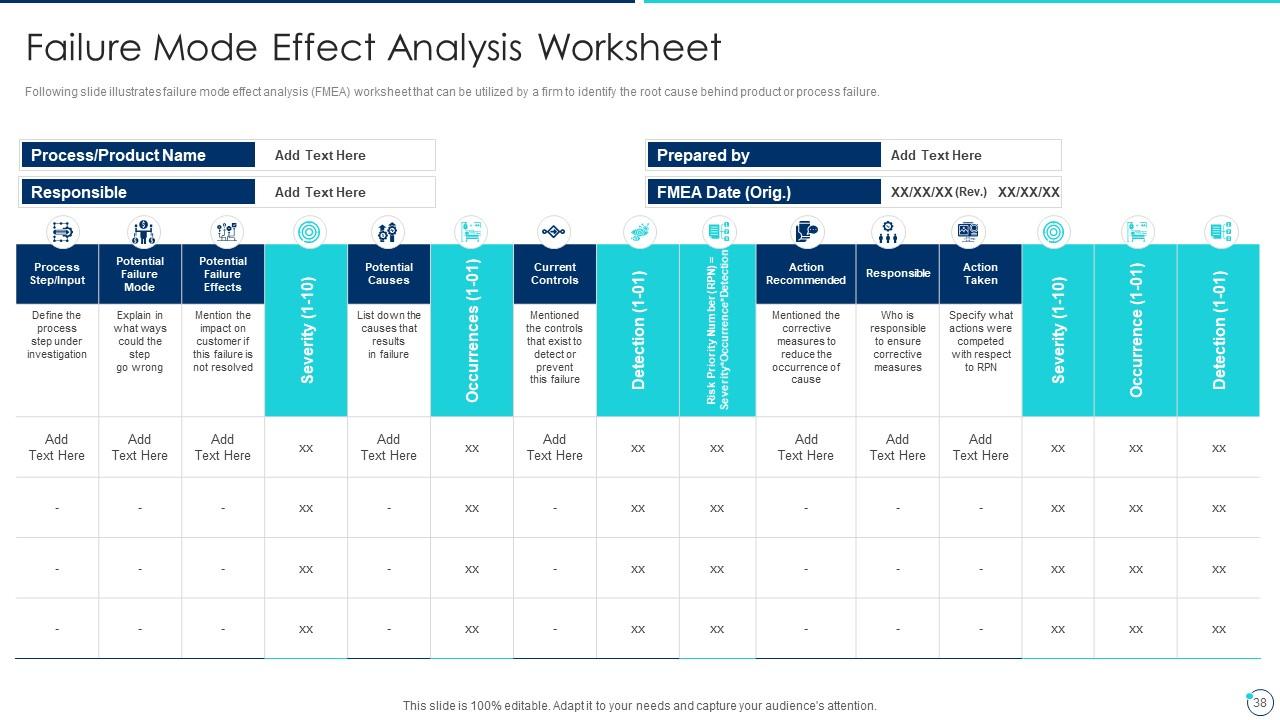
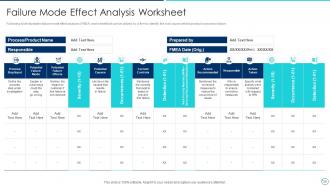
Slide 38: This slide showcases failure mode effect analysis (FMEA) worksheet that can be utilized by a firm.
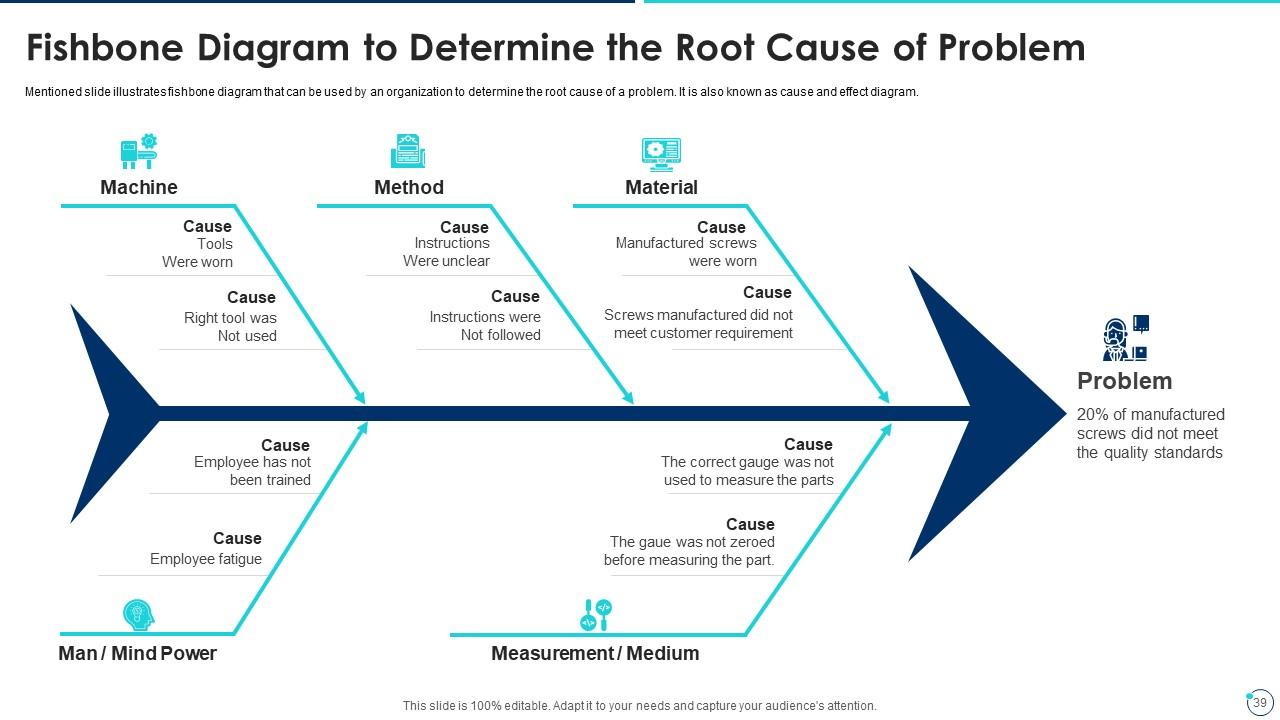
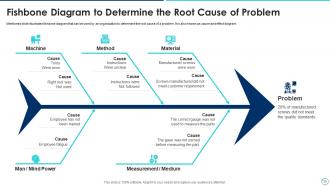
Slide 39: This slide presents Fishbone Diagram to Determine the Root Cause of Problem.
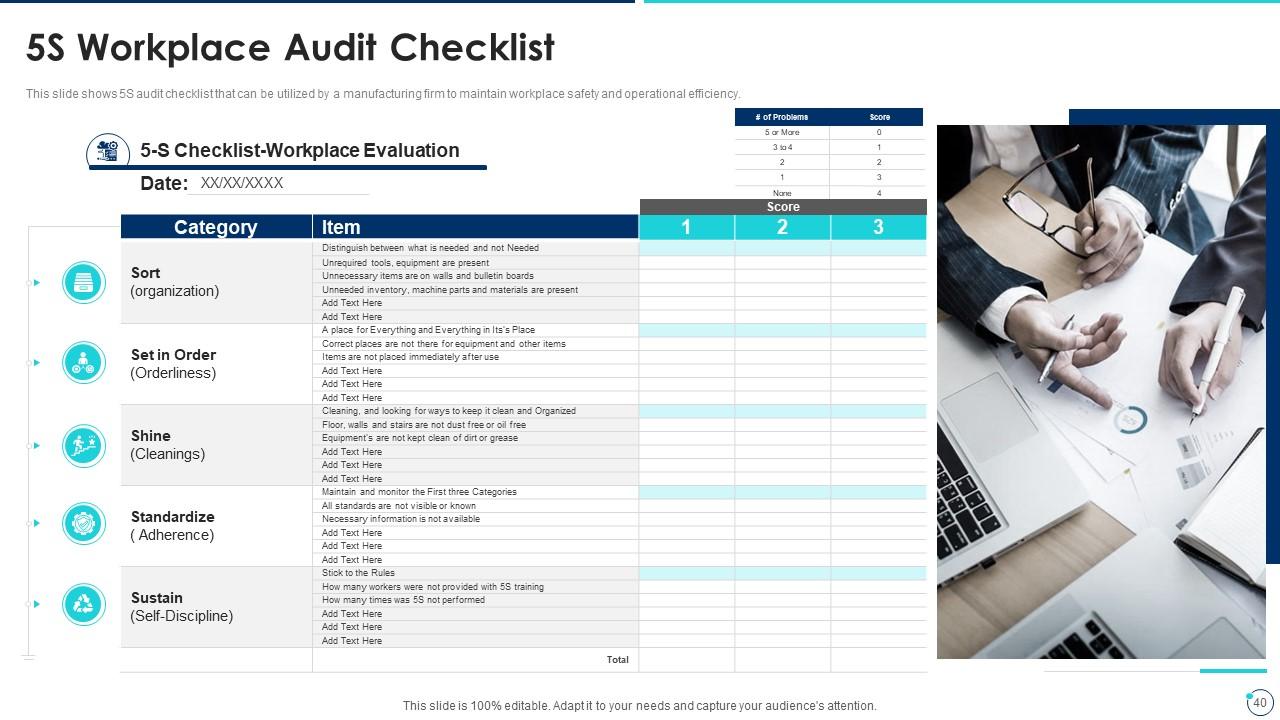
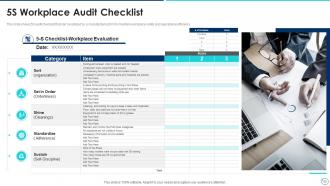
Slide 40: This slide shows 5S audit checklist that can be utilized by a manufacturing firm to maintain workplace safety.
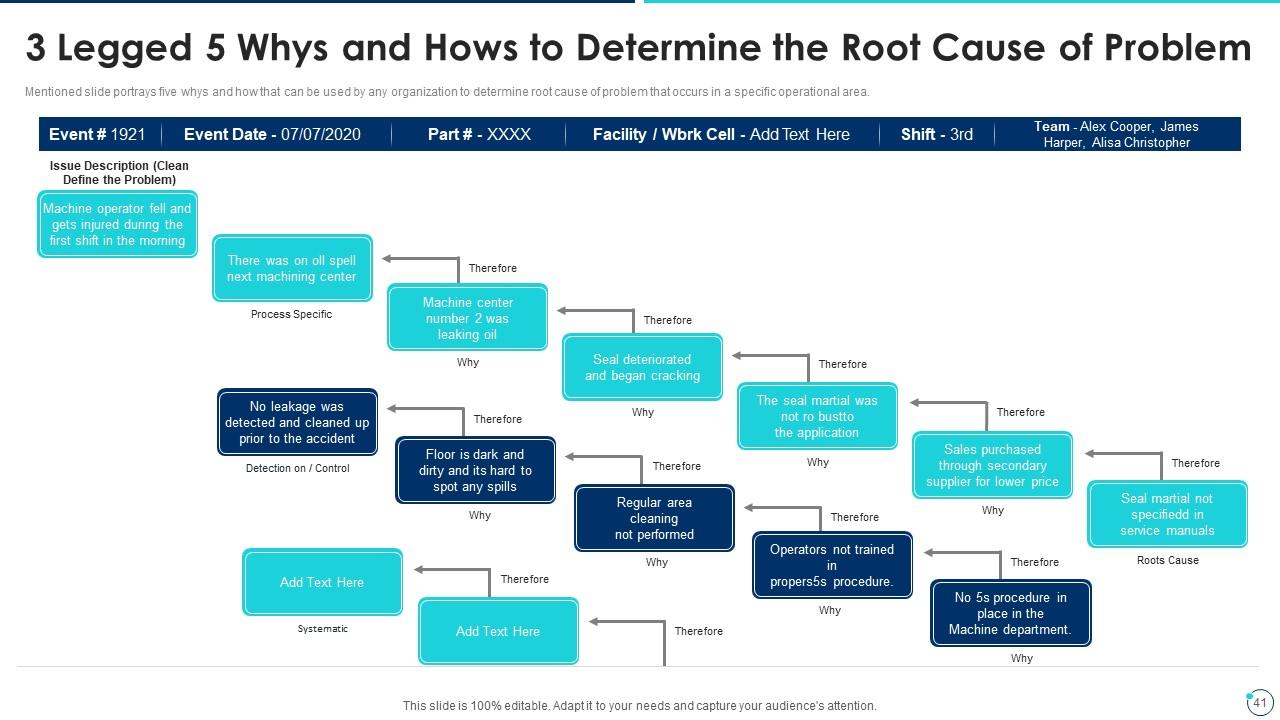
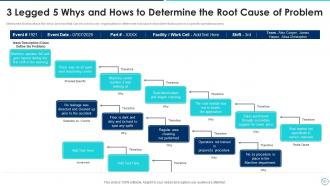
Slide 41: This slide presents 3 Legged 5 Whys and Hows to Determine the Root Cause of Problem.
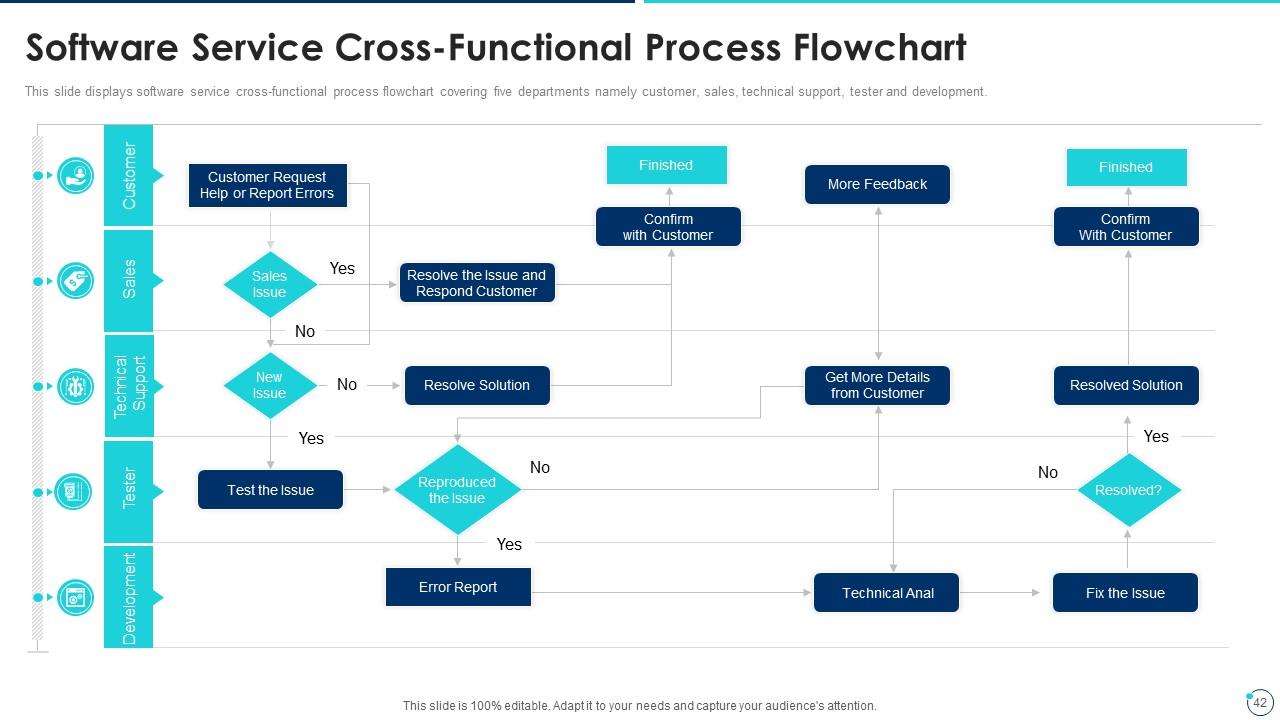
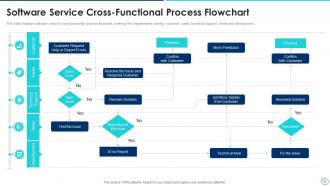
Slide 42: This slide displays Software Service Cross-Functional Process Flowchart.
Slide 43: This is the icons slide.
Slide 44: This slide presents title for additional slides.
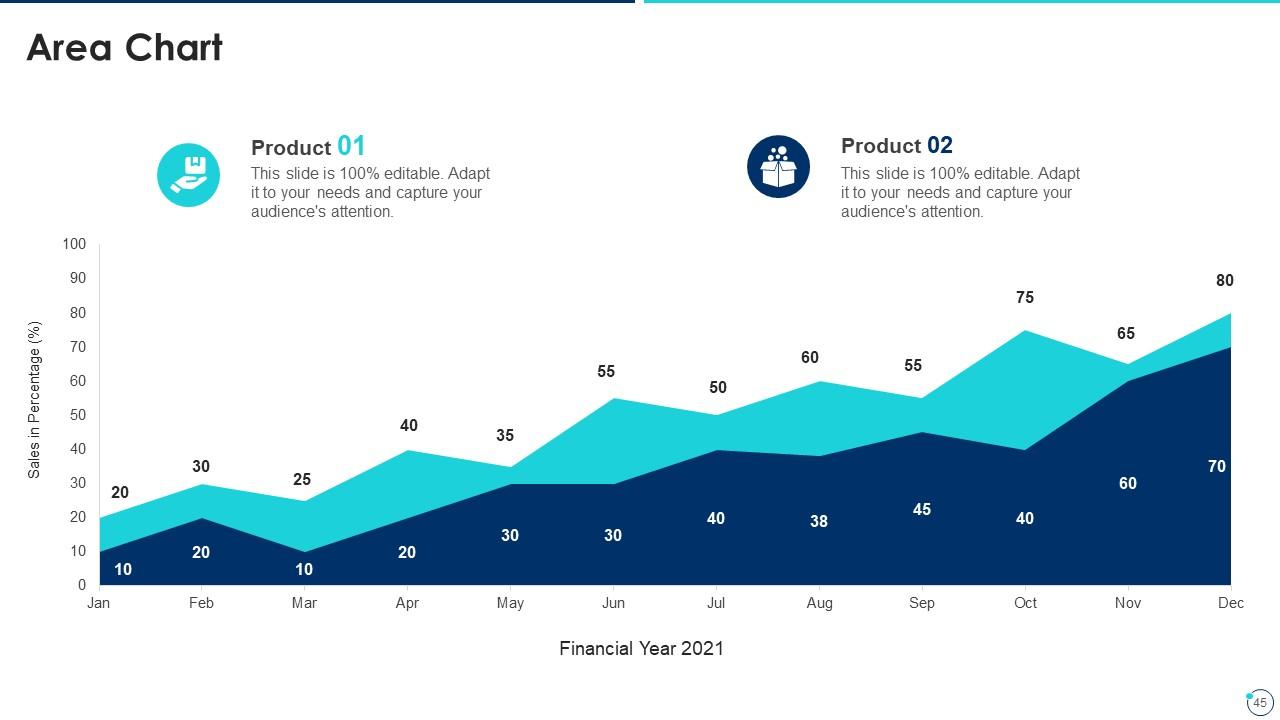
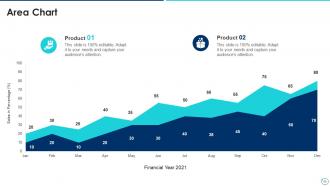
Slide 45: This slide exhibits monthly sales area charts for different products. The charts are linked to Excel.
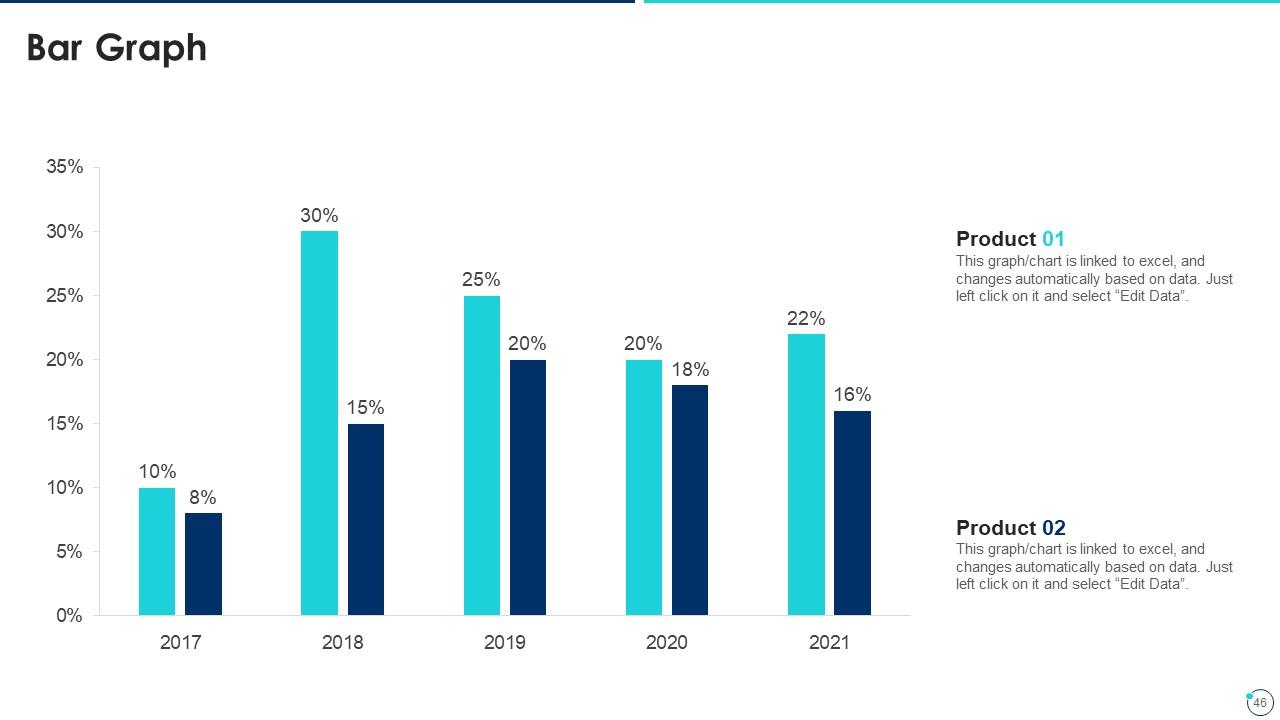
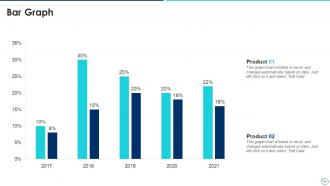
Slide 46: This slide shows yearly bar graph for different products. The charts are linked to Excel.
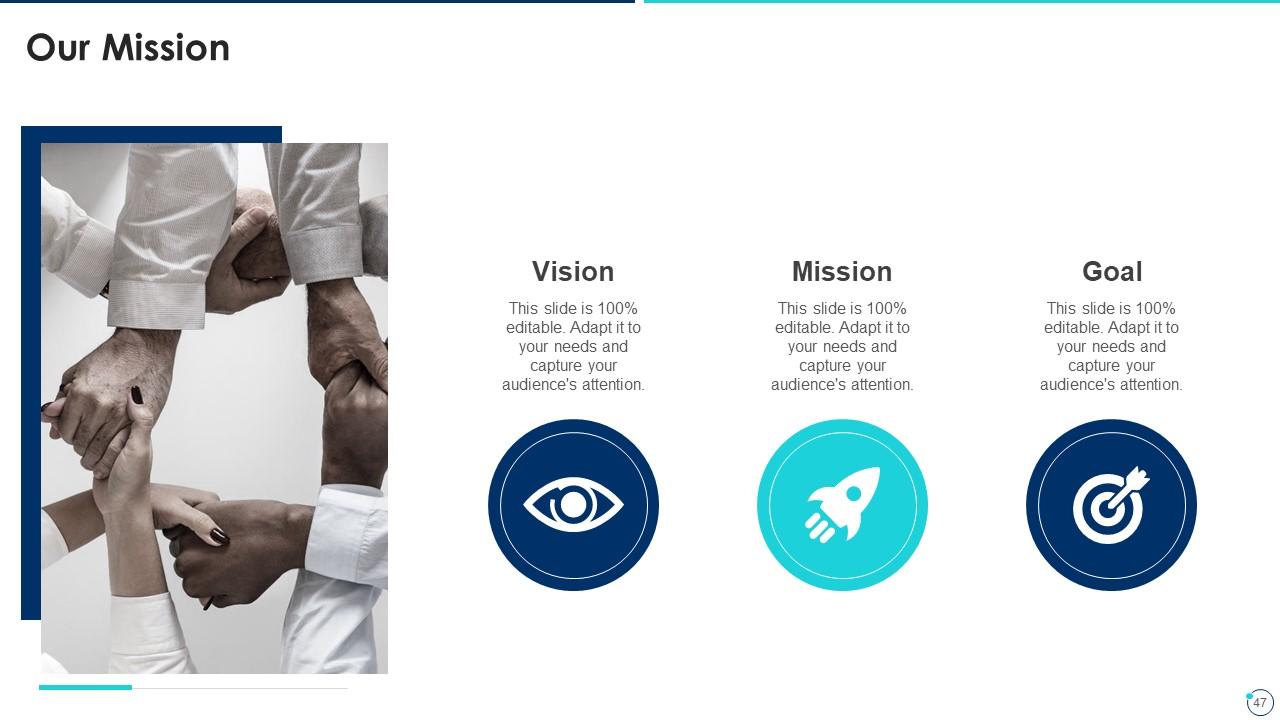
Slide 47: This slide presents your company's vision, mission and goals.
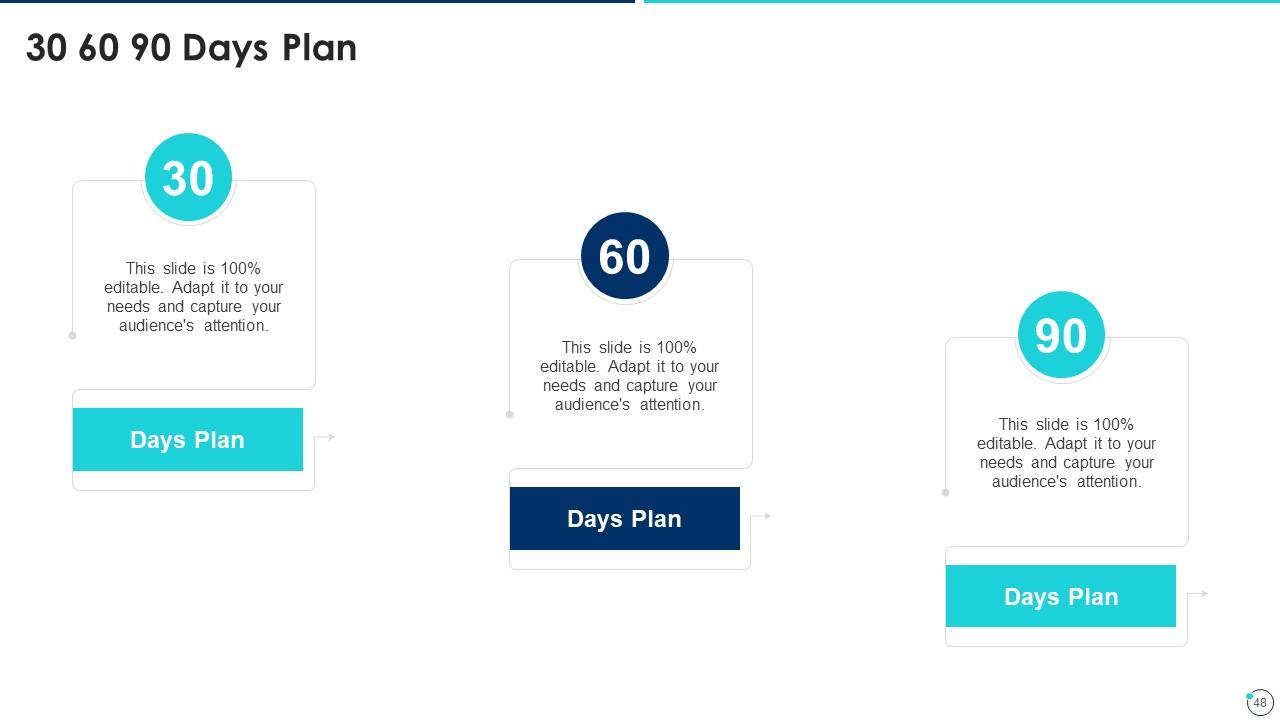
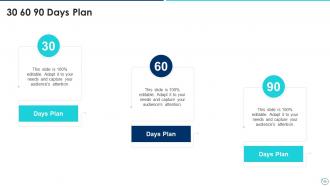
Slide 48: This slide depicts 30-60-90 days plan for projects.
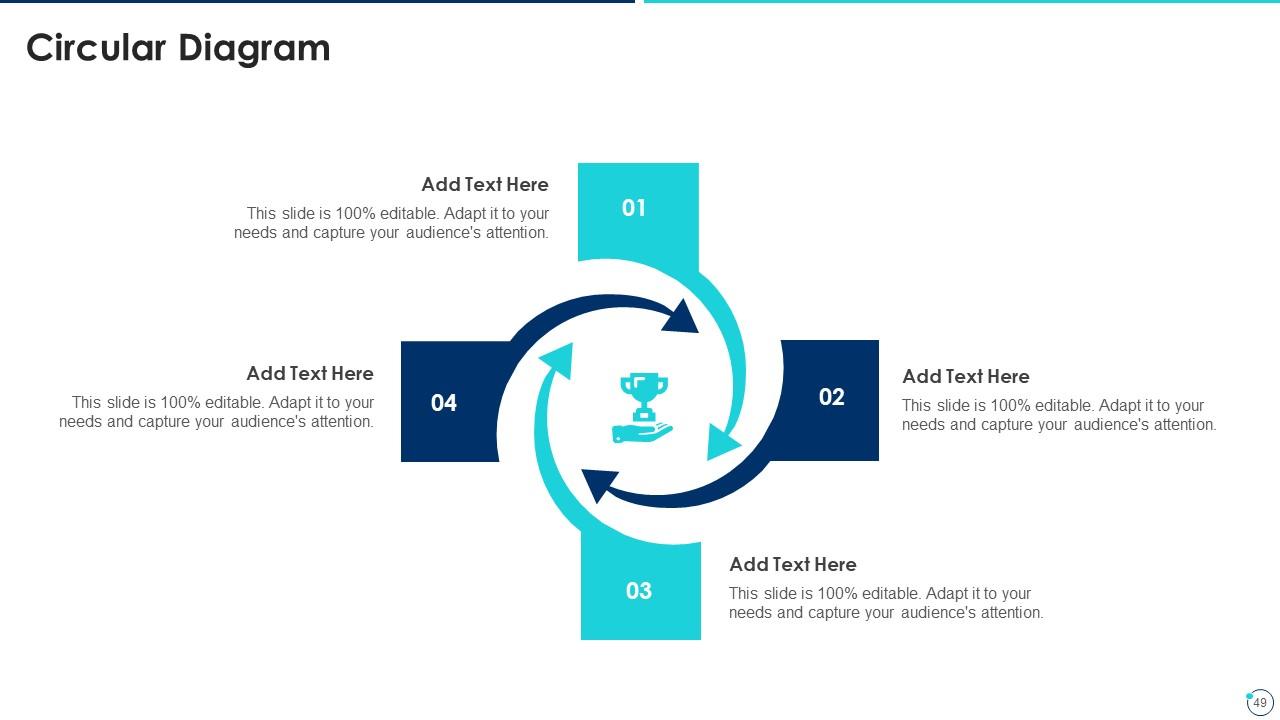
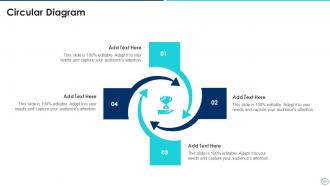
Slide 49: This slide presents circular diagram.
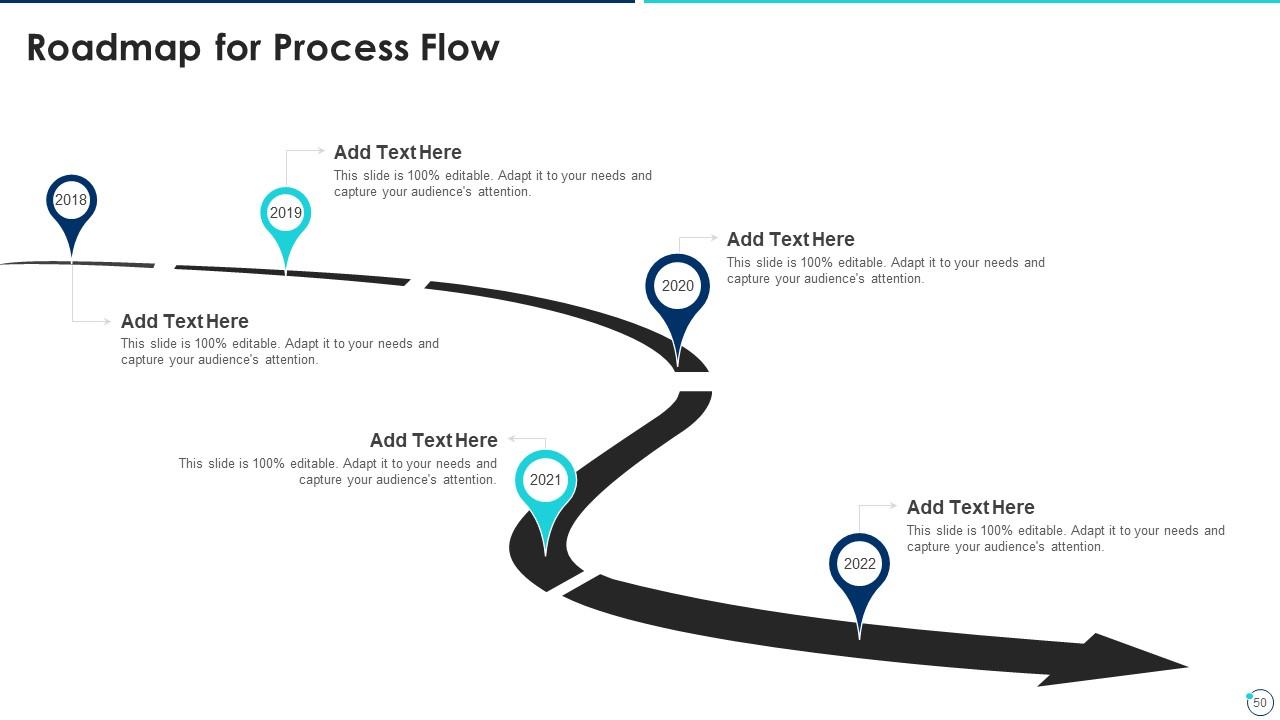
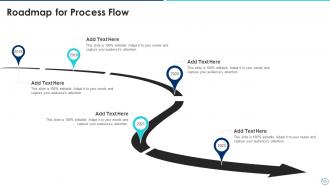
Slide 50: This slide shows roadmap.
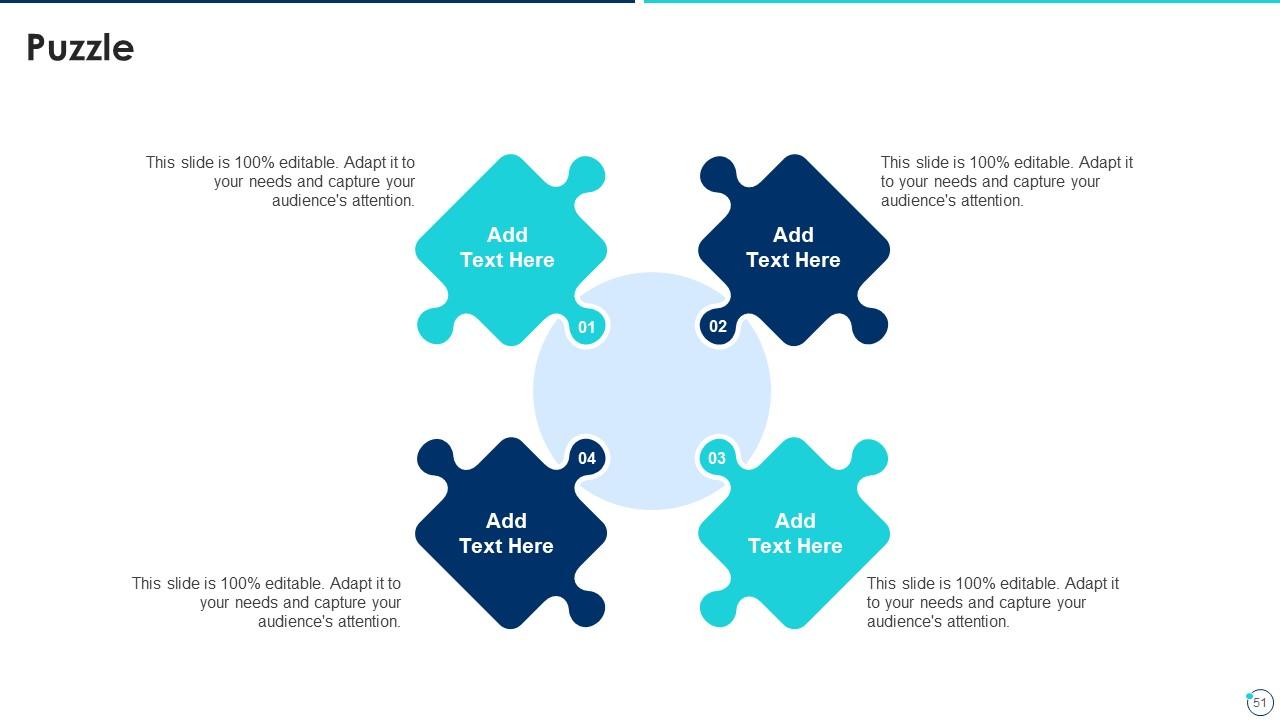
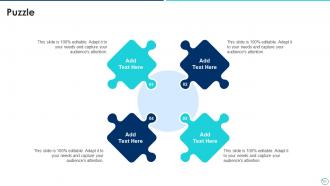
Slide 51: This slide displays puzzle.
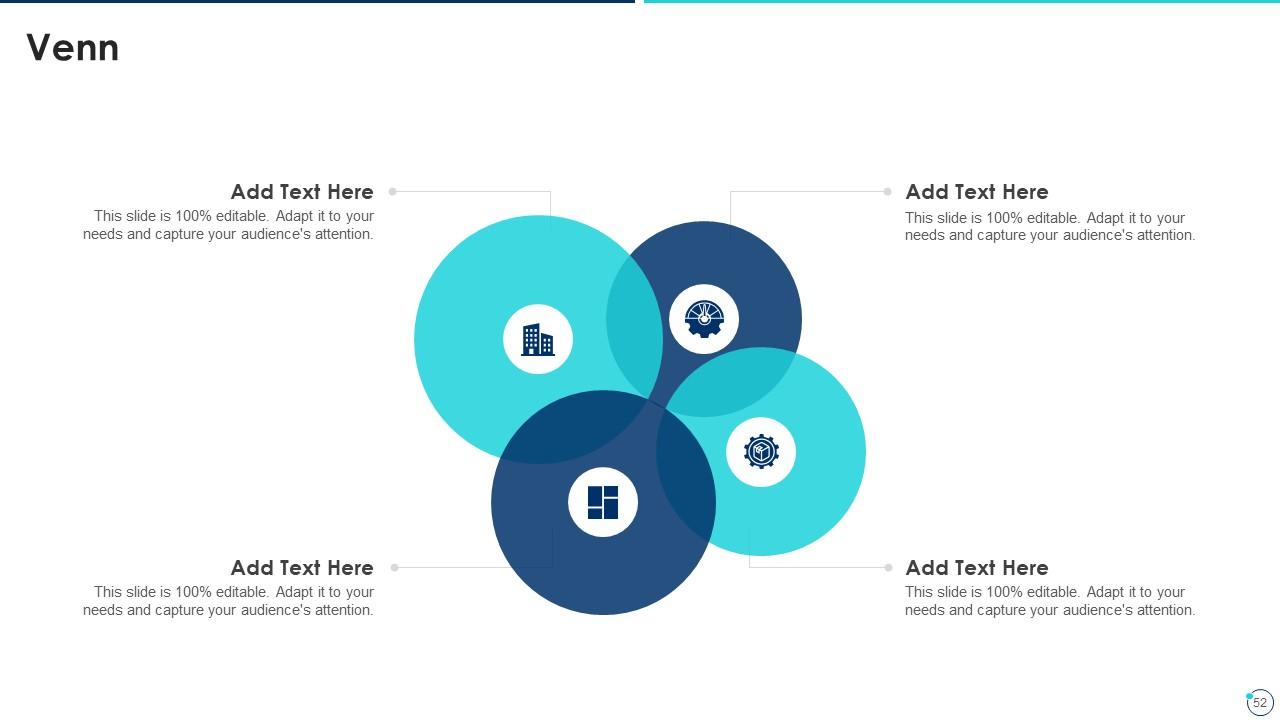
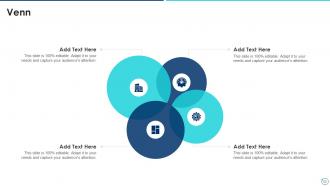
Slide 52: This slide displays Venn.
Slide 53: This is thank you slide & contains contact details of company like office address, phone no., etc.
Collection of quality control templates set 1 powerpoint presentation slides with all 58 slides:
Use our Collection Of Quality Control Templates Set 1 Powerpoint Presentation Slides to effectively help you save your valuable time. They are readymade to fit into any presentation structure.
-
Attractive design and informative presentation.
-
Top Quality presentations that are easily editable.
