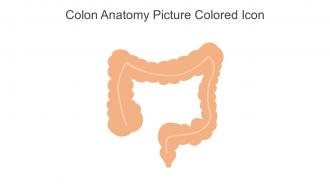
Colon Anatomy Picture Colored Icon In Powerpoint Pptx Png And Editable Eps Format
Try Before you Buy Download Free Sample Product
Audience
Editable
of Time
Use this Colon anatomy picture colored icon in powerpoint pptx png and editable eps format and create amazing PowerPoint presentations or graphics with ease. This downloaded file is available in all the editable formats such as EPS, PNG and Powerpoint pptx.
People who downloaded this PowerPoint presentation also viewed the following :
Colon Anatomy Picture Colored Icon In Powerpoint Pptx Png And Editable Eps Format with all 9 slides:
Use our Colon Anatomy Picture Colored Icon In Powerpoint Pptx Png And Editable Eps Format to effectively help you save your valuable time. They are readymade to fit into any presentation structure.
FAQs for Colon Anatomy Picture Colored Icon In Powerpoint Pptx Png And
The colon consists of four main sections: ascending colon, transverse colon, descending colon, and sigmoid colon, each facilitating water absorption, electrolyte balance, and waste processing. These anatomical segments work sequentially to transform liquid waste into solid stool through systematic dehydration and compaction, ultimately delivering efficient waste elimination and maintaining optimal digestive health.
Human colon anatomy features a longer overall length, pronounced haustra (sac-like segments), and distinct taeniae coli muscle bands compared to most mammals. While other mammals typically have smoother, shorter colons adapted for their specific diets, humans demonstrate enhanced capacity for water absorption and waste processing, ultimately enabling more efficient nutrient extraction from diverse dietary sources.
Colonic folds, or plicae circulares, primarily increase the surface area of the small intestine for enhanced nutrient absorption, though true plicae circulares are not present in the colon itself. The colon features haustra and teniae coli that slow material transit, enabling water reabsorption and electrolyte balance, while facilitating bacterial fermentation processes that ultimately deliver improved digestive efficiency and waste consolidation.
Colon anatomy directly influences gastrointestinal disorders through structural vulnerabilities and functional relationships. The ascending colon's positioning affects inflammatory conditions like Crohn's disease, while the sigmoid colon's curves predispose patients to diverticulitis, and the rectosigmoid junction's anatomy impacts colorectal conditions, ultimately enabling healthcare providers to deliver targeted treatments and enhanced patient outcomes.
The teniae coli are three longitudinal muscle bands that run along the colon's length, creating the characteristic haustra or pouched appearance through their shorter length compared to the colon wall. These bands enable efficient peristaltic contractions for waste movement while providing structural integrity, with medical professionals finding that understanding this anatomy enhances diagnostic accuracy and surgical precision in gastrointestinal procedures.
The colon undergoes several age-related changes including decreased muscle tone, reduced motility, thicker walls, and diminished blood flow, while colonic transit time increases significantly. These physiological modifications can lead to increased constipation, higher diverticulosis risk, and altered absorption patterns, with many healthcare providers finding that early intervention through dietary adjustments and lifestyle modifications helps maintain optimal digestive function.
The ascending colon moves upward from the cecum absorbing water and electrolytes, the transverse colon crosses horizontally facilitating further absorption, the descending colon travels downward storing formed stool, and the sigmoid colon creates an S-shaped curve before reaching the rectum. These anatomical segments work sequentially to process waste material, with each section contributing specialized functions like fluid reabsorption, stool formation, and waste storage, ultimately delivering efficient digestive processing and elimination.
The colon's dual blood supply from superior and inferior mesenteric arteries ensures adequate oxygen and nutrient delivery for optimal digestive function, waste processing, and tissue maintenance. This vascular network enables efficient absorption of water and electrolytes, supports immune function through gut-associated lymphoid tissue, and maintains mucosal integrity, ultimately delivering consistent digestive performance and metabolic balance.
Gut microbiota maintain colon health by fermenting dietary fiber, producing beneficial short-chain fatty acids, strengthening the intestinal barrier, and regulating immune responses. These microorganisms enhance nutrient absorption, reduce inflammation, and protect against pathogenic bacteria, with many gastroenterologists finding that balanced microbiomes ultimately deliver improved digestive function and reduced colorectal disease risk.
The colon's enteric nervous system, including the myenteric and submucosal plexuses, coordinates peristaltic contractions through intrinsic neurons, parasympathetic fibers from the vagus nerve, and sympathetic pathways. These neural networks enable synchronized muscle contractions, regulate transit timing, and maintain digestive efficiency, with healthcare organizations increasingly leveraging this understanding for enhanced gastrointestinal treatments and patient outcomes.
The colon maintains intimate anatomical relationships with the liver, kidneys, spleen, small intestine, and reproductive organs through peritoneal attachments, fascial planes, and direct contact points. These strategic anatomical connections enable comprehensive surgical approaches, facilitate diagnostic imaging interpretations, and guide treatment planning across gastroenterology, oncology, and surgical specialties, ultimately delivering enhanced patient outcomes and procedural precision.
The colon's specialized anatomy facilitates water absorption through its extensive surface area, numerous crypts, and strategic blood supply positioning. These structural features enable efficient electrolyte regulation, fluid balance maintenance, and waste concentration, with the ascending and transverse sections absorbing approximately 90% of remaining water, ultimately delivering formed stool while preventing dehydration.
Colon anatomy significantly impacts surgical interventions by determining approach strategies, resection boundaries, anastomosis locations, and complication risk profiles. Through detailed anatomical mapping, surgeons enhance procedural precision, minimize tissue trauma, and optimize recovery outcomes, with many medical institutions finding that comprehensive anatomical understanding ultimately delivers safer procedures and improved patient experiences.
The colon's lymphatic drainage significantly influences disease spread and treatment outcomes by following predictable pathways from bowel wall to regional nodes, then systemic circulation. This anatomical pattern determines cancer staging protocols, surgical resection margins, and inflammatory disease progression, with gastroenterologists and surgeons finding that understanding these drainage routes enables more precise treatment planning, ultimately improving patient outcomes and therapeutic success rates.
Common anatomical variations in the colon include mobile cecum, redundant sigmoid colon, hepatic flexure variations, splenic flexure mobility, and varying colon lengths. These variations present both challenges and opportunities for medical professionals, with gastroenterologists and surgeons finding that understanding individual anatomical differences enables more precise procedures, personalized treatment approaches, and ultimately delivers improved patient outcomes and procedural success rates.
-
The designs by SlideTeam are honestly the best I have seen so far. Will be definitely coming back for more.
-
SlideTeam just saved my project! Thank you so much. The variety of templates helped me showcase multiple perspectives easily.