

Commodity trading firm powerpoint presentation slides




Try Before you Buy Download Free Sample Product
 Impress Your
 Audience
 100%
100% Editable
 Save Hours
 of Time


Showcase the vital components of your firm using the unparalleled visuals of Commodity Trading Firm PowerPoint Presentation Slides. Commodity trader PPT theme presents a crisp company overview by compiling background, vision, mission, shareholder info, capabilities, and accreditation. Our commodity trade business PowerPoint presentation’s gripping infographics represent financial highlights like gross, operating, and net profit margin. Share insights like key management, market reach, and business model by simply editing this commodities exchange company PPT slideshow. Demonstrate the products and services that your trading firm offers using the professional format of our commodity business company PowerPoint template. This commodity trading industry PPT shows frame details like unit quantity, location, etc. of various transportation modes as well. It is possible to present revenue details using commodity trader PowerPoint themes through formats like income statement, and balance sheet. Showcase your clients from different industries or key firm features by downloading the thoroughly researched commodity trading organization PPT template.
People who downloaded this PowerPoint presentation also viewed the following :
Content of this Powerpoint Presentation
Slide 1: This slide introduces Commodity Trading Firm. State your Company name and begin.
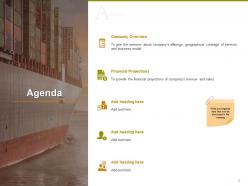
Slide 2: This is Agenda slide. State your agendas here.
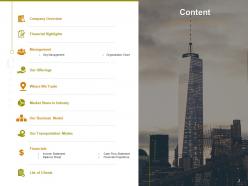
Slide 3: This slide displays Content of the presentation.
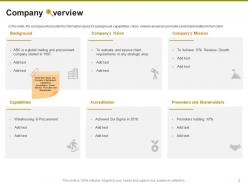
Slide 4: This slide displays Company Overview.
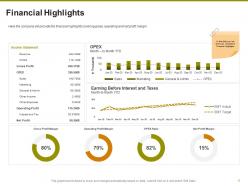
Slide 5: This slide shows Financial Highlights.
Slide 6: This slide displays Key Management with names and designations.
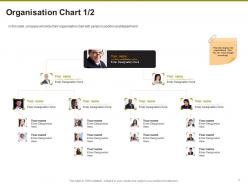
Slide 7: This slide displays Organisation Chart.
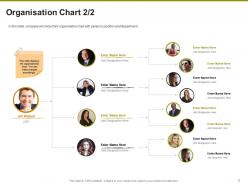
Slide 8: This slide shows Organisation Chart with names and designations.
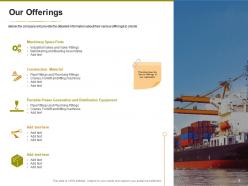
Slide 9: This slide displays Our Offerings.
Slide 10: This slide shows Where We Trade. You can use this slide to explain your Geographical Coverage of services and revenue collection details.
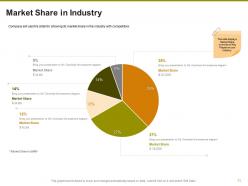
Slide 11: This slide depicts Market Share in Industry.
Slide 12: This slide presents Our Business Model. You can use this slide to explain your Business Model.
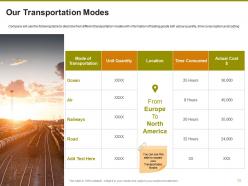
Slide 13: This slide depicts Our Transportation Modes.
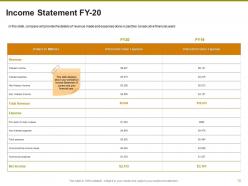
Slide 14: This slide showcases Income Statement.
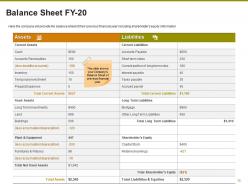
Slide 15: This slide displays Balance Sheet FY-20. Here the company will provide the balance sheet of their previous financial year including shareholder’s equity information.
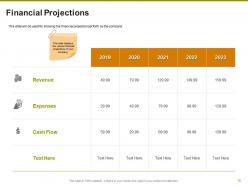
Slide 16: This slide showcases Financial Projections. This slide will be used for showing the financial projection set forth by the company
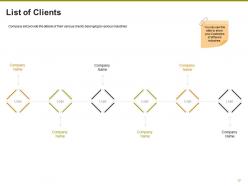
Slide 17: This slide displays List of Clients with details of their various clients belonging to various industries
Slide 18: This is Commodity Trading Firm Icons Slide.
Slide 19: This slide is titled as Additional Slides for moving forward.
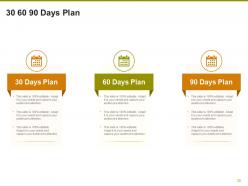
Slide 20: This is 30 60 90 Days Plan slide.
Slide 21: This is Our Mission slide with Vision, Mission and Goal.
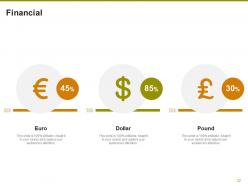
Slide 22: This is Financial slide. Showcase finance related stuff here.
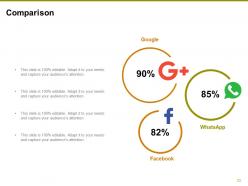
Slide 23: This slide showcases Comparison between facebook, Google and Whatsapp.
Slide 24: This is About Us slide to showcase Company specifications.
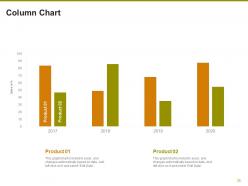
Slide 25: This slide displays Column Chart with different product comparisons.
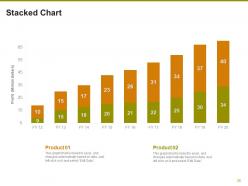
Slide 26: This slide displays Stacked Chart with products comparison.
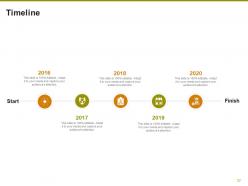
Slide 27: This slide depicts Timeline process.
Slide 28: This is Thank You slide with Address, Contact number and Email address.
Commodity trading firm powerpoint presentation slides with all 28 slides:
Use our Commodity Trading Firm Powerpoint Presentation Slides to effectively help you save your valuable time. They are readymade to fit into any presentation structure.






FAQs for Commodity trading firm
Commodity trading firms do three main things: buy/sell physical stuff like oil and grain, help companies hedge price risk, and provide market liquidity. They're middlemen connecting farmers to food companies, oil producers to refineries - that kind of thing. Many also handle the actual logistics since you've got to move tons of wheat somehow, right? Their money comes from price spreads and spotting market inefficiencies before others do. When you're researching a specific firm, figure out what commodities they focus on. Some are pure traders, others are more logistics-heavy - makes a big difference in how they operate.
So commodity traders basically survive chaos through three main things: spreading risk around, hedging like crazy, and iron-clad position limits. They'll diversify across different commodities, timeframes, regions - anything to avoid getting hammered by one bad move. Futures and options become their best friends for hedging against wild price swings. The position limits thing is non-negotiable too (trust me, I've seen careers end over that). Real-time monitoring tracks everything 24/7. Oh, and never rely on just one risk tool - you need multiple layers working together or you're screwed.
Dude, you absolutely need killer tech if you're getting into commodity trading. Real-time price feeds are non-negotiable. Risk management systems track all your positions so you don't blow up your account. Trading algorithms execute in milliseconds - honestly the speed still amazes me sometimes. The data side gets crazy intense too. You're analyzing weather patterns, geopolitical stuff, supply chain logistics, all of it. Market trend analysis happens through massive databases that never sleep. Don't cheap out on your tech stack. Seriously, other traders will eat you alive if your systems can't keep up.
So pricing is basically a balancing act between supply/demand, futures signals, and what it costs to store/move stuff. Weather and geopolitics mess with everything too - honestly, it's kind of chaotic sometimes. Your risk appetite matters a lot here. Conservative firms stick with cost-plus models, but others go wild with algorithmic pricing that tracks volatility patterns. Seasonal shifts hit hard depending on your commodity. You really need solid real-time data and to understand your product's weird behaviors. I'd start by digging into historical correlations with major price drivers, then work up from there.
Dude, the regulatory maze is brutal. Position limits and reporting requirements for big trades are the main headaches. Capital adequacy rules too - seriously, the paperwork never stops. Market manipulation and insider trading compliance are super strict, plus you'll deal with customer fund segregation if you touch client money. Trading across borders? Each country has different rules, which is annoying. Oh and something I learned the hard way - get your compliance team sorted early. Building relationships with regulators before you actually need them saves so much stress later.
Dude, geopolitical stuff completely changes the game when you're trading. Look at what happened with Russia-Ukraine - grain and energy prices went nuts overnight. Same thing happens when there's drama in the Middle East and oil spikes. I swear, some traders barely sleep because they're watching world leaders tweet at 3am. Political mess in major producing countries? Your position could tank before you even wake up. Elections, trade wars, sanctions - all of it matters. Honestly, you can't just look at charts anymore. Half the battle is staying on top of world events and figuring out how they'll move markets.
You definitely need solid math skills for risk calculations and market analysis. Understanding financial markets is huge - supply/demand, geopolitical stuff, all that impacts pricing. The pressure's honestly brutal, so thick skin and fast decision-making are must-haves. Oh, and communication skills matter way more than people think since you're always negotiating with suppliers and clients. I'd say pick a specialty early - energy, metals, agriculture, whatever clicks with you. Quick decisions can make or break deals in this field. Also brush up on data interpretation because you'll be drowning in market info constantly.
Honestly, I'd start with the basics - look at supply/demand stuff, price swings, how liquid different markets are. Your firm's current setup matters huge too. Like, if you know agriculture already, don't jump straight into metals, you know? Regulatory side can be a nightmare depending on the market. Most successful shops I've seen stick to maybe 3-5 commodities max rather than going crazy wide. Risk management and capital obviously dictate what you can handle. My take? Build from where you already have connections or knowledge - way less painful than starting from zero in some random market you've never touched.
Dude, supply chain chaos totally messes with your trading game. Ports get jammed, routes shut down - prices go absolutely nuts. Sometimes you win, sometimes you get burned. Lead times stretch forever and logistics costs through the roof. Honestly, predicting the next bottleneck is like playing whack-a-mole blindfolded. You gotta stock up when you can and line up backup suppliers. Multiple sourcing options are your friend here. Don't put everything through one channel or you'll get screwed when it inevitably breaks down.
So hedging is like insurance for when prices go crazy - you use futures, options, that kind of stuff to protect your positions. It's literally betting against yourself which feels super weird at first. Say you own a bunch of copper, you'd short copper futures so if prices tank, your futures gains cover the losses from your physical copper. Match your hedge size to what you actually own though, and tweak it when markets shift. Oh, and figure out your biggest price risks first - no point hedging small stuff when you've got massive exposure elsewhere. Makes the whole thing way more manageable.
Honestly, ESG stuff is everywhere now - clients want sustainable sourcing and carbon-neutral everything, which changes how deals work. AI price forecasting is becoming standard, plus blockchain for supply chain tracking. Trade routes keep shifting because of all the geopolitical chaos (it's actually insane right now). Alternative proteins are quietly messing with traditional ag commodities too. I'd audit your ESG game first, then maybe look into fintech partnerships for better data. Don't wait too long though - your competitors probably won't.
Dude, data analytics is a game-changer for commodity trading. You can spot price patterns and predict where markets are heading before everyone else catches on. Most trading firms throw machine learning at everything - weather reports, political drama, supply chain mess-ups, historical trends. The edge you get from solid data science is honestly insane these days. Short bursts work too. Analytics help you nail portfolio allocation and find arbitrage plays across different markets. Oh, and time horizons matter way more than people think. Start by figuring out which data sources actually move your P&L - that's where you'll make real money.
Honestly, the big headaches are market manipulation, environmental stuff, and sketchy suppliers. Regulators are all over pricing transparency - don't even think about cornering markets. Environmental pressure is insane right now, especially with oil or anything linked to deforestation. Then you've got supply chain ethics where you're constantly checking if suppliers use child labor or wreck local communities. Oh, and compliance isn't just paperwork anymore - you actually need systems that work. Start building that framework early because playing catch-up later is brutal. Trust me on this one.
Look, you can't afford to get caught off guard by new regs - I've seen companies get absolutely wrecked by surprise carbon taxes. Set up a team (even if it's just part-time) to track what's coming down the pipeline in your markets. Build those compliance costs into pricing right away, not after the fact. Diversify into cleaner stuff where you can - honestly, it's becoming less optional every year. Get decent sustainability reporting systems in place too. Here's the thing though: instead of treating this like dead weight, flip it. Make compliance your edge over competitors who are still scrambling.
Look, physical commodities can make you more money and you're actually dealing with real stuff, but man - storage costs and logistics are a nightmare. Plus quality issues. Paper trading? Way easier to jump in and out, lower fees, super liquid. Downside is tighter spreads and you miss those supply chain premiums. Honestly, physical only makes sense if you've got the warehouse space and operational chops already. Paper's perfect for speculation or hedging. I'd probably mess around with paper first to figure out how everything moves, then maybe consider physical later if you're serious about it.
-
Design layout is very impressive.
-
Innovative and attractive designs.
-
Understandable and informative presentation.